
Affiliate disclosure: As an Amazon Associate I earn from qualifying purchases. Learn more
Some families in southern Illinois do their winter shopping in one big trip, and it does not happen at a grocery store. They buy beef by the half side, straight from a family that raises the cattle on grass.
The freezer fills up with roasts, steaks and ground beef, and the weekly meat run simply disappears from the to-do list. For first-timers, the idea of buying a share of a whole animal can feel a little intimidating.
What size order makes sense, how does the beef arrive, and is it really worth the effort? This small farm near the town of Ava has been answering those questions for years.
It sells direct to buyers, ships across the country and shows up at a farmers market for city customers. Read on to find out how the whole thing works and why some folks happily drive hours for it.
A Family Beef Farm Near Ava
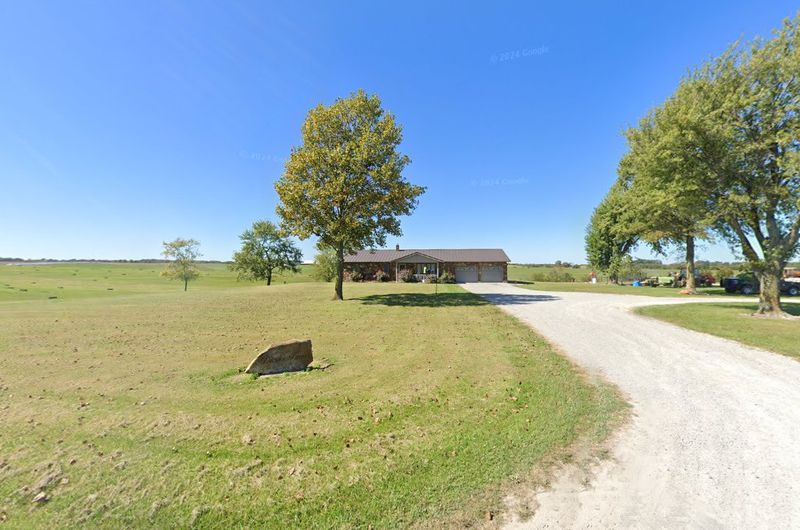
Out in the rolling countryside of Jackson County sits a farm that has turned freezer stocking into a family tradition for its customers.
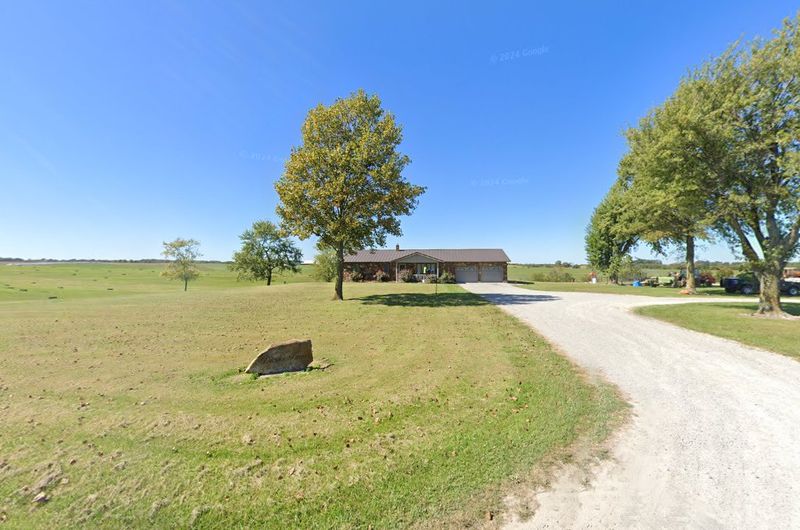
Dierks Farms Grass Fed Beef is located at 273 W Point Rd, Ava, IL 62907, in southern Illinois. It is listed as a meat products store, but the heart of the operation is a working family farm.
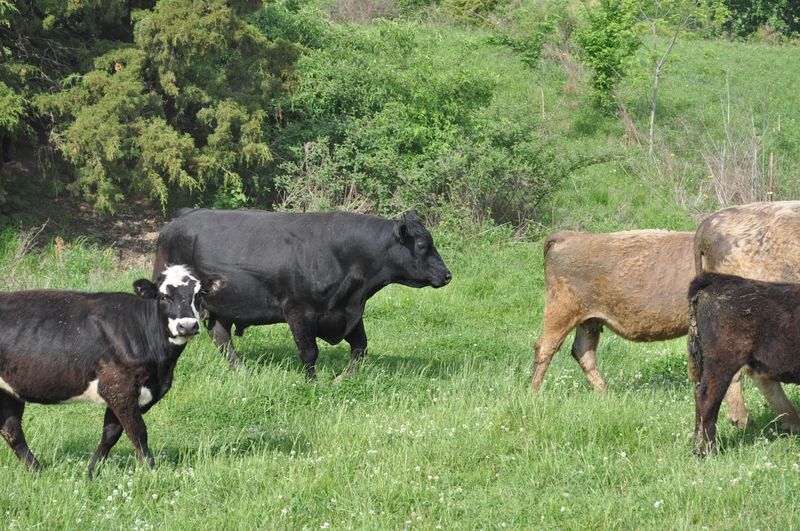
The family raises cattle on grass and sells the beef directly to buyers. That means no middleman and no long chain of warehouses between the pasture and the kitchen table.
Ava is a small town, and the farm fits right into that rural setting. Some customers live close enough to stop by in about 20 minutes, which makes restocking easy.
Others never set foot on the property at all. They order online, get deliveries or pick up at a farmers market in St. Louis.
The farm keeps a website at dierksfarms.com, where buyers can browse options and place orders. For a place tucked away on a country road, it reaches a surprisingly wide circle of households.
That mix of small-town roots and modern ordering is a big part of the appeal, and it sets the stage for everything else this farm does well.
Roots in Family Farm Values
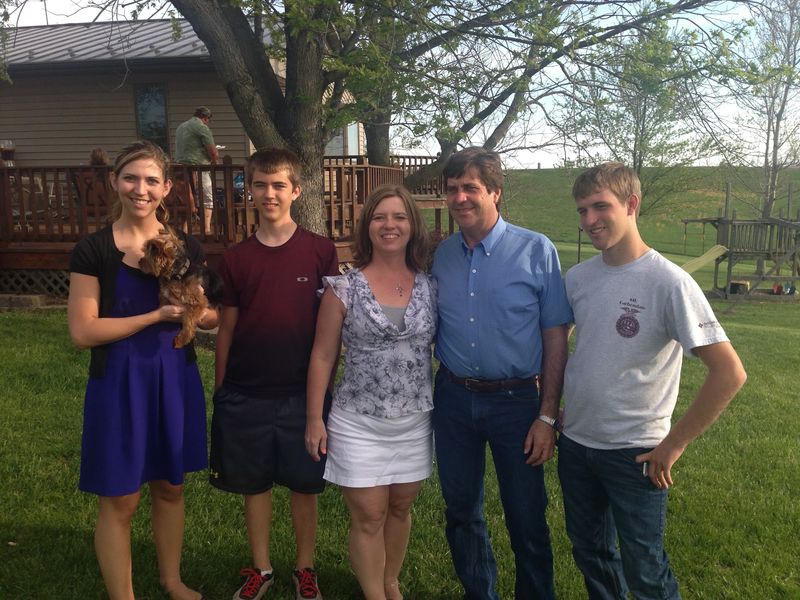
Plenty of businesses call themselves family owned. Here, the label comes with names attached.
Pam Dierks handles a lot of the customer contact, and her name pops up again and again in conversations about the farm. She answers emails, takes special requests and arranges larger orders personally.
The family describes the operation as a family owned and operated grass fed beef farm. They speak openly about standing by the quality of their beef and their family farm values.
That approach shows in the small details. Buyers mention polite, accommodating help whenever they need to stock up again.
The family also says they work every day producing healthy grass fed beef for customers. They openly credit repeat buyers for making the effort worthwhile.
Not every exchange has been perfect, of course. One shipping hiccup to Colorado drew a sharp complaint years ago, and the family responded by explaining FedEx transit times and the extra dry ice they add at no charge.
Still, the overall picture is of a household that treats beef sales as a relationship rather than a transaction. Fans of homegrown farmers who sell direct tend to feel right at home with that style.
Why 100 Percent Grass Fed Matters to Buyers
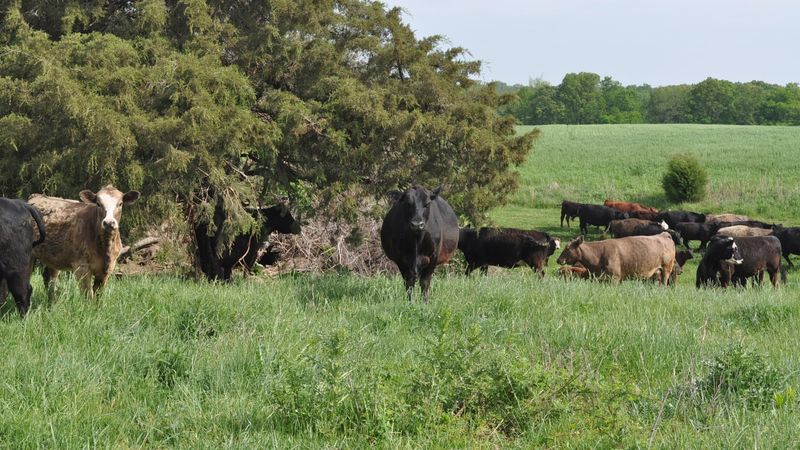
Grass fed is a phrase that shows up on many labels now. Some shoppers want more than that, though, and they go looking for beef that is 100 percent grass fed.
That search is exactly what leads many people to this farm. Rural shoppers in southern Illinois often find no grass fed beef at their local grocery store at all.
Customers mention reasons tied to their own health goals. Some prefer cattle raised without grain feeding and without antibiotics, and they choose the farm for that peace of mind.
For parents, the motivation is often simple. They want to feel good about what they put on the family dinner table every night.
The farm leans into that mission directly. Its focus is producing healthy grass fed beef rather than offering a long list of unrelated products.
Buyers who switch tend to notice a difference compared with commercial beef. Many describe it as fresher and better than what they used to buy in stores.
A clear purpose and a clear product make the decision easy for this crowd. Once they find a reliable source close to home, they usually stick with it.
The Half Side Freezer Strategy
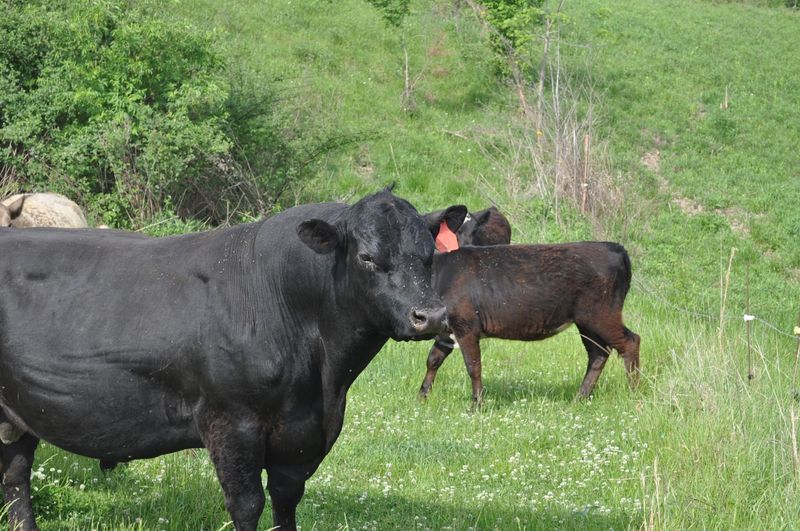
A half side of beef sounds like a lot of meat, and it is. That is precisely the point for families planning ahead for colder months.
Buyers choose from various cuts when they order a half, so the freezer ends up with a mix of roasts, steaks and hamburger. One family who had only ever bought beef at the grocery store tried a half side and found themselves cooking from it for months.
Two months after delivery, they were still working through different cuts and planning to buy again every time. That kind of loyalty says a lot about how well the bulk approach works.
Smaller households have options too. A quarter of a cow is another route, and at least one buyer arranged a quarter purchase after first testing the ground beef.
Bulk buying can save time and may cost less per pound than scattered store trips, though exact prices change and are best confirmed with the farm.
The real win is convenience. With a stocked freezer, snowy evenings mean pulling out a roast instead of driving to town.
Roasts That Keep Coming Up
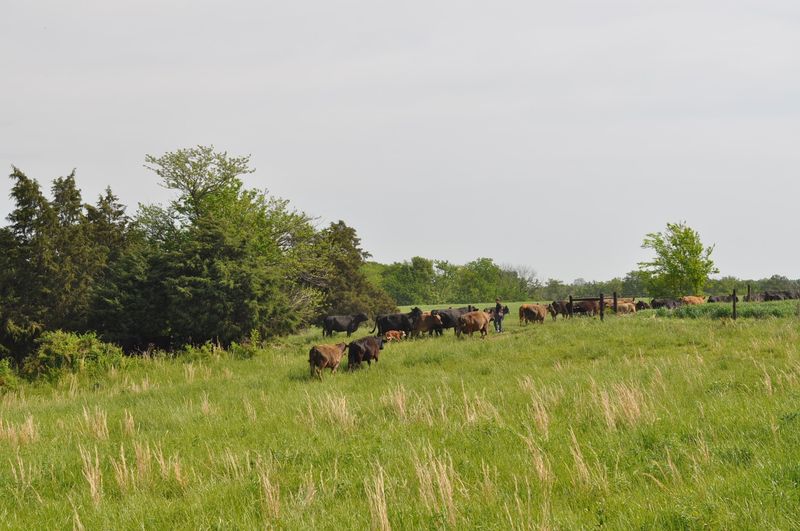
Ask fans of this farm what they love, and roasts get mentioned more than once.
That makes sense for a winter freezer plan. Roasts are the kind of cut that turns a cold Sunday into a slow, easy family meal.
Customers who bought half sides specifically praise the roasts alongside the steaks. One longtime buyer who mostly eats ground beef still calls the roasts wonderful.
Another buyer who started with ground beef was eager to try the steaks and roasts after setting up a quarter purchase. The roasts are often part of what pulls people from small orders into bigger ones.
Since half and quarter orders include a range of cuts, roasts naturally end up in the freezer. Families get to try different types over the course of the season.
That variety keeps meals from getting repetitive. A roast one week and steaks the next makes a big bulk order feel less like a commitment and more like a menu.
For anyone mapping out winter dinners, these cuts are a strong reason to go big on the order.
Ground Beef in One Pound Chubs
Here is a small detail that makes a big difference on busy weeknights. The farm packages ground beef in tidy one pound chubs.
That size is easy to thaw and cook as a single meal. No need to wrestle with a giant frozen block when only dinner for tonight is needed.
One buyer ordered 22 pounds of grass fed ground beef after spotting an online promo. After two days of eating it, they were impressed enough to plan a much larger purchase.
Requests are welcome too. That same customer asked for ground beef on the fattier side, and Pam passed the note along to the processor.
Households report lots of compliments on burgers and tacos made with this ground beef. Some say the flavor beats what they used to pick up at the grocery store.
Many people lean on ground beef because it works in so many dishes. A freezer full of these chubs covers chili, burgers and casseroles all winter long.
It is the humble workhorse of the order, and it pulls its weight.
Shipping With Dry Ice
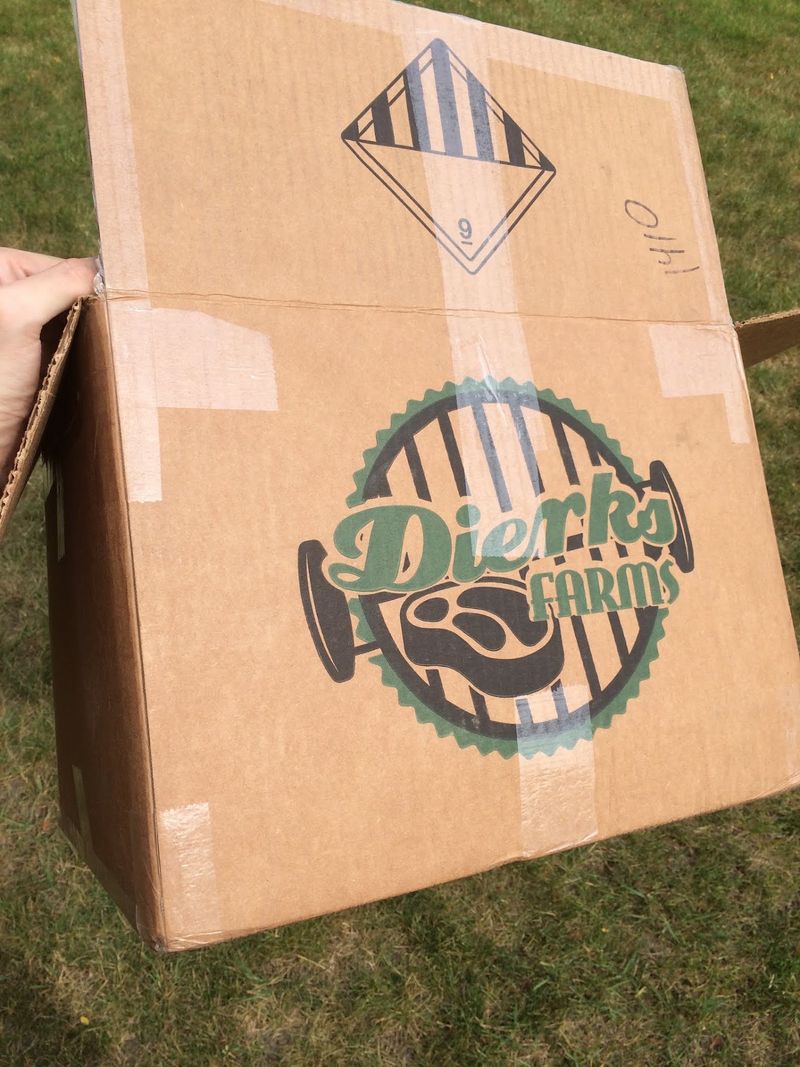
Ordering beef by mail can sound risky. The farm tackles that worry with sturdy boxes lined with styrofoam and packed with dry ice.
Shipments go out by FedEx. One buyer had meat in transit for a little over 24 hours, and it stayed frozen solid the whole time.
Back then, that 22 pound order cost $17.50 to ship, which the buyer considered very reasonable. Shipping costs today may differ, so checking current rates is wise.
Longer distances take longer. The family has explained that shipping from Illinois to Colorado takes about three days with the standard FedEx option.
They also add extra dry ice to those packages without charging for it. That small step helps protect orders on longer trips.
The website handles checkout smoothly, with PayPal and credit card options. After ordering, buyers may get an email asking about special notes or requests.
The result is a system that lets folks far from Ava enjoy farm beef. For Illinois buyers, though, there are even easier routes.
Delivery and Pickup Closer to Home
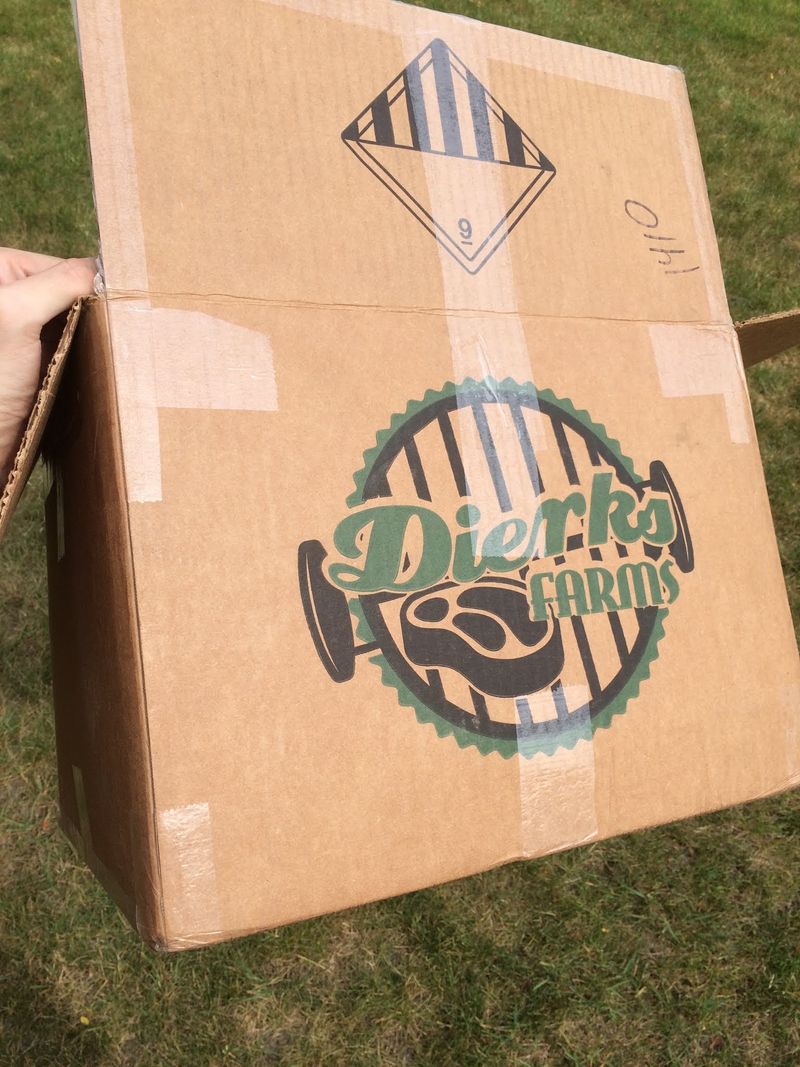
Not everyone needs a FedEx box. Many local families get their beef delivered by the Dierks family themselves.
Half side buyers mention the family delivering the beef directly. Other local customers note that the farm will deliver too, which helps rural households without easy store access.
Living nearby has its perks. Customers about 20 minutes away can restock without much planning at all.
The farm was also found on Amazon at one point, showing how many paths lead to the same small operation.
Because delivery and pickup details can change, contacting the farm through its website is the best way to confirm current options before ordering.
The personal touch matters here. A family showing up with the season’s beef feels a lot different from a delivery van dropping off a box.
That direct connection is part of what turns first-time buyers into regulars who reorder year after year.
A Farmers Market Following
Some fans happily make a road trip out of their beef runs. The farm has sold at the Tower Grove Park Farmers Market in St. Louis.
Customers there have signed up for a ground beef subscription and picked up their orders at the market. That setup keeps a steady supply flowing without a big one-time order.
One household drove almost two hours to the farmers market to get this beef. They had been eating it for about eight months and clearly did not mind the distance.
For Illinois families near the Metro East, the market can be a practical pickup point. It is worth confirming current market dates and attendance with the farm first.
A subscription can also serve as a test run. Families unsure about a half side can try ground beef regularly before scaling up.
Markets add a social element too. Meeting the farm family in person makes the purchase feel personal.
It turns grocery shopping into a weekend outing, and few folks complain about that.
Planning Your First Order
First timers often wonder where to start. The simplest move is visiting dierksfarms.com to see current options for bulk shares, ground beef and other orders.
Freezer space comes first. A half side needs real room, so many families measure before committing, while a quarter or a ground beef order fits smaller setups.
Bulk orders like quarters may need advance arrangement. One buyer emailed in summer to reserve a quarter for the end of August.
That timing matters for winter plans. Reaching out before fall gives the best chance of a stocked freezer when cold weather arrives.
Special requests are fair game. Ask about preferred cuts or fat levels during ordering, since the farm has passed such notes along before.
Hours are not listed publicly, so contacting the farm ahead of any visit or pickup is smart. Prices and shipping rates can change, so confirming them up front avoids surprises.
A little planning goes a long way, and the payoff lasts for months.
Worth a Spot in the Freezer
A strong showing of 4.6 stars across nine opinions tells a clear story about this small Ava farm. Most buyers come back, and many tell friends.
The appeal is simple. Families get 100 percent grass fed beef from people they can actually email, meet at a market or welcome at their door.
Not every order has been flawless, and shipping timelines can shift. Yet the family has stayed consistent about quality and its farm values.
For rural southern Illinois households, it fills a real gap. Grass fed beef is hard to find in many small-town stores, and this farm brings it close.
City buyers benefit too, thanks to shipping and the St. Louis market connection. Even shoppers two hours away have decided the trip is worth it.
Roasts for Sunday dinner, steaks for special nights and ground beef for everything else make a well-rounded winter supply.
Tag the friend with the empty chest freezer, then start planning that half side before the first frost.


