
Affiliate disclosure: As an Amazon Associate I earn from qualifying purchases. Learn more
Some of the oldest plant leaves in Illinois are tucked inside plain gray rocks about an hour southwest of Chicago. Kids pick them up off the ground, carry them home, and wait for the freezer to do the hard work.
When a rock finally splits, a fern pattern from the age of ancient swamps can appear right on the kitchen table. The spot that makes this possible is a free state wildlife area with lakes, boat ramps, quiet trails, and a fossil permit sitting in a mailbox.
It does not get crowded, and it does not cost an admission fee. Keep reading to learn where it is, how the fossil hunt works, what to pack, and why so many Illinois families call it one of the best quiet escapes near Chicagoland.
A Free Fossil Ground in Grundy County Country
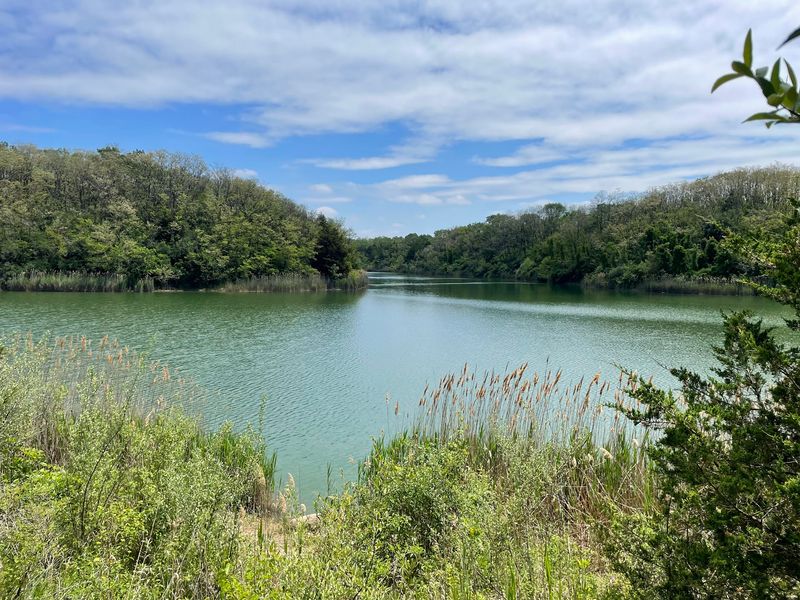
Few road signs announce that a prehistoric treasure chest sits off Route 53. Mazonia-Braidwood State Fish and Wildlife Area is found at IL-53 and E Huston Rd, Braceville, IL 60407, in northeastern Illinois.
The site covers about 1,017 acres of lakes and grassland. It is managed by the Illinois Department of Natural Resources, and its main listing describes it as a place for hunting, fishing, and boating.
That official description leaves out the part families love most. Scattered across certain areas are rocks that can hold plant and animal fossils, and searching for them is a big reason people make the drive.
The location makes it an easy day trip. Folks in the south and southwest suburbs can reach it without planning a weekend away, which keeps the outing cheap and simple.
Many locals call it one of their favorite places in Chicagoland. Others admit they had driven past for years without knowing what was out there.
The appeal is easy to explain. It mixes free outdoor time with a real chance to hold something ancient in your hand, and that pairing is hard to find this close to the city.
So what exactly are people hunting for out here? The answer starts deep in Illinois history.
Ancient Swamps Hidden in Gray Stones
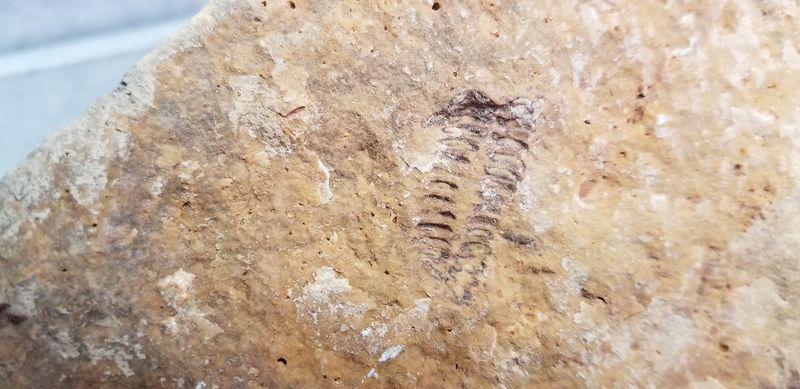
Roughly 300 million years ago, this part of Illinois looked nothing like farm country. Ferns and early plants grew in swampy coastal lowlands during a time geologists call the Carboniferous period.
Over time, some of those plants were buried in mud. Minerals formed hard, rounded lumps around them, and those lumps are called concretions.
Today, a concretion looks like a dull, oval rock. Inside, there may be a fern leaf or another fossil preserved in surprising detail.
The area has also produced finds along shorelines, including a trilobite fossil and shells picked up by kayakers. Those discoveries show how much variety can turn up here.
Not every rock holds a prize, of course. Some open up empty, and that is part of the gamble that makes every split exciting.
Fun fact: the plants inside these stones lived long before the first dinosaurs walked the earth. That makes even a small fern fragment a pretty impressive thing to bring to show-and-tell.
Knowing what you are holding changes the whole trip. Next comes the paperwork, which is easier than it sounds.
The Permit in the Mailbox
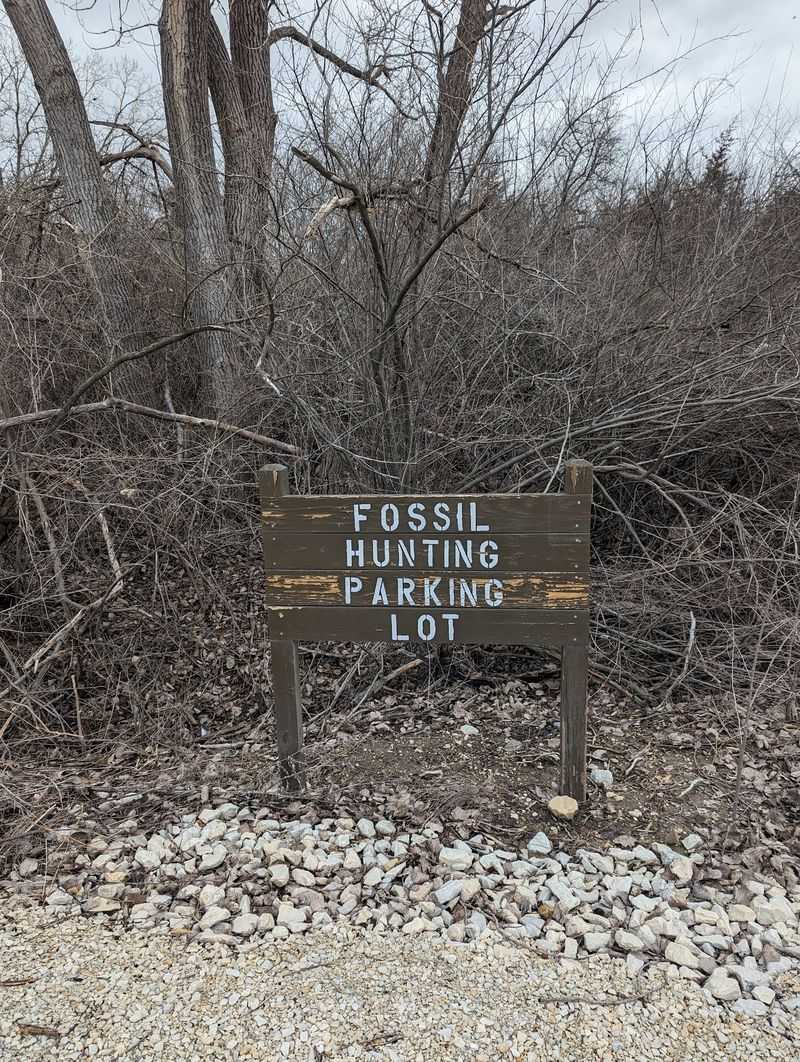
Here is a detail that charms almost everyone: the fossil permits wait in a mailbox at the park office. Hunters grab a form, fill it out, and head out to search.
The office area also offers maps and permit forms. Those maps point out recommended fossil sites, and at least one first-timer found a fossil using those directions.
There is a catch worth knowing. Many people say the information printed on the permit seems outdated and can be confusing.
Some hunters could not find the places it described. Construction in certain areas may also change what you see on the ground.
Doing a bit of homework at home helps a lot. Books and online resources exist for people who want to learn where fossils tend to appear and what concretions look like.
Studying photos ahead of time pays off. Several families say the fossils were hard to spot until they learned what to look for, and after that, they wanted to come back.
With a permit in hand and a plan in mind, the next question is where to actually walk.
Searching the Shoreline Instead of the Brush
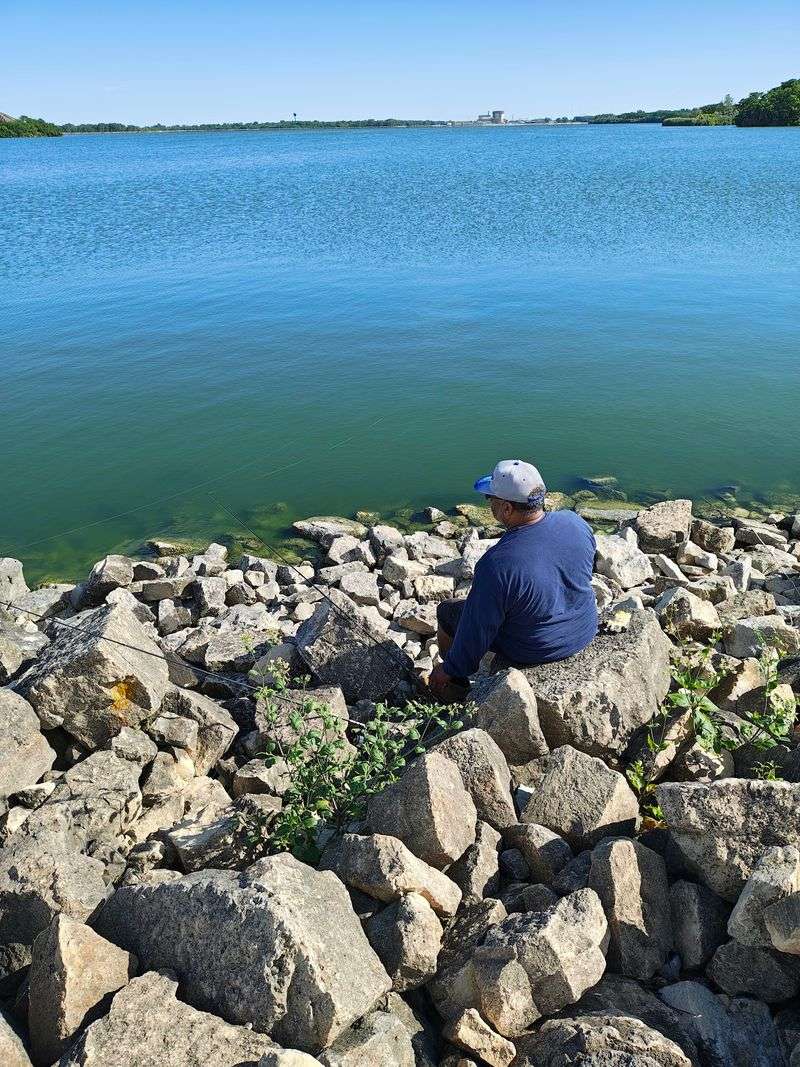
Shorelines tend to be the friendliest hunting grounds. Several groups who found the inland trails too overgrown simply stuck to searching by the water.
That strategy worked. Shoreline searchers have turned up nice concretions, shells, and even a trilobite.
Water levels and erosion can expose rocks along the edges. That makes them easier to see than stones hidden under thick brush.
The park lists a few specific fossil spots, and some are well off the trail. Exploring those areas means pushing past thorny plants and pulling exposed rocks out of the dirt.
In other words, off-trail fossil hunting gets messy. Old clothes and sturdy shoes are a smart call.
For families with younger kids, the shoreline approach keeps things manageable. It offers open views and easier footing, and the lakes are always close by as a landmark.
Small hands are great at spotting oval shapes among ordinary gravel. Turning the hunt into a contest can keep kids busy for a long, happy stretch.
Of course, timing matters as much as location. One season clearly gives hunters the upper hand.
Why Spring Wins for Rock Hounds
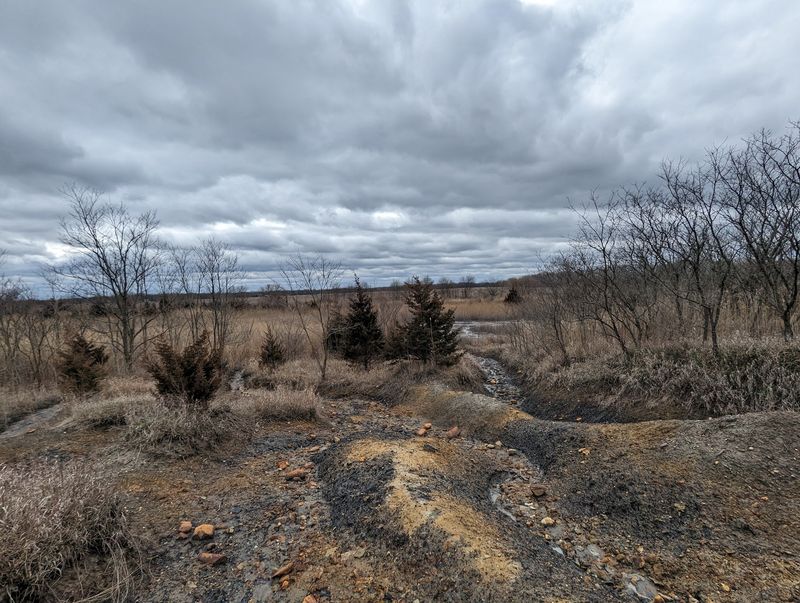
Bare branches are a fossil hunter’s best friend. Families who visit during spring break recommend going before the trees leaf out.
Without leaves and summer growth, the ground is easier to see. Paths are easier to follow too, which matters in a place where trails can disappear.
Summer brings a different challenge. Bugs can be intense, and one couple left disappointed because insects got in the way of fishing and grilling.
Bug spray shows up again and again as a must-pack item. Even fans of the park say to bring it.
Fall can work well too, since growth starts dying back. Still, spring stays the favorite for fossil seekers.
Spring also fits nicely with Illinois school calendars. A spring break trip costs almost nothing beyond gas and snacks, which suits budget-minded families.
Once the rocks are collected, though, the real magic happens far from the park. And it involves a household appliance.
The Freezer Trick That Cracks the Case
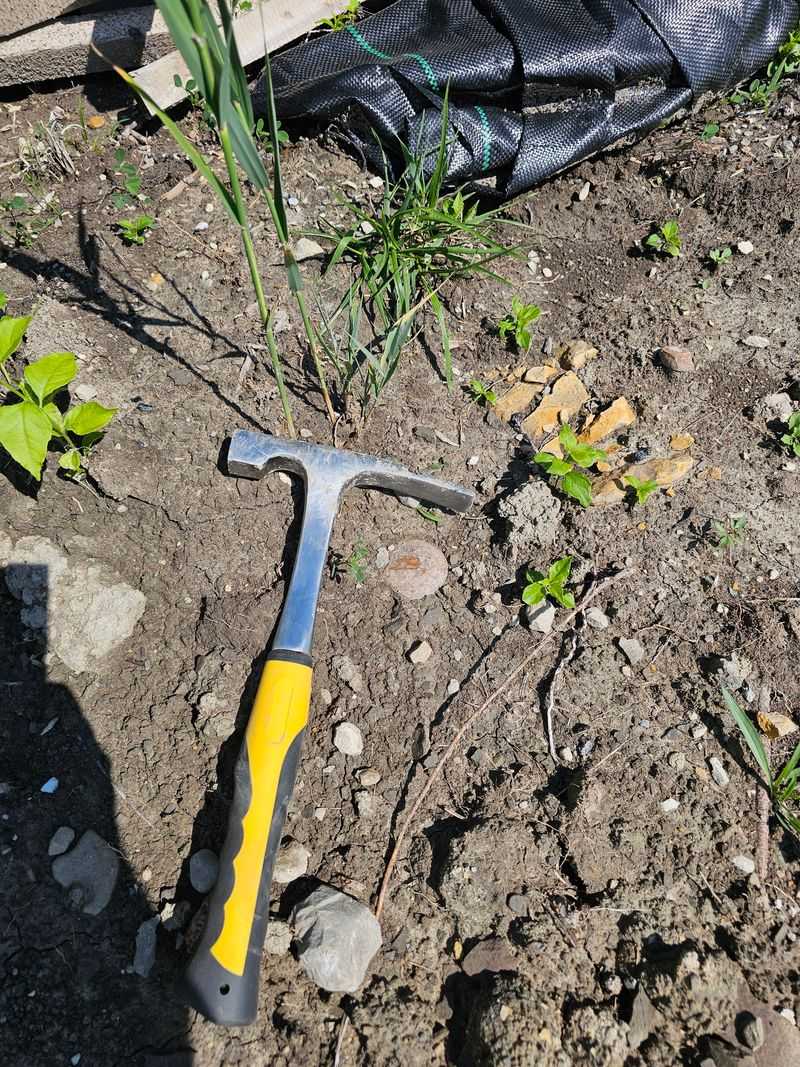
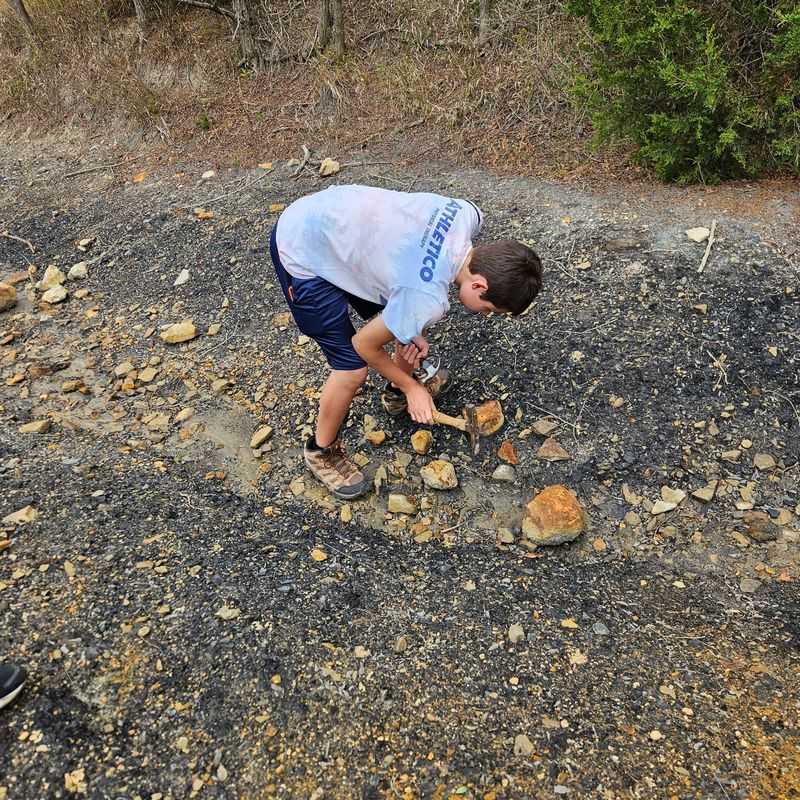
Patience beats a hammer every time. Experienced families advise against breaking concretions open at the park.
Instead, they carry the rocks home and use the freeze-thaw method. The stones get soaked, frozen, and thawed over and over.
Water seeps into tiny gaps and expands when it freezes. After enough rounds, cracks appear along the natural seam.
That is when a gentle tap can split the rock. If there is a fossil inside, it often shows up on both halves.
Smashing too early can ruin the find. The slower method gives the best shot at a clean reveal.
The waiting turns into a family project. Kids check the freezer, watch for cracks, and guess what might be hiding inside each stone.
It also stretches one day trip into weeks of fun at home. Not bad for an outing that started with a free permit.
Fossils are only half the story, though. The water here pulls in a whole different crowd.
Lakes Built for Anglers
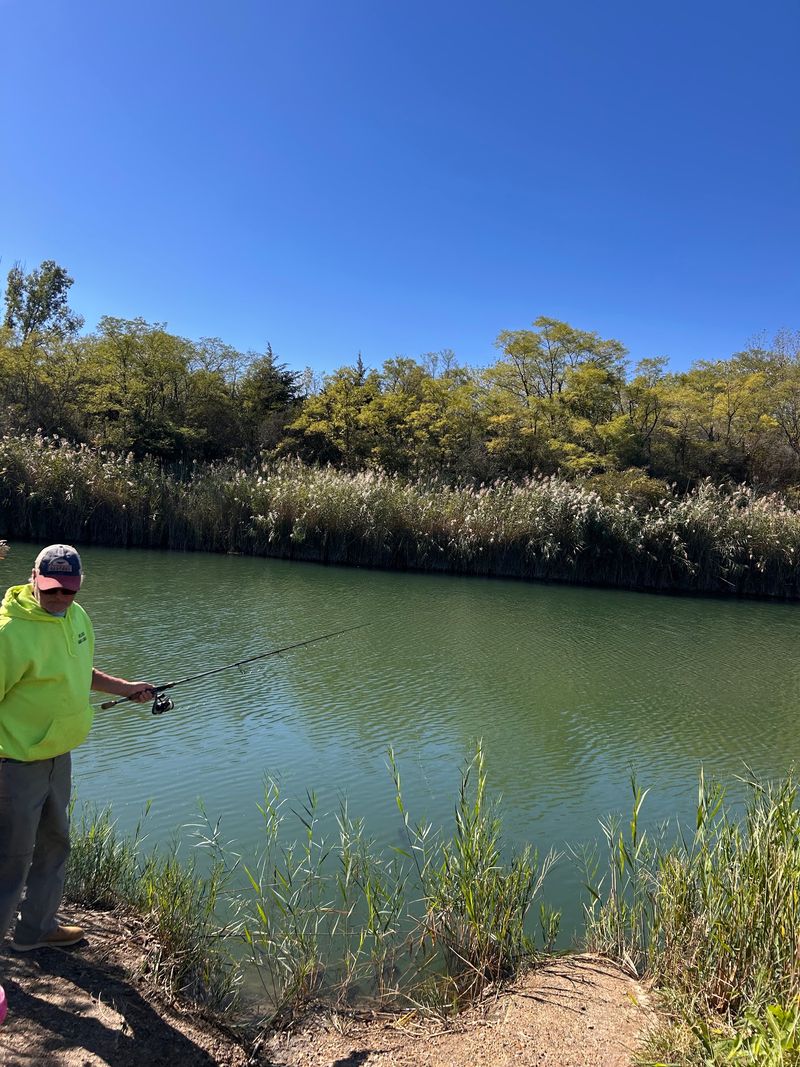
Ask a fishing fan about this place and the answer comes quickly. Plenty of fishing spots line the many lakes and ponds.
The fishing is often called excellent. There is a variety of lakes and lots of shoreline access, so finding an open patch is rarely hard.
Big catches happen too. One passerby watched a man reel in a huge catfish and ended up cheering him on from the path.
Not every trip produces a fish, naturally. Even anglers who came up empty say there are so many water options that they plan to return.
Shore fishing keeps the cost low. Anyone casting should carry a valid Illinois fishing license as state rules require.
The mix of beginners and seasoned anglers adds to the relaxed mood. Nobody needs fancy gear to enjoy a quiet afternoon by the water.
For those who prefer to float rather than stand, the lakes offer something else worth exploring.
Paddles, Ramps, and Open Water
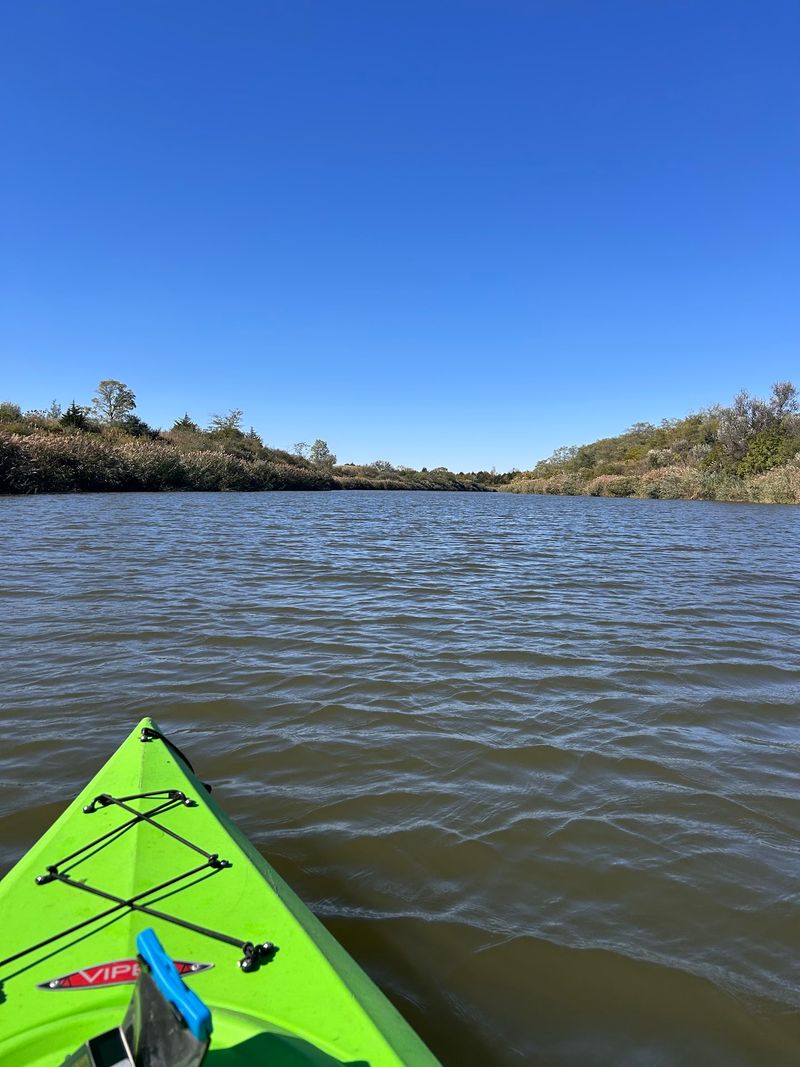
Kayakers have discovered a peaceful playground here. The site is often praised as a perfect calm place to paddle.
Many boat ramps sit around the area. One launch earns special praise for being well designed.
Kayak fishing is popular as well. Paddlers can move between different patches of water and try several spots in one outing.
Boating in general seems to draw a steady following. Still, the lakes rarely feel packed.
The Braidwood Kankakee boat launch is one known access point in the area. It can serve as a handy landmark on maps.
Shoreline fossil finds have even come from kayak trips. A paddler can land on a quiet bank and check the rocks along the edge.
That combo makes the water a double win. Families can paddle in the morning and hunt for ancient ferns before lunch.
Back on land, the trails offer their own adventure, with a few important warnings attached.
Trails That Test Your Map Skills
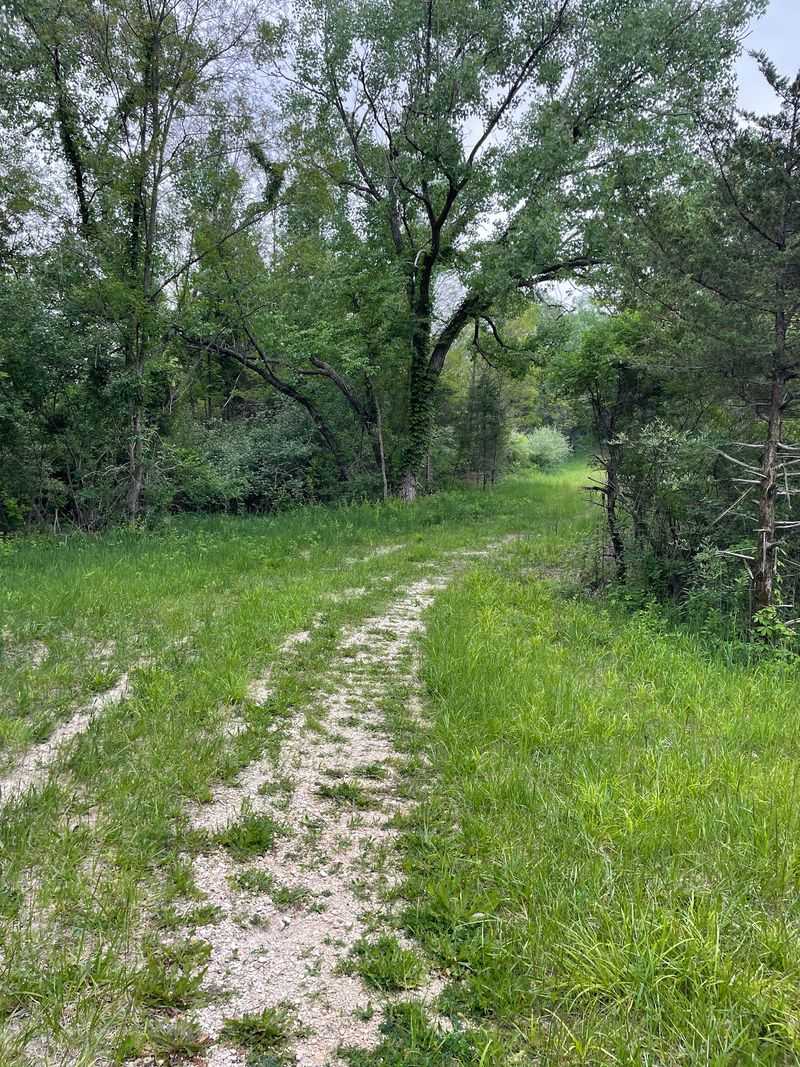
Hiking here can be easy or surprisingly tricky. Some paths are paved and simple on the feet.
Other trails are poorly marked and quite overgrown. Groups have ended up bushwhacking for half an hour just to reach their goal.
Fossil site 3 gets specific warnings. One mother and her son became turned around for hours after the trail faded and signs disappeared.
They eventually reached a boat launch and called for help. That story is a strong reminder to plan carefully.
A few simple habits can keep things safe:
Start early in the day. Download offline maps, carry a charged phone, and tell someone your route.
Pack plenty of water and a first aid kit. Turn back if the path stops making sense.
Many people also wish the fossil signs were bigger and better labeled. Until that changes, preparation is your best guide.
Handled wisely, the trails reward hikers with something rare near Chicago: real solitude.
Room to Roam Without the Crowds
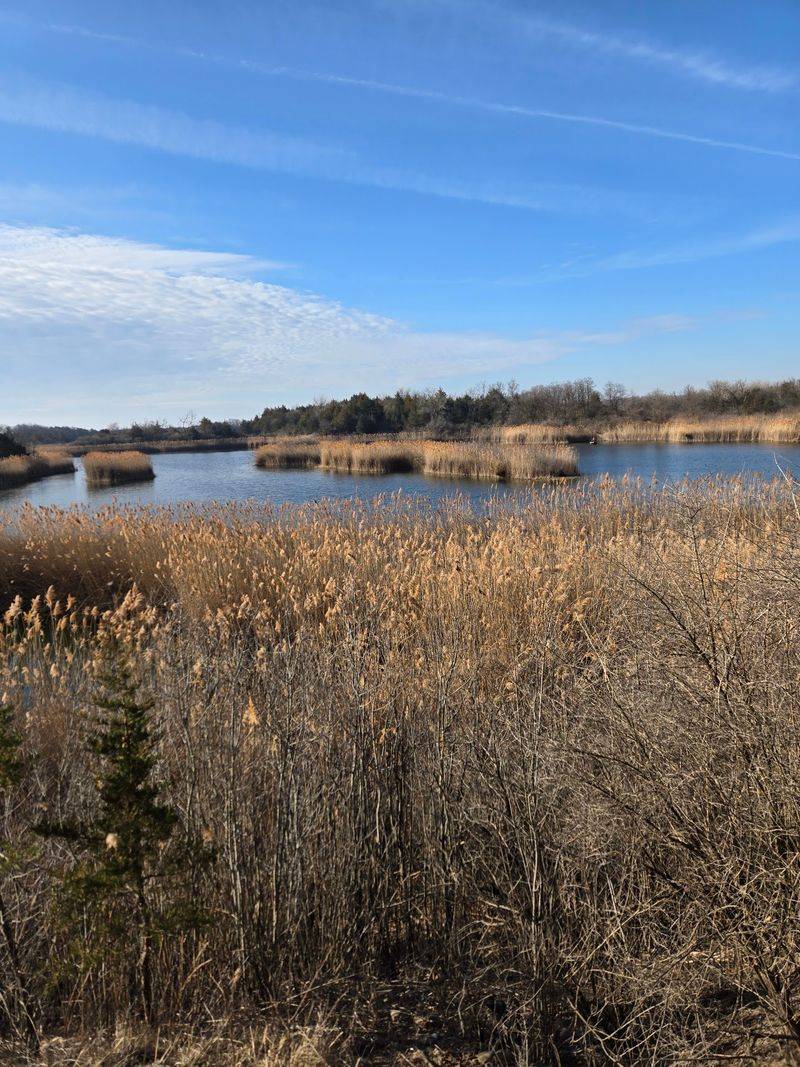
Crowds seem to forget this place exists. People regularly express surprise at how empty it is.
The site has many small spots to park and wander off on your own. That spread keeps groups from bunching up.
Wide open spaces, calm water, and quiet surroundings define the mood. It is often described as clean and spacious.
Some areas even give off Yellowstone vibes. Steamy geysers are missing, of course, but the broad, wild landscape earns the comparison for a few people.
Driving slowly through the grounds is a pastime in itself. Some folks simply cruise with the windows down and enjoy the scenery.
For anyone tired of packed parks, the lack of crowds feels like a bonus prize. It is the kind of spot people brag about finding and then share with close friends.
As the day winds down, the scenery shifts in a way that keeps some people around after dark.
Sunsets, Birds, and Starry Skies
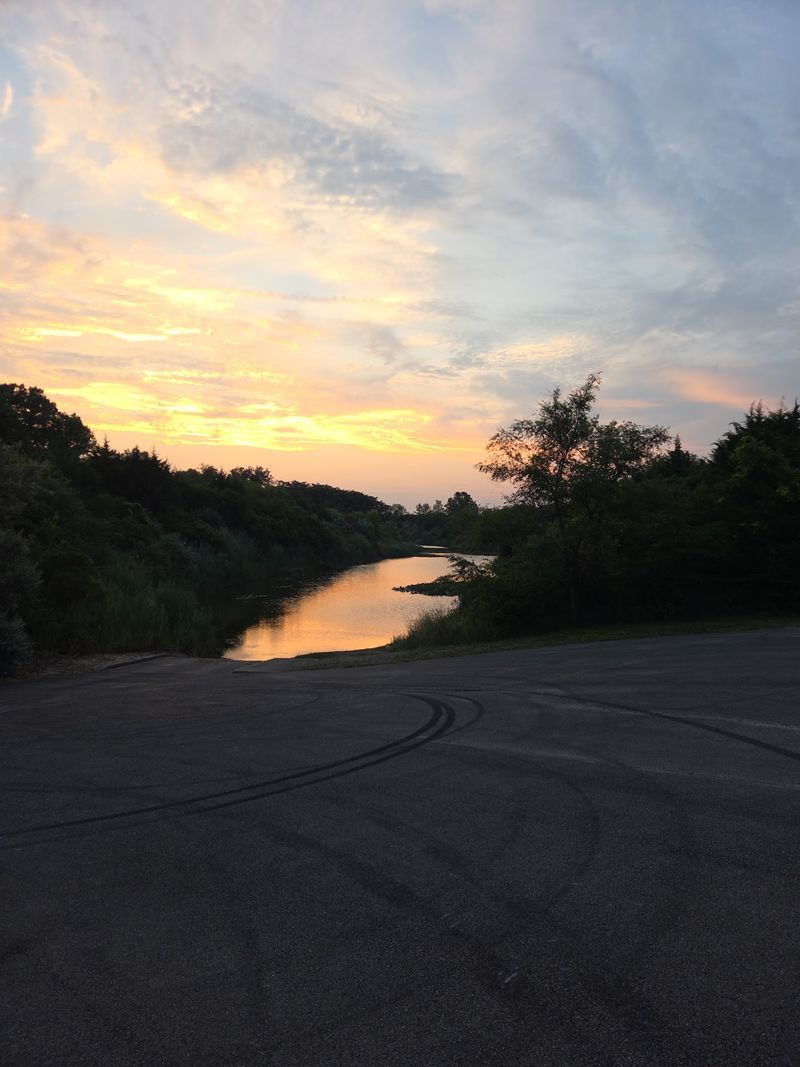
Golden hour might be the best-kept secret here. The views are called beautiful year-round, especially at sunrise and sunset.
Birdwatchers enjoy the open grasslands and lakes. The mix of habitats gives them plenty to scan with binoculars.
Stargazing comes up too. With wide skies and fewer lights than the suburbs, the night view can be a treat.
Hours run from 6 AM to 10 PM, which allows time for an evening sky watch before closing. Plan to be back at the car before the gates close.
A folding chair and a star app make the outing simple. Kids who spent the morning chasing fossils may enjoy spotting planets at night.
That full-day arc is part of the charm. One free destination can cover fossils, fishing, paddling, and a starlit finale.
Before heading out, though, a few practical notes will make everything smoother.
Hours, Costs, and a Smart Packing List
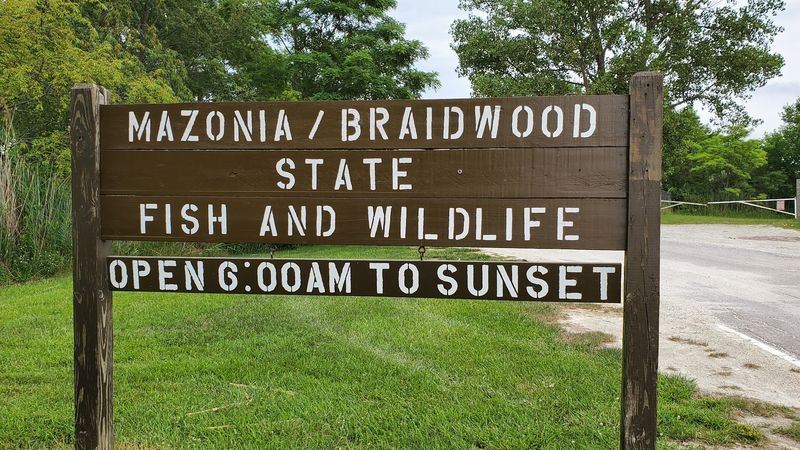
Planning takes only a few minutes. The area is open every day from 6 AM to 10 PM.
No admission fee is listed, which makes it a strong budget pick. Gas, snacks, and any required licenses for fishing or hunting are the main costs.
It is officially classified as a hunting area too. During hunting seasons, wearing bright colors and checking the IDNR website for current rules is wise.
The IDNR has studied deer health in the region, so hunters should follow official guidance.
Here is a handy packing list drawn from experienced visits:
Bring bug spray, plenty of water, and a first aid kit. A hydration backpack, field notebook, and sturdy shoes help on rough ground.
Add a bag or bucket for concretions. A printed map and a charged phone round things out.
The official park page at dnr.illinois.gov offers updates. A quick look before leaving can save confusion on arrival.
A Rock-Solid Pick for Curious Families
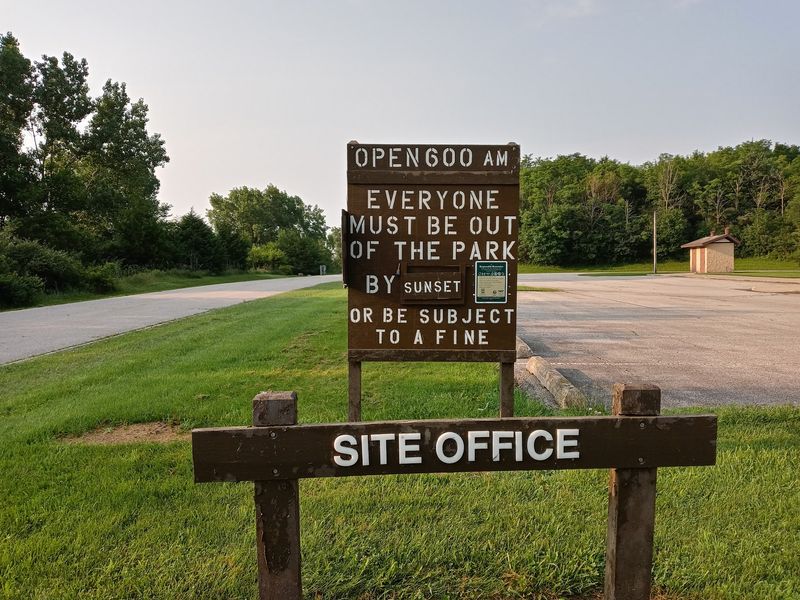
Some day trips fade fast, but a fossil fern on the shelf keeps the memory alive. That lasting souvenir is what makes this spot special.
The site holds a strong 4.5-star average across more than a hundred opinions. Praise centers on fossils, fishing, peace, and space.
The downsides are honest and manageable. Bugs, faded trails, and outdated permit details call for planning, not avoidance.
Families who do their research tend to leave thrilled. Many say they will return now that they know what the fossils look like.
It suits kids with a science streak, anglers, paddlers, and anyone craving quiet. It is less ideal for those wanting groomed paths and lots of signs.
For a free outing close to Chicagoland, the payoff is hard to beat. A morning of searching can turn into a discovery that is 300 million years in the making.
So grab a permit, pack the bug spray, and let the freezer finish the story. Some of Illinois’ best secrets really are set in stone.


