
Affiliate disclosure: As an Amazon Associate I earn from qualifying purchases. Learn more
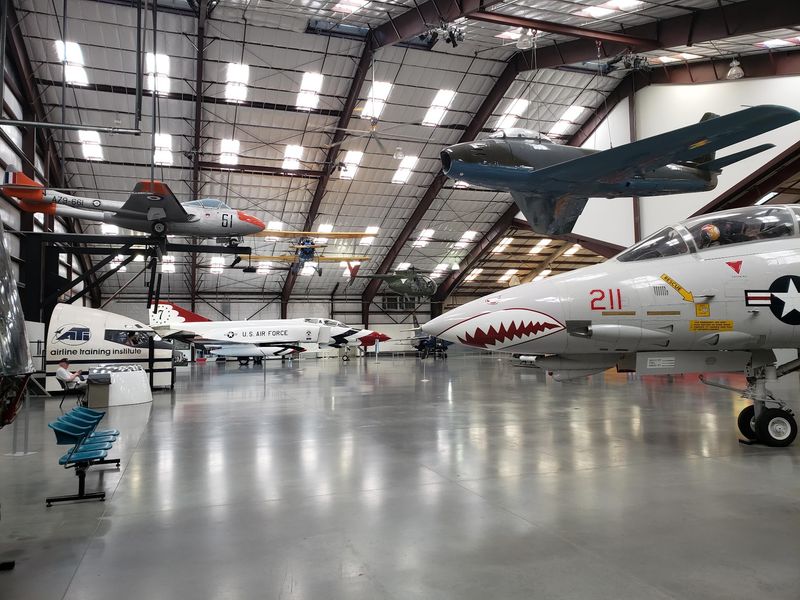
Some Arizonans have lived here for decades and still never made the short drive to one of the biggest aircraft collections on the planet. It sits on the edge of Tucson, and it holds more than 300 planes and spacecraft across 80 acres.
A Cold War spy plane, a famous World War II bomber, a moon rock and a giant flying boat all share the same patch of desert. People show up planning a quick look and leave hours later, still talking about the planes they did not reach.
Families come back again and again, and history fans call it a highlight of any trip. Keep reading for the story behind the collection, the standout aircraft, the tram tour locals swear by, and the practical tips that make a visit easier.
There is a lot of ground to cover, so it helps to know the flight plan before takeoff.
A Runway of History on Valencia Road
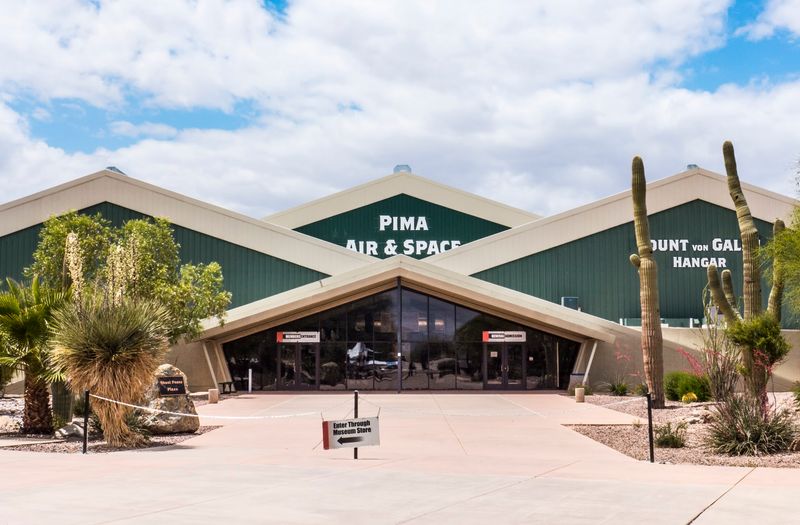
The answer to the mystery is the Pima Air & Space Museum, found at 6000 E Valencia Rd, Tucson, AZ 85756. It sits on the southeast side of Tucson in southern Arizona, United States.
Classified as a history museum, it serves as a tribute to historic aircraft and spacecraft. More than 300 of them are on display across 80 acres of exhibits.
That is not a typo. Eighty acres is enough room for indoor hangars, outdoor rows of planes, a separate memorial museum and a busy tram route.
The place holds a 4.8-star standing from more than 10,000 people who have shared their thoughts online. That kind of number tends to signal something special in our own backyard.
Arizona residents from the Valley often admit they waited far too long to make the trip down Interstate 10. Some finally go with their kids and wonder why it took so many years.
The museum mixes military and civilian aircraft, so the appeal reaches past hardcore aviation fans. Casual guests who simply like oddities find plenty to hold their attention.
Before getting into the planes themselves, it helps to understand why Tucson is such a natural home for a collection this size.
Why the Desert Keeps These Planes Around
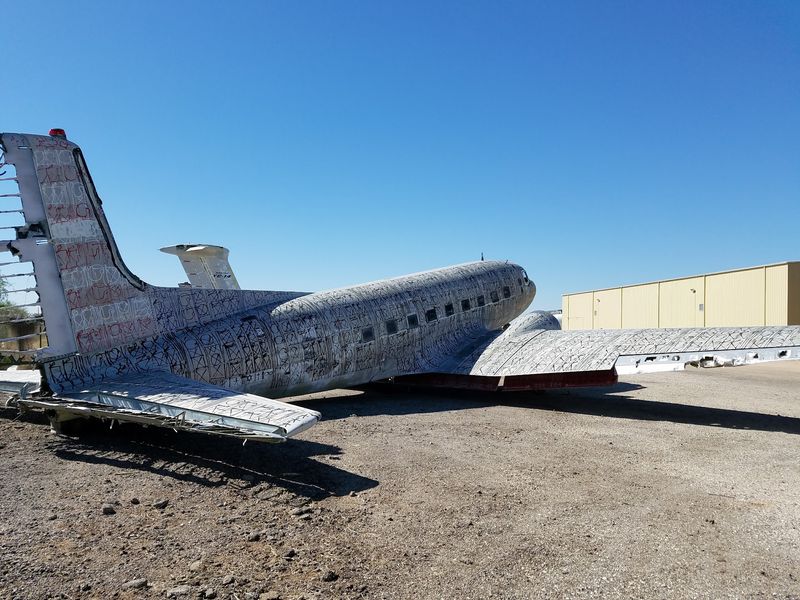
On the approach to Tucson, a vast area filled with thousands of aircraft comes into view. That sight alone hints at what waits at the museum.
Southern Arizona has a real advantage for keeping old airframes in one piece. The air here carries very low humidity, which slows the kind of decay that would ruin planes in wetter places.
The sun is another story. Some aircraft look weathered, and that is likely the work of intense heat and strong light year after year.
Condition varies from plane to plane. Some are in great shape and clearly well maintained, while others are rougher and show their age.
Quite a few outdoor planes wear protective weather covers. That helps preserve them, though it means peeking inside is not always possible.
The museum also sits close to an active air base. Keep a camera ready, because there is a good chance of watching A-10s take off nearby.
That mix of preserved history and live flying gives the grounds a certain energy. It is a reminder that aviation in Tucson is not just a memory but an ongoing part of daily life here.
Three Hundred Aircraft, One Long To-Do List
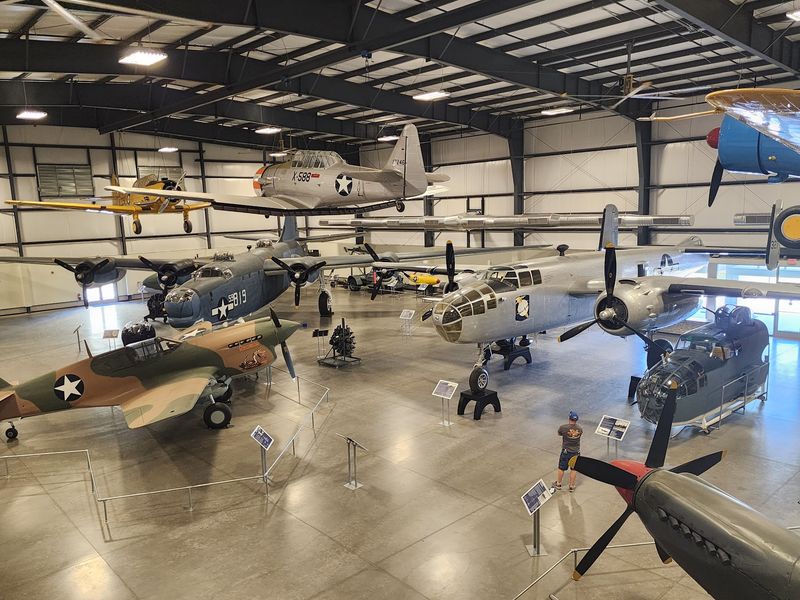
Variety is the headline act here. The collection stretches from a model of the very first airplane to modern jets.
Planes from the last 100-plus years and nearly every conflict are part of the lineup. World War II, the Korean War era and the Vietnam War era are all well represented.
Most aircraft are American, but many foreign models appear too. Helicopters join the mix, along with rare and unique designs that are hard to find anywhere else in the world.
The sheer size of some World War II planes catches people off guard. Big and small, the museum seems to have them all.
Civilian aircraft also get their moment, so the experience is not only about warbirds. That balance helps the collection appeal to a wider crowd.
Even people who call themselves anything but plane geeks report spending close to three hours without trying. The range of shapes, eras and stories keeps the walk interesting.
Repeat guests mention finding something new on every trip, even after three visits in eight years. With a list this long, that is less a surprise and more a guarantee.
The Blackbird and Other Superstars
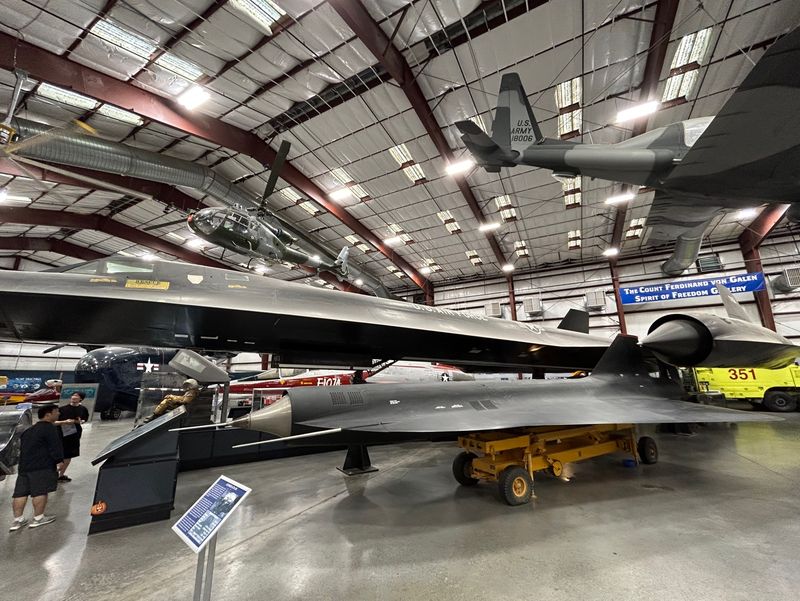
Every big collection has its celebrities, and this one has a crowded red carpet. The SR-71 Blackbird tops many favorite lists.
The B-58 Hustler draws plenty of fans as well. Father and son pairs have named these two as the highlight of their day.
Other headliners include the A-10 Warthog, the B-36 Peacemaker and the B-24 Liberator. Each one carries a slice of military aviation history.
A cutaway section of a B-52 offers a rare look at the inner workings of a giant bomber. For people with family ties to that aircraft, it can feel especially personal.
Inventive displays let guests walk up to, under and all around important aircraft. Many indoor examples are fully restored.
Returning guests who last came in the early 2000s say much has changed. There are many more interior displays now, which gives favorites a better spotlight.
Aviation buffs often challenge themselves to name every iconic plane on sight. Newcomers can simply read the signs and enjoy discovering why these machines earned their fame.
Flying Fortress in the Spotlight
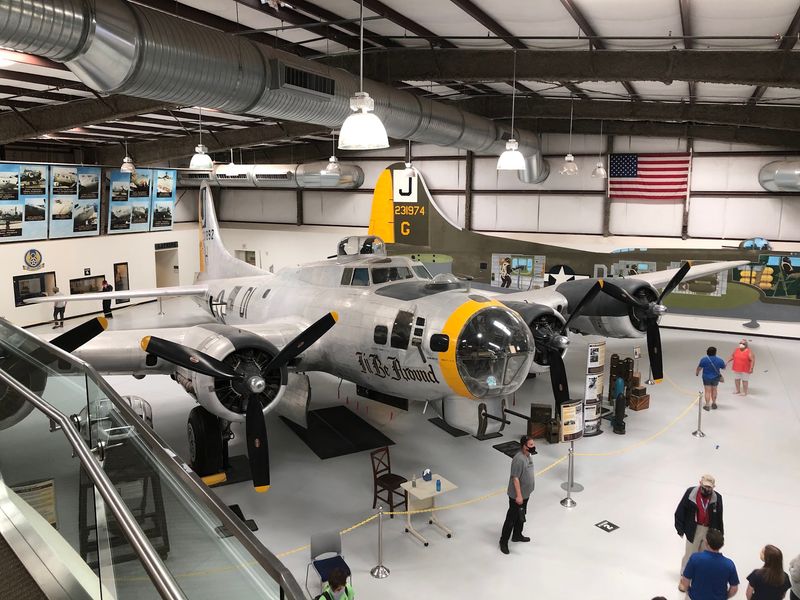
Few aircraft spark as much conversation as the B-17 Flying Fortress. Its hangar ranks among the most talked-about stops on the grounds.
The bomber sits in a separate museum within the property, the 390th Memorial Museum. Guests can peer inside the B-17 at several spots, which brings its tight crew spaces into focus.
Entry to the B-17 hangar has worked on a voluntary donation basis. People who skip other extras still make a point of seeing it.
Volunteers here get special praise for being friendly and full of stories. Some guests from Germany have enjoyed learning about events in their own country during World War II.
On occasion, the museum hosts special guests. A former B-17 pilot has appeared on site to sign books and talk about his flying days.
One timing tip matters here. The B-17 hangar does not open until 10 AM, so early arrivals should plan the route accordingly.
History fans tend to linger longest in this building. Leave some breathing room in the schedule, because the stories here have a way of stretching the clock.
Moon Rocks and Rocket Boosters
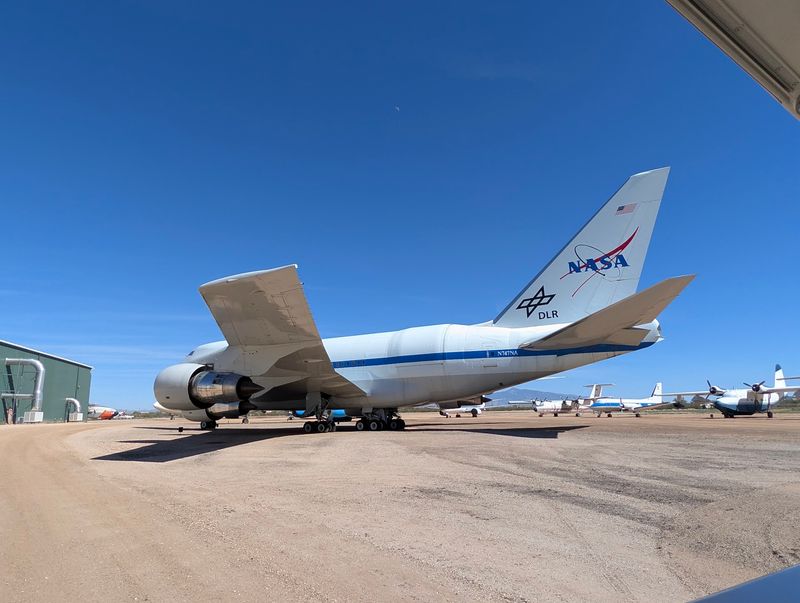
The word space in the name is not just decoration. A small collection of space vehicles from the Mercury and Apollo missions sits among the airplanes.
A replica of the NASA X-15 adds a dose of experimental flight history. It is a nice bridge between high-speed aviation and spaceflight.
Out front, a Thiokol solid rocket booster from the shuttle program greets arriving guests. It is hard to miss and makes a popular photo stop.
Kids especially love the space corner. A moon rock, rockets and related artifacts tend to keep young minds busy.
Families report that the combination of planes, space gear, bombs and torpedoes leaves children asking to come back. That is a strong sign for any parent planning a weekend outing.
Compared with the vast aircraft rows, this section is compact. It works well as a cooler indoor break between outdoor stretches.
For Arizona kids who dream about astronauts, a stop here can feel like a launchpad. Just expect a few extra questions on the ride home.
Giant Flying Boats and a Hospital With Wings
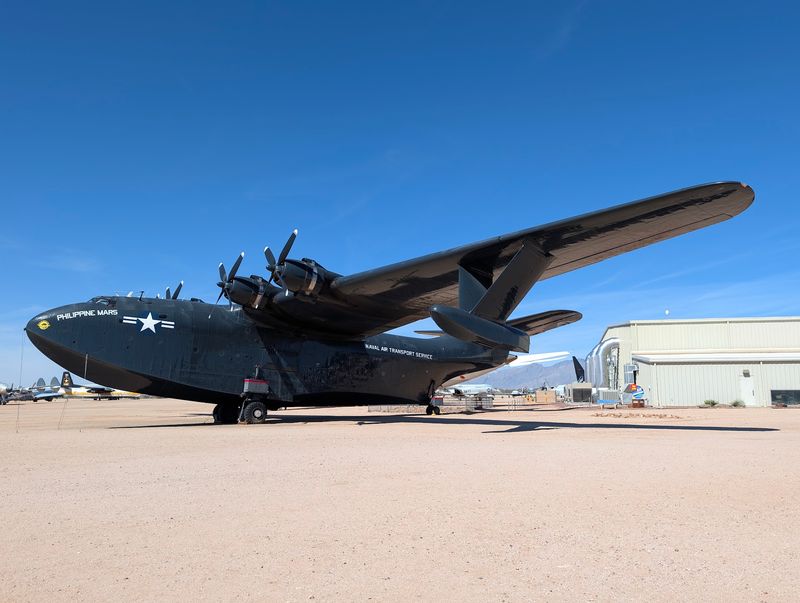
Some aircraft earn attention through sheer scale. The Philippine Mars, a massive flying boat, regularly impresses families who reach it.
Another unusual highlight is the Orbis Hospital Plane. Guests have been able to step inside it, which is a rare chance to see a flying eye hospital up close.
These kinds of planes show that aviation is not only about combat. They also tell stories of transport, rescue and medical care.
Inside the hangars, more than planes fill the space. Uniforms, gadgets and a model air traffic control setup add hands-on interest.
Interactive exhibits give younger guests something to do besides read signs. Speakers and seminars sometimes appear on the calendar too.
Many people admit the indoor portion held more than they expected. A quick walkthrough often turns into a much longer stay.
Plenty of benches sit throughout the buildings for anyone needing a rest. It is a thoughtful touch on a property where walking adds up fast.
The Tram Tour Everyone Talks About
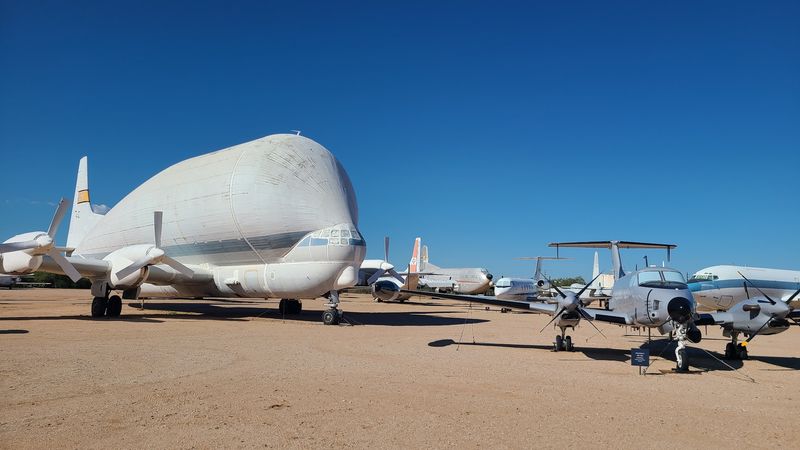
With 481 mentions online, the tram tour is easily the most talked-about feature here. That popularity is well earned.
The guided ride lasts about 45 minutes and loops through the outdoor collection. It gives a solid overview without demanding a long walk right away.
Tickets for the tram run about $10 and are separate from general admission. Many first-timers call it money well spent.
Even longtime fans who finally took the ride say it reached areas they had never seen before. It covers a lot of ground and shares useful background along the way.
Trams leave every couple of hours. The first one starts at 10 AM, so arriving just before then sets up a smooth morning.
A smart plan is to ride first and explore on foot afterward. That way, the favorites spotted from the tram become targets for a closer look.
Think of it as an aerial view, minus the actual flying. It is the easiest way to tame 80 acres before the desert heat ramps up.
Audio Guides and After-Hours Adventures
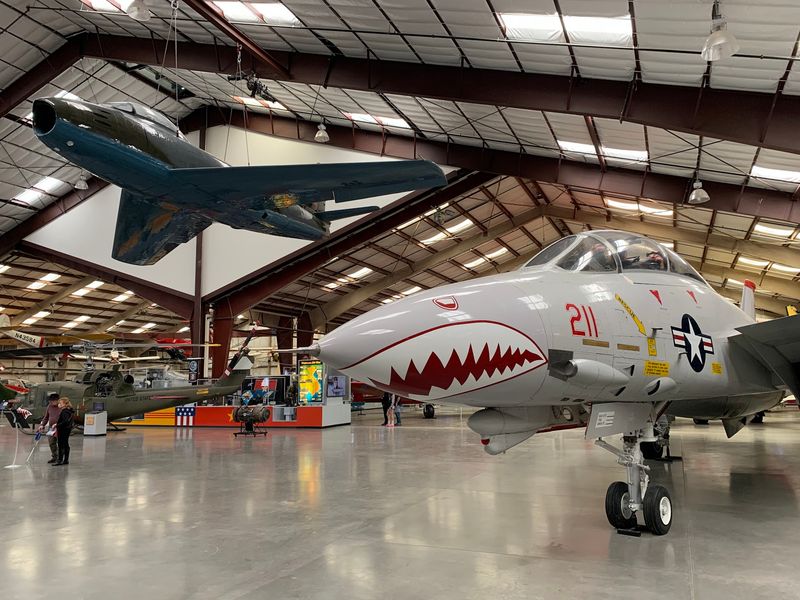
Not everyone wants a tram, and that is fine. An audio tour offers another way to learn while moving at a personal pace.
It costs about $7, plus $1 for those without wired headphones. Fans say it adds depth without becoming overwhelming.
The audio option suits people who like to wander and stop wherever curiosity pulls them. It also helps casual guests understand why certain planes matter.
For something more unusual, the museum has offered evening and night tours. Those events have included chances to go inside various planes.
People who enjoyed a regular daytime visit often name these tours as a reason to return. It is a different way to experience the collection.
Staff and volunteers earn steady praise for being knowledgeable and friendly. Their stories often become a favorite part of the day.
Between recorded narration and live experts, there is no shortage of ways to learn here. Pick the style that fits and let the planes do the rest of the talking.
Bonus Wheels Next Door
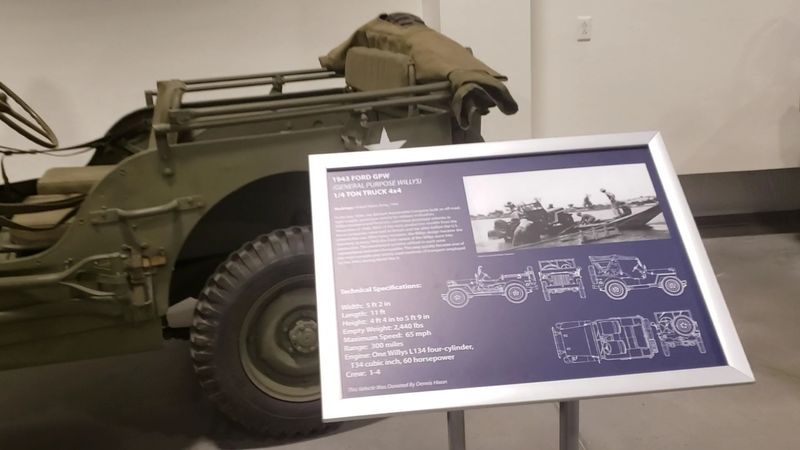
Planes are only part of the story now. The Tucson Military Vehicle Museum has opened as a companion attraction.
Families who toured it describe a building packed with vehicles. The sheer amount crammed inside can catch people by surprise.
A free shuttle runs between the two museums. That makes it easy to add the vehicle collection without moving the car.
Combo tickets are available for those who want both experiences. Some guests skip the military vehicle section, which carries an extra charge, and still feel the main museum is plenty.
For kids who love tanks and trucks as much as jets, this pairing is a win. It turns a museum stop into a full day of machinery.
Adding it to the plan does mean more time on site. Anyone hoping to see everything should consider using the second visit included with admission.
Wings in the morning, wheels in the afternoon makes for a tidy split. Few Arizona outings pack this much metal into one address.
Who Leaves Happiest
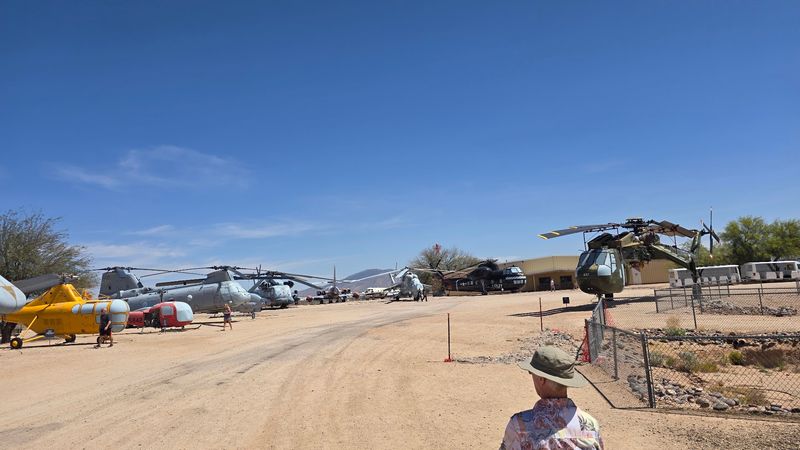
Aviation buffs are the obvious fans, yet the crowd is far wider than that. History lovers, families and curious wanderers all find a reason to stay.
Parents often bring kids and watch them light up. The exhibits can make adults feel like children again too.
Many Arizonans describe a real sense of pride walking through the collection. It celebrates a long chapter of the nation’s aviation story right here in Tucson.
Open space lets people roam at their leisure. Nobody is rushed along a single path.
Leashed, well-behaved pets are welcome, which dog owners appreciate. Still, many caution that the heat can be too much for animals in warm months.
Never leave a pet in the car while touring. Arizona summers make that unsafe.
Retirees, visiting relatives and road trippers from the Valley all show up. It has become a go-to stop when out-of-town guests need entertaining, and locals rarely mind tagging along again.
Beating the Tucson Heat
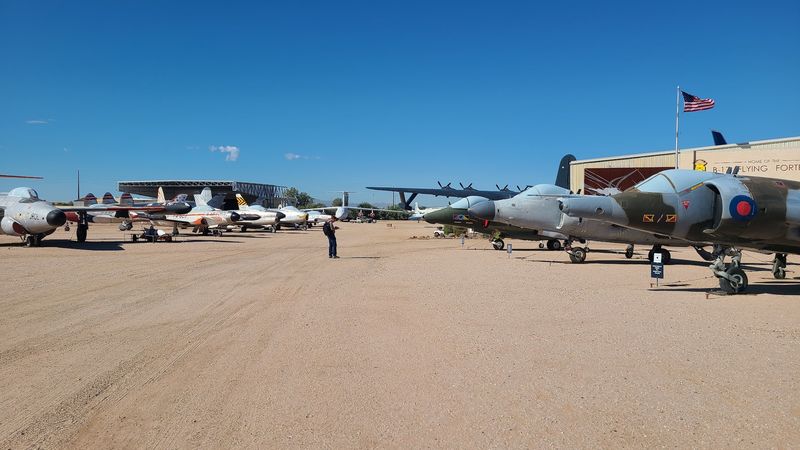
Southern Arizona sunshine is the one opponent no plane can outfly. Planning around it makes a big difference.
Do the outdoor rows early in the morning, then save indoor hangars for the hotter afternoon. That simple order helps a lot.
Many buildings are not air conditioned, though some hangars offer cooled spaces. Temperatures inside can climb during summer.
Bring water, since food and drinks other than water are not allowed while touring the museums. Hydration matters on a property this large.
Comfortable shoes are a must. Expect lots of walking and take frequent breaks on the many benches.
Some seasoned guests even suggest carrying a parasol for shade. It is a small item that can stretch stamina on the open grounds.
Pace yourself and avoid overdoing it. A steady rhythm leaves energy for the final hangar instead of fading halfway through.
Hours, Tickets and Timing
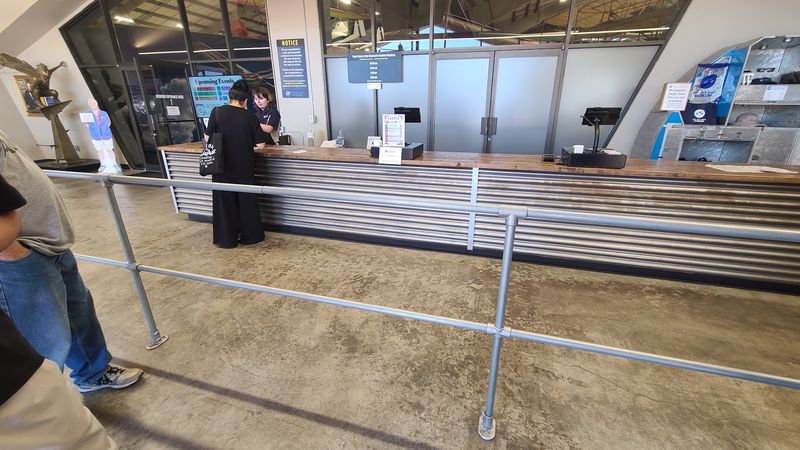
Clock watching matters here, because the day is shorter than many expect. The museum is open daily from 9 AM to 3 PM.
During summer, last admission has been set at 1 PM. Arriving late can mean racing through the highlights.
General admission has run about $29 to $30 per adult, with discounts available. The ticket includes two visits within 30 days, a strong value for such a big site.
Plan for at least three to five hours. Many fans recommend a full day to see everything properly.
Buying tickets online can save time at the entrance, though online prices run higher. Lines at the counter have sometimes taken close to 20 minutes.
Arriving shortly before 10 AM lines up nicely with the first tram and the B-17 hangar opening. It keeps the morning flowing.
The museum website at pimaair.org lists current details. Checking it before the drive helps avoid surprises.
Worth the Drive Down I-10
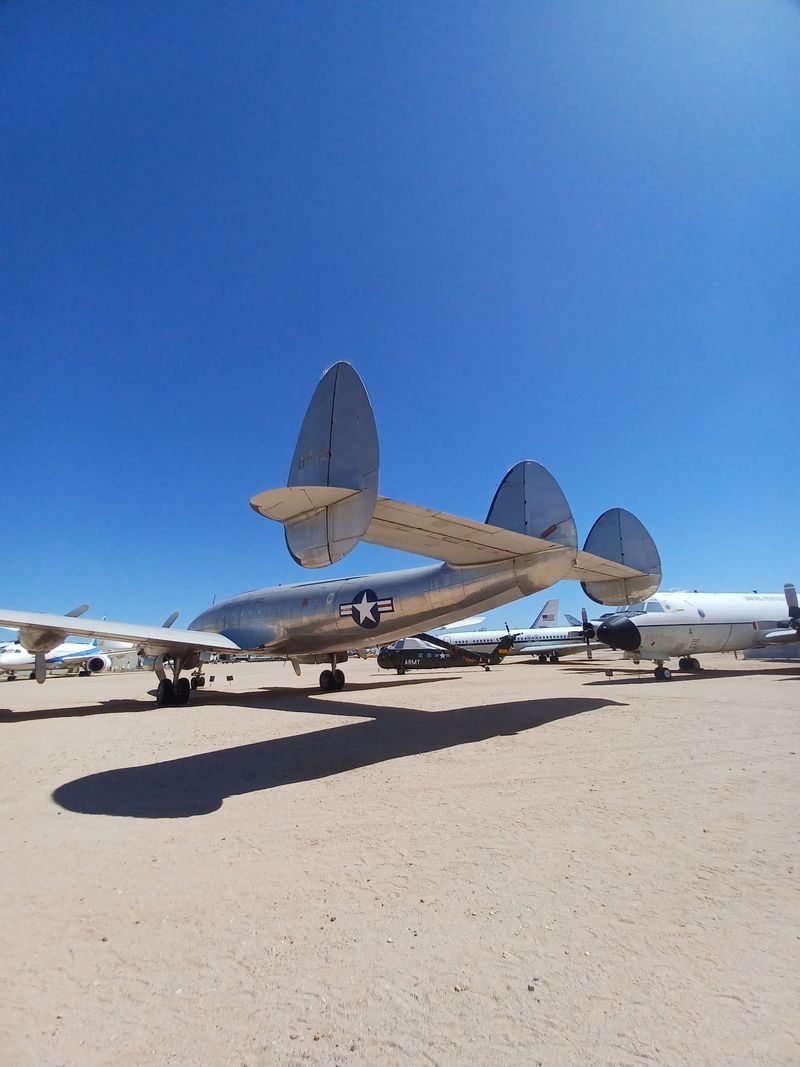
Plenty of museums claim to have something for everyone. This one backs it up with 300 aircraft and 80 acres to prove it.
The appeal lies in the scale and the stories. Famous bombers, spy planes, flying boats and moon rocks share space with friendly volunteers.
Not every plane is pristine, and the heat demands planning. Those small trade-offs rarely stop people from calling it a highlight.
The two-visit ticket encourages a slower approach. Split the day, return within a month and catch what was missed.
For Arizona residents, this is a world-class collection hiding in plain sight near Tucson. It deserves a spot on any local bucket list.
Pack water, wear good shoes and arrive early. Then let the afternoon disappear among the wings, which seems to be the point all along.


