
Affiliate disclosure: As an Amazon Associate I earn from qualifying purchases. Learn more
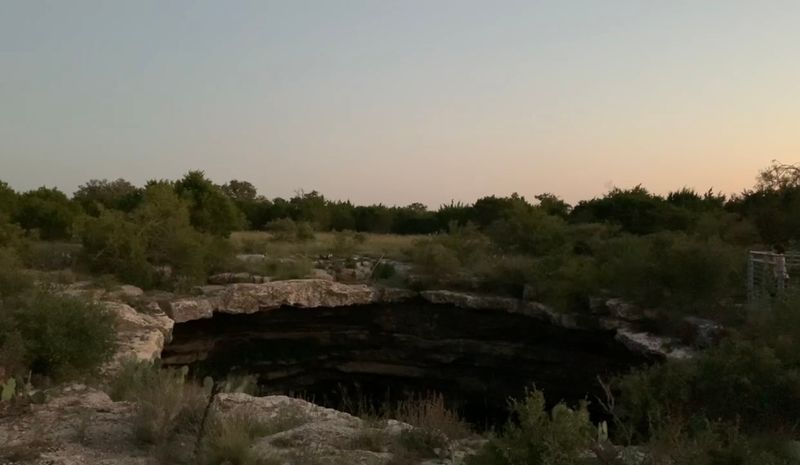
Out in the Texas Hill Country, there is a hole in the ground so big and so deep that what looks like the bottom is really the top of a hidden rock pile that keeps going down. On summer evenings, millions of bats spiral up out of it in a swirling column and stream off into the sky.
You cannot just drive up and peek, because the only way in is with a guide who leads you out from a tiny town with zero traffic lights. Keep reading to learn how to book a spot, what it may cost, when the bats show up, and why so many Texans say the long drive pays off.
A Giant Hole Outside Rocksprings
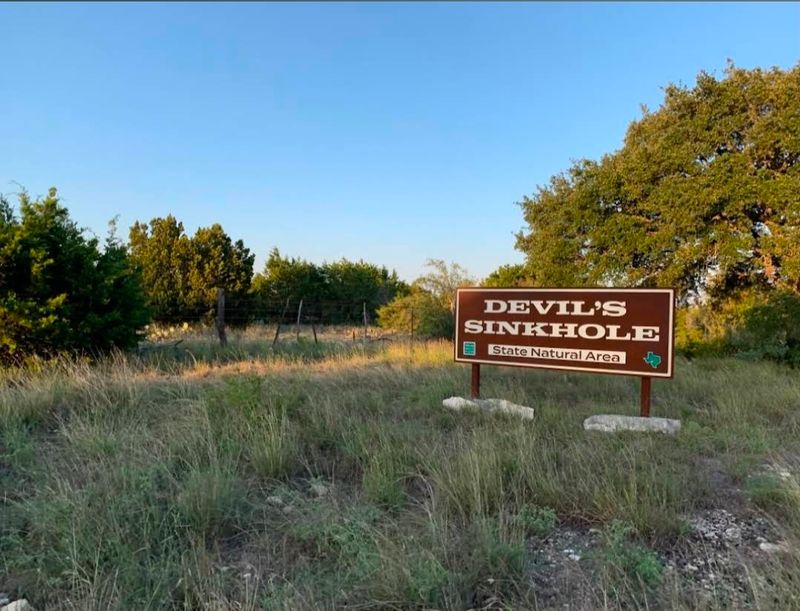
The mystery spot has a name with plenty of attitude: Devil’s Sinkhole State Natural Area, found near Rocksprings, TX 78880, in the western Texas Hill Country of the United States.
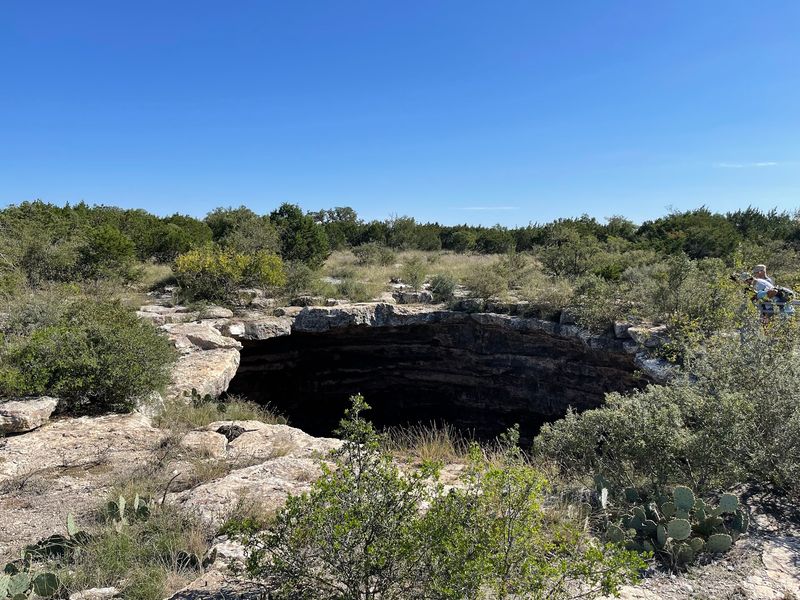
It is a protected state natural area that covers about 1,860 acres. The star is its namesake, a giant vertical cavern that houses millions of bats.
Here is the twist that surprises first-timers. The site itself is closed to the public, and nobody gets in without a guide.
Tours begin in town, not at the sinkhole. Groups meet at the visitor center run with the Devil’s Sinkhole Society, near Main and Sweeten Street in Rocksprings.
From there, guides lead the way out to the locked gate, with guests following in their own cars. That setup keeps the land and its bat colony protected, which is a big reason the place still feels so wild.
Rocksprings is a small town, and the drive is a commitment. From San Antonio, it can typically take around three hours, and from Austin a bit longer.
That distance is part of the appeal for road-trippers. It is the kind of spot you get to brag about finding, then pass along to friends who have never heard of it.
So what exactly is waiting at the end of that road? The numbers alone are a good start.
Numbers That Bend the Brain
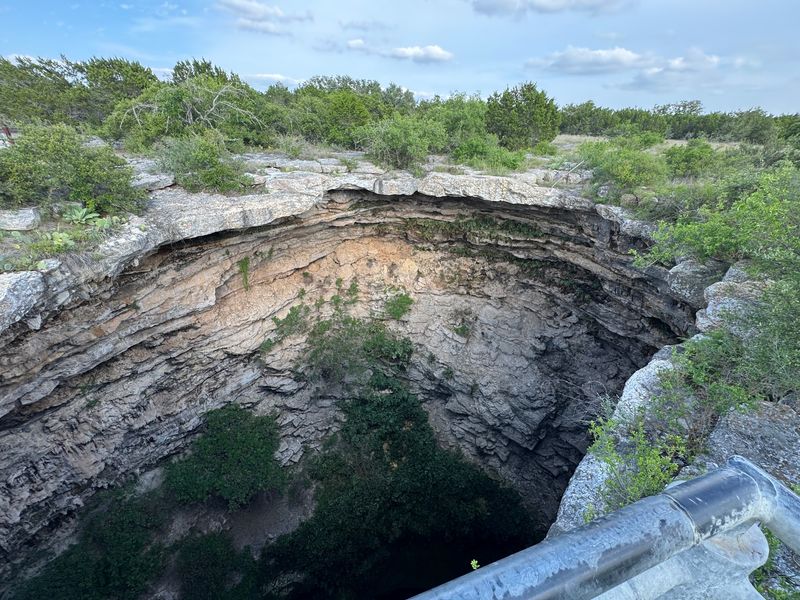
Measurements tell the story better than adjectives. The cavern opening is often listed at about 320 feet across, with a depth reaching roughly 350 feet.
Those figures are hard to process standing at the edge. Photos tend to shrink it, and many people say the camera simply cannot capture the scale.
There is also a trick of the eye at play. What seems like the floor is actually the top of a huge mound of rock that keeps sloping far below what anyone can see from above.
Once guides explain that, the whole view changes. The part you can see turns out to be a small slice of the full sinkhole.
Families with kids often find this the moment the tour clicks. A big hole is neat, but a big hole with a secret underground mountain is a whole new level of cool.
Guides also cover the geology behind it, so the visit doubles as a quick earth science lesson. Nobody has to cram for a quiz, though.
That sense of hidden depth sets the stage for the main residents. And they are not exactly a small crowd.
The Evening Bat Tornado
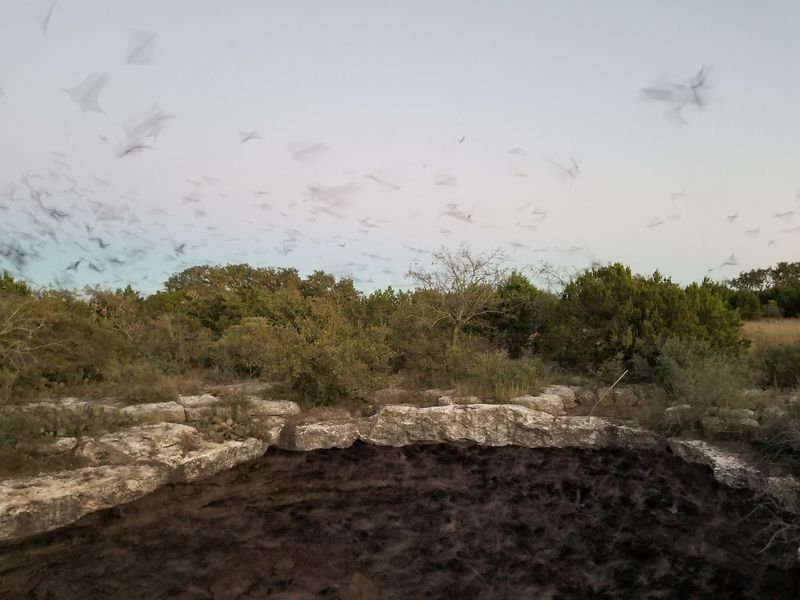
Around dusk in the warm months, the show begins. Millions of Mexican free-tailed bats rise out of the cavern in a circular motion that looks a lot like a bat tornado.
After the spiral, they stretch out into a long ribbon across the sky. They head off into the night in search of food.
The colony ranks among the largest in Texas, often described as the fourth largest bat population in the state. That is a lot of wings for one hole in the ground.
Austin gets plenty of attention for its Congress Avenue bridge bats. Fans of this spot argue that the coordinated whirlpool here is a different kind of thrill.
Nature does not run on a schedule, so some evenings are quieter. A few groups see fewer bats than hoped, yet still enjoy the setting and the stories.
Other nights deliver extras like a striking sunset, a rainbow, or an owl swooping in to grab a snack. Every outing is a little different.
Timing matters a lot for this one. The bats only stick around for part of the year, which brings up the calendar question.
When the Bats Are Home
Bats are seasonal residents here. Evening bat tours are typically offered from May 1 through October 31.
When the weather cools, the colony migrates to Mexico for the colder months. Plan a winter trip expecting bats, and you will likely leave with only rock to look at.
That said, the off-season is not a bust. Daytime tours still show off the sinkhole and the surrounding land.
Evening bat viewing is a separate reservation from the daytime tour. Some travelers book both on the same day to get the full picture.
Tour times can shift by month and season. Calling ahead to confirm the current schedule is the smart move before you fill the gas tank.
In past seasons, a daytime tour has run around 2 p.m., with evening bat viewing in the 6 to 7 p.m. range. Treat those as examples rather than promises, since they may change.
Summer evenings make for a classic Texas road trip finale. Just know that the bats set the agenda, not the clock.
Bats grab the headlines, but they share the sinkhole with some surprising neighbors.
Swallows, Owls and Other Locals
Plenty of people arrive thinking only about bats. Then the swallows steal a bit of the spotlight.
Dozens of them sweep over the opening and suddenly drop straight down into the dark. Others shoot back up and out, almost like they are running a nonstop relay.
It feels like two worlds overlapping. The open Texas sky sits above, and a busy hidden ecosystem carries on below.
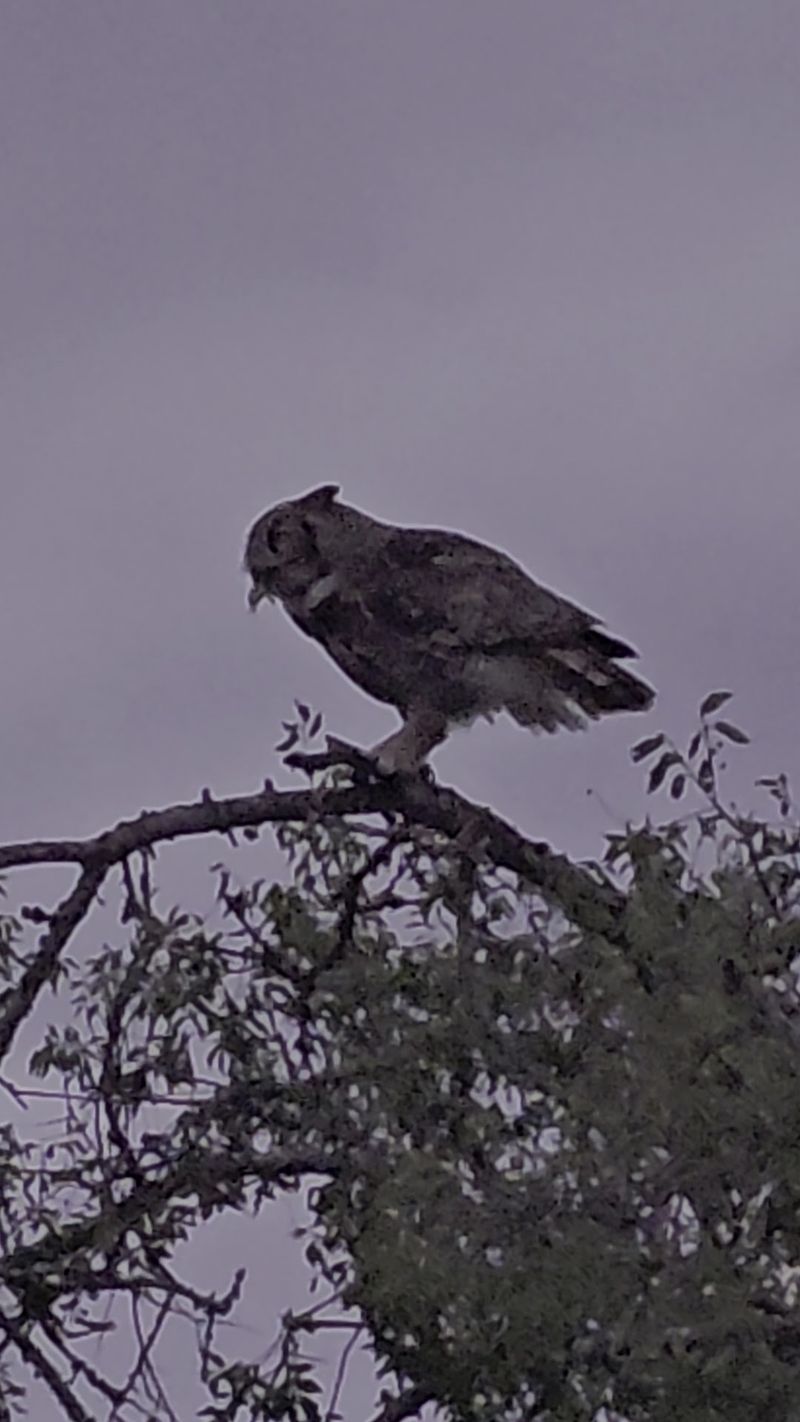
Owls sometimes join the action during bat flights, hunting for an easy meal. That kind of moment is pure luck, but it happens.
Guides talk about the flora and fauna across the property, not just the cave dwellers. The natural area protects plants and wildlife on the land around the sinkhole too.
That bigger picture is part of why the site stays restricted. Fewer crowds mean less disturbance for the animals that call it home.
For curious kids, this section of the visit is a live nature documentary. No remote control needed.
All of this would be harder to follow without the people leading the way.
Guides With Decades of Stories
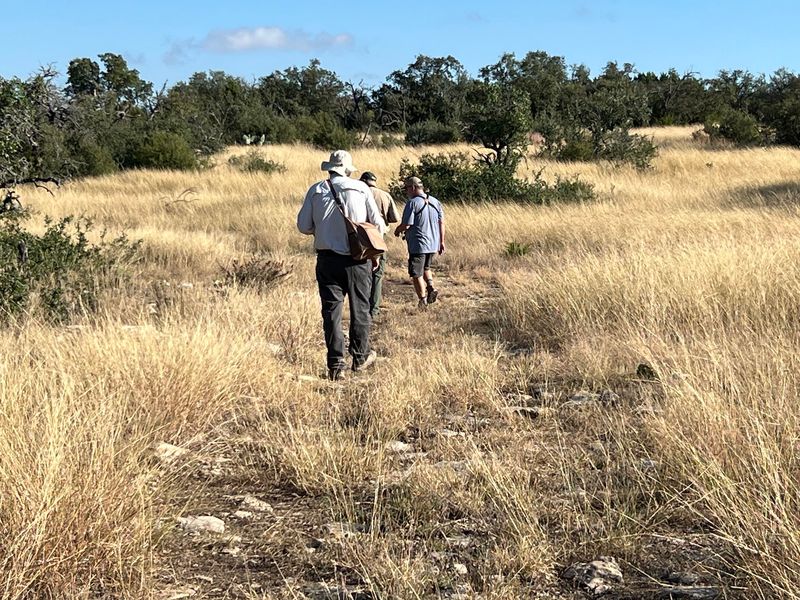
Ask around about this place, and the guides come up again and again. They are a major reason people leave so happy.
The park is largely volunteer run. Several guides have worked here for years, and some share stories from decades on the land.
Tour leaders are known for being kind, patient with families, and full of knowledge. They cover history, geology, plants, animals, and the bats themselves.
One guide named Andrew gets frequent shout-outs for his friendliness and depth of knowledge. Names may vary on your day, though.
The passion shows. These folks clearly care about the bats and the land, and that energy rubs off on their groups.
Questions are welcome. Kids who ask a lot of them tend to walk away with a pile of new facts.
Many people describe the trip as a real learning experience rather than a quick photo stop. That is a big win for families on a budget who want more than a selfie.
The education actually starts before anyone sees the sinkhole, back in town.
Short Film, Big Background
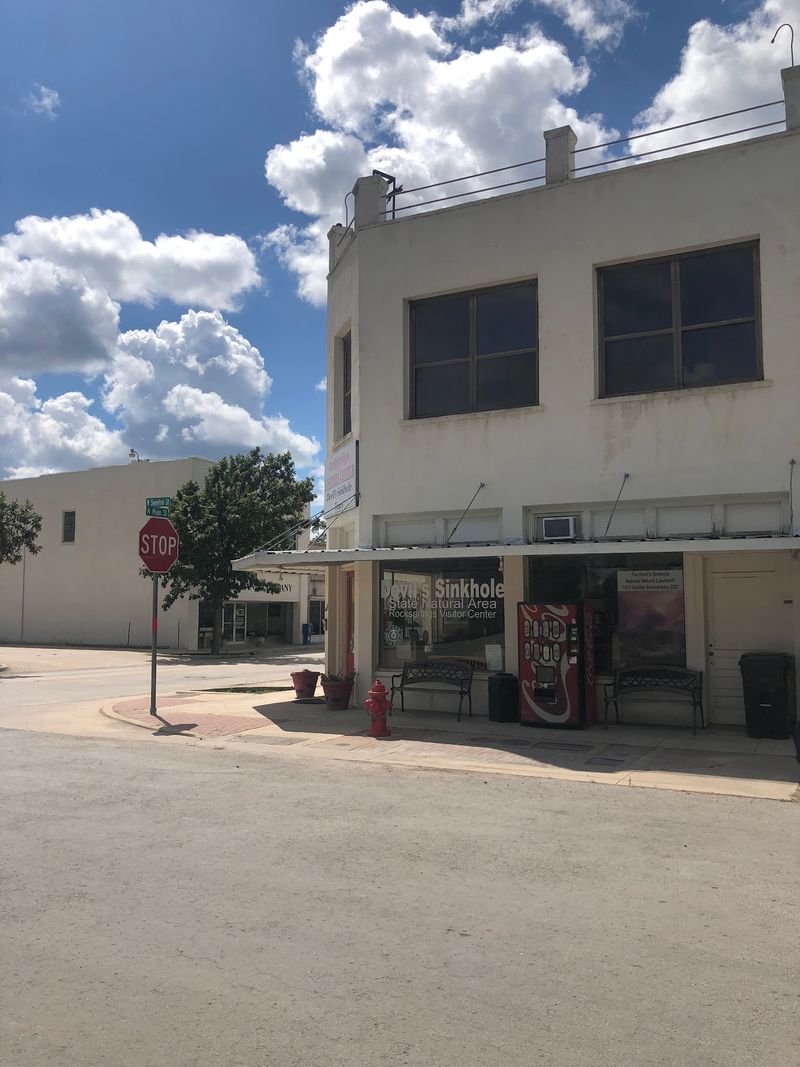
Eight minutes is all it takes. Every tour kicks off with a short video at the visitor center in Rocksprings.
The film covers the history and geology of the sinkhole. It is short enough to hold a child’s attention and still packs in useful background.
After the video, guides often walk groups through displays inside the building. The center holds some genuinely interesting items worth a look.
Then comes the caravan. Everyone follows the guide by car to the site, about 15 minutes outside of town.
That drive covers roughly five miles of scenic countryside. Once parked, the walk to the sinkhole is only about a block.
Despite the word hike in some tour names, the evening bat outing is not much of a hike. It is easy enough for most ages.
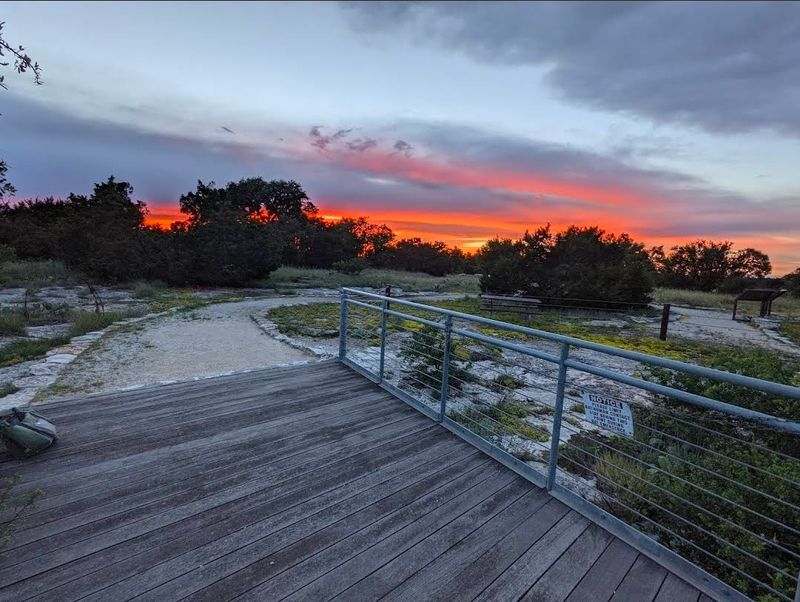
Daytime tours may include more walking around the surrounding area before reaching the overhanging viewing platform. Comfortable shoes are a good call either way.
Some guides add a bonus along the way, and it involves the town itself.
A Town Without a Traffic Light
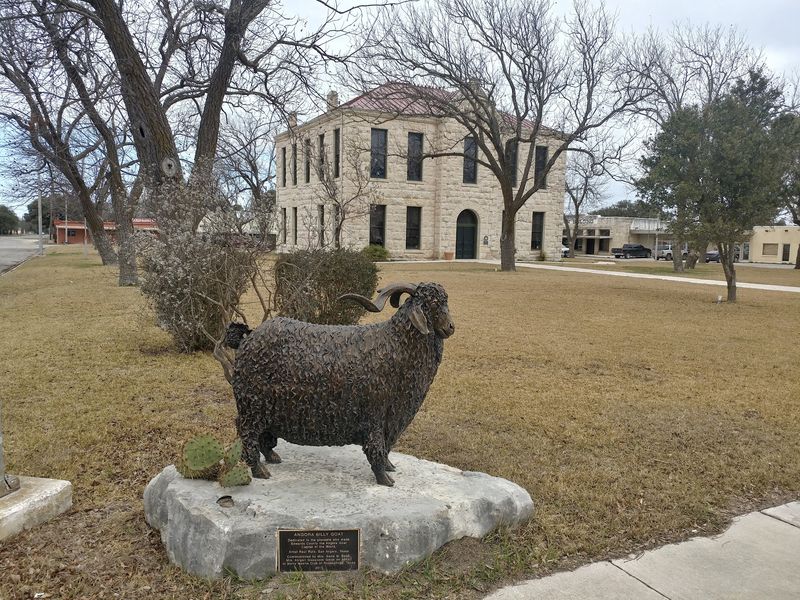
Fun fact for your next trivia night: Rocksprings does not have a single traffic light.
Guides sometimes share tidbits like that during a brief town tour. Some will even hand out a phone number so groups can follow along and hear more.
The town is small but has an interesting history. Hearing about it adds context to why the sinkhole matters so much to locals.
That bonus turns a sinkhole visit into a full slice of rural Texas life. It is the kind of detail big tourist attractions rarely offer.
Lodging nearby is limited, so some travelers stay in Uvalde and make the drive. Booking a room ahead is wise, especially in bat season.
A free afternoon can also be filled with other stops in the region. Some groups pair the trip with the Caverns of Sonora, which makes for a cave-themed weekend.
Small-town charm is a real part of the deal here. Just do not expect a big-city lineup of hotels.
Of course, none of this happens without one crucial step first.
Booking, Hours and What It Costs
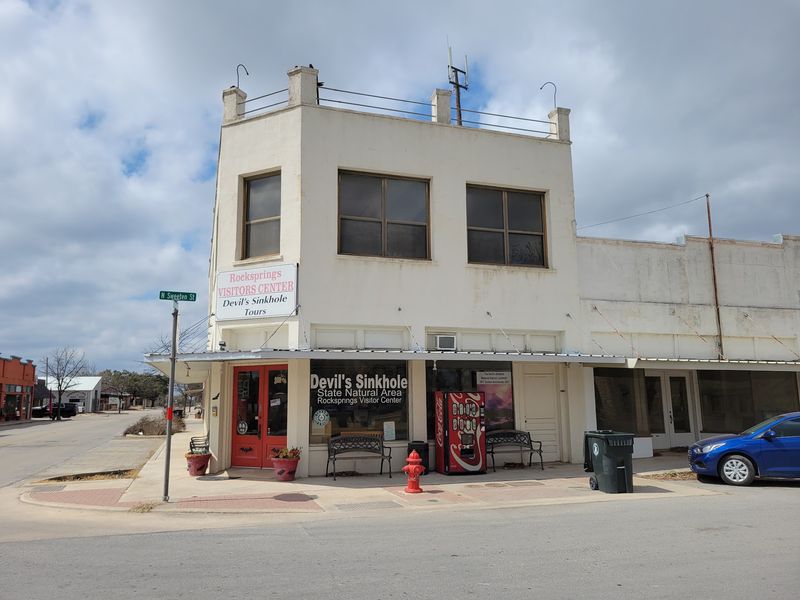
Reservations are a must. The sinkhole is a restricted site, and showing up without one usually means no tour.
Here is a key tip. Do not tell your map app to take you to the sinkhole, because it will lead you to a locked gate.
Head to the visitor center on Main Street in Rocksprings instead. Listed hours run 10 a.m. to 3 p.m.
Wednesday through Sunday, with the center closed Monday and Tuesday.
Since it is volunteer run, the office can be hard to reach by phone. Leave a number for a callback and keep trying.
Rain can cancel tours, and a heads-up call is not guaranteed. Checking in before you drive can save a wasted trip.
The price is part of the charm. Tours have cost around $8 in recent years, with some evening outings once listed at about $12, so expect a low fee that may vary.
That is a few dollars for a guided tour, a film, and millions of bats. Pack water, sturdy shoes, and patience for the drive.
So is the whole effort worth it?
Worth Every Mile of Texas Highway
Long drives can be a gamble. This one tends to pay out.
People who make the trip often call it their best experience in a long time. Some return year after year and still enjoy it.
The appeal works for solo travelers and full family crews alike. Kids get a short film and wild animals, while adults get history, geology, and a quiet corner of the state.
It is also proudly Texan. A volunteer-supported, state-protected colony this size rivals famous bat spots anywhere, and it costs about the price of a fast lunch.
Not every evening brings a perfect bat tornado. Weather and nature call the shots, so a little flexibility helps.
Even on a quiet night, the sinkhole itself holds its own. That giant opening and its hidden depths are enough to justify the miles.
Call ahead, book your spot, and aim for a summer evening if bats are the goal. Then get ready to tell everyone you know about the hole in the Hill Country that breathes out millions of wings.


