

Affiliate disclosure: As an Amazon Associate I earn from qualifying purchases. Learn more
Arizona summers send most of us hunting for shade, but one Scottsdale building offers a very different kind of escape. Inside, thousands of butterflies from rainforests around the world drift through a humid indoor garden, and they have a habit of landing on shoulders, hats, and the occasional delighted toddler.
It is billed as the largest butterfly conservatory in North America, and it sits right here in our own backyard. Beyond the wings, there is a 3D film, a room where butterflies emerge from their chrysalises, a koi pond, a stingray with a big personality, and a mini indoor zoo of reptiles and fish.
Here is everything Arizona locals should know before planning a visit, from how long to stay to which day of the week tends to be calmer.
A Rainforest Hiding in Scottsdale

Most rainforests do not come with a Scottsdale ZIP code, but this one does.
Butterfly Wonderland sits at 9500 East Vía de Ventura F100, Scottsdale, AZ 85256, in the United States. It is an indoor, interactive rainforest habitat that houses thousands of butterflies, along with a cafe and a gift shop.
The big claim to fame is size. It is known as the largest butterfly conservatory in North America, which gives Arizona bragging rights over places with far more rainfall.
That is a fun twist for a state better known for saguaros and dry heat. Here, the whole point is humidity, greenery, and wings everywhere you look.
The attraction is more than one big room, though. A visit unfolds in stages, starting with a film and a look behind the scenes before the main event.
Afterward, smaller exhibits featuring sea life, insects, and reptiles round things out. That layered setup makes it feel like a full outing rather than a quick peek.
For locals who have driven past it for years without stopping, this is the nudge. The next sections walk through each part of the experience in the order you will meet it.
Monarchs on the Big Screen
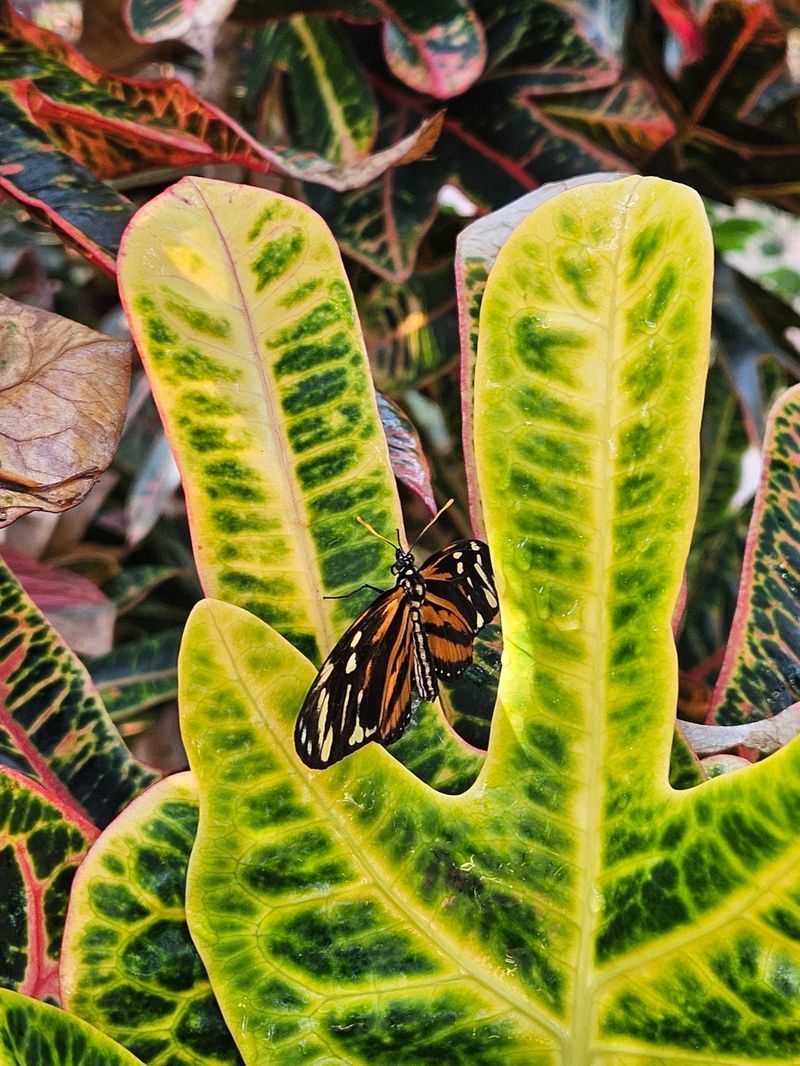
Before a single real butterfly comes into view, the experience starts in a theater.
A 3D movie of about 20 minutes opens the visit. It covers the life cycle of butterflies and the famous migration of the monarchs, and plenty of guests leave talking about it.
The film works as a primer. Knowing how a caterpillar becomes a butterfly makes the later rooms more meaningful, especially for kids who ask a lot of questions.
Monarch butterflies come up again and again when people talk about this place. The 3D effects bring the migration story close, and the short running time keeps younger audiences mostly in their seats.
Mostly is the key word. Very small children may not want to sit still or keep the glasses on, so a bit of patience helps.
Some guests see the movie as optional and head straight for the wings. Others call it one of the highlights, so it comes down to your group and your schedule.
Either way, it sets the stage nicely for what comes next, which is a peek at how the butterflies actually get here.
The Room Where Wings Unfold
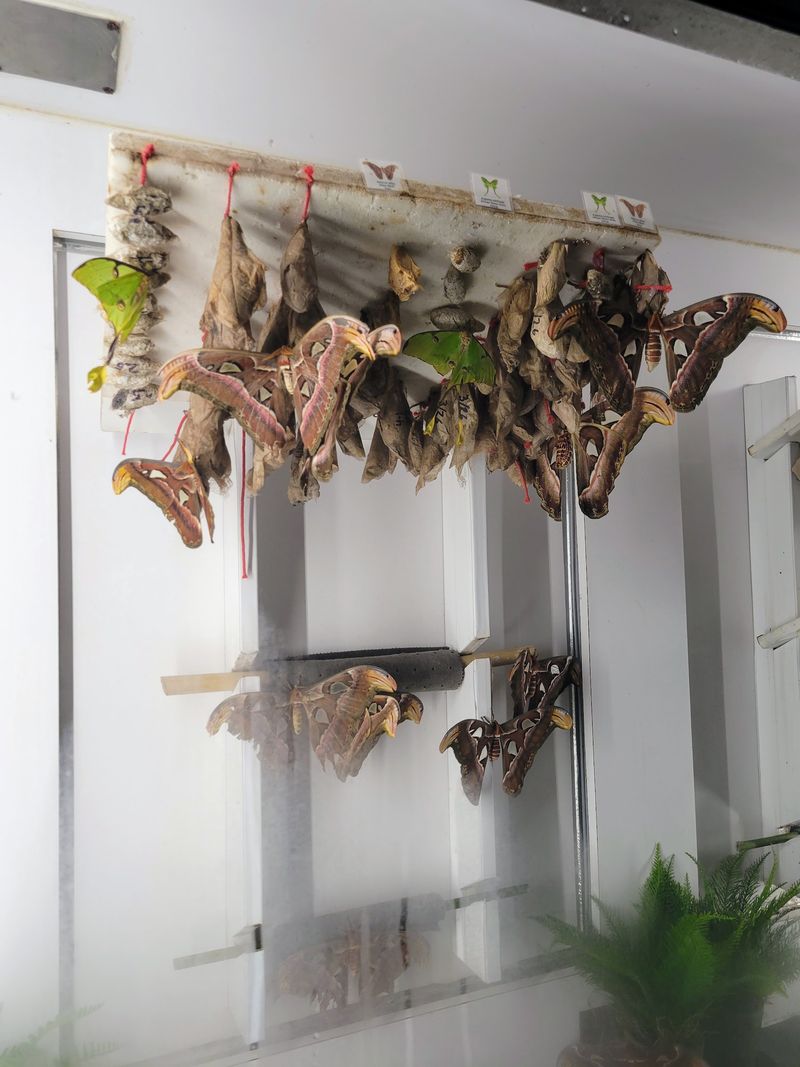
Patience pays off in one of the quieter corners of the building.
After the film, visitors pass through a room showing how butterflies are bred and raised at the conservatory. Rows of chrysalises hang on display, and with a little timing, you can watch new butterflies emerge.
Some guests have watched several butterflies come out of their chrysalises during a single stop. It is one of those moments that turns a casual outing into a real science lesson.
Freshly emerged butterflies are a regular sight here. That steady cycle is part of how the conservatory keeps its main atrium so full.
The area also features a collection of preserved specimens. Fans of insects tend to linger over the variety of patterns and species on display.
Kids often press close to the glass, waiting for the next twitch. Adults are not far behind.
Around 3 pm, the conservatory holds a butterfly release. Planning your arrival around that time adds a nice bonus to the day.
Once the newest arrivals are out and drying their wings, the doors to the main atrium are waiting.
Thousands of Wings Under One Roof
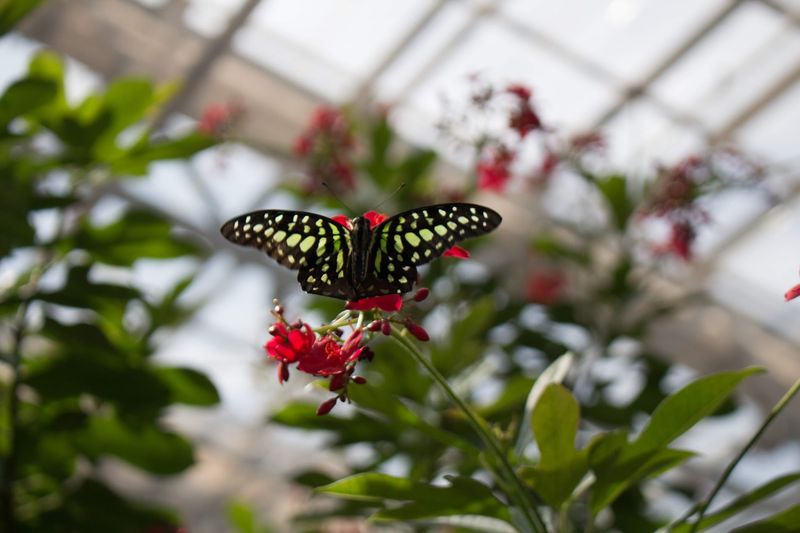
Hundreds of butterflies greet guests the moment the atrium doors open, and they are not shy.
The main conservatory is a large indoor garden with winding paths, lush greenery, and floral displays. Butterflies from rainforests around the world fly freely throughout the space.
The variety is a big part of the appeal. Species of all sizes and colors share the room, which makes every lap of the path a little different.
And yes, they land on people. Hats, shoulders, and arms all become temporary perches, which makes for great photos and plenty of giggles.
One small detail matters a lot. The space is kept humid so the butterflies stay active, and that is a noticeable change for anyone used to dry Arizona air.
Most guests spend somewhere between 20 minutes and an hour and a half inside. Photographers and true butterfly fans tend to sit at the longer end.
Benches give everyone a place to pause. Sitting still often brings the butterflies closer than chasing them ever will.
A musician sometimes plays softly in the background, adding to the calm mood. Even on busy days, the atrium has a way of slowing everyone down.
Koi, Benches, and a Slower Pace
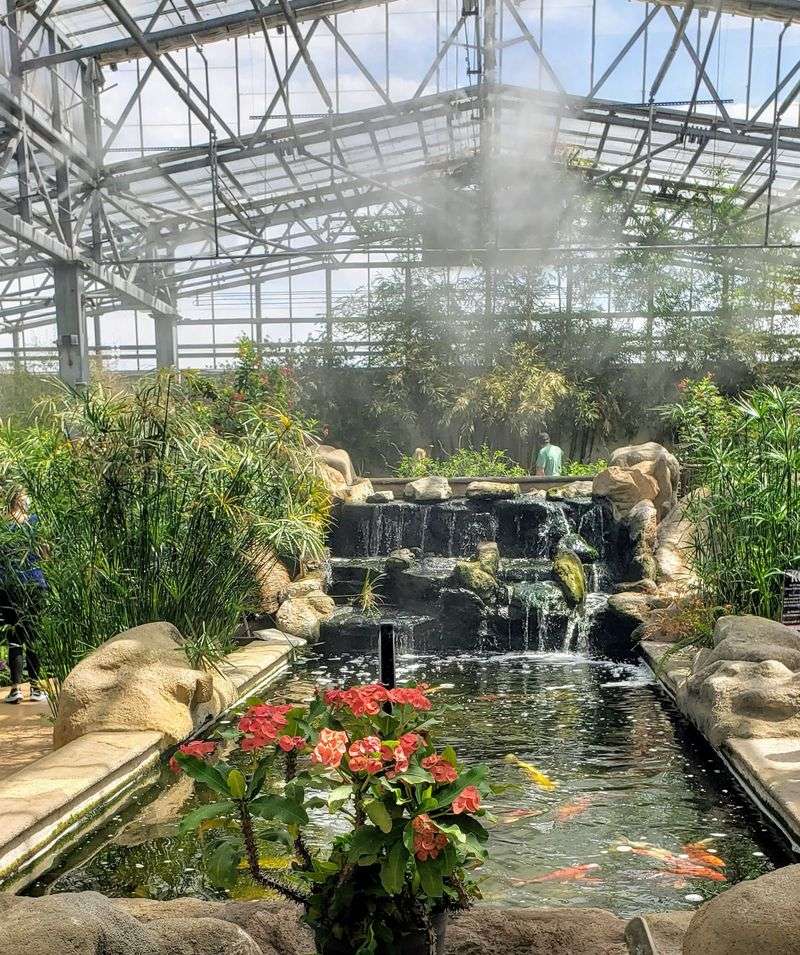
Tucked into one part of the garden is a koi pond, and it draws a small, quiet crowd.
People gather to watch the fish move through the water while butterflies flutter overhead. It is one of the most mentioned features after the butterflies themselves.
The pond gives the atrium a natural resting point. Families pause here, kids point at the fish, and conversations get a little softer.
Many guests describe the whole atrium as peaceful and calming. That holds true even when the room is full of people, which is impressive for a popular attraction.
Some visitors skip the walking altogether on crowded days. They grab a bench and simply watch the butterflies come and go.
It is a low-key kind of fun. Nothing is rushing you, and there is no set route you must follow.
For anyone who needs a mental reset, this corner is the spot. A person could easily spend a good chunk of time just unwinding near the water.
When it is finally time to move on, a whole different set of creatures is waiting next door.
Stingrays, Scales, and Six Legs
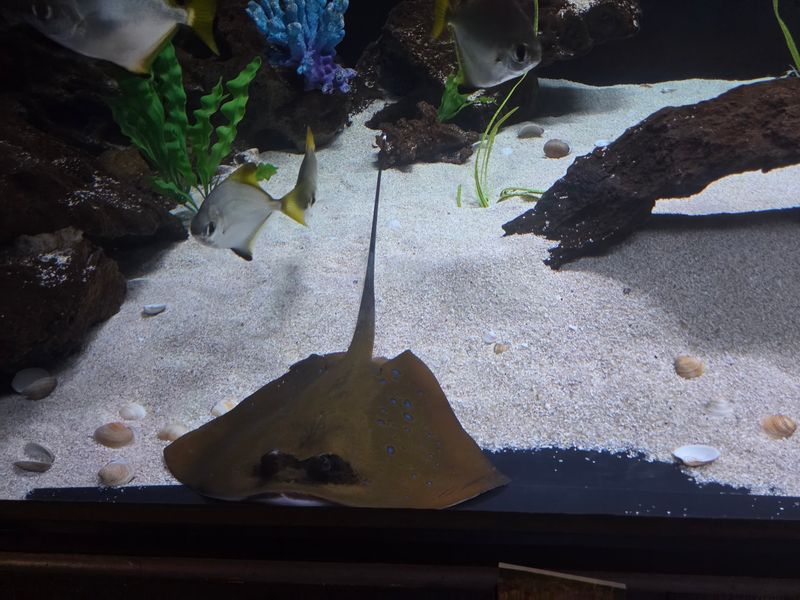
Princess the stingray has a reputation for stealing the show.
After the atrium, a series of smaller exhibits covers sea life, insects, amphibians, and reptiles. Think of it as a mini indoor zoo tucked behind the butterflies.
The aquarium area includes stingrays, and the playful one known as Princess has charmed plenty of families. Fish tanks line the room as well.
Reptiles get a lot of attention too, along with lizards and assorted insects. There is also a bird exhibit near the entrance.
Expectations are worth setting here. These exhibits are small, and some tanks can look empty because the animals are hiding or well camouflaged.
Still, the cooler rooms make a nice break. Some guests like to step out of the humid atrium, browse the reptiles and fish, then head back for another round with the butterflies.
Kids especially enjoy the variety. One building delivering wings, fins, and scales keeps short attention spans busy.
It is not the headline act, but it adds welcome depth to the visit.
Who Will Love It Most
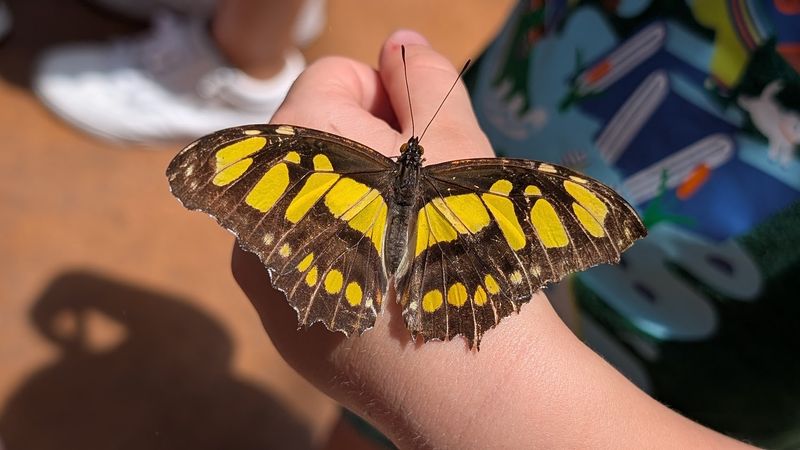
Three-year-olds and great-grandparents seem to enjoy this place in equal measure.
The conservatory is appropriate for all ages and abilities, and multi-generation family outings are common. Little kids light up when a butterfly lands on them, and older guests enjoy the calm pace.
Birthday parties happen here too. Staff have been known to go out of their way for young guests, even closing the cafe for a private party after the butterflies.
Animal lovers and photographers will find plenty to keep them busy. The variety of species makes it both educational and fun.
It is also a natural fit for summer. When it is scorching outside, an indoor rainforest is an easy way to fill a morning.
Some folks find the experience shorter than expected. It works best as a stop on a bigger day rather than an all-day event.
A few guests buy it as part of a multi-activity package online, which pairs it with other attractions nearby. That combo approach can stretch the value.
Know your group, and you will know how long to stay.
Hours, Tickets, and Smart Timing

Good news for flexible schedules: the doors open every single day.
Butterfly Wonderland runs from 9 am to 5 pm, seven days a week. That consistency makes it easy to plan around.
Ticket prices have varied by package. Guests have mentioned paying around $28 for a single ticket and about $33.95 for a ticket including the 3D movie, and a family of three can top $100.
Children 2 and under have entered free. Prices can change, so checking the official website before you go is smart.
A few practical notes help. Strollers are not allowed inside, restrooms are located only in the lobby area, and food options are limited.
Photos taken at the entrance are sold separately and cost extra. Skipping them is perfectly fine since the butterflies are very camera friendly.
The gift shop carries t-shirts, stuffed animals, and toys. It is a fun browse, though prices run on the high side.
Crowds build on weekends, and even weekdays can get busy. A slower day gives the best view of the butterflies, and the 3 pm release is worth timing.
A Backyard Wonder Worth the Drive
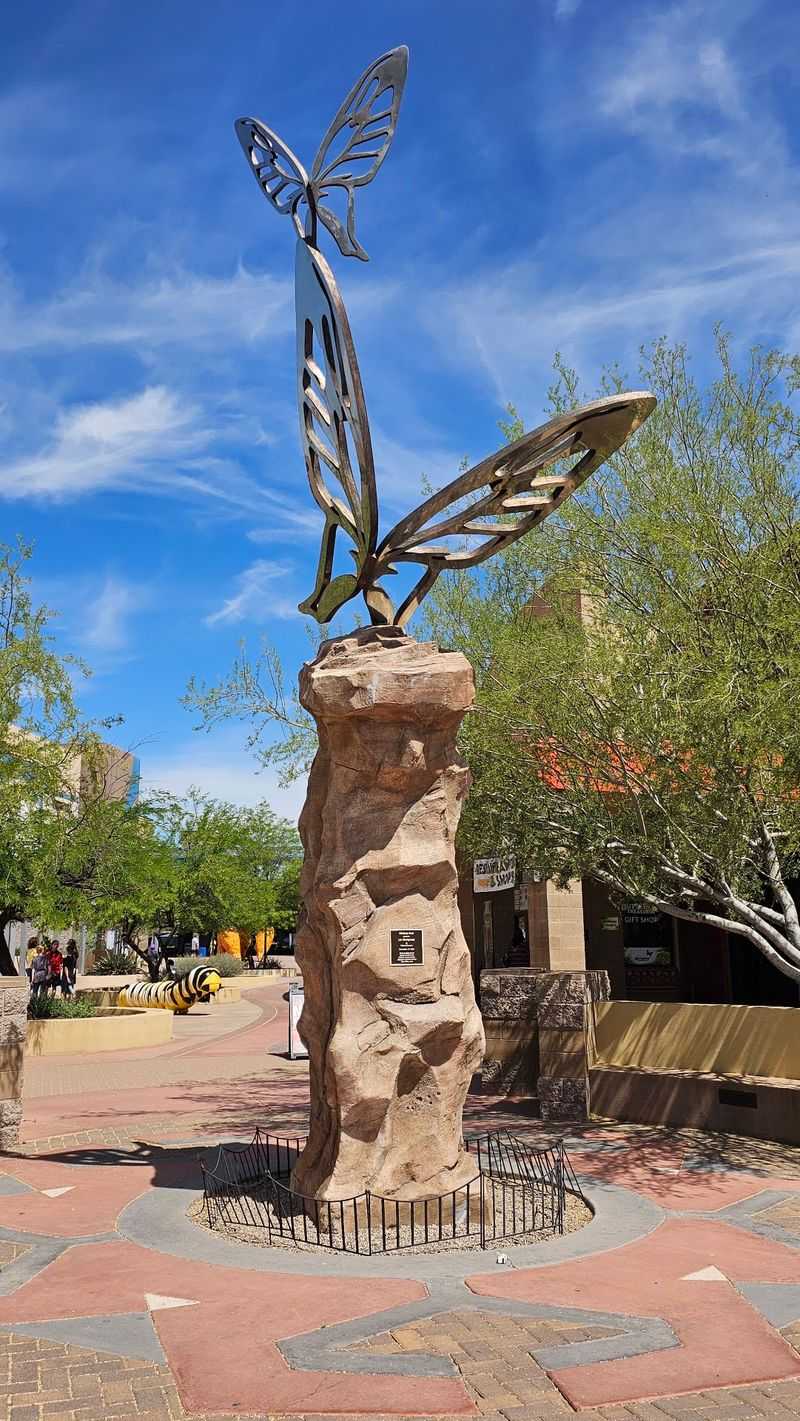
Some attractions earn their fans slowly, and this one has thousands of them.
With a 4.6 average from more than 7,500 Google ratings, the conservatory has clearly won over a lot of Arizonans and travelers alike.
The praise centers on the butterflies, and for good reason. Few places in the state let you sit among thousands of free-flying wings from rainforests around the globe.
There are fair trade-offs to weigh. The visit can be shorter than expected, prices can feel steep, and the side exhibits are modest in size.
Many families still say it is worth the cost. The mix of film, emergence room, atrium, koi pond, and mini zoo adds up to a memorable few hours.
It also fills a real need in our desert climate. An indoor, humid garden is a welcome change on a blazing afternoon.
For locals who love discovering world-class spots close to home, this one fits the bill. Arizona does not just have deserts and canyons, it also has North America’s largest butterfly conservatory.
Bring a camera, wear a hat, and let the butterflies decide where they land.


