
Affiliate disclosure: As an Amazon Associate I earn from qualifying purchases. Learn more
Out past the last gas station, near the edge of Death Valley, a nearly century-old building keeps its lights on in a town where almost every other door has gone dark. Inside, one artist spent years covering walls and ceilings with painted crowds, and she danced for them long before real audiences showed up.
Today the place is part hotel, part theater, and part legend, complete with whispers of hauntings and stories about rooms that are better left closed. Here is what the story is, what a stay is really like, and how to see it for yourself.
A Desert Crossroads With a Curtain Call
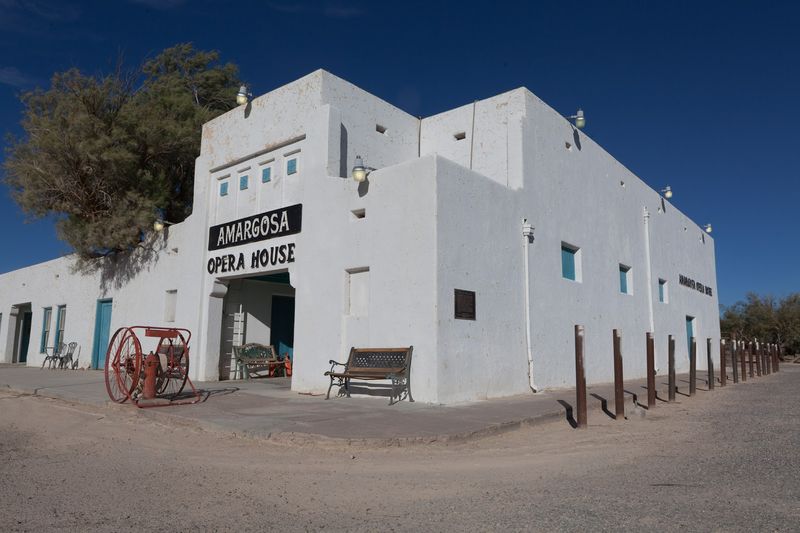
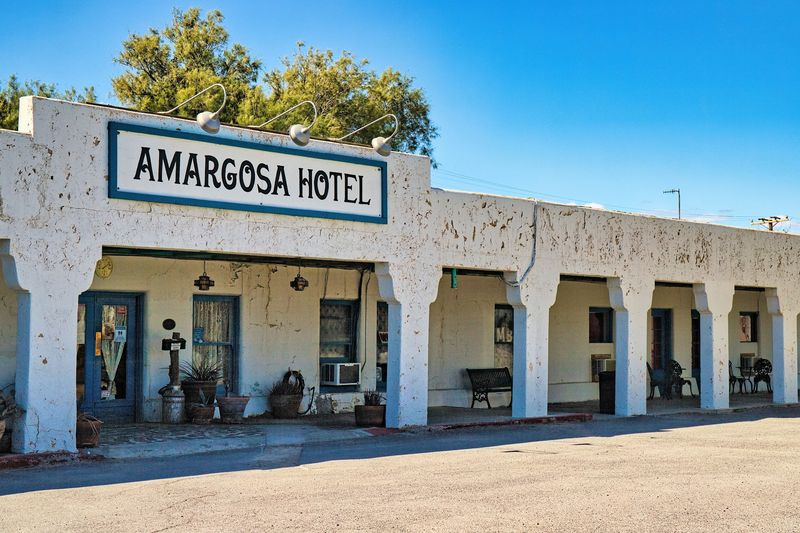
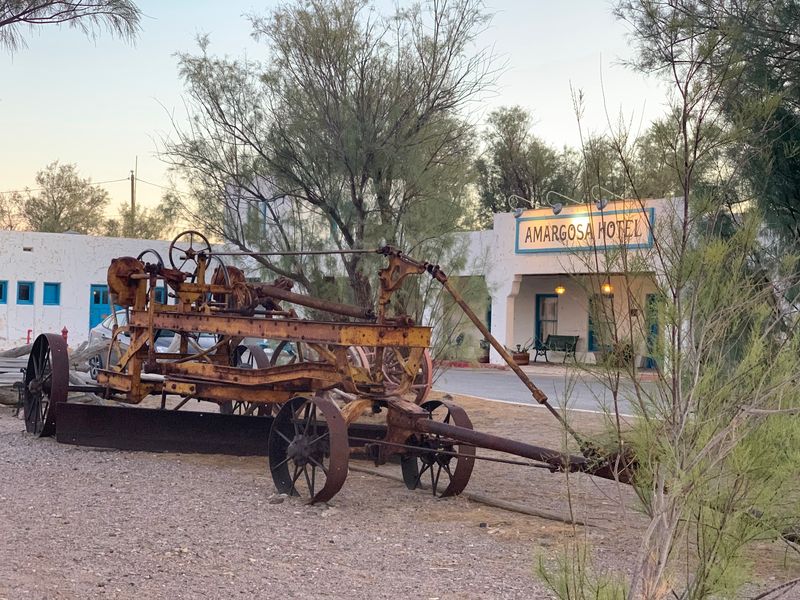
Some landmarks announce themselves with big signs, and this one barely bothers. The Amargosa Opera House Hotel sits at 608 CA-127, Death Valley, CA 92328, in the tiny community of Death Valley Junction, California.
The complex is a Spanish Colonial style building that dates back to the mid-1920s. It holds a modest hotel, a casual retro-style cafe, and a small opera house lined with hand-painted frescoes.
Death Valley National Park is roughly 30 miles away, which makes the hotel a practical base for park trips. The neighboring buildings tell a different story, though.
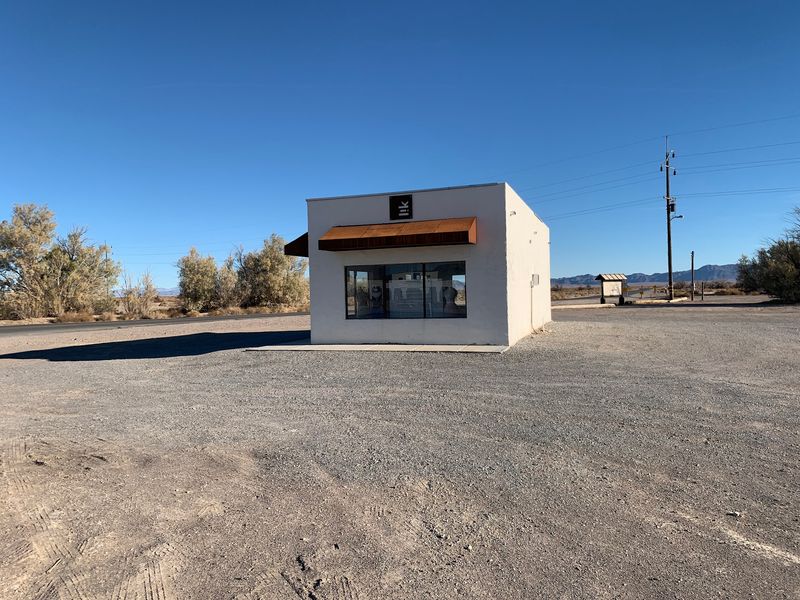
Nearly everything else in the junction stands empty, so the area is often described as a ghost town. More than a few first-timers slow down at the entrance and wonder if they have the right address, because the long arched building can look abandoned from the road.
It is not abandoned. Rooms are rented, tours run daily, and shows still take place on the stage inside.
The hotel information notes that the town operates as a nonprofit, a detail that helps explain how this oddball outpost keeps going. For a place this far from everything, staying open is its own kind of encore.
Marta Becket and Her Painted Audience
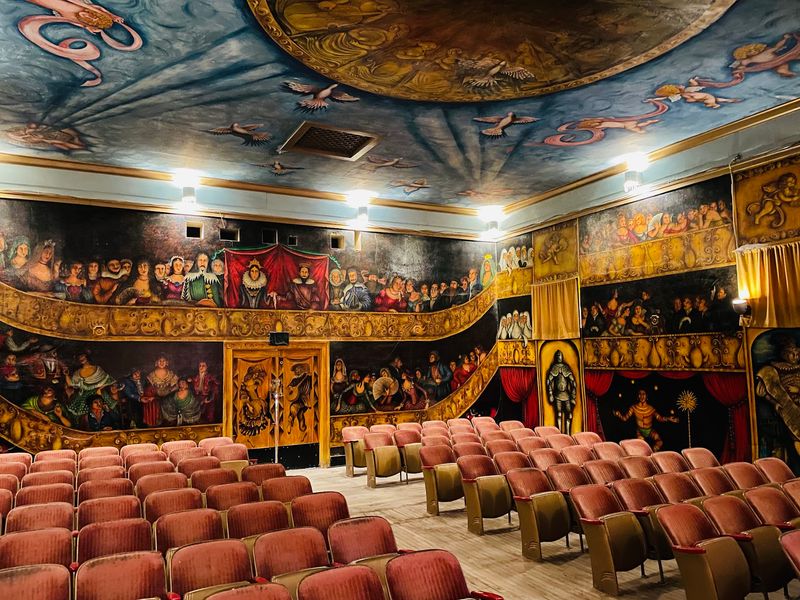
Every great theater needs a full house, and Marta Becket simply painted one. The artist and ballet dancer arrived at the junction and made the old building her stage, and her work now appears throughout the property.
Inside the opera house, murals cover all of the walls and the ceiling. That project reportedly took about four years to complete.
The space has a funny twist in its name. Despite being called an opera house, it was known for ballet and plays rather than opera.
Her story is the reason most people stop here. Guests who sign up for the tour tend to walk out talking about the woman behind the brushstrokes more than the building itself.
The staff deliver the history with real enthusiasm, as if they have made it their mission to keep the tale alive. Some returning guests come back trip after trip specifically to see her work again.
One guest even got the chance to sing inside the theater and described a strong connection to the space and to Marta. That kind of moment is rare, but it shows how personal this place can feel.
Plenty of hotels have art on the walls. Very few have an entire painted audience that never leaves its seats.
Closed Doors and Haunted Hallway Lore
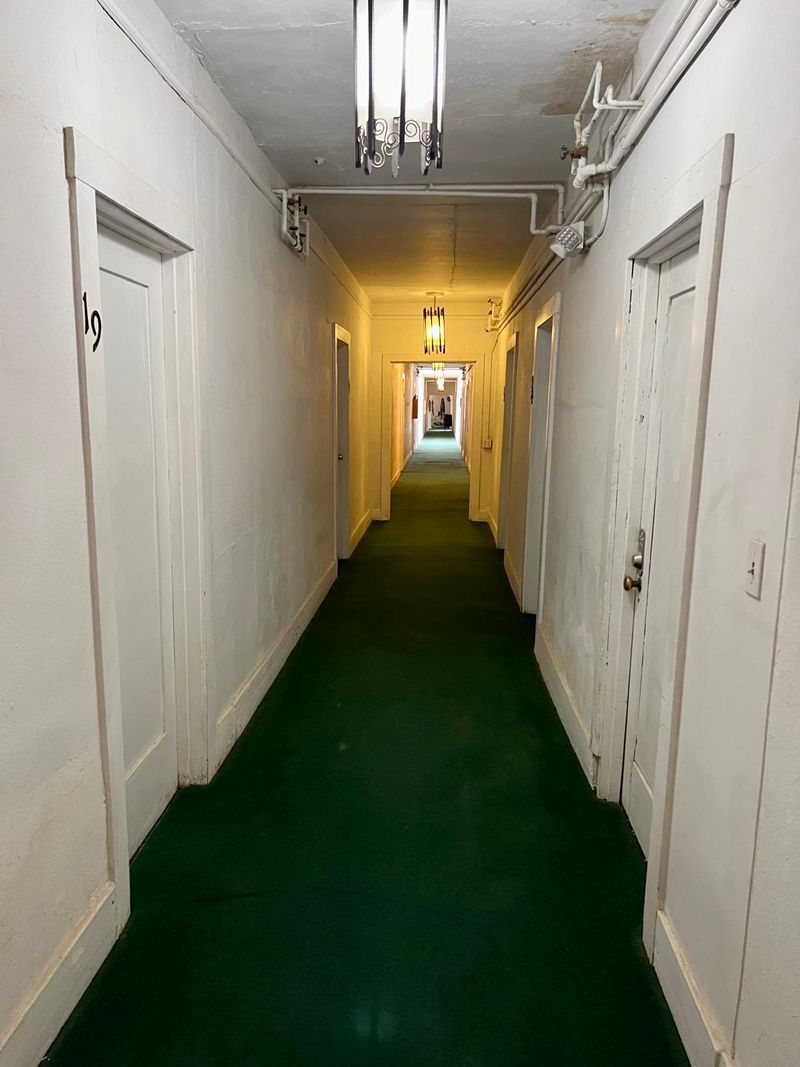
Legends love an old building, and this one has collected plenty. The hotel is frequently called haunted, and that reputation comes up again and again in conversations about the property.
The headline of this article points to one of those stories, a tale about a psychic advising the owner to close off half the rooms. That story circulates as part of the building’s lore, though the details are best heard firsthand on a tour rather than taken as confirmed fact.
What can be said plainly is that not every part of the building is in use. Large sections of the long row of rooms sit unoccupied, and at times a stretch of the main hallway has been roped off with a caution sign.
Some of that has practical roots. Flash flooding has affected the property, washing out the parking area and damaging hallway carpets at one point.
Fans of the spooky side seem delighted rather than scared off. Guests mention loving that the place is haunted and say they would happily return.
So are the closed doors about spirits, repairs, or a bit of both? The honest answer is that the mystery is part of the appeal, and the tour guides are the ones to ask.
The Tour Worth Planning Around
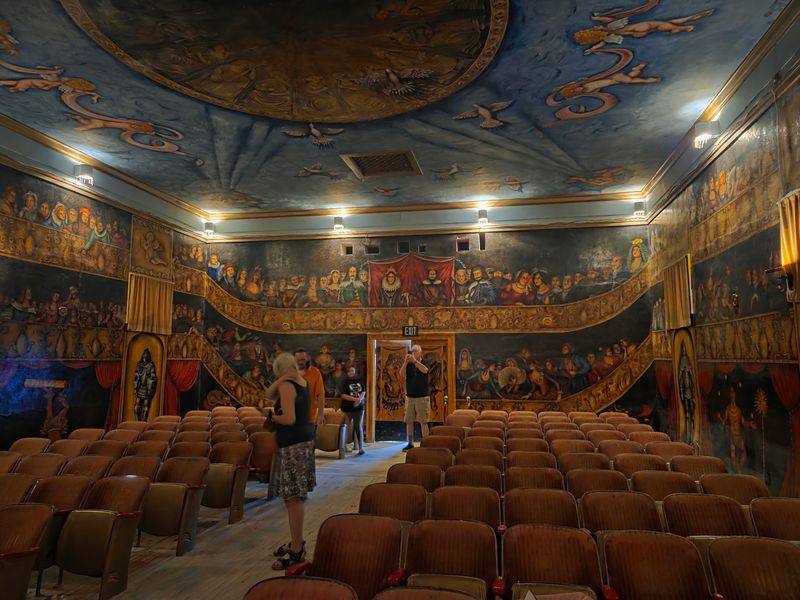
Timing matters here. Tours run twice a day, at 9 a.m. and 6 p.m., and they are the only way to get inside the opera house portion of the building.
Almost everyone who takes one says the same thing afterward: do not skip it. The theater interior is quite different from the rest of the hotel, and the guide fills in the full story of the building and its former owner.
For hotel guests, the tour is included. Walk-ins can join too, but the cost has run more than $30 per person, so it helps to ask the price up front, since amounts may have changed.
The 6 p.m. slot works well for road trippers. One pair spent a full day at Ash Meadows National Wildlife Refuge nearby and then wrapped up with the evening tour.
Floods have closed the opera house temporarily in the past. A quick call before driving out can save a disappointing detour.
Staff members get high marks for warmth, even from guests who were unhappy with their rooms. Those who left frustrated with the lodging still called the tour incredible, which says a lot about how strong the story really is.
Rooms With Murals and Rough Edges
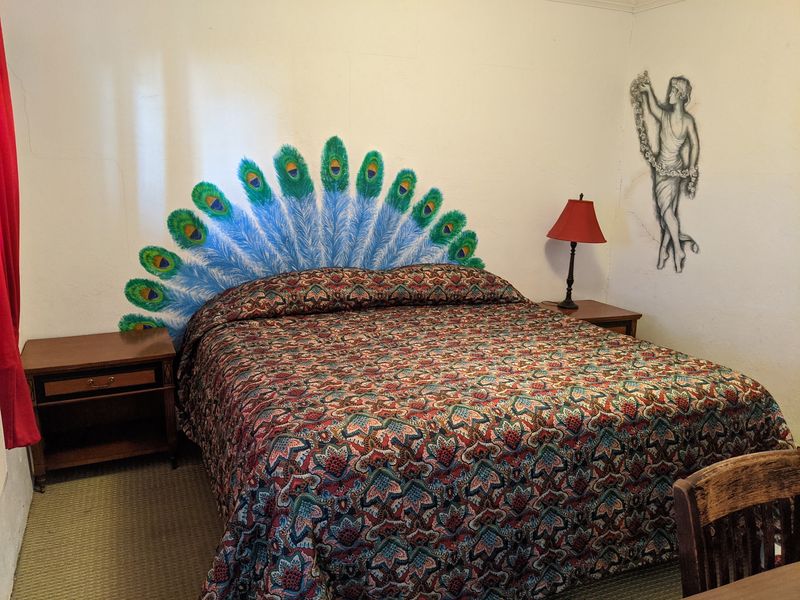
Expectations decide everything with these rooms. They are down-to-earth, with free Wi-Fi, air conditioning, and in many cases colorful wall murals painted by Marta herself.
Comfortable beds come up often in guest comments. Free ice and free coffee are welcome extras, and parking right in front of your room is handy.
Now for the honest part. The building is about 100 years old and kept close to original condition, and that shows.
Guests mention chipped or missing bathroom tiles, squeaky air conditioners, and worn towels. A sign in the bathroom warns that hot water can take several minutes to arrive, because the heater sits far down the long row of rooms.
Rooms lack TVs, phones, and fridges. Wi-Fi gets weak in rooms farthest from the office.
Some guests have reported serious problems, including dirty carpets, missing smoke detectors, and odor issues after flooding. Others found clean sheets and called the experience lovely.
The takeaway is simple. People who enjoy camping or unusual stays tend to love it, while anyone expecting polished comfort may want to visit for the tour and sleep elsewhere.
Live Shows on a One-Woman Stage
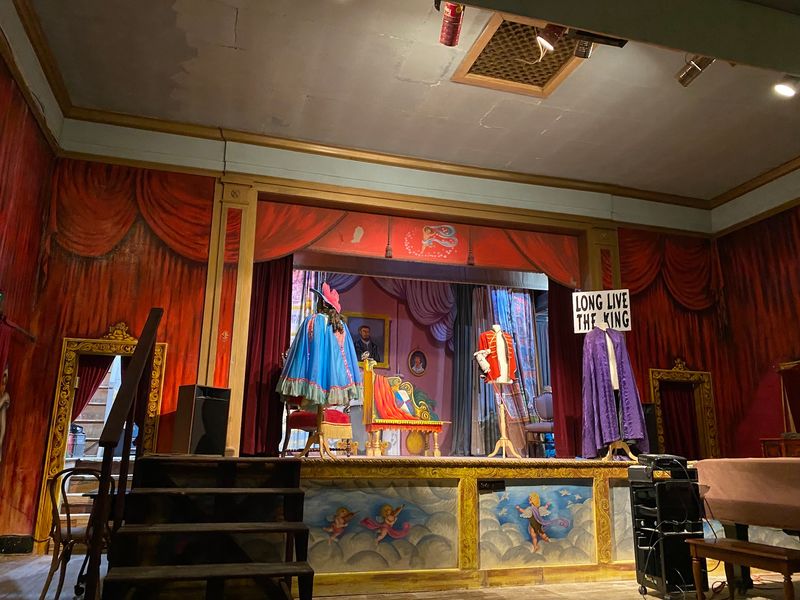
A painted audience is charming, but a real one brings the place back to life. The opera house still hosts performances, often tied to special occasions.
Recent shows have included a Valentine’s Day performance and a Mother’s Day show. A performer named Edith has drawn praise for her voice and her skill as an entertainer.
Show attendees say the experience was worth the price of admission. One even felt the tickets were underpriced for what the evening delivered.
That is welcome news for anyone tired of paying big-city prices for a night out. A small theater in the desert offering live entertainment at a fair cost feels like a throwback to an older California.
Show schedules are not fixed in the data available, so checking the official website at amargosaoperahouse.org is the best move before planning around a performance. Holidays seem to be a good bet.
Pairing a show with the daytime tour makes for a full visit. First, the history and the murals, then a chance to see the stage do what it was built for.
Not many venues can claim a backstory this unusual. Fewer still let you sit inside the artwork while the curtain rises.
Stars, Silence, and Practical Survival Notes
After sunset, the main attraction moves overhead. Guests rave about the Milky Way and the stars visible from the Death Valley area, and the lack of neighbors certainly helps.
Food is the bigger planning question. The retro-style cafe is listed among the amenities, but many guests describe this as a bring-your-own food and drinks kind of stay.
A small casino sits about seven minutes north by car. It has a restaurant and a convenience store stocked with basics like water and quick meals, and some guests carry food back to eat in the common area.
Rates hover around $100 a night, though one guest paid $145, so prices may vary by season and room. RV travelers have parked across the street for about $10 a night paid to the hotel.
Free parking, a pool, and pet stays by prior arrangement are listed as well. Kids are welcome too.
Location is the real perk. Guests use it as a central base for classic Death Valley stops and lesser-known spots, especially when park lodging is booked solid.
Pack snacks, fill the gas tank, and keep expectations realistic. The desert rewards preparation.
Who Should Make the Drive
Not every trip needs room service to be memorable. With a 4.1-star standing across more than 1,200 opinions, this spot clearly splits people, and that split tells you exactly who it suits.
History lovers come out ahead. The building is nearly a century old, the backstory is unforgettable, and the murals cannot be seen anywhere else.
Fans of abandoned places and quirky roadside stops will feel right at home. Photographers enjoy the weathered facade, and the haunted reputation adds a little extra fun.
Travelers who want spotless, modern rooms should think twice about an overnight stay. A smart middle path is to book the tour, enjoy a show if one is scheduled, and decide on lodging separately.
Older Californians who remember when small desert towns had their own theaters may find this place especially meaningful. It is a rare survivor that one determined artist kept alive through sheer devotion.
Treat it as a living museum with a few rooms for rent rather than a resort. Seen that way, the cracked plaster becomes part of the story instead of a dealbreaker.
Sometimes the most rewarding detours are the ones that look closed from the highway. This is one of them, and its painted audience is still waiting for you.


