
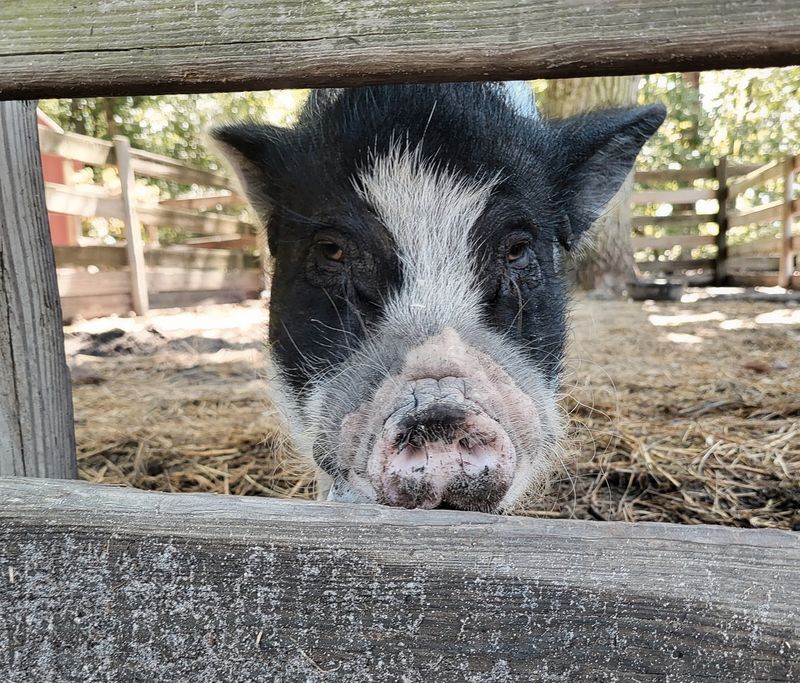
Affiliate disclosure: As an Amazon Associate I earn from qualifying purchases. Learn more
Somewhere in South Jersey, a donkey is waiting for you with a plan, and the plan involves your bucket of snacks. Out in Mays Landing, hundreds of rescued animals have found a second chance at a quiet, well-run farm that opens its gates to the public two days a week.
Horses that once ran on racetracks now wander the paddocks. Goats push their way in for a scratch, peacocks strut past old tractors, and geese patrol the paths like tiny security guards.
Admission costs nothing, and a bucket of animal feed costs just a few dollars. Families come for an hour and stay for the afternoon.
Book clubs show up after reading the founder’s story. Some guests even throw parties here.
Keep reading to learn where it is, what makes it special, and how to plan a visit that leaves everyone smiling.
A Sanctuary Hiding in Plain Sight
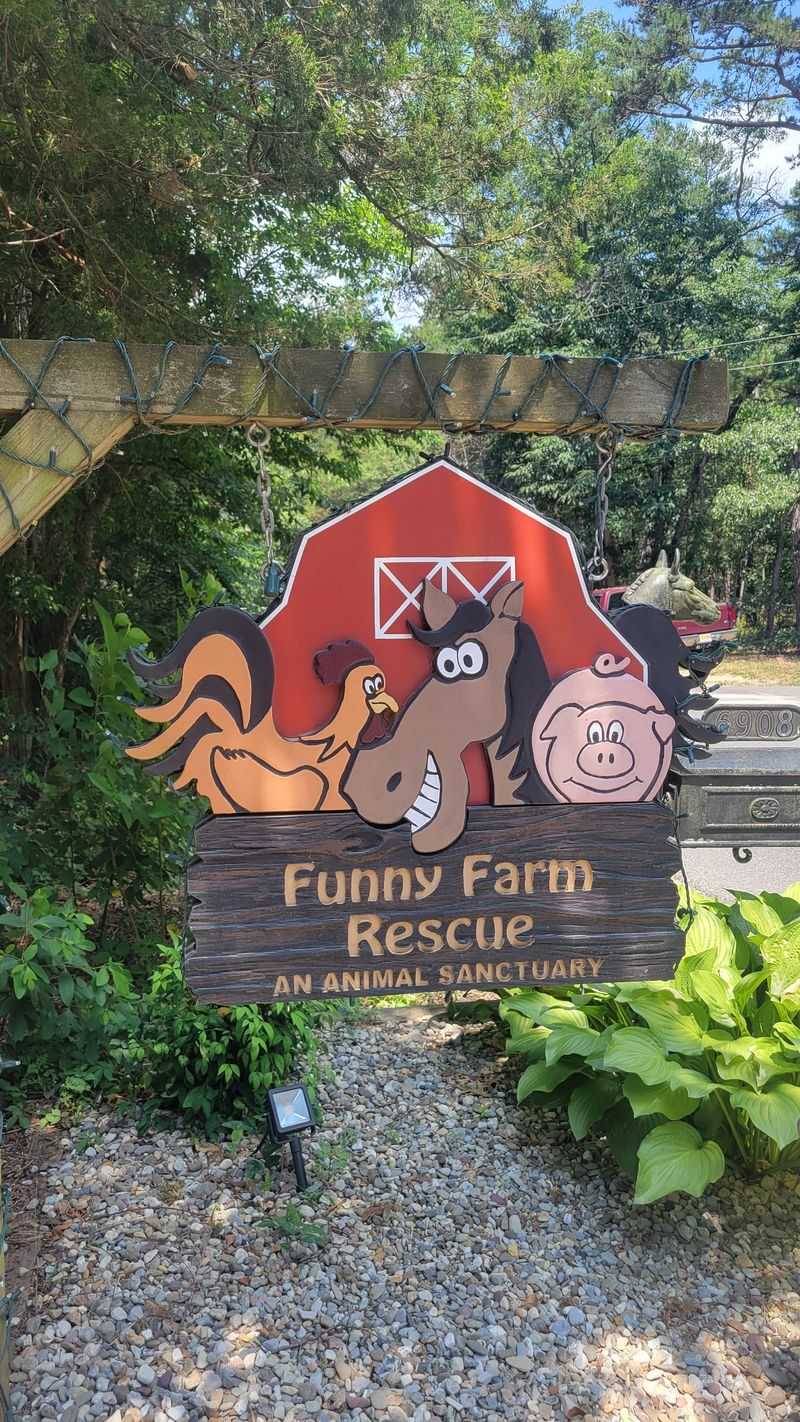
Railroad tracks and quiet roads make an unlikely setting for one of New Jersey’s busiest animal hangouts. Funny Farm Rescue & Sanctuary sits at 6908 Railroad Blvd, Mays Landing, NJ 08330, in the southern part of the Garden State.
The place is an animal rescue first and a public attraction second. Every creature here came from a situation that did not work out, and the farm gives each one a permanent, caring home.
Guests are invited to walk the grounds, meet the residents, and feed many of them by hand. The arrangement helps the animals get attention and helps the farm raise support for its work.
Directional signs on the approach make the farm easy to find. Once there, ample parking waits for most visits, though special events can fill the lot quickly.
The appeal is simple. Hundreds of animals, a welcoming crew, and no admission fee add up to a day out that feels generous in every sense.
So who started all of this, and why does it carry such a cheerful name?
Laurie and the Story Behind the Name
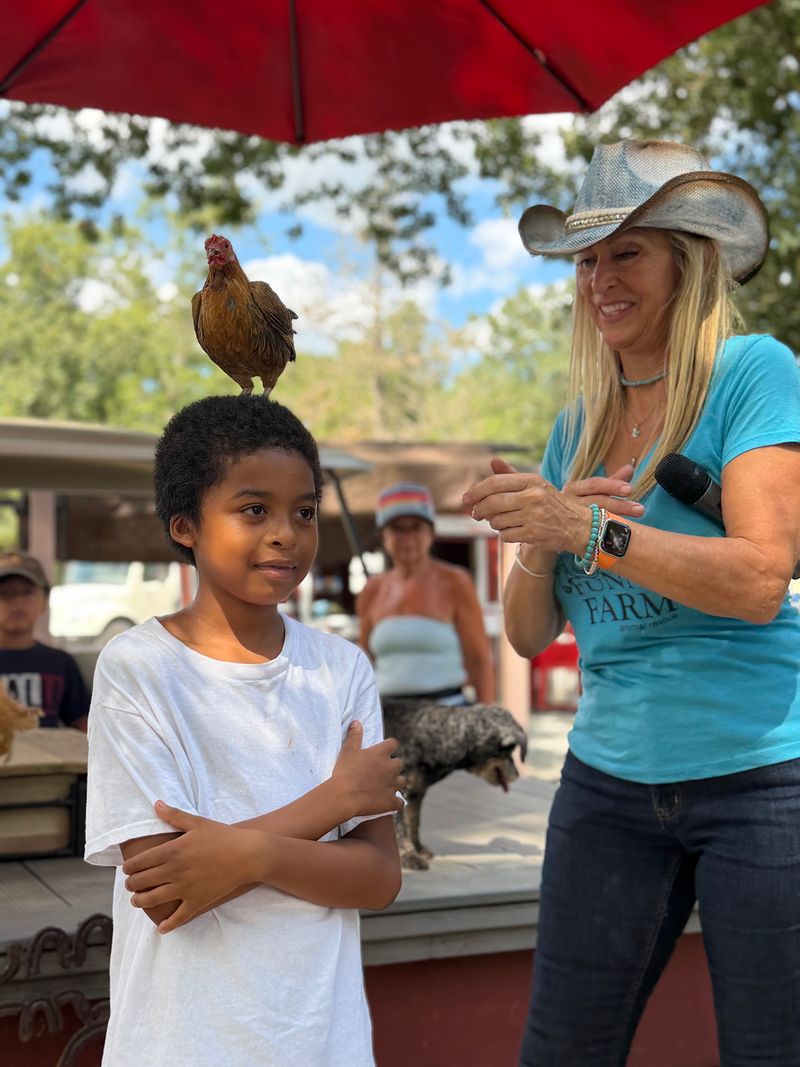
Behind every great rescue stands someone who could not say no. At this farm, that someone is Laurie, the owner whose name pops up again and again among people who visit.
She has written a book called Funny Farm about life at the sanctuary. Book clubs have traveled to Mays Landing after reading it, eager to see the place in person and meet the author herself.
Laurie stays closely involved. She personally responds to guests online, often signing off with a heart and a thank you.
Her commitment shows in small moments too. One person needed a new home for a lonely hen, and Laurie arranged the rescue within an hour of the call.
That hen settled in and started eating right away while her former owner watched. Stories like that explain why so many people feel personally connected to the farm.
The name may sound playful, but the mission is serious. The humor is just the friendly face of a very big job.
750 Residents and Counting
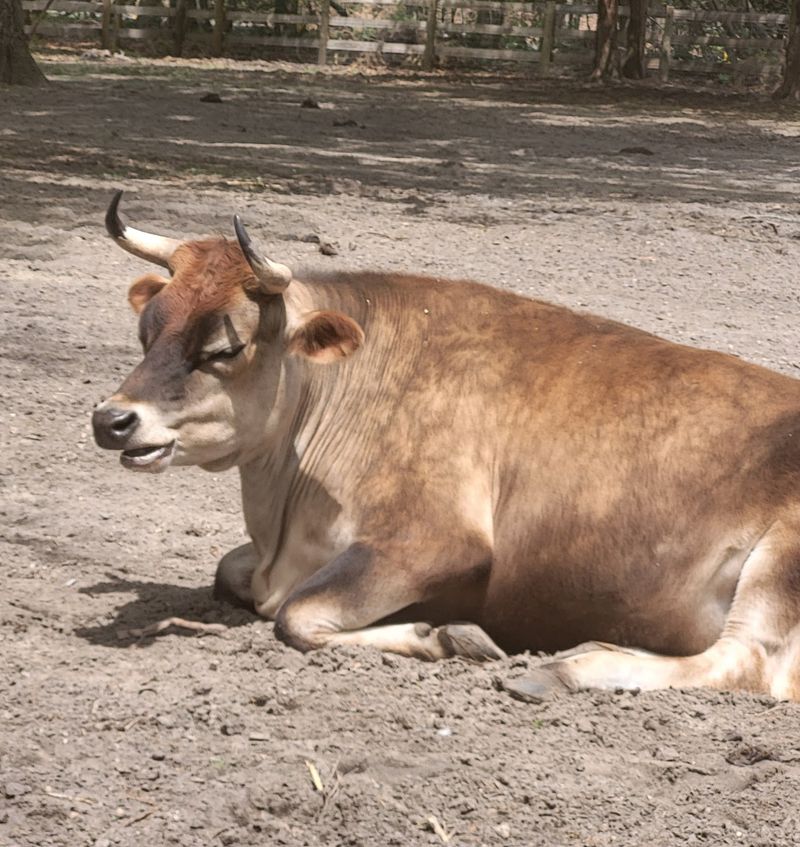
Seven hundred and fifty. That is roughly how many animals the farm cares for, according to Laurie herself.
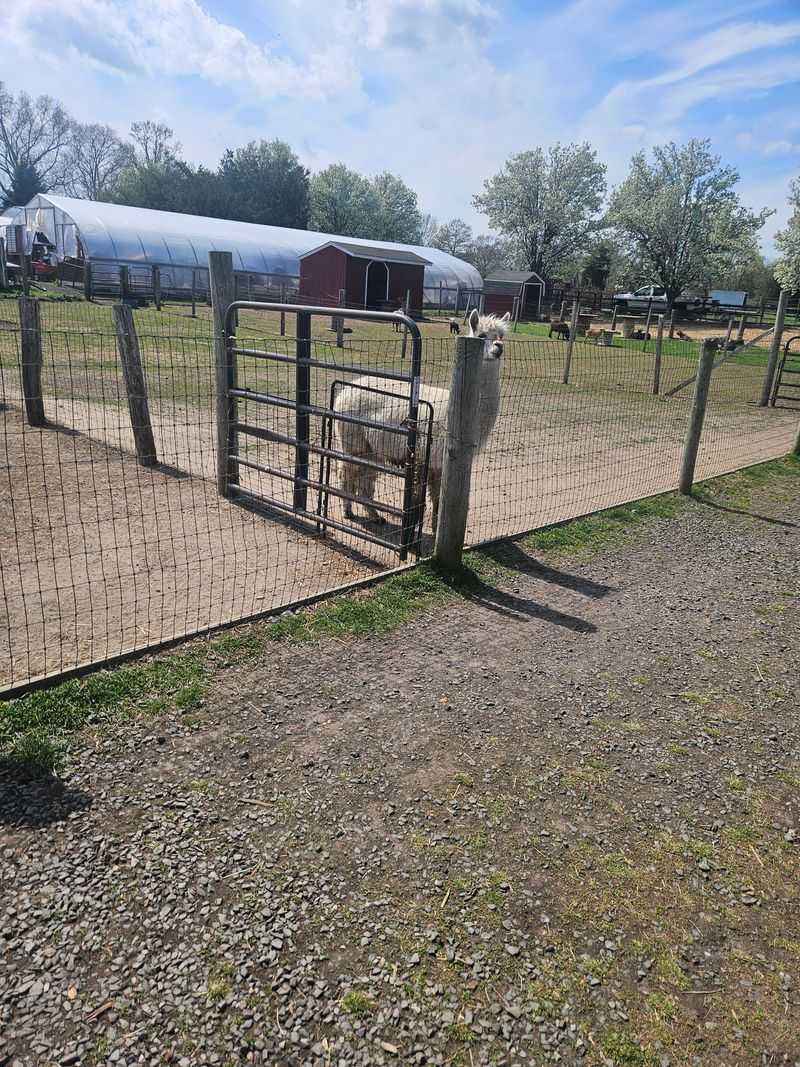
The roster reads like a children’s picture book come to life. Horses, cows, goats, donkeys, pigs, alpacas, turkeys, geese, roosters, hens, peacocks, cats, and dogs all share the property.
Each species brings its own personality. Goats are small but surprisingly strong, and they will happily nudge you for attention.
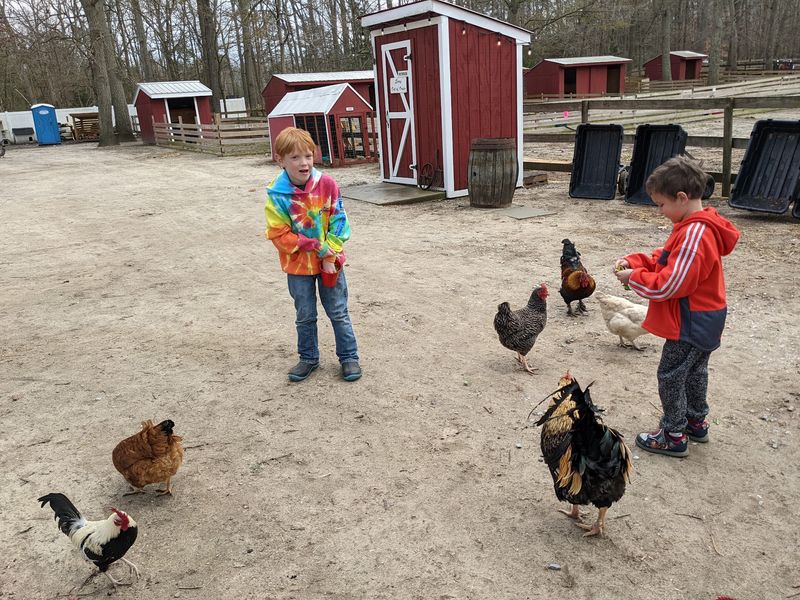
Roosters and hens go about their business underfoot. Geese keep an eye on everything, and some of them are bold enough to nip if snacks are slow to arrive.
Caring for this many creatures takes daily feeding, cleaning, and medical attention. The farm relies on caretakers and volunteers to keep everything running smoothly.
Many guests come away impressed by how healthy and content the animals appear. That reputation is a big reason the farm holds a 4.8 star standing from more than 1,900 people.
With a crowd this large, the next question is obvious. Where do all these animals actually spend their days?
Freedom to Roam
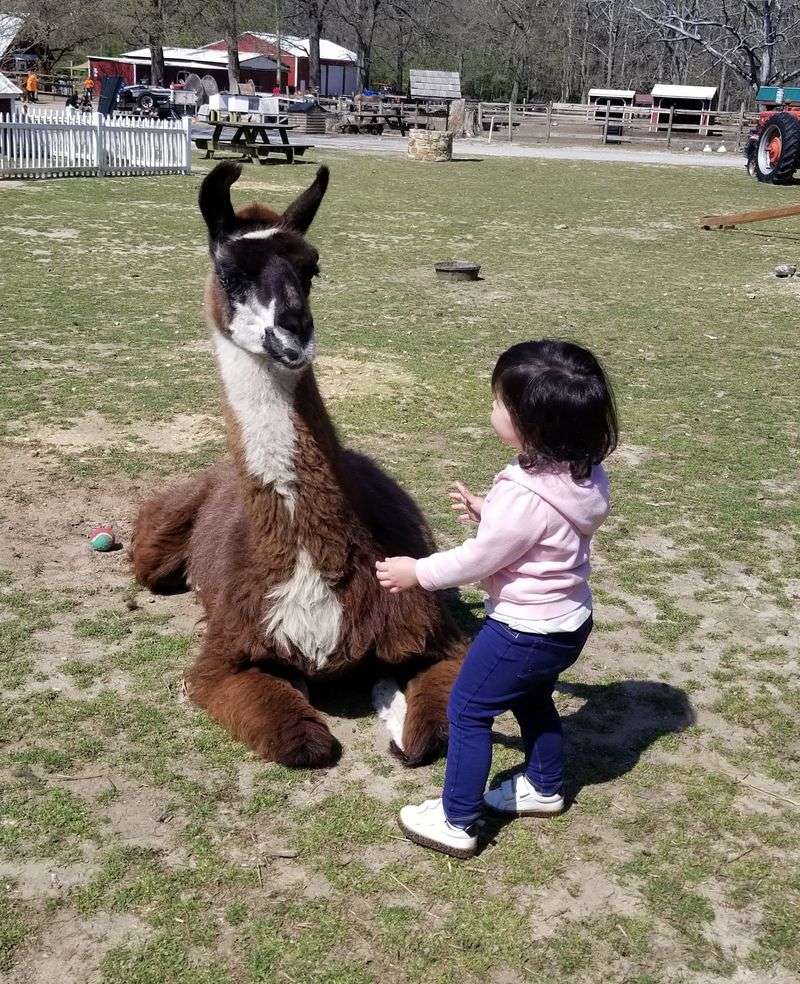
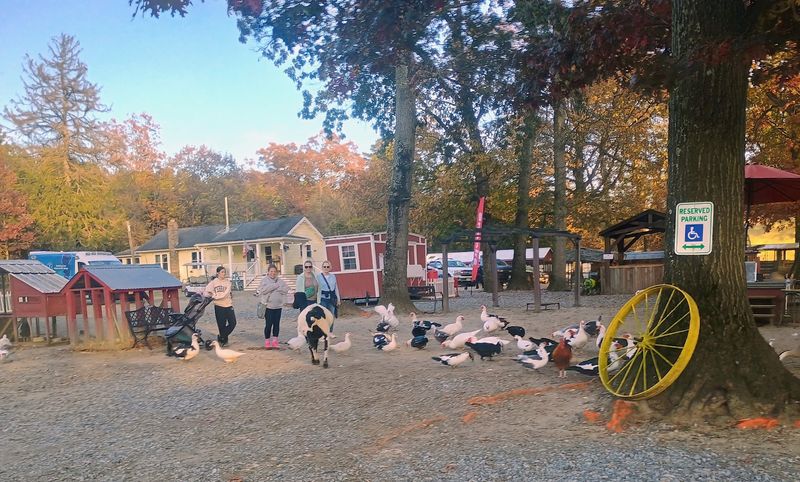
Fences exist here, but plenty of animals ignore the idea of staying in one spot. A big part of the farm’s charm comes from residents that wander freely among guests.
Some animals stay in pens or paddocks, while others stroll the paths at their own pace. Goats, chickens, donkeys, and peacocks are among the free movers.
The result feels nothing like a standard petting zoo. Animals approach you instead of waiting behind a rail.
A few will follow you around if they suspect you have treats. Most are polite about it, from the smallest rooster to the largest cow.
The less polite ones may step into your personal space or give a gentle nudge. That is about the extent of the mischief.
People often mention how comfortable the animals look moving around the grounds. It gives the sanctuary a relaxed, lived-in quality that matches its purpose as a true home.
Of course, roaming animals have one thing on their minds most of the time, and it comes in a small bucket.
The Four Dollar Bucket
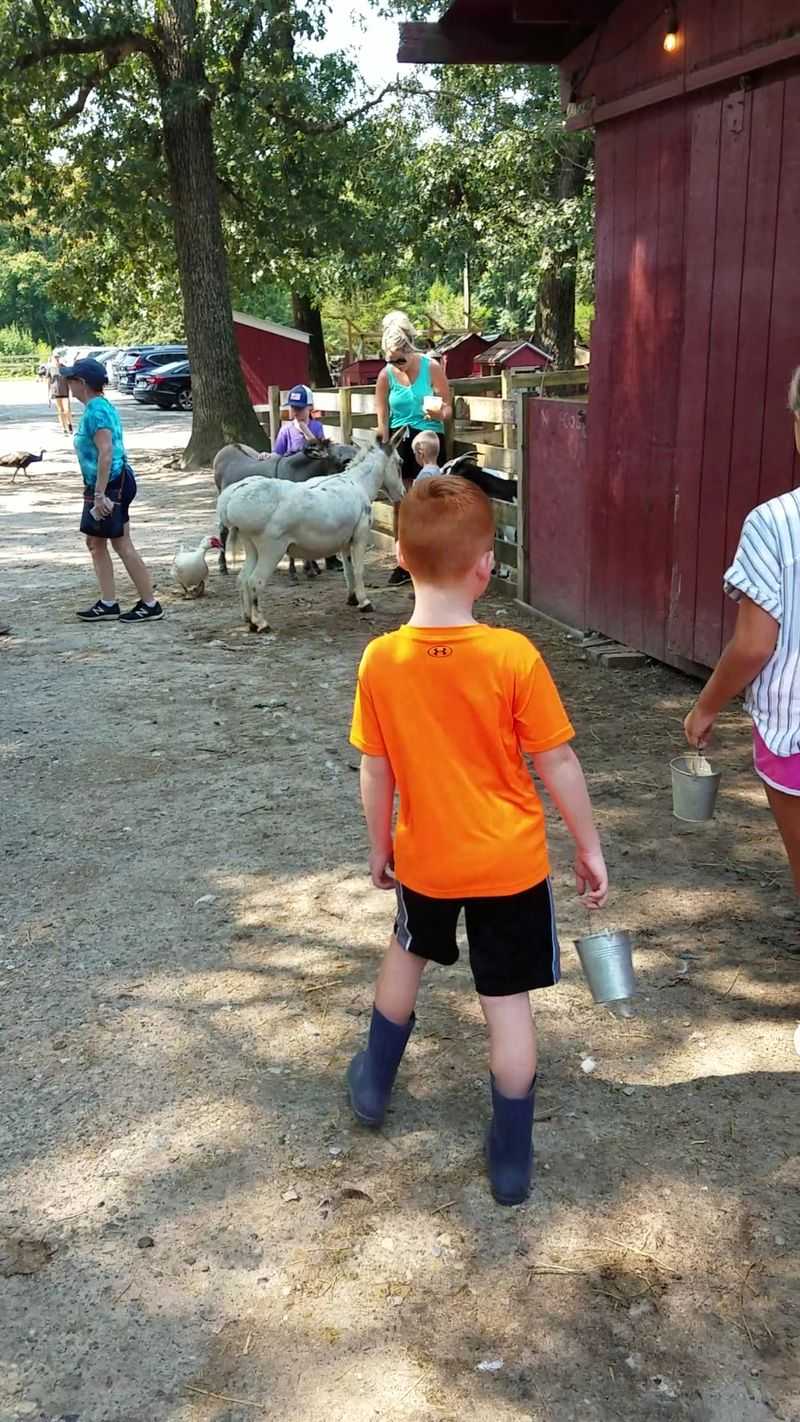
Four dollars buys a lot of friendship at this farm. That is the price of a small bucket of animal feed sold at the on-site shop.
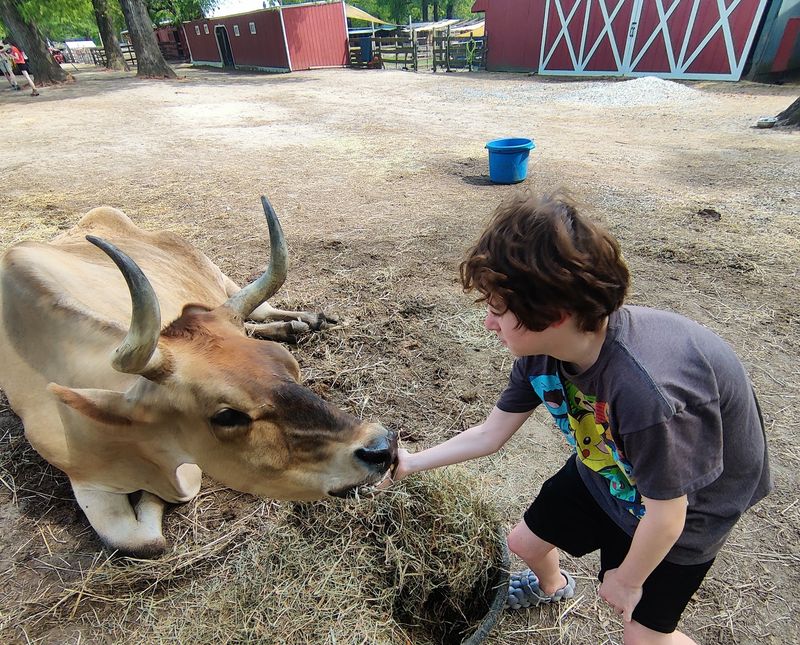
Feeding the animals is easily the most talked-about activity here. One bucket can last around 30 minutes if you pace yourself and share it around.
Goats, geese, donkeys, and horses all line up for their turn. Some are patient, and some, like one famously persistent donkey, seem to have a strategy.
Not every animal can have treats. Clear signs mark residents on special diets or those who need a gentler approach, so read the posted notes as you go.
A flat, open palm usually works best when offering food. Adults should supervise little ones closely, even though the animals are used to children.
The feed money also supports the sanctuary’s mission. Your snack spending turns directly into care for the residents.
Buy one bucket, and do not be surprised if you head back for a second.
Second Acts for Racehorses
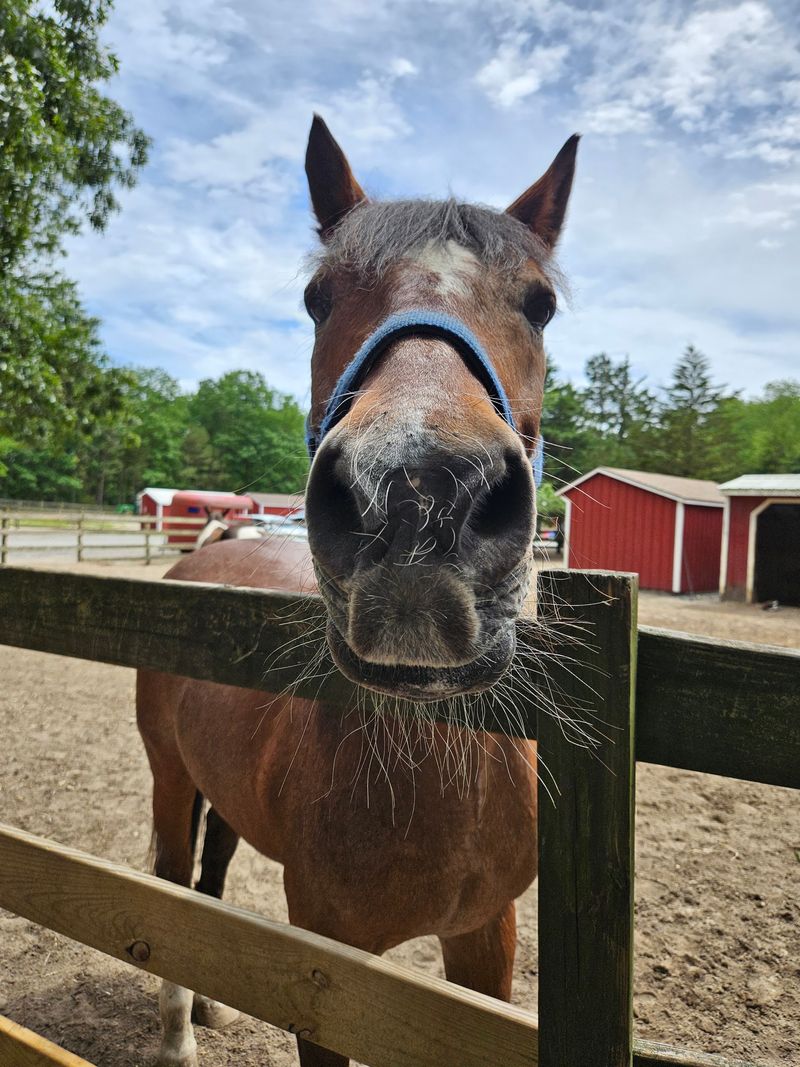
Nineteen horses call the farm home, and some of them once had careers on the racetrack. Their new job is far simpler: enjoying attention and the occasional snack.
Many guests are surprised by how many horses wander the property. They are among the biggest residents, and they clearly love being noticed.
Volunteers describe them as massive animals with a strong appetite for affection. That combination makes them memorable for kids and adults alike.
Feeding the horses is a highlight for many families. Young children often talk about it long after the trip ends.
Despite their size, the horses tend to be calm around people. Even the largest animals on the farm behave well around small children.
Still, common sense applies. Anything with hooves can kick, so give them space and approach from the front rather than from behind.
A retired racehorse taking carrots from a toddler is a scene worth the drive alone.
Peacocks, Geese, and a Famous Donkey
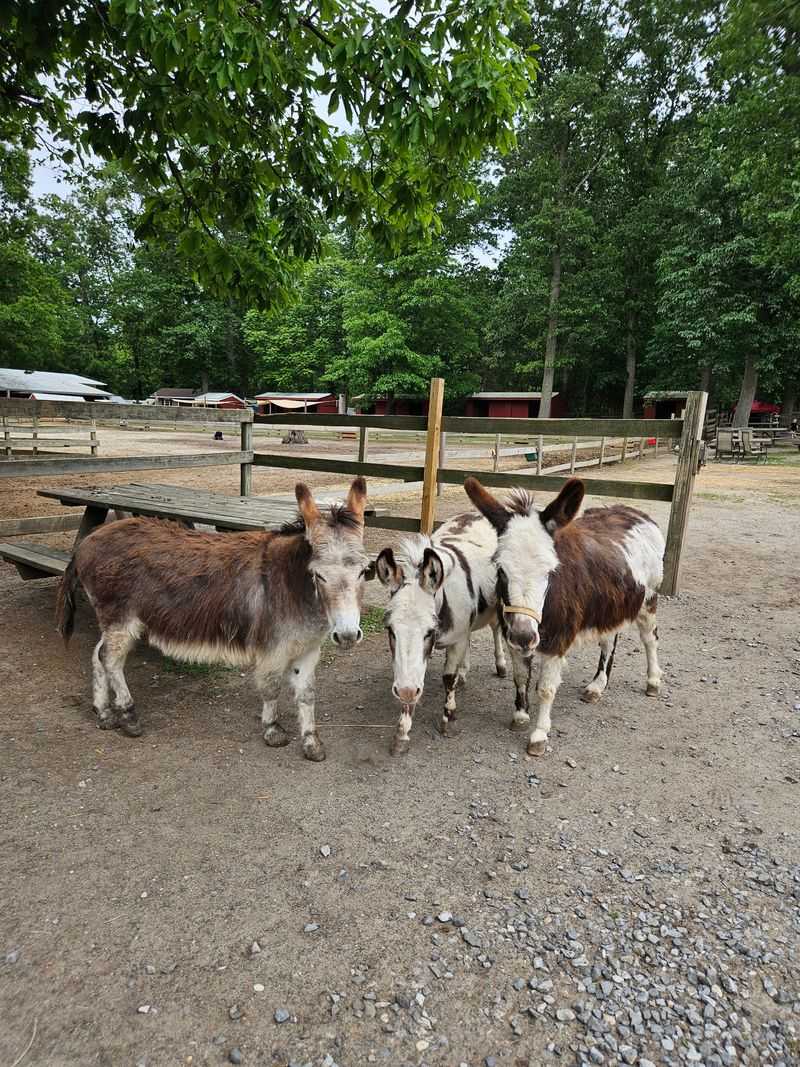
Some residents earn fan clubs. Peacocks, geese, and donkeys show up repeatedly when people describe their favorite moments.
The peacocks bring a touch of elegance to a muddy farm. They strut through the grounds as if they own the place, which in a way they do.
Geese are the comedians. They are bold, curious, and quick to investigate any bucket that wanders past.
Then there are the donkeys. One older donkey named Eeyore has quietly become a favorite, known as a sweet senior gentleman.
Other donkeys are more determined. At least one has a reputation for trailing guests until every last bit of feed is gone.
Alpacas and turkeys add even more variety. Each one offers a different kind of encounter, so plan to wander the whole property.
Bring patience for the geese and save a handful for Eeyore. He has earned it.
Old Tractors and Other Surprises
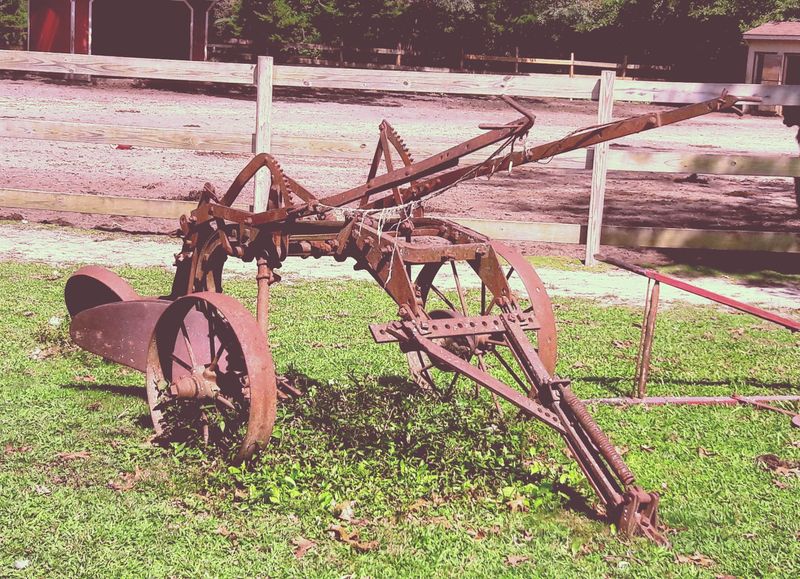
Not every attraction here has fur or feathers. Vintage tractors are placed around the grounds, and young children tend to love them.
Toddlers who need a break from animals often find their way to the old machines. The tractors add a classic farm feel to the sanctuary.
The on-site shop is another useful stop. Beyond feed buckets, it sells snacks and cold drinks such as fruit juice, water, soda, and sports drinks at fair prices.
Fresh eggs are sometimes available to take home. Baked goods have also won fans among people who stopped by expecting a short visit.
Hand-washing stations are set up on the property. They are real sinks rather than simple sanitizer pumps, which parents tend to appreciate.
These details make a long visit easy. Plenty of guests arrive for a quick pit stop and end up staying for hours.
The animals may be the headline, but the extras keep the day rolling smoothly.
A Calm Corner for Families
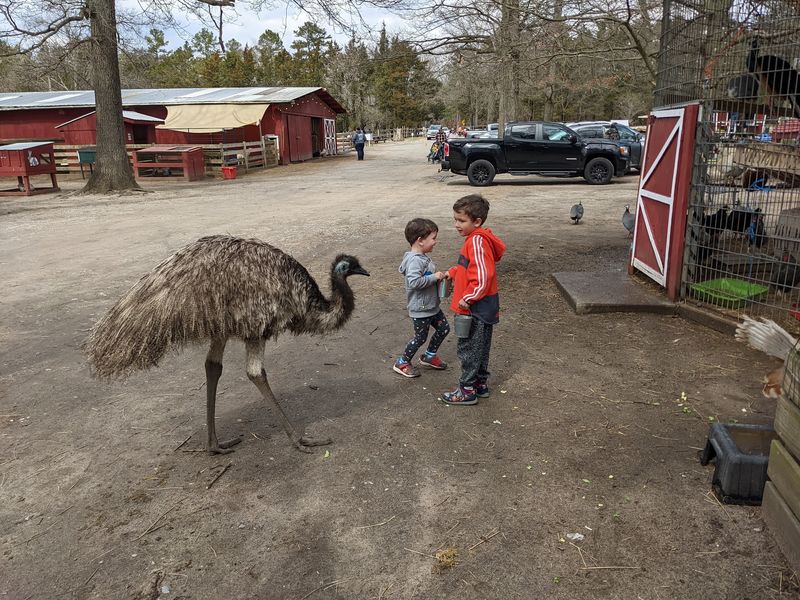
Parents searching for a low-cost outing with real wow factor tend to land here. The farm is welcoming, easygoing, and well suited to children of many ages.
Little ones under two enjoy the animals as much as older kids. School-age children often fire off question after question about the residents.
That curiosity turns a fun trip into a learning one. Kids leave knowing more about how farm animals live and why rescue matters.
The staff and helpers are known for kindness. They make families feel at home from the first few minutes.
Adults find value here too. Many describe the farm as a peaceful place to slow down and reset.
One tip worth knowing: the farm can be loud and smelly, as farms usually are. Children with sensitivities to noise or strong smells may need a little extra preparation.
For most families, though, the only real problem is convincing the kids it is time to go home.
Parties in the Barn
Birthday cake and barnyard friends turn out to be a winning mix. The farm hosts private events, and its event barn has impressed plenty of guests.
The barn features simple colors, lots of natural wood, and generous natural light. It is air conditioned, which matters during South Jersey summers.
Multiple restrooms, hand-washing areas, and a small kitchenette make hosting easier. Sliding doors open directly to the paddock, so animals are never far away.
A large covered concrete porch wraps around most of the building. Shade is plentiful, and the space works for groups with mixed ages and physical abilities.
Hosts describe the booking process as easy and the cost as reasonable. Some return for repeat events.
Baby showers, birthday parties, and group gatherings have all taken place here. One baby shower was called the most entertaining ever.
Few venues can promise a goat appearance as part of the guest list.
Festival Days at the Farm
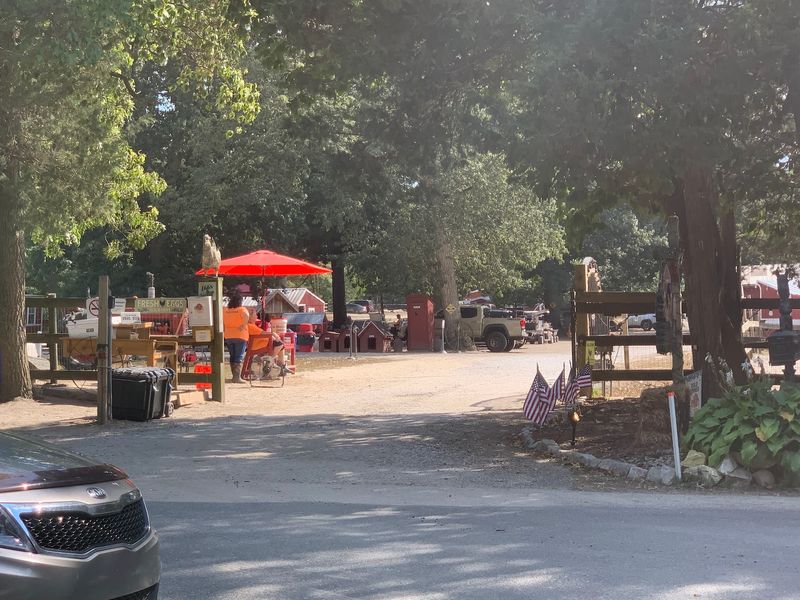
Every so often, the quiet sanctuary turns into a bustling festival ground. These special events bring food trucks, vendors, and big crowds.
The festivals are popular, so traffic can build up on the approach. Finding parking may take a bit of patience on those days.
Once inside, many guests discover something funny. They came for the vendors but spent most of their time with the animals.
Seating is limited near the food areas. Laurie explained that picnic tables were reduced because 750 animals would very much like to share your lunch.
That detail says a lot about the farm. Animals come first, even when humans are hungry.
Festivals are a great way to support the rescue and see the farm at its liveliest. Check the official website for upcoming dates.
Arrive early, keep your lunch close, and watch out for opportunistic geese.
Lending a Hand as a Volunteer
Spending a few hours as a volunteer offers a very different view of the farm. Helpers get closer to the daily work that keeps hundreds of animals healthy.
The staff includes many volunteers, and they are frequently praised as helpful and polite. Their effort is the backbone of the sanctuary.
Volunteering here comes with lessons. Horses are huge and crave attention, while goats are small but strong enough to nearly knock you over for a pet.
Those who volunteer often call the day deeply fulfilling. It is hands-on work with a clear purpose.
Donations are another way to help. A gift supports feed, care, and everything a rescue of this size needs.
Even buying a feed bucket or a snack from the shop contributes. Every small purchase adds up over time.
Visit once as a guest, and you may find yourself signing up to come back as a helper.
Hours, Costs, and Smart Prep
Timing matters here, because the gates open only two days a week. The farm welcomes the public on Tuesdays and Sundays from 8 AM to 4 PM.
It is closed Monday, Wednesday, Thursday, Friday, and Saturday. Plan around that schedule to avoid a disappointing drive.
Entry is free on open days. Feed buckets cost $4, and snacks and drinks are fairly priced.
A waiver is provided when you arrive. It explains the natural risks of being around animals, since hooves can kick and mouths can bite.
Dress for a working farm. Long pants and walking shoes you do not mind getting muddy are the smart choice.
A light drizzle does not ruin the fun, and many people enjoy rainy visits. Just expect some extra mud.
For the latest details on events or changes, visit funnyfarmrescue.org before you head out.
Why It Earns a Spot on Your List
Plenty of places promise animal encounters, but few deliver them with this much heart. The sanctuary combines rescue work with a generous welcome for the public.
Free admission makes it easy to say yes. A $4 bucket turns a casual stroll into a hands-on afternoon.
The animals look well cared for and relaxed. Free-roaming residents give the farm a personal, unhurried quality.
Families, book clubs, party guests, and volunteers all find something here. The crowd is as varied as the animals.
A few minor wishes come up, like more seating or a quick feeding tutorial for kids. These are small notes against a long list of happy experiences.
The bigger picture is clear. Every visit helps hundreds of animals continue living well after hard beginnings.
Mark a Tuesday or Sunday on the calendar, pack muddy shoes, and go meet the residents. Eeyore and his friends will be waiting.


