
Affiliate disclosure: As an Amazon Associate I earn from qualifying purchases. Learn more
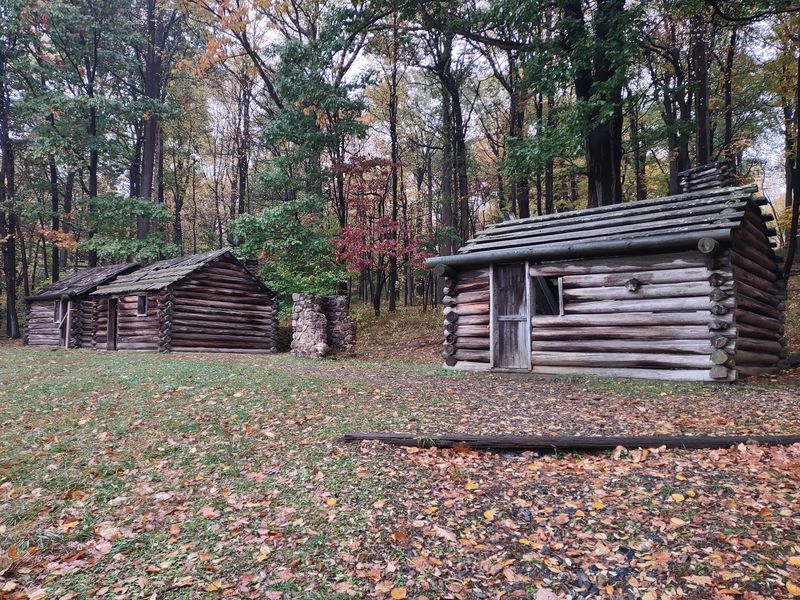
The winter of 1779 to 1780 is remembered as one of the harshest ever recorded, and George Washington’s army spent it on a wooded patch of ground near Morristown. Thousands of soldiers built small log cabins, twelve men to a hut, and waited out the cold.
Today, replica huts stand where those camps once spread across the slopes, surrounded by miles of trails and historical markers. This guide covers the story behind the place, the old farmhouse, the trails worth hiking, and the practical tips that help a visit go smoothly.
A National Park Hiding in Morristown
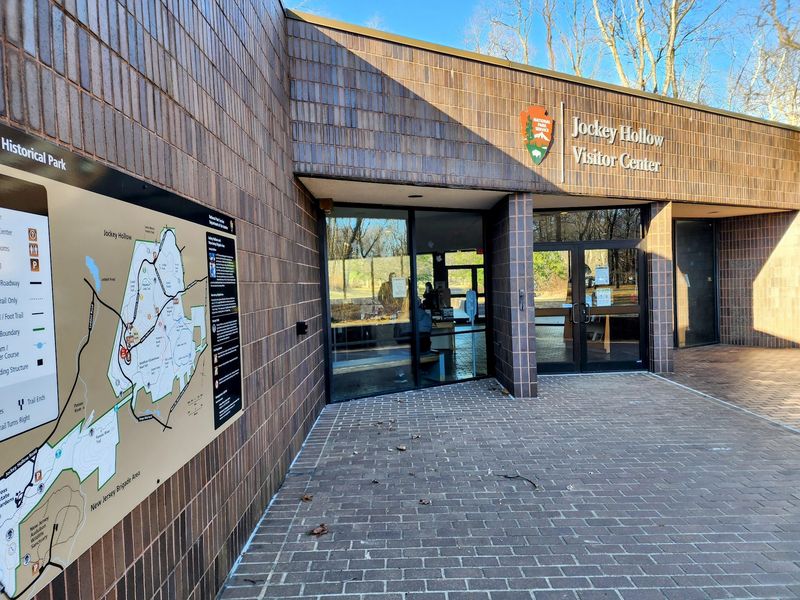
Some of the most important ground of the American Revolution sits just off the highways of North Jersey. Jockey Hollow is a historical place in Morristown, NJ 07960, United States, managed as part of Morristown National Historical Park.
It is not a grand, faraway park with famous canyons. Instead, it is intimate and easy to reach, with signs leading in from Routes 287 and 202 toward a large parking lot.
The site pairs well with other stops in the park. Many people start at the Washington Headquarters Museum and Fort Nonsense, then head out to Jockey Hollow for the trails and huts.
The grounds hold a visitor center, a small museum, the Wick Farmhouse and its gardens, replica soldier huts, and a network of wooded trails. A 5-mile paved loop links much of it together, and it works for walkers and drivers alike.
The place holds a 4.8-star standing from more than a hundred people who have shared their thoughts, which says a lot for a patch of woods with no mountain views. History is the main draw here, and the hillside has plenty of it to share.
The Brutal Winter of 1779
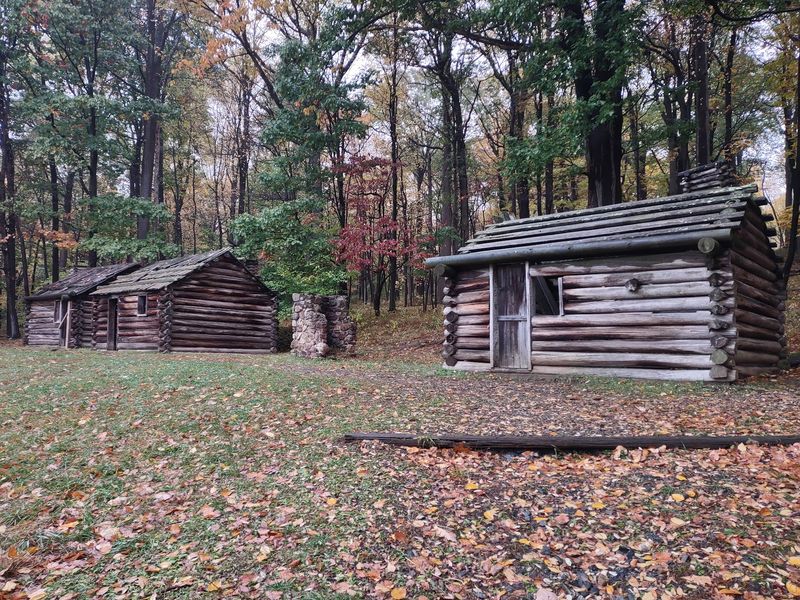
Bad timing gave this hillside its fame. Washington’s Continental Army arrived to camp here during the winter of 1779 to 1780, which turned out to be one of the worst winters ever recorded.
The army needed shelter fast. Soldiers cleared trees and built rows of rough log cabins across the slopes, turning the forest into a temporary city of wood and smoke.
Each small cabin housed twelve soldiers. Officers had their own quarters, which were a bit roomier but still simple.
The encampment is considered very pivotal to the Revolution. Holding an army together through that winter kept the fight for independence going into the next year.
Morristown made sense as a base. The surrounding hills offered protection, and the location kept the army close enough to watch British forces in New York.
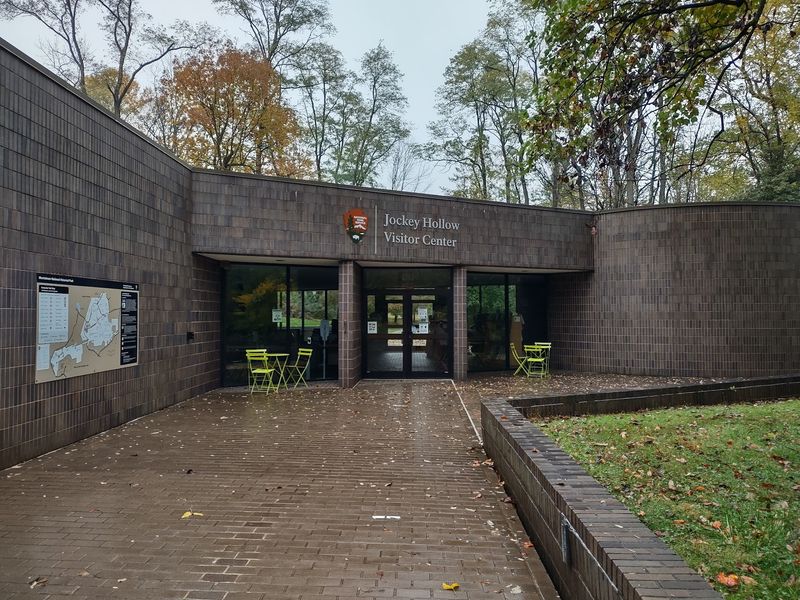
Today the welcome center explains much of this story with exhibits and a short film. It is a good first stop before heading into the woods, because the trails make more sense once the history clicks.
Twelve Men to a Cabin
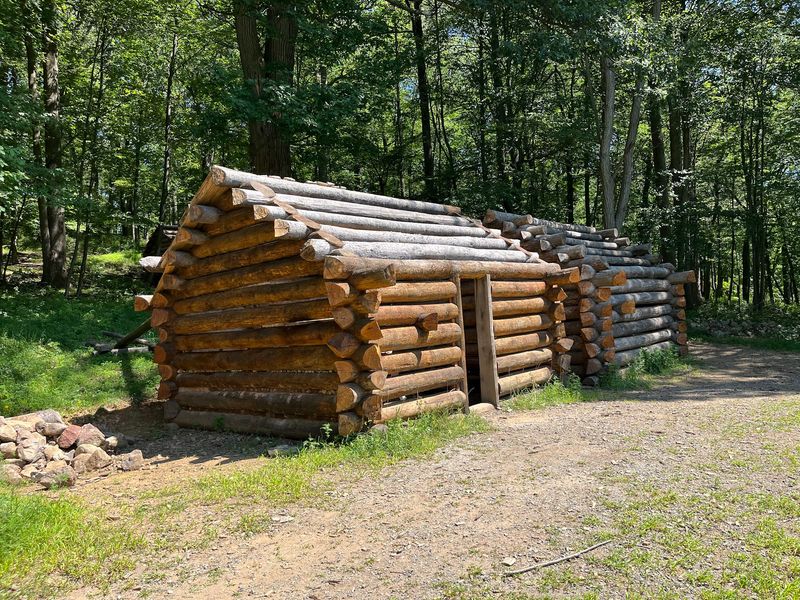
Twelve grown men, one small log cabin, and months of winter. The replica soldier huts at Jockey Hollow make that math very real.
The huts were recreated to show how the Pennsylvania troops lived during the encampment. They are small and simply built, with bunks packed inside, and an officer’s cabin stands nearby for comparison.
Many people find them the highlight of the trip. Seeing how soldiers slept during the Revolutionary War tends to stick with people long after they leave.
It is worth knowing that these are replicas, not original structures. History purists may wish for genuine remains, and work around the hut area has sometimes been visible.
Still, the huts sit on the actual ground where the camps stood. Signs nearby share details about camp life, so the stop becomes a lesson as well as a photo spot.
The huts can be reached by the paved loop road or by foot along the yellow trail, roughly halfway around its loop. Either way, plan a few minutes to read the markers before moving on.
The Wick Farmhouse and Its Gardens
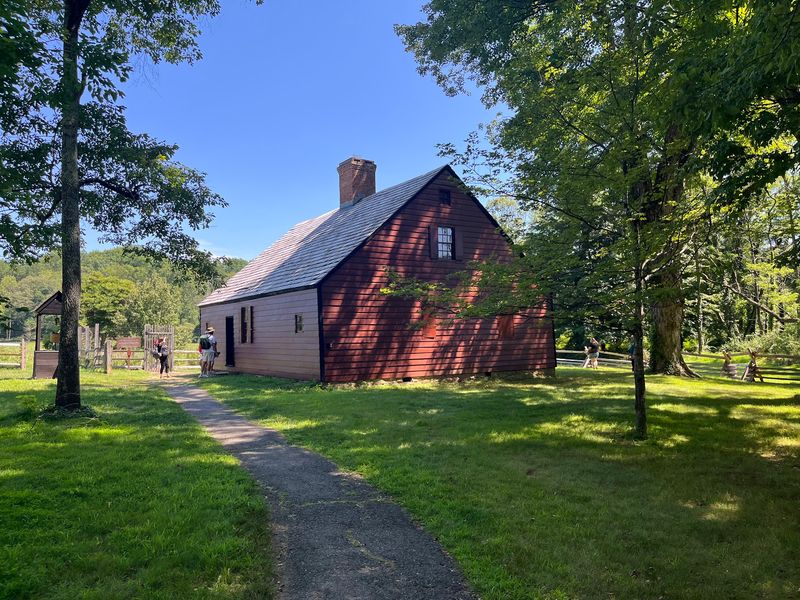
Not every building here was made for soldiers. The Wick Farmhouse belonged to a farming family whose land became part of the encampment.
The house is one of the best-known features of the park. Its gardens and orchards surround it, giving a glimpse of rural life in 18th-century New Jersey.
Free guided tours with a park ranger have been offered inside the house. A ranger tour adds stories and context that signs alone cannot cover.
The farmhouse also served officers during the winter camp. That connection makes it a link between civilian life and the military story unfolding outside its door.
Many hikers pass the Wick Farm at the start of their walk. The yellow trail begins nearby, so the house often doubles as a natural meeting point.
Tour availability can change by season, so checking the park website before a visit is smart. A quick look online can turn a passing glance into a full tour.
A Museum Before the Trails
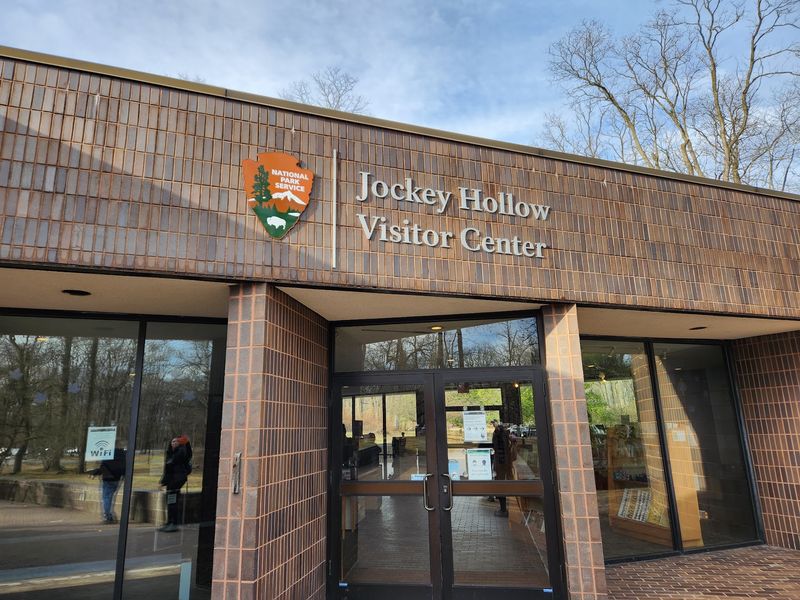
Small but packed, the visitor center works as a great little museum for the whole park.
Inside, there are information panels and displays about the encampment. A short educational film sets the scene for what happened on these hills.
One of the standout exhibits is an audio-visual display of a soldier’s housing and daily life. It shows what life inside those crowded huts looked like.
Kids get their own hands-on corner. A touch-friendly exhibit lets younger guests interact with the history instead of just reading about it.
A gift shop rounds things out. Tours have also been offered from the center.
The building is not new, and the interior shows its age. Restrooms are available off to the side, and they have stayed open on holidays when the center itself was closed.
Fifteen or twenty minutes here makes the rest of the park much richer. The trails feel different once the story behind them is fresh.
Trails Named for Brigades
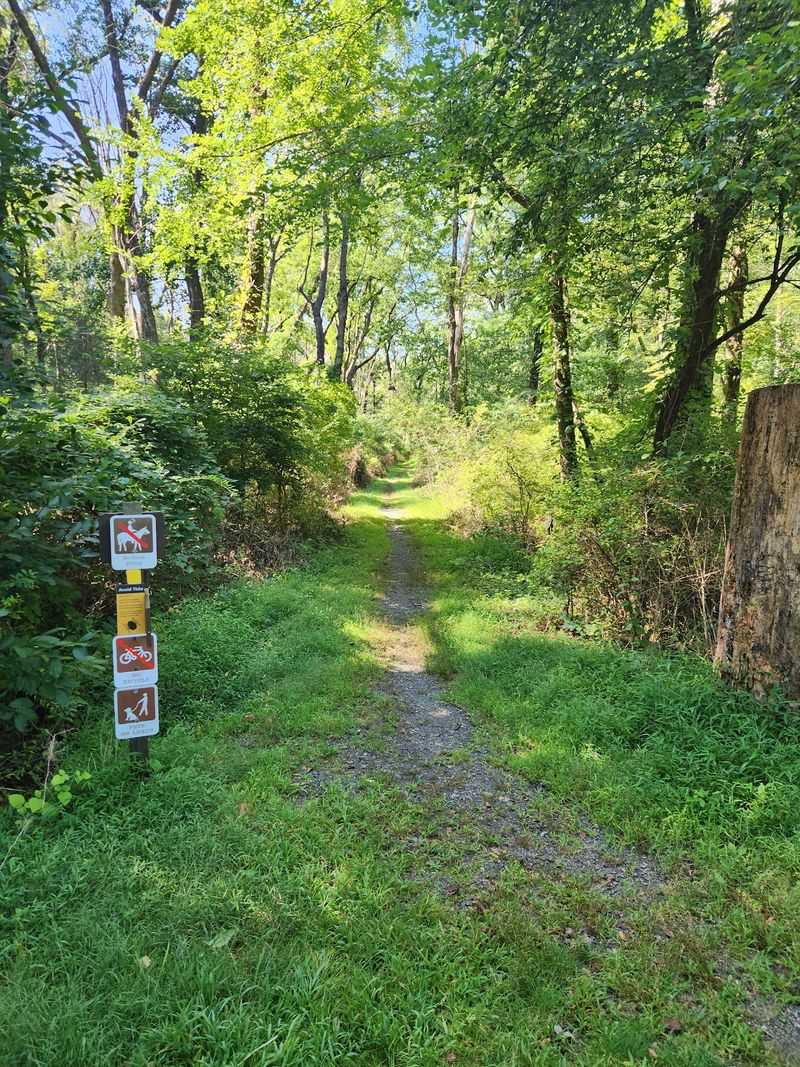
Hiking is the most talked-about activity at Jockey Hollow, and the trail names carry history of their own.
The blue trail, also called the New York Brigade Trail, runs about 3 miles. The path is easy, and some stretches stay pleasantly uncrowded.
The yellow trail loops for about three miles from near the Wick Farm, passing the replica huts along the way. Its blazes are solid and easy to follow, though one turn near Grand Parade can be confusing.
Other routes include the Camp Road Trail tied to Stark’s Brigade and paths near the New Jersey Brigade area. Trails range from easy to moderate, with a few rolling slopes rather than steep climbs.
Footing can be uneven. Loose rocks and wet spots, especially in spring, make light boots a better pick than sneakers.
Wildlife shares the woods too. Snakes have been spotted on the blue trail, so watching where boots land is a good habit.
Trail conditions change, and closures have happened. A quick check with the park helps avoid surprises at the trailhead.
History From the Driver’s Seat
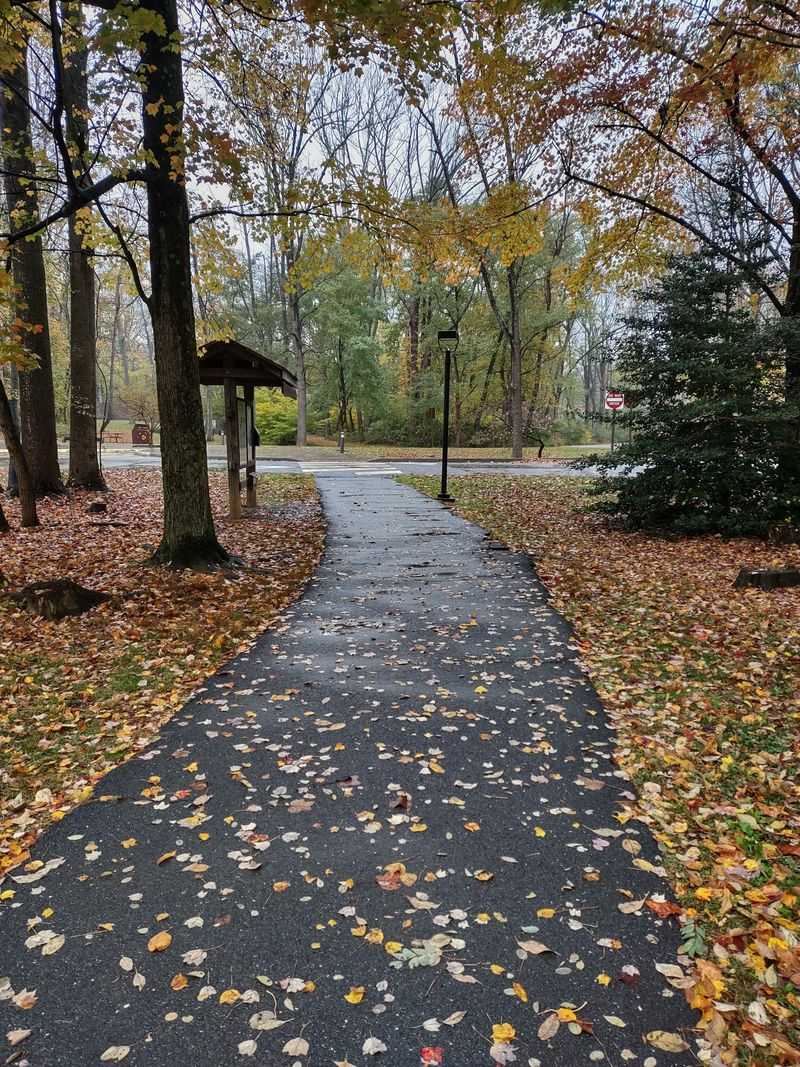
Not up for a long hike? The park has an answer on four wheels.
A 5-mile paved loop winds through the grounds and can be walked or driven. It passes the recreated soldier huts and other points of interest from the 1779 encampment.
Small parking lots along the route let drivers hop out at each stop. That makes it easy to see the highlights in a short visit.
The drive-through tour is popular with people who only have an hour. Many leave planning to come back and explore more on foot.
Historical signs line the way. They share interesting facts about the time period, turning the drive into a rolling history lesson.
Road work has sometimes blocked access to main areas of the park. During repaving, reaching the visitor center has required a longer route around, so checking for updates is wise.
The loop also suits families with small children or anyone with limited mobility. Everyone gets a share of the story without a long trek.
Cross Estate Gardens Nearby

A surprise waits at the edge of the park. The Cross Gardens sit within reach of the New Jersey Brigade area.
The gardens make a pleasant change of pace after miles of forest trails. Many people consider them lovely, even when other parts of the park are harder to access.
Getting there may involve driving around to the New Jersey Brigade side. Combining a brigade hike with a garden stop makes a well-rounded outing.
Spring brings early greens and wildflowers to the area. It is a fine season for anyone who likes plants as much as history.
The gardens are not about the Revolution. They add variety, which helps if part of the group cares more about flowers than muskets.
Pairing the two parts of the park shows off its range. One afternoon can hold both soldier history and quiet garden paths.
Fall Colors and Changing Seasons
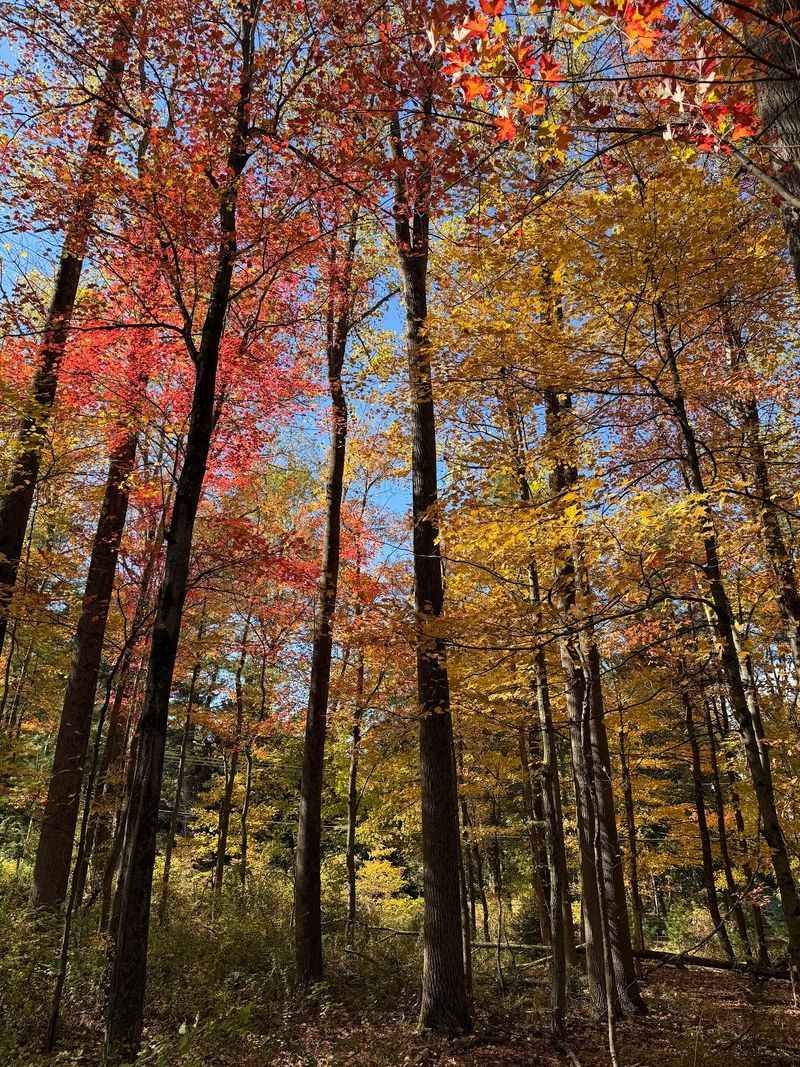
Autumn is when Jockey Hollow tends to win the most fans. Many consider it the best season, when the leaves turn across the hillsides.
Timing matters, though. By the first week of November, most leaves have often fallen, so mid to late October is a safer bet.
Summer brings full green cover. Since the park has few big viewpoints, foliage does a lot of work for the scenery.
Winter can look bare. Even so, the park is a popular spot for First Day hikes on New Year’s Day, and the parking lot fills up fast.
Spring offers wildflowers and soft trails. It also brings mud and partial flooding, so plan footwear accordingly.
The place works year-round. Each season changes the look of the woods, which gives repeat visits a fresh feel.
For a winter camp, there is a fitting irony in visiting during the cold months. Standing near the huts in January makes that history hit home.
Who Feels at Home Here
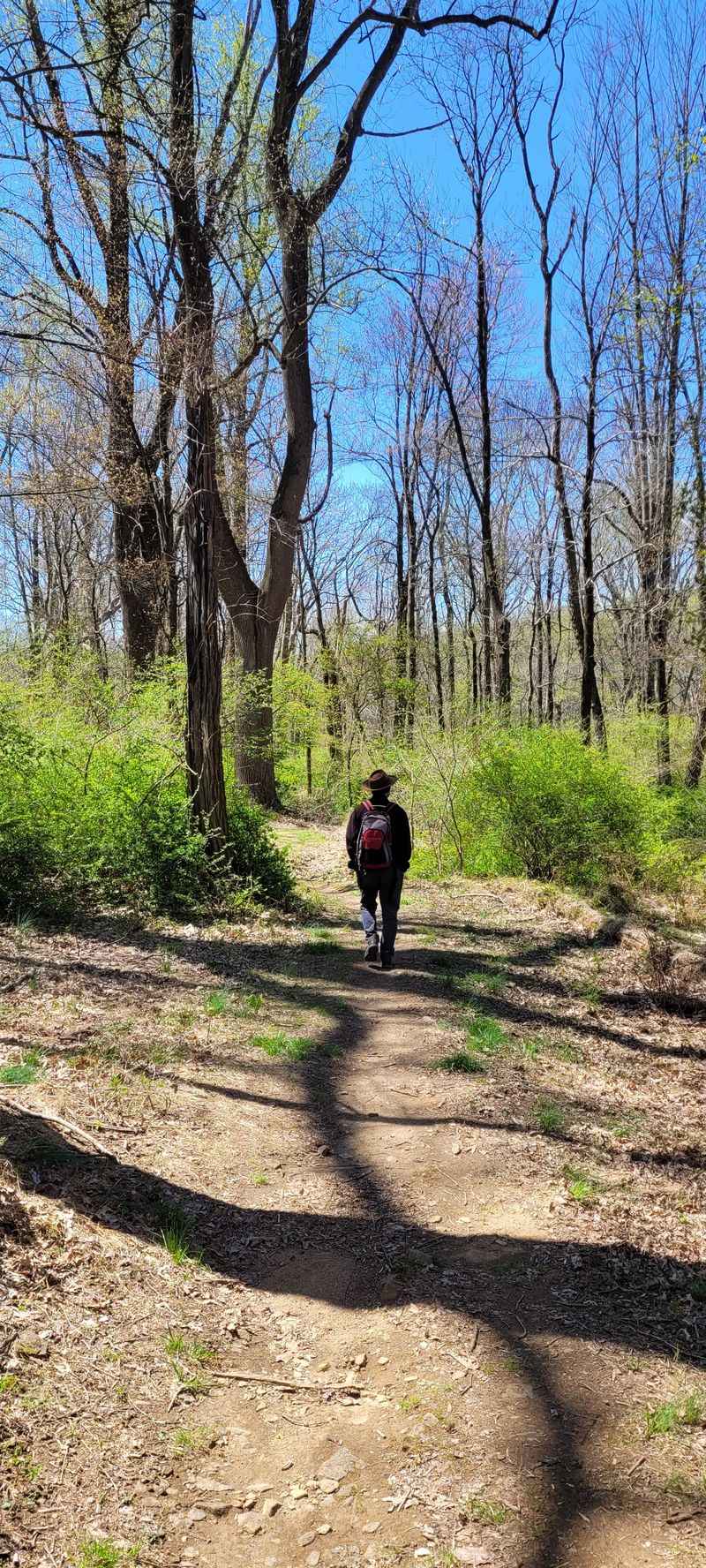
History buffs are the obvious fans, but the crowd here is wider than that.
Runners use the trails regularly. Dog walkers come too, and the park has served as a fallback for pet owners turned away from nearby spots that prohibit dogs.
Casual walkers find plenty of easy paths. Those wanting more effort can link longer routes for rambling hikes.
Photographers always seem to find something to capture. Huts, farmhouse, and woodland paths keep cameras busy.
Even guests who are not into history tend to enjoy reading a few facts along the trails. The mix of exercise and learning works out the body and the brain at the same time.
Not everyone falls for it. Some hikers wish for more dramatic terrain and original buildings instead of replicas.
The park also shows how historic land can soften the line between towns and woods. Plenty of locals return again and again.
Planning a Smooth Visit
A little planning pays off at this hillside. The good news is that the basics are simple.
Signs from Routes 287 and 202 point the way. The main lot is large, though it can fill on popular days like New Year’s Day.
Several restrooms are available, plus portable toilets in the lot and outside the visitor center. Supplies in some stalls can run low, so carrying a backup is a wise move.
The Wick House ranger tour has been free. For current hours and tour schedules, the park website at nps.gov/morr is the best source.
Museum days vary across the park. The Washington Headquarters Museum has been open only Friday through Sunday at times, so plan stops around that.
Wear light boots for rocky or muddy trails. Allow a few hours at least, or make a full day of it.
Closures happen for repaving and trail work. A quick check beforehand keeps the day on track.
The verdict is easy: for a mix of fresh air and Revolutionary history close to home, this hillside earns its place on any New Jersey list.


