
Affiliate disclosure: As an Amazon Associate I earn from qualifying purchases. Learn more
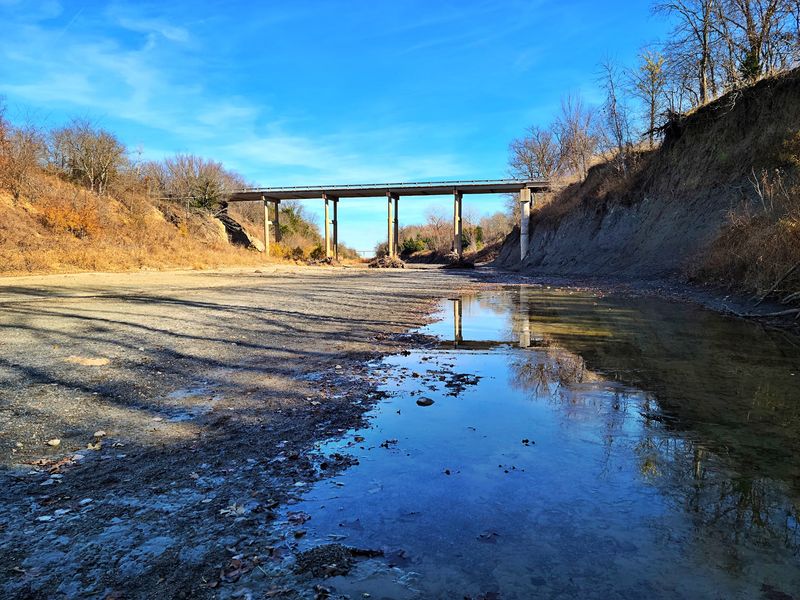
Somewhere in rural Northeast Texas, a youngster is pulling a fossil out of the mud, and nobody is going to ask for it back. That is the whole deal at a small public park built around a riverbed that once sat under an ancient sea.
Families come for shark teeth, fossilized shells, petrified wood and the occasional bone, and they take home whatever they find. There is no ticket booth and no gift shop, only a cement path, a riverbank and a lot of patient digging.
The catch is that this outing comes with mud, sun and a river that changes its mind after every big rain. Keep reading for where it is, what turns up in the riverbed, what to pack, and the timing tricks that can make or break the trip.
A Free Riverbed Off FM904
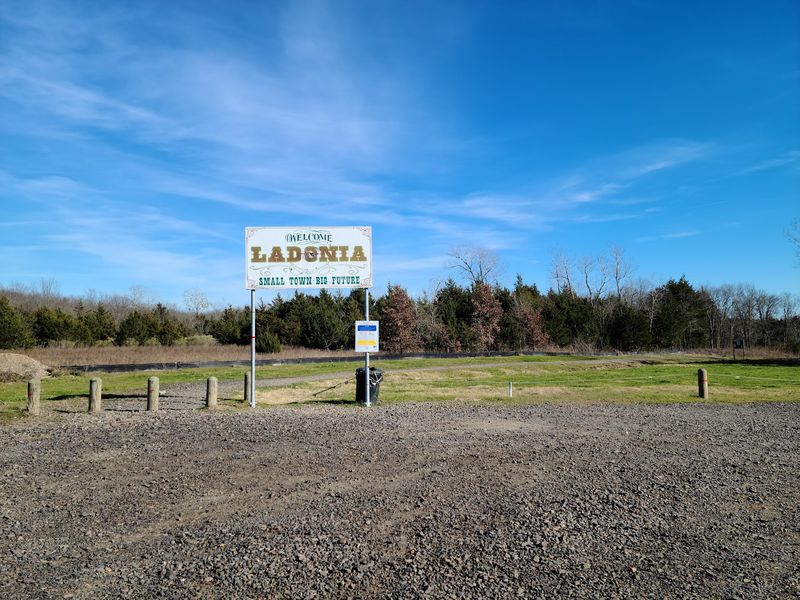
The address is about as plain as it gets: Ladonia Fossil Park sits at FM904, Ladonia, TX 75449, in the farm country of Northeast Texas.
The town of Ladonia runs the park, and the main attraction is not a building at all. It is the bed of the North Sulfur River, where fossil hunting is free.
That price tag matters. Families can spend a full day here without paying an entry fee, and whatever turns up in the gravel and clay can go home in a bucket.
The park also has a fresh start behind it. It moved to this permanent spot on FM904, and the city notes that the current setup includes parking with dawn to dusk access, a pavilion with picnic tables, an accessible cement path to the river and benches along the way.
Getting there takes a little care. Some navigation apps have mixed up Highway 34 and FM904 and sent people to the wrong place, so double checking the route before leaving home is smart.
Once the car is parked, the adventure is a short walk downhill away.
Ocean Floor Turned Texas River
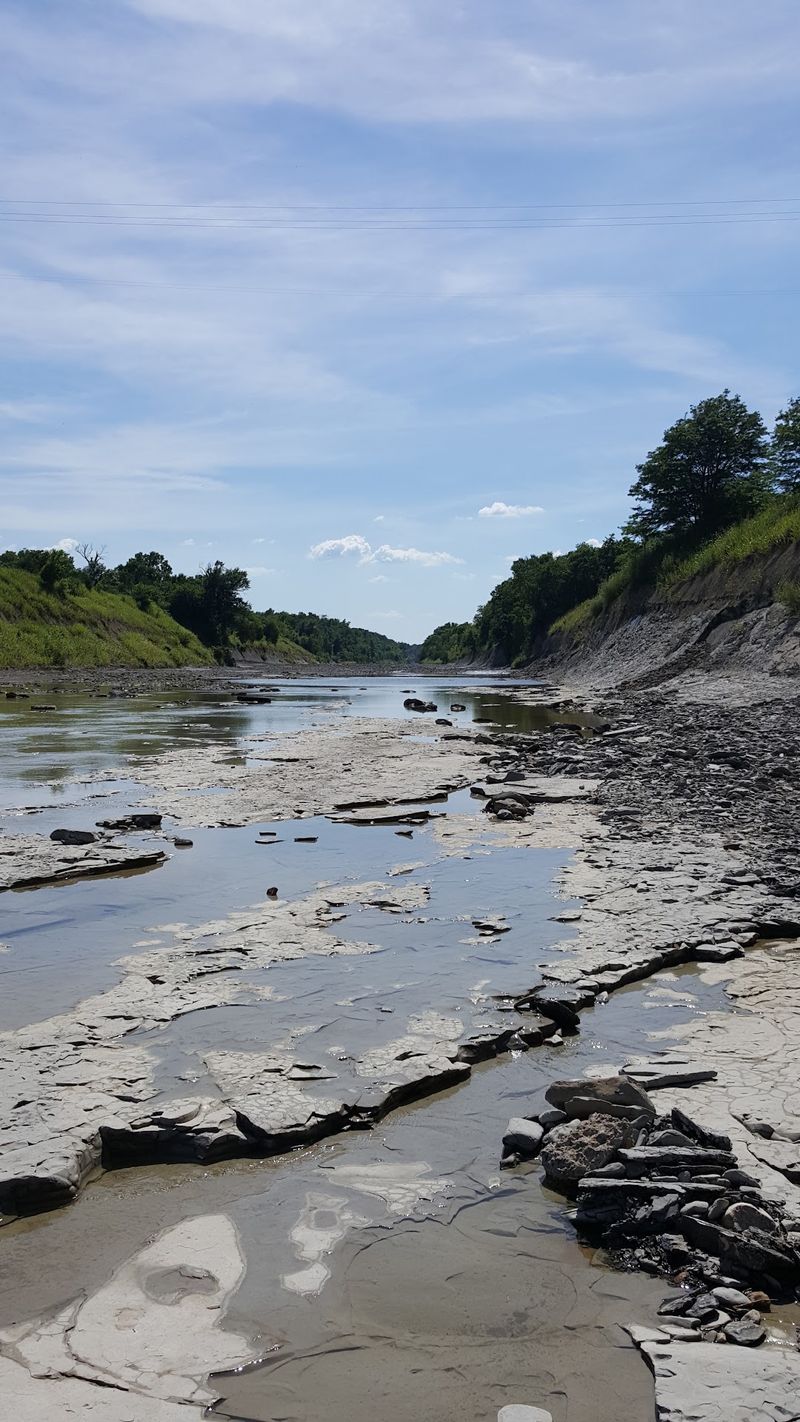
Long before cattle and county roads, this corner of Texas sat beneath an ancient sea. The North Sulfur River now cuts through those old seafloor layers, and that is why the riverbed is so busy with fossils.
Shark teeth, fossilized shells and clam impressions in the clay show up regularly. Larger finds like mosasaur vertebrae, the backbone pieces of a big marine reptile, have also turned up.
The river keeps the supply moving. According to the city, recent rains tend to uncover new fossils, which helps explain why regulars return again and again.
Rain also brings mud, so the same weather that refreshes the hunting ground can make it harder to reach. That push and pull is part of the place’s personality.
The setting is wide open, with high banks and a long stretch of riverbed to explore. Some families stay within half a mile of the bridge, while others plan to roam farther on the next trip.
The story here is written in rock, and every kid with a shovel gets to read a page.
Shark Teeth and Other Treasures
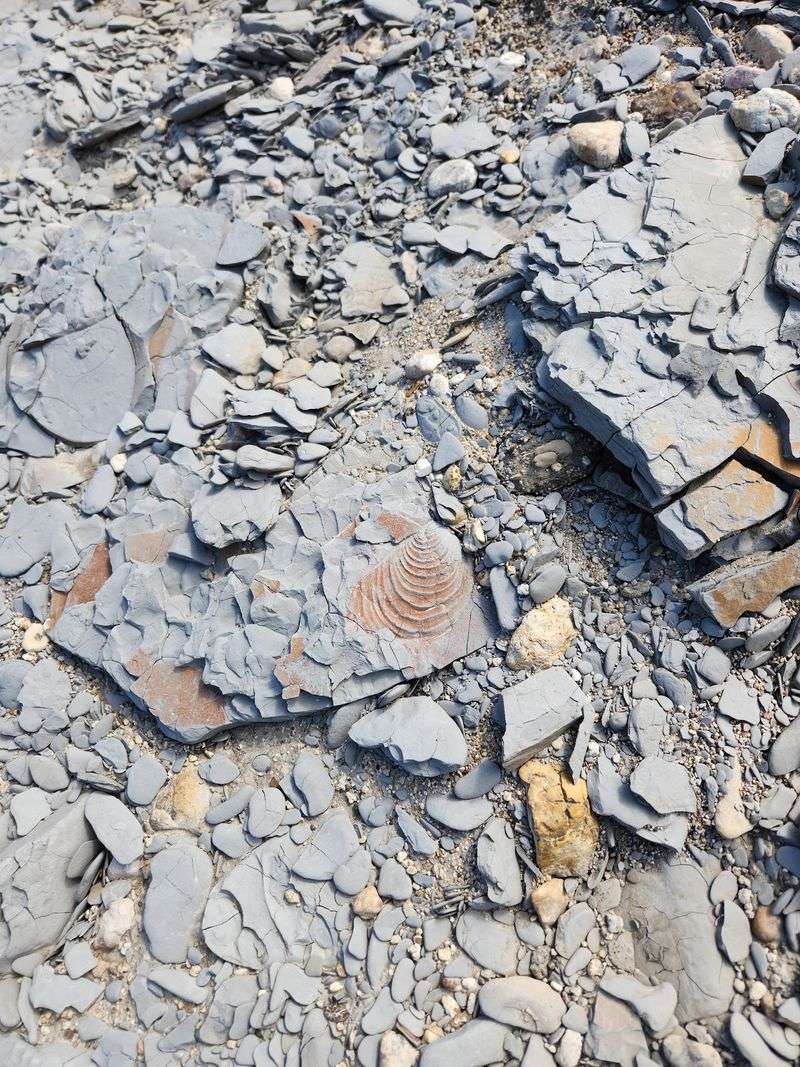
Ask a young fossil hunter what they want to find, and shark teeth usually top the list. They are one of the most talked about finds in this riverbed.
The menu goes beyond teeth, though. Fossilized shells, clam shell impressions in the clay, petrified wood, bones and interesting rocks all show up.
One family’s youngest child made the first find of their trip: a long, slender fossilized fish tooth. Moments like that tend to turn a muddy afternoon into a story told for years.
Many hunters dream of pulling out a whole ammonite, the coiled shell of an ancient sea creature. Those finds are possible but not guaranteed, so expectations work best when they stay flexible.
Some days bring tons of shells and imprints and little else. Other days, everyone in the group goes home with a fossil or two.
Either way, the rule stays the same: what you dig up is yours to keep.
The New Path Down
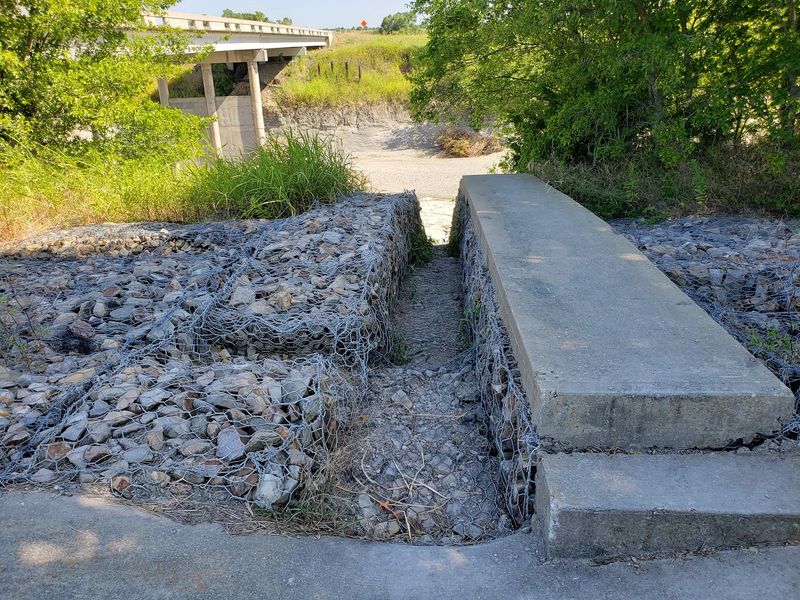
Old-timers remember the stairs. The former route down to the riverbed was a stepped erosion control pathway, with some steps close to two feet high.
Those days are behind the park. The new location features an accessible cement path to the river, and it makes the trip down much easier than many expect.
It is still a long walk, and the slope is steep. Benches along the way are a welcome break, especially on the climb back up with a heavy bucket.
A wagon can roll along the sidewalk, which helps with gear. Just remember that whatever stays in the wagon at the top stays out of reach in the river.
The climb back is where planning pays off. Fossils add weight fast, and one grandparent put it best in spirit: the question is not whether you find fossils, but whether you can haul them back to the car.
Pack light going down, and save your muscles for the trip home.
Pavilion, Parking and the Basics
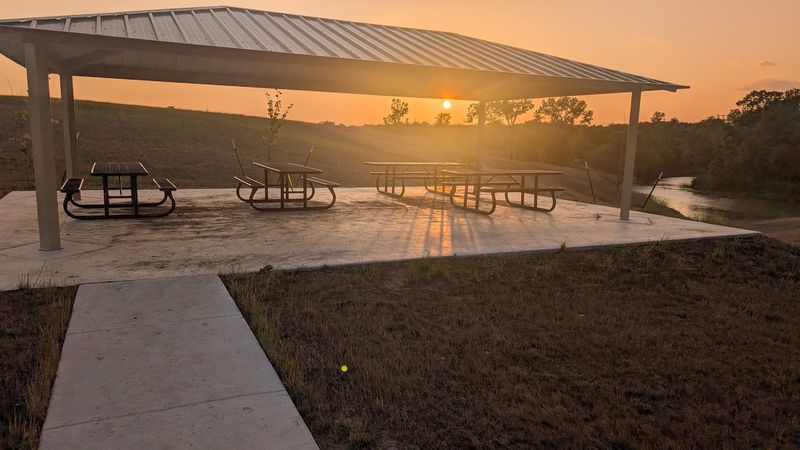
A few years ago, the park was little more than a grassy parking lot with no facilities, not even trash cans. The upgrade since then is real.
Today there is a new parking lot, a fence and a pavilion that offers shade and picnic tables. It gives families a home base for snacks and a breather between digging sessions.
Signage is still catching up. There is only one sign at the shelter for now, and an information area across from the pavilion is in the works.
Restrooms are a different story. There are none, so the smart move is to stop before arriving.
Fuel is also worth planning around. The closest gas station sits about ten miles away, and phone signal can be weak or missing entirely.
Simple facilities keep the park free and low key. A little preparation turns that simplicity into an easy day.
Mud Season Is Real
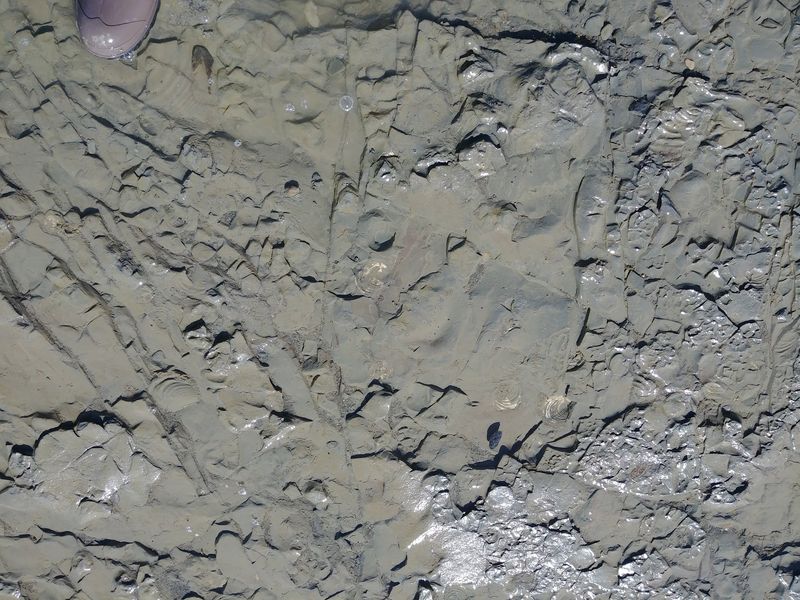
Here is the honest truth: it’s muddy. Not a little muddy, but sink-to-your-shins muddy after rain.
The clay can grab feet and refuse to let go. Trudging through it to reach shallower spots is part of the experience, and some families find it as fun as the fossils themselves.
Going with a partner is a good idea. If someone gets stuck, a helping hand makes all the difference.
Low muck boots tend to fill with mud. Shoes that strap on securely work better, since the clay can pull loose footwear right off.
Extra everything is the golden rule. Clothes, shoes, socks and towels all earn their space in the car, and a portable way to rinse off can feel like a luxury.
Changing into clean shoes before getting back in the car keeps the upholstery happy. Consider the mud a souvenir you leave behind.
Reading the River Before You Go
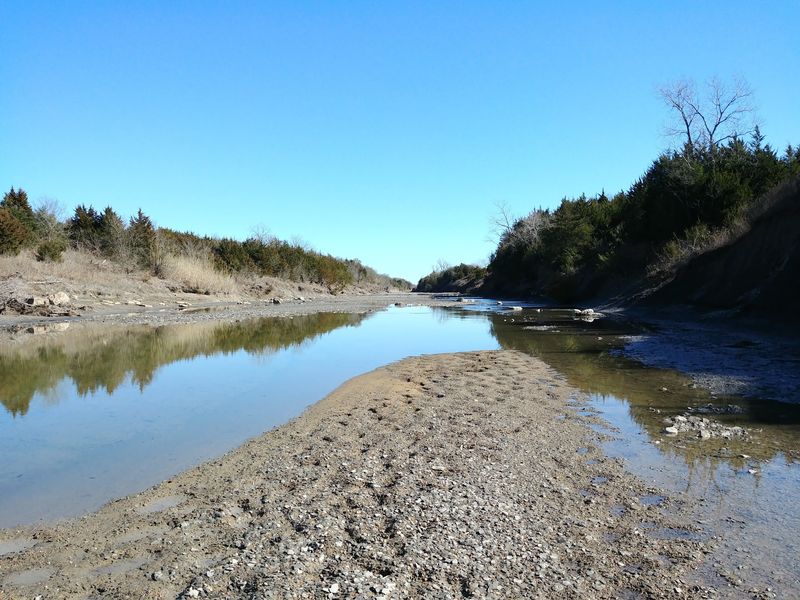
The single best tip for this trip has nothing to do with shovels. Check the North Sulfur River levels and the weather before leaving home.
Low water is the goal. One family saw heavy morning rain make the river rise dramatically, blocking access for a day, before it dropped enough to dig in a small patch.
Another group arrived after a rainy day to find the river rushing. They left planning to check the forecast the day before their next attempt.
Water depth varies a lot. On some trips it sits around a foot or less, while on wetter days most spots run two feet deep, with some reaching three.
This is why the city encourages people to check conditions first. It is an outdoor experience, and the river sets the schedule.
A quick look at the forecast can save a long drive. The fossils will wait, but the water decides when.
Best Months on the Calendar
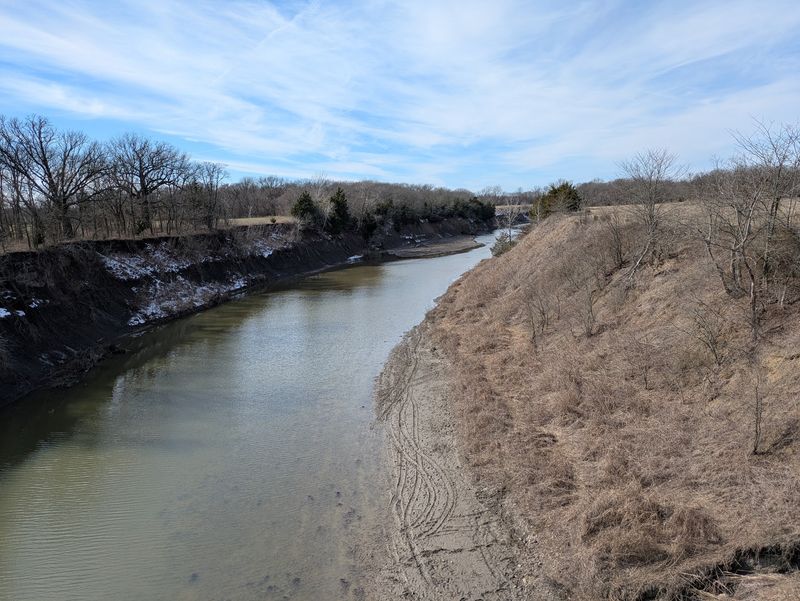
Timing can turn a so-so outing into a great one. Winter tends to be the toughest season here.
January brings mud and high water that can block most areas. February can be cold enough to cut a visit short.
Spring has its fans. One family went in March with the river very low and found plenty of shells and imprints.
Early June can also work well. One cloudy trip with light sprinkles and a breeze stayed comfortable, with the wind helping keep humidity down.
Summer is popular for splashing in shallow water. Still, heat can limit how far people walk and how long they stay.
Shade is scarce, aside from spots under the bridge and a few places along the banks. Going early in the day or picking a cooler stretch of weather usually pays off.
Choose the right window, and the riverbed becomes a full-day playground.
The Fossil Hunter Packing List
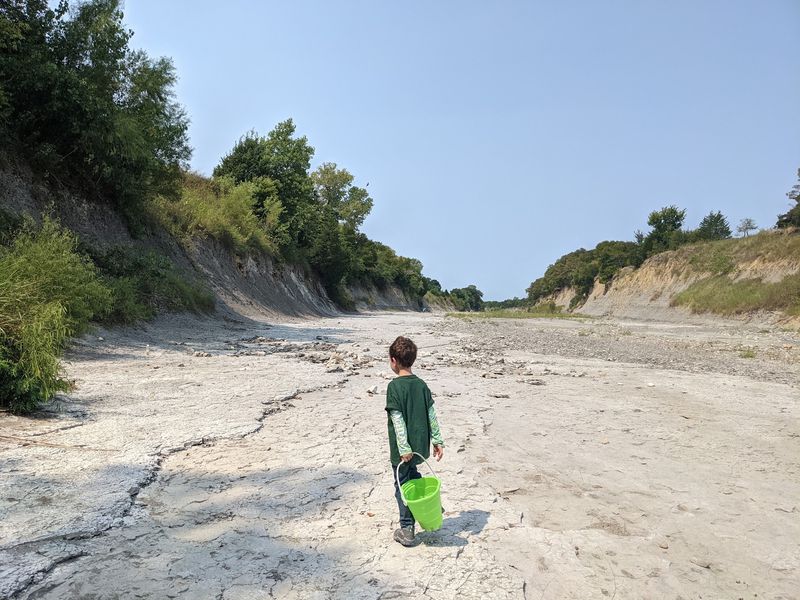
A good haul starts in the trunk. Water comes first, and plenty of it.
Sunscreen is close behind, since the riverbed offers little shade. Walking sticks help with balance on slippery clay.
Small hand shovels or a pick can make digging easier. A bucket is a must for carrying finds back uphill.
A chair or towel gives tired diggers a place to sit. Easy trail snacks like jerky and trail mix keep energy up without a trip back to the car.
Footwear deserves special thought. Water shoes or waders work well, and going barefoot is a bad idea because broken glass can turn up in rocky spots.
Finally, pack a full change of clothes and spare shoes. One family packed everything they needed on their backs, which is still sound advice for the long walk down.
Arrive ready, and the river does the rest.
Why Kids Never Want to Leave
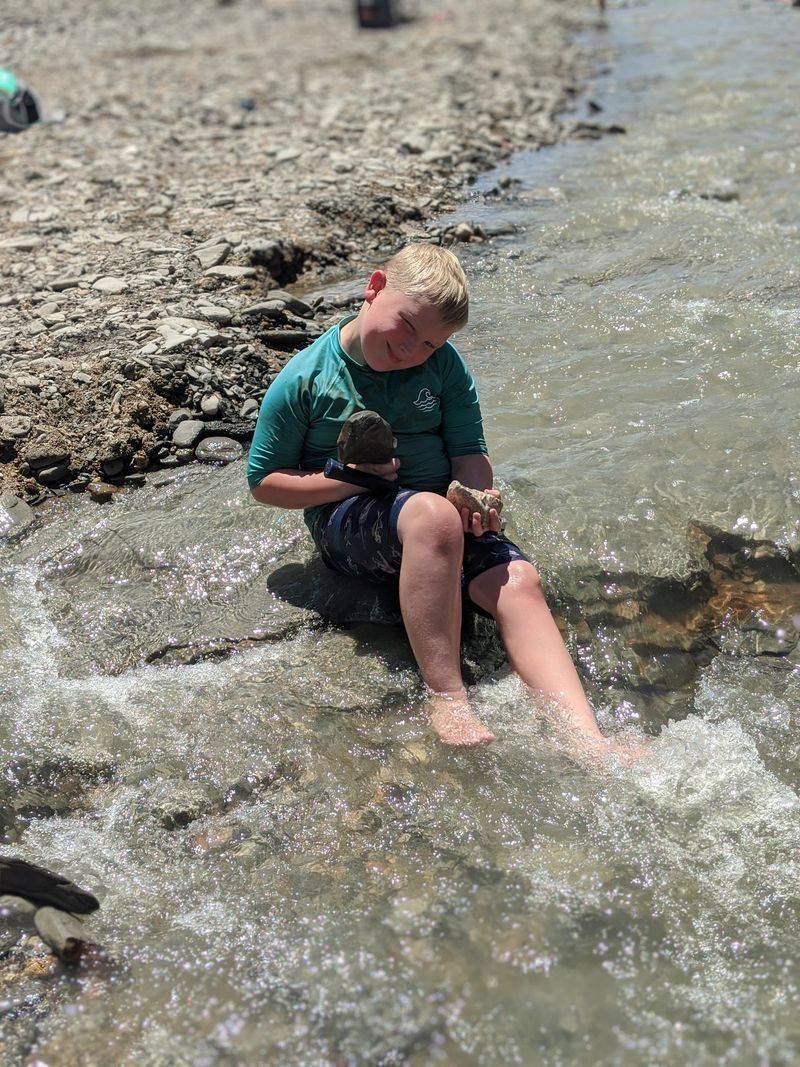
Parents tend to discover something funny here. Even on days with few fossils, children rarely want to go home.
Splashing in shallow water and digging in clay is entertainment all on its own. Fossils simply raise the stakes.
Families have brought kids as young as three and five down to the riverbed. Boys of 11 and 13 have had a blast too, cooling off in the water.
Grandparents are part of the crowd as well. Multi-generation trips are common, with everyone hunting for a fossil or two to take home.
The keep-what-you-find rule is a big draw. A kid who pulls a tooth from the riverbed walks away with a real piece of Texas history in a pocket.
The park suits families willing to get dirty and stay patient. Neat freaks may need a pep talk.
Every muddy knee here comes with a story attached.
Picked Over or Plentiful
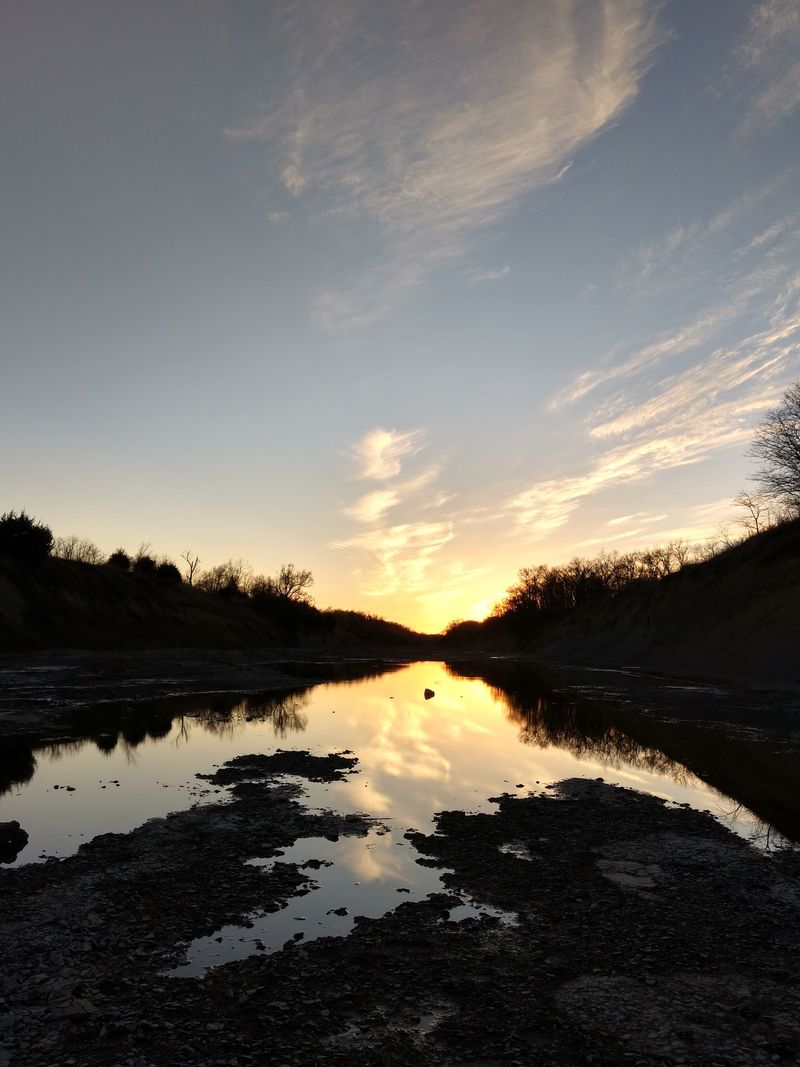
Not every trip ends with a full bucket. Fair expectations make the day better.
Local fossil hunters work this riverbed often, and some areas can feel picked over. One sunny, low-water outing turned up very little.
Construction also changed the scene for a while. Some longtime hunters feel the river is not the same since the work, and one trip produced only small fragments.
On the other hand, plenty of people still find fossils, even in well-searched areas. The city says lots of fossils are found every day in the river.
Rain is the wild card. Fresh rains can expose new material, which gives hopeful hunters a reason to return after the water drops.
Walking farther from the bridge may improve the odds. Fewer footsteps usually means more left to discover.
Patience is the most underrated tool in the bucket.
Quiet Country and Open Sky
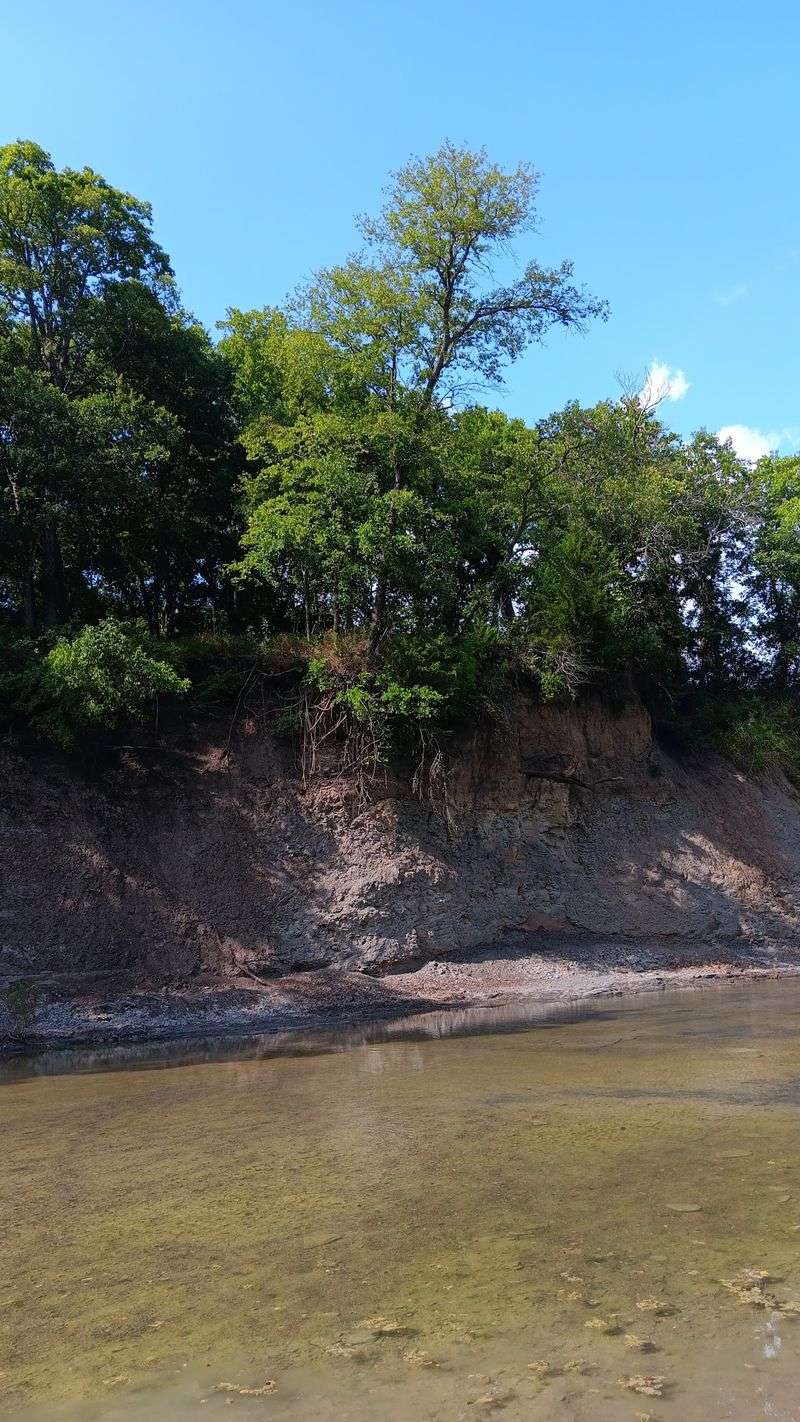
Some people come for fossils and leave talking about the calm. The park has a peaceful, out-of-the-way feel.
Many describe the view as gorgeous, and walking up and down the river can fill an entire day. A breeze off the river is a welcome bonus on warm afternoons.
Weak phone service adds to the unplugged mood. Families end up talking, digging and exploring instead of scrolling.
Nature here stays mostly natural. The river, the banks and the sky do most of the work.
That remoteness is part of the Texas charm. It is a small-town outing built on local history, not a polished tourist stop.
Bring the right mindset along with the shovel. The slower pace is part of the reward.
Worth the Muddy Drive
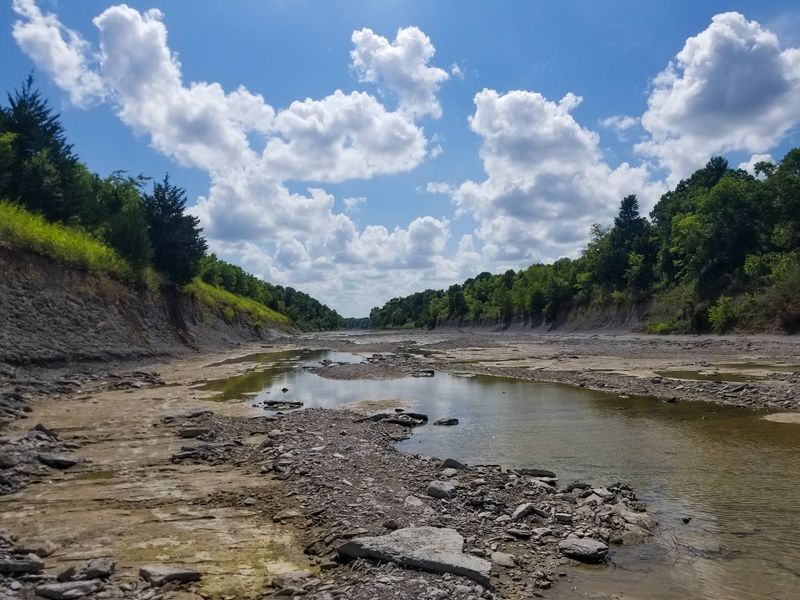
Free fossils, real history and a riverbed that rewards patience add up to a rare kind of Texas day trip. Few outings let kids keep what they find.
The park earns strong marks overall, with a 4.5-star standing from more than 300 people. Mud, heat and high water are the usual complaints, and all of them come down to timing.
Plan around the river. Check water levels, pick a cooler day and arrive with spare clothes, water and a bucket.
Access runs from dawn to dusk. Use the restroom before arriving and fill the tank, since the nearest gas station is about ten miles away.
Treat the hunt as the main event, and any find becomes a bonus. Families who go in with that attitude tend to start planning their next visit before the car is clean.
Somewhere in that clay, another shark tooth is waiting for a small hand to find it.


