
Affiliate disclosure: As an Amazon Associate I earn from qualifying purchases. Learn more
High above the desert near Safford, a mountaintop holds one of the most powerful eyes humans have ever pointed at the sky. Most Arizonans drive past the turnoff without knowing it exists.
The machine up there is so large that it takes five sets of stairs just to reach its base. It was once called the farthest-seeing optical telescope in the world, and it sits right here in our own backyard.
Getting there takes planning, a sturdy vehicle, and a little luck, because passes are limited each year. In the sections below, you will learn where it is, why it matters, what the trip involves, and why so many who make it call the experience unforgettable.
Keep reading, because this is one Arizona secret worth knowing about.
A Giant Hiding on Swift Trail
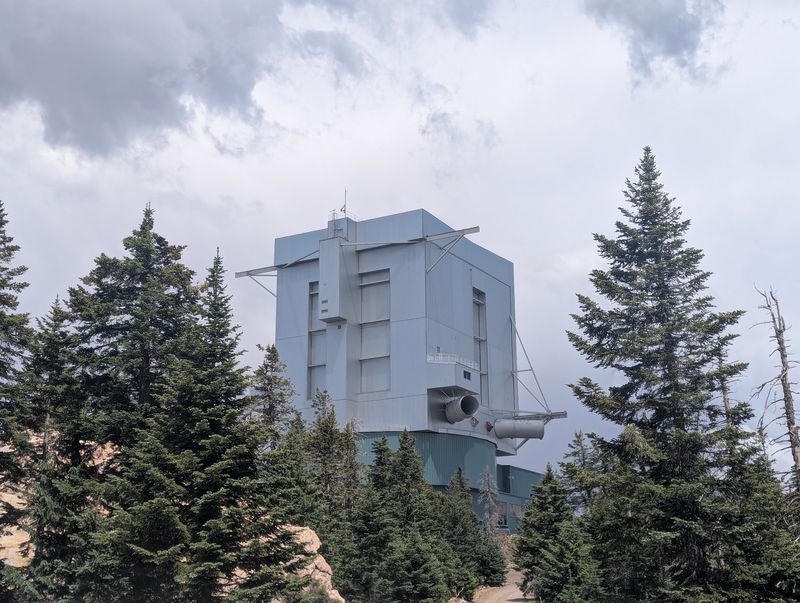
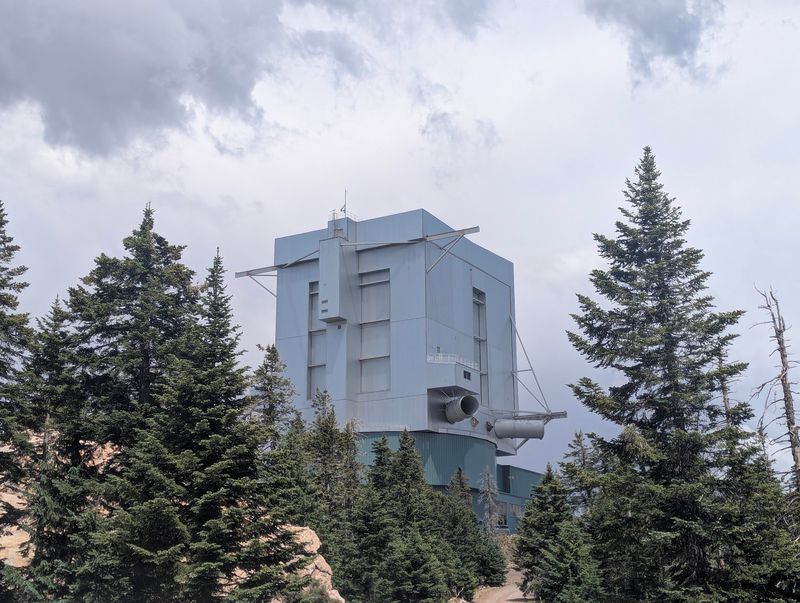
Few road signs in Graham County hint at what waits at the top of the mountain. The Large Binocular Telescope Observatory sits at 12500 W Swift Trail, AZ-366, Safford, AZ 85546, in southeastern Arizona.
Swift Trail is the winding route that climbs into the high country above Safford. Somewhere along that climb, the desert floor drops away and the scenery turns to mountain terrain.
At the end of the journey stands a structure built for one purpose: looking deeper into the universe than almost any other instrument on the planet.
The observatory is listed as a working astronomical facility, not a roadside museum. That difference shapes everything about a visit, from how you get in to what you see once you arrive.
Arizona already has a strong reputation for stargazing. Even so, many locals are surprised to learn that a telescope of this size and ambition calls their state home.
The address may read like an ordinary rural listing. The machine behind it is anything but ordinary, and the story only gets bigger from here.
Two Eyes Are Better Than One
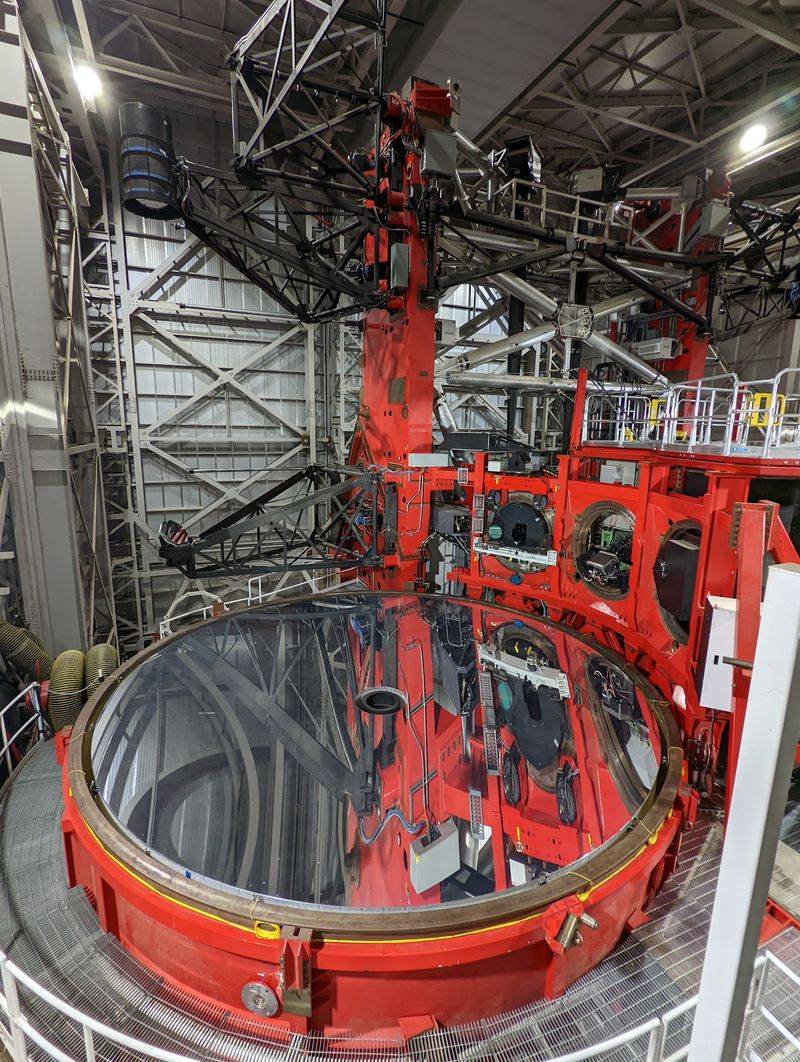
Most telescopes look at the sky with a single eye. The one on this Arizona mountain uses two, which is exactly where the word binocular in its name comes from.
The twin design gives astronomers a powerful way to study distant objects. It is a big reason the facility has earned so much attention in scientific circles.
One longtime fan described it as, until recently, the farthest observing optical telescope in the world. Another simply called it the world’s biggest optical telescope.
Those descriptions speak to how far this instrument can reach. Light that has traveled across enormous stretches of space ends up being gathered right here in Graham County.
Plenty of people leave with the phrase multi-million dollar array stuck in their heads. The scale of the investment matches the scale of the machine.
For Arizonans, there is a quiet bragging right in all of this. Some of the deepest views of the cosmos are being captured just a few hours from home, and that is a pretty stellar thing to claim.
Five Flights to the Base
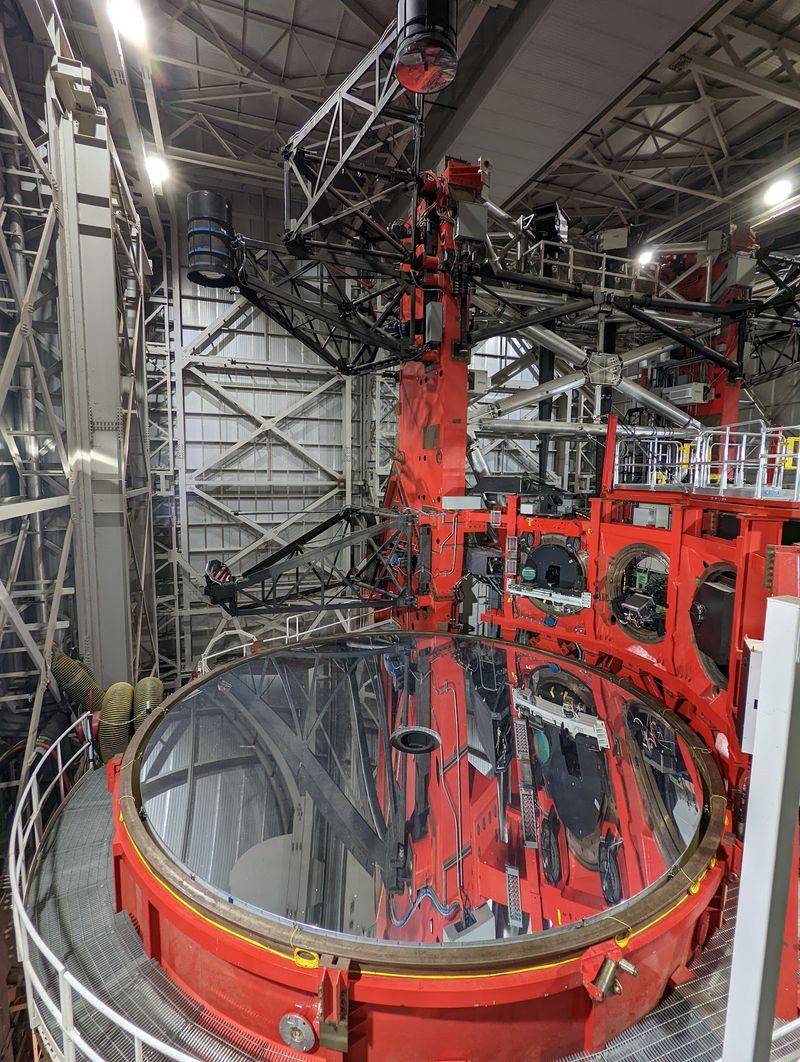
Here is a number worth remembering: five. That is how many sets of stairs it takes just to reach the base of the telescope.
Size is the first thing that strikes people once inside. Words like huge and monstrosity come up again and again among those who have made the trip.
The enclosure is built to house a machine of truly industrial proportions. It is the kind of place where people tend to stand still for a moment simply to take it all in.
Many describe being in awe for the entire visit. The engineering on display feels less like a gadget and more like a building that happens to point at the stars.
Comfortable shoes are a smart choice, given all that climbing. A reasonable level of fitness helps too.
Modern technology is one of the most common themes people mention after a visit. The combination of size and precision leaves a strong impression on astronomy buffs and casual guests alike.
Five flights up, the payoff is clear. Few staircases in Arizona lead to anything quite this impressive.
A Mountaintop Full of Neighbors
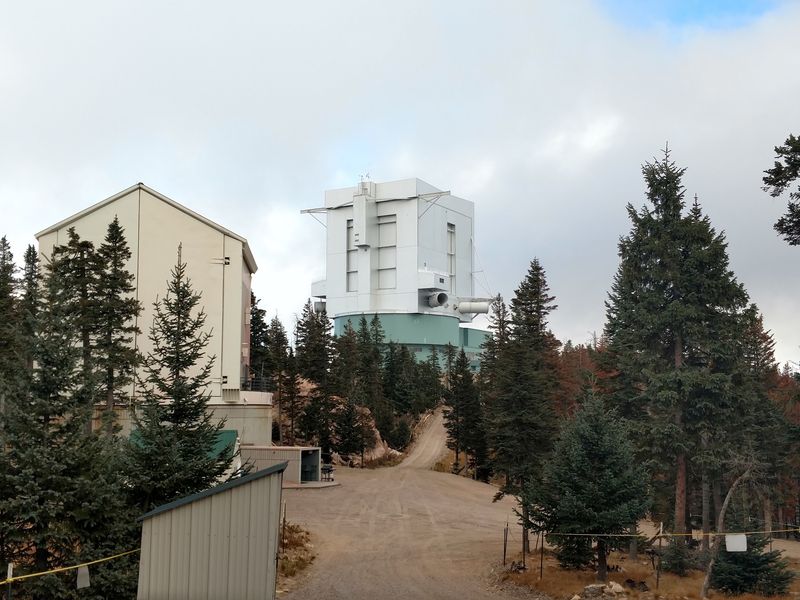
The big binocular instrument does not stand alone. Its mountaintop is shared with other observatories, which turns a visit into something of a science tour.
Past tours have included the Vatican observatory, a submillimeter radio telescope, and the LBT itself. That lineup makes for a full day of learning about very different ways to study space.
The Vatican connection tends to surprise people. It is a reminder that this corner of Arizona attracts attention from institutions around the world.
Over the years, some unusual online rumors have also floated around about nicknames and connections. None of those claims are confirmed here, so they are best treated as internet chatter rather than fact.
What is clear is that the summit works as a cluster of serious research facilities. Each telescope brings its own purpose and design.
Guests who love learning about telescopes often call the tour a wonderful experience. One instrument might be the headliner, but the supporting cast is worth meeting too.
The Road That Tests Your Ride
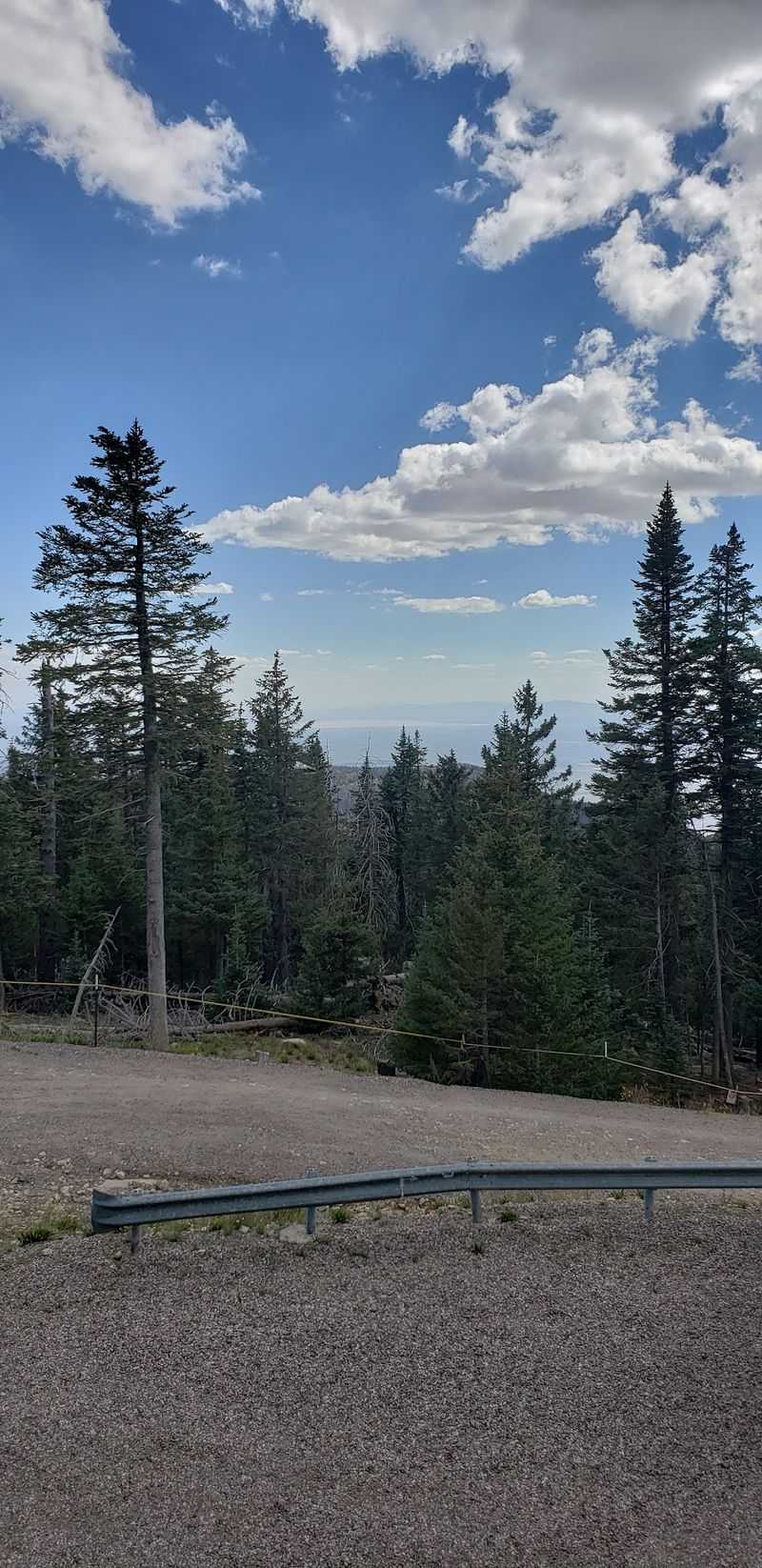
Reaching the top is half the adventure. Some people call it a great adventure just to find the place in the mountains.
The road has been described as treacherous. A high-clearance vehicle suitable for rougher driving is strongly recommended.
One group handled the climb by renting a Jeep Wrangler, which they found small and agile on the route. A compact, capable vehicle seems to suit the terrain well.
Low-slung sedans are not the best match for this drive. Planning ahead on transportation can save a lot of stress on the way up.
Give yourself plenty of time, too. Mountain roads reward patience far more than speed.
The drive also delivers its own scenery, with the mountains earning steady praise. The changing landscape on the way up becomes part of the story.
Treat the journey as part of the event rather than a chore. The view at the end makes every switchback feel worthwhile.
Passes Are Rare, So Plan Early
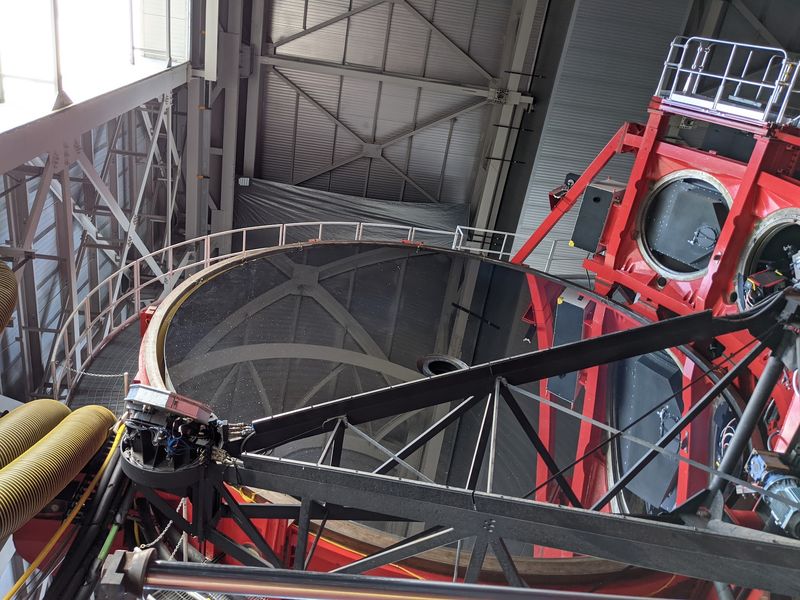
Google lists the observatory as open 24 hours a day, seven days a week. In practice, getting inside is a different matter.
Only a very limited number of passes are given out each year. That makes a visit feel more like a lucky draw than a casual weekend stop.
The official website at lbto.org is the best starting point for anyone hoping to arrange a trip. Checking there early gives you the best shot at finding an opening.
Since the site is a working research facility, access depends on its schedule. Guided tours have been the way most people get a look inside over the years.
No pricing information is listed in the available data. Contacting the observatory directly is the safest way to learn current details.
Those who land a spot often describe feeling thrilled to have the tour at all. The scarcity is part of what makes it special.
Patience and planning pay off here. A rare ticket tends to make a rare memory.
The People Behind the Mirrors
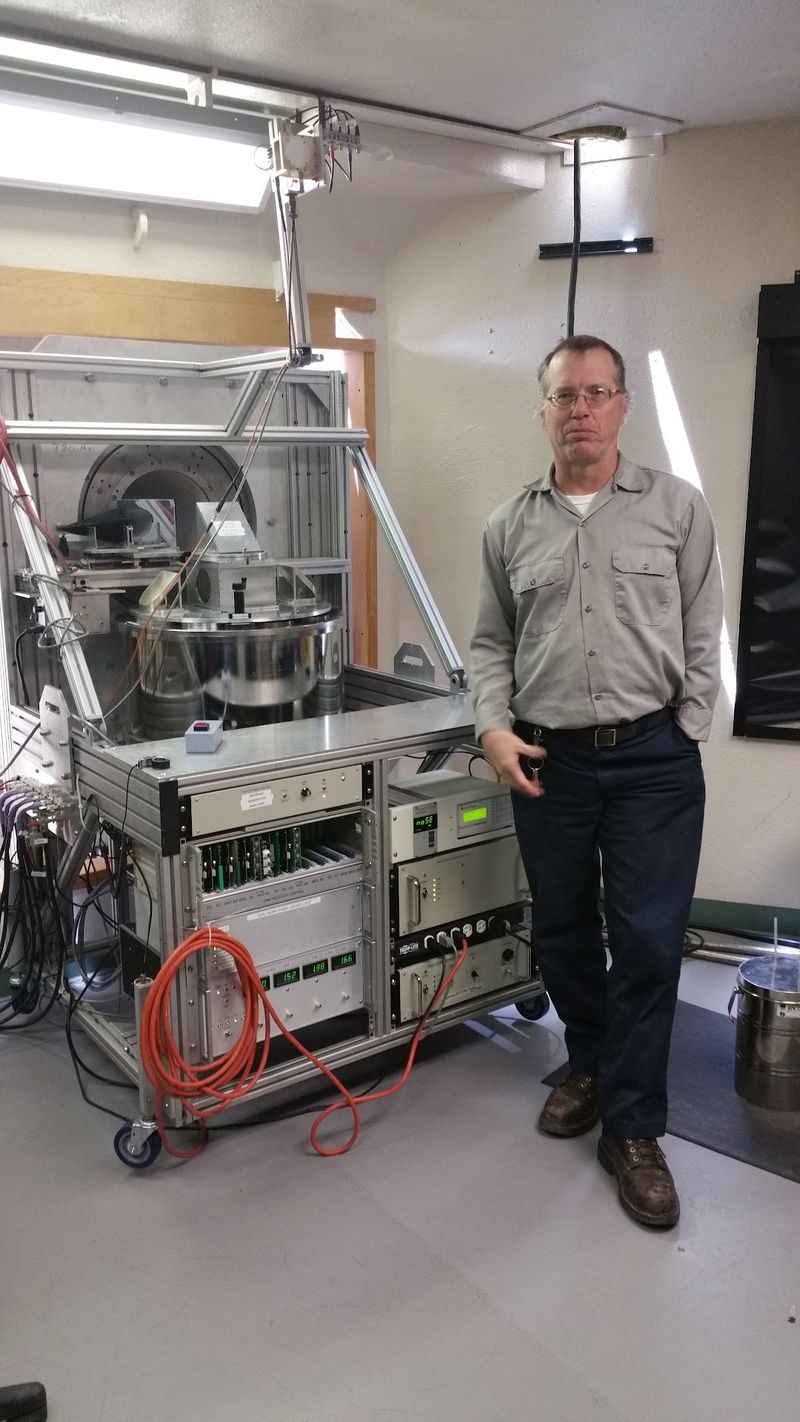
A machine this complex needs a dedicated team. The crew that maintains the facility gets warm praise from many who have visited.
Staff have been called accommodating and very knowledgeable. Several guests mention that their questions were answered with friendliness and patience.
Friendly crew is one of the recurring themes tied to the observatory. For a high-tech research site, that welcoming attitude makes a big difference.
Not every interaction has gone smoothly, though. At least one amateur astronomer has expressed frustration about getting replies to technical questions sent from outside.
The takeaway is fairly simple. In-person tours tend to deliver helpful conversation, while remote inquiries may take more effort.
Arriving with good questions can make the experience richer. The people on site clearly know their instrument inside and out.
Behind every deep look into space, there is a team keeping the gears turning. Meeting them adds a human side to all that hardware.
Bring a Warmer Coat Than You Think
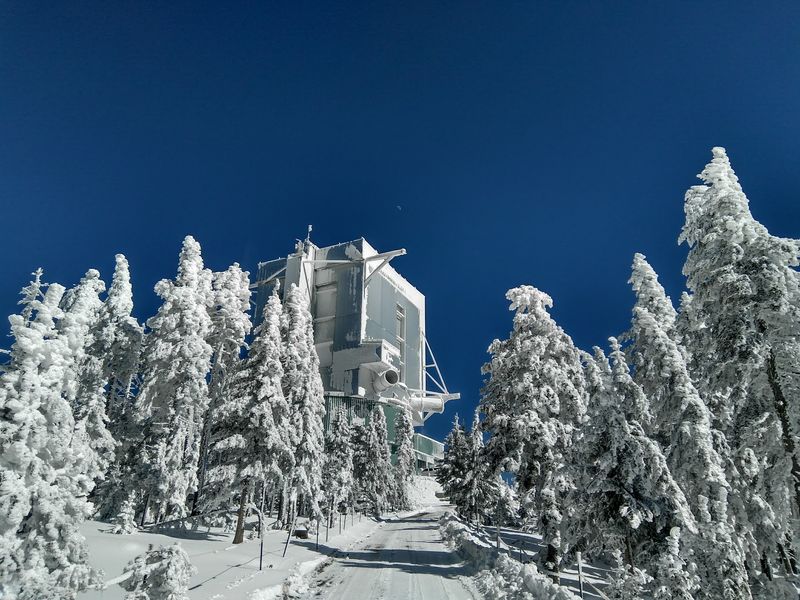
Safford sits in the desert, but the summit plays by different rules. Temperatures up top can drop far below what valley residents expect.
One visit took place at about 25 degrees Fahrenheit. That is cold enough to catch an unprepared desert dweller completely off guard.
Layers are the smart move. A heavy jacket, gloves, and a hat can turn a chilly tour into a comfortable one.
The elevation that makes the site great for astronomy is the same reason it gets so cold. High mountains and clear skies go hand in hand with brisk weather.
Summer can bring welcome relief from the Arizona heat below. Even then, nights at altitude can be cool, so packing extra layers is wise.
Staying late for the night sky means spending more time outdoors after sunset. Dressing for that part of the trip matters just as much as dressing for the drive.
Cold fingers are a small price to pay. Just do not let the thermometer be the thing you remember most.
Stay for the Night Sky
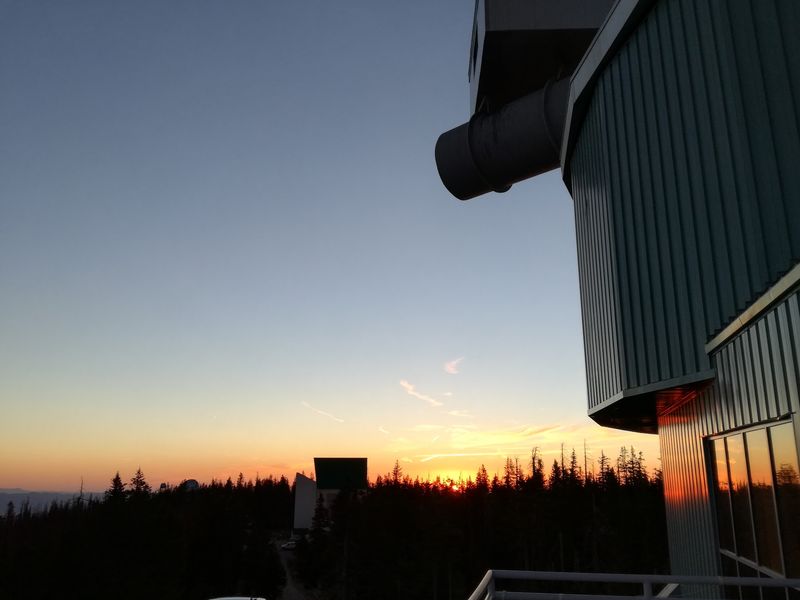
Leaving before dark would be a mistake. People who have stayed for the night sky describe it as simply un-missable.
The mountain setting far from city lights makes for a striking show overhead. It is the same reason astronomers chose this spot in the first place.
Dark-sky outings are especially popular with Arizonans during summer. A mountaintop like this offers one of the more memorable ways to enjoy them.
Watching the stars appear while standing near one of the world’s most powerful telescopes is a special pairing. You get both the science and the wonder in one evening.
Planning the drive down matters, too. The road demands care in daylight and even more after dark.
Some people find the evening sky the highlight of the entire day. Others say it ties the tour together, turning facts about light and distance into something personal.
The telescope reaches billions of light-years. Your own eyes reach a little less far, but the view still counts.
Who Gets the Most Out of the Climb
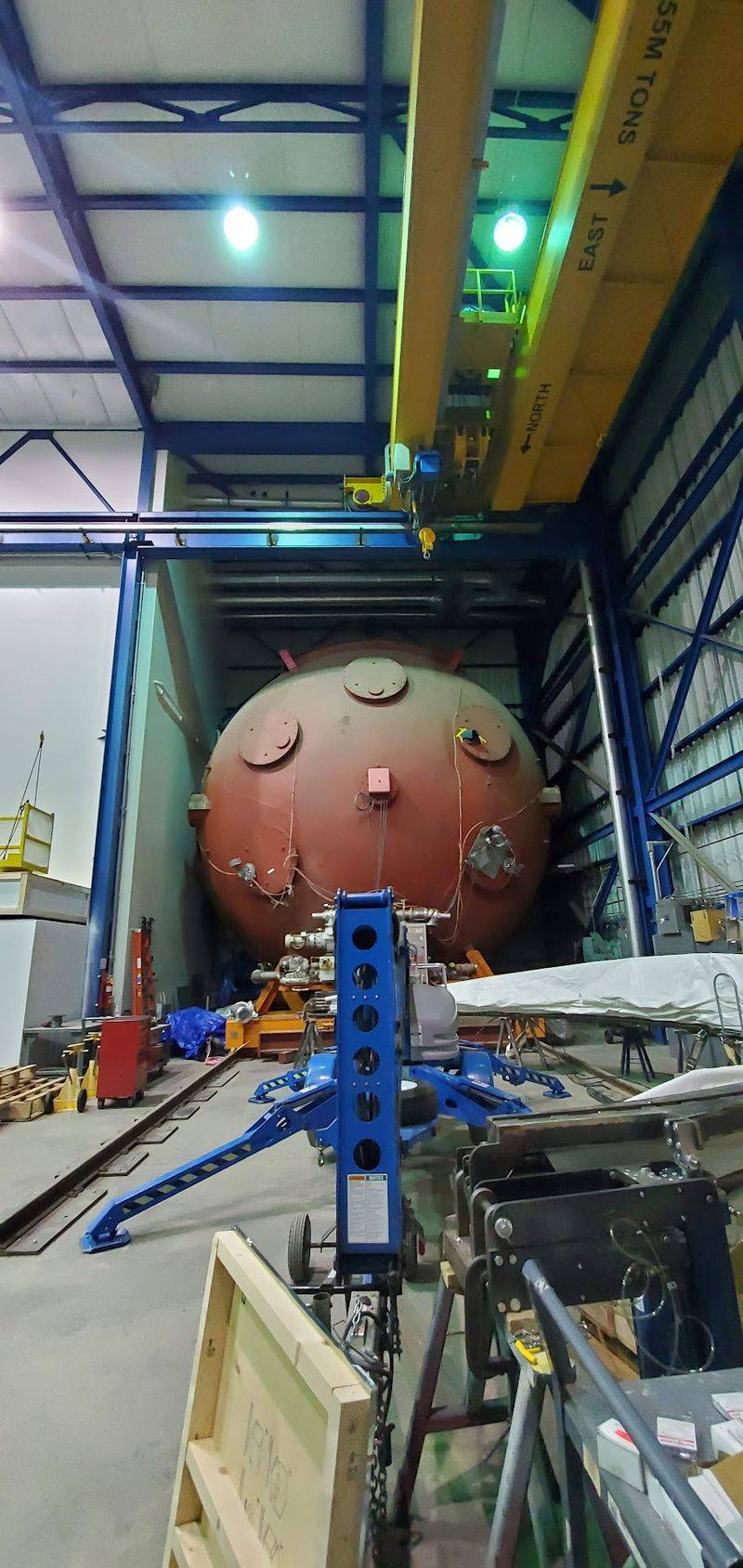
Astronomy fans are the obvious audience. Yet one enthusiastic guest argued that people who know nothing about stars might need the trip even more.
The observatory rewards curiosity at any level. Seasoned stargazers can appreciate the optics, while newcomers can simply marvel at the size.
Science-minded families and students may find it especially inspiring. Learning about telescopes in person tends to stick better than any textbook chapter.
The trip does ask a lot, though. Rough roads, cold temperatures, and five flights of stairs mean it suits people ready for a bit of effort.
Spiritual concerns also come up in conversations about the mountain. Some feel strongly that the land is sacred and object to the telescope being there, a view worth knowing and respecting.
Visitors who arrive with an open mind and a sense of adventure usually leave happiest. Some have called it the most enthusiastic experience of their lives.
The best fit is anyone who likes big ideas. Few places offer bigger ones than this summit.
Worth the Drive Across Arizona
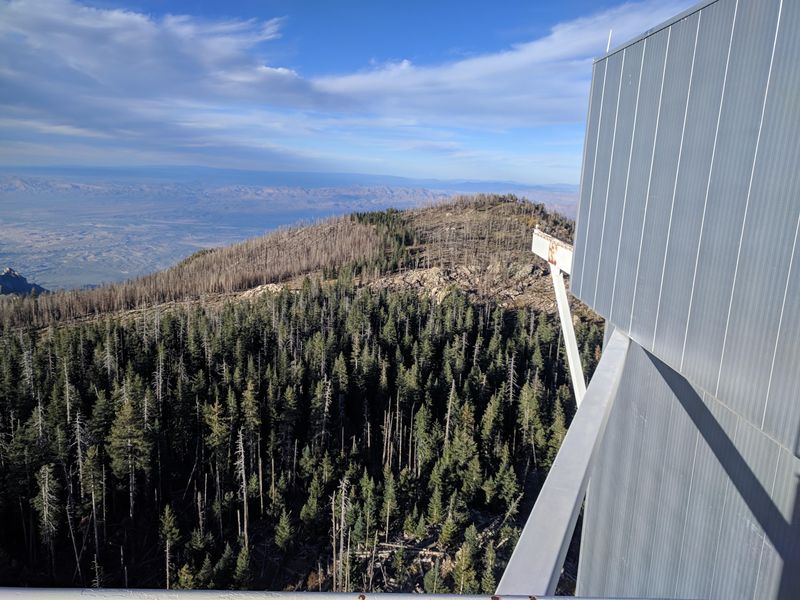
Some destinations are easy to love. This one asks for planning, patience, and a capable vehicle, and it still earns a 4.5-star average across 55 Google ratings.
The appeal goes beyond numbers. It is about standing beside a machine that pushes human sight further than almost any other on Earth.
Arizona has canyons, red rocks, and saguaros that the whole world knows. This mountaintop adds something less famous but just as remarkable to that list.
The combination of engineering, scenery, and a dark night sky makes the trip feel complete. One fan even called it a destination worth a drive around the globe.
For Arizonans, the drive is far shorter than that. Safford is within reach for a weekend adventure from Phoenix or Tucson.
Getting a pass is the hardest part. Once that happens, the rest falls into place with the right gear and a sense of curiosity.
Our state keeps some of its best secrets on its highest peaks. This one happens to be looking straight back at the universe.


