
Affiliate disclosure: As an Amazon Associate I earn from qualifying purchases. Learn more
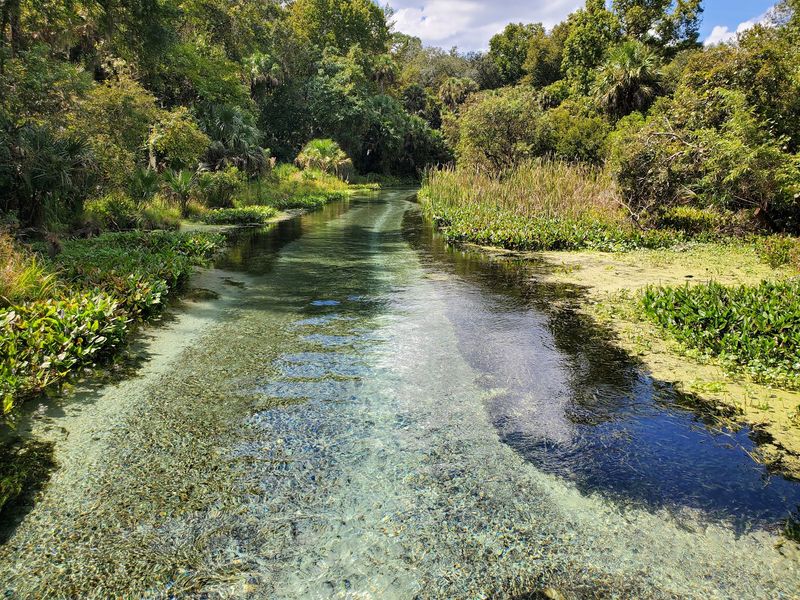
Just outside Apopka, cars start lining up before sunrise for a ride that costs almost nothing and needs no ticket booth, no engine, and no paddle. The ride is a natural spring run, and the current does all the work while you float on an inner tube.
Some families climb out at the end holding fossilized shark teeth plucked from the riverbed. Keep reading to learn how the float works, when to arrive, and what to pack so your day goes smoothly.
A Spring Hiding in Plain Sight
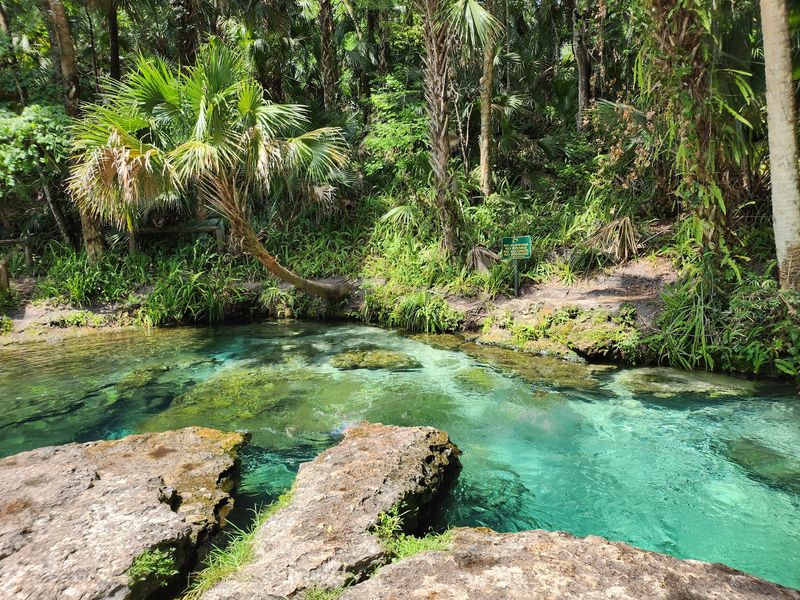
Central Florida has plenty of theme parks with long lines, but this one has a line for a river that nobody built. The spot is Kelly Park – Rock Springs, found at 400 E Kelly Park Rd, Apopka, FL 32712, in Orange County, Florida.
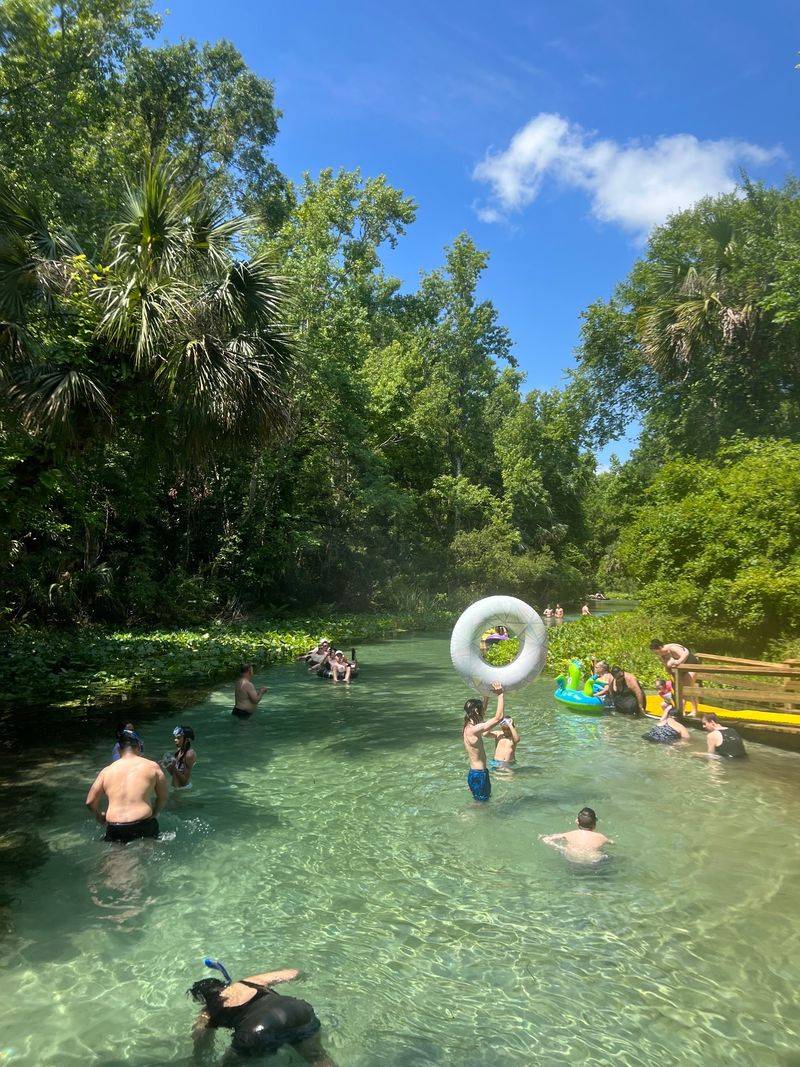
The park covers 355 acres along a natural spring. Its main draw is a shallow, clear spring run that works like a lazy river made by nature.
Beyond the water, the grounds hold tent and RV campsites, pavilions, a boat launch, and a playground. It is run as a county park, so the setup leans practical rather than fancy.
The appeal is simple. You float, you walk back, and you do it again.
Locals treat it as their go-to swimming hole, and families drive in from farther away for the same reason. The park keeps a 4.7-star average from more than 7,000 opinions, which says a lot about how many people keep coming back.
Families tend to make a full morning of it. Some arrive with tubes, snorkels, folding chairs, and a picnic, then stay for hours.
Before planning your own trip, it helps to know how the spring run actually flows, because the route has a beginning, a middle, and a firm end point.
How the Natural Lazy River Works
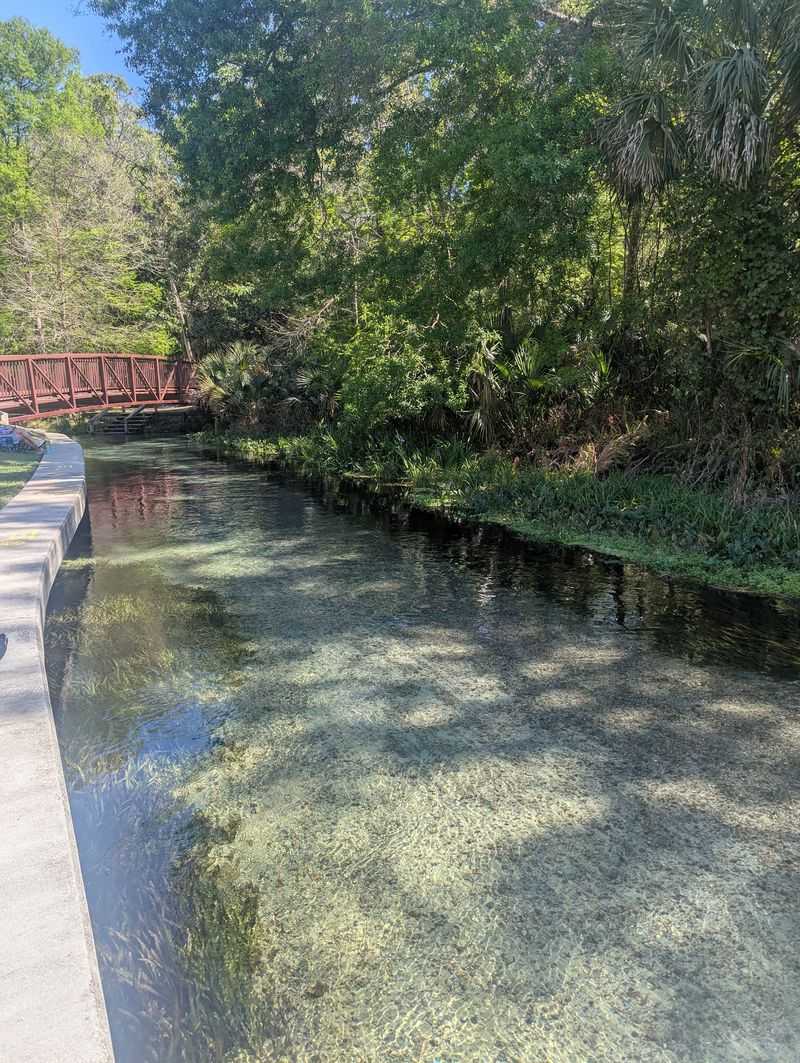
Start at the top, let go, and let the spring take over. That is the whole plan, and it is a good one.
After parking, head toward the water and turn right to reach the spring head. From there, you drift downstream to the large swimming area.
The float itself is fairly short. A single run can take around 15 minutes, while a relaxed loop of floating plus the walk back often stretches to 30 to 45 minutes.
Drift past the swimming area and the run eventually stops letting you go farther. At that point you climb out and walk back.
A trail connects both ends of the spring, so the return trip is easy. Strong swimmers sometimes skip the trail and swim upstream against the current, which doubles as a workout.
The water stays around 72 degrees all year. That steady temperature is why people show up even in cooler months.
Most of the run is shallow. The only deep water is at the spring head, where the spring opens into a small cave-like area.
Many groups end up doing several laps in one visit. The short length makes repeat runs feel quick and easy, and nobody has to paddle a single stroke.
Shark Teeth on the Riverbed
Gift shops sell shark teeth. At this spring, some kids find their own.
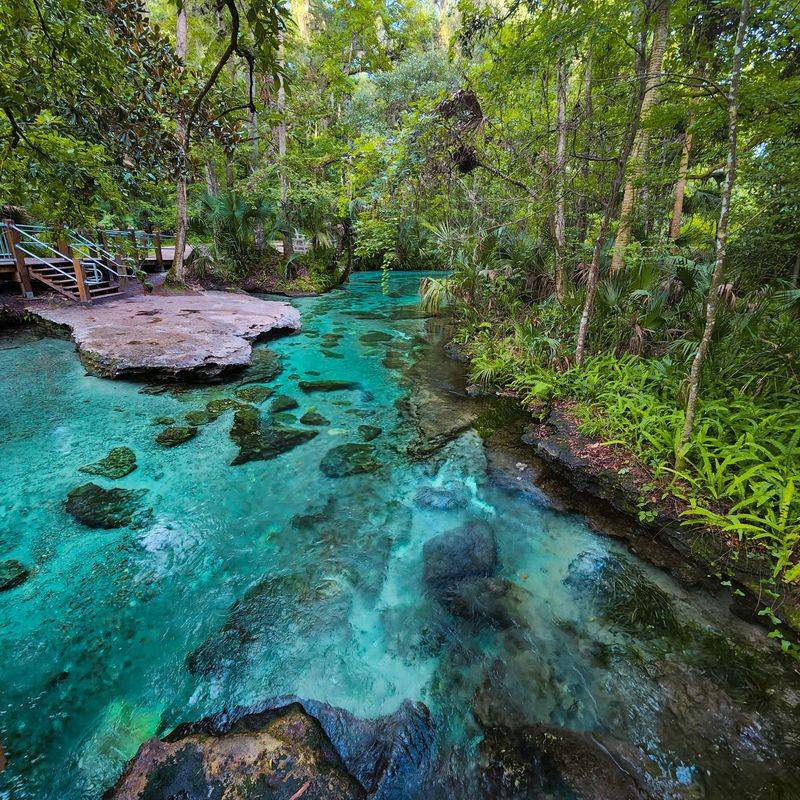
Fossilized shark teeth and other prehistoric fossils turn up on the riverbed of the spring run. Families who spend long hours in the water sometimes go home with a small collection.
Finding one is not guaranteed. It takes patience, a sharp eye, and a willingness to scan the bottom between floats.
Goggles or a snorkel mask can help here. Many people already bring snorkels for the run, and the clear water makes it easier to spot small objects below.
For kids, the search can turn a short float into a treasure hunt. It also gives restless swimmers something to do while the adults relax on the grass.
Fossil hunting fits the setting well. The same clear water that makes floating fun also lets you see what is resting below the surface.
Keep expectations relaxed and treat any find as a bonus. A shark tooth in a pocket is a great souvenir, but the float is still the star.
Once the fossil hunt winds down, there is plenty more living history swimming and crawling around the spring.
Turtles, Otters, and Other Neighbors
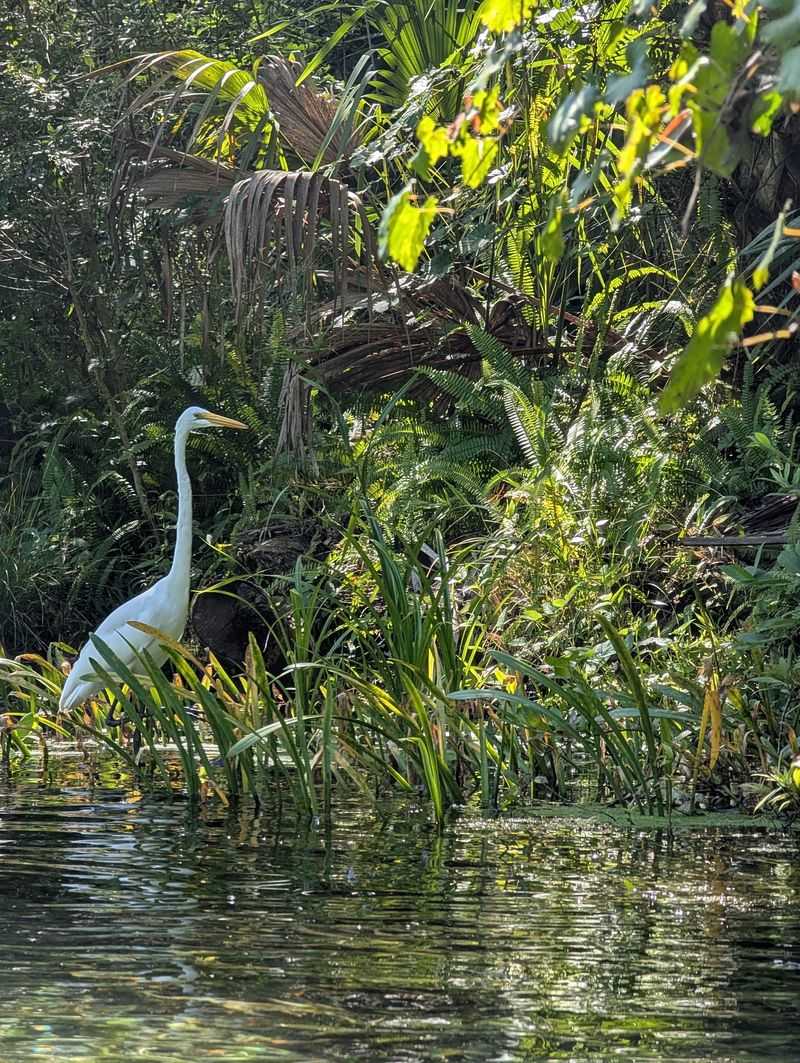
Turtles are the unofficial lifeguards of the spring. They show up often, and they never take a lunch break.
Wildlife is a big part of the experience here. Turtles are common, including the occasional large snapping turtle, and schools of small fish swim through the clear water.
Otters come up again and again in conversations about the park. Raccoons also wander near the trails and picnic areas.
The campground has posted signs warning about ticks, alligators, snakes, and bears. Sightings of the bigger animals are not common, but the signs are a reminder that this is a natural space.
Plants line the banks of the run, and trails wind through the wooded parts of the park. Floating slowly gives you plenty of time to spot life along the edges.
A few simple habits help. Keep a respectful distance from any animal, keep food secured, and check for ticks after time on the trails.
Kids tend to love counting turtles and fish from their tubes. It turns the float into a nature lesson without any homework attached.
All that wildlife shares space with a rocky riverbed, which is exactly why the next tip matters so much.
Tubes, Water Shoes, and the Rock Report
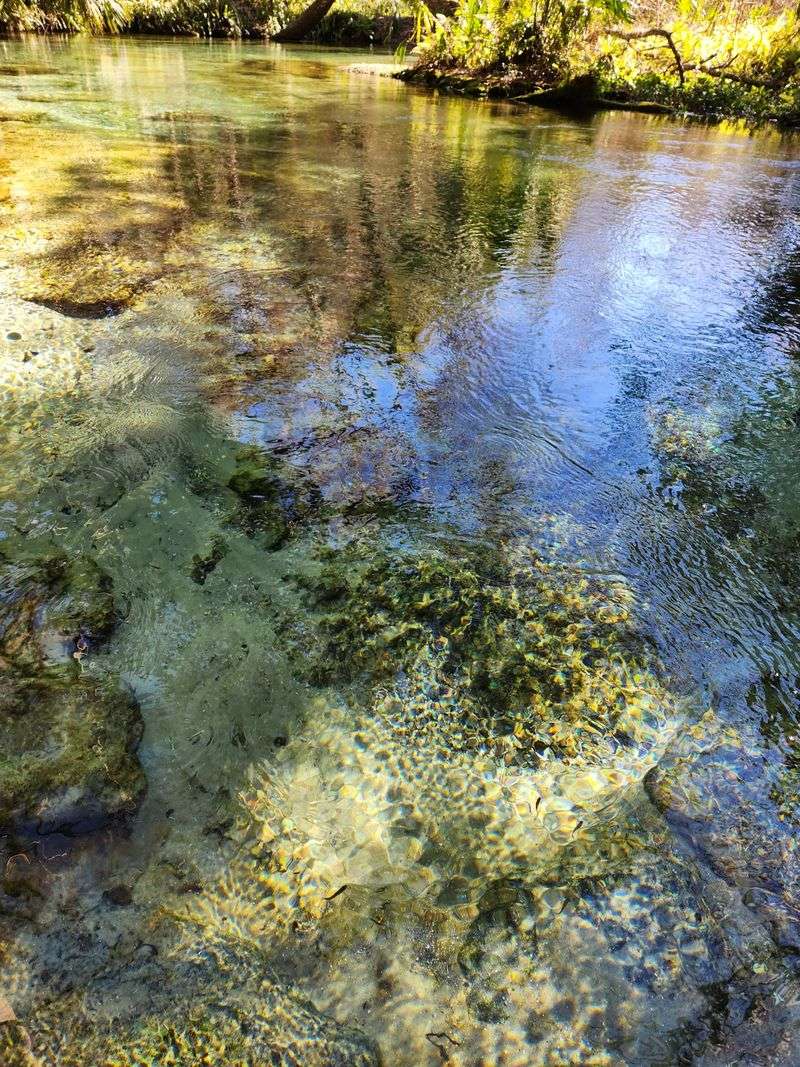
The single most repeated packing tip for this spring is short and sweet: bring a tube.
Tubes are not available inside the park. You can bring your own or rent one outside, with rentals offered at a gas station and a restaurant just before the entrance for around $9 each.
A 12-volt air pump makes inflating your own tubes much easier. A strong tube with handles or strings is also handy for keeping your group together.
Now for the rock report. The run has lots of rocks, and a few spots sit so close to the surface that knees and feet can take a scrape.
Tubes tend to glide over those spots. Pool noodles and snorkels work too, but you need to pay attention and push off the rocks as you pass.
Water shoes are strongly recommended. They help on rocky stretches and on the walk back along the trail.
A life vest and goggles are smart additions, especially for younger floaters. The water is shallow in most places, yet the spring head is deep.
With gear sorted, the remaining challenge is timing your arrival, and that part takes a bit of strategy.
The Early Bird Gets the Spring
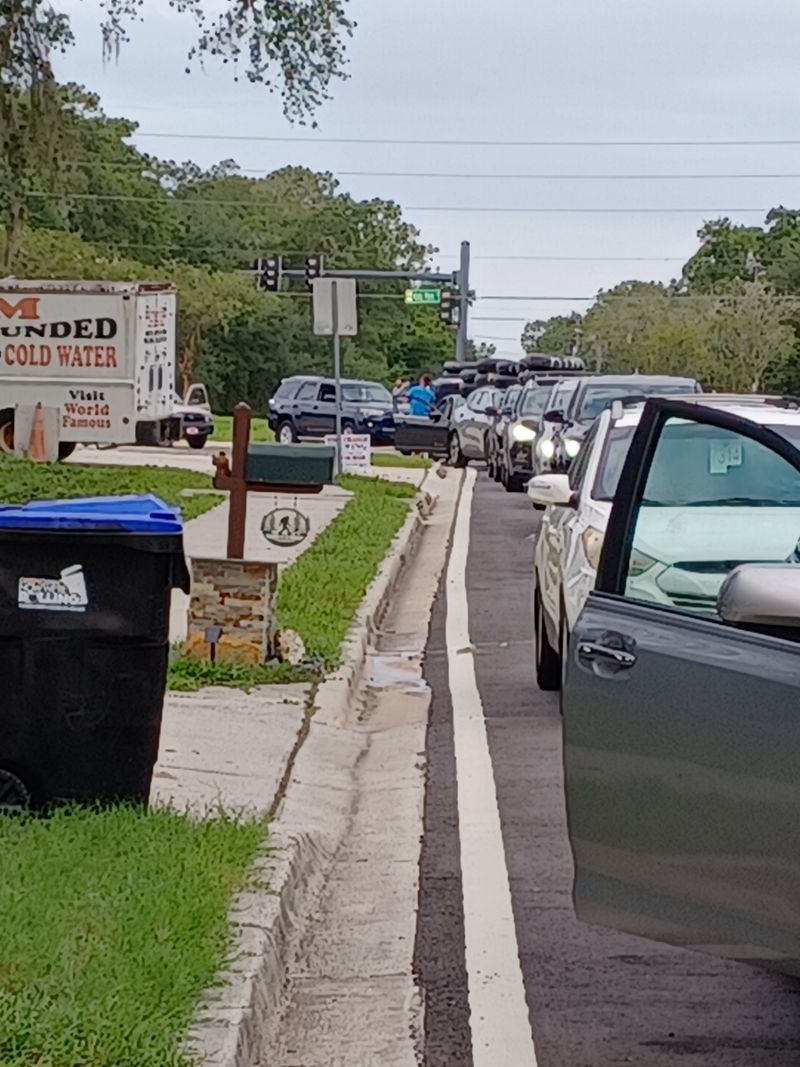
Plenty of parks open at 8 a.m. Few have people waiting at the gate by 5:45.
The park opens at 8 a.m., and it can reach capacity on busy days. That is why weekend and summer crowds often line up long before opening.
On busy summer mornings, the line has stretched about 0.3 miles from the gate by 7 a.m. Some groups arriving around 6:30 a.m. have still waited more than an hour.
Weekdays are usually easier. Arriving around 7 a.m. on a weekday often means a smooth entry and time for a couple of runs before lunch.
Cooler days help too. On school days with temperatures in the 60s, some families have rolled in at 8:30 a.m. with no trouble at all.
Since the water stays near 72 degrees year-round, off-season visits can be a clever move. The air may be cool, but the spring stays steady.
For summer trips, plan to arrive very early and bring something to pass the time in line. Patience pays off once the gate opens.
Getting in is the hard part. After that, the rest of the park offers plenty of ways to stretch out the day.
Picnics, Playgrounds, and Campsites
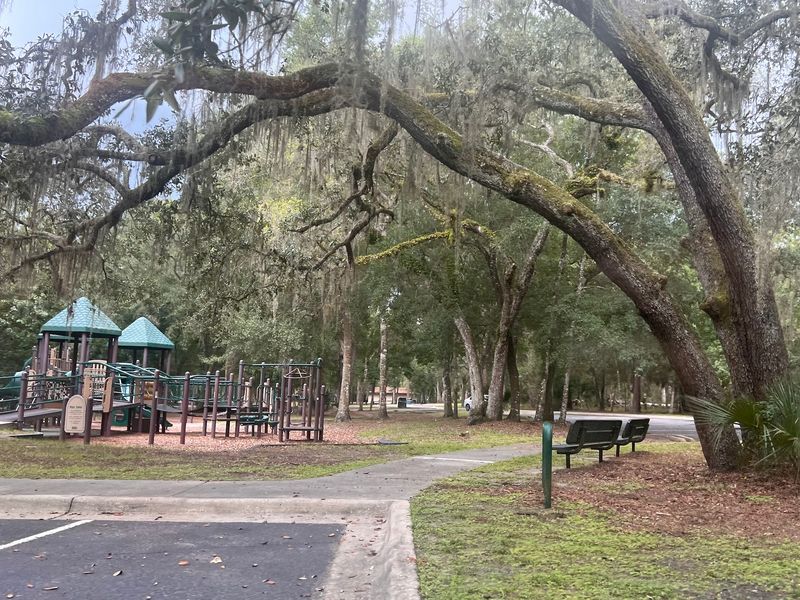
Some people come for the float and end up staying for the grills. It happens a lot.
The park has plenty of picnic tables and BBQ grills spread across the grounds. Large pavilions can be rented for group cookouts and family gatherings.
The main playground is spacious and packed with things to do. A sandy, shallow area near the water also gives small kids a safer place to splash.
Volleyball nets, wide grassy areas, and space between groups keep the park from feeling cramped. Bathrooms, showers, and a concession stand round out the basics.
Lifeguards are on site during the busy summer season. Accessible parking is available, though some areas are not easy to reach by wheelchair.
Camping is another way to skip the morning line. Tent and RV sites connect to the spring by foot paths, with no vehicle access from the campsites to the general park areas.
A trail between sites 13 and 14 links the campground to the spring side. A camp host is stationed at site 25 for help, and campground access requires a reservation.
All of this sets the stage for the question every day-tripper asks: what does it cost, and who will love it most?
A Budget Float Worth the Wake-Up Call
Here is the best part for anyone watching their wallet. Entry is cheap.
A group of eight has gotten in for around 6 to 8 dollars total. Add a $9 tube rental per person, or bring your own, and a full day stays very affordable.
The park suits families with kids of almost any age. Even four-year-olds have ridden the run in a tube alongside their parents.
It also suits campers, snorkelers, and anyone who wants nature without a long hike or a paddle. The short run makes it easy to float, rest, and float again.
Not everyone falls for it, though. The facilities are basic, the run is short, and the early lines can feel like a lot for a quick float.
Travelers coming from far away may want to pair it with other plans nearby. Locals, on the other hand, tend to treat it as a favorite backyard escape.
The verdict is simple. Bring a tube, wear water shoes, show up early, and keep an eye on the riverbed.
You may leave with nothing more than a relaxed afternoon. Or you might leave with a fossilized shark tooth and a story your kids will repeat all year.


