
Affiliate disclosure: As an Amazon Associate I earn from qualifying purchases. Learn more
A World War II bomber, a rebuilt Navy patrol boat, and a set of props from a classic TV sitcom all share space at a small airport near Lake Erie. Most Ohio road-trippers drive right past it on the way to the islands and never know it exists.
The collection fills two hangars with vintage planes, military vehicles, classic cars, and detailed dioramas, and the people restoring them are often right there to talk shop. Read on to find out what is inside, what admission costs, and why so many families plan a second trip.
An Airport Hideaway in Port Clinton
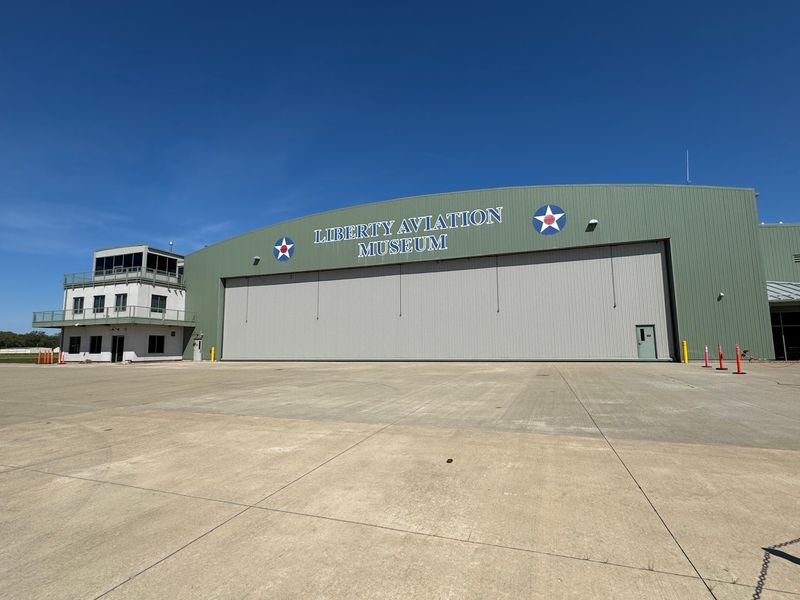
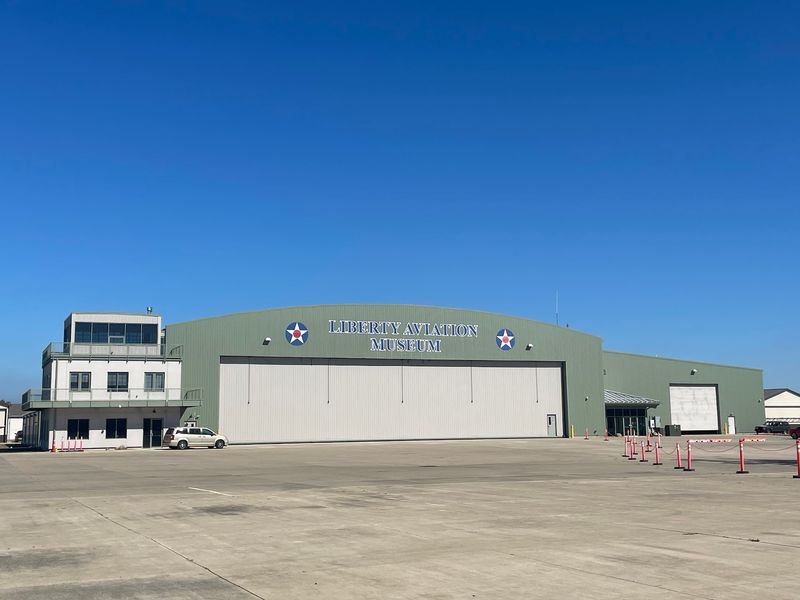
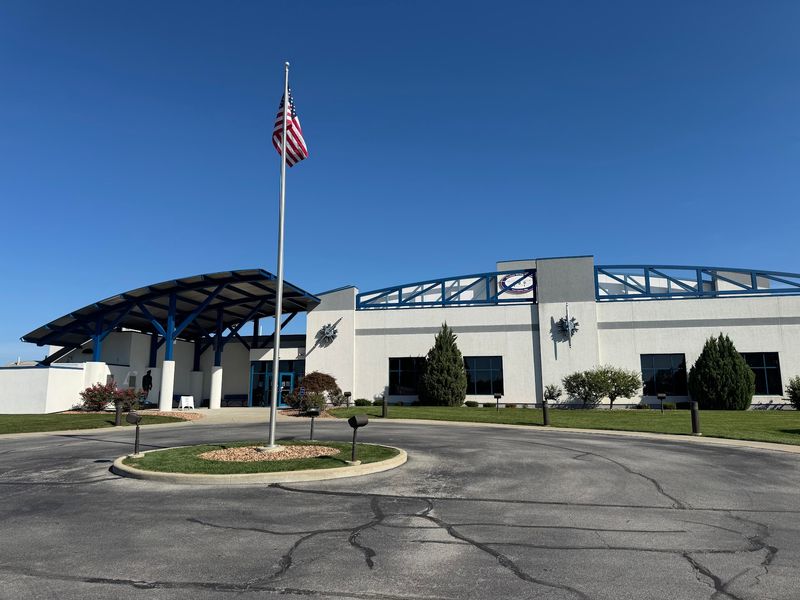
Some of the best Ohio history is hiding next to a runway. The Liberty Aviation Museum sits at 3515 E State Rd, Port Clinton, OH 43452, in the Lake Erie region of northern Ohio, United States.
It is a working aviation museum, not a quiet room of glass cases. Vintage aircraft share space with military vehicles, classic cars, models, and memorabilia spread across two hangars.
Port Clinton is best known as a jumping-off point for lake getaways. That reputation keeps the museum somewhat under the radar, even though it holds a 4.8-star average from more than 880 people who have shared their thoughts online.
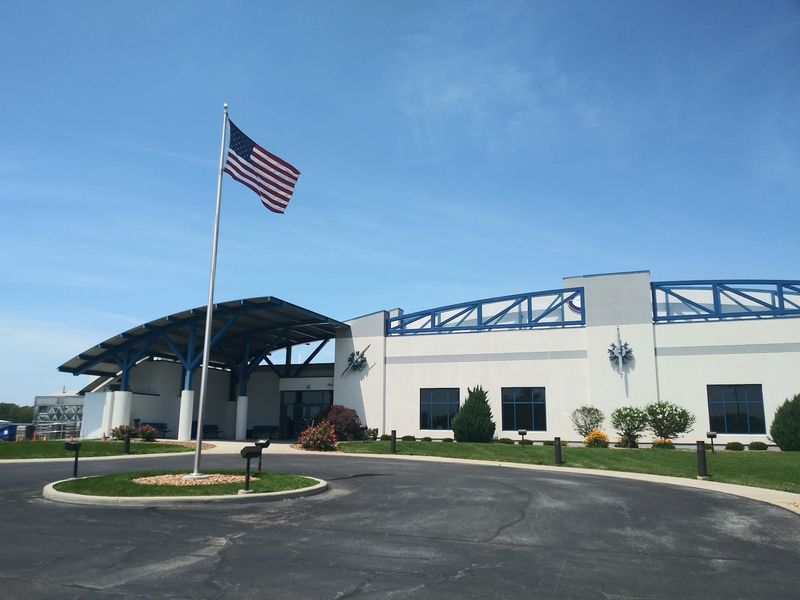
The location also has a practical bonus for travelers. Pilots can fly in and park their planes, while drivers will find plenty of parking out front.
For families coming from Toledo, Cleveland, Columbus, or Dayton, it fits neatly into a day trip toward the lakeshore. It also works as a standalone outing in cooler months, since nearly everything here is indoors.
Locals tend to call it a hidden gem of Port Clinton, and the label fits. The real question is what fills those hangars, and the answer covers a lot more ground than airplanes.
Two Hangars, One Short Stroll
Half the fun is realizing the tour is not over after the first building. The museum is split between two separate hangars set close together, with a short walk between them.
The front hangar holds the welcome desk, a gift shop, a small gallery, and a big share of the exhibits. Military galleries, vehicles, models, and memorabilia fill much of this space.
The back hangar is where several of the more unusual aircraft live. A staff member often tends that building and is happy to give personal walk-throughs and answer questions about the planes.
Because both buildings are climate-controlled, the museum makes a smart stop when Ohio weather refuses to cooperate. Hot afternoons, chilly fall days, and rainy mornings all work fine here.
Space is a little tight in spots, and some large pieces are packed in closely. That comes with the territory in a working hangar, and it also means guests get much closer to the machines than they would at a sprawling national museum.
A quick pass through both buildings can take under an hour. Readers who stop at every placard should plan on a few hours, because the details add up fast.
The Tin Goose Takes a Bow
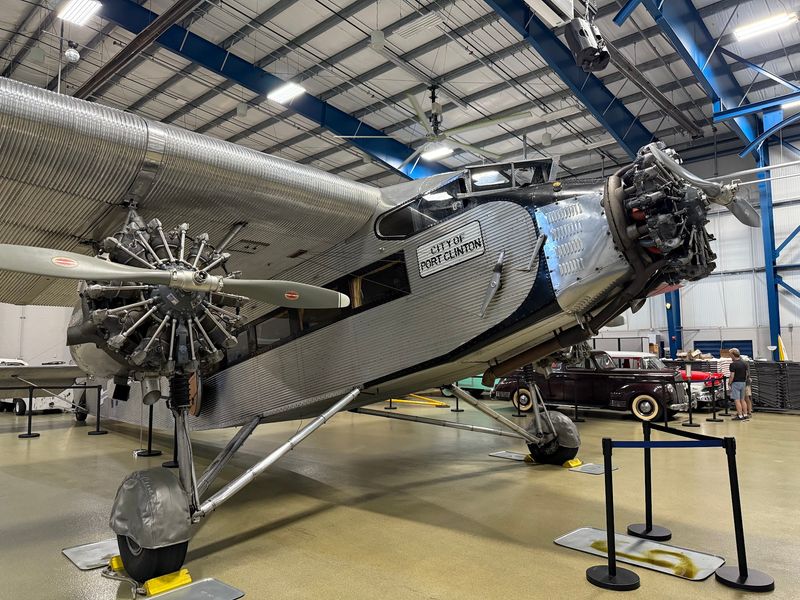
Long before jumbo jets, there was a boxy, corrugated metal plane that helped launch American air travel. The Ford Trimotor is one of the most talked-about aircraft at the museum, and it earns the attention.
Nicknamed the Tin Goose, this three-engine airliner dates to the late 1920s. Its ribbed aluminum skin and three propellers make it instantly recognizable, even to people who could not name another plane in the building.
The Trimotor has a special connection to this corner of Ohio. Planes of this type once served the Lake Erie islands, and the on-site diner borrows its name from the aircraft.
Seeing it in person gives a real sense of how early passengers traveled. The cabin was modest, the engines were exposed, and flying was an adventure rather than a routine.
For aviation fans, it is often the first plane they mention after leaving. For kids, it is a fun lesson in how far flying has come in about a century.
Give it a few extra minutes before moving on. The bomber waiting nearby has its own dramatic story to tell.
Up Close With a B-25 Mitchell
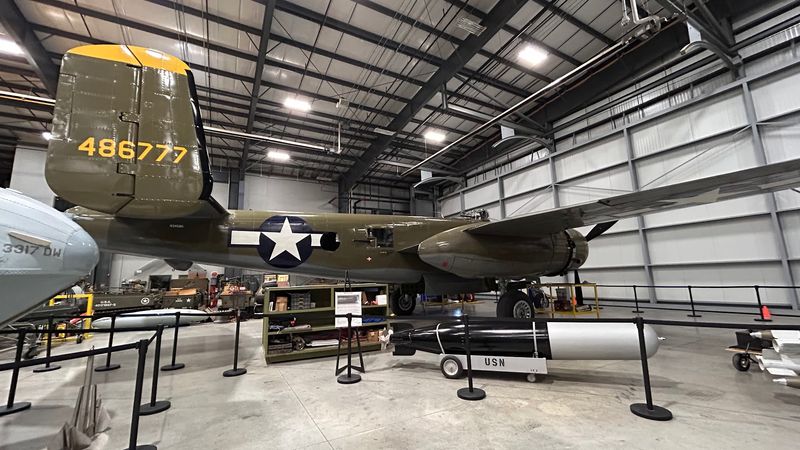
Few planes carry the reputation of the B-25 Mitchell. The twin-engine medium bomber served throughout World War II, and the museum’s example is a highlight for many guests.
The B-25 is best remembered for the 1942 Doolittle Raid, when sixteen of these bombers launched from an aircraft carrier. That bold mission made the aircraft famous almost overnight.
At the museum, the bomber is displayed where guests can get close enough to study its shape and markings. That proximity is a big part of the appeal, especially for those used to roped-off displays.
Families often single out seeing the B-25 up close as the best moment of their trip. It pairs well with the military galleries nearby, which add context about the era it flew in.
Staff members are known for sharing the backstory of major aircraft. Asking about the bomber is a good way to turn a quick look into a mini history lesson.
Bring the camera and some patience. This is the kind of plane that rewards a slow lap around its wings.
A Flying Boat in a Working Hangar
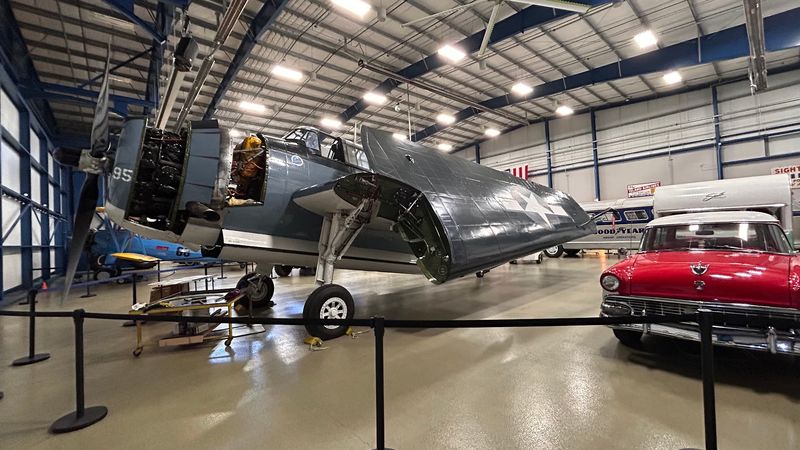
Not every museum can squeeze a seaplane under its roof. The Liberty Aviation Museum has a PBY, the famous flying boat used for patrol and rescue work during World War II.
The PBY Catalina was built to take off and land on water. Its long wing and boat-shaped hull make it look unlike anything else in the collection.
Viewing it can be a bit of a puzzle. The plane sits in a working hangar with limited space, so seeing the whole aircraft at once is not always easy.
That same setting is part of the charm. Guests are standing in an active workspace rather than a polished showroom, and getting that close to a real flying boat is uncommon.
The back hangar is home to several of these interesting aircraft. A staff member there often walks guests through the collection and explains how each plane fits into history.
A little neck-craning comes with the experience. Consider it part of the adventure, and a good reason to ask questions while the experts are nearby.
The PT Boat Rebuild
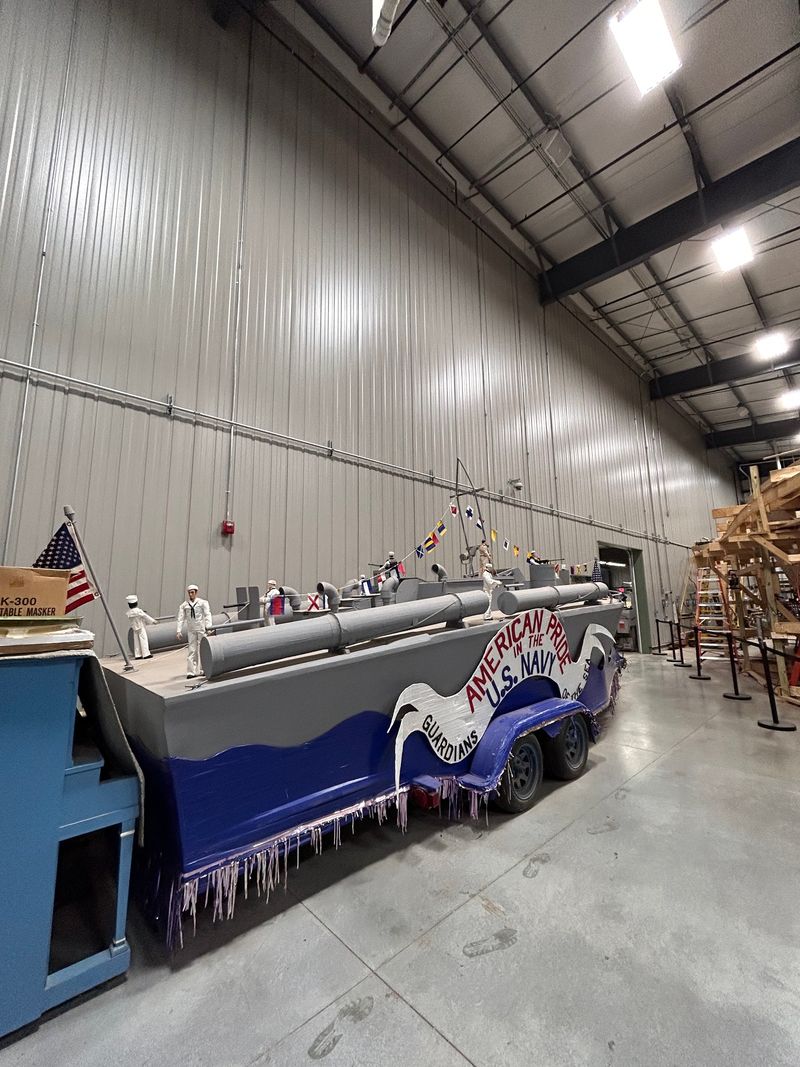
An aviation museum restoring a Navy boat sounds like a plot twist. Yet one of the most intriguing projects here is a World War II PT boat.
PT boats were small, fast patrol torpedo boats used by the U.S. Navy during the war.
They were known for speed and daring missions in tight waters.
The museum’s boat is mid-restoration and has been taken down to its framing. That stage may surprise first-time guests, but it offers a rare look at how these vessels were built.
Watching a restoration in progress is different from seeing a finished display. The bare structure shows every rib and joint, which helps explain the craftsmanship behind the boat.
For returning guests, the project gives a reason to check back. Progress on a rebuild like this happens over time, and each visit can show something new.
It is a fitting example of the museum’s hands-on spirit. And speaking of hands-on, the people doing this work are worth meeting too.
Wrenches, Rivets, and Restoration Crews
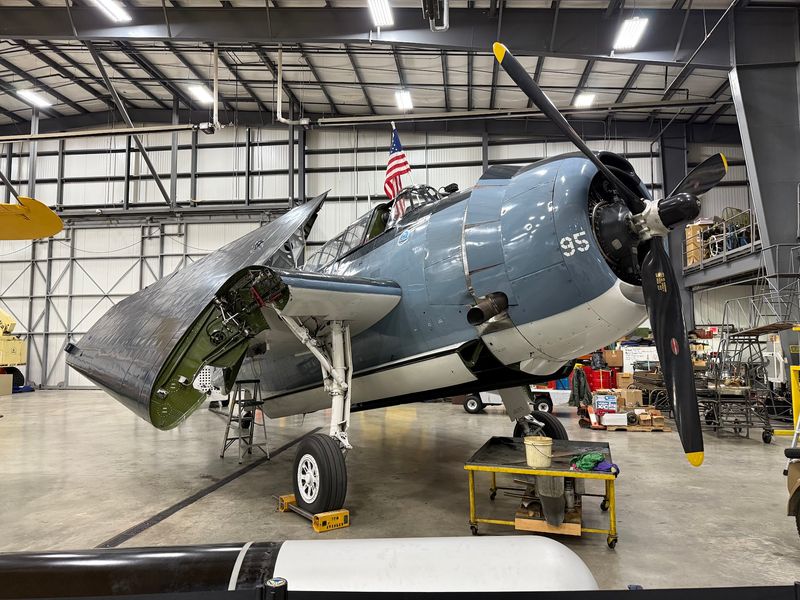
Here is a museum where the exhibits are still getting work done. Restoration is a core part of the mission, and several projects are often underway at once.
Mechanics move around the hangars as they work. They tend to be friendly and chatty, and many are glad to explain what they are doing.
That openness turns an ordinary visit into something more personal. Guests who ask questions can learn how old aircraft and vehicles are brought back to life.
Staff members across the museum earn steady praise for their knowledge. Some guides have given personal tours, sharing the history behind every major aircraft on display.
One fair note is that exhibit areas are not always staffed. Guests hoping for a guided experience may want to ask at the front desk who is around that day.
Regulars mention there is usually something new each time they return. That is the natural result of a place where projects keep moving forward.
It is less like visiting a vault and more like dropping by a busy workshop. The next stop, though, swaps propellers for wheels.
Fire Trucks, Buses, and Classic Cars
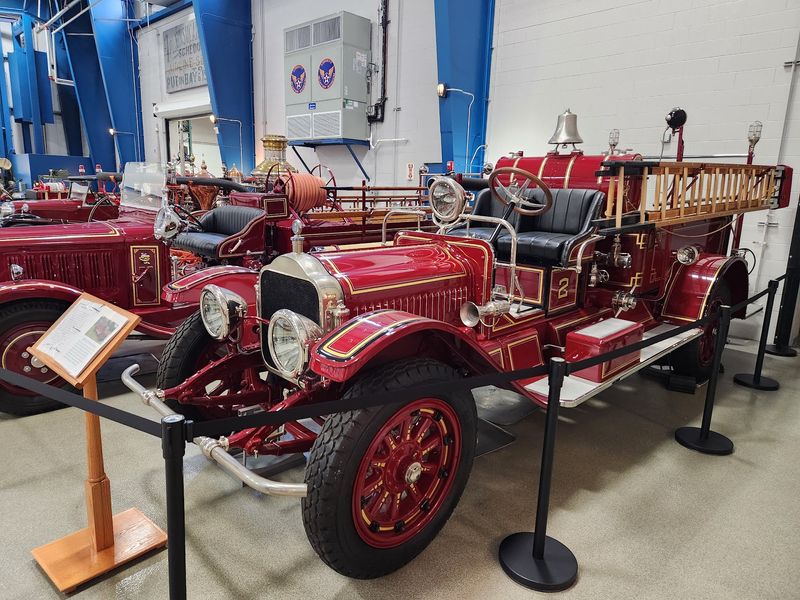
Plenty of guests arrive for the planes and leave talking about the trucks. The museum has a lot more than aircraft, and its ground vehicle collection is a big reason why.
Classic civilian cars sit alongside fire trucks, buses, tankers, and bicycles. Military vehicles and armor add a different flavor, reflecting the museum’s focus on wartime history.
The variety makes the collection a good fit for mixed groups. A grandparent who grew up with vintage cars and a kid who loves fire trucks can both find favorites.
One unusual piece is a portable military kitchen. It offers a glimpse into the practical side of wartime life, where feeding troops was its own major operation.
Several of these vehicles are full-size and displayed close together. The tight layout means some careful stepping, but also great views of the details.
Car fans should budget extra time here. Those who prefer smaller scales, however, are about to hit the museum’s most surprising section.
Tiny Battles in Big Detail
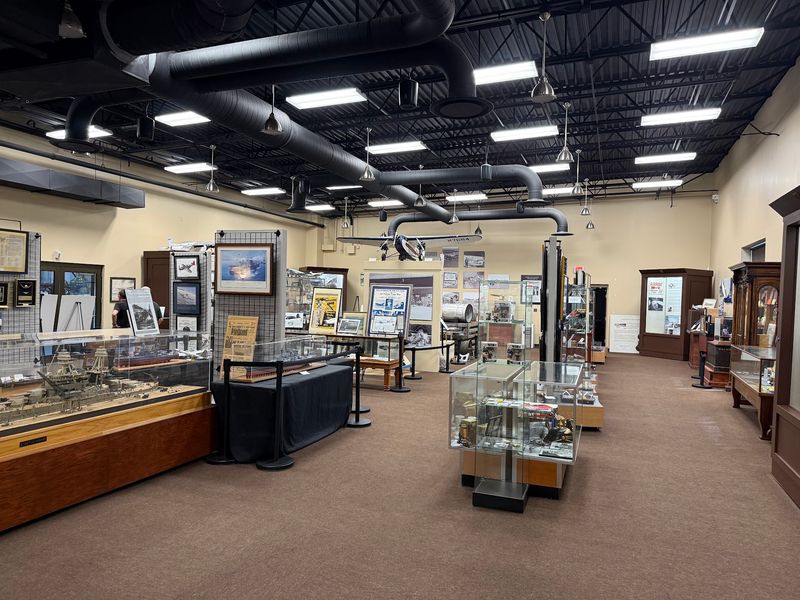
Small things can steal the show. The museum’s dioramas and miniature models are a favorite for many guests, and some say they alone justify the side trip.
These displays recreate scenes with impressive detail. Scale models of aircraft, vehicles, and military settings fill cases throughout the museum.
The craftsmanship rewards a slow look. Each scene packs in small touches that are easy to miss on a quick walk past.
Kids often enjoy the dioramas because they tell stories in a compact way. Adults tend to appreciate the patience and skill required to build them.
The models also help explain events that are hard to show with full-size machines. A battlefield or airfield can fit into a single case, giving a bigger picture of history.
Many guests point to the miniatures as a top highlight, even with full-size bombers nearby. That says a lot about the quality of the work.
From tiny soldiers, the collection takes a playful turn. Television fans, in particular, should keep reading.
Hogan’s Heroes and Hollywood Props
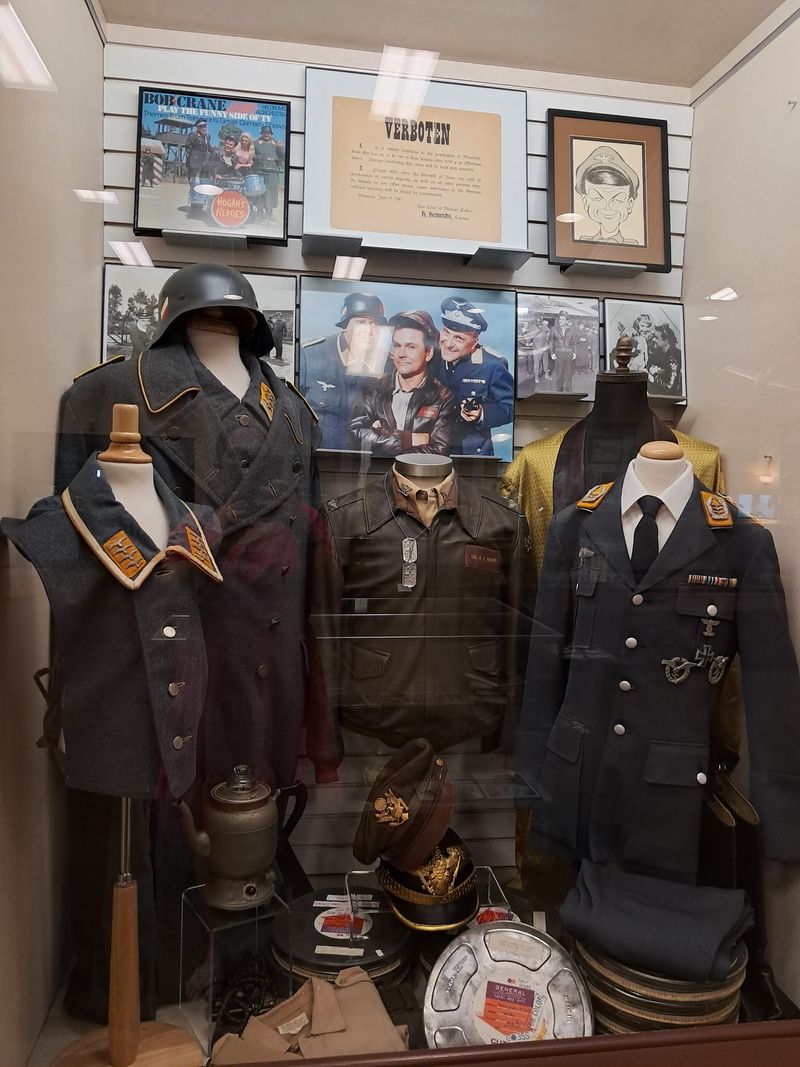
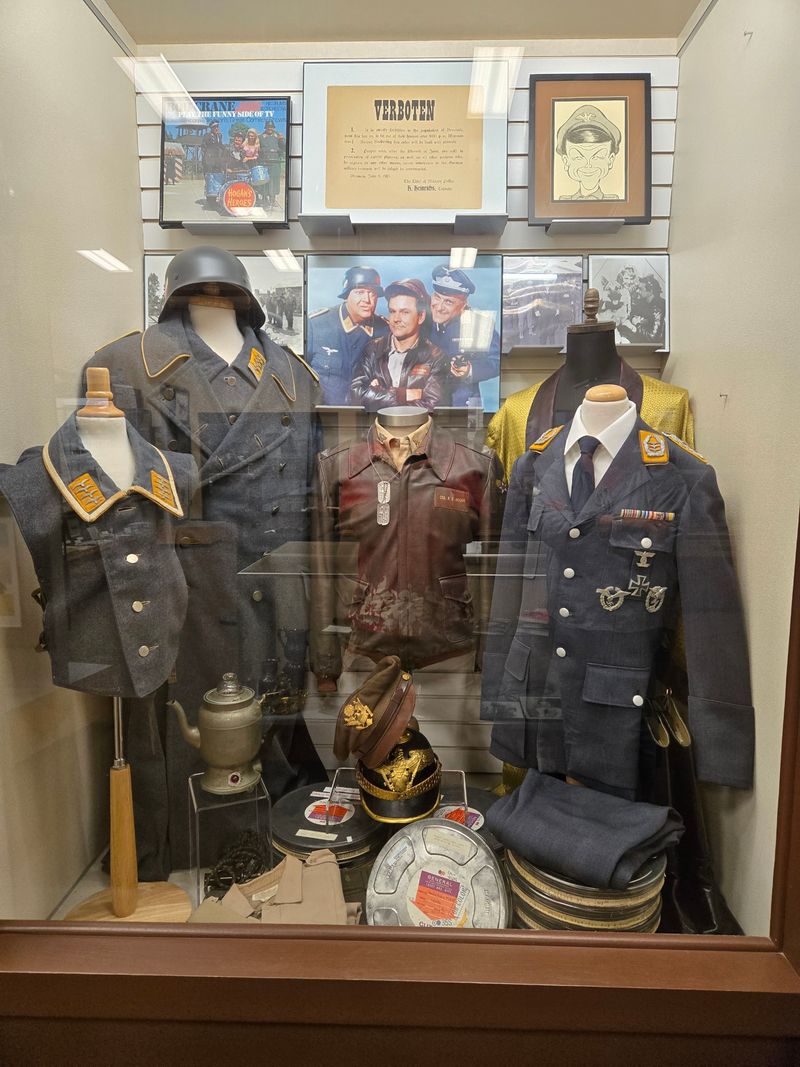
Few people expect a sitcom to show up in an aviation museum. Fans of Hogan’s Heroes, however, will find a real treat waiting.
The museum holds a collection of uniforms and props connected to the classic television series. The show ran from 1965 to 1971 and followed Allied prisoners in a German camp who outsmarted their captors.
For longtime fans, seeing these items is a nostalgic surprise. The display often comes up as a personal favorite among guests who grew up watching the show.
Other movie and television props appear in the collection as well. They add a lighter touch to a museum that otherwise focuses on serious history.
The mix works well for families. Younger guests may not know the show, which makes it a fun conversation starter with parents or grandparents.
It is one more example of how varied the collection is. The next section, though, returns to stories of real heroes.
Honoring the Tuskegee Airmen
History hits differently when it is personal. Among the museum’s most meaningful displays is a tribute to the Tuskegee Airmen.
The Tuskegee Airmen were the first Black military aviators in the U.S. Army Air Forces.
They served with distinction during World War II while facing segregation at home.
Families frequently describe this tribute as especially moving. It offers a powerful opportunity to learn together and talk about courage and perseverance.
The museum also honors other special military individuals. Displays highlight their achievements and accolades, giving faces and names to the history around them.
War memorabilia throughout the galleries adds depth to these stories. Uniforms, artifacts, and information panels help connect the machines to the people who used them.
Parents looking for an educational outing will find plenty here. The tributes make history feel real rather than distant.
After such a thoughtful stretch, a break is well earned. Luckily, there is a retro spot right on the grounds.
A 1950s Diner With a Runway View
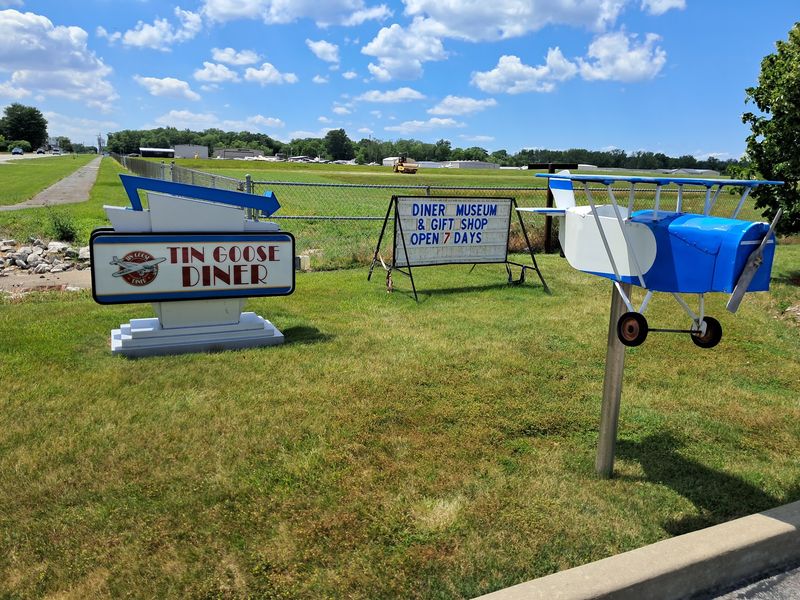
Breakfast with a view of the landing strip is not something most museums offer. The Tin Goose Diner sits right on the grounds and has become a big part of the experience.
The diner is styled after the 1950s and set in an attached diner car. That gives it the feel of an authentic classic diner rather than a museum cafe.
Windows look out over the landing strips. Watching planes while grabbing a meal is a fun extra for aviation fans.
It is open for breakfast and lunch. Many guests plan their visit around a meal, eating first and touring after.
The service draws praise, and the prices are described as very reasonable. Diner staff share the same enthusiasm as the museum team.
Hours can differ from the museum, so checking ahead makes sense. Arriving close to museum closing time may mean the diner is already shut for the day.
Still, it is a perfect pairing with the hangars. And while seated, keep an eye out for some furry locals.
Friendly Felines and a Welcoming Crew
Not every museum comes with resident cats. Here, friendly felines are known to greet guests or nap in quiet corners of the hangars.
Spotting them has become a fun side game for many families. Kids especially enjoy keeping an eye out between exhibits.
The human welcome is just as warm. Front desk staff are known for guiding guests through the exhibits and explaining how to reach each area.
They have even let early arrivals in ahead of opening. Others have stayed patient with groups rushing in near closing time.
That relaxed, helpful atmosphere suits a wide range of people. History lovers, aviation fans, car buffs, families with kids, and motorcycle riders on a scenic trip all fit right in.
The museum is smaller than major national ones. That is part of its appeal, since nothing feels overwhelming and the pace stays easy.
A gift shop near the front rounds things out. With the atmosphere covered, it is time for the nuts and bolts of planning.
Hours, Admission, and a Fair Verdict
Good news for road-trippers: the museum is open every day of the week. Weekday hours run from 10:00 a.m. to 4:00 p.m., Monday through Friday.
Weekends start earlier and run later. Saturday and Sunday hours are 9:00 a.m. to 5:00 p.m.
Admission has been about $12, and guests consistently describe prices as reasonable. Rates can change, so checking the museum website before the drive is a smart move.
Parking is plentiful out front. Pilots can also fly in and use the airport parking.
Plan for at least an hour, though readers who enjoy details could easily spend several. Pairing the visit with a meal at the diner makes for a full, easy outing.
Because the exhibits are indoors, this stop works year-round. It is a solid choice as fall arrives and beach days fade.
So is it worth the drive? For anyone who enjoys history, machines, or a truly local find, the answer leans strongly toward yes, and the ongoing restorations give everyone a reason to come back.


