
Affiliate disclosure: As an Amazon Associate I earn from qualifying purchases. Learn more
Some Los Angeles spots get remodeled every few years, but one little counter on the Westside has barely budged since Harry Truman was in the White House. The stools still wrap around a U-shaped counter, the staff still hands you a menu and takes your order on the spot, and some regulars have been coming since the 1980s.
In a city where prices keep climbing and old favorites keep vanishing, this place feels like a time capsule you can actually sit inside. Keep reading to learn its story, its quirky rituals, what has changed, what has not, and how to plan a visit without a long wait.
A Tiny Counter on Pico Boulevard
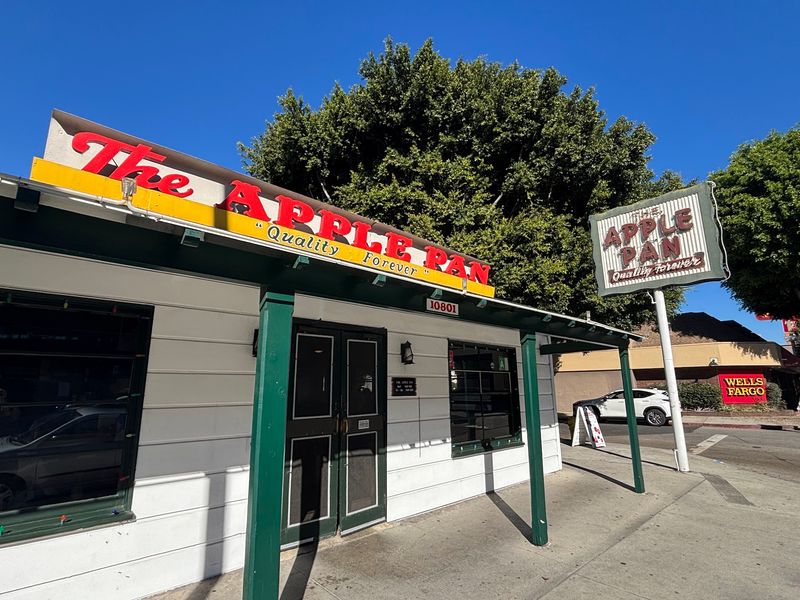
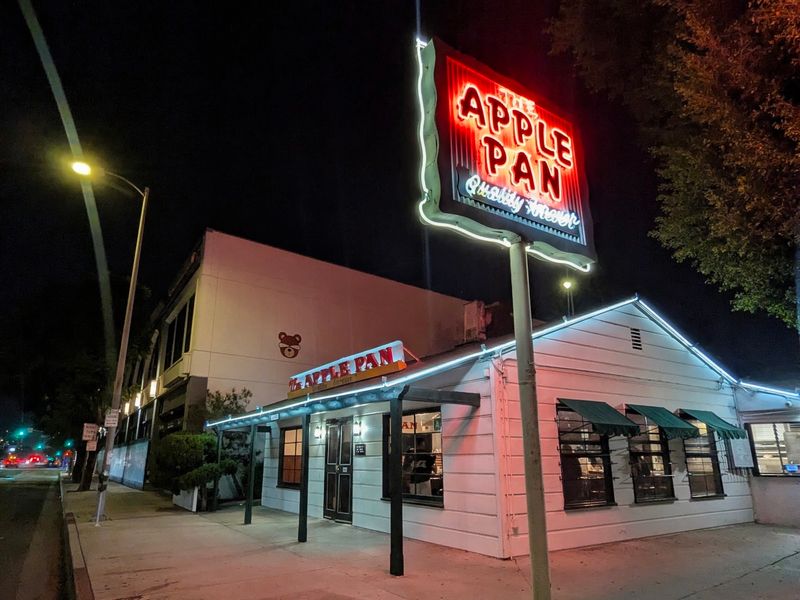
The mystery spot is The Apple Pan, and it sits at 10801 W Pico Blvd, Los Angeles, CA 90064, in the United States. It is a small American restaurant on the Westside, not far from Westwood.
Do not expect a sprawling dining room. The whole operation centers on one compact counter, and that is exactly the point.
Google Maps calls it a cozy counter for American comfort food, and the description fits. The building is modest from the street, so first-timers sometimes drive right past it.
Inside, the layout has hardly changed in decades. Guests sit side by side on stools, staff work in the middle, and orders move fast.
The spot holds a 4.4-star average from more than 3,600 people on Google Maps. For a place this small, that is a lot of folks who have squeezed onto those stools.
Plenty of Angelenos consider it a must for anyone who lives in the city. Some say out-of-towners can take it or leave it, but locals should try it at least once.
Consider this your official nudge to find out which camp you belong to.
Roots Planted in 1947
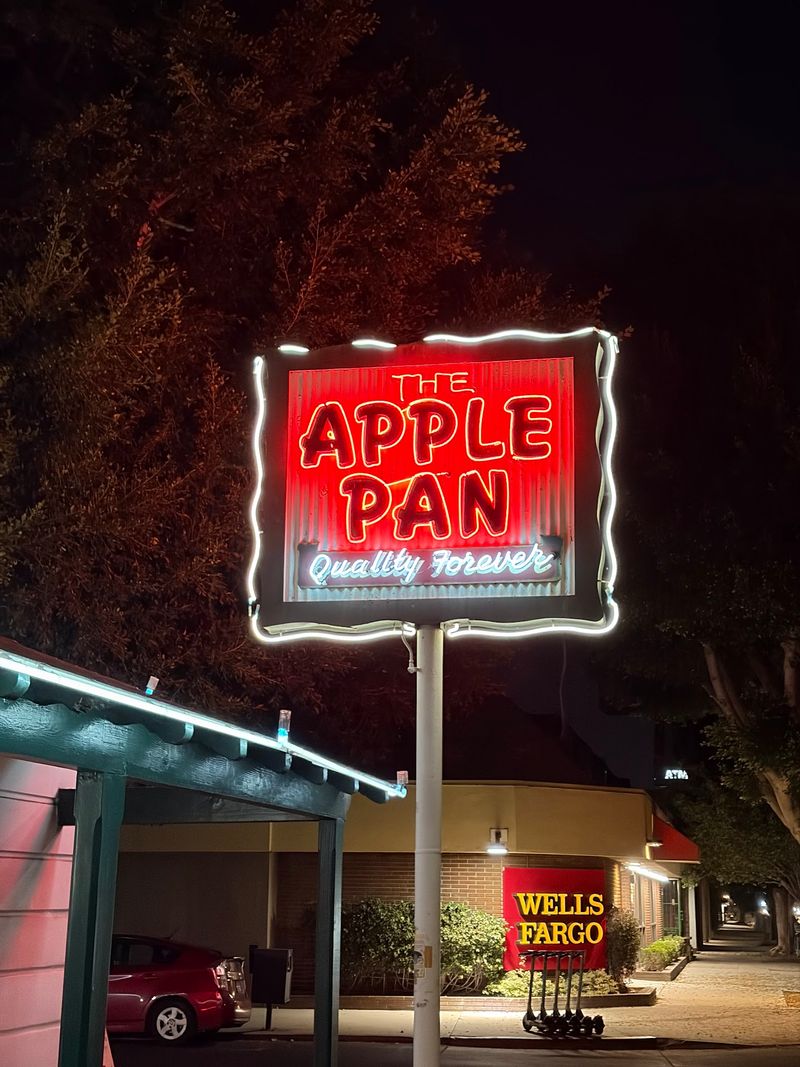
Back in 1947, Los Angeles was a very different town. The Apple Pan opened its doors that year, and it has been serving classic American fare from that same tiny counter ever since.
That makes it close to 80 years old. Few restaurants in the city can say they have outlasted so many trends, booms, and price hikes.
Longtime fans love to point out how little has shifted. One regular who first came in the 1980s returned years later and found almost nothing different, even the same waiter still working the counter.
The place has also seen a change in ownership in recent years. New owners stepped in, and some prices went up, but the format and spirit stayed put.
Many people call it a true LA institution. The phrase gets thrown around a lot, but here it actually fits.
There is something comforting about a restaurant that refuses to chase fads. It simply keeps doing what it has done since the year it opened.
Plenty of families have passed it down like a recipe card, from grandparents to grandkids.
Elbow-to-Elbow Seating
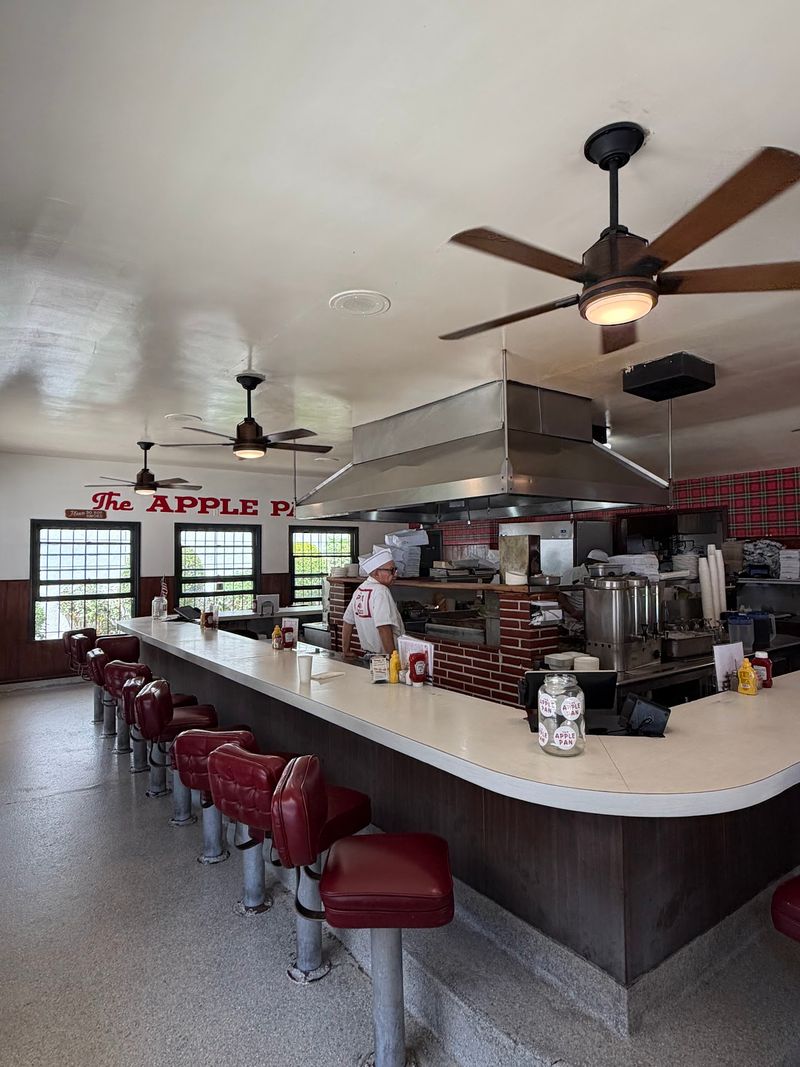
Forget booths. Seating here is almost entirely at the counter, and that single choice shapes the whole experience.
The inside has a 1950s and 1960s diner feel. Everyone sits around the bar together, so you are never more than a stool away from a stranger.
Seating is limited, and stools turn over quickly. At 7 PM on a Wednesday, a few open seats can fill back up within minutes.
The good news is the wait is often short. Some guests report sitting down in under ten minutes, even with so few spots available.
The process is refreshingly simple. Walk in, grab an open stool, pick up a menu, and someone will come by to take your order.
Many fans insist the counter is the move, even though other seating exists. Watching the staff work from a few feet away is half the fun.
It can feel a little rushed, a little crowded, and completely charming at once. That mix is the secret sauce of the room.
The Famous Ketchup Ritual
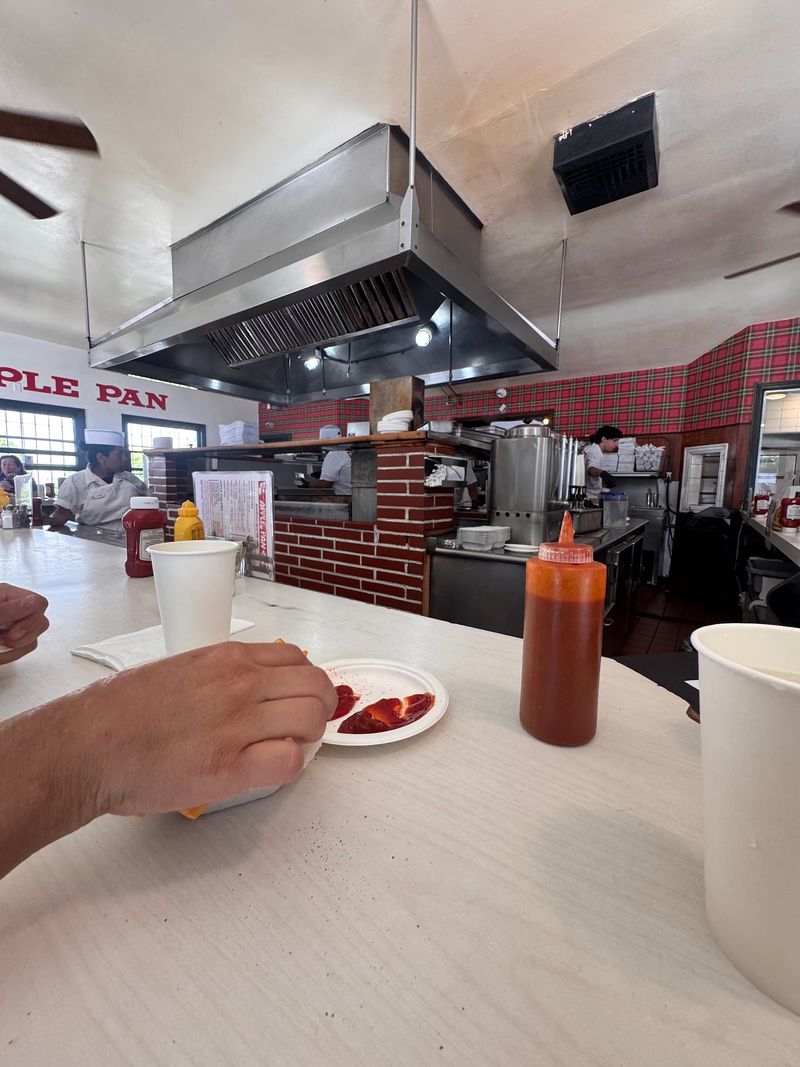
Ask any regular about the ketchup, and you will likely get a grin. It is one of the quirkiest traditions at the counter.
Staff squirt ketchup onto a small paper plate and slide it over before you even ask. Some guests have received a happy face drawn in ketchup.
One couple had never experienced the gesture before. They walked away saying they did not know it was missing from their lives until that moment.
Small touches like this pop up often. Servers have been known to clear used napkins as you go and anticipate what you want next.
Longtime fans note that the same ketchup service was happening back in the 1980s. It is a tiny detail, but it ties today directly to decades past.
Not every visit goes perfectly, of course. A few guests have described slow or scattered service on hectic days, so patience helps when the counter is packed.
Still, for most people, that little paper plate becomes the memory they bring home. Call it condiment with a side of history.
Comfort Classics Made the Old Way
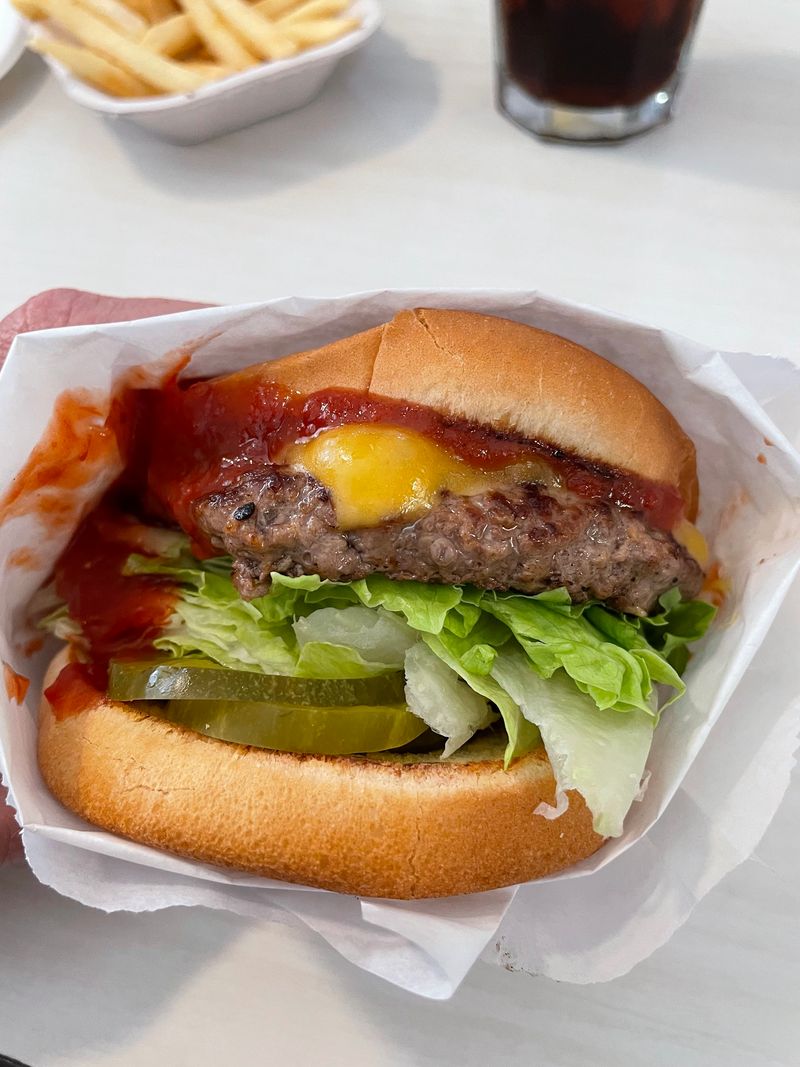
Nothing on the menu is trying to be trendy. The kitchen sticks to straightforward American comfort food, and it does so with a steady hand.
Part of the appeal is freshness. Desserts are made fresh daily, and the meat is ground fresh every day as well.
Guests often describe the food as simple, fresh, and done right. Plates come out hot and quickly, which matters when stools are in high demand.
It is not a fussy foodie destination, and it does not pretend to be. People come for solid, old-fashioned cooking along with the atmosphere and history.
Opinions on details vary, as they do with any classic. Some love the generous toppings, while others prefer to request lighter portions of certain items.
The staff tends to accommodate. Ask for something cooked well done, and that is what lands on the counter.
In a world of tasting menus and twenty-ingredient creations, there is real comfort in a kitchen that keeps it plain. Sometimes the simplest plate makes the strongest case.
Desserts Worth Saving Room For
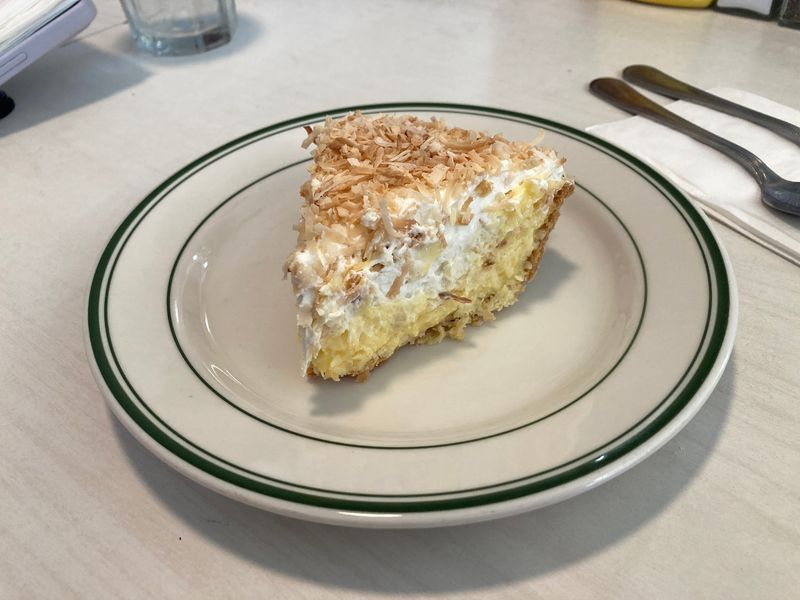
There is a reason the restaurant has the word apple in its name. Dessert is a headliner here, not an afterthought.
Baked items are made fresh each day, and many guests say the sweet course is the best part of the meal. Some even call it undefeated.
A common note is that the desserts are not overly sweet. People describe them as light rather than heavy or overly filling.
Slices are generous too. Nobody seems to feel shortchanged on portion size.
Selection can vary depending on the day and time. On one rainy Saturday night, only a single variety was left, so late arrivals may have fewer choices.
Plenty of folks grab a slice to go. It is an easy way to stretch the visit into a treat for later at home.
Even people who claim they are not sweets fans admit to thinking about dessert days afterward. Consider this fair warning to leave a little room.
Ordering Like a Regular
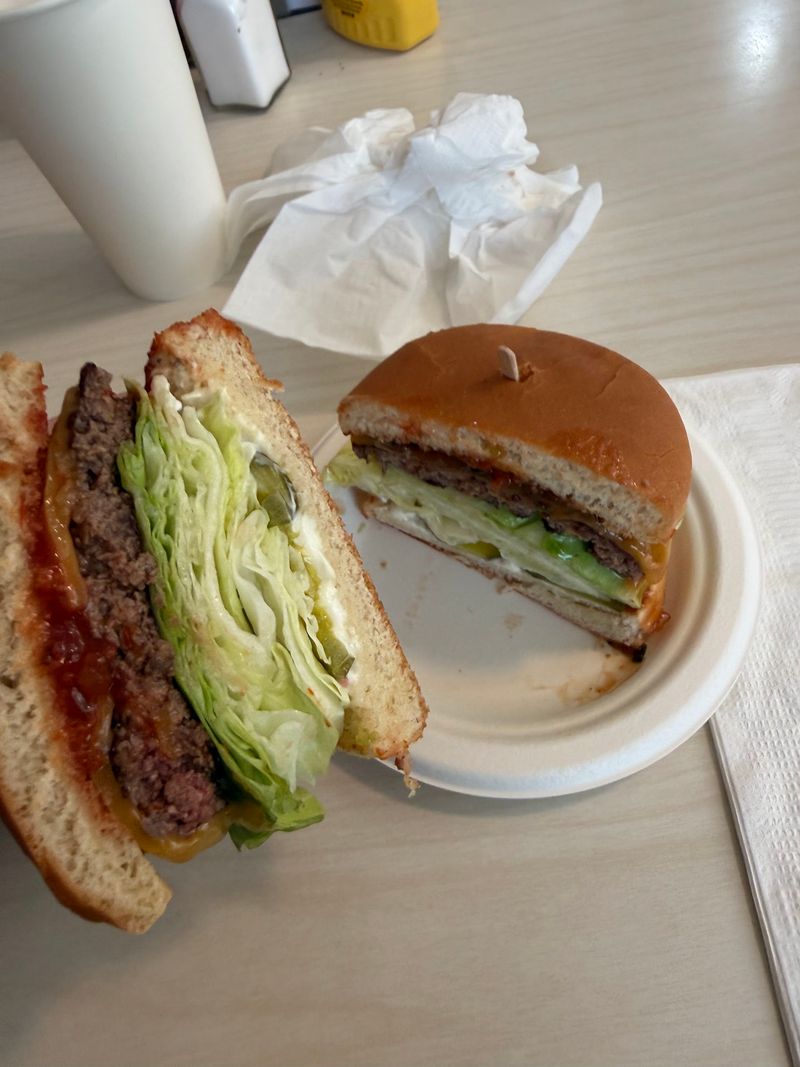
Loyalists have their habits, and learning them is part of the fun. A few small requests can make a big difference.
Many regulars ask for items cooked crispy or well done. Others request sandwiches lightly toasted.
Toppings come in generous amounts. If you prefer less, simply ask for a lighter hand, and plenty of guests do exactly that.
Some customize further by cutting certain toppings in half or adding cheese. The kitchen seems used to these tweaks.
It helps to know what you want before the server reaches you. The counter moves quickly, especially during the lunch rush.
Do not stress if you are new, though. Staff are generally friendly and efficient, and many first-timers leave with a plan for their next order.
That is the sneaky magic of this place. One visit tends to turn into a second, and by the third, you are the one giving tips to the newcomer on the next stool.
What Changed Since the 1980s
Almost nothing has changed, longtime fans say, but almost is the key word. A handful of updates have crept in over the decades.
The biggest one involves payment. The restaurant used to be cash only, and now it has reportedly gone cashless, accepting cards and electronic payment instead.
Older online chatter still mentions cash only, so it is wise to bring a card. Policies can shift, so checking ahead never hurts.
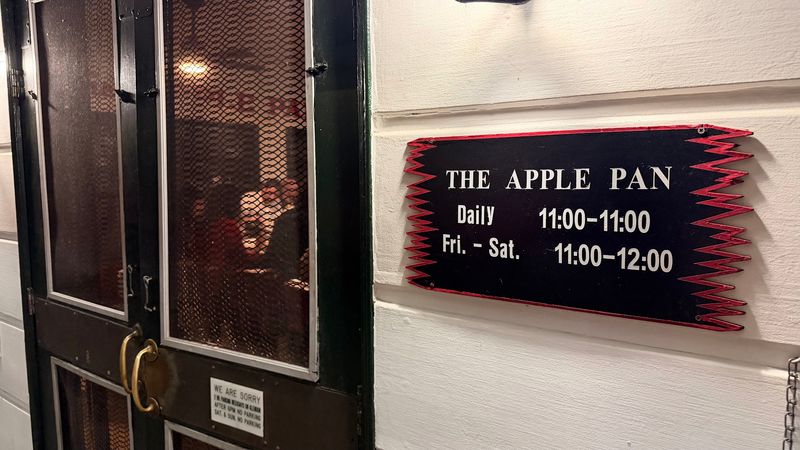
Hours have also changed. The Apple Pan used to close on Mondays, and today it opens every day of the week.
The paper cone drinking cups some people remember have been replaced with glasses. It is a small swap, yet regulars notice.
Outdoor seating has been added in the back. That gives a few extra spots when the counter is full.
Through all of it, the inside still feels like a trip to the 1950s. The updates are practical, not cosmetic, which is exactly how old-school fans like it.
Conversations With the Stranger Next Door
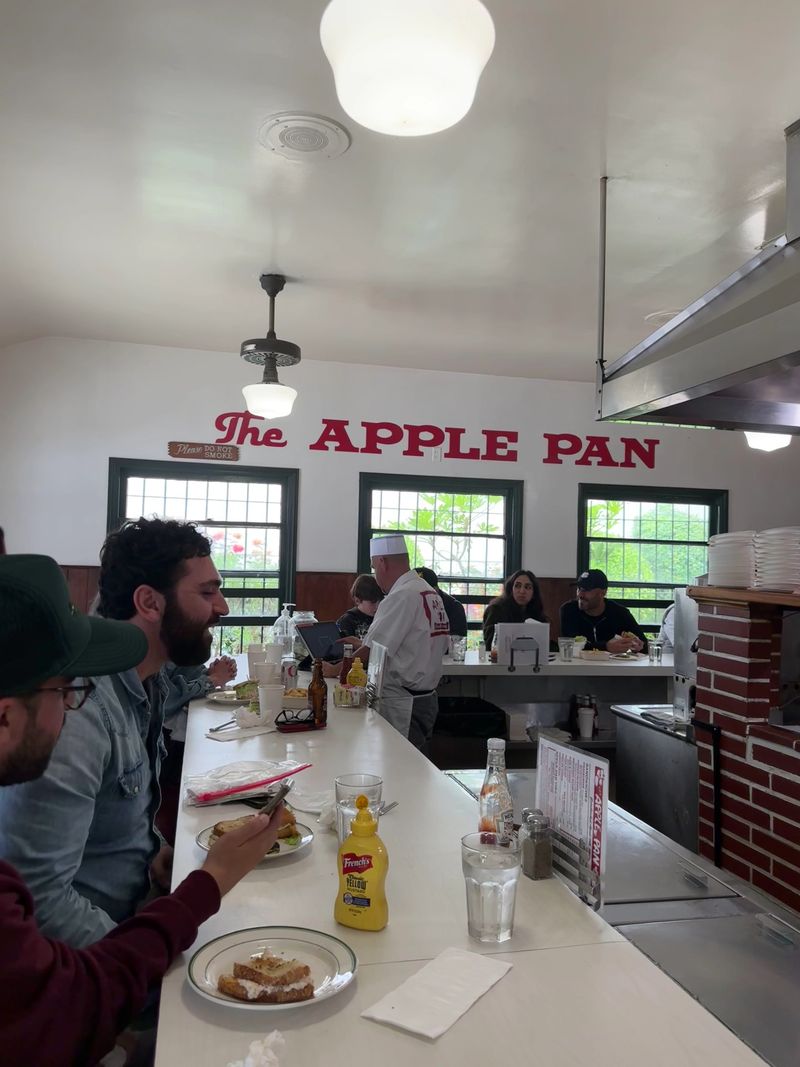
Phones tend to come out less at this counter. When everyone sits shoulder to shoulder, talking to your neighbor just happens.
Guests often mention chatting with the people beside them. In a digital age, that feels surprisingly rare and pleasant.
Condiments and plates get passed down the line. Before long, strangers are swapping recommendations.
This is Los Angeles, so you never quite know who is sitting nearby. One story tells of a diner who shared fries with a well-known film director and only learned who he was after he left.
That kind of moment is part of the legend. Fame does not buy a booth here, because there are no booths to buy.
The setup makes the place feel welcoming for solo diners too. Eating alone at a counter never feels lonely when conversation is a stool away.
Some come for the food, but many return for these small human connections. It turns out the best side order might be a friendly chat.
Locals, Tourists, and Lifelong Regulars
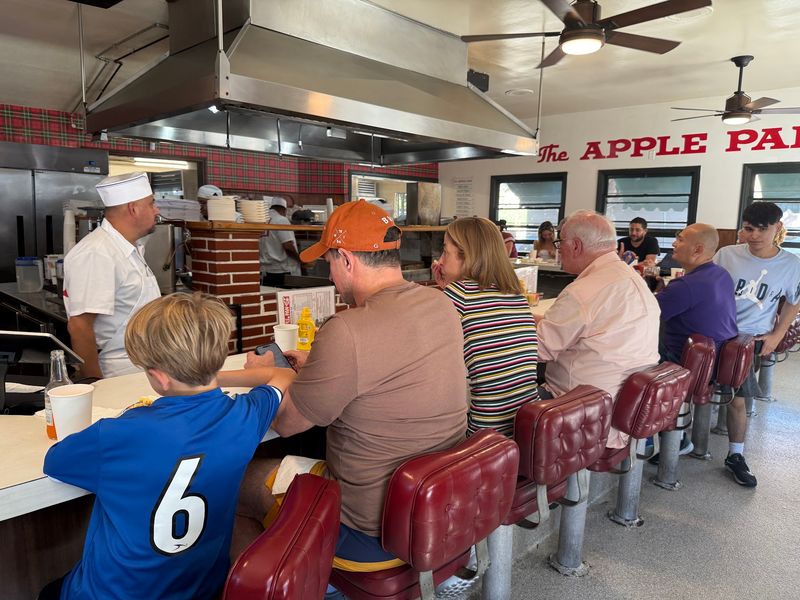
The crowd is a true mix. Locals, tourists, and loyalists from decades back all end up on neighboring stools.
The atmosphere can be comfy, rushed, touristy, and local all at once. Somehow that combination works.
For older Angelenos, a visit often doubles as a trip down memory lane. Some have been ordering the same meal since the 1980s.
Others discover it through friends. One guest first came with a culinary student who explained how the kitchen prepares everything fresh, and now the restaurant brings back memories of that friend every time.
Families do well here as long as everyone is comfortable on stools. It is a casual, unfussy setting with nothing stiff about it.
First-time burger enthusiasts sometimes arrive skeptical because of the fame. Many leave convinced the hype is earned.
The place suits anyone who values history over flash. If shiny new restaurants leave you cold, this counter will probably warm you right up.
Patio Seats and a Side Window
Counter full and no patience for waiting? There are a couple of backup plans worth knowing.
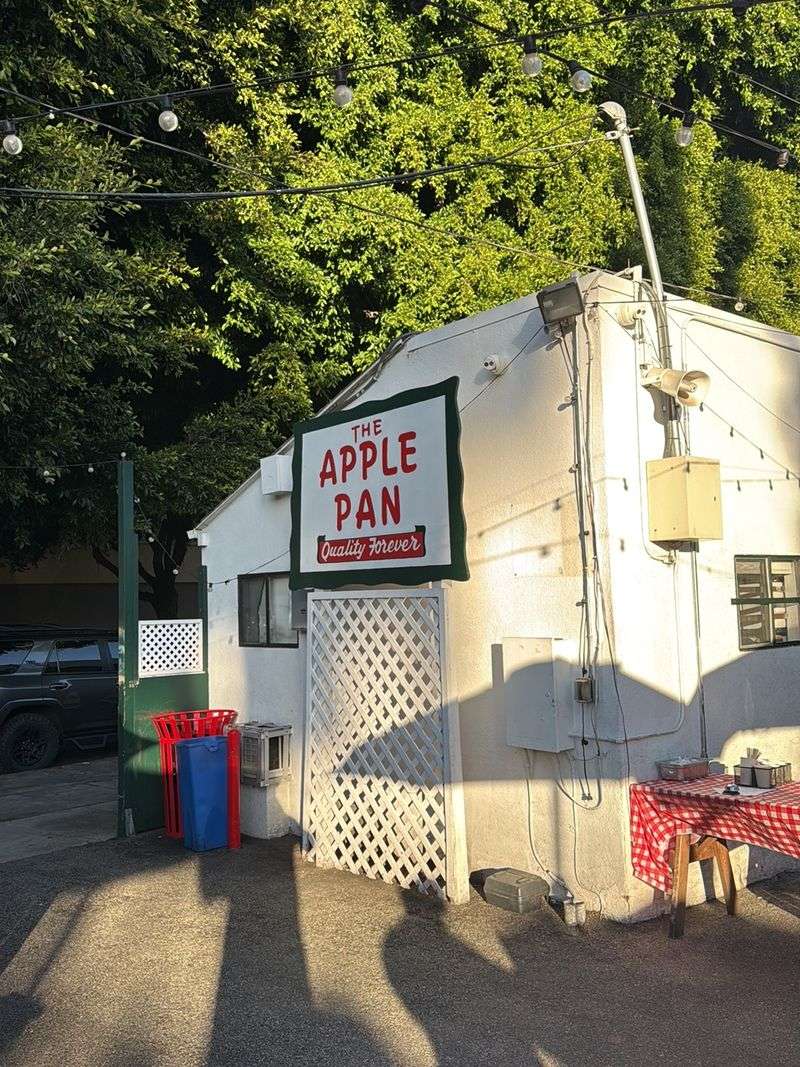
An outdoor patio sits in the back of the building. It was added in more recent years and offers a different option for those who prefer sitting outside.
Many fans still say the indoor counter is the real experience. The patio is handy, though, especially when stools are all taken.
There is also a takeout window on the side of the building. That makes it easy to grab food and go.
Takeout is especially popular for dessert. Plenty of people pick up a slice for later.
These options matter in a space this small. They help spread out the crowd without changing the classic feel indoors.
So even on a busy evening, you have choices. Sit inside for the full nostalgic show, step out back for some open air, or swing by the window and keep rolling.
Hours for Early Birds and Night Owls
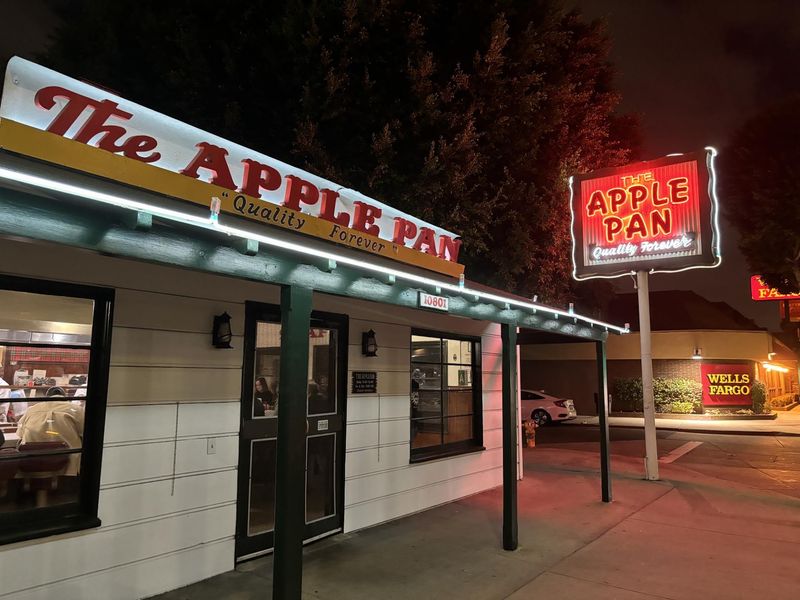
Here is a heads-up for anyone setting an alarm. Despite its grandparent-approved vibe, The Apple Pan does not open at dawn.
Doors open at 11 AM every day. From Sunday through Thursday, it stays open until 11 PM.
On Friday and Saturday, closing time stretches to midnight. That makes it a solid late-night stop on the Westside.
So the old-fashioned morning feeling comes from the setting and the service, not an early start. Think late-morning meal rather than sunrise coffee.
Timing your visit can save a wait. Arriving early, before the lunch rush, often means grabbing a stool right away.
Evenings stay steady too. A weeknight around 7 PM brings a constant flow, though seats open up fast.
Hours can change, so a quick check on the official website at theapplepan.com before heading out is a smart move. Nobody wants to show up hungry to a locked door.
Prices, Parking, and Practical Tips
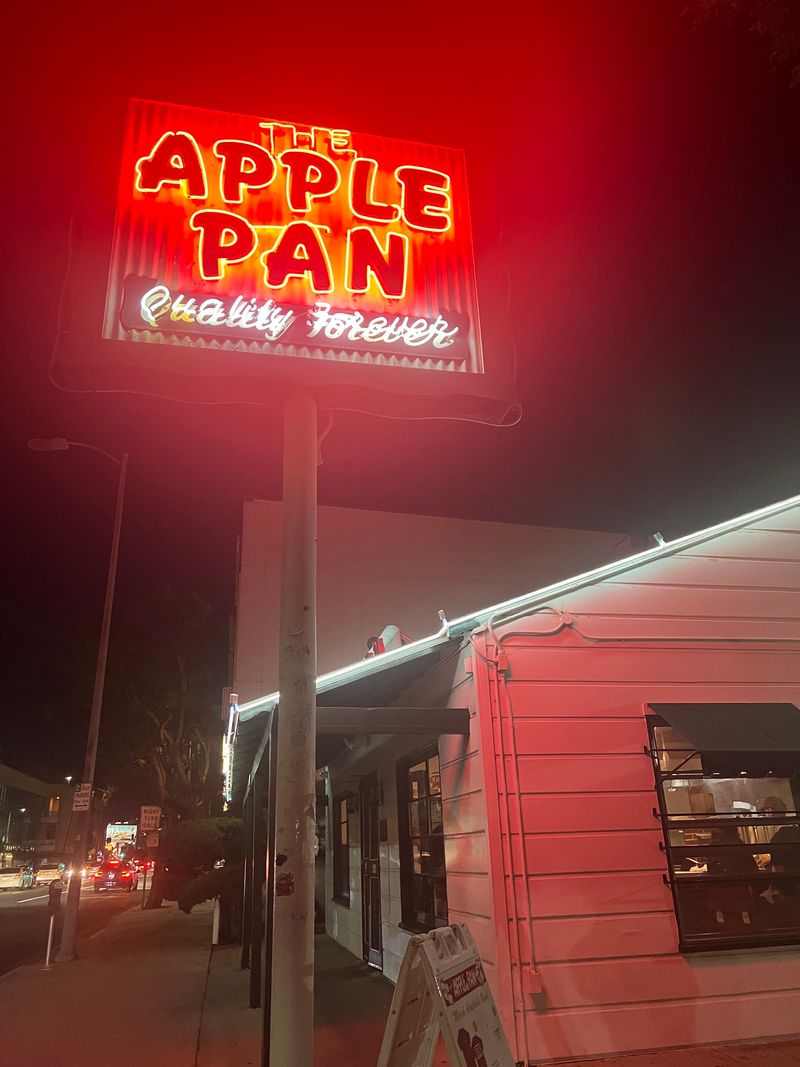
Let us talk money, since everyone in California is counting these days. Many guests call The Apple Pan reasonably priced, especially for Los Angeles.
Recent figures put a burger with cheese around $10.25, fries about $5, and a canned or bottled soda near $4.75. These prices are approximate and may have changed.
Longtime fans remember burgers at roughly $5.50 to $6.50 back in the 1980s and 1990s. Some feel today’s total edges toward pricey, while others say the value still beats many newer spots.
One couple spent about $50 on a full spread and called it money well spent. Your total will depend on how many extras land on the counter.
Bring a card, since recent reports say the restaurant no longer accepts cash.
Parking is mostly on the street. Watch the signs carefully and avoid no parking zones.
A little planning goes a long way here. Arrive early, pack your card, and you will spend your energy on the meal instead of the meter.
Worth the Detour
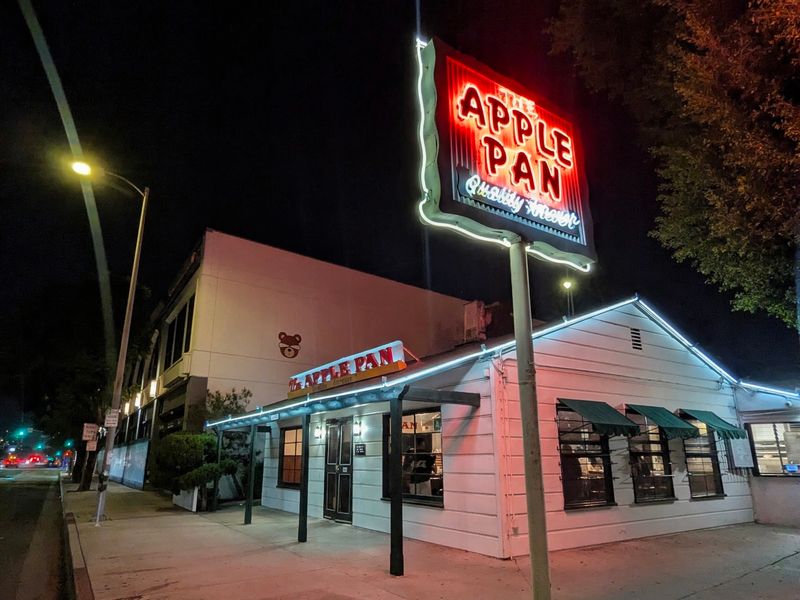
Not every famous restaurant lives up to its reputation. This one mostly does, and it does so without fireworks.
The food is honest comfort cooking. The service is usually quick and friendly, and the room still runs on rituals from another era.
It is not perfect. Some guests find certain items just okay, and busy days can test the staff.
Yet the overall feeling keeps people coming back for decades. Places like this are becoming harder to find, and many fans treat it as something worth protecting.
For Californians who miss the old days, it is a chance to share a piece of history with kids or grandkids. Sit them on a stool and let the counter tell the story.
Go early, bring a card, and save room for dessert. Chat with whoever lands beside you.
Nearly 80 years in, The Apple Pan is still flipping the same simple promise. Here is hoping it keeps the stools spinning for 80 more.


