
Affiliate disclosure: As an Amazon Associate I earn from qualifying purchases. Learn more
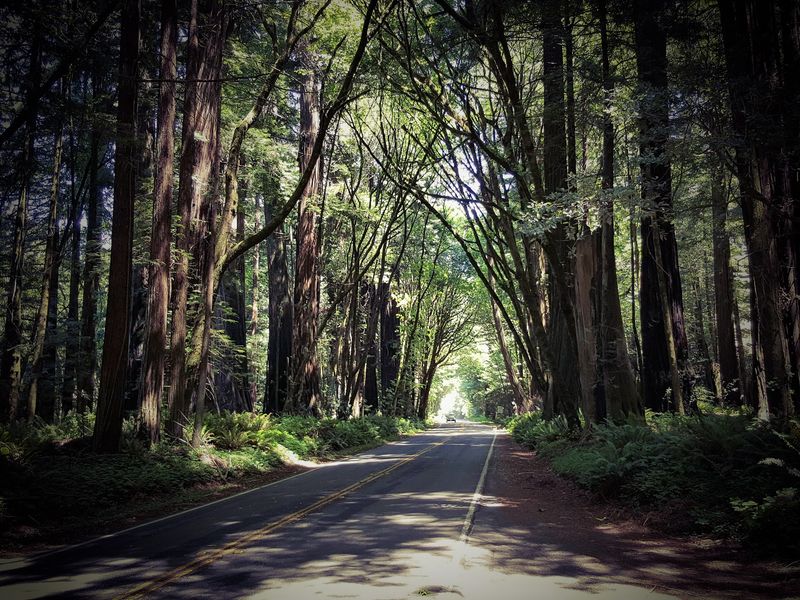
Some roads get you somewhere fast. This one asks you to slow down, roll the windows down, and let the trees do the talking.
In Humboldt County, an old stretch of highway runs for about 31 miles under some of the tallest living things on Earth, and the trunks crowd so close to the pavement that the road feels like a hallway through a forest. Generations of California families have made this drive, often with a station wagon full of kids pressing their faces to the glass.
It costs nothing to drive, it parallels a busy freeway, and yet it feels a world away from it. Keep reading for the story behind the route, the stops worth making, and the practical tips that help you plan a day under the giants.
A Scenic Byway Hiding Beside the Freeway
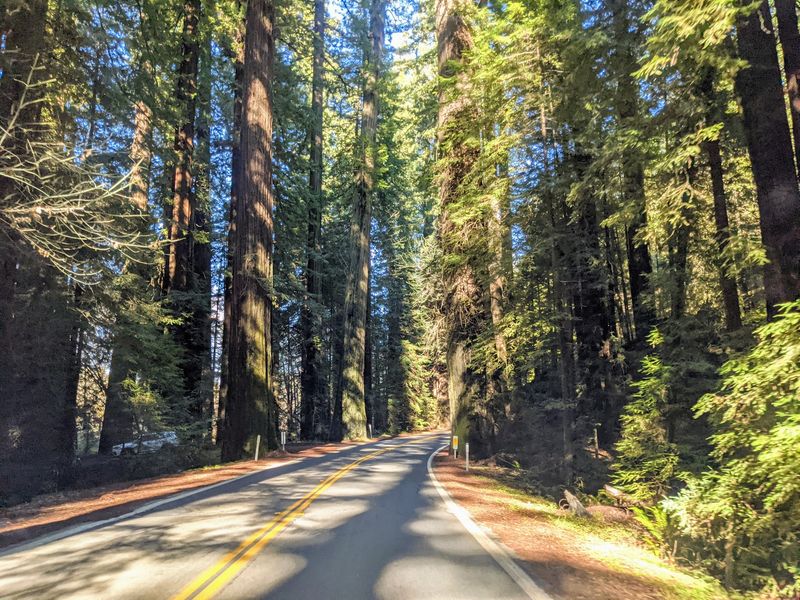
Avenue of the Giants is a scenic route in Humboldt County, California, USA, tucked among the redwood forests of the state’s North Coast.
It follows a section of old Highway 101, now signed as State Route 254, running roughly 31 miles between the Phillipsville area in the south and the Pepperwood area in the north.
The modern Highway 101 freeway runs right alongside it. That closeness is the secret charm, since drivers can hop on and off the Avenue at several interchanges.
Most of the drive passes through Humboldt Redwoods State Park, one of the largest protected stands of old-growth coast redwoods anywhere.
So the route is less a detour and more a parallel universe. The freeway is for making time, while the Avenue is for spending it well.
How an Old Highway Became a Treasure
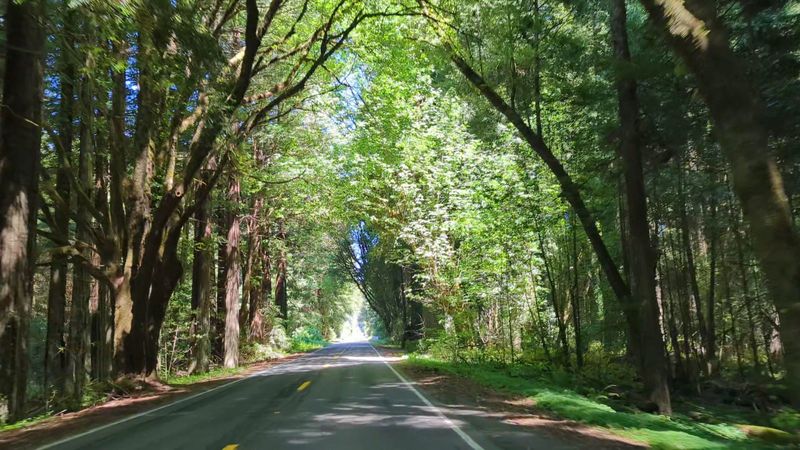
Long before the freeway arrived, this winding road was the main way north through the redwoods.
Travelers in the early automobile era rolled through these groves on what was then the Redwood Highway. When Highway 101 was rebuilt as a faster bypass in the mid-twentieth century, the older lanes were spared and kept as a scenic drive.
Much of the forest survived thanks to the Save the Redwoods League, a group founded in 1918 to protect old-growth trees from logging.
Donations from people across the country helped purchase groves along the river. Many of those groves still carry memorial names honoring the families and clubs who funded them.
For longtime Californians, the route carries layers of memory. Grandparents drove it, parents drove it, and the trees have barely changed in the meantime.
Coast Redwoods at Record Heights
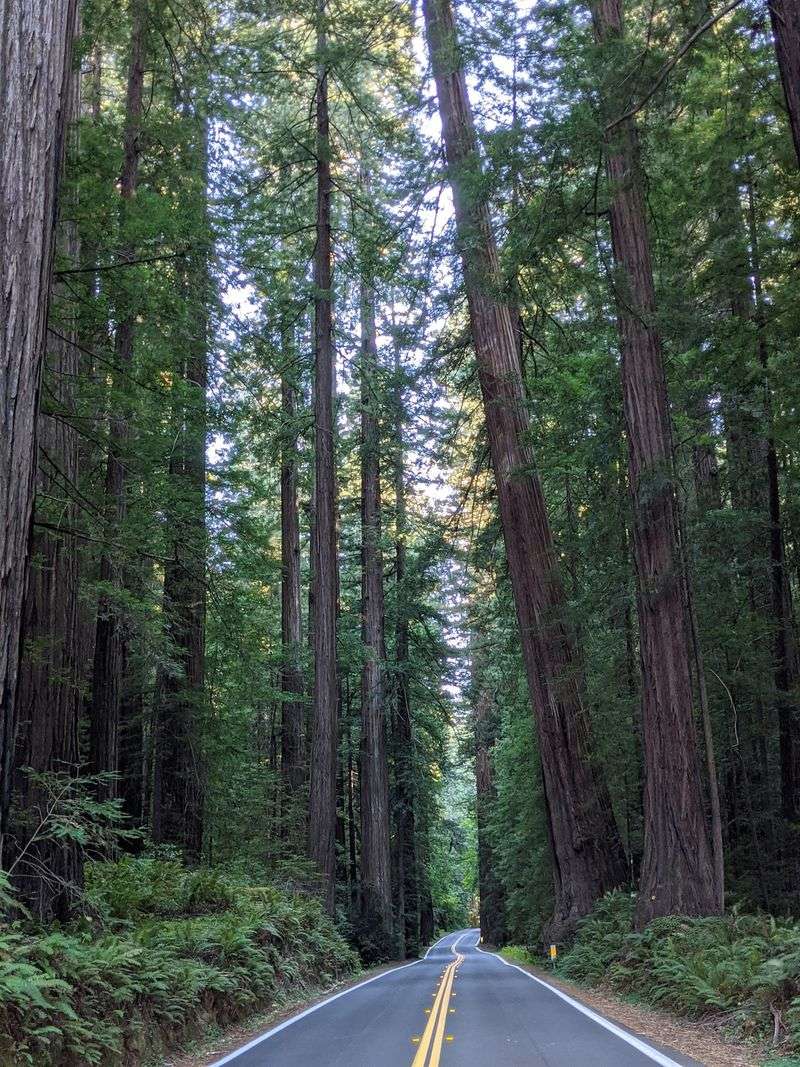
Height is the headline here, and the numbers hold up.
Coast redwoods are the tallest tree species on the planet, and many in this area rise well over 300 feet. Some are estimated to be more than 1,000 years old, with a few possibly far older.
The Avenue gives an unusually close view of them. Trunks stand only a few feet from the road shoulder in places, so the scale becomes obvious without leaving the car.
Did you know? Coast redwoods can pull moisture from coastal fog, which helps them thrive in this damp corner of the state.
Craning your neck becomes a regular habit on this drive. Passengers may want to call shotgun early, because the window seat matters.
Founders Grove and Its Famous Fallen Giant
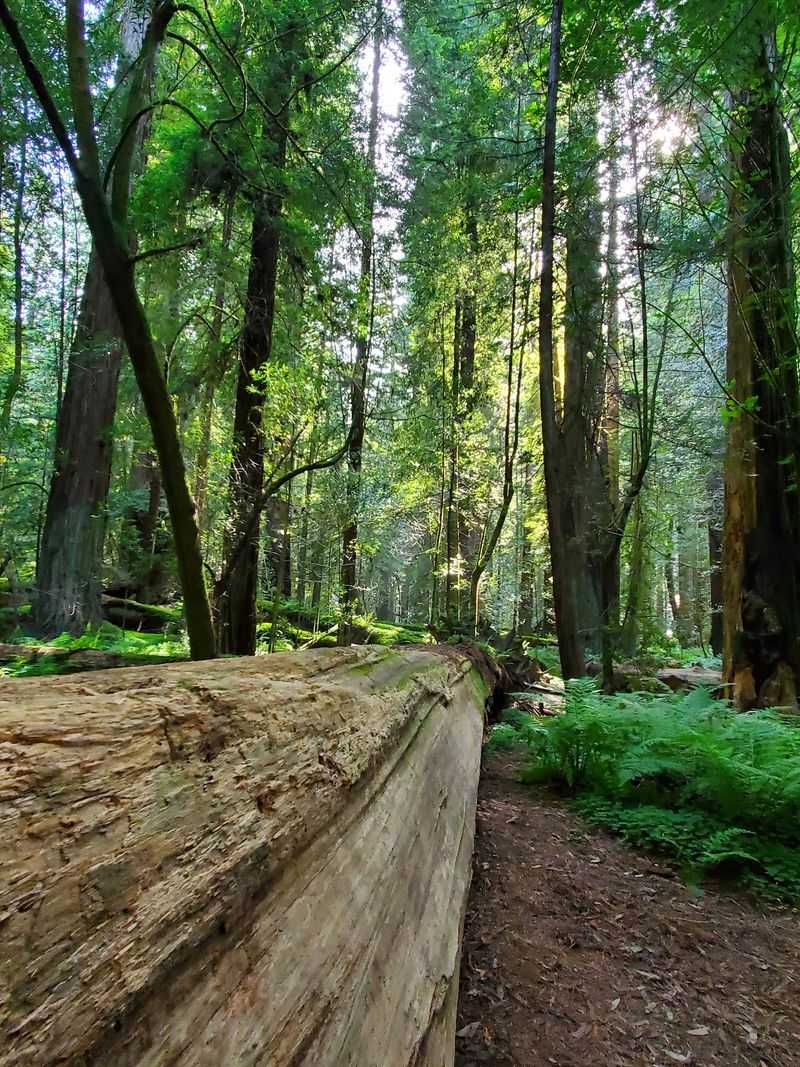
Ask anyone which stop to make first, and Founders Grove usually comes up.
The grove sits near the northern part of the Avenue and offers a short, mostly flat loop trail of about half a mile. It is one of the easiest ways to stretch your legs among the old-growth trees.
Its best-known resident is the Dyerville Giant, a redwood that toppled in 1991. Lying on its side, the trunk stretches across the forest floor and gives a rare chance to grasp just how long these trees really are.
The Founders Tree also stands here, named for the founders of the Save the Redwoods League.
Plan on lingering longer than expected. A half-mile loop has a funny way of turning into an hour.
Rockefeller Forest, the Big One
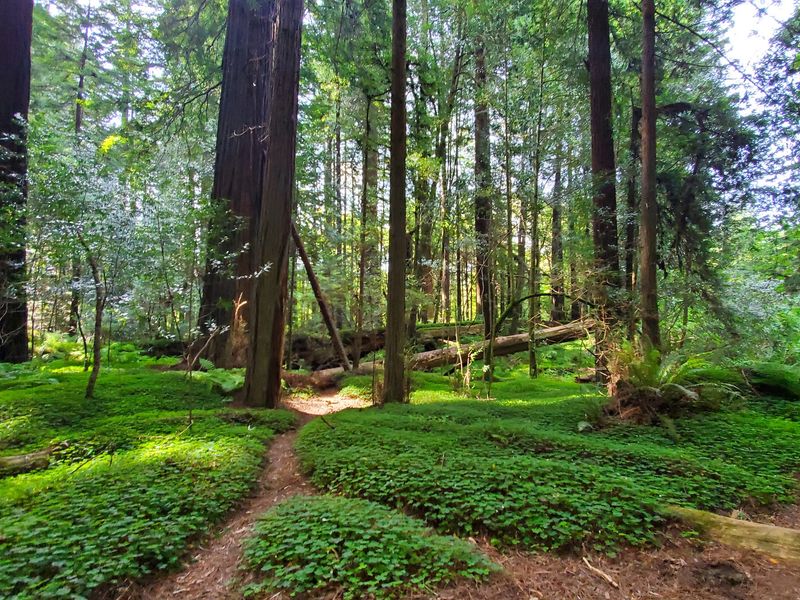
A short side road off the Avenue leads to what many consider the crown jewel of the whole area.
Rockefeller Forest is often described as the largest remaining contiguous old-growth coast redwood forest in the world. It covers roughly 10,000 acres, protected in part through funding connected to John D.
Rockefeller Jr. in the 1930s.
To get there, follow Mattole Road west from the Avenue near the Dyerville area.
Trails here range from short strolls to longer hikes. The Big Trees area is a popular starting point for people who want a taste without committing to a full day.
Because it requires that small detour, it tends to feel quieter than the roadside groves. That trade of a few extra minutes for more elbow room is usually worth it.
Small Towns Along the Route
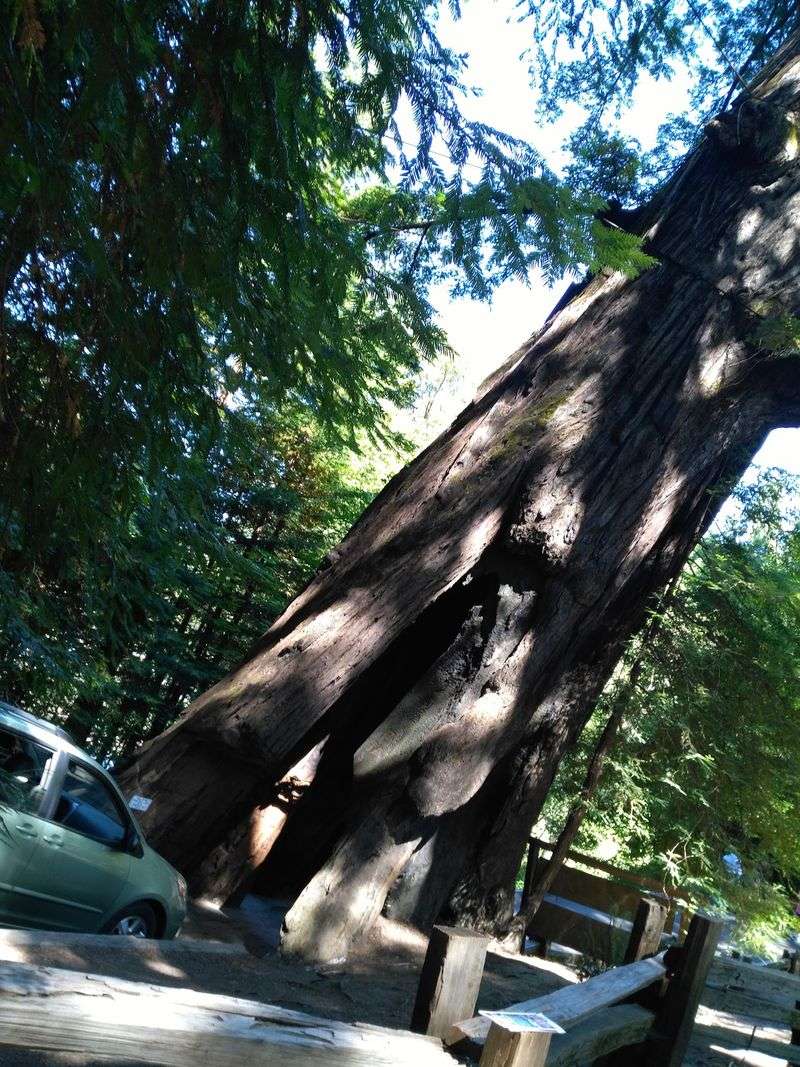
Between the groves, a string of tiny communities keeps the Avenue from feeling like pure wilderness.
Towns such as Phillipsville, Miranda, Myers Flat, Redcrest, and Pepperwood dot the route. They are small, with a handful of shops, lodges, and roadside businesses serving travelers.
Myers Flat is home to the Shrine Drive-Thru Tree, one of the classic roadside attractions of the region, where cars can pass through an opening in a living redwood for a small fee.
Some of these stops have been welcoming road-trippers for decades. They carry a distinctly old-California spirit, with hand-painted signs and family-run counters.
Hours in these little towns can vary by season, so it helps not to count on every door being open. Flexibility is part of the fun here.
The Eel River Running Alongside
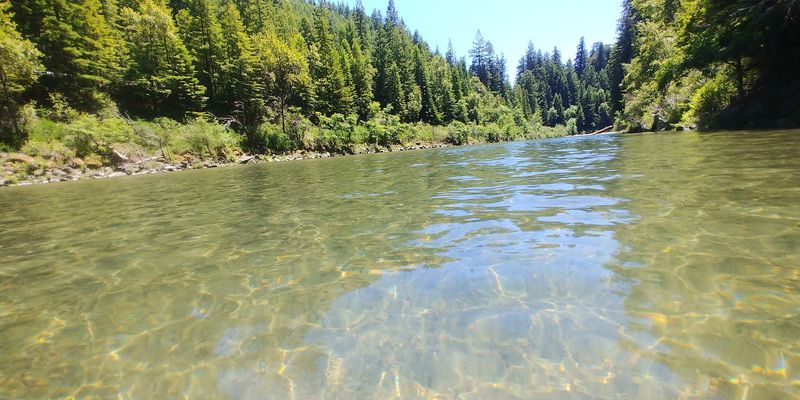
Trees steal the spotlight, but the river quietly shapes everything.
The South Fork of the Eel River follows much of the Avenue, and the rich soils on its flats helped these redwoods grow so large.
In the warmer months, gravel bars along the river become spots for picnics, wading, and lazy afternoons. Water levels drop in summer, while winter rains can turn the same river fast and high.
Families who grew up making this trip often remember skipping stones here more than any single tree. It is that kind of place.
Always check conditions before getting in the water. Currents can be stronger than they appear, especially outside of late summer.
A Calm Drive for Every Kind of Traveler
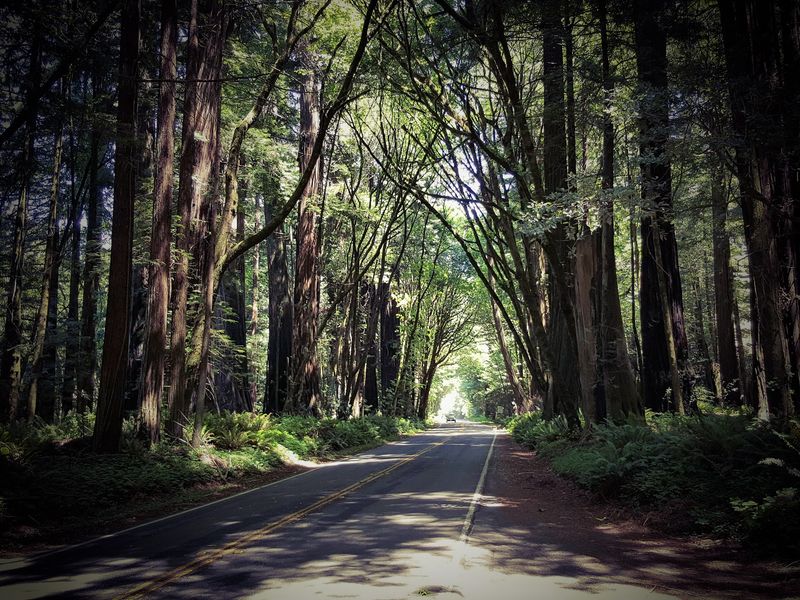
Few scenic routes manage to please both the hiking crowd and the folks who prefer to stay seated.
The Avenue works for nearly everyone. Older travelers can enjoy most of it from the car, families can find short flat trails, and serious hikers can disappear into longer paths deeper in the park.
The pace is unhurried by design. Speeds are modest, pullouts are frequent, and stopping on a whim is practically the point.
Photographers tend to love the early morning and late afternoon, when light slants between the trunks.
No tickets, no lines, no reservation apps. That simplicity feels refreshing in a state where so many outings now come with a price tag.
Getting There, Timing, and Costs
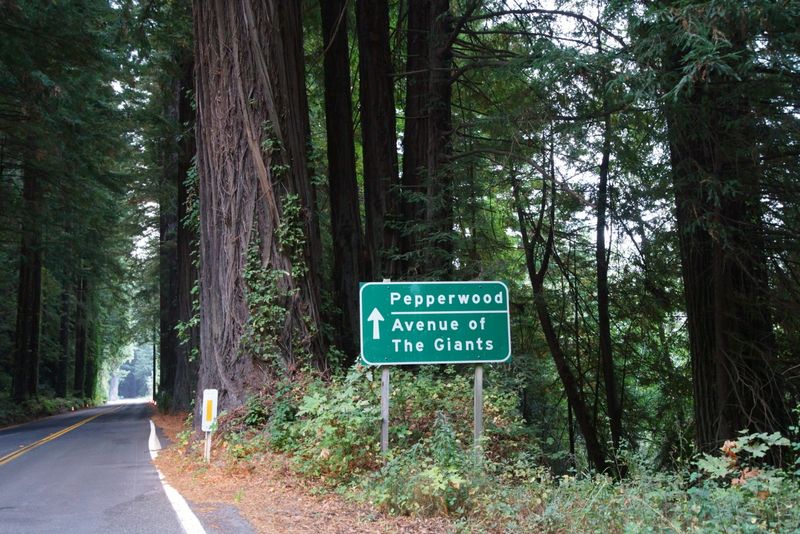
Here is the good news first: driving the Avenue itself is free.
Access comes from Highway 101, with the main entrances near Phillipsville to the south and near Pepperwood to the north. Several exits in between let you join or leave the route midway.
The drive takes about an hour without stops, though most people spend half a day or more. Some day-use areas and campgrounds within Humboldt Redwoods State Park may charge fees, and those amounts can change, so check current rates before you go.
The park visitor center near Weott is a helpful stop for maps and trail information. Its hours may vary by season.
Summer brings the most traffic. Spring and fall tend to offer a calmer road, while winter can bring heavy rain and occasional closures.
Worth Every Slow Mile
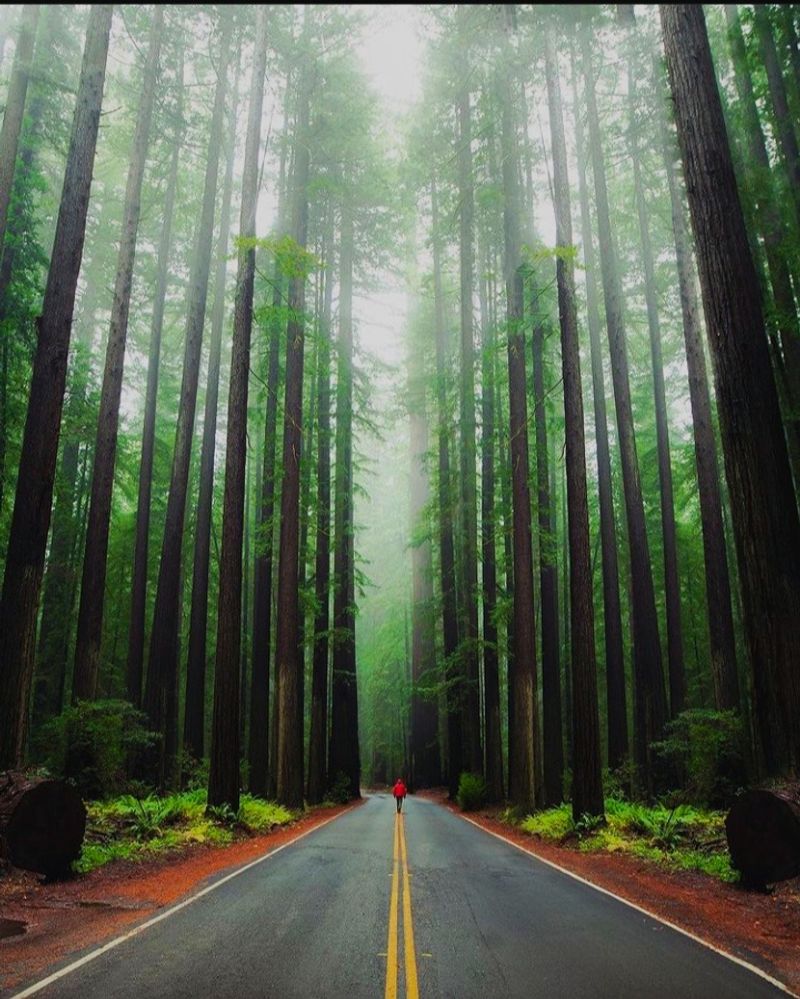
Some places earn their reputation with flash. The Avenue earns it by staying almost exactly the same, decade after decade.
It offers ancient trees, a gentle river, a few small towns, and a road that costs nothing to drive. That is a rare combination anywhere, and especially in California today.
For anyone who drove it as a kid, a return trip often feels like reconnecting with an old friend. For first-timers, it may become the drive they insist on sharing with the next generation.
Leave the schedule loose and the gas tank full. The giants have waited centuries, and they will happily wait while you pull over one more time.


