
Affiliate disclosure: As an Amazon Associate I earn from qualifying purchases. Learn more
Some towns ask you to circle the block twice hunting for parking. Others let you park once and forget the car exists.
A river city in southeastern Indiana sits in the second group, tucked against the Ohio River in Dearborn County. It counted 3,479 residents in the 2020 census, so the whole place feels like a neighborhood.
This article walks through why a slow day on foot here makes sense, what to know before leaving home, and how to plan a lazy loop without a single turn of the ignition.
Where Aurora Sits on the Map
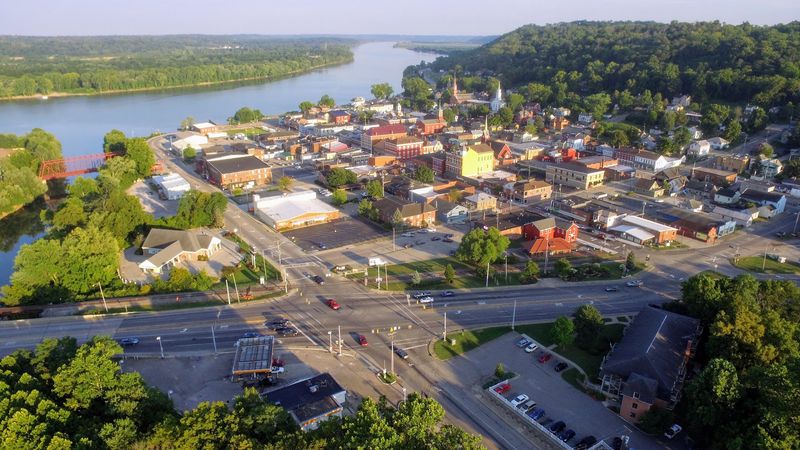
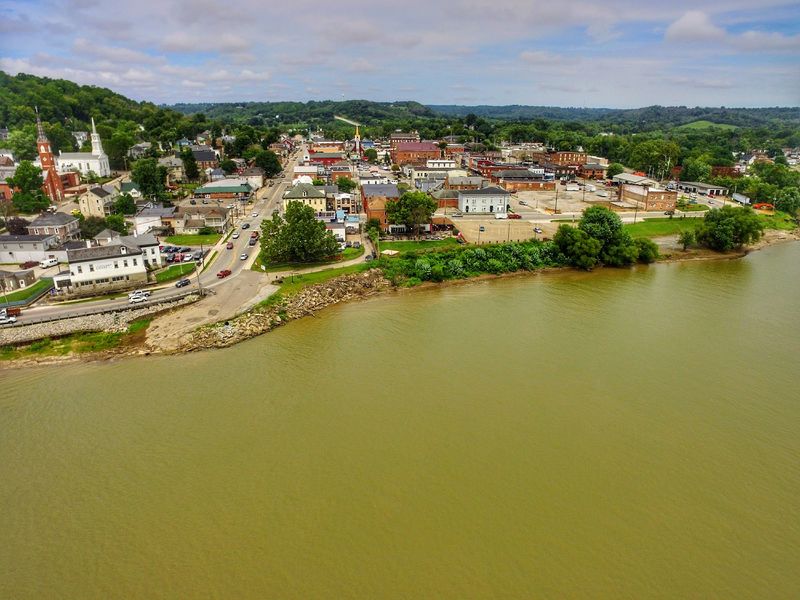
Aurora is a city in Dearborn County, Indiana, United States, and the place is listed under Center Township, IN. The town sits in the southeastern corner of the state, close to the Ohio River.
Its coordinates place it near the Indiana and Kentucky border region, which makes it an easy add-on for anyone already exploring that part of the Hoosier State.
The 2020 census recorded 3,479 residents. That small number is the whole point.
A town this size is built on a scale where a person can cover a lot of ground by walking, and nobody needs a rushed schedule.
The city maintains a website at aurora.in.us, which is the best first stop for anyone who wants current local information before making the drive. Details such as event dates and office hours can change, so checking ahead is always smart.
Consider this opening section the map in your pocket. Every other section builds on the simple idea that one small Indiana river city can fill a relaxed day if the car stays parked.
A Small City With a Big Hoosier Identity
Most Hoosiers know the names of the big cities, but towns like this one rarely make the highway signs. That is exactly why a visit feels like being let in on something.
Aurora is a city, not just a crossroads, and it is part of Dearborn County. The population of 3,479 keeps things personal and unhurried.
Small cities carry a certain rhythm. Neighbors recognize each other, and a short stroll can turn into a friendly wave or two.
That pace is the draw for a day trip. There is no need to plan around traffic, tour schedules, or crowds that thin out only after dark.
The best way to treat the town is as a place to wander with loose plans. Pick a direction, walk a few blocks, and see what the day offers.
Insider status here costs nothing but a pair of comfortable shoes.
Why Parking Once Is Enough
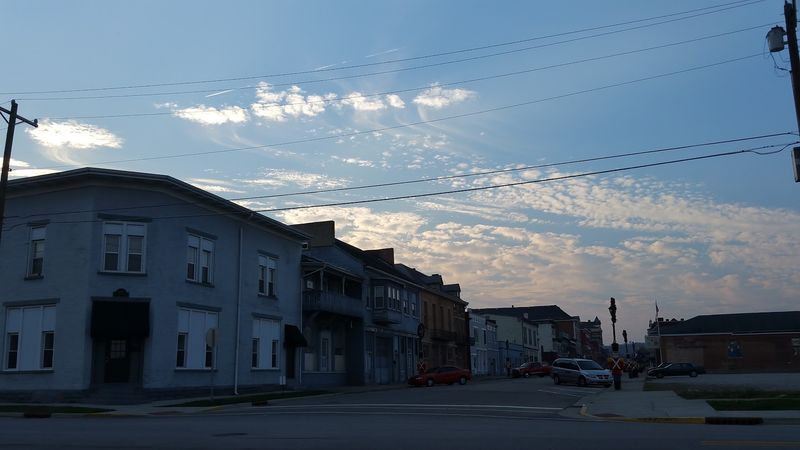
The title promise is simple: arrive, park, and leave the keys alone. A town of this size makes that realistic, since the central area is compact.
Hoosier day-trippers often judge a destination by how much stress it adds. Here, the stress stays low because there is no sprawling layout to decode.
Park near the center of town, pick a loose route, and let your feet do the work. Leave the return trip as the only time the engine runs.
Exact parking rules and any posted limits can differ from block to block, so read signs when you arrive. It takes a minute and avoids surprises.
Walking also changes the mood of a trip. Without a driving plan, the day stretches out, and a slow pace becomes the main activity instead of a side effect.
The Ohio River Backdrop
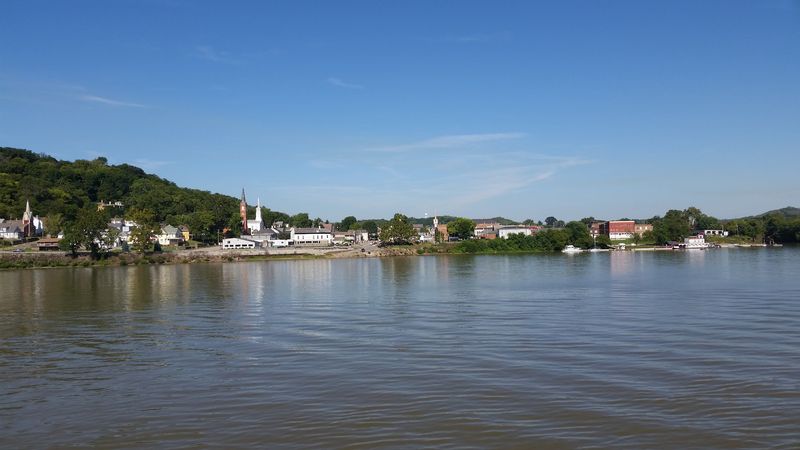
Few towns in Indiana can claim a riverfront setting this close to the state line. The Ohio River shapes the geography of this part of Dearborn County and gives the area its southern edge.
That setting is part of the reason a river city feels different from an inland crossroads. Streets and neighborhoods often follow the land as it meets the water.
For a walking day, the river gives a natural reference point. If you ever lose track of direction, the water tells you where south is.
Details about specific riverfront paths, overlooks, or access points are best confirmed with the city website before the trip. Conditions along the river can change with the seasons.
Still, even a short walk toward the water adds a breather to the day. It is an easy way to slow things down before heading back toward town.
Reading the Town on Foot
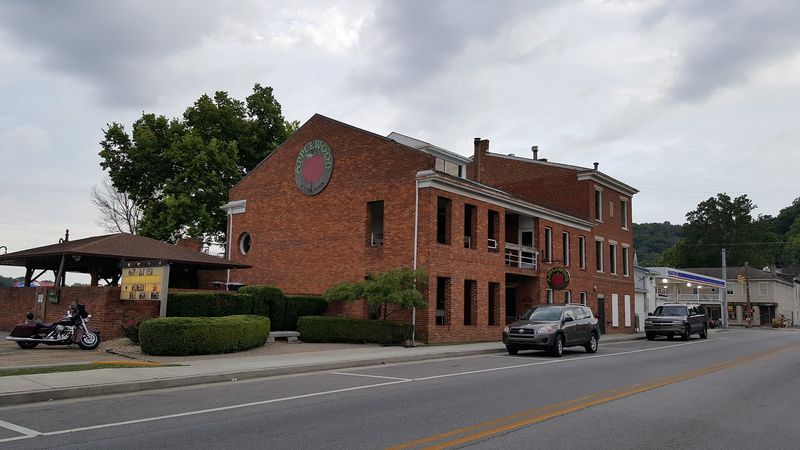
Walking is the best way to read a small town, because the details sit at eye level. Building styles, signs, and front steps reveal more than a drive-through ever could.
Aurora rewards that kind of attention. A relaxed loop lets you notice how the streets connect and where the town settles into residential blocks.
Without a destination on a strict clock, the route can change as you go. A side street might look interesting, so follow it.
Keep a few practical habits in mind. Comfortable shoes, a water bottle, and a phone for photos cover most needs.
If a business or landmark catches your eye, check its posted hours on the door. Small-town schedules vary, and some places keep shorter days than visitors expect.
The goal is not to tick off a list. It is to let the town show itself at a human pace.
Dearborn County Neighbors
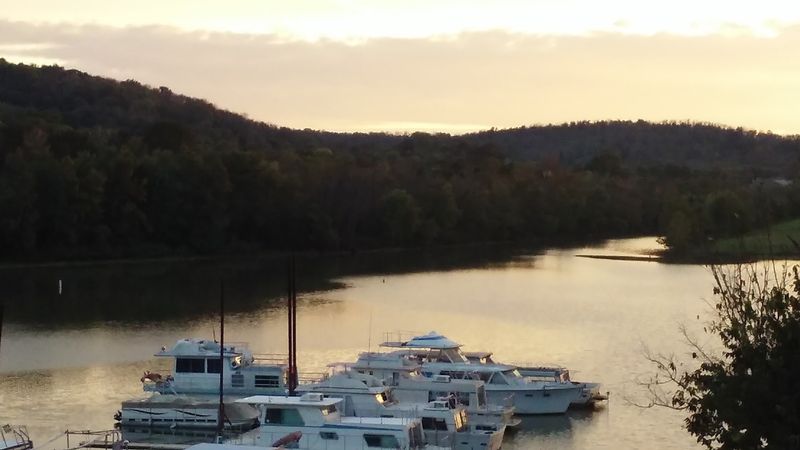
Aurora does not stand alone. It belongs to Dearborn County, a corner of Indiana with river views, rolling land, and several nearby communities.
That context helps with planning. A walking day in town can be one half of a larger weekend outing in the region.
Since this guide sticks to what is confirmed, the best advice is to start with the town and treat the surrounding county as optional bonus time.
Anyone planning a longer trip should look up neighboring attractions separately and confirm their hours. Seasonal schedules are common in this part of the state.
For now, the simple plan holds up. Spend the day on foot in town, then decide at sunset whether the rest of the county deserves another visit.
The Pace of a 3,479-Person Town
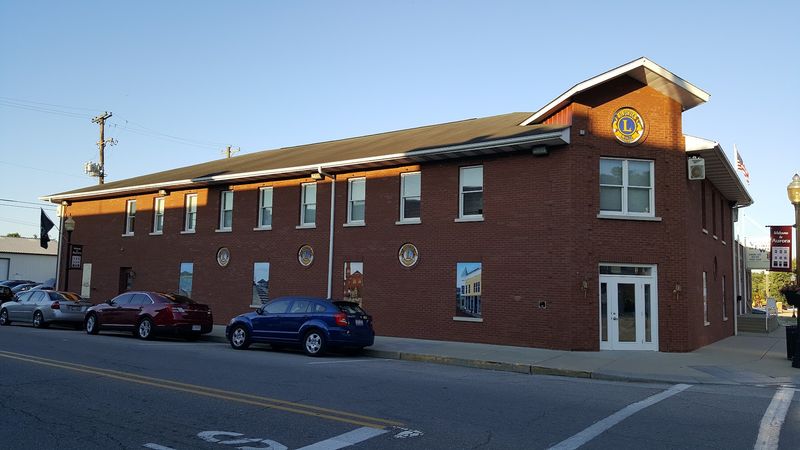
Numbers tell part of the story. The 2020 census counted 3,479 residents, and that figure sets the tone for everything here.
A town this small rarely feels rushed. Streets stay quiet, and the day moves at whatever speed you choose.
That scale suits people who like to wander without a plan. There is no pressure to hit a schedule or squeeze in a checklist.
It also suits families, friends, and solo travelers looking for a low-key day. The only real requirement is patience for a slower rhythm.
Residents here probably know the local streets better than any guidebook. A friendly question about the best route usually gets a helpful answer, so do not be shy about asking.
Planning a Lazy Day Loop
A good lazy day has a loose shape. Start in the morning near the center of town, walk a slow loop, and leave room for long pauses.
Midday is a natural time to sit down somewhere. Because this guide sticks to confirmed facts, check the town website or local listings for current businesses and their hours.
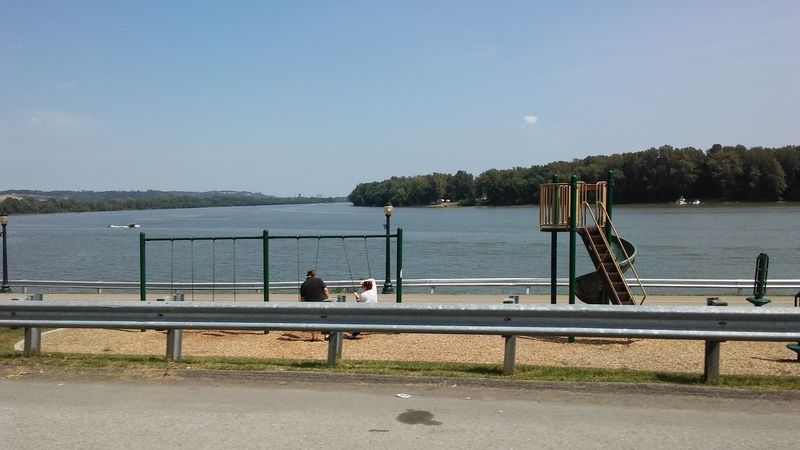
The afternoon can head toward the river, which gives the walk a clear direction. A bench and a quiet stretch of water make a simple finish.
Build in a buffer. Small towns sometimes surprise visitors with closed doors or shorter schedules, and a flexible plan absorbs that easily.
The best loop is the one you can change halfway through. If the weather turns or a side street looks promising, adjust and keep going.
Who Will Enjoy This Kind of Day
This is a town for people who enjoy the journey more than the checklist. Walkers, photographers, and anyone craving a quiet reset will feel at home.
Families can keep the pace easy, since distances in a small city stay manageable. Older travelers may appreciate the flexibility to rest whenever needed.
Hoosiers who like finding places overlooked by the crowds are a natural fit. The town offers the kind of bragging rights that start with the words most people do not know this place.
Visitors who want nonstop entertainment may find the pace too gentle. That is not a flaw, just a match question.
If the idea of a slow Saturday with no driving appeals, Aurora is worth the trip. Bring patience and curiosity and the rest tends to follow.
Best Seasons for Walking
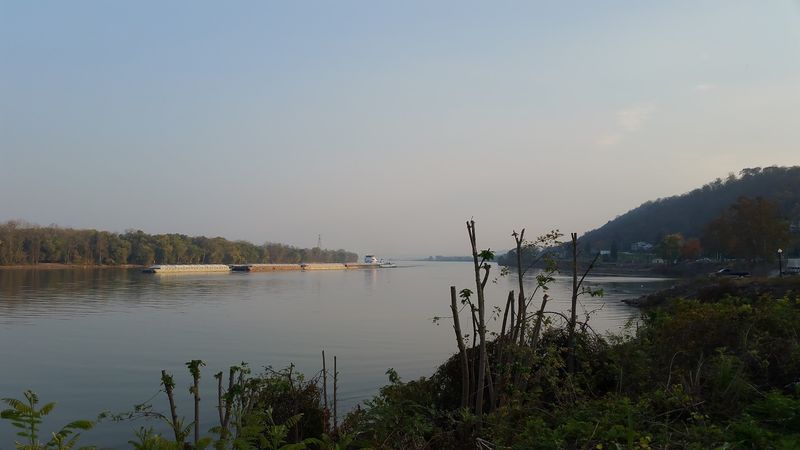
Indiana weather shapes any walking plan. Spring and fall tend to offer mild days, which suit long strolls in the Ohio River valley.
Summer can be warm and humid in this part of the state, so early starts and water bottles help. Winter days can be crisp, and a good coat turns a short loop into a pleasant outing.
Fall adds a bonus for Hoosiers who love harvest season. Colors in the surrounding countryside make a drive in worth the effort.
Check the forecast the morning of the trip. River towns sometimes see conditions shift quickly.
No season is wrong for the idea, but each one asks for different gear. Pack for the weather, and the day takes care of itself.
Getting There Without Stress
Reaching the town is a simple drive for many southeastern Hoosiers. The city sits in Dearborn County, near the Ohio River and the Kentucky border area.
Plug the town name into your map app and follow the directions. Since this guide avoids guesswork, confirm current routes and any road work before leaving.
The car matters only once, on the way in and the way out. After that, the day belongs to your feet.
Plan to arrive with a full tank and a charged phone. Services in small towns can be limited, and a little preparation pays off.
For questions about local services, the city website at aurora.in.us is the best place to start. It is more reliable than guessing at the door.
Practical Notes Before You Go
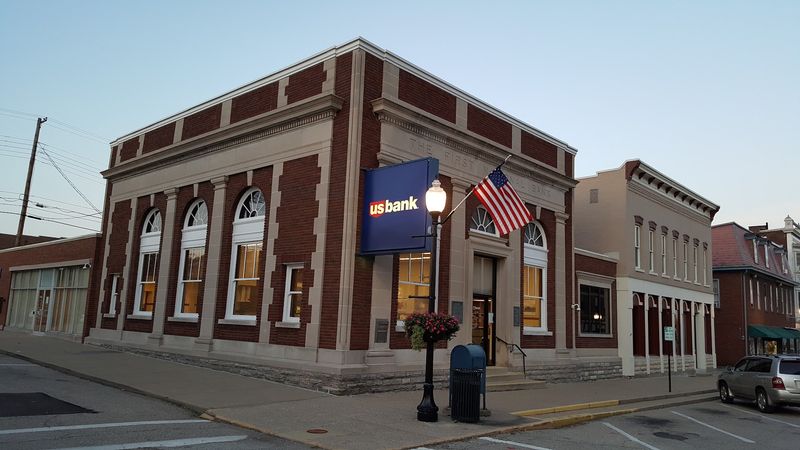
A few honest caveats keep the day smooth. Hours, prices, and availability for local businesses can change, so check before you go.
There is no admission fee for strolling public streets, though individual stops may have their own costs. Confirm details directly with each place.
Bring comfortable shoes, sun protection, and a light bag. Public facilities may be limited, so plan breaks accordingly.
The official city website, aurora.in.us, is the best source for current notices. It can answer questions about events and local services.
With those basics covered, there is little left to organize. The best part of the plan is leaving some of it open.
A Soft Verdict on the Slow Day
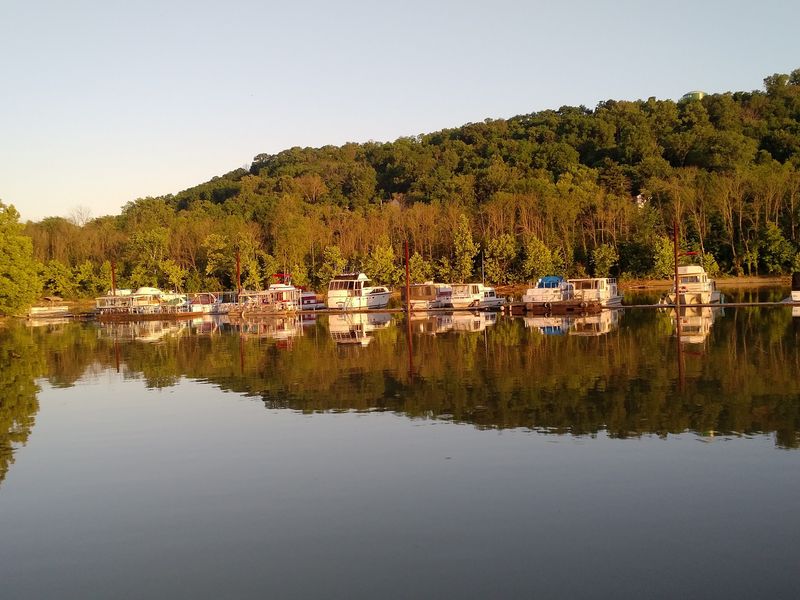
Some trips succeed because they ask very little. Aurora, in Dearborn County, Indiana, fits that mold for anyone who likes small places and slow days.
It is a modest city of 3,479 people on the Ohio River, and it does not pretend to be anything bigger. That honesty is part of the appeal.
Park once, walk a loose loop, and let the hours drift. The keys can stay in your pocket until the sun starts to set.
Hoosiers who enjoy overlooked corners of the state will find this one easy to recommend. Bring a friend, tag them later, and plan a return when the seasons change.
Sometimes the best day out is the one with nothing to rush toward.


