
Affiliate disclosure: As an Amazon Associate I earn from qualifying purchases. Learn more
Some people find this church by accident. A wrong turn on the west side of San Antonio, a quick glance out the car window, and suddenly the plans for the day change.
Built during the Great Depression with money sent in from donors all over the country, this Texas landmark later welcomed a pope and earned the rare title of basilica. It costs nothing to walk through the doors, and the story behind them is one most Texans have never heard.
Here is what makes this place worth the drive, from its relics and art to the best times to show up.
A National Shrine on Zarzamora Street
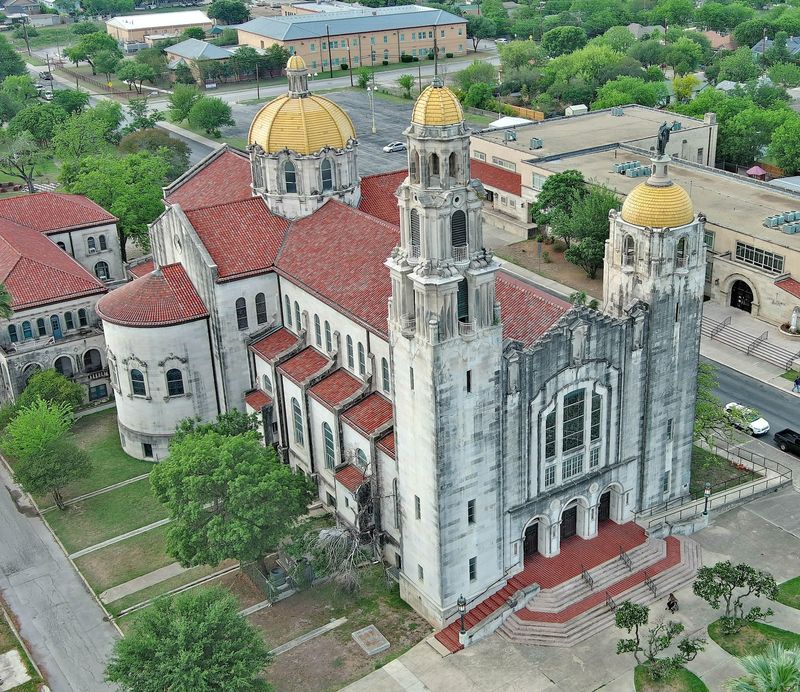
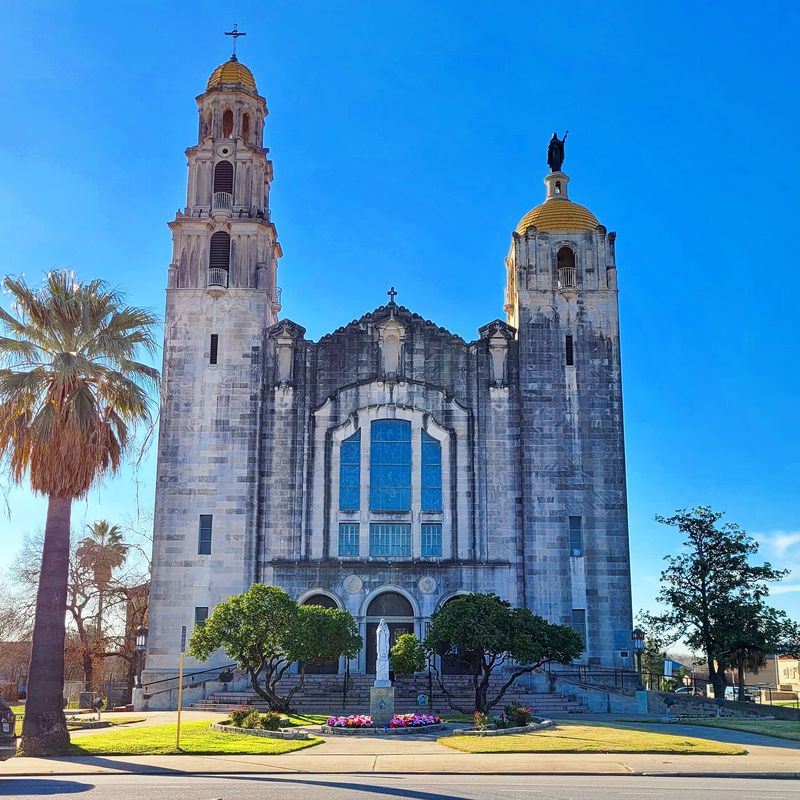
Not every national shrine sits on a busy city street in Texas, but this one does. The Basilica of the National Shrine of the Little Flower stands at 1715 N Zarzamora St, San Antonio, TX 78201, in the United States.
It is a Catholic church dedicated to St. Thérèse of Lisieux, the French saint known as the Little Flower. The building is large and tall, and its facade tends to catch the attention of drivers passing by.
Several people have found it by pure chance. One couple took a wrong turn and ended up calling the detour a lucky one, while another driver pulled over simply because the building looked too striking to skip.
The basilica sits west of downtown San Antonio. That makes it an easy add-on for road-trippers coming in from Austin, Houston or Dallas-Fort Worth who are already planning a day in the city.
Entry to the church is free. There is no ticket booth, no timed reservation and no admission line, which makes it one of the best-value historic stops in town.
So what exactly sets this church apart from the dozens of others in a city famous for its missions? The answer starts with a story that crosses borders.
Friars From Torreón and a Depression-Era Dream
The roots of this basilica reach south of the border. Carmelite friars from Torreón, Mexico, were invited to San Antonio by the city’s first archbishop, Arthur J.
Drossaerts.
Their road here was not smooth. The friars faced resistance in other places, including opposition in Oklahoma, before they found a home in Texas.
Construction began on February 22, 1926. That date came just a year after St. Thérèse was declared a saint by Pope Pius XI at St. Peter’s Basilica in Rome.
Then came the hard part. The country slid into the Great Depression, yet the work kept going, and the church was completed in 1931.
Funding came from donors nationwide who sent what they could during some of the toughest years in American history. Their generosity is still visible inside, which gets its own spotlight a little later.
For Texans who love an underdog story, this one checks every box. A small group of friars, a struggling economy and a stubborn faith added up to a landmark that has now stood for more than 90 years.
The Day a Pope Came to Town
September 13, 1987, is a big date in San Antonio history. Pope John Paul II visited the city as part of a larger tour of the United States.
During that trip, he celebrated an outdoor Mass on the northwest side of town. The crowd is estimated at around 350,000 people, making it the largest Mass in Texas history.
His visit also included a stop at the Shrine of the Little Flower. It remains the first and only time a pope has come to San Antonio.
The story did not end there. On August 27, 1998, the same pope elevated the shrine to the rank of basilica.
That title is not handed out casually. A basilica designation marks a church as having special importance, and only a small number of churches in the country carry it.
So the building on Zarzamora Street holds two distinctions at once. It is a national shrine and a basilica, a pairing that gives this corner of San Antonio some serious bragging rights.
Texas pride, it turns out, has a papal seal of approval here.
Altar, Glass and Grand Proportions
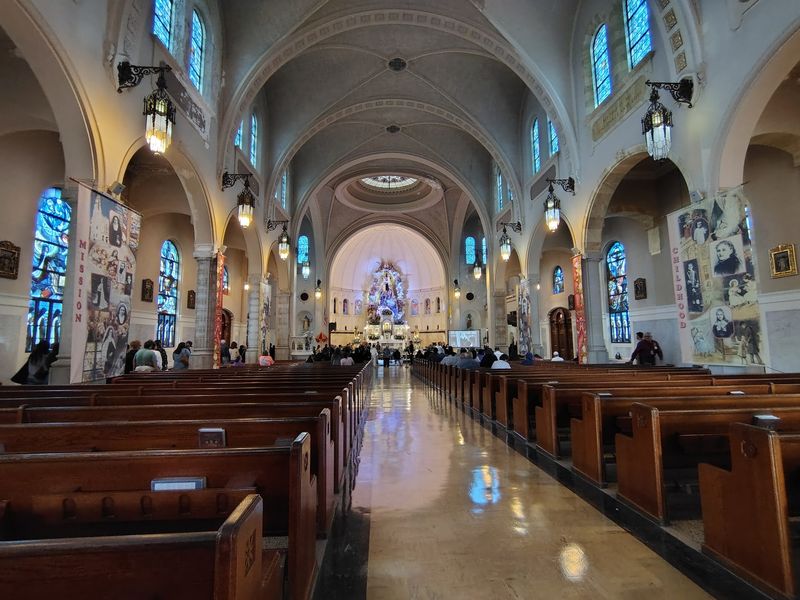
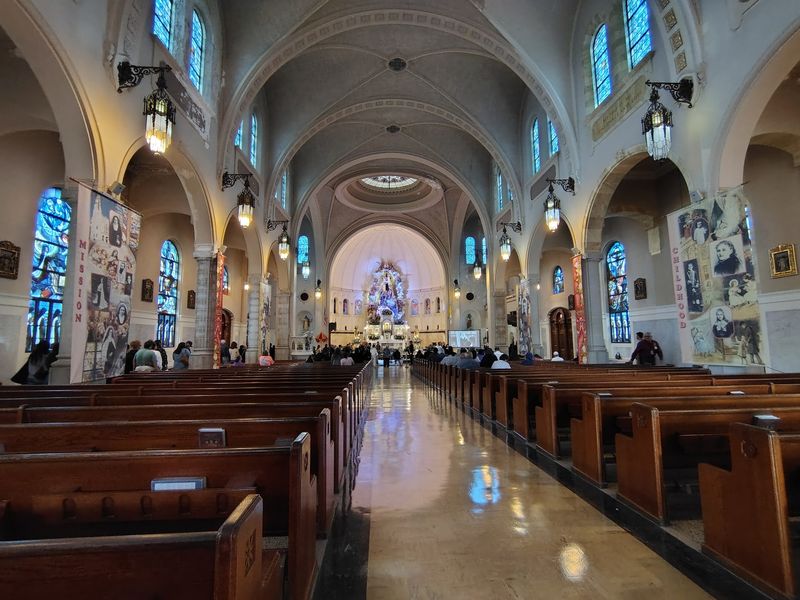
Here is where the headline earns its keep. The moment people walk in, the scale of the interior tends to stop them cold.
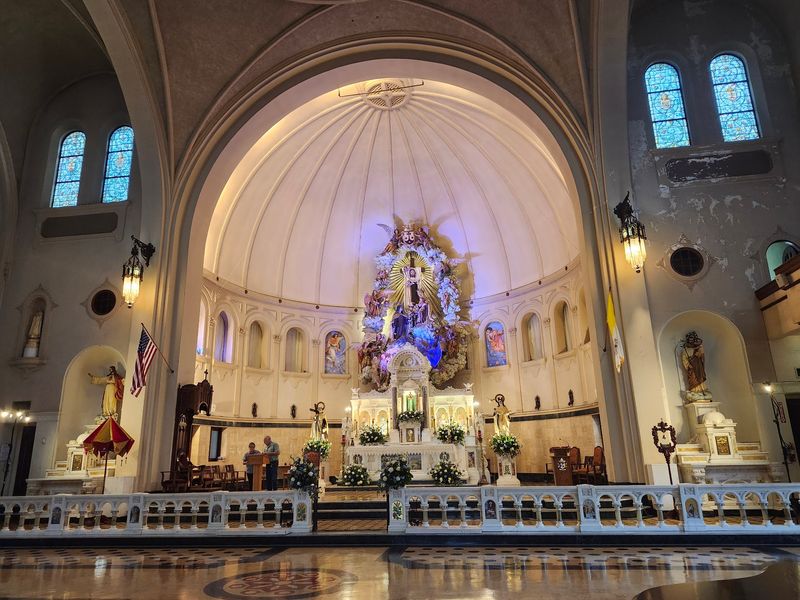
The basilica is large and tall, with an altar that draws the most attention. Art fills the space throughout, and the stained glass windows are a favorite detail for many guests.
Some who have toured the great churches of Spain say this one holds its own against them. That is a strong claim for a parish church in South Texas, but the architecture backs it up.
The church also needs some restoration, and it shows in places. Still, that wear does not seem to dim anyone’s appreciation for the design.
Look closely at the walls as well. Countless marble plaques line the interior, carrying the names of donors from across the nation whose gifts during the Depression helped build the church.
Those plaques turn a pretty building into a readable piece of history. Families can spend a few quiet minutes spotting names and hometowns, a small activity that makes the past feel personal.
Relics, Rings and Two Giant Portraits
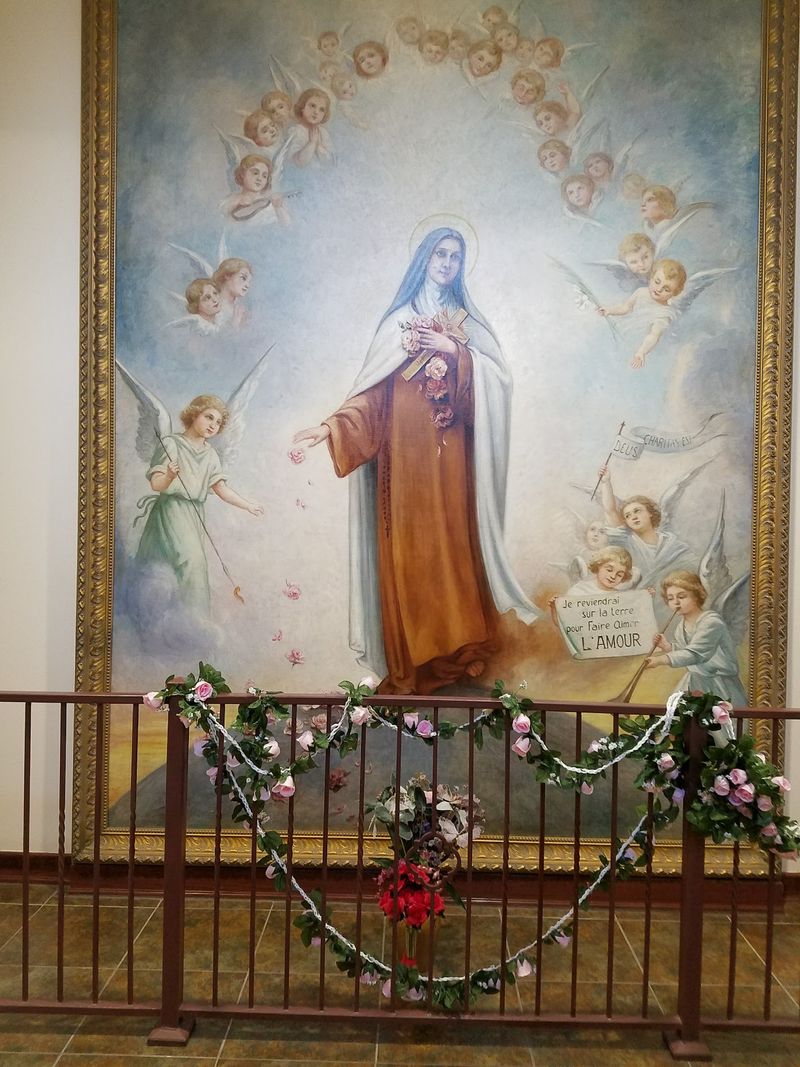
Few churches in Texas can claim a direct link to a saint’s own belongings. This basilica holds first-class relics of St. Thérèse of Lisieux.
They are kept in a chapel built as a replica of her tomb. One relic can be seen in a ring, and during some tours, a priest has allowed guests to venerate relics held in a silver and enamel reliquary.
The saint’s parents, Sts. Louis and Zélie Martin, have relics here too.
These are sometimes placed on display for veneration.
The basilica has also hosted a traveling reliquary of St. Thérèse. In 2025 that visit drew people who had not been back in years.
Art lovers have something to look for as well. Large paintings of St. Teresa of Ávila from Spain and St. Thérèse of Lisieux from France measure about 8 feet and 6 feet tall.
The St. Thérèse painting comes with a sweet backstory. Her own sister guided the artist on changes to the face so the likeness would be more accurate, a family touch that makes the portrait easy to remember.
Tours Worth Booking Ahead
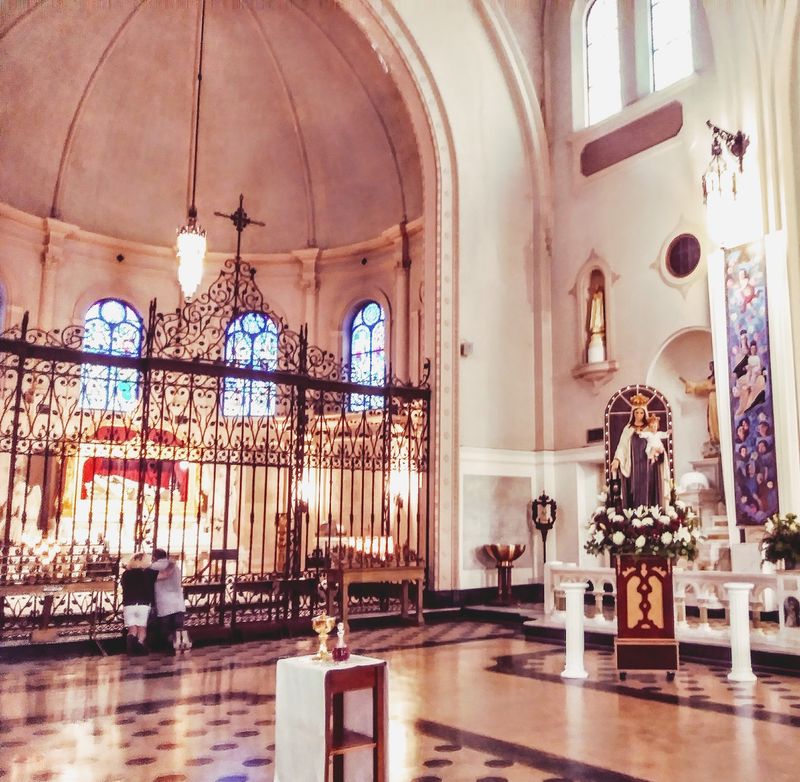
A quick walk-through is nice. A guided tour is better, and even lifelong San Antonians call it a must.
Tours are led by the secular Carmelite order connected to the basilica. They cover the history of the Carmelite nuns and friars, the founding story and the many hurdles the friars faced.
Some tours open spaces that are usually closed. The St. Elias chapel, for example, has been opened to the public during a tour.
That kind of access is a big part of the appeal. It turns a general visit into something closer to a behind-the-scenes look.
Tour schedules can change, so checking the basilica’s website at littleflowerbasilica.org before making the drive is a smart move. That way nobody arrives expecting a guide on a day without one.
For families, a tour can help kids connect the dots between the plaques, paintings and relics they see. A story told by a guide usually sticks better than a sign on a wall.
A Calm Corner for Mass and Quiet Prayer
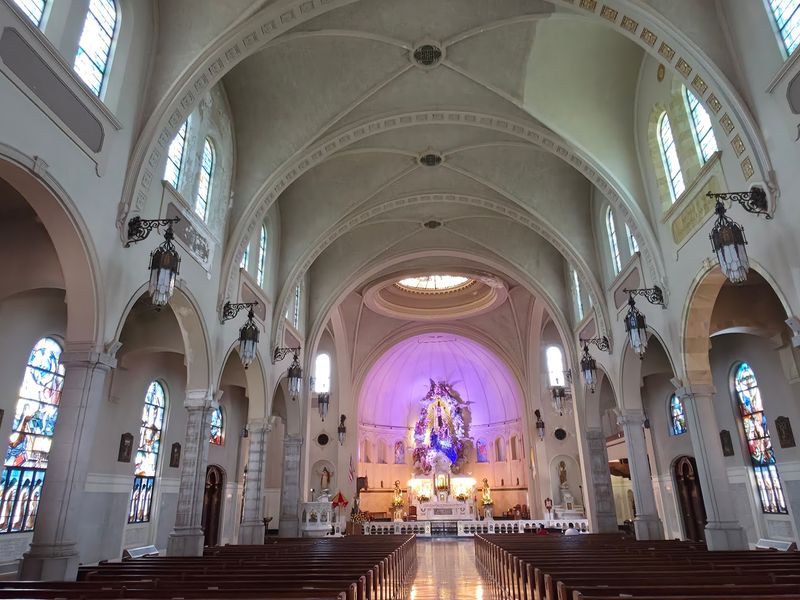
Plenty of people describe the basilica with one word: peaceful. Some call it the most serene place they have ever been.
The atmosphere suits Catholics making a pilgrimage, travelers looking for Sunday Mass and anyone who simply wants a calm break from the city.
Daily and weekend Masses draw guests from out of town, and the priest and choir are often singled out for praise. Confession is sometimes offered before Mass begins.
Those who prefer traditional practice will appreciate one detail. Communion can be received at the communion rail, either kneeling or standing.
Crowds vary a lot. Some Sundays feel full, while other times the church may be nearly empty, which can make for quiet prayer.
Special days bring their own energy. The feast and birthday of St. Thérèse draw pilgrims, and family celebrations like quinceañeras happen here too.
Military families have stopped in after basic training graduations at nearby Lackland, adding the basilica to a proud day in San Antonio.
Gift Shop Finds and Practical Timing
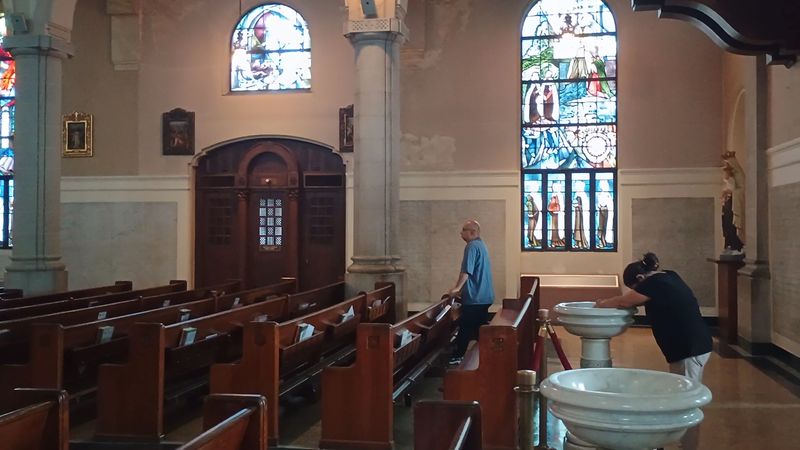
Timing matters here more than at most attractions. The church is generally open about 30 minutes before and after Mass, so planning around the schedule pays off.
Listed hours run Monday 11:30 am to 1 pm and Tuesday 11:30 am to 1 pm plus 6 to 7 pm. Wednesday through Friday the hours are 10 am to 1 pm.
Saturday is the longest day, from 10 am to 6:30 pm. Sunday runs 7:30 am to 1:30 pm, then 5 to 7 pm.
Hours can shift for holidays and events, so a quick look at the website is wise before a long drive.
Behind the basilica sits the Little Flower Gift Shop. It carries books, medals, rosaries and items for all ages, and staff are known for being helpful and informative.
One handy perk is free holy water for any bottle. A stained glass St. Thérèse holy water bottle and bookmarks with a rose petal make thoughtful souvenirs for folks back home.
Why the Detour Pays Off
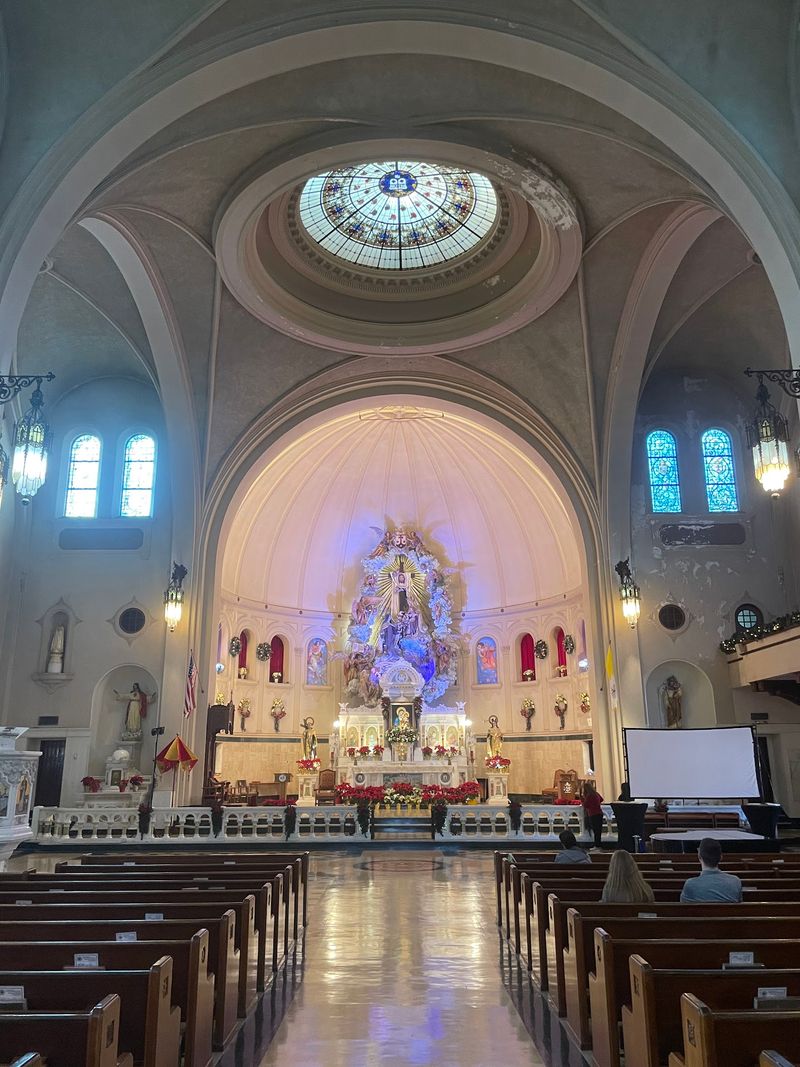
Free admission, a pope’s visit and relics of a beloved saint make a strong case on their own. Add a Depression-era backstory, and this stop starts to feel like a secret worth sharing.
The basilica is also looking ahead. A Historic Master Plan of Preservation began in 2022, and fundraising continues to help restore the building.
Donations are welcome but never required to visit. Many who leave inspired choose to give, joining a tradition that started with those nationwide donors nearly a century ago.
Plan around Mass times or a guided tour for the fullest experience. Allow time for the gift shop and the marble plaques, and keep the visit respectful since this is an active parish.
For Texans heading to San Antonio for the River Walk or the missions, a short trip to Zarzamora Street adds a different layer. It is a reminder that some of the state’s most remarkable places are not the ones on every postcard.
Plenty of people arrive by accident. Most leave planning their next visit on purpose.


