
Affiliate disclosure: As an Amazon Associate I earn from qualifying purchases. Learn more
Some picnic spots come with a nice tree for shade. This one comes with a volcano.
In the far northern corner of California, there is a small lake where you can unfold a blanket on the shore, open a cooler, and look straight up at a peak that last erupted about a century ago. Families have been coming here for generations, often on the same summer week each year, and many Californians still remember their first glimpse of that mountain across the water.
The best part is that it does not take a fancy resort or a big budget to enjoy it. A park entrance fee, a packed lunch, and a full tank of gas can cover most of the day.
Keep reading to learn where it is, what makes it special, and how to plan a visit that feels easy and affordable.
A Lake at the Edge of Lassen
Tucked into the northwest corner of Lassen Volcanic National Park, Manzanita Lake sits in Northern California, USA. It lies near the park’s northwest entrance along Highway 89, east of Redding.
The lake is small enough to walk around in an afternoon. Even so, it is one of the most photographed spots in the whole park.
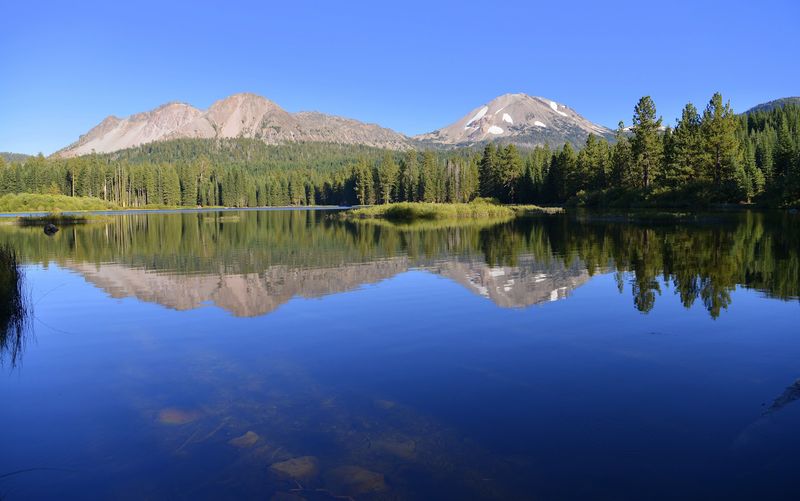
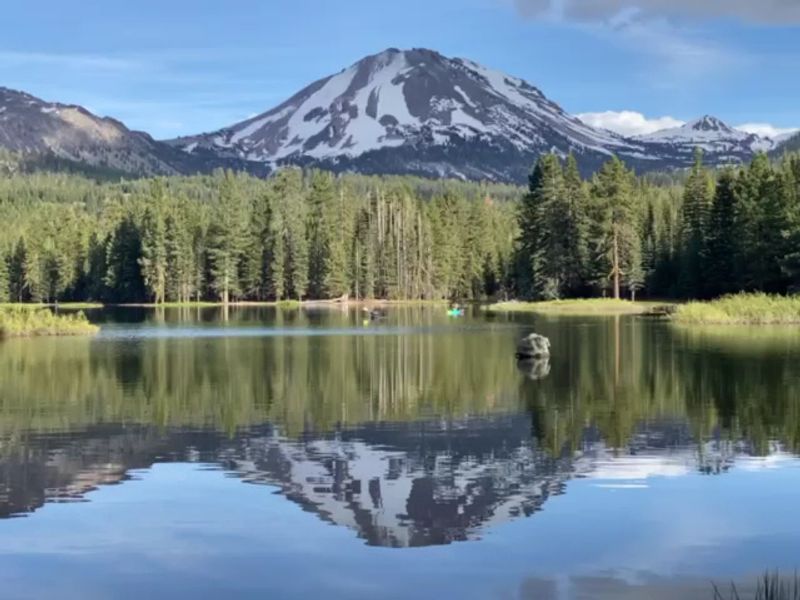
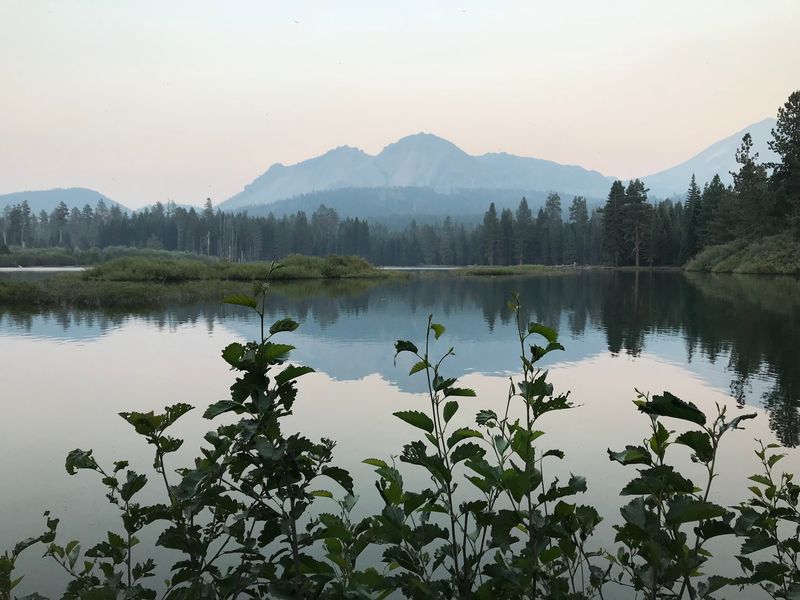
Much of that fame comes from the view. On a calm day, Lassen Peak rises above the far shore and often shows up mirrored in the water.
Lassen Volcanic National Park is one of the quieter national parks in the state. Many Californians drive past the exit for years without ever stopping.
That is part of the charm here. The lake offers a big-name view without the crowds you find at more famous parks farther south.
For travelers coming from the Sacramento Valley, the northwest entrance is often the most direct way in. The lake is one of the first major stops after you pass the entrance station.
That makes it an easy first taste of the park. It also makes it a handy spot to stretch your legs after a long drive north.
The Peak That Woke Up in 1914
Lassen Peak is not just a pretty backdrop. Starting in 1914, it began a series of eruptions that lasted for several years.
The biggest blasts came in 1915. Ash and debris spread across the surrounding land, and the activity drew national attention.
Congress set aside Lassen Volcanic National Park in 1916. The recent eruptions helped make the case for protecting the area.
For decades, Lassen was often described as one of the few volcanoes in the lower 48 states to erupt in the 20th century. Mount St. Helens later joined that short list in 1980.
Today, the peak is quiet. Scientists still keep an eye on the region, since it remains volcanically active underground.
Knowing that history changes how the view looks from a picnic table. The calm mountain in your photos has a lively past.
Many families who visit share that story with kids on the drive up. It turns a simple lake stop into a living history lesson.
Chaos Crags Next Door
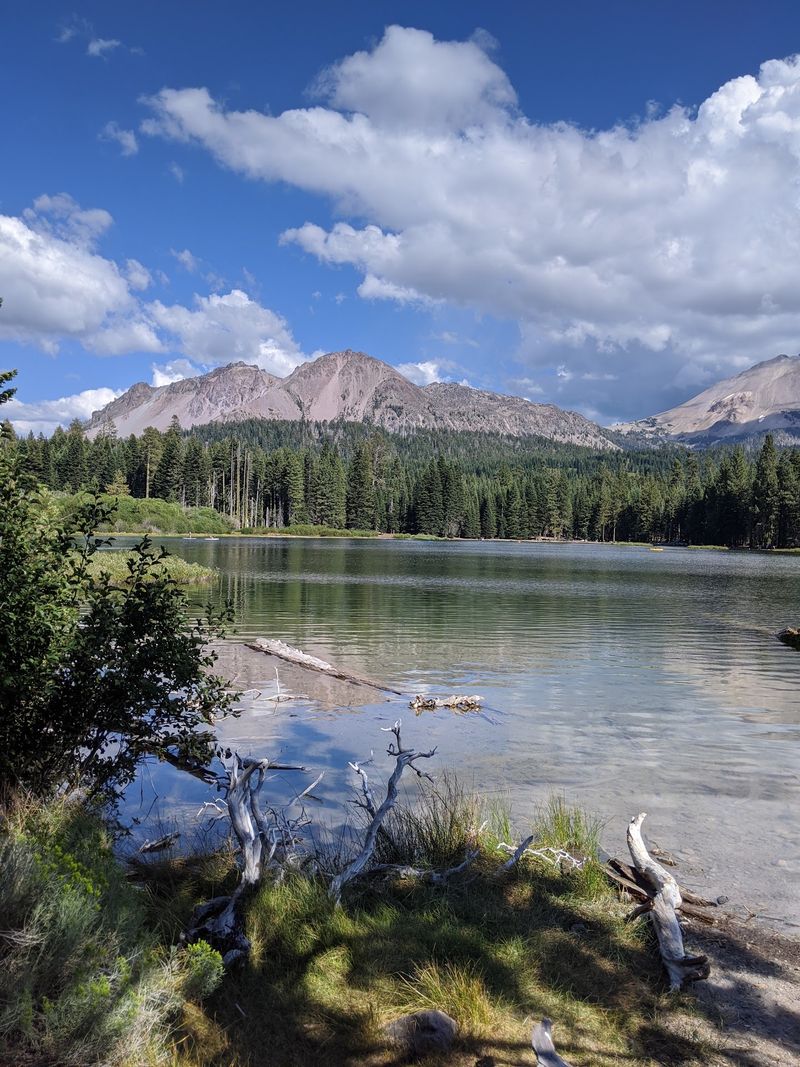
Lassen Peak gets most of the attention, but it is not the only volcanic feature near the lake. Just to the south stand the Chaos Crags, a group of jagged lava domes.
The crags formed long before the 1915 eruptions. Their rugged shape stands out against the gentler forest around them.
Below them lies an area known as Chaos Jumbles. It is a wide field of rock left behind by a large rockfall from the crags.
Geologists believe that rockfall may have played a role in shaping the lake itself. Debris helped block Manzanita Creek, which led to water pooling into the basin.
That detail makes the lake a direct product of volcanic activity. The scenery here is not just near the volcanoes, it was built by them.
A short drive or walk can take you past parts of the Chaos Jumbles. The terrain looks different from much of the forest you passed on the way in.
Bring a camera and a little curiosity. This corner of the park rewards anyone who looks beyond the obvious postcard view.
The Famous Mirror View
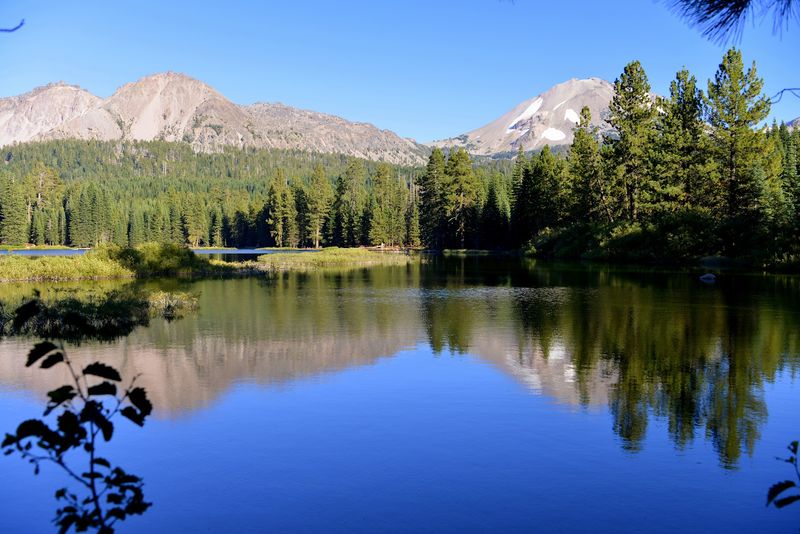
Ask park fans for their favorite photo spot, and many will name the same place. The reflection of Lassen Peak on Manzanita Lake is a classic.
The trick is timing. Mornings often bring calmer water, before afternoon breezes ripple the surface.
Early summer can add bonus drama. Snow often lingers on the upper slopes of the peak well into the warm season.
Photographers tend to gather along the eastern and northern shores for the clearest line of sight. Several spots along the loop trail work well.
Sunset can also be rewarding. Late light on the peak gives a different look from the midday view.
Phones do a fine job here, so no fancy gear is required. A simple tripod can help in low light, though.
Plan to take more pictures than you think. The view tends to change from hour to hour, and it is hard to stop at just one.
An Easy Loop Around the Shore
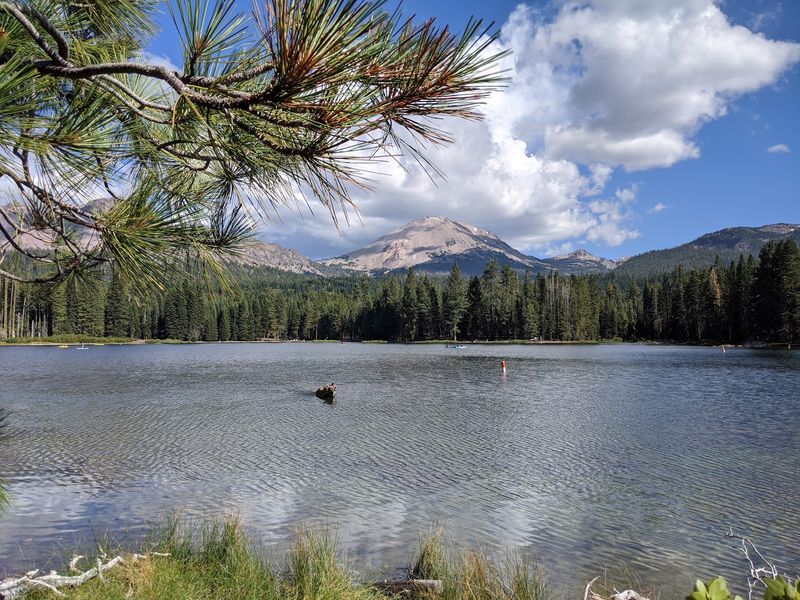
Not every hike in a volcanic park has to climb a volcano. The Manzanita Lake loop trail stays fairly flat and runs about 1.5 to 1.8 miles around the water.
That makes it a good fit for kids, grandparents, and anyone who wants scenery without a workout.
The path winds through forest and along the shoreline. Several openings frame the peak across the lake.
Most people finish the loop in about an hour. Many take longer because they stop often for photos.
Benches and small clearings give spots to rest along the way. Some families plan their picnic around the halfway point.
Sturdy shoes are still a smart idea. Parts of the trail can have roots, rocks, or soft ground, depending on the season.
Distances are approximate and conditions may vary, so check at the visitor center before you start. A quick look at a trail map keeps the walk easy.
Paddles, Kayaks, and Quiet Water
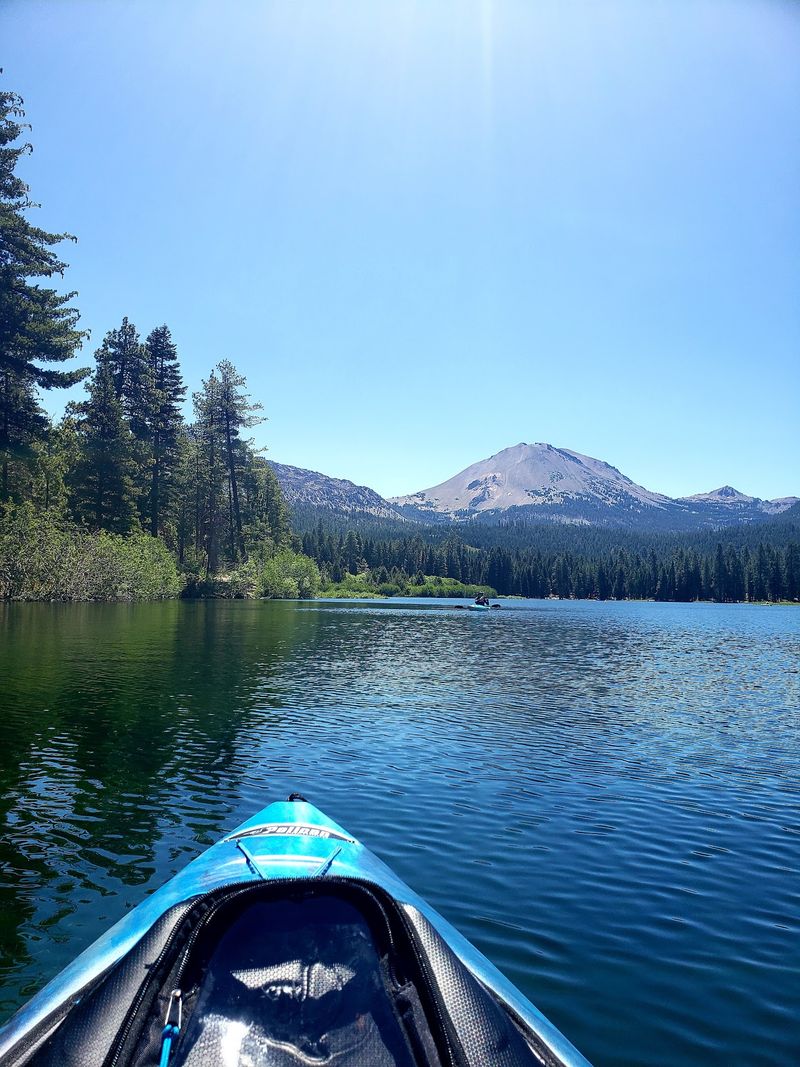
Motorboats are not allowed on Manzanita Lake. That rule keeps the water calm for paddlers.
Kayaks, canoes, and paddleboards are common sights on summer days. Some people bring their own on roof racks.
Rentals have been available seasonally near the camper store. Availability and prices can change from year to year, so it is worth checking ahead.
Paddling out to the middle of the lake gives a different angle on the peak. It also gets you away from the busier shoreline.
The lake is small, so even beginners can manage a short trip. Calm mornings tend to be the easiest time to head out.
Life jackets are a must, especially for kids. Park rules on boating may change, so look for posted notices at the launch.
Once the boats are back on shore, the picnic blanket is waiting. It is a simple routine many families repeat summer after summer.
Rules of the Fishing Line
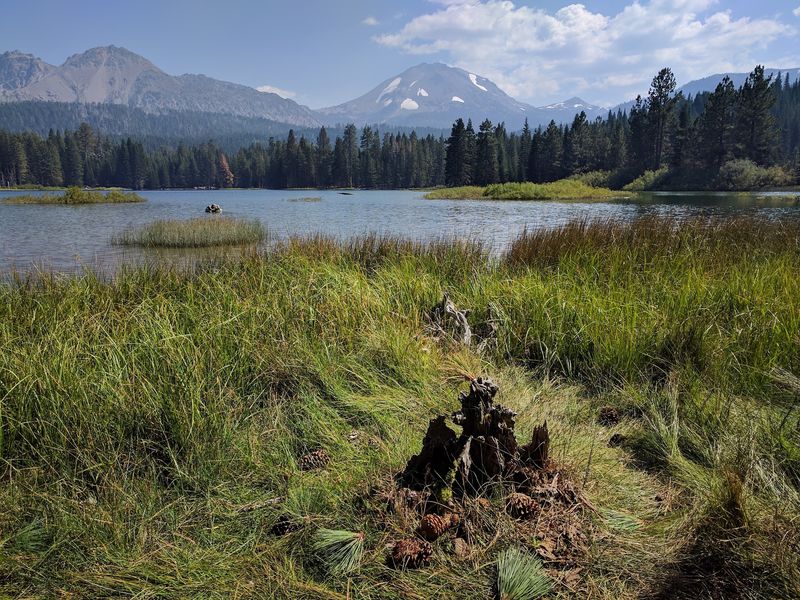
Anglers have a special reason to love this lake. Manzanita Lake is known for catch-and-release trout fishing.
The lake has rules that are stricter than many California waters. They have included artificial lures with single, barbless hooks.
Fly fishing is popular here, and float tubes are a common sight. Shore fishing works too, though access varies around the lake.
A valid California fishing license is required for anglers of license age. Regulations can change, so check current park and state rules before casting.
Catch-and-release fishing means you will not be taking dinner home. The reward is the challenge and the scenery.
Early morning and evening tend to be the busiest times for anglers. Midday often brings more paddlers and swimmers to the water.
For many longtime fans, the first cast of the season is a tradition. It is one more reason this small lake keeps pulling people back.
Where the Picnic Blankets Land
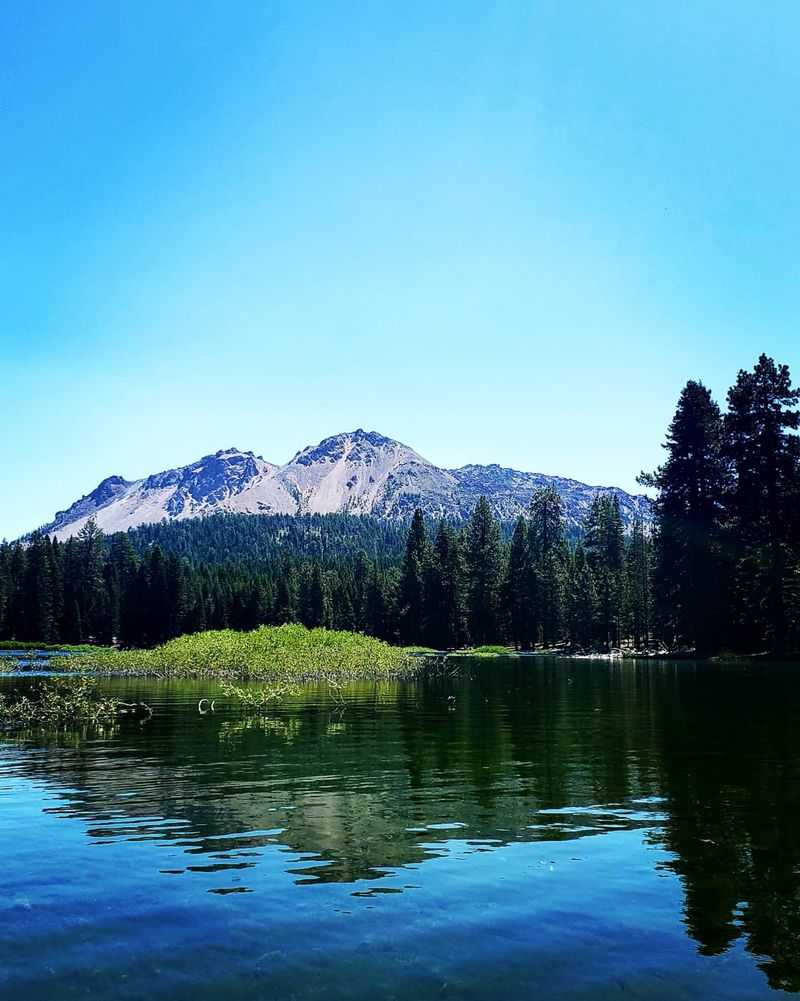
The headline promise is true. You really can spread a blanket on the shore with a volcano behind you.
Picnic areas near the lake offer tables and space to settle in. Many people also find open spots along the shoreline trail.
Arriving earlier in the day helps on summer weekends. Prime spots with a clear peak view tend to fill up.
Bring your own food and water, since options inside the park are limited. A cooler packed at home can save real money.
Pack out all trash, and keep food stored properly. Wildlife, including bears, live in the park, and rangers take food storage seriously.
Swimming is allowed in the lake, and some families take a quick dip on hot days. The water can stay cool even in summer.
A picnic here costs little beyond the park entry. For many California families, that value is a big part of the appeal.
Camping Under Pines and a Peak
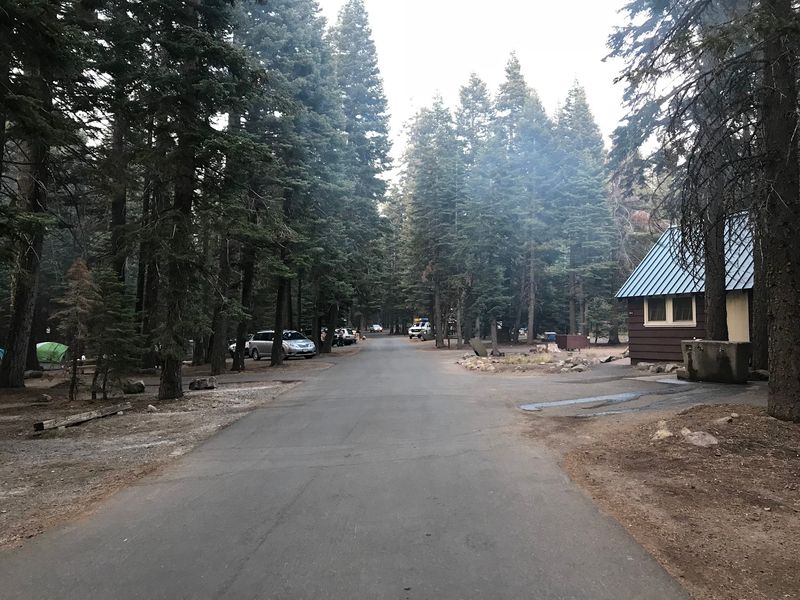
Day trips are great, but staying overnight is a favorite for many families. Manzanita Lake Campground is the largest campground in the park.
It offers sites for tents and RVs. Rustic camping cabins have also been available nearby, a handy option for people without gear.
Reservations are often needed in summer. Popular dates can book up well in advance.
Campground fees and cabin rates change over time. Check current prices through the official reservation system before you plan.
The camper store near the campground has carried basic supplies. Hours are seasonal, so do not count on it outside summer.
Many families return to the same loop or even the same site year after year. Those repeat trips become part of family history.
Morning coffee by the lake with the peak in view is a hard routine to beat. It is camping the old-fashioned way.
A Museum Named for a Photographer
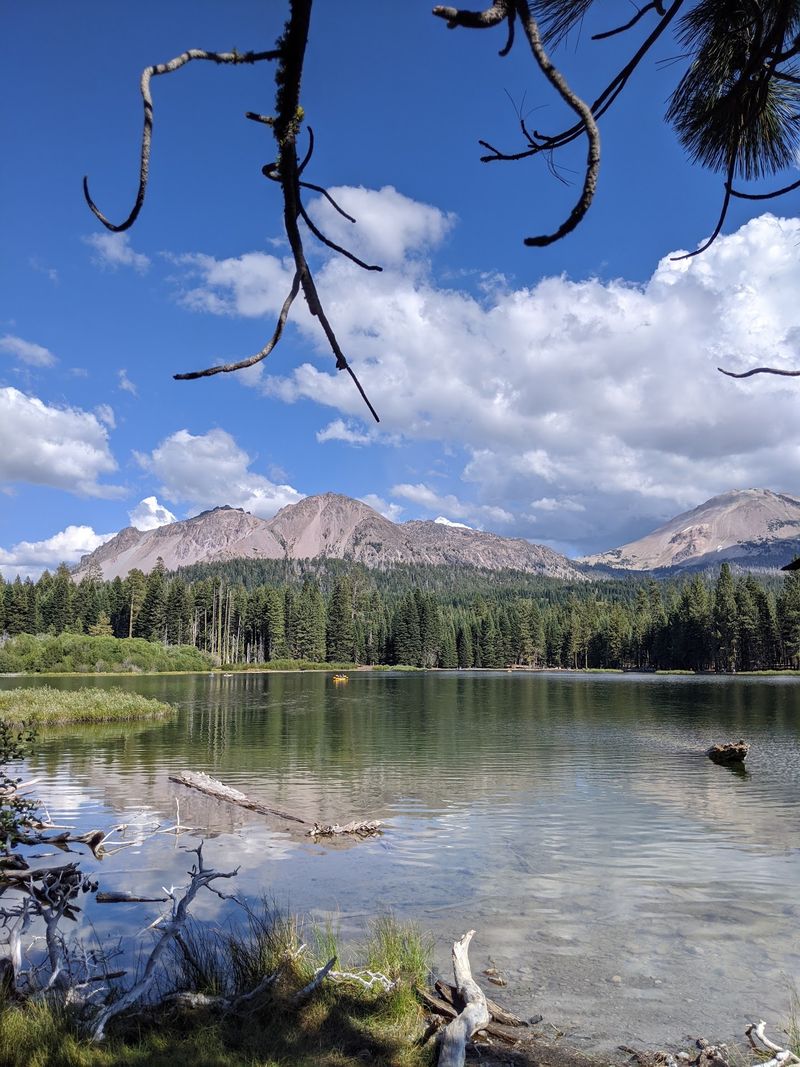
Close to the lake stands a stone building with a story. The Loomis Museum honors Benjamin Franklin Loomis, who photographed the Lassen eruptions.
His images captured the 1914 and 1915 activity. They remain some of the best records of that period.
Loomis also supported the push to protect the area as a national park. The museum carries his name for that reason.
Inside, exhibits cover the eruptions and the park’s history. Rangers have also offered programs here during the busy season.
The museum is typically open seasonally. Hours change, so it is smart to check the park website before you go.
A stop here adds depth to your lake visit. Those old photos make the quiet mountain outside seem even more remarkable.
For history fans, it may become the highlight of the day.
Summer Crowds and Off-Season Calm
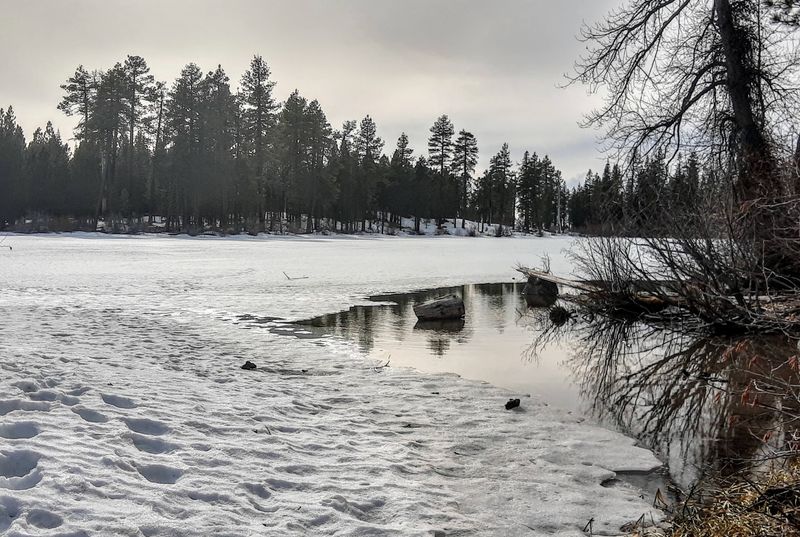
Timing shapes the whole experience here. Summer is the busiest season, with full campgrounds and open park services.
The main park highway often opens fully only after snow is cleared. That can take until late spring or early summer, depending on the winter.
The northwest entrance near the lake is often reachable earlier than higher parts of the park. Road status changes often, so check current conditions.
September can be a sweet spot. Crowds thin out, and the weather is often still pleasant.
Winter brings snow and a much quieter scene. Some services close, and access may be limited.
Families with school-age kids often aim for early or late summer. Weekdays usually bring fewer people than weekends.
No matter the month, the peak keeps its place above the water. Only the crowd size and the weather really change.
Fees, Roads, and Planning Notes
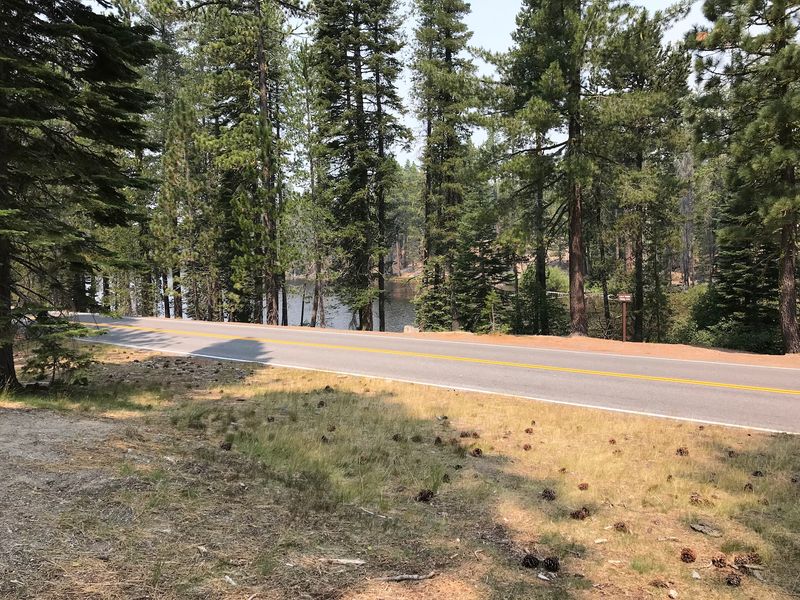
Practical details can make or break a trip. A vehicle entrance fee is charged at Lassen Volcanic National Park.
In recent years, the private vehicle fee has been around $30 for a seven-day pass, and it may be lower in winter. Prices can change, so confirm on the National Park Service website.
An annual America the Beautiful pass covers entry. Seniors often save the most with the lifetime senior pass.
From Redding, the drive to the northwest entrance usually takes about an hour via Highway 44. Gas up before you leave town, since stations near the park are limited.
Cell service can be spotty in the area. Download maps or bring a printed copy.
Restrooms are available near the lake and campground area. Pack sunscreen, layers, and plenty of water.
A little planning keeps the day relaxed. Then the only real decision is where to spread the blanket.
Why the Blanket Keeps Coming Back
Some places stay special because they never try too hard. Manzanita Lake is one of them.
There are no theme rides and no fancy resort. There is a lake, a forest, a trail, and a volcano that once made national news.
For older Californians, it often holds memories of family road trips and campfires. For younger families, it offers a chance to start new traditions.
The costs stay reasonable compared with many vacation spots in the state. A park pass and a packed lunch cover a full day.
Add a paddle, a short hike, or a stop at the museum, and the day fills itself.
Northern California has plenty of scenic corners. Few manage to pack this much history and view into one easy loop.
Bring the blanket, find a spot on the shore, and let the mountain do the rest.


