
Affiliate disclosure: As an Amazon Associate I earn from qualifying purchases. Learn more
Dallas has highways, skyscrapers, and plenty of traffic, yet one quiet corner of the city trades all of that for tulips, koi ponds, and wide views of a lake. Families have been coming back here since the 1990s, and some people plan whole seasons around its flower shows and pumpkin displays.
The grounds stretch across 66 acres, so there is far more to see than a quick stroll can cover. Keep reading to find out where this place is, what makes each season different, and the smart tips that help a visit go smoothly.
A Lakeside Escape On Garland Road

Big cities rarely hand over 66 acres to flowers, but Dallas did exactly that. The Dallas Arboretum and Botanical Garden sits at 8525 Garland Rd, Dallas, TX 75218, in the United States.
The garden rests on the shore of White Rock Lake in East Dallas. It works as both a botanical garden and an event venue, so the calendar stays busy with concerts, special exhibits, and classes.
That double role shapes the whole experience. One day might bring a quiet walk among seasonal beds, while another might feature a themed art installation scattered across the lawns.
The place has earned a strong following, with a 4.7-star standing built from more than 27,000 opinions online. Those numbers put it among the most loved outdoor spaces in the region.
Paved paths run through the property, and a large parking lot sits near the entrance. Tickets are sold at the booth, and online purchase is also available through the official website.
The setting feels surprisingly removed from the busy city around it. Office towers and freeways are only a short drive away, yet the grounds are laid out to keep attention on gardens, water, and open sky.
Getting oriented is the first step, and the lake turns out to be the real secret behind the layout.
White Rock Lake As The Backdrop

Water changes everything about a garden, and here it sets the tone from the first lookout. White Rock Lake borders the property, giving the grounds a wide, open backdrop.
Grand lawns slope toward the shoreline in several spots. These open lookouts balance the more enclosed garden rooms tucked elsewhere on the property.
Lake views come up again and again when people talk about this place. Shaded areas overlook the water, offering a spot to sit and take a break after a long loop.
The lake also gives the garden a sense of scale. Even on busy days, the open water keeps things from feeling cramped.
Photographers tend to gravitate toward these edges. A lawn, a line of trees, and the lake behind them make an easy composition without much effort.
Many people plan their route so they end near a lake view. It is a calm way to wrap up a few hours of walking before heading back to the car.
Of course, the water is only the frame, and the real show changes with the calendar.
Tulip Season Takes The Stage
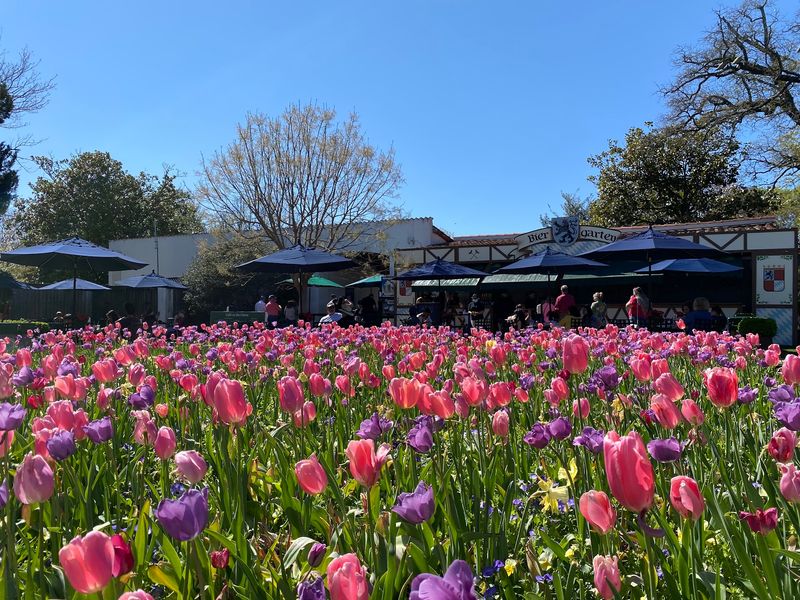
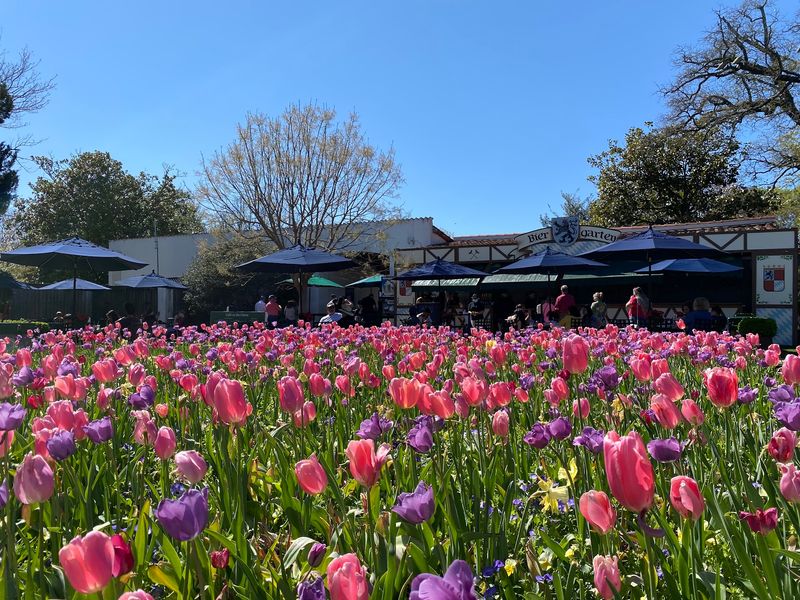
Spring here comes with a headcount, and tulips win by a wide margin. They rank among the most talked-about features of the entire garden.
Azaleas join the tulips during peak spring weeks. When both are in bloom together, the beds fill with color across large stretches of the grounds.
Timing matters a lot. Arriving too early can mean only a few tulips here and there, so checking the official schedule online before a trip is a smart move.
The spring displays draw a crowd, especially on weekends. Paths stay manageable, but the photo lines at popular beds can grow.
The scale of the planting is a big part of the appeal. The planning and timing behind these displays clearly takes serious dedication from the garden team.
Spring also brings a steady stream of portrait sessions. Graduates, expecting parents, and quinceañera groups often use the blooms as a backdrop.
Tulips may steal the spring headlines, yet autumn has its own orange-tinted answer waiting.
Pumpkins By The Thousands
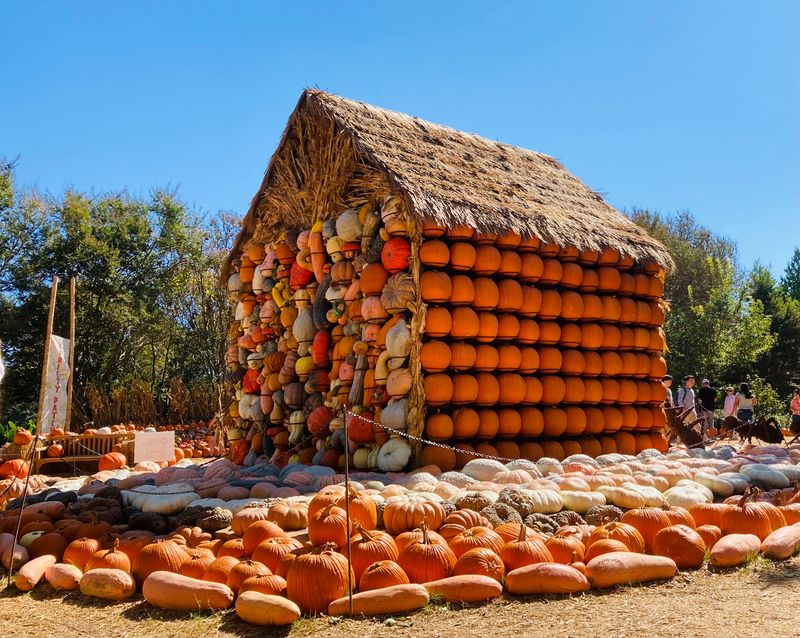
Here is a fun fact: pumpkins are the single most mentioned topic connected to this garden, outpacing even the tulips. That says plenty about how fall plays out here.
The autumn pumpkin patch and pumpkin displays turn parts of the grounds into a seasonal playground. Stacks and arrangements fill the spaces, creating backdrops that families return to year after year.
Kids tend to treat this season as the main event. Parents tend to treat it as the best photo opportunity of the year.
The fall setup ties into a broader pattern at the garden. Each season and holiday gets its own transformation, so the place rarely looks the same twice.
Members often time their visits around these changes. Spring flowers, fall displays, and holiday decorations all give a reason to come back.
Weekends in fall can get busy, so weekday visits help. Arriving early also helps with parking and quieter paths.
When the pumpkins finally retire for the year, the garden simply swaps costumes for winter.
Holiday Lights And A Christmas Village
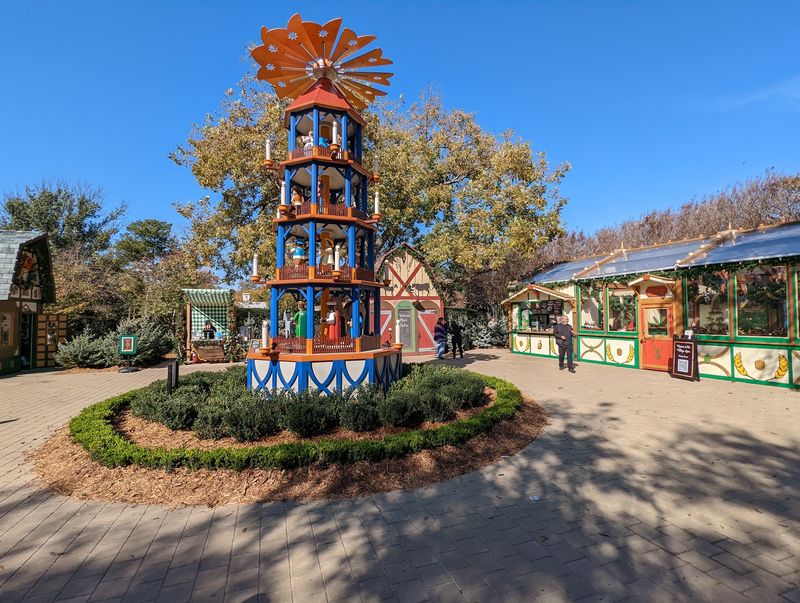
Winter does not mean a quiet off-season here. The garden rolls out a holiday installation, complete with a Christmas Village.
During the stretch when Santa appears, the village gets lively. After Christmas, the installation often stays up for a while, and the days just after the holiday tend to be calmer.
That quieter window can be a nice trade-off. The decorations remain, while the crowds thin out.
Holiday decorations are part of what keeps members coming throughout the year. They give the grounds a different personality once the blooms slow down.
Membership is a popular gift around this season, too. An annual pass makes sense for anyone likely to return more than a couple of times a year.
Winter also has an indoor surprise in some years. An orchid display, sometimes paired with live piano music, offers a calm stop when outdoor beds are between seasons.
The decorations eventually come down, but some of the garden’s most famous features stay put all year long.
The Crape Myrtle Allee And Other Tree Stars

Some trees earn a name on the map, and the Crape Myrtle Allee is one of them. The walkway forms a tunnel of crape myrtles that many people seek out on purpose.
The allee is a favorite with photographers. Its arched shape creates a natural frame for portraits and wide shots.
A giant ginkgo tree offers another standout canopy on the grounds. Maple trees add a shady retreat nearby.
Oakleaf hydrangeas bloom in abundance during late spring. They pop up around many corners of the property.
Trees matter here more than a quick glance suggests. They create the shade that makes Texas summers more manageable and divide the grounds into distinct spaces.
Hidden trails beneath the canopy are a draw for anyone who likes a quieter route. These shaded paths feel set apart from the busier lawns.
After the trees comes another crowd-pleaser, one that involves fish, falls, and a lot of splashing.
Koi Ponds, Waterfalls, And Sculptures

Kids on a field trip will happily point out every fish, and the ponds give them plenty to count. Koi ponds appear in several areas of the garden.
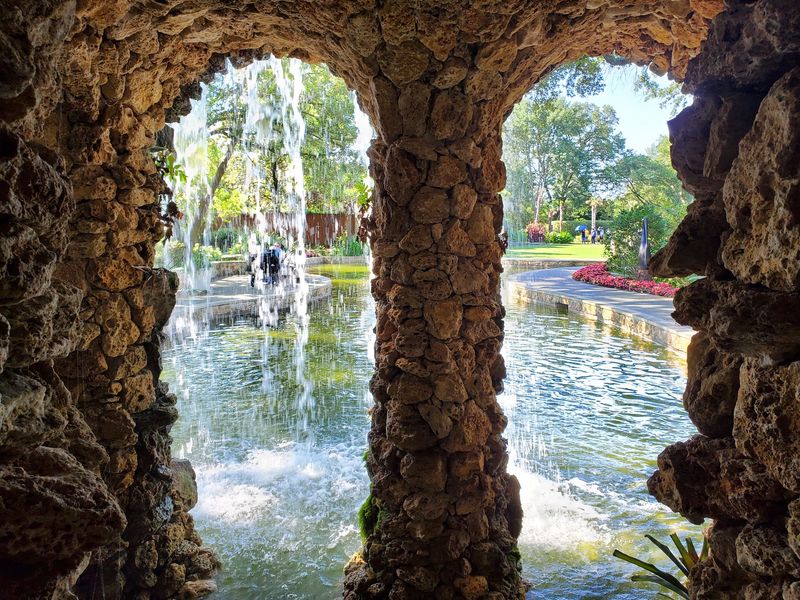
Waterfalls and other water features are spread across the grounds. They break up the flower beds and give the paths natural stopping points.
Sculptures join the mix, too. Art pieces appear among the plantings, adding interest beyond the plants themselves.
Special exhibits sometimes take this idea further. The Hunt Slonem exhibit, for example, placed giant rabbits, butterflies, and toucans throughout the gardens as artful surprises.
Those themed installations are a big reason the grounds feel fresh on repeat trips. A familiar path can look new when a large sculpture appears around a bend.
The water features are also popular spots to pause. Benches and seating areas sit nearby in many places.
Art and water keep the grown-ups busy, though the younger crowd has a whole section of its own.
Room For Little Explorers
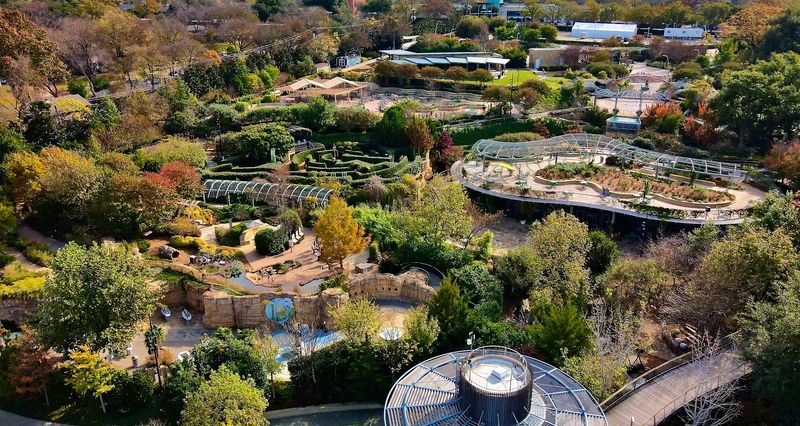
Kids rarely want to look at flowers for three hours, and the garden seems to know it. A children’s area is built for curious minds of all ages.
A playground gives younger guests a place to burn off energy. Open lawns offer plenty of space to run between garden sections.
Field trips are common, and it is easy to see why. Fish ponds, waterfalls, and greenery hold attention well.
The overall layout helps families, too. Grounds are structured so kids can enjoy themselves without the visit feeling chaotic.
Paved paths make strollers manageable across the property. The large size also means plenty of walking, so little legs may need breaks.
Families with grandparents in tow have a smooth time as well. Benches and shaded seating give everyone a breather.
Keeping kids happy is one goal, but plenty of people come here for a very different reason: a historic house.
Inside The DeGolyer Mansion
Gardens are not the only attraction with a past on these grounds. The historic DeGolyer Mansion offers a self-guided tour.
The house adds a layer of history to an otherwise outdoor outing. Many people find it a welcome change of pace between garden loops.
A self-guided format means guests can move at their own speed. There is no need to wait for a group or stick to a fixed schedule.
The mansion fits naturally into a longer visit. Combine it with the lawns, ponds, and seasonal beds for a well-rounded day.
It also suits anyone who enjoys design. The garden as a whole feels thoughtfully planned, and the house reflects that same attention to detail.
Weddings and special events often take place on the property as well. The setting has a reputation for being well suited to big occasions.
History and celebrations aside, the quieter moments might be the garden’s greatest strength.
Quiet Corners And Camera-Ready Spots
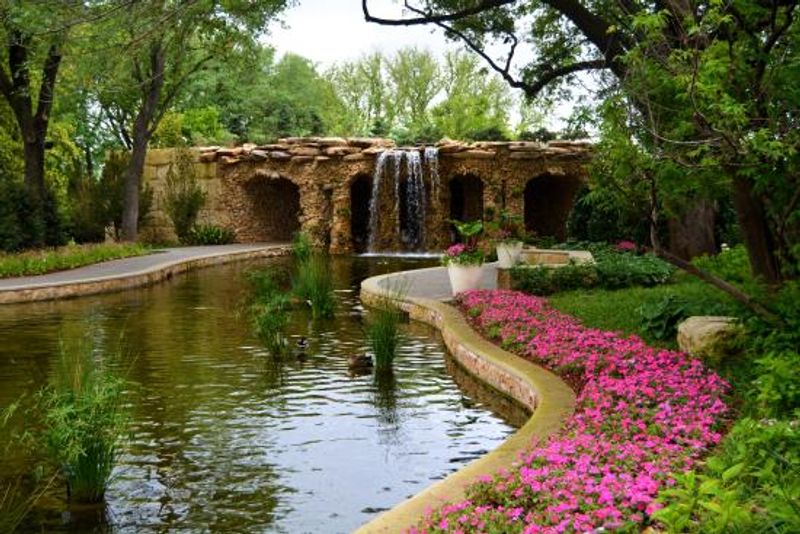
Calm is a big selling point here. Peaceful atmosphere ranks among the most mentioned qualities of the garden.
The layout offers many areas for private walking and thinking. Small hidden spots let people find a pocket to themselves, even on busier days.
The grounds stay clean and well cared for. Many regulars point to that upkeep as one of the reasons the place feels so restful.
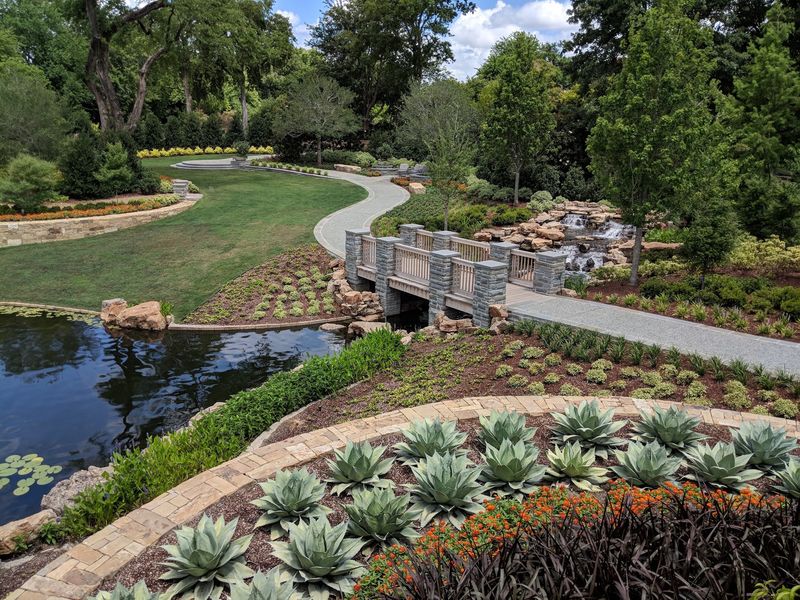
Photo opportunities are another major draw. Nearly every corner works for a picture, which keeps cameras busy all day.
The garden suits many kinds of outings. Solo resets, dates, and family afternoons all fit comfortably.
Picnics are a popular option, too. Bringing your own food and drink is allowed, and plenty of scenic places work for a lunch on the grass.
There are also a restaurant, a cantina, a grill, and drink stands scattered through the grounds for anyone who would rather not pack.
With the mood settled, it helps to know the practical details before heading out.
Hours, Tickets, And Smart Planning
Good news for flexible planners: the schedule is simple. The garden is open every day from 9 AM to 5 PM.
Tickets can be bought at the booth, but checking online first helps. The official website lists tickets and the current schedule of events.
Entry can feel a bit pricey to some. Even so, many consider it worth the cost, and a membership is a good deal for frequent guests.
Members should bring an ID. Staff ask to see it, and having it ready speeds up entry.
Weekdays are the best bet for space. Weekends can get crowded, especially during big seasonal shows.
Plan on two to three hours to see the highlights. Some people stay longer, especially when a special exhibit is running.
A large parking lot sits close to the entrance. That makes arrival straightforward, though peak days fill up fast.
Knowing the basics is half the battle, and the other half comes down to comfort.
Comfort Tips And A Gentle Verdict

Sixty-six acres add up to a lot of steps, so shoes matter more than outfits. Comfortable footwear is the top piece of advice from regulars.
Water, a hat, and bug spray are also smart picks. Dallas humidity can make summer afternoons uncomfortable, even with plenty of shade.
Mornings tend to be the better choice in warm months. Crowds are lighter, and the heat has not peaked yet.
Accessibility is solid overall. Paths are fully paved, so walkers, canes, and wheelchairs can get around fairly easily, though there are some elevation changes.
About 20 accessible parking spaces sit roughly 50 feet from the entrance. That short distance helps anyone with limited mobility.
So is it worth the trip? For anyone who enjoys gardens, seasonal color, or a calm break from city life, the answer leans strongly toward yes.
Each season brings a new reason to return, from tulips to pumpkins to holiday lights. Few places in Dallas make it this easy to lose track of time in the best possible way.


