
Affiliate disclosure: As an Amazon Associate I earn from qualifying purchases. Learn more
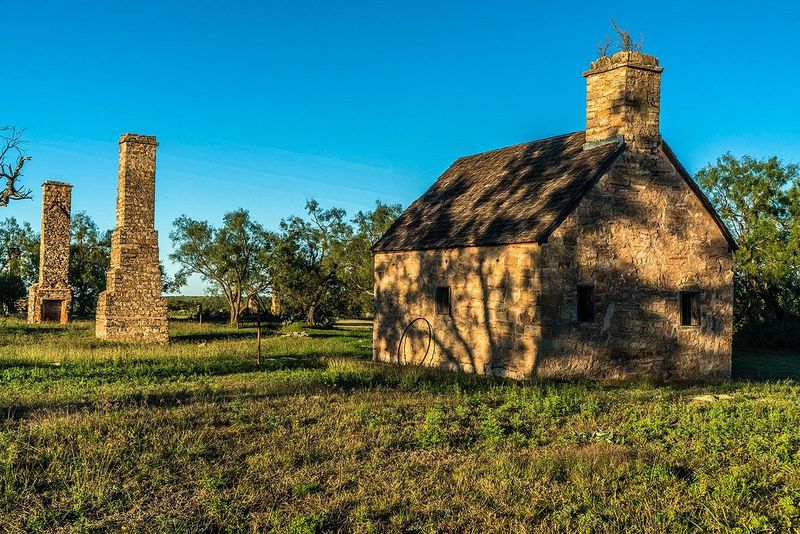
A handful of lonely stone chimneys stand in a West Texas field north of Abilene, and they have been standing there since the 1850s. There is no ticket booth, no gift shop and no guide waiting at the gate.
Most of the buildings vanished long ago, and the story of why is one of the wildest tales in the state’s frontier past. What remains is free, open every day of the week, and easy to reach on a road trip.
Families stop to stretch their legs, history fans linger for hours, and early risers come out just to watch the sun hit the old walls. Keep reading for the story behind the ruins, the trail, the best times to go and the gear that will save your ankles.
A Frontier Outpost Off FM600
Some road trip detours earn a spot in the family photo album, and this one tends to do exactly that.
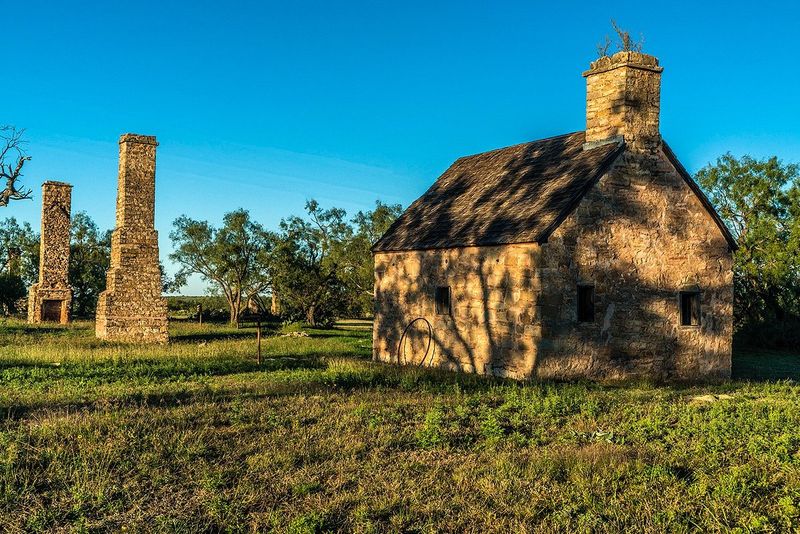
Historic Fort Phantom Hill sits at 10818 FM600, Abilene, TX 79601, in the rolling country of West Texas. The site is a modest 19th-century fort with historic buildings, including three original stone buildings that still stand today.
It is not far off the highway, which makes it an easy add-on for anyone passing through the Abilene area. Plenty of travelers treat it as a quick break from long hours behind the wheel.
The fort is classified as a historical place, and the grounds are set up for self-guided exploring. There is no staffed visitor center, so the experience is refreshingly simple.
Many people arrive knowing almost nothing about the spot. They often leave surprised by how much there is to see and how easy it is to find their way around.
Texas has bigger and flashier forts, but few feel this open and unpolished. That rawness is a big part of the charm.
For travelers who like being the one who found the cool stop nobody else mentioned, the fort makes a pretty convincing case right from the parking lot.
The Fire That Rewrote the Fort
Here is a twist worth the drive alone.
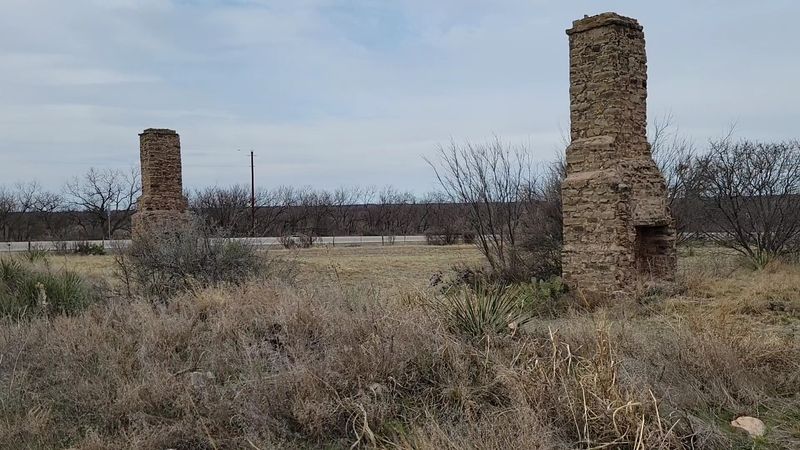
A lot of the original buildings at the fort are gone today. The main reason, according to the site pamphlet, is a fire that the last commanding officer set on his way out.
That story is printed in the free pamphlet, and it tends to become the highlight of the visit. Few historic sites come with a plot point quite this dramatic.
The fire explains why the landscape looks the way it does now. Stone survived where wood did not, leaving chimneys and foundations scattered across the grounds.
Reading the pamphlet while standing beside the actual remains makes the history click in a way a textbook cannot. Kids especially seem to latch onto the idea of a commander torching his own post.
The fort dates to around 1850, when it was a working military outpost on the Texas frontier. Today it takes some effort to see that busy past in the quiet field.
Thankfully, the maps provided on site show what the fort used to look like. Holding that drawing up against the empty ground is half the fun.
Read the pamphlet first, then go hunting for the clues the flames left behind.
Chimneys Against an Endless Sky
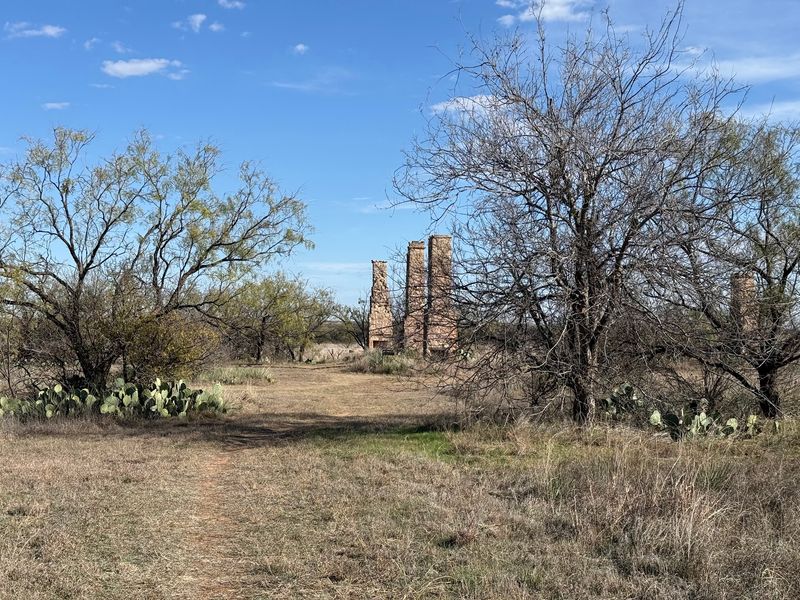
Ask anyone who has made the trip what stuck with them, and the chimneys usually come up first.
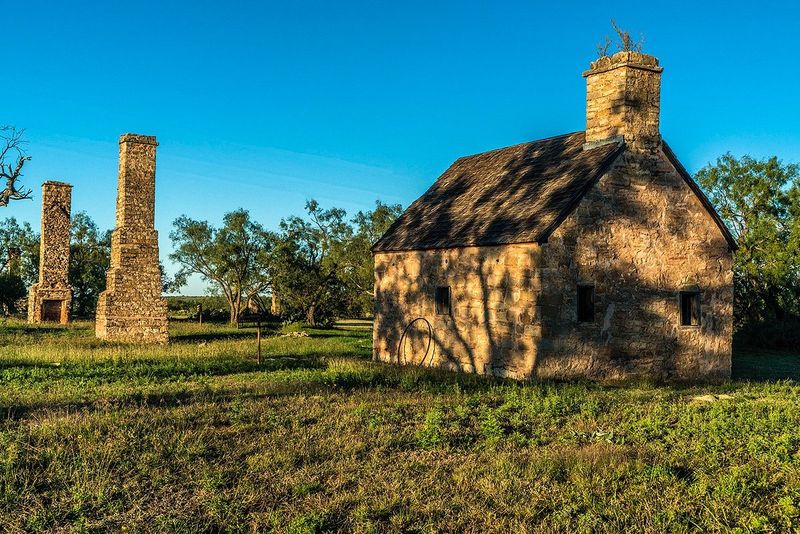
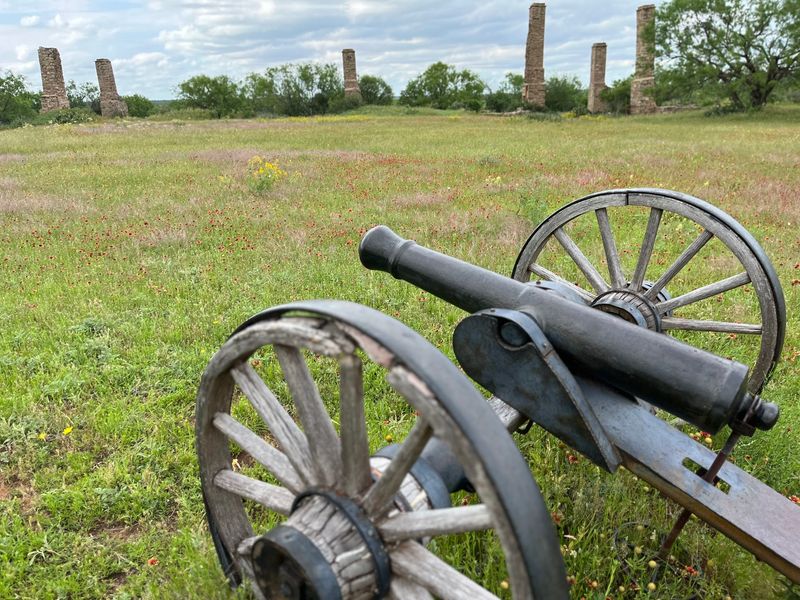
These tall stone stacks are the signature of the site. Mostly chimneys and foundations remain now, standing out in the open country like markers of the buildings that once surrounded them.
The setting is wide and uncluttered. Nothing modern crowds the view, which is why the ruins feel so striking and a little haunting.
Photographers tend to love this spot. The contrast of old stone and wide horizon gives every frame a dramatic look without much effort.
The ruins are well preserved for their age. They are not restored to look new, and that honest wear is exactly what gives them character.
Wooden signs around the property match the rustic feel of the place. Even the signage seems to belong to another century.
Spend a few minutes counting the chimneys and matching them to the site map. It turns a simple stroll into a small detective game.
Bring a camera with a full battery, because those stone towers have a way of demanding just one more shot.
Three Stone Survivors
Not everything here went up in smoke.
Three original stone buildings still stand at the fort, giving the site real structures to explore alongside the foundations. They anchor the self-guided tour and help the layout make sense.
One that frequent guests urge others not to skip is the magazine. It sits across the highway from the main grounds, so it is easy to miss without the pamphlet.
A magazine was where a fort stored its ammunition and powder. Seeing it set apart from the rest of the post shows how carefully frontier soldiers planned for safety.
Returning guests often say they find something new each time. With foundations spread across the property, there is a lot of ground to cover.
The site is bigger and more spread out than many expect. Allow time to wander between the buildings rather than rushing.
Look closely at the stonework as you go. The craftsmanship has outlasted fire, weather and well over a century of West Texas seasons.
Make the short hop across the road to the magazine, since leaving it out means missing one of the best surviving pieces of the puzzle.
Your Own Tour Guide in a Pamphlet
No guide, no schedule and no problem.
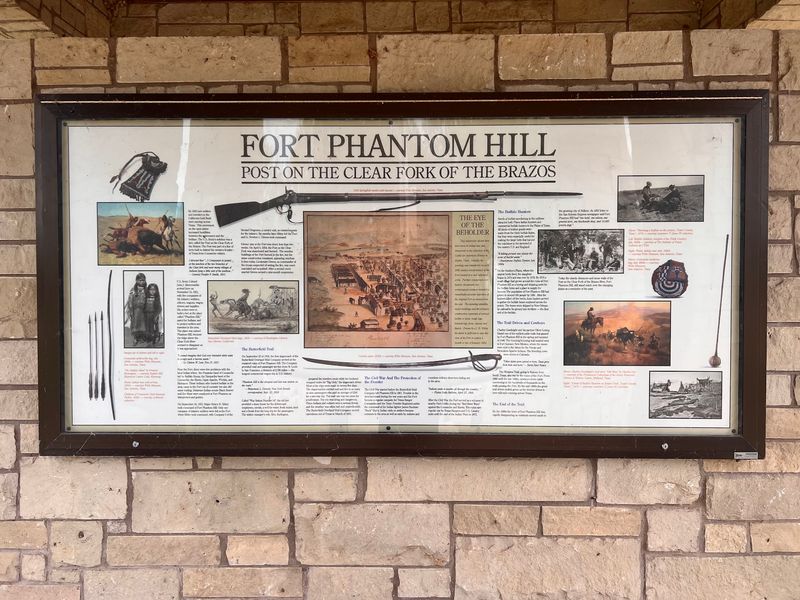
The fort is fully self-guided. A pamphlet with a map and descriptions is kept under the covered pavilion connected to the restrooms beside the parking lot.
The booklet earns plenty of praise. It walks you through the grounds step by step and makes the tour easy and self-paced.
Maps are restocked regularly, so there is usually a copy waiting. They show how the fort once looked, which helps the empty spaces come alive.
Inside the restroom building, a big map and information board lays out the fort’s story. It is worth a few minutes before heading out.
The trail is fairly clearly marked, though some find it a little loose in places. Either way, it is easy enough to follow, and many people happily wander off the main loop.
Without a museum setting, the pace is entirely up to you. Some groups breeze through in half an hour, while others linger for two.
Grab a pamphlet before anything else, because the stories inside turn a pile of stones into a frontier drama.
Free Admission, Real Value
Good news for the wallet: the fort is free to all.
There is no entry fee for walking the grounds. In a time when even a short family outing can add up fast, that alone makes the stop worth considering.
What you get for zero dollars is surprisingly solid. There are ruins, standing stone buildings, trails, a self-guided pamphlet and restrooms.
It is not a commercialized tourist attraction. There is no gift shop pushing souvenirs, just history and open land.
That makes it an easy pick for families. Kids can roam, ask questions and match the map to the ruins without parents watching a meter run.
Some travelers grab sandwiches in town and eat while they stroll. It turns a quick stop into a cheap picnic with a history lesson on the side.
Pets on leashes are welcome too. The family dog gets a break from the back seat as well.
Spending nothing and leaving with a great story about a burning fort is the kind of road trip win worth bragging about later.
Trails, Thorns and Rattlesnake Signs
Leave the flip-flops in the car.
The paths here are unpaved, and the grounds are rustic. Paths are generally well kept, and the grass appears to be mowed, but this is still open country.
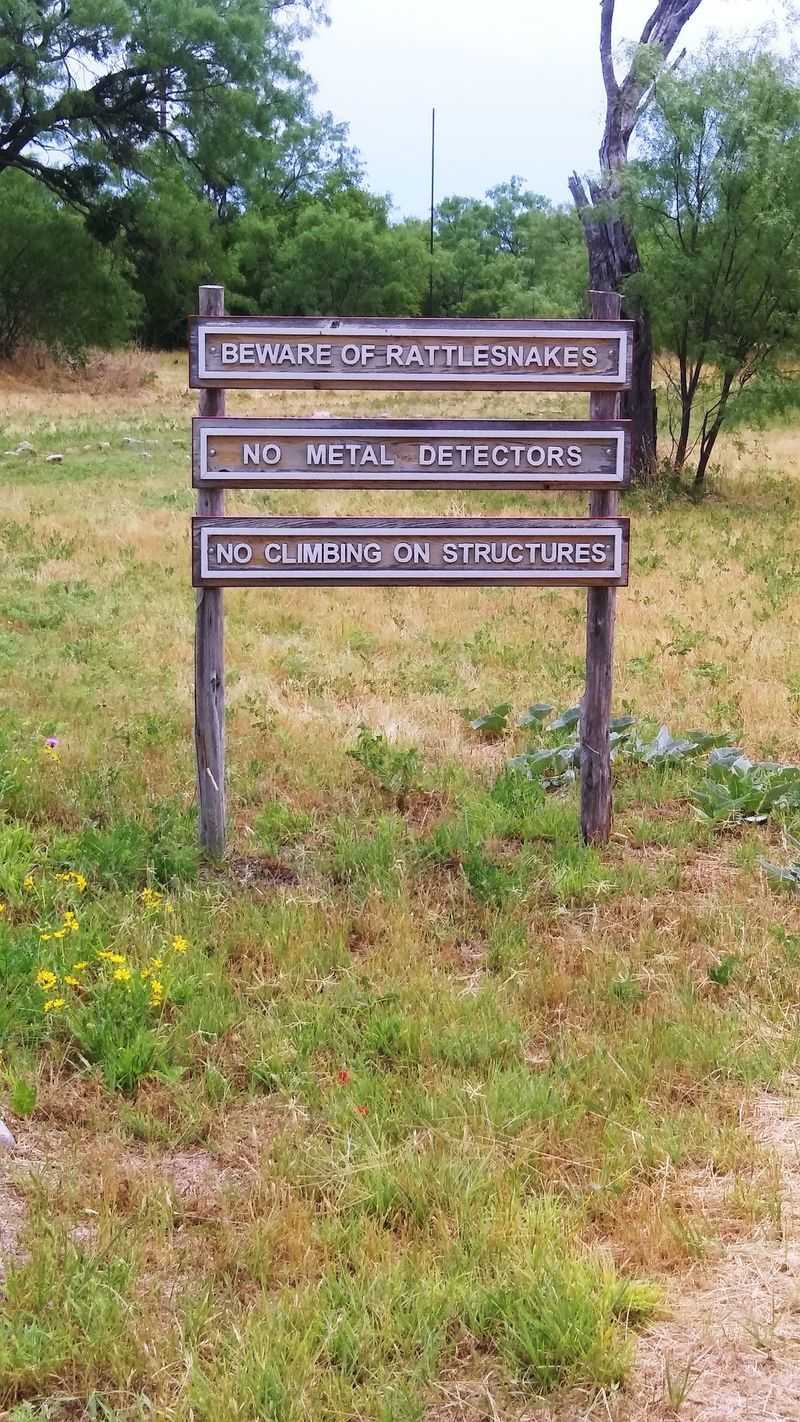
A posted sign warns about rattlesnakes. Many guests never see one, yet keeping an eye on the trail is smart, especially in warmer months.
Thorns and sticker plants are another hazard. One traveler in tennis shoes had a thorn go straight through the sole.
Spiders, grasshoppers and other critters are common around the ruins and the welcome area. Mosquitoes can show up in force during spring too.
The fix is simple. Closed-toe shoes or sturdy boots and long pants make the walk far more comfortable.
Insect spray belongs in the bag as well. Some groups simply move quickly and keep watch for each other.
A wheelchair could possibly manage parts of the grounds, though the surfaces are natural. Plan accordingly for anyone with limited mobility.
Gear up properly, and the only thing biting will be the history bug.
Spring Blooms Among the Ruins
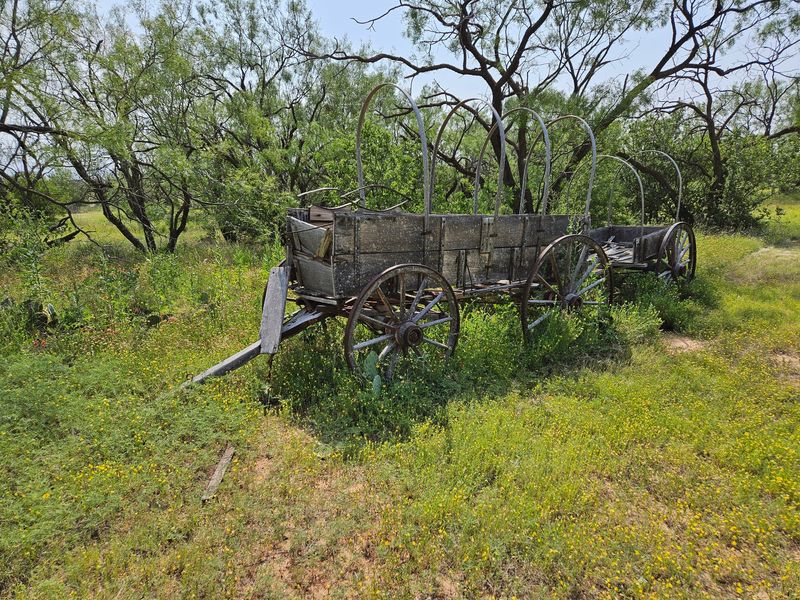
Timing a visit for spring can pay off in a big way.
Around mid-May, wildflowers often fill the grounds. Cacti can be in full bloom, and butterflies tend to drift around the old foundations.
The mix of color and crumbling stone gives the site a very different look than in other seasons. It becomes a nature walk as much as a history lesson.
Spring also brings mosquitoes, so the bug spray matters even more then. A little prep keeps the outing pleasant.
Winter has its own appeal. Clear winter afternoons can mean having the place almost entirely to yourself.
Summer heat in West Texas is serious business. Snakes are also more active then, so watch your step on the paths.
No matter the month, the open sky stays the star. The weather changes the mood of the ruins from bright and cheerful to stark and lonely.
Each season seems to tell the fort’s story a little differently, which is a fine excuse to come back more than once.
Sunrise, Sunset and a Spooky Streak
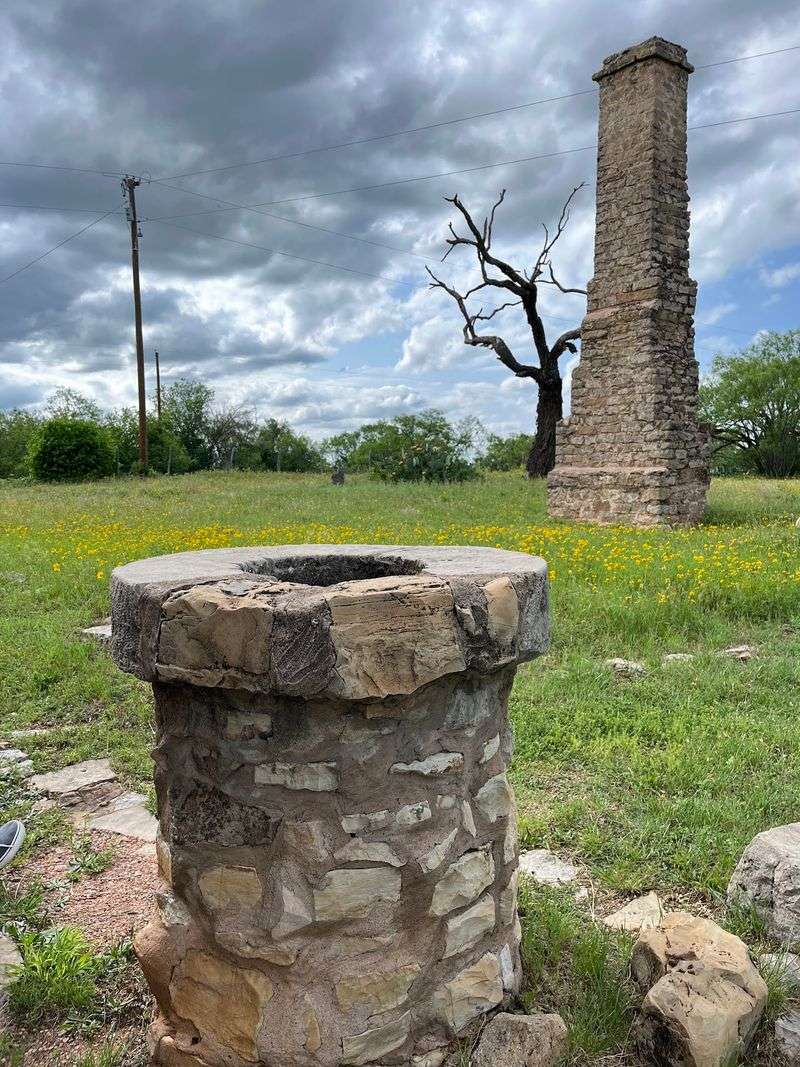
The fort earns its haunting reputation honestly.
Arriving near sunset, as the light fades, makes the ruins feel super creepy in a fun way. Those lonely chimneys look even more dramatic against a darkening sky.
Paranormal fans have taken notice too. The site has drawn ghost hunters who claim to have captured strange things on video.
Whether you believe those claims or not, the eerie mood is real. The emptiness of the land does most of the work.
Early mornings offer the opposite feeling. Some regulars stay in Abilene and drive out before sunrise just to watch the sun hit the fort.
Those morning visits are described as peaceful and serene. The quiet setting makes it easy to slow down.
The Google listing shows the site as open 24 hours, while some guests note hours of sunrise to sunset. Sticking to daylight is the safer bet given the unpaved trails.
Catch the golden hour at either end of the day, and the old fort shows off two very different personalities.
Restrooms, Parking and Road Trip Logistics
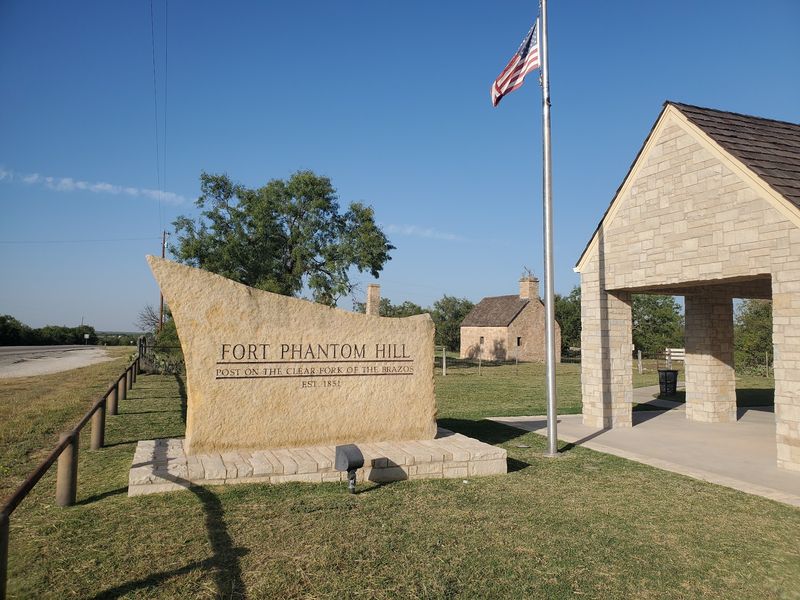
Practical details can make or break a roadside stop, and this one handles the basics well.
There is great parking near the entrance. The entry building houses restrooms that many describe as cleaner than expected for an unstaffed site.
Expect some dust and spider webs, since it sits in open country. Still, the facilities are a welcome perk on a long drive.
Hours are listed as open 24 hours every day of the week. Admission is free, so there is nothing to book in advance.
Plan on roughly 30 minutes for a quick loop. History buffs can easily stretch that to two hours.
Pairing the fort with Frontier Texas in Abilene is a popular plan. Many travelers visit that museum first, then drive out to see real ruins.
Pack water, insect spray, sturdy shoes and long pants. A snack or sandwich from town rounds things out nicely.
For more details before setting out, the official website is fortphantom.org.
A little preparation keeps this stop easy, and easy is exactly what weary road trippers want.
Why the Lonely Ruins Linger
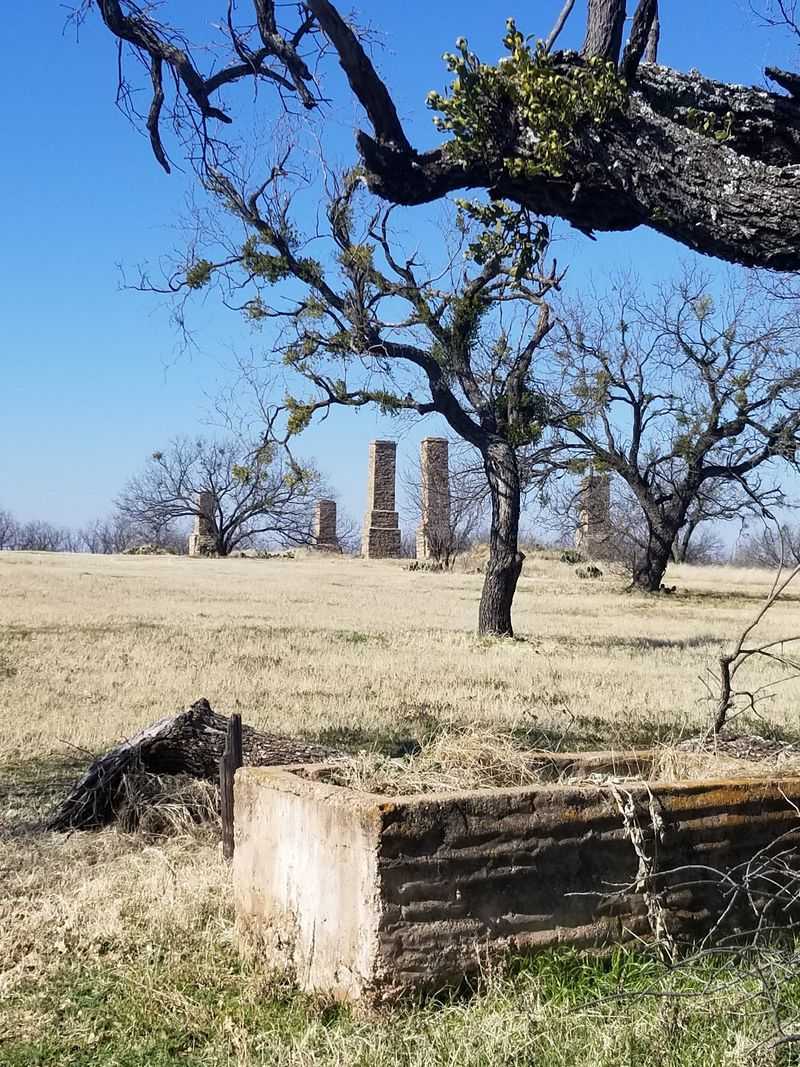
Some places impress with polish, and others win you over by staying gloriously unfinished.
Fort Phantom Hill clearly belongs in the second group. Its scattered chimneys, sturdy stone buildings and wide sky tell a frontier story without any fuss.
The site holds a strong 4.6-star standing across hundreds of opinions. That kind of consistency suggests the simple setup is working.
It suits history fans, families with curious kids and road trippers needing a leg stretch. It suits anyone who prefers wandering on their own terms over following a tour group.
It may not suit those expecting a museum or restored buildings. Here, the ruins are the attraction, and imagination fills in the rest.
The price is hard to argue with, since it costs nothing. The story of the commander’s fire is hard to forget.
Bring good shoes, grab a pamphlet and give yourself time to wander. The stones have waited this long, and they will happily wait for you a little longer.


