
Affiliate disclosure: As an Amazon Associate I earn from qualifying purchases. Learn more
Every Saturday and Sunday morning in Costa Mesa, a college parking lot turns into an open-air market packed with tables of tools, toys, clothes, pet gear, and things nobody planned to buy until they spotted them. Entry costs nothing, parking costs nothing, and plenty of shoppers head home with a full back seat after spending what a single trip to the mall might cost.
In a state where a simple outing can drain a wallet fast, that kind of value feels like a throwback to an older California. Keep reading to learn where this weekend bargain hunt happens, what sells there, when to show up, and the small tricks regulars use to stretch every dollar.
A College Lot With a Weekend Secret
Monday through Friday, the place belongs to students hunting for parking spots before class. Come the weekend, the same asphalt becomes one of Orange County’s best-known bargain zones.
The Orange Coast College Swap Meet sets up at 2701 Fairview Rd, Costa Mesa, CA 92626, on the campus of Orange Coast College. The market is classified as a flea market, but that label barely covers the range of goods on display.
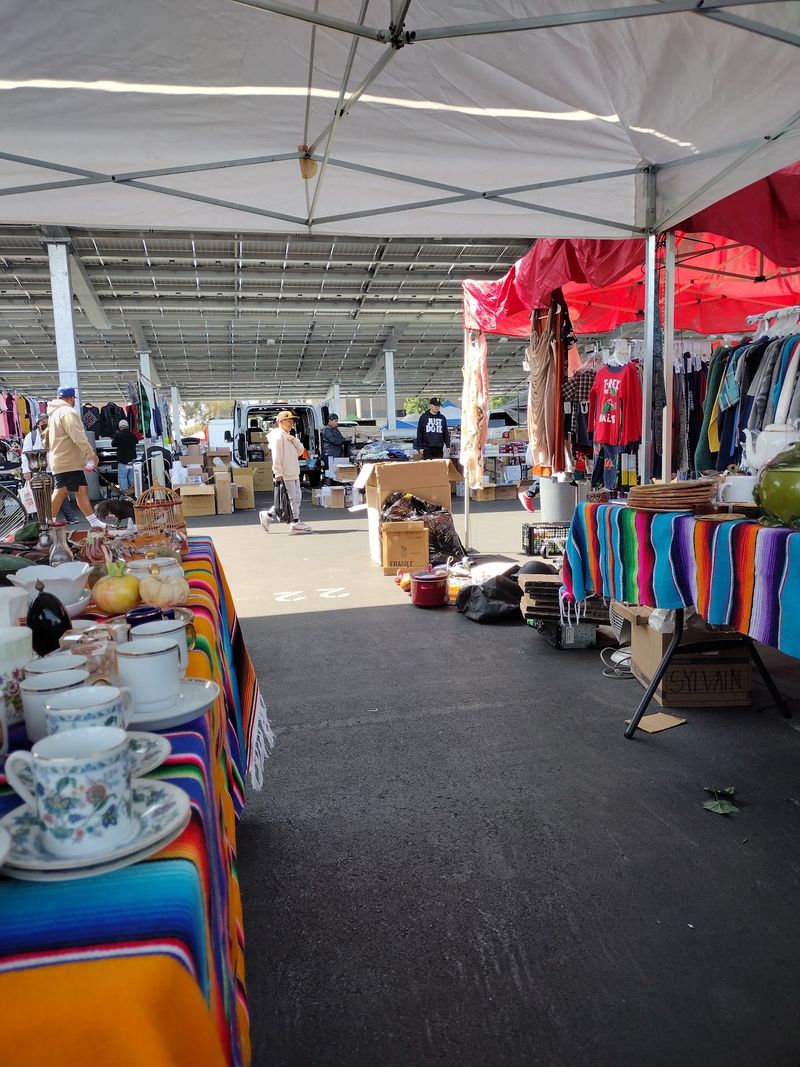
Rows of vendor stalls fill the lot, selling a mix of brand-new items and secondhand finds. Clothes, cookware, tools, electronics, bikes, pet supplies, and toys all share the same aisles.
Costa Mesa sits in the heart of Orange County, close to the coast and surrounded by freeways. That central spot makes the market an easy weekend errand for families across the region.
The appeal is simple and very old-school California. Shoppers wander, browse, bargain, and leave with things they actually use.
No ticket booth stands at the edge of the aisles, and nobody collects a fee to stroll in. That alone sets the tone for a morning built around keeping money in your pocket rather than spending it on admission.
So what exactly fills all those tables? The answer changes every single weekend.
Free Parking, Free Entry, Real Savings
Two words matter most to anyone tired of paying twenty dollars just to park somewhere: free parking. Here, the lots cost nothing, and walking into the market costs nothing either.
That combination is rare in Southern California. Theme parks, beaches, and concerts often charge before you even reach the fun, but this swap meet lets every dollar go toward actual purchases.
Free entry ranks among the most talked-about perks of the market. Regulars often point out that the money saved at the gate can go straight into helping small business owners at the tables.
A modest budget can stretch a long way here, though how far depends on what you buy and how well you bargain. Prices shift from stall to stall and week to week, so treat any number as a rough guide.
Families on a tight budget can spend a morning browsing without buying a thing. Many shoppers do exactly that, walking the aisles for a few hours and enjoying the hunt itself.
The headline promise of a trunk full of goods for about twenty dollars depends on luck and patience. Still, with no entry cost eating into the budget, the odds tilt in your favor.
Of course, free parking is only useful if you can actually find a spot. That part takes a little strategy.
The Weekend-Only Schedule
Blink during the workweek and you will miss it entirely. The market runs only on Saturdays and Sundays, from 8 AM to 3 PM.
Monday through Friday, the gates stay closed. That tight window gives the weekend a special rhythm, with vendors arriving early and shoppers planning their mornings around it.
Saturday tends to feel a little calmer. Some longtime shoppers say one of the bigger stands selling Target merchandise shows up on Saturdays, often with lower prices than similar booths.
Sunday usually draws the bigger crowd. Certain vendors bring out extra pet items and Amazon-related goods that day, so the selection can shift between the two mornings.
Early arrival makes sense for anyone after the best picks. Popular items can disappear quickly, and the aisles are easier to move through before the late-morning rush.
Late arrivals can also be rewarded. Near closing time, some produce sellers have been known to drop prices and sell certain items in bags for about a dollar, though that deal may vary.
Either way, seven hours is enough time to cover the whole market at a relaxed pace. Just keep an eye on the clock, because the 3 PM wrap-up comes quicker than expected.
Hours can change, so checking the college website before heading out is a smart move.
Aisles Full of Everything
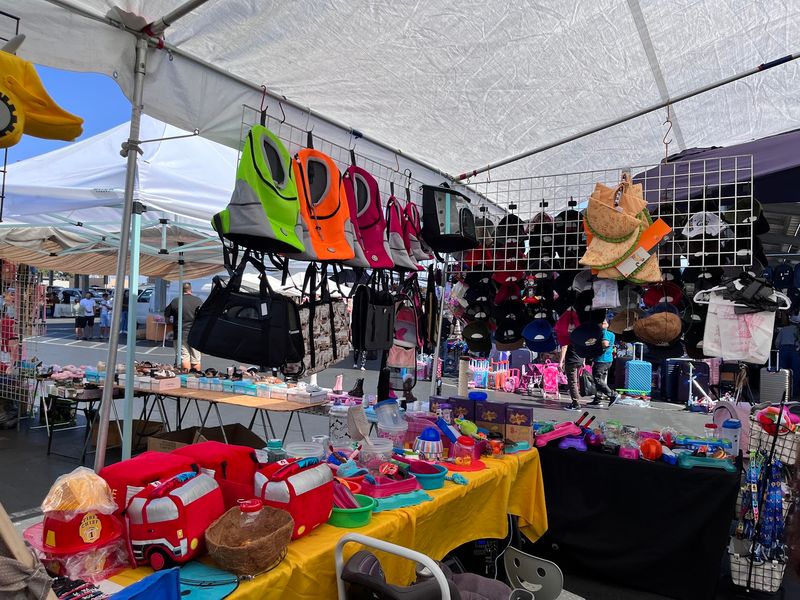
Mattresses and beds sit a few rows away from pet supplies, cookware, and e-bikes. Few shopping trips offer that kind of mix in one stroll.
The variety covers new and used goods side by side. Shoppers find home goods, groceries, hardware, clothing, souvenir-style items, and tech gadgets all in the same morning.
Many booths now specialize in brand-name overstock. Clothing from Costco, Bath and Body Works products, home goods of the Bed Bath and Beyond variety, and Amazon return or clearance stock all turn up regularly.
Target merchandise has a strong presence too. Five or more booths have been known to focus on Target items, each carrying some products the others lack.
Car accessories, video games, and Japanese-style items similar to Daiso goods add even more range. Anime clothing and figurines appeal to a younger crowd.
The market is not perfectly organized, and that is part of its personality. Wandering without a plan often leads to the best surprises.
Every visit brings a slightly different lineup, since stands change over time. The fun lies in never quite knowing what will be waiting around the next corner.
Tools, Workwear, and Blue-Collar Bargains
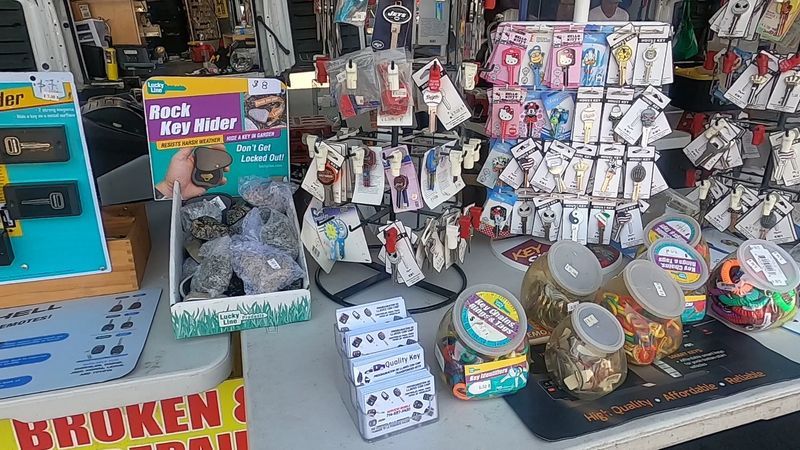
Hardware hunters, take note. Used tools rank among the steady draws at this market, and they often sell for far less than new versions at a big-box store.
Wrenches, power tools, and odds and ends for home projects appear across many stalls. Inventory changes constantly, so a tool you need might show up one week and vanish the next.
Workwear is another strength. Used blue-collar clothes and shoes make the market a practical stop for anyone who goes through work gear quickly.
That practical side connects the swap meet to an older California tradition. Long before online marketplaces, weekend swaps were where working families found affordable gear for the job.
Electronics and bikes, including e-bikes, round out the hands-on section. Buyers should test what they can before paying, since sales at a swap meet are usually final.
Hardware stands are also a great place to practice bargaining. Vendors with piles of tools often prefer moving them quickly over hauling them home.
A sturdy bag or folding cart helps when a big find turns up. Nothing ends a good morning faster than carrying a toolbox across a long parking lot by hand.
Vintage Toys and Kid-Friendly Treasures
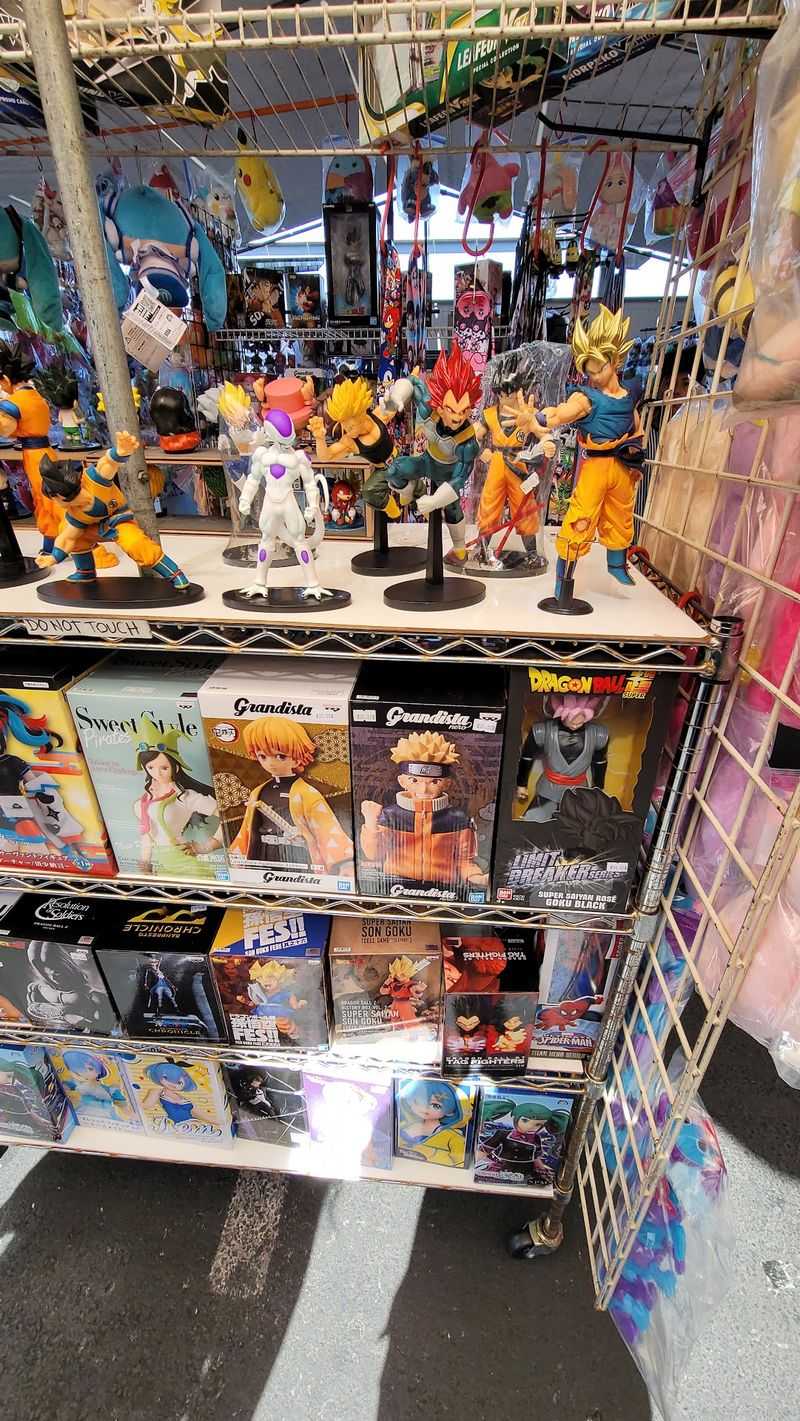
Some grown-ups come for the tools. Others come hoping to spot the toy they lost decades ago.
Vintage toys turn up among the stalls, giving the market a dose of nostalgia. Collectors and parents alike can spend a long stretch digging through bins for familiar names.
Newer toys are easy to find as well. Squishmallows, American Girl dolls and accessories, and video games all appear at various booths.
Kids tend to have plenty of choices at prices parents can live with. A small allowance can go further here than at most stores.
Anime figurines and cute Japanese-style trinkets draw tweens and teens. Those stalls often become the reason younger shoppers ask to come back next weekend.
The family-friendly mood makes the market a common weekend outing. Parents bring children to stroll, snack, and pick out a small prize or two.
Plenty of longtime shoppers first came as kids themselves. Bringing the next generation along keeps that weekend habit alive.
A tip for parents: set a budget before the first aisle. With this many tempting tables, it disappears faster than a toy at the bottom of a bin.
Where Pets Get a Shopping Trip Too

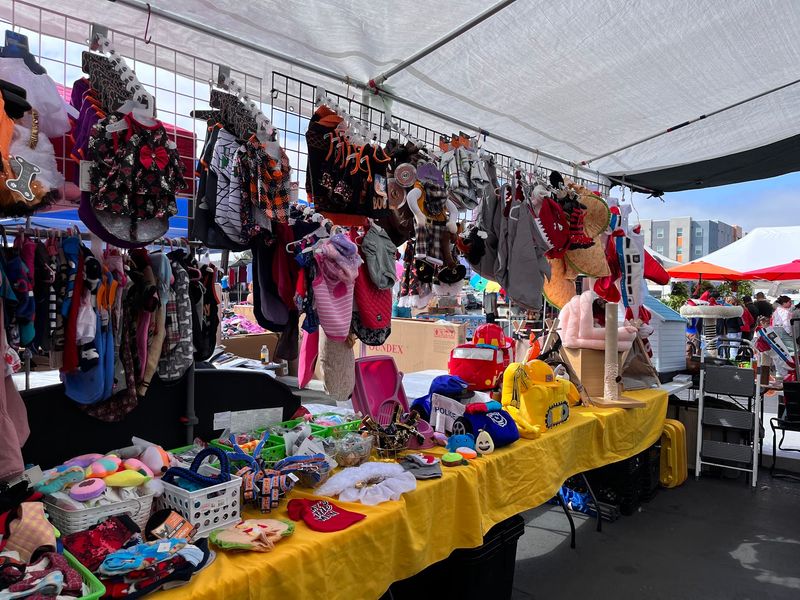
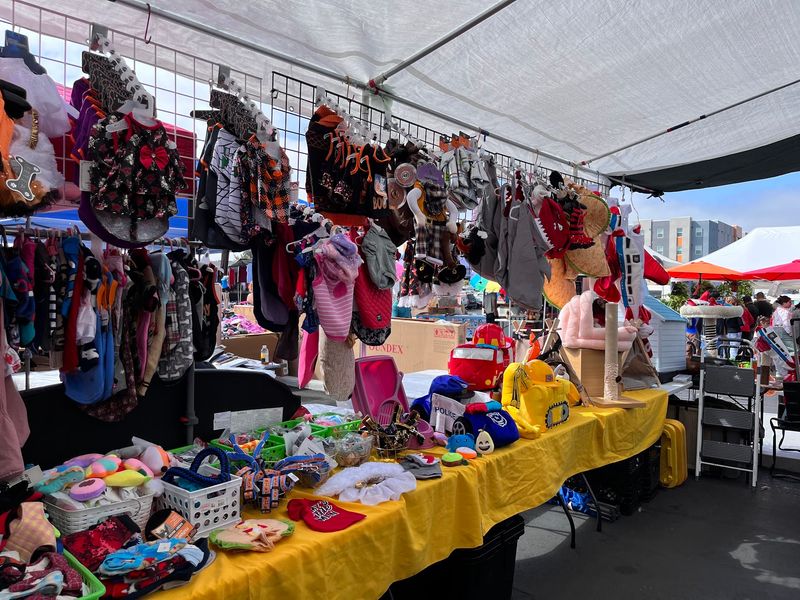
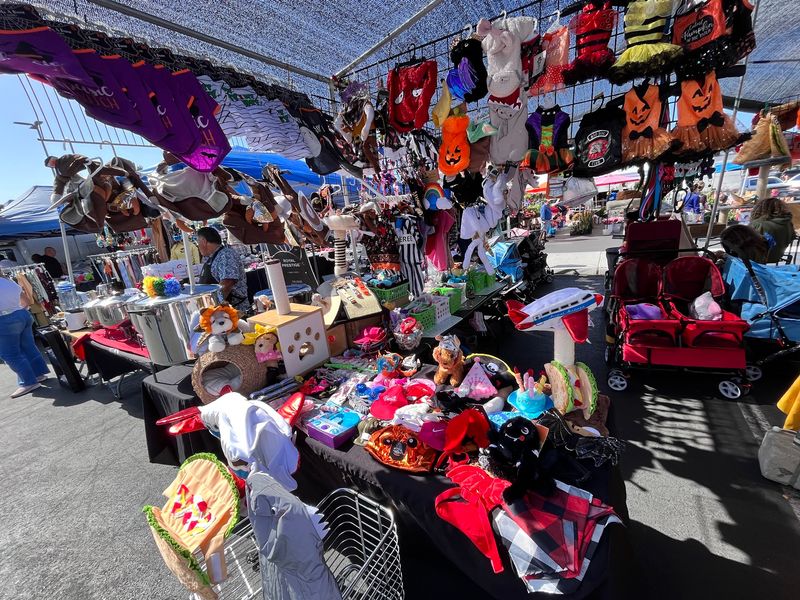
Pet owners might be surprised by how much of the market caters to four-legged family members. Over time, a good number of stands have started focusing on pet items.
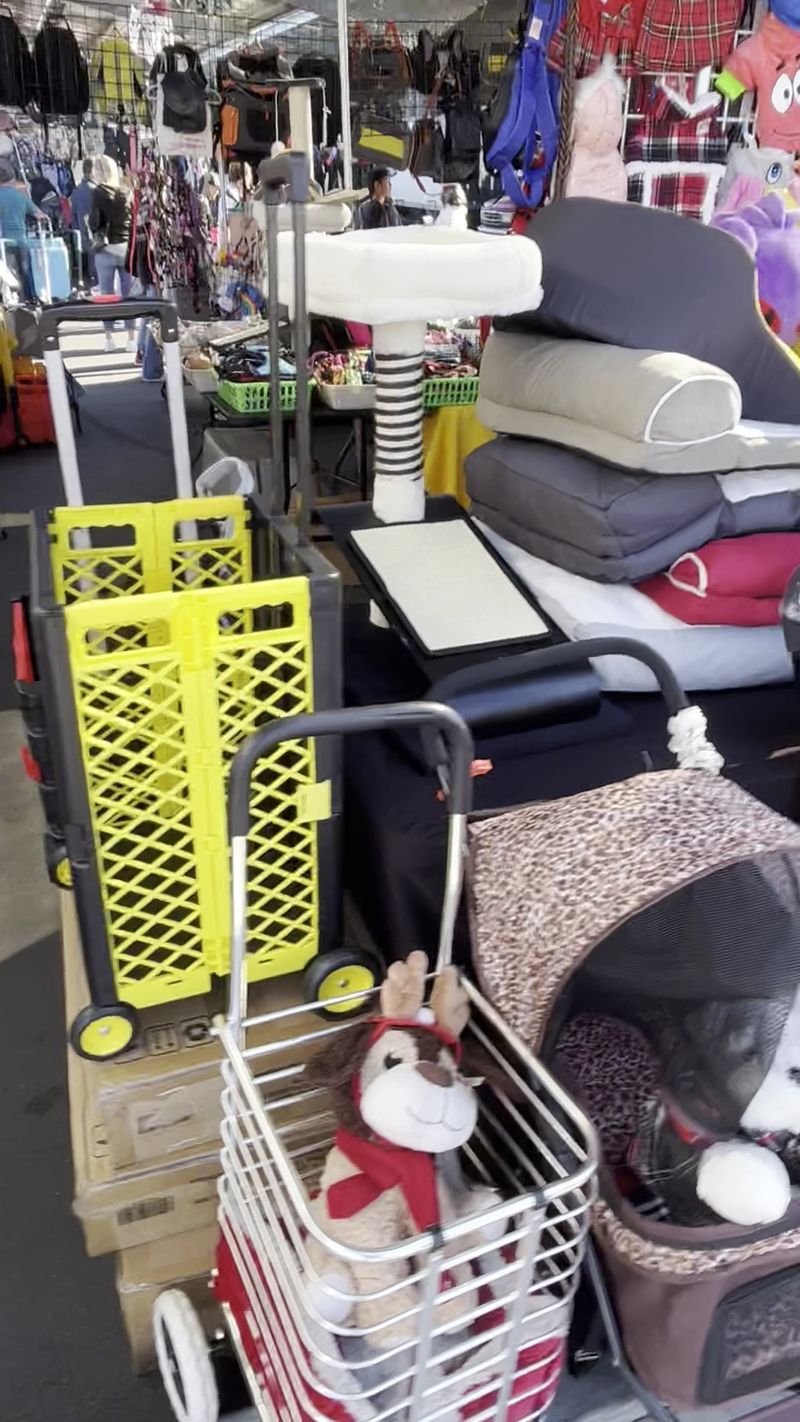
Clothes, carriers, strollers, harnesses, leashes, and beds all appear across several booths. Anyone planning to add a pet to the family can pick up the basics in one trip.
Prices vary a lot between stalls. One booth near the front has been known to charge closer to regular store prices, while other stands sell similar items for much less.
Buying several items from one seller often unlocks a better deal. That bundle approach works especially well for setting up a new puppy or kitten.
One longtime seller near the solar panels offers pet clothing and can knit pet sweaters on request. A family stand that focuses on bedding also carries pet beds.
Signs at the entrance say no pets, so check current rules before bringing a dog along. Many shoppers do arrive with dogs, but policies are the market’s call.
For anyone who brings a dog anyway, warm days call for caution. Blacktop heats up fast, so a stroller, cart, or pet shoes can protect paws.
Solar Panels That Double as Shade
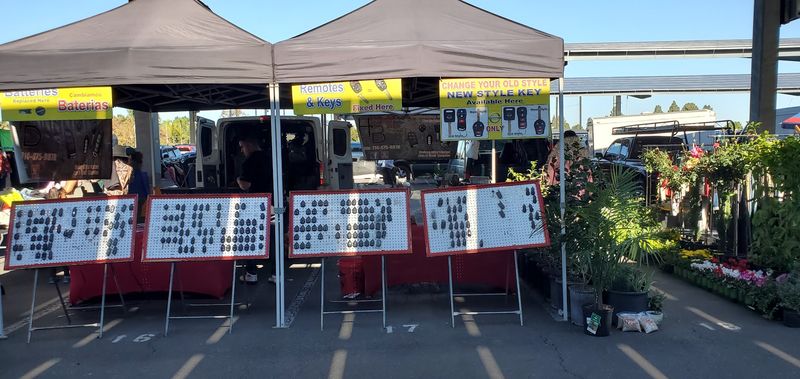
Here is a detail many first-timers never expect. Roughly half of the market sits beneath solar panel structures that cover parts of the parking lot.
Those panels do double duty on market days. They generate power for the campus while giving shoppers welcome shade during long browsing sessions.
Shade makes a real difference on a sunny Orange County morning. Shoppers can linger at tables longer without needing to retreat to the car.
The covered area also serves as a handy landmark. Shoppers often use the solar panels to describe where a favorite vendor sets up each weekend.
Not every aisle sits under cover, though. Sunscreen and a hat are still smart packing choices for the uncovered sections.
The panels show how a college campus can put the same space to work in more than one way. A lot built for weekday commuters becomes a shaded weekend market without any extra land.
For older shoppers and families with small children, that shade can be the difference between a quick loop and a full, relaxed morning. It is a small design detail with a big payoff for comfort.
The Fine Art of Haggling
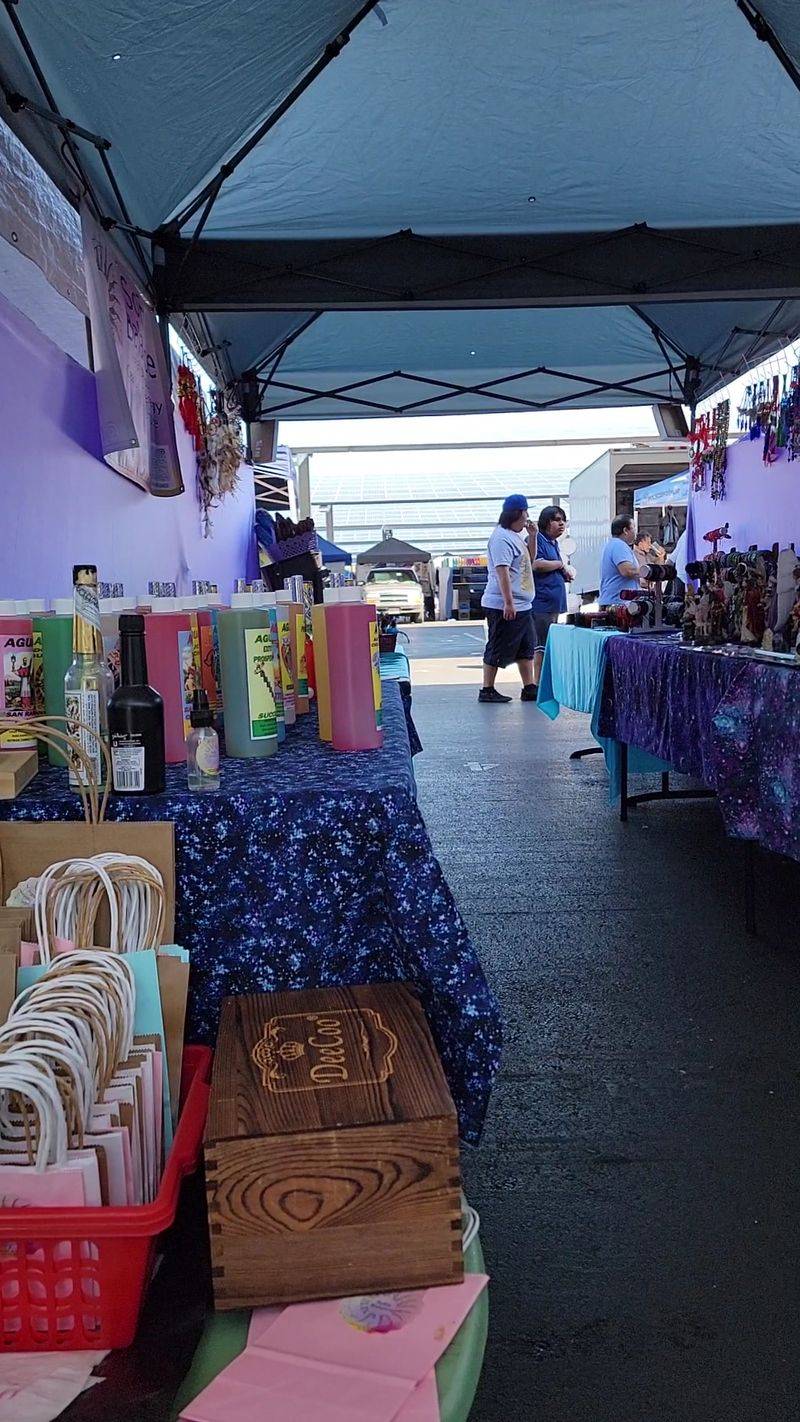
Sticker prices at a swap meet are more like opening offers. Many vendors here are open to negotiating, and that back-and-forth is half the fun.
Polite bargaining works best. A friendly question about a better price usually gets further than a hard lowball.
Bundling is one of the most reliable tactics. Picking out several items from the same booth often leads to a lower total.
Cash is king at this market. Bringing bills in smaller amounts makes negotiating smoother and speeds up each sale.
Comparison shopping pays off too. Since several booths may sell similar goods, a quick lap before buying can reveal who has the best price.
Timing also plays a role. Toward closing, some sellers would rather cut a deal than pack everything up again.
Remember that vendors pay to be there. Selling spots have been reported to cost over $50 per day, so most sellers need to make a fair profit.
Good haggling leaves both sides happy. Treat sellers with respect, and many will remember you the next weekend with a friendlier price.
Food Trucks and a Weekend Snack Break
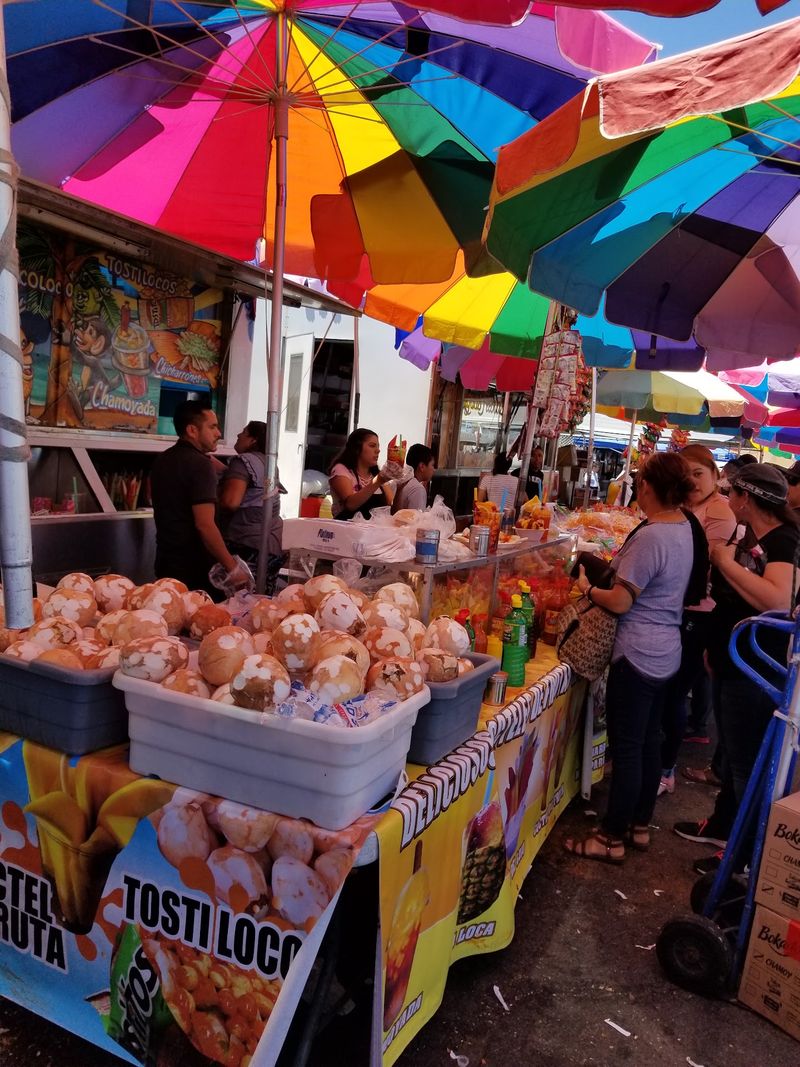
Bargain hunting builds an appetite. Luckily, the market includes a food vendor section with food trucks and snack stands.
Mexican food is one of the most common offerings, and Chinese food has appeared as well. Sweets, fruit cups, ice cream, and drinks also turn up at various stands.
Opinions about the food area are mixed. Some shoppers love grabbing breakfast there, while others feel options can be limited or pricey for what you get.
A practical move is to eat before arriving, then treat any snack as a bonus. That way, hunger never cuts a shopping trip short.
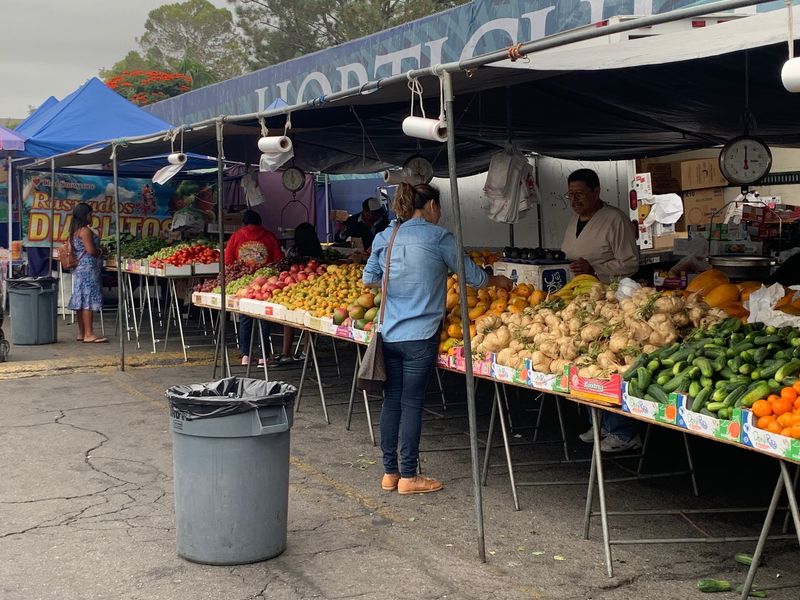
Fresh produce is sold at several stands too. Prices can run lower than at grocery stores, and some sellers offer bagged deals close to closing.
The eating area can get messy during busy hours. Using the trash cans and leaving the space tidy helps keep it pleasant for everyone.
Vending machines are on site, though they are not always fully stocked. Bringing a water bottle from home is an easy way to stay prepared.
A short break at the food trucks is also a good chance to plan the next loop through the aisles.
How the Market Has Changed
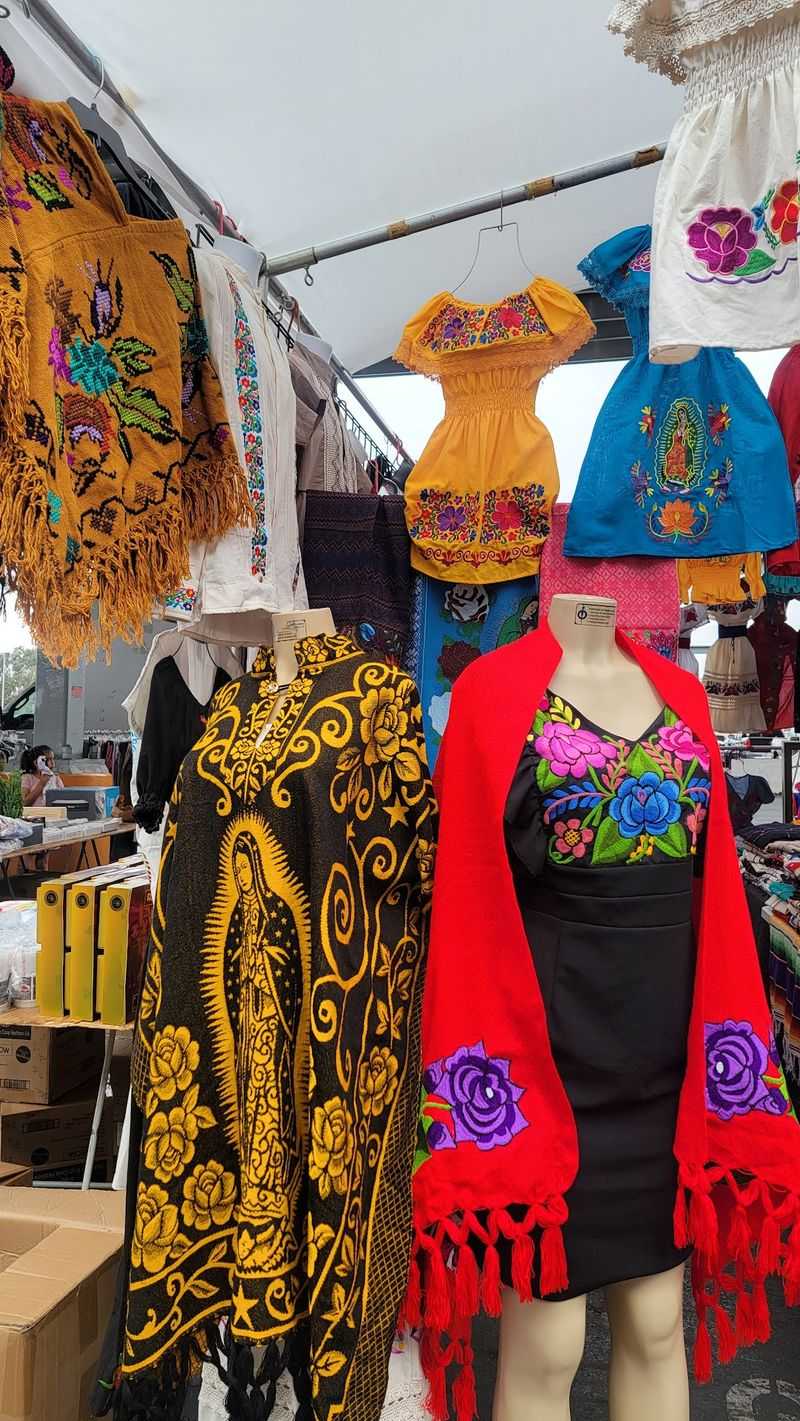
Ask longtime regulars about the old days and you will hear plenty of stories. Many remember a busier, bigger market with more people selling their own household goods.
Today, fewer booths carry garage-sale style items. Many vendors now sell new store products at discount prices instead.
Some former sellers say the cost of a selling spot has climbed while foot traffic has dropped. As a result, a share of vendors now split their time with other Southern California swap meets such as Golden West, Santa Fe Springs, and the Roadium.
Shoppers returning after many years sometimes find the market smaller than they remember. It also tends to be clean, with good restroom access and wide aisles.
Not everyone sees the change as bad news. Some prefer the newer mix, since it means more brand-name goods at lower prices.
Friendships remain a big part of the story. Sellers and buyers who have come for years still know each other by name.
The market has shifted with the times, much like California itself. What has not changed is the weekend ritual of strolling, browsing, and hoping for a lucky find.
Do you remember when it looked different? Plenty of Californians do.
Parking Strategy and Smart Prep
Free parking comes with a catch on busy days. Finding a spot, especially on Sunday, can turn into a small competition.
The lots are large, and many shoppers find ample space. Still, you may need to walk a few minutes from the car to the market entrance.
Arriving near the 8 AM opening is the easiest fix. Early birds grab closer spots and get first look at fresh inventory.
Comfortable shoes are a must. The market involves a lot of walking, and a full loop can take a few hours.
Crowds build on weekends, particularly later in the morning. Shoppers who prefer more elbow room should aim for Saturday or an early start.
A short packing list makes everything easier. Bring cash, reusable bags, sunscreen, water, and a folding cart for heavier finds.
Restrooms are available on site, which helps families and older shoppers plan a longer stay. Vending machines offer backup snacks, though stock varies.
A little preparation turns a hectic morning into a smooth one. With the basics handled, attention can stay where it belongs, on the bargains.
Worth Your Weekend Morning
Some outings cost a fortune and deliver little. Here, the math works the other way around.
The Orange Coast College Swap Meet offers free entry, free parking, and a huge mix of new and used goods every Saturday and Sunday. It holds a strong 4.4-star standing with well over a thousand opinions shared online, a sign that many shoppers keep coming back.
It is not perfect. The market can feel smaller than in years past, parking gets tight on Sundays, and food options draw mixed opinions.
Even so, the core appeal holds up. Shoppers can find tools, clothes, pet supplies, toys, and household goods at prices that make a tight budget feel a little roomier.
Families, collectors, handy folks, and pet owners all have reasons to stop by. So do longtime Orange County residents looking to revisit a weekend habit from years ago.
Prices and vendor lineups change often, so expect surprises and treat any budget estimate as approximate. Supporting the small sellers helps keep the tradition going.
Bring cash, wear good shoes, and arrive with an open mind. The next great find might be sitting on a folding table, waiting for someone patient enough to spot it.


