
Affiliate disclosure: As an Amazon Associate I earn from qualifying purchases. Learn more
Every so often, a national study ranks the happiest cities in America, and one Bay Area name keeps landing near the very top. Residents of this East Bay city tend to shrug at the headlines, because they already know what makes the place work.
It has a silent film museum in an old studio town, a Spanish mission dating to the 1700s, a working historic farm, and a lake right in the middle of town. For older Californians who remember when the Bay Area felt a little slower and a lot more neighborly, this city still holds pieces of that era.
Keep reading for a look at the history, the parks, and the small-town corners that help explain why so many people here seem content.
A Bay Area City With a Happy Reputation
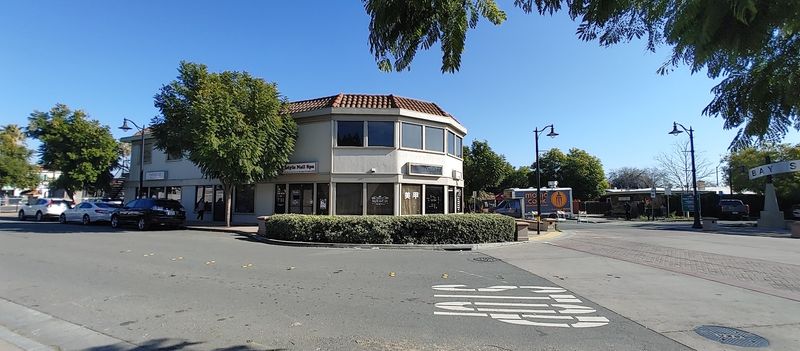
Some cities chase headlines, and others simply keep showing up in them. Fremont, California, USA, sits in the San Francisco Bay Area along the east side of the bay.
Happiness rankings from researchers have repeatedly placed it among the most content cities in the country. Studies of this kind usually weigh things like emotional well-being, income, community, and physical health, and exact methods can vary from one report to the next.
Locals tend to take the news calmly. Ask around and many will point to the same answer: the city offers a mix of history, open space, and family-friendly spots that are easy to reach.
Fremont is not a single landmark but a whole community built from several older towns. That patchwork shows up today in its distinct districts, each with its own personality.
The list of places worth knowing is surprisingly long for a suburb. There is a museum devoted to the earliest days of movies, a mission founded in the 1700s, a farm that still uses horse power, and a central park built around a lake.
None of it requires a big budget to appreciate. That alone may explain part of the smile, and the next stop shows how far back the story goes.
Roots Older Than the State Itself
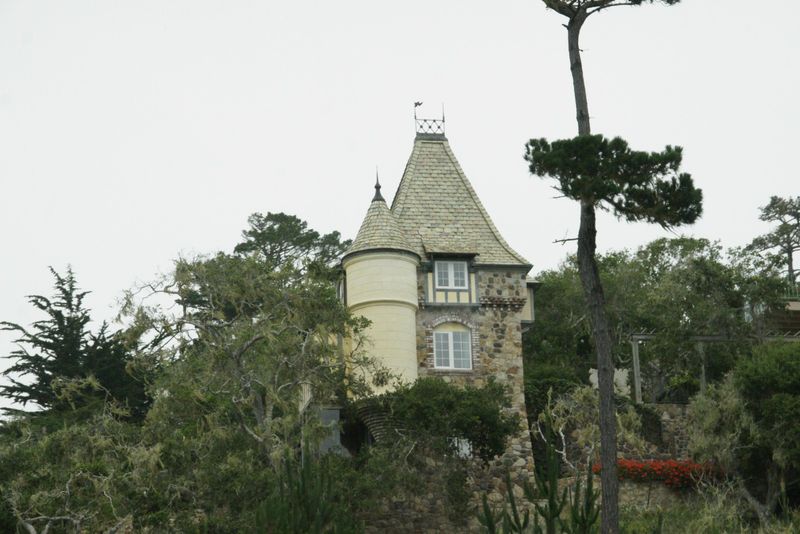
Long before freeways and tech campuses, this part of the East Bay was home to Mission San José. The Spanish mission dates to the 1700s, which means its story predates California statehood by decades.
The church standing today is a reconstruction. It was rebuilt to reflect the original design, giving modern guests a clear look at how the mission once appeared.
A museum on the grounds adds context. Exhibits help explain the mission era and the people whose lives were shaped by it, both settlers and the Native communities already living in the region.
For families, the site works as a living history lesson. Kids studying California missions in school often find the visit makes their textbooks feel a lot more real.
Many longtime Californians have their own mission memories, from fourth grade projects to Sunday drives. Places like this one help keep those memories anchored to something you can still visit.
Hours and admission details can change, so checking ahead before a trip is a smart move. A short stop here sets up the rest of the city nicely, since Fremont seems to collect history the way some towns collect strip malls.
Where Movies Learned to Move
Hollywood gets the credit, but the early film business had other addresses too. One of them is the Niles district of Fremont.
The Niles Essanay Silent Film Museum traces those beginnings through artifacts and photographs. It focuses on the days when movies had no spoken dialogue and storytelling relied on expressions, title cards, and clever camera work.
The collection gives a grounded look at how filmmaking worked in its earliest years. Old photos show the people and places behind the productions.
Film buffs will find plenty to talk about afterward. Casual guests, though, often leave just as interested, because the topic connects to something nearly everyone loves: a good movie.
Niles itself has a historic character that suits the museum well. A stroll through the district pairs naturally with a visit, especially for anyone who enjoys older storefronts and small-town streets.
Fremont residents can claim a piece of film history without ever driving to Los Angeles. That is a fun fact worth bringing up at the next family dinner, right before someone asks what a title card is.
Horse Power on a Victorian Farm
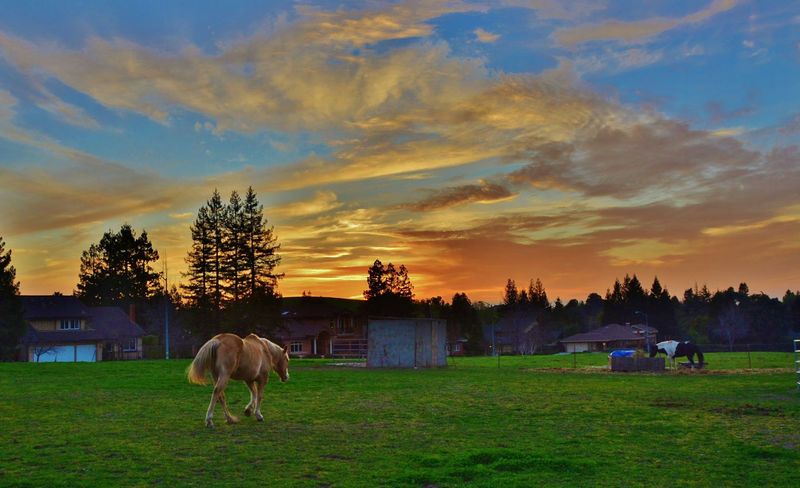
Tractors are optional at Ardenwood Historic Farm. The farm demonstrates horse-powered agriculture, showing how fields were worked before engines took over.
Watching draft horses handle farm tasks gives kids a fresh view of where food once came from. Adults who grew up hearing stories from grandparents about farm life may find the scene especially meaningful.
A Victorian mansion stands on the property as well. It adds a second layer of history, offering a look at how a prosperous family of that era lived.
The mix of farm and home makes the site feel complete. Guests get both the hard work of the fields and the polished side of the same period.
Ardenwood fits neatly into the old California theme that runs through the city. Much of the Bay Area was once farmland, and places like this keep that chapter from fading out of view.
Programs, hours, and admission may vary by season, so a quick check before heading out is wise. Plan for comfortable shoes, because the farm rewards people who like to wander.
A Lake in the Middle of Town
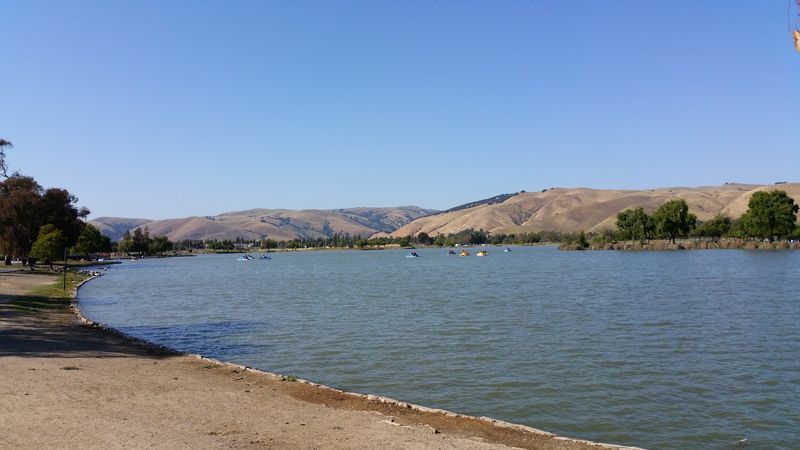
Plenty of cities have a central park. Fewer have one wrapped around a lake.
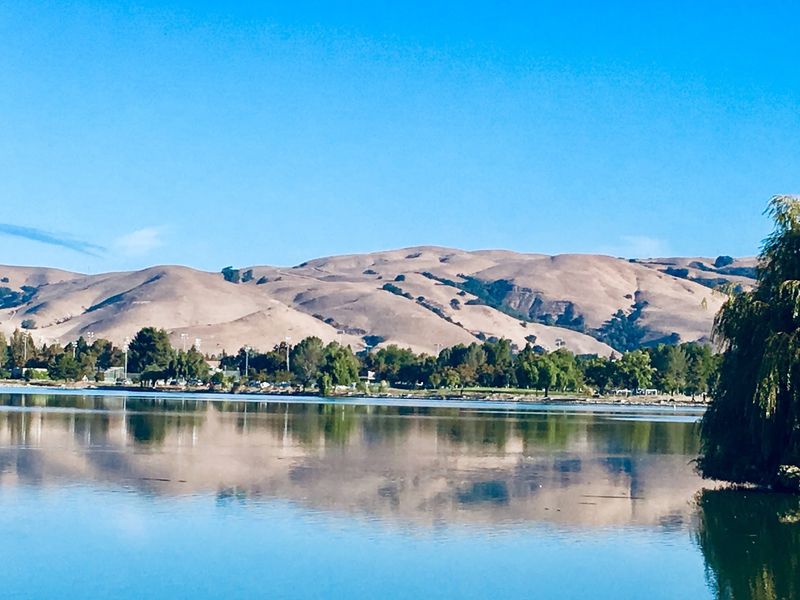
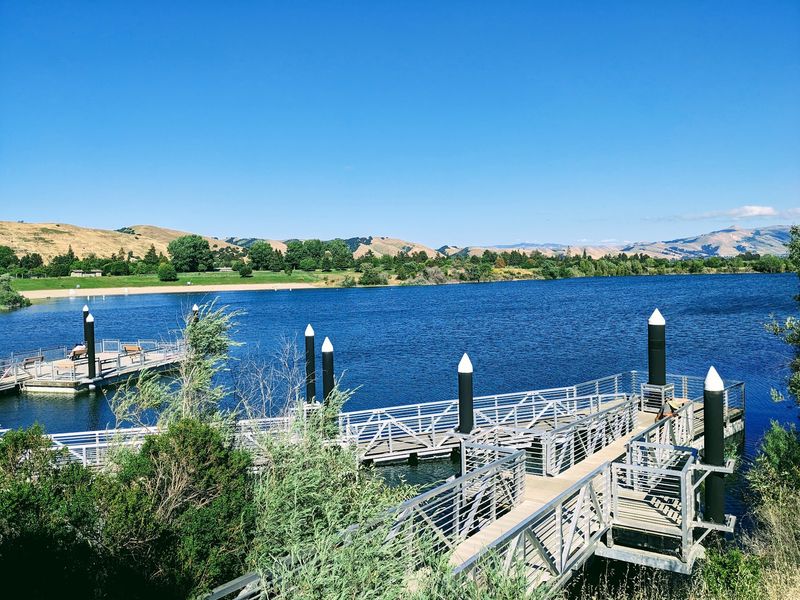
Fremont’s Central Park is home to Lake Elizabeth, and it serves as a natural gathering spot for the whole community. Families, walkers, and weekend picnickers all find their own corner.
The appeal is simple. Open space in the middle of a busy region gives people room to slow down without leaving town.
Researchers often link happiness to time outdoors and a sense of community. A shared park where neighbors cross paths fits both ideas pretty well.
The lake makes an easy free outing for grandparents with young grandkids. No tickets, no reservations, just a place to spend a relaxed afternoon.
Local habits tend to form around spots like this. Morning loops, birthday gatherings, and casual weekend meetups all become part of the rhythm of city life.
For anyone trying to understand why Fremont scores so well, Lake Elizabeth might be the most convincing exhibit. Happiness, it turns out, sometimes looks a lot like a park bench.
Splash Time at Aqua Adventure
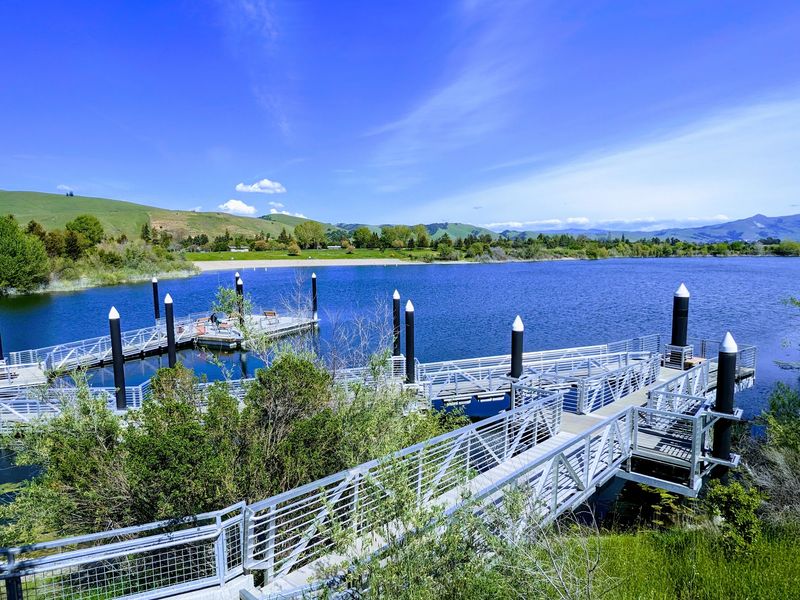
Summer in the East Bay calls for a plan, and Central Park has one built in. The Aqua Adventure Water Park sits within the same park as Lake Elizabeth.
Having a water park close to home matters for families watching their budgets. A long road trip to a big resort park adds gas, meals, and sometimes lodging, while a local option keeps the day simple.
Kids get their splash time. Parents and grandparents get a shorter drive home.
The location also makes it easy to combine activities. A morning by the lake can roll right into an afternoon at the water park without moving the car.
Season dates, hours, and admission prices can change from year to year. Checking current details before going helps avoid surprises at the gate.
Small conveniences like this add up. They are part of why many residents say Fremont feels livable, even in a region known for high costs and long commutes, and they make summer feel a bit more like the summers people remember.
Who Feels Right at Home Here
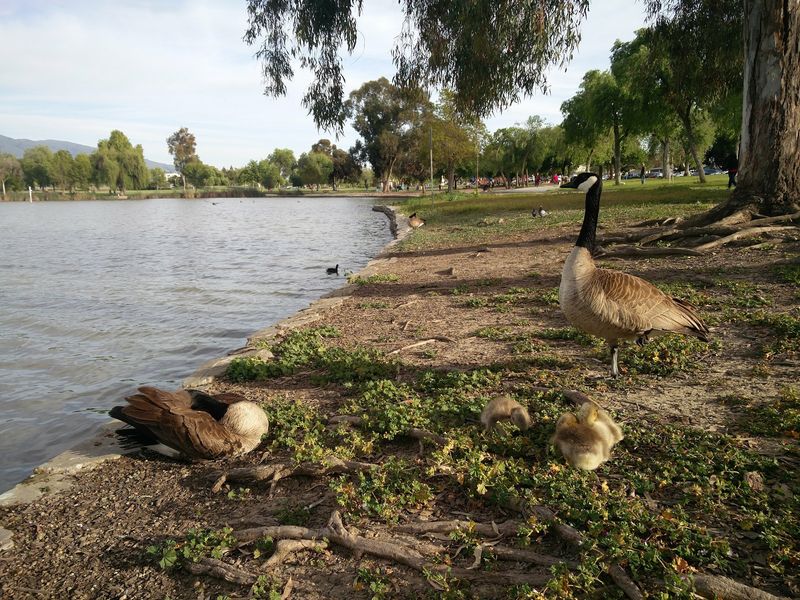
Ask who Fremont suits best, and the honest answer is: quite a few people. The city’s attractions lean toward history, open space, and family outings rather than flashy nightlife.
History lovers have a mission, a silent film museum, and a historic farm within one city. That is an unusual lineup for a Bay Area suburb.
Families get a lake, a park, and a water park in the same place. Older residents get easygoing outings that connect to the California they grew up with.
The pace tends to feel calmer than the busier parts of the Bay Area. For some, that steadiness is the whole point.
Day-trippers from elsewhere in the region can treat the city as a low-key escape. A single day can include a museum, a walk, and a farm visit without much driving between stops.
Fremont rewards people who enjoy simple pleasures done well. Anyone hunting for the trendiest spot in California may look elsewhere, but those seeking a comfortable, grounded day will likely find what they came for.
Planning a Visit and a Final Thought
Getting the most out of Fremont takes a little planning. Each major site keeps its own schedule, so hours and admission should be confirmed before setting out.
Grouping stops by area helps. The Niles district pairs well with the silent film museum, while Central Park covers both Lake Elizabeth and Aqua Adventure.
Mission San José and Ardenwood Historic Farm can each fill a morning or afternoon. Families with young kids may want to space them out rather than squeeze everything into one day.
Prices, where they apply, may shift over time. Some outings, like a lake walk, cost nothing at all, which makes the city friendly to tighter budgets.
So is Fremont really America’s happiest city? Rankings come and go, and methods differ from study to study.
What stays steady is the mix that locals already know. A 1700s mission, early movie history, horse-powered farming, and a lake at the center of town give the city a sense of place that is hard to fake.
Residents were not surprised by the headline. After a day here, visitors from other corners of California may not be either.


