
Affiliate disclosure: As an Amazon Associate I earn from qualifying purchases. Learn more
Down on the coast, October can still look a lot like July, with shorts, sunscreen, and not a single orange leaf in sight. But drive east or north for an hour and the story changes fast.
The highways start to twist, the air cools off, and the oaks finally get the memo that it is autumn. Here are 10 small backcountry towns, from old gold-rush streets to tiny mountain hamlets, where San Diegans can find real fall without leaving the county.
1. Julian
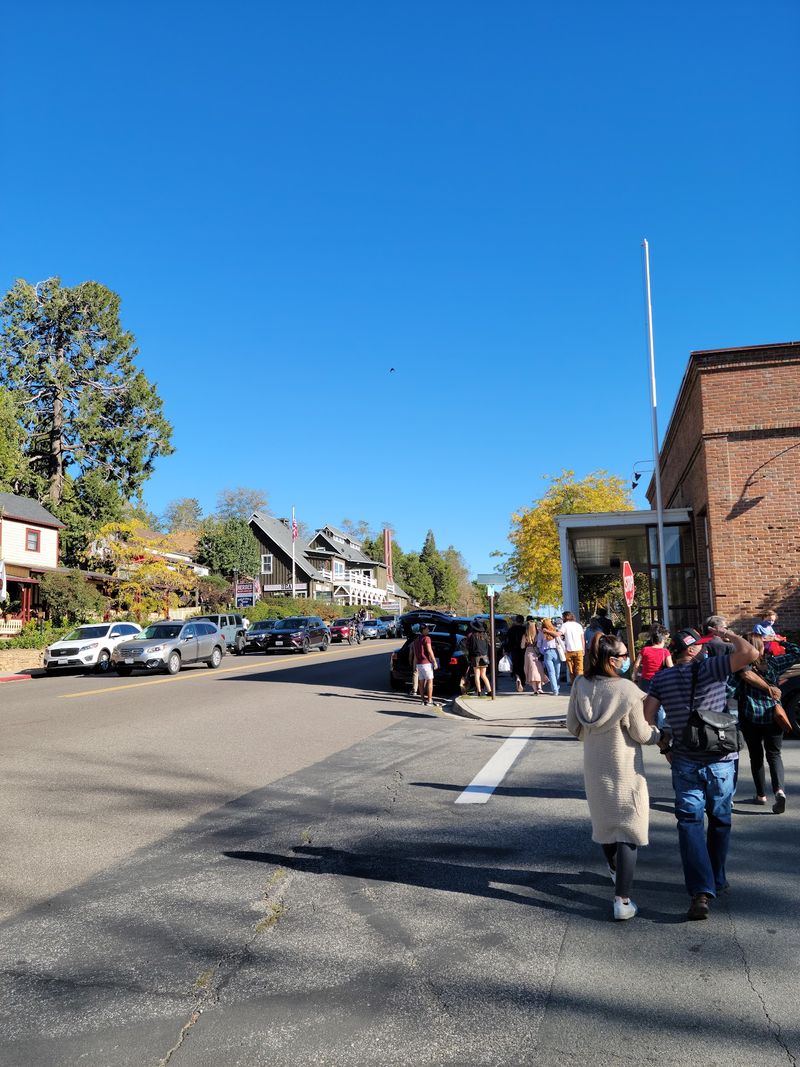
Gold brought people up this mountain in the 1800s, and apples keep bringing them back today. Julian is the town most San Diegans picture when they think of fall, and it earns that spot honestly.
The drive is part of the fun. Highway 78 or Highway 79 winds up from near sea level to about 4,220 feet, roughly an hour east of downtown San Diego.
Once you arrive, the town is small, with around 1,500 residents and a preserved 19th-century Main Street district. Old storefronts line the road, and the surrounding hills hold working apple orchards and cider mills that turn busy each autumn.
The black oaks are the real color show here. Their leaves shift as the high-altitude air turns crisp, giving the backcountry a look that feels a world away from the beach.
I would plan a weekday visit if possible, since fall weekends draw big crowds to such a small place. Either way, Julian is the classic starting point for any San Diego autumn trip.
2. Mount Laguna
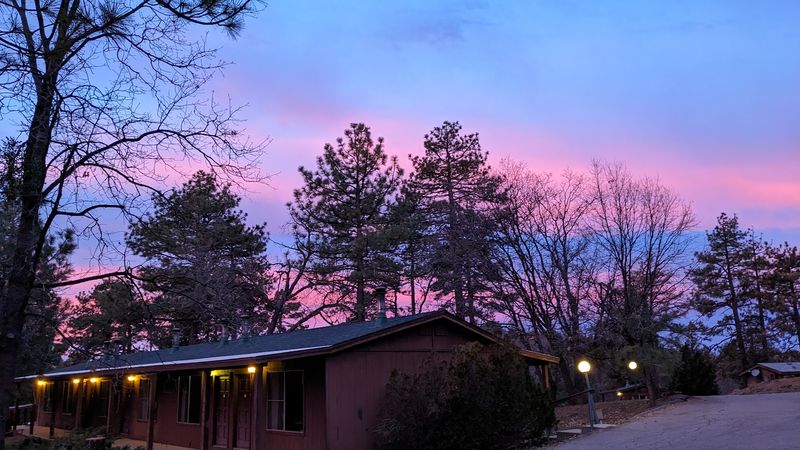
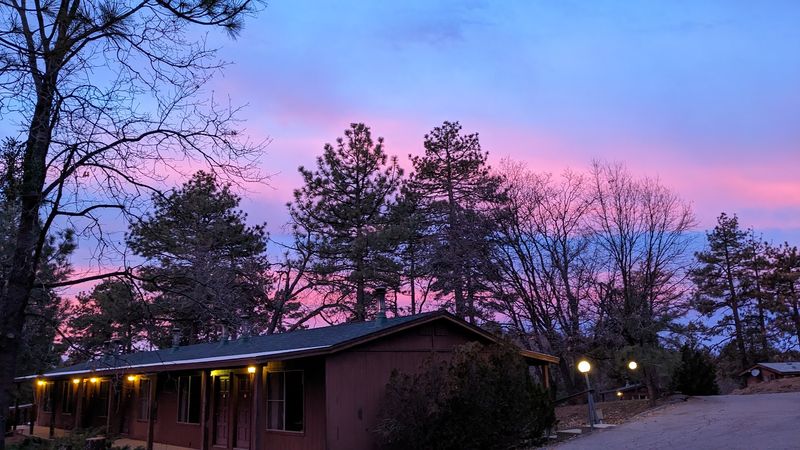
Fewer than 100 people live up here full time. That tiny number tells you a lot about Mount Laguna, a rustic hamlet built around a general store and scattered mountain cabins inside the Cleveland National Forest.
Getting there means leaving Interstate 8 and climbing the steep switchbacks of the Sunrise National Scenic Byway. By the top, you are near 6,000 feet on the Laguna Mountain crest, about 55 miles east of San Diego.
That height matters in autumn. Mount Laguna often gets brisk temperatures earlier in the season than lower towns, and the black oaks start turning while the coast is still warm.
Trails here are covered in pine needles, which makes a simple walk feel like a proper mountain outing. Bring a jacket, even if it was hot when you left home.
3. Pine Valley
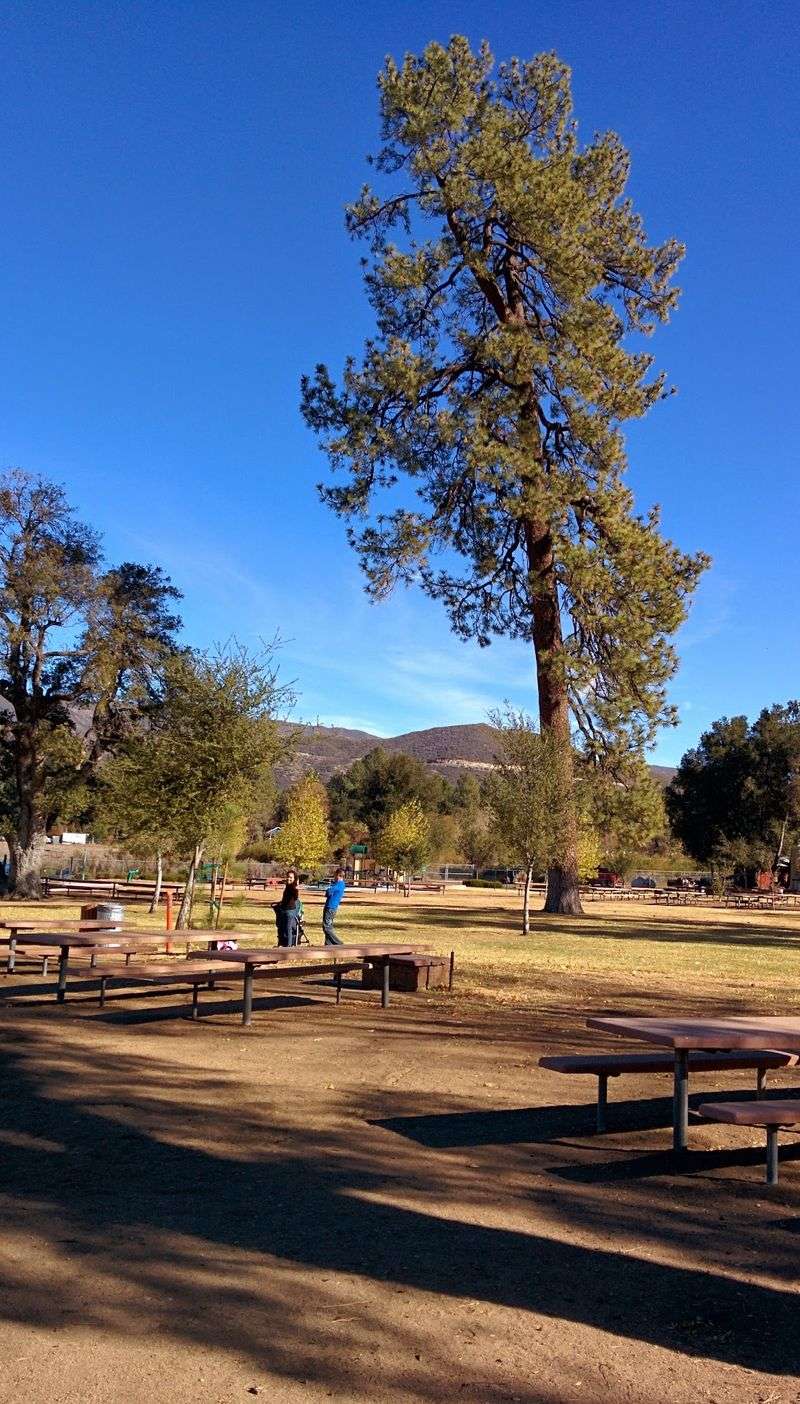
Horse ranches, quiet side streets, and a stretch of Old Highway 80 set the tone in Pine Valley. It is the kind of place where slowing down happens without any effort.
Roughly 1,500 people call this unincorporated community home. It sits about 45 miles east of central San Diego at 3,736 feet, right where the interstate begins its climb through the rocky passes of East County.
Local diners along the old highway make it an easy stop for a meal on a backcountry loop. The pace is relaxed, and nobody seems in a hurry.
In fall, pine-dotted valleys and oak canopies drop leaves and cool off well before the coastal plains do. It is close enough for a short afternoon drive, which makes it a smart pick when you want autumn on a tight schedule.
4. Descanso
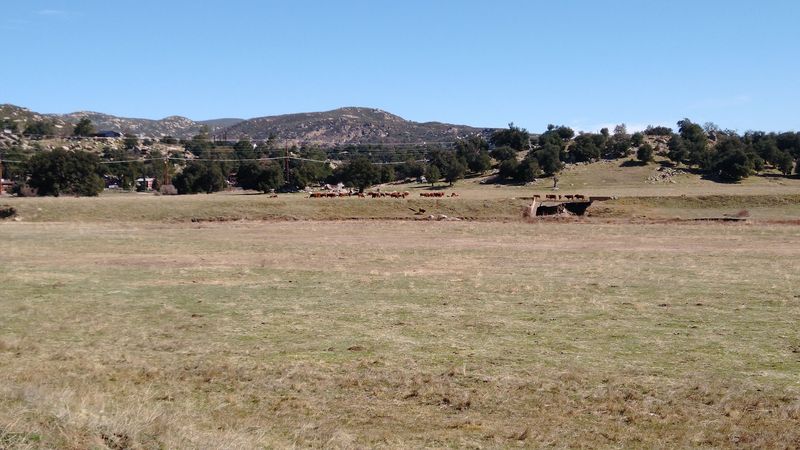
Some towns announce themselves with big signs. Descanso prefers a historic post office, a general store, and rolling horse properties.
The community has around 1,500 residents and sits just off CA-79, about 40 miles east of San Diego. At roughly 3,450 feet, it lines the climbing approach north from Interstate 8 toward the Cuyamaca mountains.
Its neighbor is a big draw. Descanso borders Cuyamaca Rancho State Park, so the oak groves around town take part in the same seasonal shift.
Expect brisk mornings and golden-yellow foliage once autumn settles in. I like it as a quiet pause before heading farther up the mountain, especially for anyone who finds Julian too busy on weekends.
5. Santa Ysabel
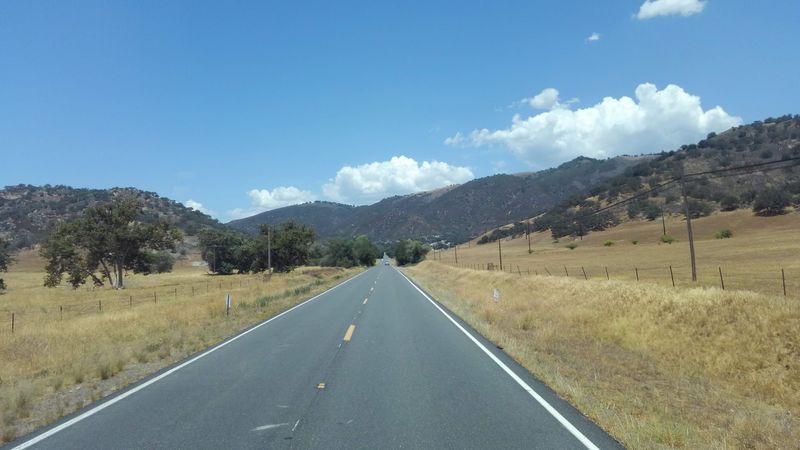
Plenty of Julian trips actually start with a stop at the bottom of the grade. That spot is Santa Ysabel, a farming and cattle crossroads with fewer than 500 residents.
The town rests in a highland valley at about 2,980 feet, around 50 miles northeast of downtown San Diego. Highway 78 runs through it before climbing toward Julian.
Fall here is all about the roadside. Farmstands sell local apples, and rustic bakeries make it easy to grab something sweet before the next stretch of road.
History is part of the stop as well, with the Santa Ysabel Mission close by. Around the pastures, sycamores and oaks turn gold, which gives the whole valley a harvest-season look.
6. Palomar Mountain
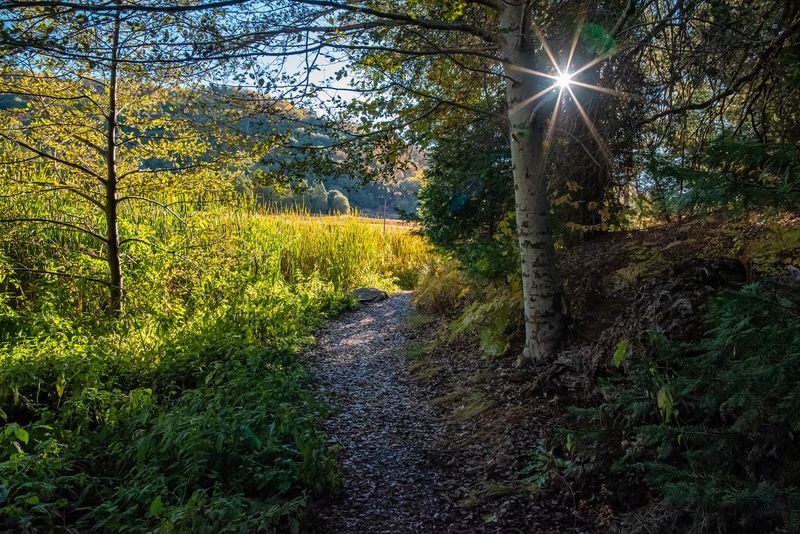
A road nicknamed the Highway to the Stars should lead somewhere memorable, and S6 delivers. Combined with the steep curves of CA-76, it carries drivers up to Palomar Mountain, one of the most isolated villages in the county.
Elevations here run from about 5,500 to 6,100 feet. Fewer than 300 people live among cedar cabins, a tiny general store, and thick conifer-oak forest, roughly 65 miles north-northeast of San Diego.
Autumn color on Palomar is more varied than many expect. Dogwoods, bracken ferns, and black oaks all change throughout Palomar Mountain State Park.
Weather can be chilly, and mountain fog sometimes rolls through. Pack layers and allow extra time for those switchbacks.
7. Ramona
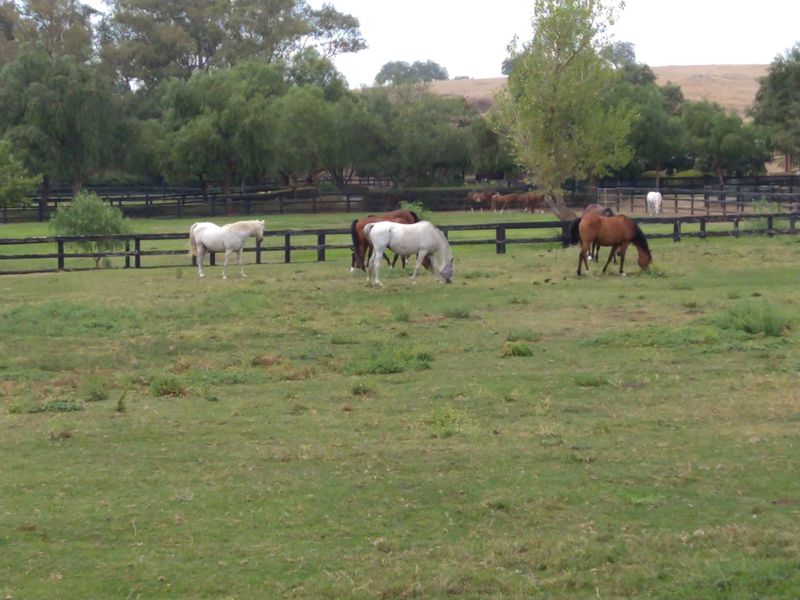
Call it the front porch of the backcountry. Ramona sits at the crest of the steep Ramona Grade on Highway 67, about 35 miles northeast of downtown San Diego.
At roughly 1,400 to 1,500 feet, it is the lowest town on this list. Even so, autumn evenings run noticeably cooler than along the coast.
Ramona holds onto its Old West and farming roots. Equestrian ranches spread across the valley, and historic shopfronts still line Main Street.
Fall is harvest time here, with pumpkin patches and vineyard harvests in the area. For families wanting a seasonal outing without a long mountain drive, it is an easy choice.
8. Warner Springs
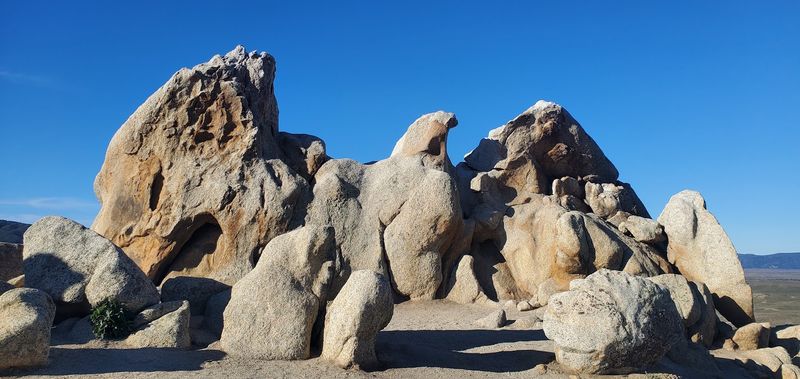
Hikers on the Pacific Crest Trail know this name well. Warner Springs is a trail town, a ranching community, and one of the roomiest landscapes in San Diego County.
The census count sits under 300, so space is the main feature. An old general store anchors things, surrounded by wide grazing lands.
Highway 79 North curves up to this plateau at over 3,100 feet, about 65 miles northeast of San Diego. The scenery opens up as you go.
Autumn arrives quickly in the open air. Grasses turn, cottonwoods go gold, and pine peaks stand in the distance, a fine reward for anyone who prefers big views to busy sidewalks.
9. Campo
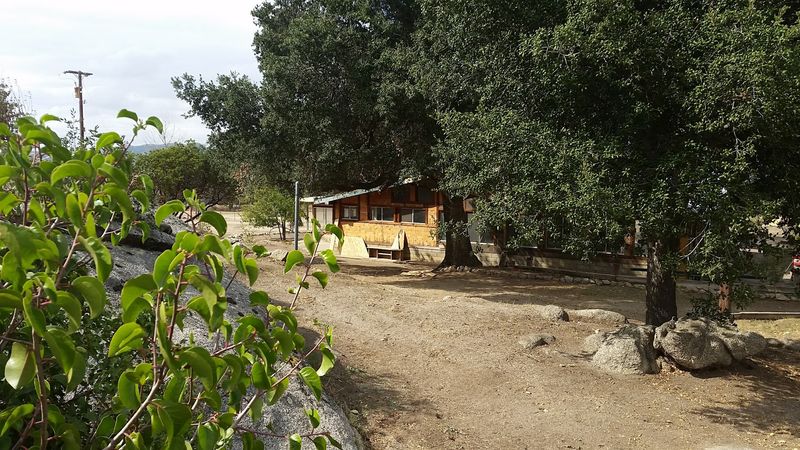
Railroad fans, this stop is for you. Campo is known for its rural railroad museum, old stone buildings, and frontier heritage in the Mountain Empire area.
About 2,500 residents live here, roughly 50 miles east-southeast of central San Diego. CA-94 or Old Highway 80 climb through rugged boulder country to reach the town at 2,620 feet.
Fall brings annual heritage events, including vintage train excursions that roll through oak scrub and chamise. Schedules can change from year to year, so check before you go.
The dry mountain air turns crisp as the season shifts. Campo offers a slice of old California history along with the cooler weather, which is a pairing that is hard to beat.
10. Boulevard
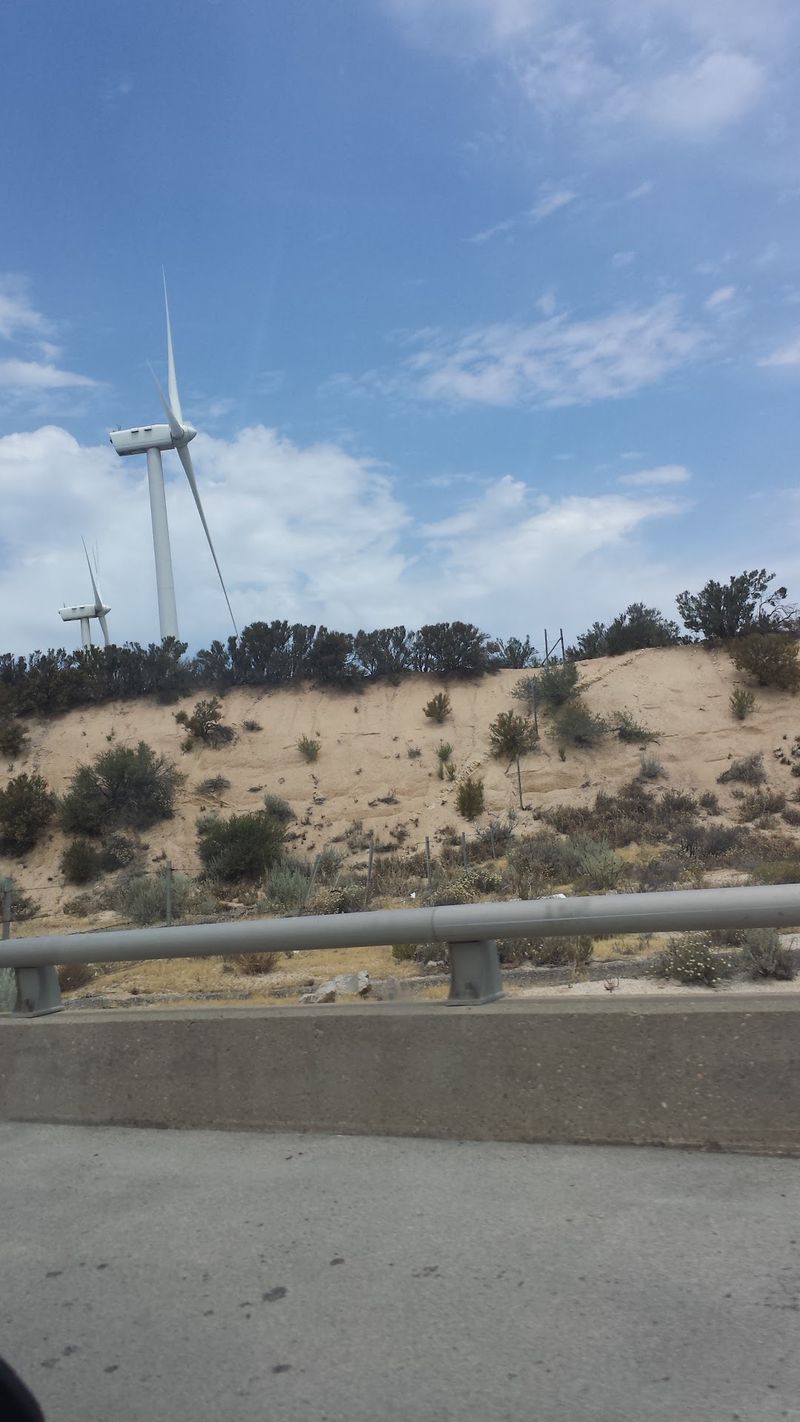
Out where the boulders start outnumbering the buildings, you will find Boulevard. Roughly 300 people live in this rural hamlet of rustic ranches and lonely roadside stops.
It sits about 60 miles east of San Diego, at around 3,600 feet along the high crest of Interstate 8 and historic Route 80. The Jacumba Wilderness is nearby.
Autumn here is less about leaves and more about weather. Temperatures can drop sharply, the mountain wind picks up, and the scrub turns golden under big blue skies.
It is a quiet end to an East County drive. Bring a warm layer and enjoy the open space.
From Julian’s orchards to Boulevard’s windswept hills, fall is closer than the coastal calendar suggests. All it takes is a full tank and a road that starts to climb.


