
Affiliate disclosure: As an Amazon Associate I earn from qualifying purchases. Learn more
Some Texans spend years hunting for the right place to slow down, and a few have quietly found it in East Texas. The town they keep landing on carries a name borrowed from a small spot in Illinois and a story that started with a traveling preacher.
It sits far enough from the big metros to feel unhurried, yet close enough for an easy drive to see the grandkids. Here is why this county seat keeps showing up on retirement wish lists, and what to know before heading that way.
An East Texas County Seat on the Map

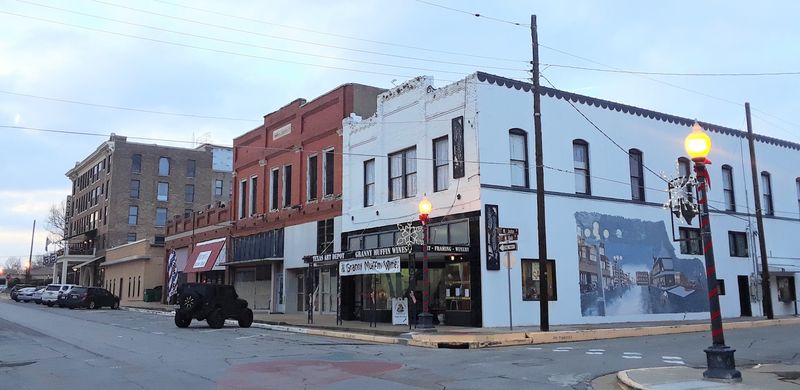
Plenty of retirement towns get loud attention, but this one prefers to keep its head down. Palestine sits in East Texas, USA, and serves as the seat of Anderson County.
That county seat role matters more than it might seem. It typically means local government offices, records and civic services are close at hand, which can be a real convenience for anyone settling in for the long haul.
On a map, the town lands in the piney stretch of the state southeast of Dallas. Drivers coming from Dallas-Fort Worth can often reach it in roughly two hours, while the trip from Houston typically runs a bit longer, depending on traffic and route.
That distance is part of the appeal. It is far enough to leave freeway rush behind, yet not so far that a doctor visit or airport run in a big city becomes an expedition.
For retirees weighing small-town calm against big-city access, the location hits a useful middle ground. It is the kind of place people mention to friends after they have already moved, almost like sharing a secret they were not sure they should tell.
The city maintains an official website at cityofpalestinetx.com, which is a smart first stop for current details. Before packing any boxes, though, the backstory deserves a look.
A Preacher, an Illinois Town and a Borrowed Name
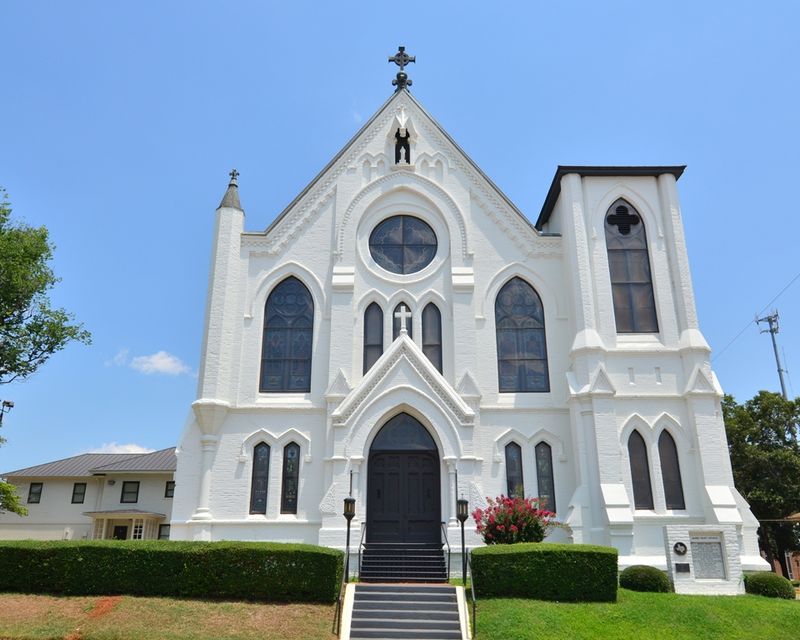
Few town names come with a road trip baked right in. Palestine was named after Palestine, Illinois, by a preacher named Daniel Parker.
Parker had migrated from that Illinois town, and he carried its name with him to Texas. It was a practical kind of tribute, the sort of choice a newcomer makes to keep a piece of home close.
There is something fitting about that origin for today’s retirees. Many of them are also arriving from somewhere else, bringing their own memories, habits and family stories into a new community.
Fun fact for trivia night: plenty of people assume the name points overseas. In reality, the connection runs to the American Midwest, which tends to surprise first-time guests.
That detail gives the town a down-to-earth identity. It was shaped by people who moved, put down roots and decided to stay put, a pattern that seems to be repeating itself a couple of centuries later.
History buffs may want to dig into local archives or county resources for a fuller picture of those early years. Origin stories are nice, of course, but daily life is what makes someone sign a mortgage, and that is where the slow pace comes in.
The Case for a Slower Clock
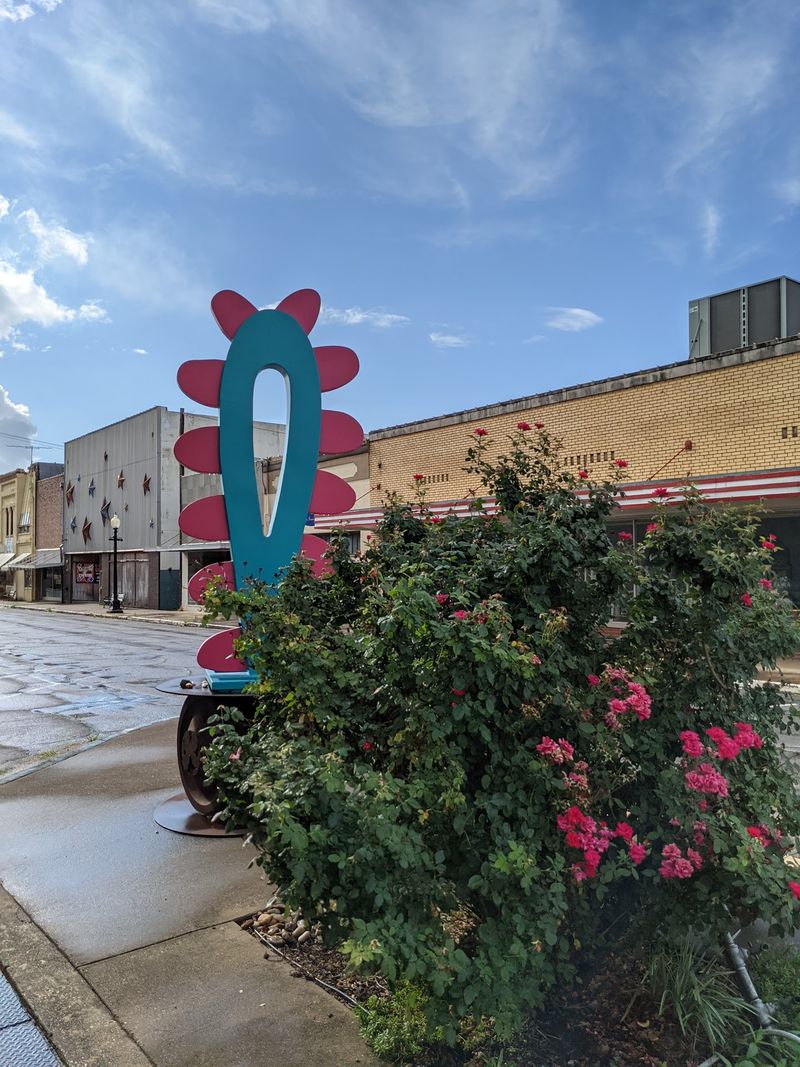
Retirement is supposed to be the reward, not another rat race. That is exactly why smaller county seats like Palestine keep drawing attention from folks who have finally earned the right to take their time.
Life in a town of this size typically moves at a gentler speed than in sprawling metros. Errands can often take less planning, and a quick trip across town usually stays quick.
Retirees tend to value that kind of breathing room. Fewer lanes of traffic and shorter lines can turn ordinary days into something closer to the relaxed rhythm people dream about during their working years.
There is also the community factor. In a smaller place, it is common to start recognizing neighbors, shop owners and fellow churchgoers, which may make building a social circle easier for newcomers.
None of that means nothing happens here. It simply means the calendar fills up by choice rather than by obligation.
Anyone curious about local events, clubs or senior programs can check with the city for current offerings. A slower clock is lovely in theory, but the price tag on that peace is where many retirees start paying close attention.
Stretching a Retirement Budget
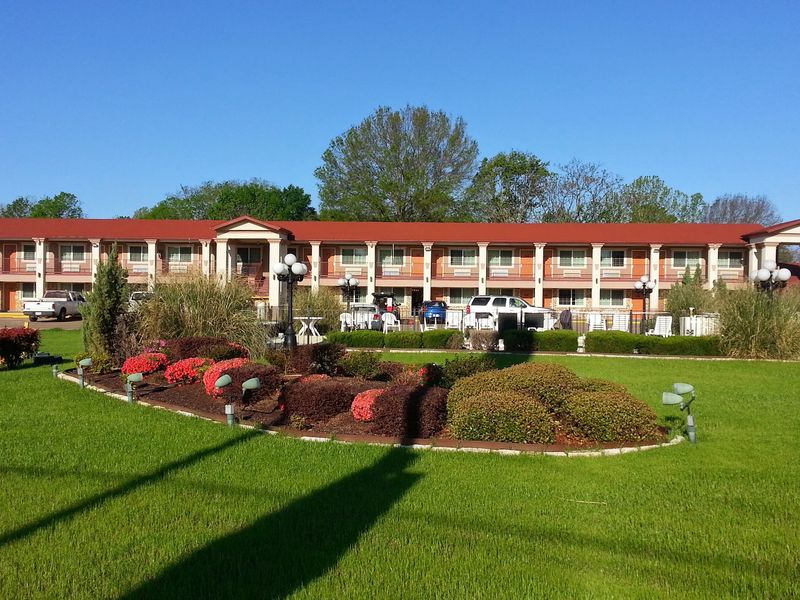
Fixed incomes have a way of making every dollar feel like it is doing double duty. For that reason, smaller East Texas towns often land on the radar of budget-minded retirees.
Housing and day-to-day costs in towns this size may run lower than in major Texas metros, though prices shift over time and vary by neighborhood. Checking current listings and local tax information is the honest way to know what a move would actually cost.
Texas itself offers a well-known perk: there is no state income tax. For retirees drawing pensions or retirement account withdrawals, that can typically leave a bit more money in the monthly budget.
Property taxes are a different story and deserve careful homework. Rates depend on the county and local taxing entities, so a conversation with county offices or a local real estate professional can clear things up.
The smart move is to compare numbers side by side with a current hometown. Groceries, utilities, insurance and healthcare costs all belong on that list.
Value is not only about money, though. Sometimes the bigger payoff is the space and quiet that a modest budget can buy in a place where the pace already matches the plan.
Piney Woods Surroundings
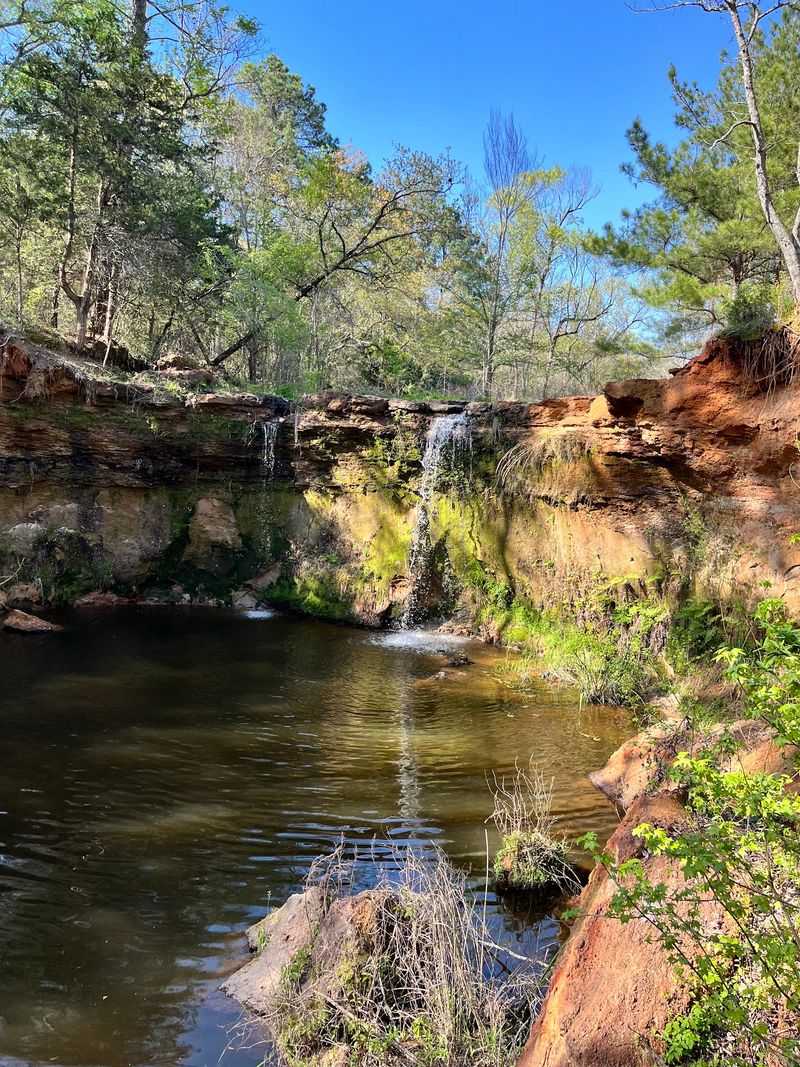
East Texas rarely matches the cactus-and-tumbleweed image outsiders carry around. Palestine sits in the eastern part of the state, a region generally known for its forests and rolling terrain.
That setting tends to appeal to retirees who want a little green around them. Wooded backroads and open countryside can make an ordinary afternoon drive feel like a small outing.
For active retirees, the surrounding region may offer room for walking, gardening and simple outdoor time close to home. Specific parks, trails and seasonal programs change, so the city website is the best place to confirm what is currently available.
Grandkids visiting for the weekend can benefit too. A town with space to roam often makes family visits easier on everyone, especially when the agenda is simply spending time together rather than chasing big-ticket attractions.
Seasons matter here as well. Spring and fall are typically the most comfortable times to explore Texas outdoors, while summer calls for early mornings and plenty of water.
Scenery alone rarely seals a relocation decision. Still, plenty of people find that living among trees instead of towers makes the slower lifestyle feel complete.
Who Feels at Home Here
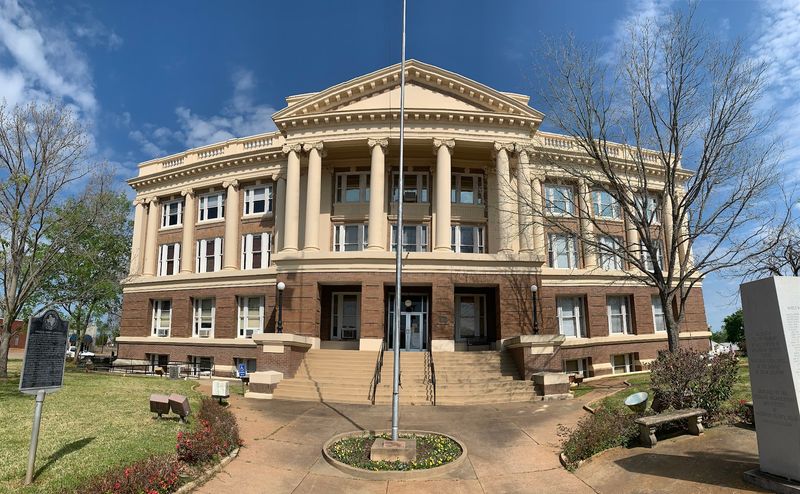
Not every town suits every retiree, and that is perfectly fine. Palestine tends to fit a particular kind of person rather well.
Folks who prefer familiar faces over constant novelty often thrive in a county seat of this size. The same goes for anyone who enjoys a short commute to errands and would rather skip long freeway drives.
Texans with family in Dallas-Fort Worth or Houston may appreciate the reasonable distance. It allows regular visits without living in the middle of big-city congestion.
On the other hand, someone who craves nightly entertainment options, major league sports and endless dining choices might feel the quiet more sharply. Being honest about those preferences can save a lot of second-guessing later.
A practical tip: spend a few days in town before committing. Visiting during an ordinary week, not just a holiday, gives a clearer sense of what daily life actually looks like.
Healthcare access is another key factor for older residents. Researching nearby providers and specialists ahead of time is a wise step, and it pairs nicely with the logistics of actually getting there.
Road Trip Notes for a Scouting Visit
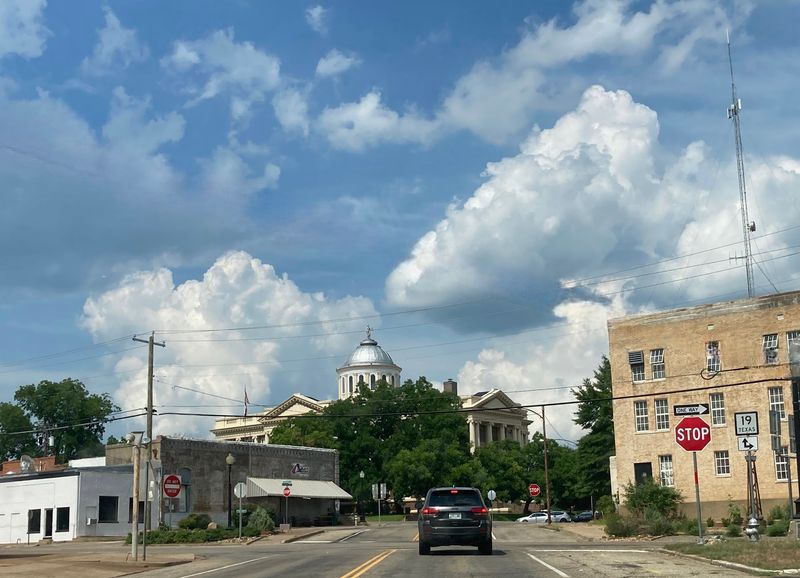
A scouting trip is the best investment any would-be resident can make. Palestine is a city rather than a single attraction, so there are no entry fees or gate hours to worry about when exploring the town itself.
Most travelers arrive by car. From Dallas-Fort Worth, the drive typically takes around two hours, and from Houston or Austin it usually runs somewhat longer, depending on the route chosen.
Planning ahead pays off. Individual businesses, museums and public buildings set their own hours, so checking ahead can prevent a wasted stop.
The official city website, cityofpalestinetx.com, is a useful resource for local updates, departments and community information. It can also point toward events that might line up with a visit.
Packing for the season makes a difference. Summer trips call for sun protection and water, while cooler months are often ideal for leisurely wandering.
Bringing a notebook may sound old-fashioned, but it helps. Jotting down neighborhoods, prices and first impressions makes comparing towns much easier once the trip is over and the decision-making begins.
A Quiet Verdict on a Quiet Town

Some places shout for attention, and others simply wait to be noticed. Palestine falls firmly in the second group.
Its strengths are steady rather than flashy. A county seat role, an East Texas setting, a manageable drive from major metros and a name with a genuine pioneer story all add up to a town worth a closer look.
For retirees, the appeal often comes down to fit. Those seeking a slower routine, a community where faces become familiar and a budget that may stretch further than in the big cities could find plenty to like.
It will not be the right choice for everyone. Anyone who needs constant activity may prefer a larger city, and that is a perfectly reasonable conclusion to reach after a visit.
The best advice is simple: go see it in person. Spend a few unhurried days, ask locals about their routines and check current costs before making any big moves.
Daniel Parker brought a borrowed name from Illinois and decided this corner of Texas was worth staying in. A new generation of newcomers seems to be reaching the same conclusion, just with better roads and fewer horses.


