
Affiliate disclosure: As an Amazon Associate I earn from qualifying purchases. Learn more
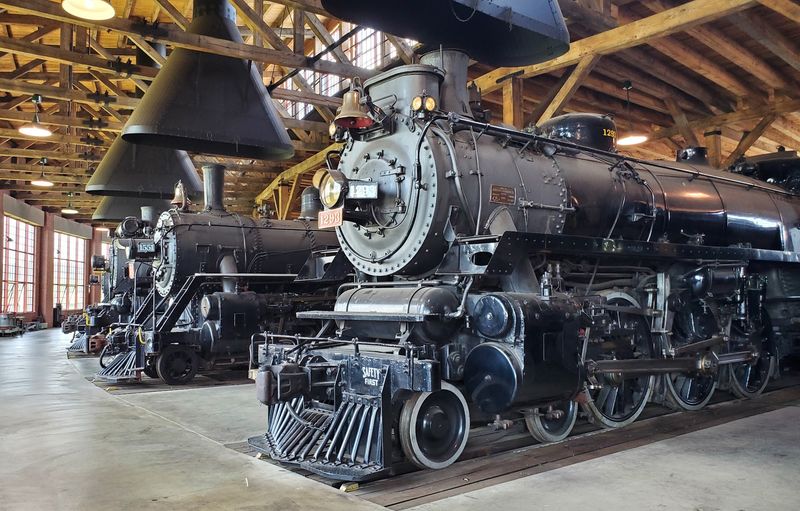
Tucked into the rolling farm country of Ohio’s Amish Country sits a building most people would never expect to find out here. It is big enough to hold a lineup of full-size steam locomotives, each one parked like a car in a giant garage.
Many of these engines date back to the early 1900s, and some have even appeared in the movies. The whole collection began with one man and his lifelong love of trains.
Guided tours run only three days a week, so timing matters. Train fans, curious families, and history lovers all leave with stories to tell.
Keep reading to learn where it is, what the tour covers, and how to plan a stop that fits neatly into a day around Sugarcreek.
A Railroad Giant Hiding in Amish Country
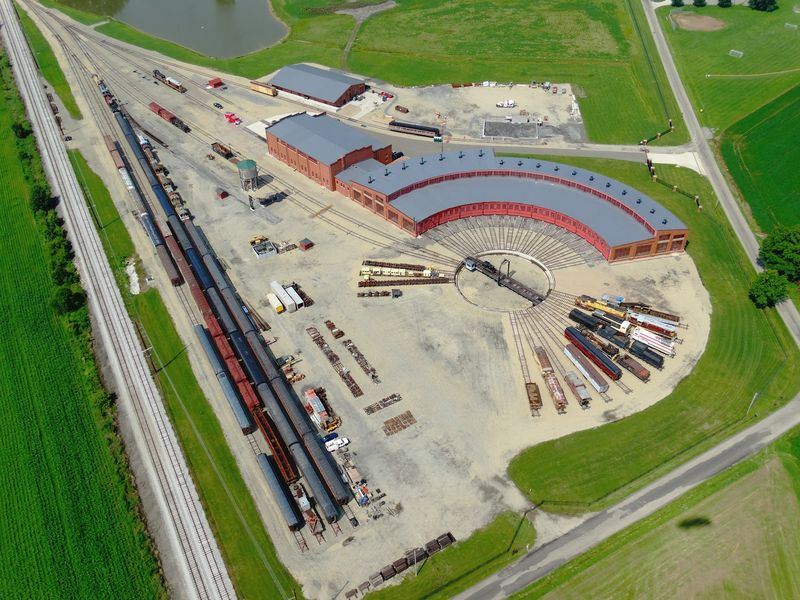
Few people driving the back roads near Sugarcreek expect to find a full railroad roundhouse among the farms. Yet there it stands, built for one purpose: sheltering a big collection of steam engines.
The Age of Steam Roundhouse sits at 213 Smokey Lane Rd SW, Sugarcreek, OH 44681, in the heart of Ohio’s Amish Country. It is a heritage museum, and it focuses on the steam era of American railroading.
The spot is a little out of the way, which is part of the charm. Some folks call it the middle of nowhere, and they mean it kindly.
Sugarcreek itself is a small town known for its Amish ties and easygoing pace. That makes the roundhouse a natural add-on for families already heading to the area for shopping or a country drive.
From Columbus, Cleveland, or Canton, it can be part of a full day trip through Tuscarawas County and nearby Holmes County. The roundhouse rewards those who plan ahead, since it keeps limited hours.
It also carries a strong 4.8-star reputation across hundreds of guests. Not bad for a building that most Ohioans have never heard of.
One Man’s Lifelong Passion
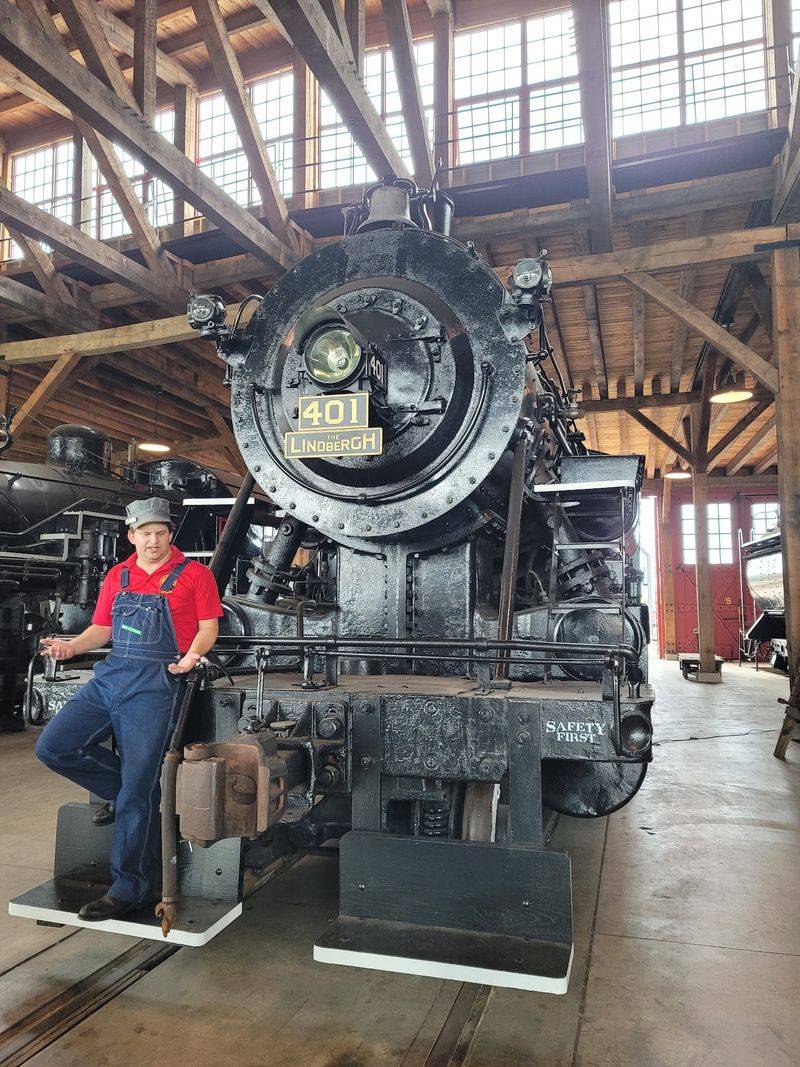
Every great collection starts somewhere, and this one started with a man named Jerry. His love of trains grew into something far bigger than a hobby.
Tours share how he built the collection piece by piece over a lifetime. Guests learn how each engine was found and how it made its way to Sugarcreek.
The scale of it surprises people. Some guests joke that Jerry simply had a lot of toys, though these toys weigh many tons apiece.
The story gives the place a personal feel that bigger public museums sometimes lack. It shows what steady dedication can produce over decades.
Jerry’s memory remains part of the experience today. His resting place is on the grounds next door, a quiet tribute to the man behind it all.
Knowing the backstory changes how the engines come across. They stop being just machines and become chapters in one person’s long love letter to railroading.
Architecture Built for Iron Horses
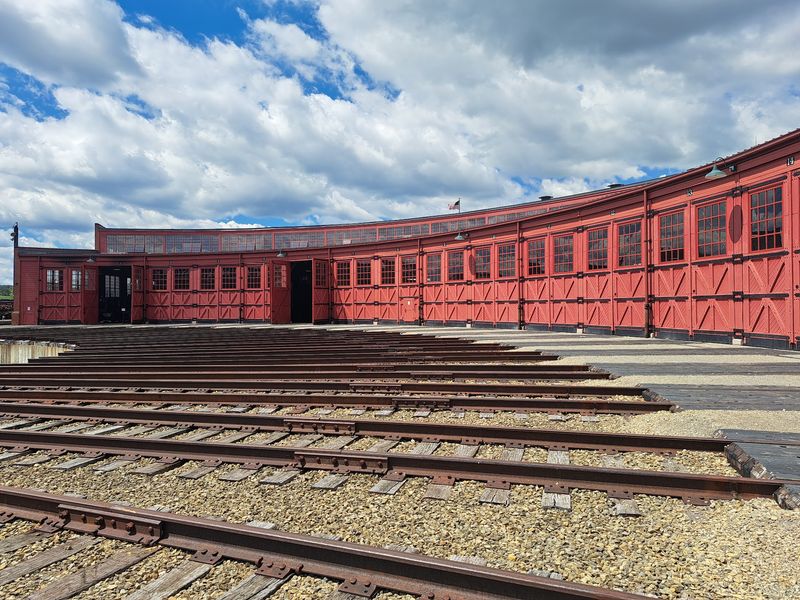
Architects have toured this building and come away impressed. That says plenty about its design.
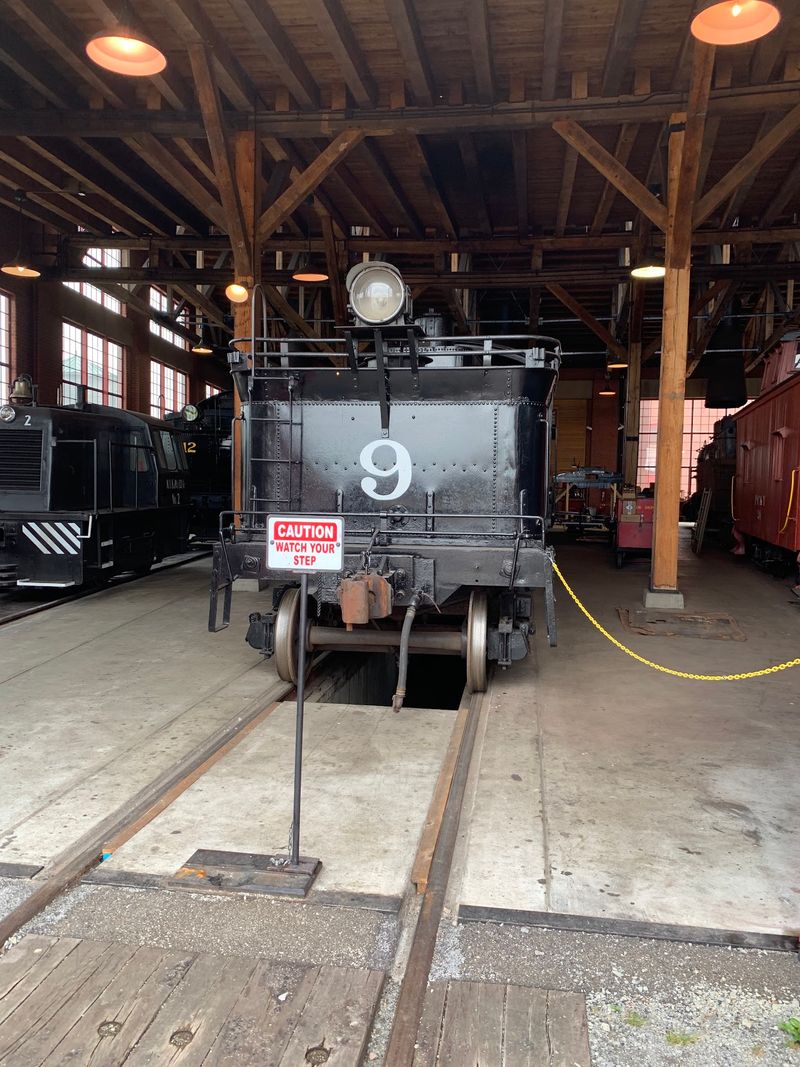
A roundhouse is a curved building with stalls that fan out around a central point. Locomotives back into these stalls for storage and repair work.
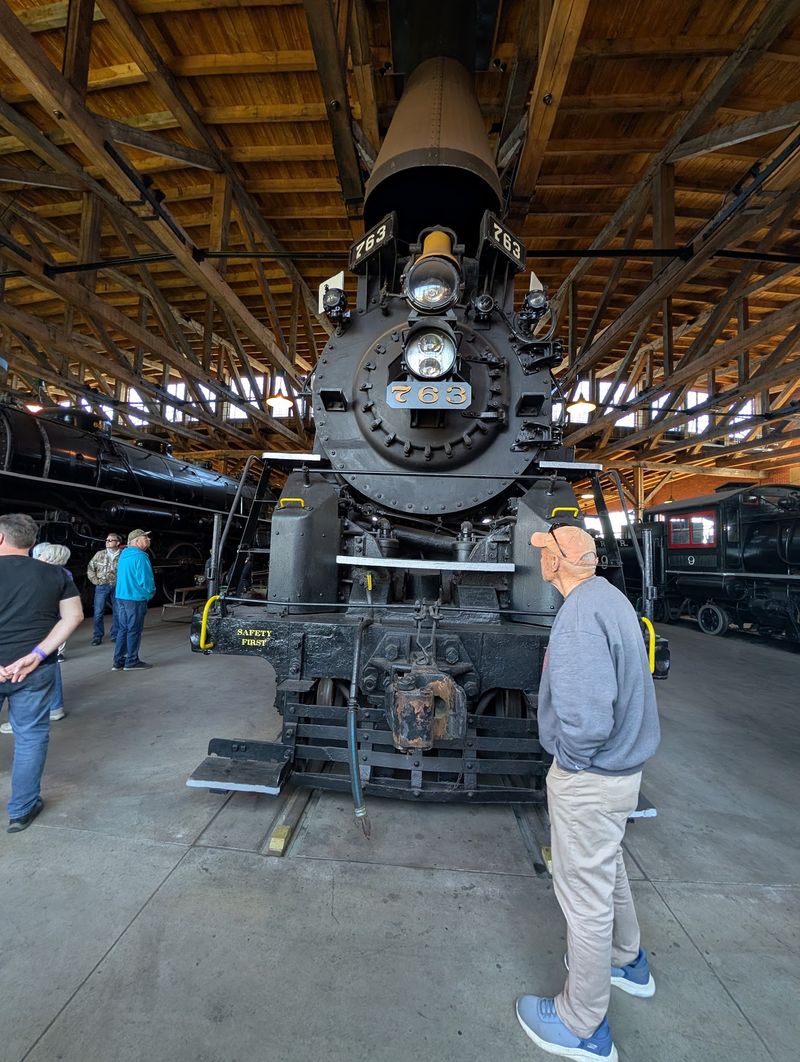
Here, the structure is large enough that full-size steam engines fit with room to spare. Guests often single out the building itself as a highlight, right alongside the trains.
The tour explains how the building was planned and constructed. For anyone curious about design, it adds a bonus layer of learning to the visit.
The interior is described as clean, bright, and carefully laid out. Each engine has its own space, which makes it easy to take in one machine at a time.
Plenty of people call the roundhouse an architectural wonder. It is the kind of building that earns a long look before the trains even get their turn.
The Turntable at the Center
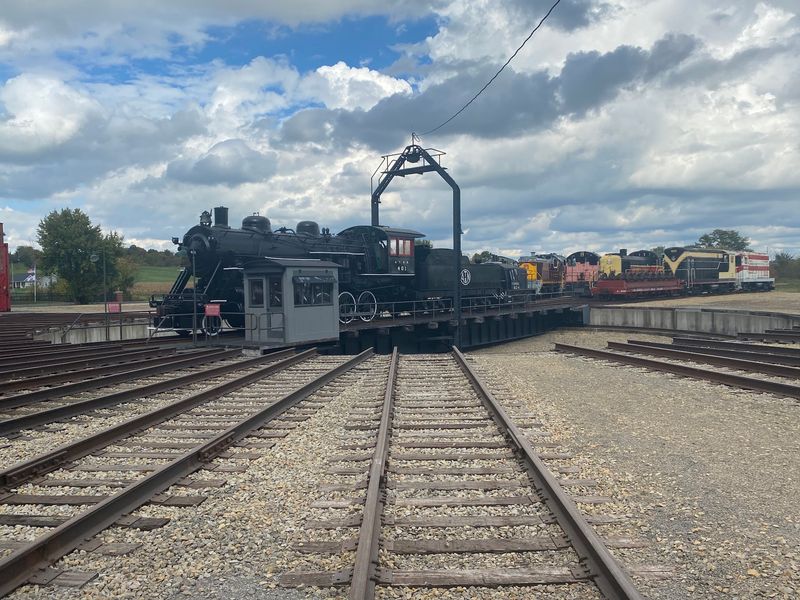
Out front of the stalls sits a piece of equipment that often steals a few minutes of attention: the turntable.
A turntable is a rotating bridge that lines up a locomotive with the right stall. Back in the steam days, it was a key part of every busy railroad yard.
Seeing one in working condition is a treat, since many have vanished from the American landscape. Families with young train fans often mention it as an extra cool feature.
The tour helps explain how the turntable and roundhouse worked together. That context makes the whole layout click into place.
Kids who have read about turntables in picture books get to see the real thing. Adults tend to appreciate the engineering that made it all possible.
It may not be the biggest draw on the property, but it quietly ties the entire setting together. Think of it as the hub that keeps the wheel of history turning.
Steam Engines by the Dozen
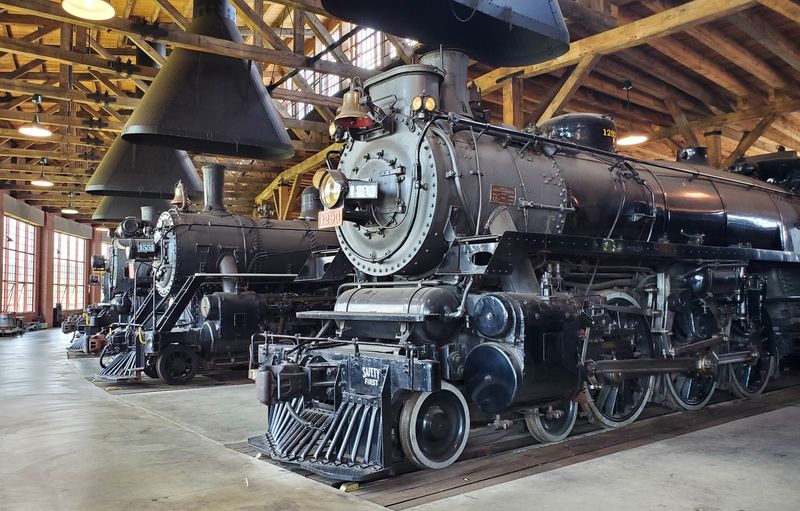
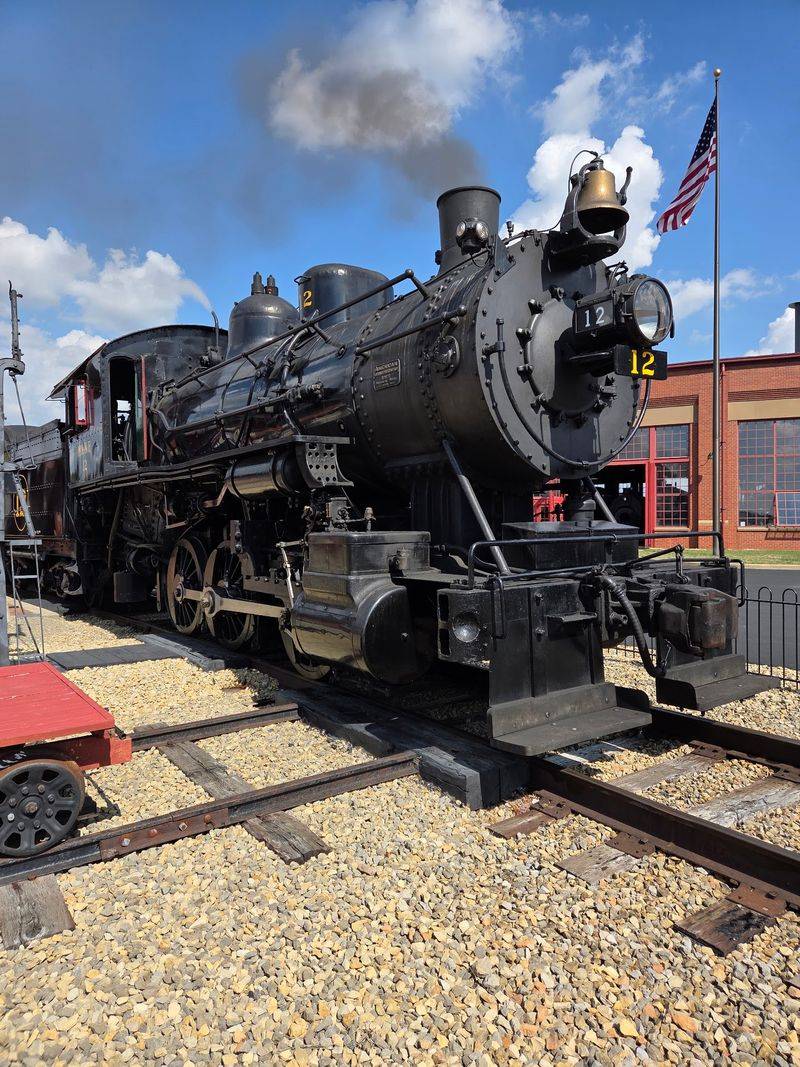
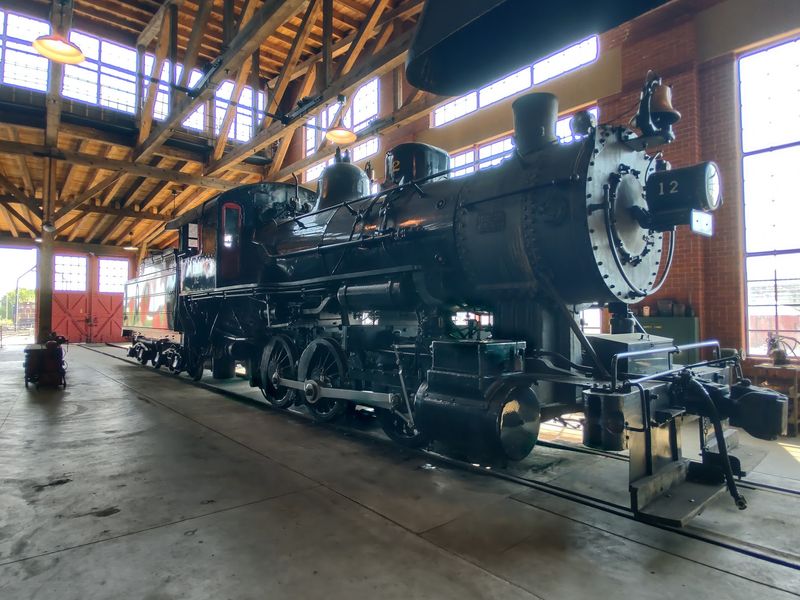
Steam engines are the stars here, and there are a lot of them. The collection is often called the largest private collection of steam locomotives in the country.
Many of the engines date to the early 1900s. Their massive size is one of the first things guests talk about after the tour.
The machines are well maintained and presented with care. Each one sits in its own stall, which gives the lineup a neat, organized look.
Guides walk through the history of each engine, one by one. Guests hear where it ran, what it did, and how it ended up in Sugarcreek.
The ingenuity of the era becomes clear as the tour moves along. These locomotives represent a time when steam power moved the nation.
Rail fans who have visited many museums often rank this collection near the top. For a trip into Ohio’s railroad past, it is hard to find a fuller roster.
Hollywood on the Rails
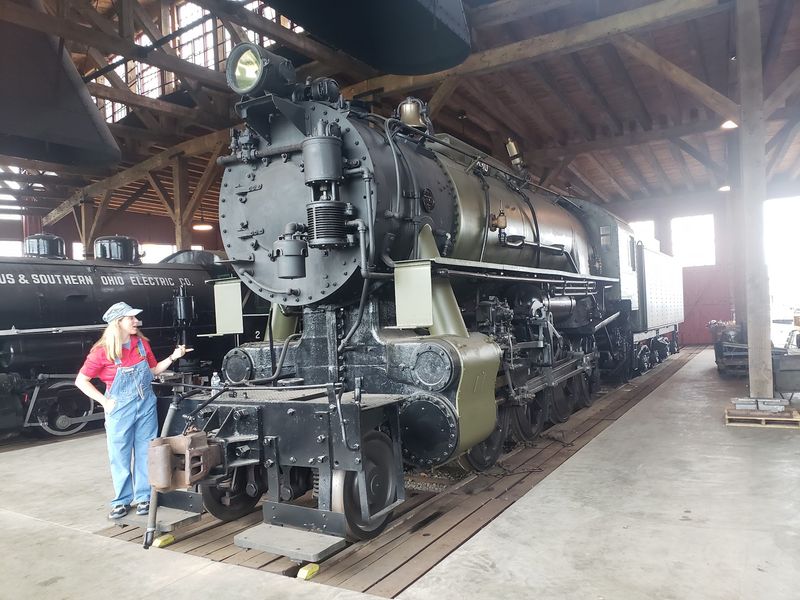
Some of these engines have had a second career on the big screen. A few famous locomotives housed here have appeared in movies.
That bit of trivia adds fun to the tour, especially for guests who are not die-hard train fans. Pointing out a movie engine tends to spark smiles across the group.
The guides share these stories as part of each engine’s history. It is a reminder that steam locomotives remain cultural icons, not just industrial tools.
For families, the movie angle can be a good way to keep younger members interested. A little star power goes a long way during a 90-minute walk.
Guests are encouraged to listen closely, since the details come quickly. Ask the guide which engines have screen credits and enjoy the backstory.
Not every museum can claim its exhibits have been in front of a camera. Here, a handful of these heavyweights have earned their spot in the spotlight.
Living History in the Workshop
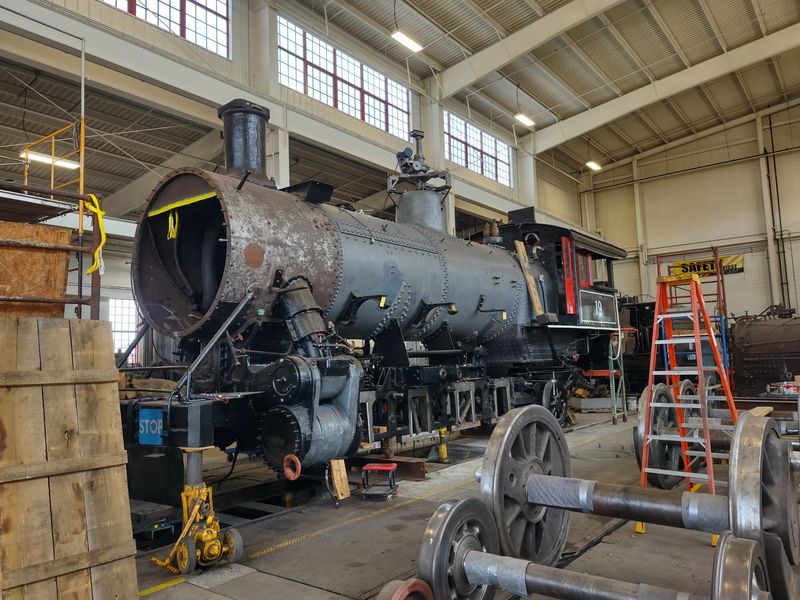
Museums usually show finished pieces behind ropes. Here, restoration work is part of the story.
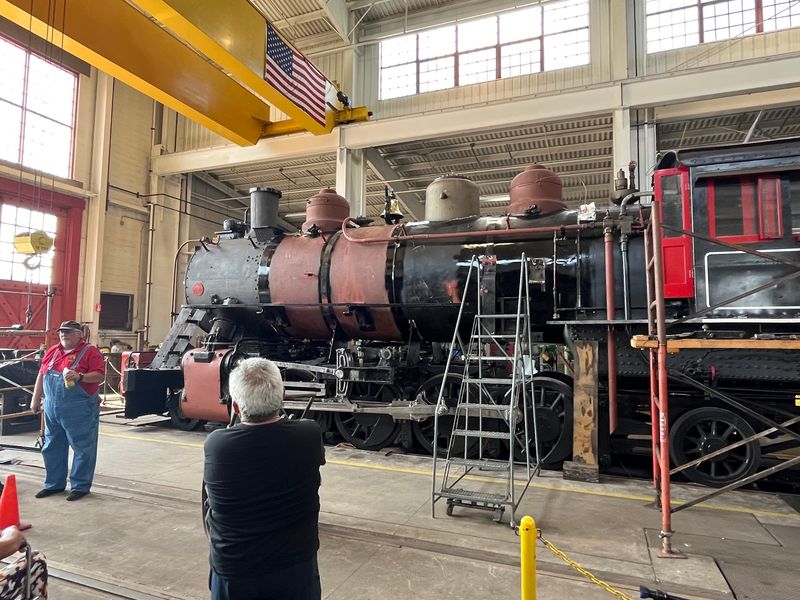
The roundhouse is an active facility where historic locomotives are brought back to life. Guests describe it as living history, not just a static display.
The workshop area is often called a crown jewel of the visit. Seeing where engines are repaired and restored helps guests understand the effort behind each one.
Because it is a working industrial site, safety comes first. Some areas stay closed to the public, and staff take those boundaries seriously.
That means guests should stick with the tour group and follow instructions. A liability waiver must also be signed before the tour begins.
The payoff is a rare look at real restoration in progress. It shows that the age of steam is not entirely in the past at this corner of Tuscarawas County.
Guides Who Know Every Rivet
Ask almost anyone what made the visit special, and the guides come up quickly. Knowledgeable staff ranks among the most mentioned features of the roundhouse.
Tours are guided only, so the guide shapes the experience. Many guests praise how well the guides explain each engine without dragging on.
Several guides have been singled out for being friendly and great with groups. Questions are welcomed, and answers come with plenty of detail.
A few guests have noted that some guides talk fast. It can help to stand close and save bigger questions for natural pauses.
The tour is described as informative and engaging. Time tends to pass quickly, even for people who arrived with little interest in trains.
Good storytelling turns rows of machines into a narrative. The guides here are the reason so many people leave wanting to come back.
What the 90-Minute Tour Asks of You
Comfortable shoes are a smart choice for this outing. The standard tour runs about an hour and a half.
Most of that time is spent standing and walking slowly through the roundhouse. Benches are placed along the route for anyone who needs a break.
The tour is not hands-on. Guides lead groups along the front of the engines rather than around or inside them.
Some guests wish they could see more of the grounds, including diesel locomotives and cars stored outside. Those pieces are visible only from a distance.
A newer storage building holds more railroad cars, though standard tours do not cover all of it. Special longer tours may offer more access.
Going in with the right expectations makes the visit smoother. Treat it as a guided history walk, and the 90 minutes tend to fly by.
A Good Fit for Which Travelers
Rail fans are the obvious audience, but they are not the only ones who leave happy. Plenty of guests recommend it even for people who are not into trains.
Grandparents have brought grandkids here to celebrate birthdays. Cub Scout leaders have planned group trips from northwest Ohio.
Still, the standard tour leans toward a general adult audience. Young children may get restless during a 90-minute walk with no hands-on elements.
The museum offers special tours and programming for kids during the summer months. Families with little ones may want to check those options first.
Companions who only tolerate trains might find the length a stretch. A short chat beforehand can help everyone enjoy the day.
Architecture buffs, history lovers, and curious road-trippers all have something to take home. The audience is wider than the word roundhouse might suggest.
Special Events and Excursions
Some weekends bring something extra to the property. The roundhouse hosts special events throughout the year.
One example was a Grand Christening celebration, where guests rode a train pulled by locomotive 19. Events like that let people see a steam engine in action.
Special tours also run longer than the standard version. Some last around three hours and include buildings not covered on the regular route.
Big events can draw crowds, and staff work to keep things organized and safe. Patience helps when seating and space get tight.
Memberships are available for those who plan to return. They can be a good fit for local rail fans who want to catch future happenings.
Checking the official website before a trip is the best way to spot upcoming events. A well-timed visit can turn a good outing into a memorable one.
A Gift Shop Worth the Detour
Gift shops are often an afterthought, but this one earns real praise. Many guests call it a treasure.
The shelves hold train-themed finds that go beyond basic souvenirs. Locomotive-shaped cookie cutters and train picture frames have been popular picks.
Railroad books are another highlight. Some titles found here can be hard to track down online.
Prices are often described as reasonable, which is welcome news for families watching a budget. It is easy to pick up a small keepsake without overspending.
Train-loving kids and grandkids tend to make a beeline for the shop. Set aside a few extra minutes after the tour for browsing.
For holiday shoppers, it can be a handy stop for a rail fan on the list. A good book about steam engines makes a fitting reminder of the day.
Hours, Waivers, and Ground Rules
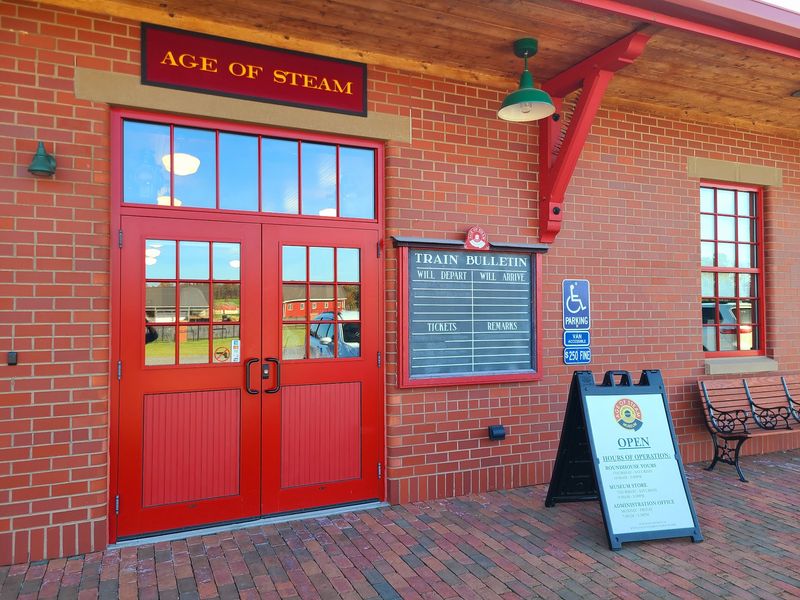
Timing is everything with this stop. The roundhouse is open Thursday, Friday, and Saturday from 9:30 AM to 3:30 PM.
It is closed Sunday through Wednesday. Plan a weekday-end or Saturday trip to avoid arriving at locked doors.
Tours are guided only, and guests must sign a liability waiver first. Arriving a little early leaves time for paperwork.
Restricted areas exist because this is a working facility. Staying with the group and respecting posted signs keeps the day running smoothly.
Photography rules may apply in certain areas near working equipment. When in doubt, ask a staff member before wandering.
Ticket prices and tour options can change, so the official website at ageofsteamroundhouse.org is the best place to check before leaving home. A little planning goes a long way out here.
Worth the Drive Down Smokey Lane
Some places are worth a detour, and this one makes a strong case. A rare collection, a striking building, and skilled guides add up to a solid day.
It works best for those who enjoy history and do not mind a long guided walk. Rail fans may find it among the best collections they have ever seen.
The limited hours and hands-off format are worth knowing about ahead of time. With the right expectations, most guests leave impressed.
It also pairs nicely with a day in Sugarcreek and the surrounding Amish Country. Cooler months make it an easy indoor stop on a fall drive.
Many guests say they hope to return. That says a lot about a place that started as one man’s dream.
For Ohio road-trippers looking for something their neighbors have not found yet, this roundhouse fits the bill. The steam age is alive and well, tucked down a quiet country lane.


