
Affiliate disclosure: As an Amazon Associate I earn from qualifying purchases. Learn more
Some towns in Arizona count their people in the hundreds and their birds in the hundreds too. One of them sits in Santa Cruz County, not far from the Mexican border, with a population smaller than many Phoenix high schools.
Locals know it as a quiet ranch town with deep mining roots. Birders know it as a name worth crossing oceans for.
The 2020 census counted just 804 residents here, yet people arrive with binoculars, field guides, and big hopes. So what pulls them to a dot on the map in southern Arizona?
The answer mixes history, landscape, and a small-town pace that is hard to find anywhere else. Keep reading to learn where this place is, how it began, and why it belongs on every Arizona list of hidden backyard treasures.
A Small Dot in Santa Cruz County
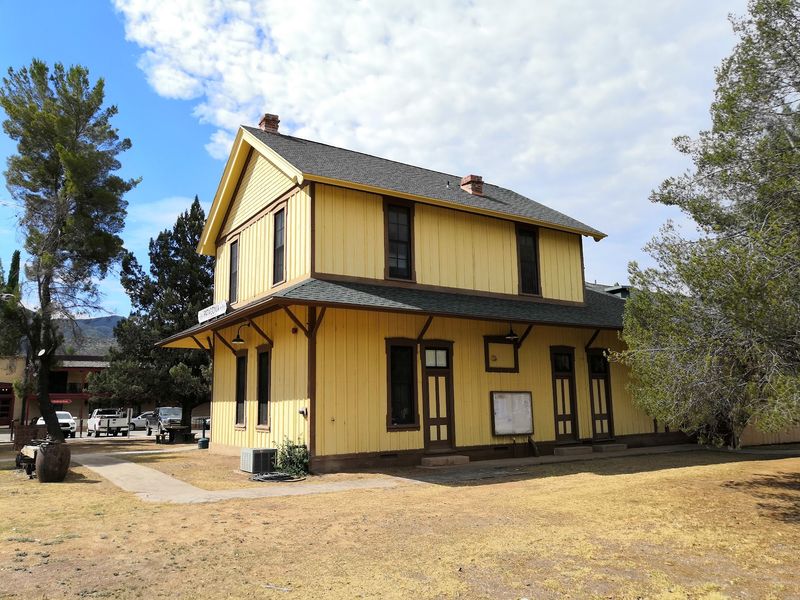
Some of Arizona’s best surprises fit inside a single zip code. Patagonia is a town in Santa Cruz County, and its address is simply Patagonia, Arizona 85624, USA.
The town sits in the southern part of the state, in the same county that borders Mexico. It is far from the freeway crowds of Phoenix and Tucson, and that distance is part of its charm.
Patagonia is officially a town, not just a crossroads. It has a name, a history, and a small but steady community that calls it home.
For Arizona locals, that makes it an easy place to overlook. Many people zip through southern Arizona on their way somewhere else and never take the turn.
That would be a mistake. A town this small can still carry a reputation that travels far beyond the county line.
Birders are proof of that. They come from many places, and they come here on purpose rather than by accident.
The rest of this story explains why. First, though, it helps to know just how small this place really is, because the numbers are part of the fun.
The Census Count of 804
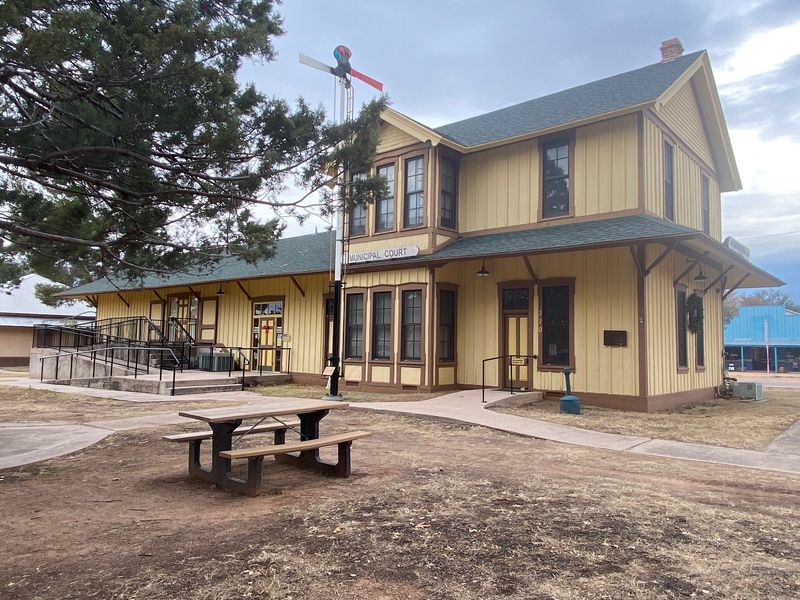
Here is a number to remember: 804. That was Patagonia’s population in the 2020 census.
To put it plainly, that is a few hundred people. A busy Arizona shopping center can hold more folks on a Saturday afternoon.
Small numbers change how a town works. Neighbors are more likely to know each other, and newcomers tend to stand out.
That size also shapes what visitors should expect. Patagonia is not a resort town packed with big attractions.
Instead, it offers room to slow down. The calendar here is set more by the seasons and the land than by traffic reports.
For birders, a low head count can be a plus. Fewer people often means more breathing room for wildlife and for the folks who come to watch it.
The little population also explains a funny contrast. On some days, the people holding binoculars may feel like a big share of the crowd in town.
So the headline holds up. A few hundred residents, plenty of outside interest, and a town that keeps its small-scale personality intact.
Roots in Mines and Ranches
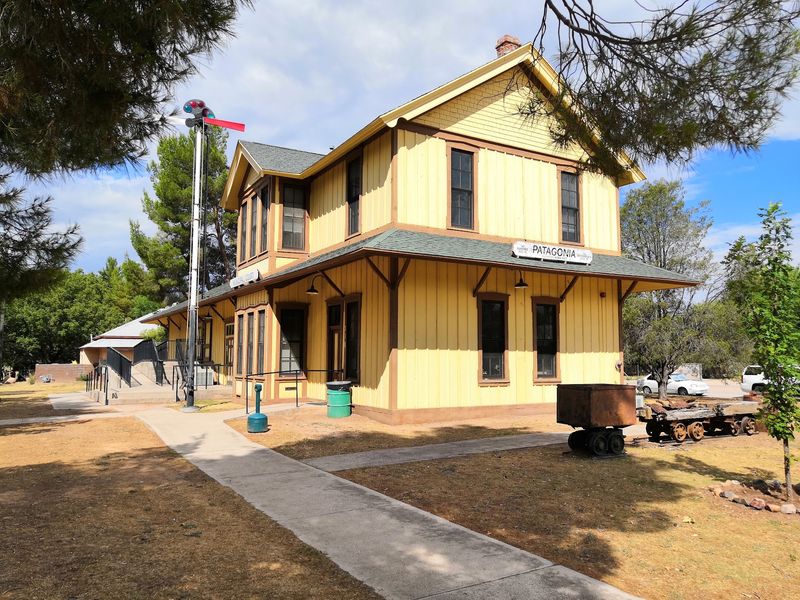
Long before birders packed spotting scopes, wagons and supplies kept this town busy. Patagonia developed in the mid-19th century as a trading and supply center.
Its job was to serve the nearby mines and ranches. Miners needed goods, and ranch families needed a place to trade.
That purpose gave the town a practical backbone. It was built to be useful, not flashy.
Arizona has plenty of towns with mining stories, but supply towns played a special role. They were the hubs that kept remote work going.
Ranching left its mark too. The open land around town still reflects that working past.
Knowing this history adds depth to a visit. The quiet streets connect to a time when this spot was a busy stop for people working the land.
Today, the trade has shifted. Instead of mining gear and ranch supplies, the town now draws people seeking nature, history, and a slower day.
Not a bad second act for a place that started as a supply stop.
Why Binoculars Outnumber Billboards
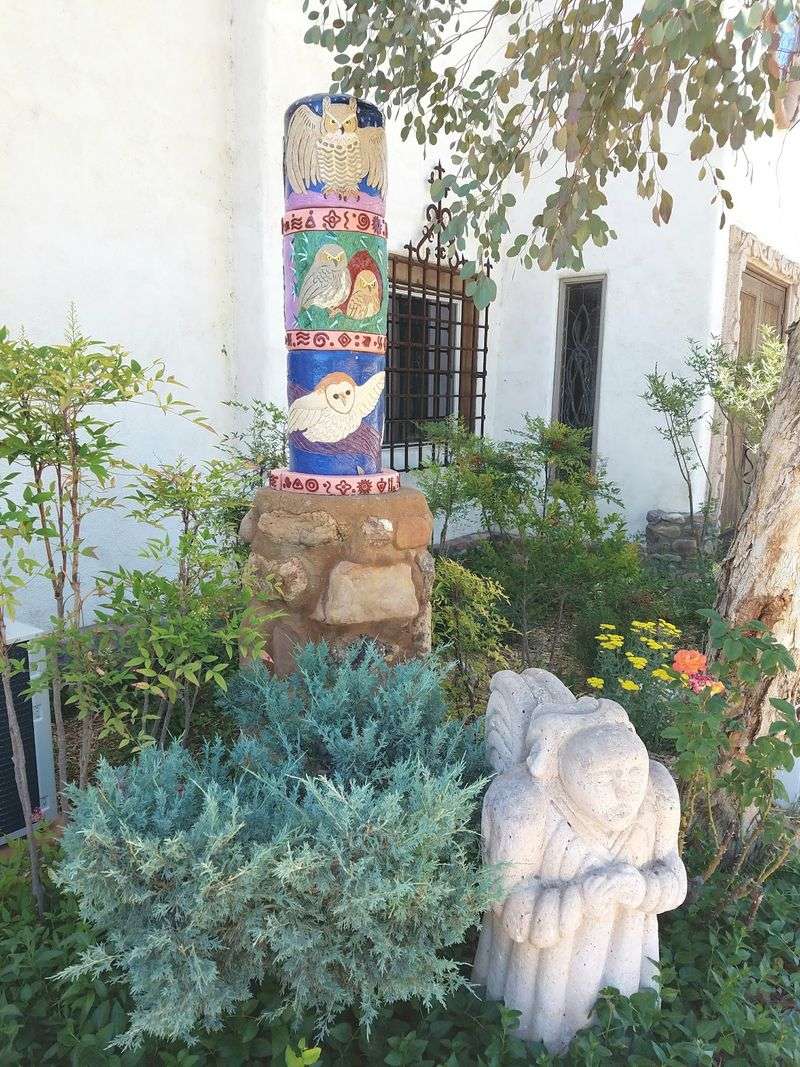
Ask a birder about southern Arizona and the name Patagonia tends to come up fast. The town has built a reputation that reaches well past state lines.
That is the big twist in this story. A town of a few hundred people pulls in birders from around the world.
Its spot in Santa Cruz County, close to the border, places it in a part of Arizona that many nature lovers prize.
For birders, the appeal is simple. Some trips are about seeing a species they cannot find closer to home.
Patagonia gives them a base for that kind of search. The town’s quiet setting suits people who are happy to wait, watch, and listen to field notes rather than city noise.
Arizona locals sometimes forget this. Travelers plan long trips to reach a place many residents can drive to in an afternoon.
That is the kind of backyard fact worth bragging about. It turns a small town into a destination on a global birding list.
A Border-Country Setting
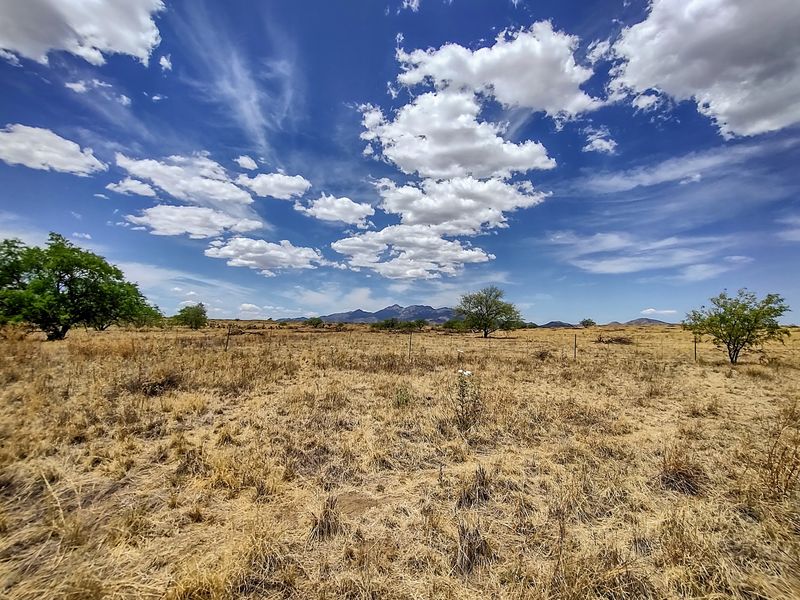
Geography does a lot of the heavy lifting here. Santa Cruz County sits along Arizona’s southern edge, and Patagonia shares in that border-country identity.
This is a very different Arizona from the saguaro postcards of the Phoenix area. The southern part of the state has its own character.
The mix of ranch land and open country that once supported mining and ranching remains part of the scenery.
For a day trip, the setting is a big part of the reward. The drive itself shows a side of the state many people rarely see.
Birders pay close attention to place, and location matters to them. Southern Arizona is a region they often single out.
Patagonia lands right in that zone. It gives birders a reason to stop rather than pass through.
The takeaway for Arizona residents is clear. The state’s far south deserves more weekend attention than it usually gets.
Small-Town Pace on Purpose
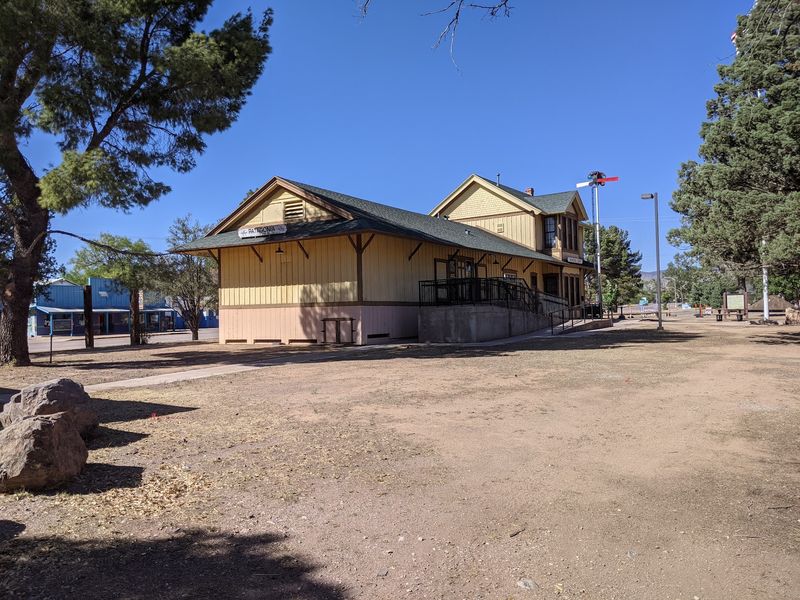
Nobody comes to Patagonia to rush. The town’s size naturally sets a slower rhythm.
With only a few hundred residents, the place feels more like a community than a stop on a tourist conveyor belt.
That mood suits certain travelers very well. Birders, history fans, and road trippers who like quiet places tend to fit right in.
Families may enjoy it too, especially those looking for a calm outing instead of a packed schedule.
It may not suit someone who wants big crowds or nonstop entertainment. Patagonia is more about noticing small things.
And that is the point for many people. A birding trip is often about patience, early starts, and being content with whatever the day brings.
Respect goes a long way in a town this size. Being a courteous guest helps keep the welcome warm for the next carload of binocular fans.
Who Should Make the Trip
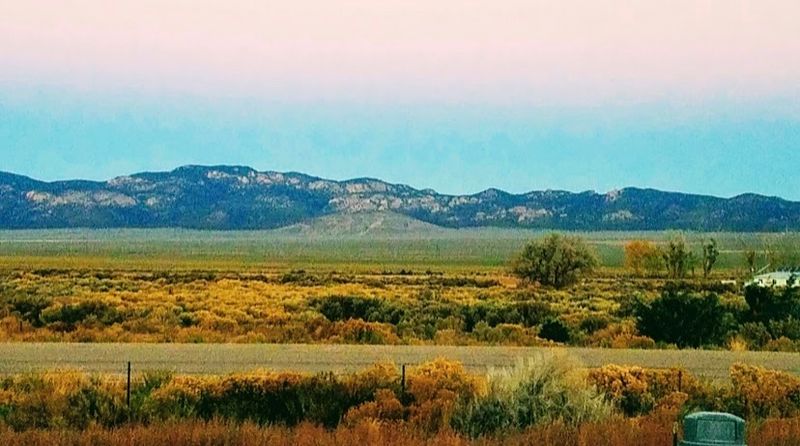
Some places try to be everything for everybody. Patagonia keeps it simpler, and that helps people decide fast.
Birders are the obvious match. The town’s worldwide pull among bird lovers says plenty.
History fans also have a reason to visit. A town born as a mid-1800s supply center for mines and ranches offers a real slice of Arizona’s past.
Road trippers who like small towns will feel at home. Patagonia fits nicely into a southern Arizona drive.
Photographers who enjoy open country and quiet streets may find plenty to work with.
Retirees and slow travelers could appreciate the unhurried feel. There is no pressure to see a long list of sights in one day.
Thrill seekers looking for big rides or busy nightlife should look elsewhere. Everyone else may find this tiny town fits like a well-worn field vest.
Getting There From Tucson and Phoenix
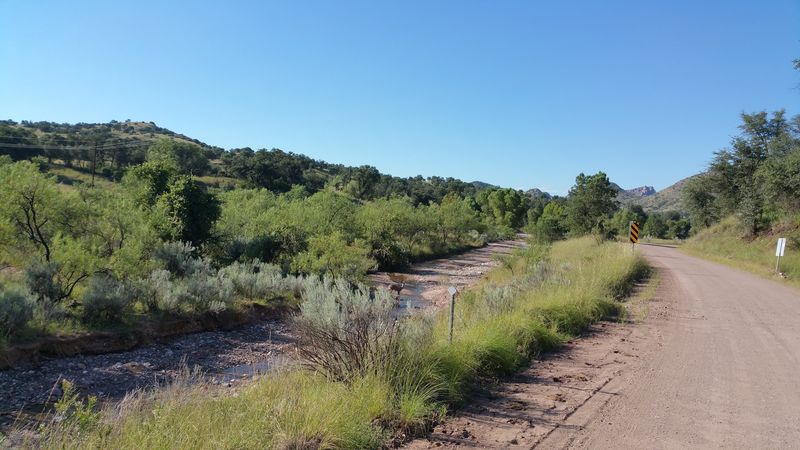
Reaching Patagonia takes a bit of intention. It is in Santa Cruz County in southern Arizona, so a car is the practical choice for most people.
Tucson residents have the easier trip, since the town sits in the same southern part of the state.
Phoenix-area travelers should plan for a longer drive. Many will want to make it a full day or an overnight outing.
Use the town address, Patagonia, Arizona 85624, when setting up a map app. Double-check the route before leaving, since rural roads can have fewer services along the way.
Filling up the gas tank and packing water is a smart habit for any small-town trip in Arizona.
Birders often plan around early hours, so arriving the night before can help. Check current lodging and business hours ahead of time, since details can change in a small town.
A little planning keeps the day focused on birds, not on backtracking.
Smart Moves Before Heading South
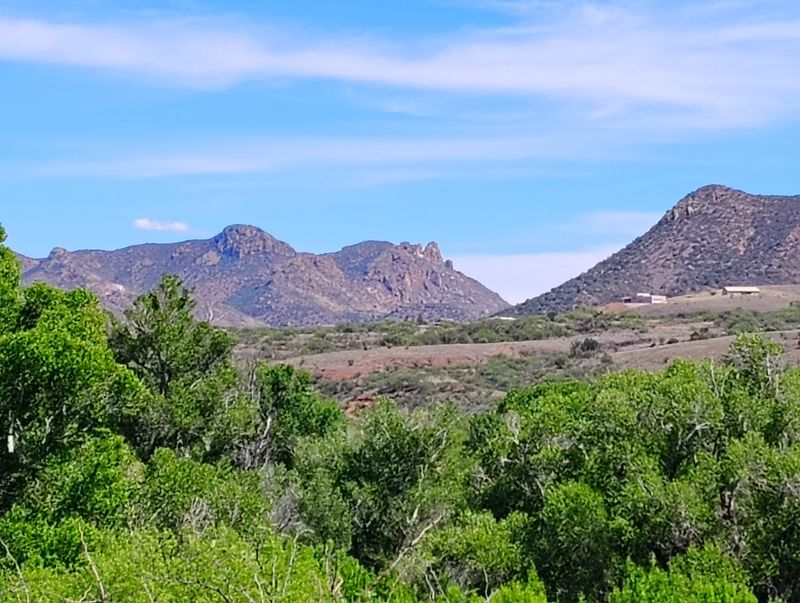
Good birding trips are built the night before. A few simple steps can make a Patagonia visit smoother.
Bring binoculars and a field guide or birding app. They turn a quiet walk into a scavenger hunt.
Pack sun protection and plenty of water. Southern Arizona weather can be strong, especially in the warmer months.
Wear sturdy shoes for uneven ground. Comfort matters when the best sighting might require patience.
Since the town is small, it helps to look up current hours for any businesses you plan to visit. Calling ahead or checking online can save frustration.
Respect private property, especially in an area shaped by ranching. Stay on public paths and follow posted signs.
Finally, keep expectations flexible. Birds do not follow schedules, and part of the fun is the surprise.
Prepared travelers usually leave with better notes, and maybe a new name on their life list.
A Tiny Town With Global Wings
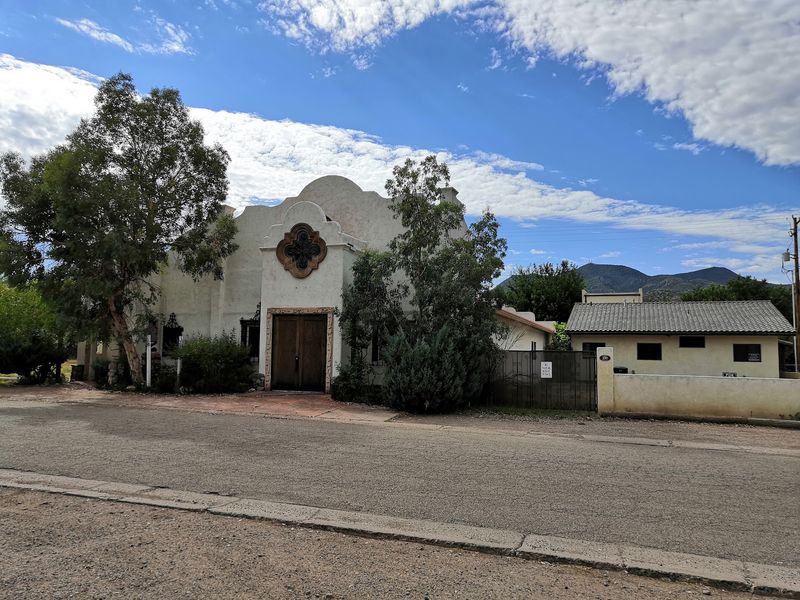
Size, it turns out, is not the whole story. Patagonia proves that a town of 804 people can still hold a spot on the world’s radar.
Its roots as a mid-19th-century supply center give it history. Its southern Arizona location gives it a setting worth the drive.
And its pull among birders gives it a reputation that stretches far beyond Santa Cruz County.
For Arizona locals, that is a quiet source of pride. People travel great distances for something sitting right in our own state.
The town will not overwhelm anyone with flash. It rewards patience, curiosity, and respect for a small community.
That makes it a fine choice for a slow weekend, a birding outing, or a history-minded detour.
Pack the binoculars, plan the route, and let this little town show why it flies so high on so many lists.


