

Affiliate disclosure: As an Amazon Associate I earn from qualifying purchases. Learn more
East of Phoenix, past the last stretch of suburbs, a canyon hides one of the most surprising places in Arizona. It holds trees taller than a six-story building, a creek that flows through the desert, and plants gathered from dry corners of the whole planet.
Plenty of longtime locals have driven right past the turnoff without knowing it exists. The garden traces its roots back to the 1920s, and it has been quietly growing ever since.
Today it covers hundreds of acres of trails, gardens, and wild canyon land. Wild coatimundis wander through, hummingbirds zip between flowers, and an old man cactus gets more laughs than most comedians.
Keep reading to learn its story, the best trails to try, and the smart way to plan a visit before the summer heat arrives.
A Canyon Garden Near Superior
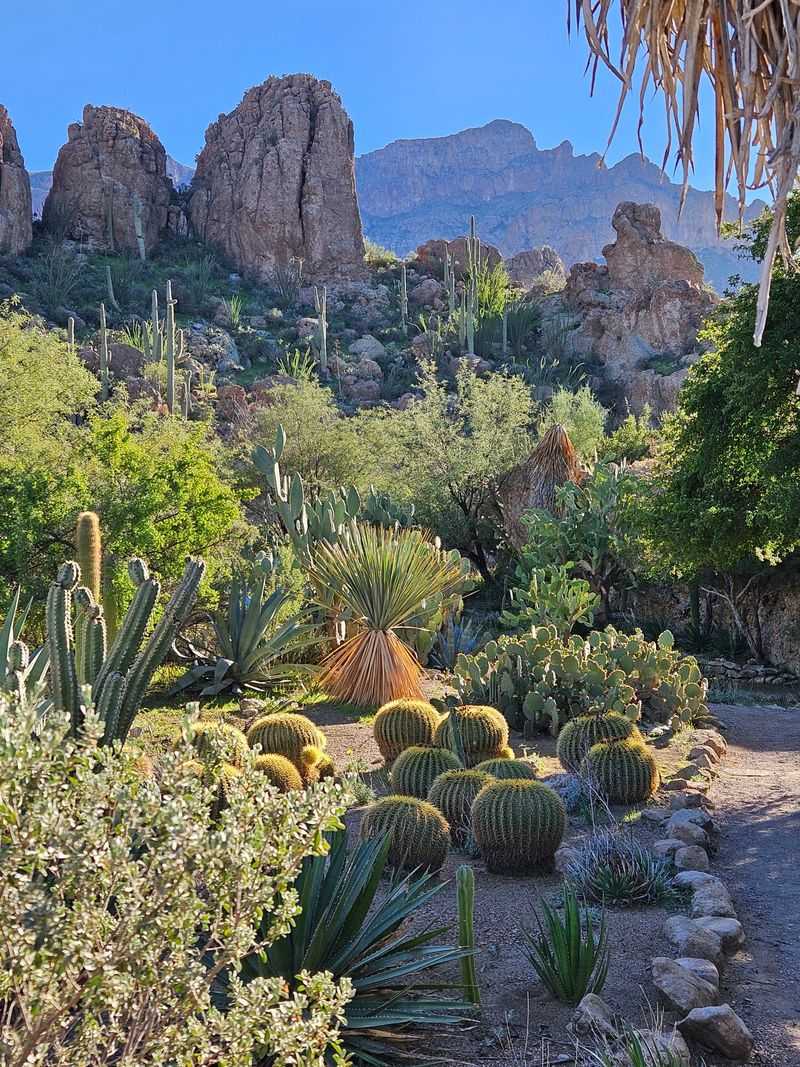
Few road trips from the Valley end with a botanical garden tucked inside a mountain canyon. Boyce Thompson Arboretum sits at 37615 E Arboretum Way, Superior, AZ 85173, in the United States.
The arboretum spreads across 323 acres in the rugged country of Pinal County. It operates as a state park and a botanical garden at the same time, which gives it a rare double identity.
Many people who make the trip are surprised by how remote it feels. Even residents of North Scottsdale have remarked that it seems to be in the middle of nowhere, and that is a big part of the appeal.
The setting matters here. Instead of a manicured city park, the garden blends cultivated collections with natural desert land that has not been built up.
Craggy peaks rise above the grounds, and the paths wind through a small canyon. It is easy to see why so many locals call it hidden.
For Arizonans who think they have seen every corner of their state, this spot tends to rewrite the list. The rest of the story starts nearly a century ago.
Roots Planted in the 1920s

Long before Arizona had freeways linking Phoenix to the Copper Corridor, someone decided this canyon was worth planting. The arboretum dates to the 1920s, making it a true elder among the state’s gardens.
That age shows up in the best possible way. Trees planted generations ago have grown into towering giants, and a mature garden simply cannot be rushed.
History is woven throughout the park rather than locked away in a single exhibit. Old structures and interpretive details appear along the trails, adding a fun layer of story to the walk.
Many people describe the place as lost in time. That feeling comes partly from the scenery and partly from knowing how long the work here has been going on.
The garden has stayed true to a simple mission over the decades. It shows which plants from dry regions around the world can thrive in the Southwest.
So when a 1920s dream still blooms today, it deserves a little hometown bragging. Arizona has kept this one growing for well over a century of seasons in the making.
Desert Plants From Around the Globe
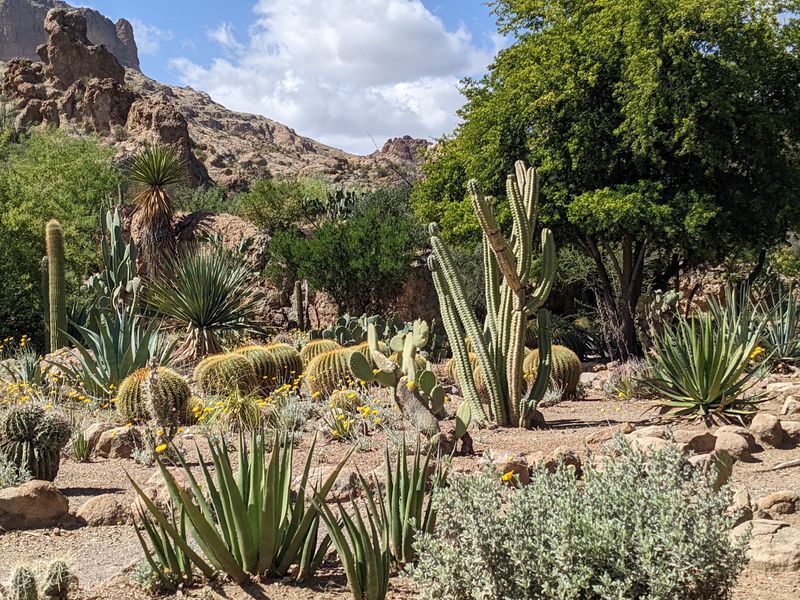
Cacti get top billing, but the plant roster here reads like a world atlas. Collections include arid-climate species from deserts and dry regions across several continents.
The gardens are organized into themed areas, some reflecting different cultures and regions. Walking from one to the next feels a bit like flipping through chapters of a botany book.
Cactus lovers will find a wide range of species, from tall columns to squat, spiny clusters. Succulents fill beds beneath the trees, offering plenty of variety in form and size.
One crowd favorite is the old man cactus, covered in long white hairs. It reliably earns a chuckle from people who spot it for the first time.
Timing affects what you will find in flower. Early March can be a little soon for peak blooms, so later spring may reward flower hunters more.
Even outside bloom season, the sheer diversity keeps things interesting. Plant nerds tend to leave with a camera roll full of shapes they never knew existed.
Giants of Red Eucalyptus
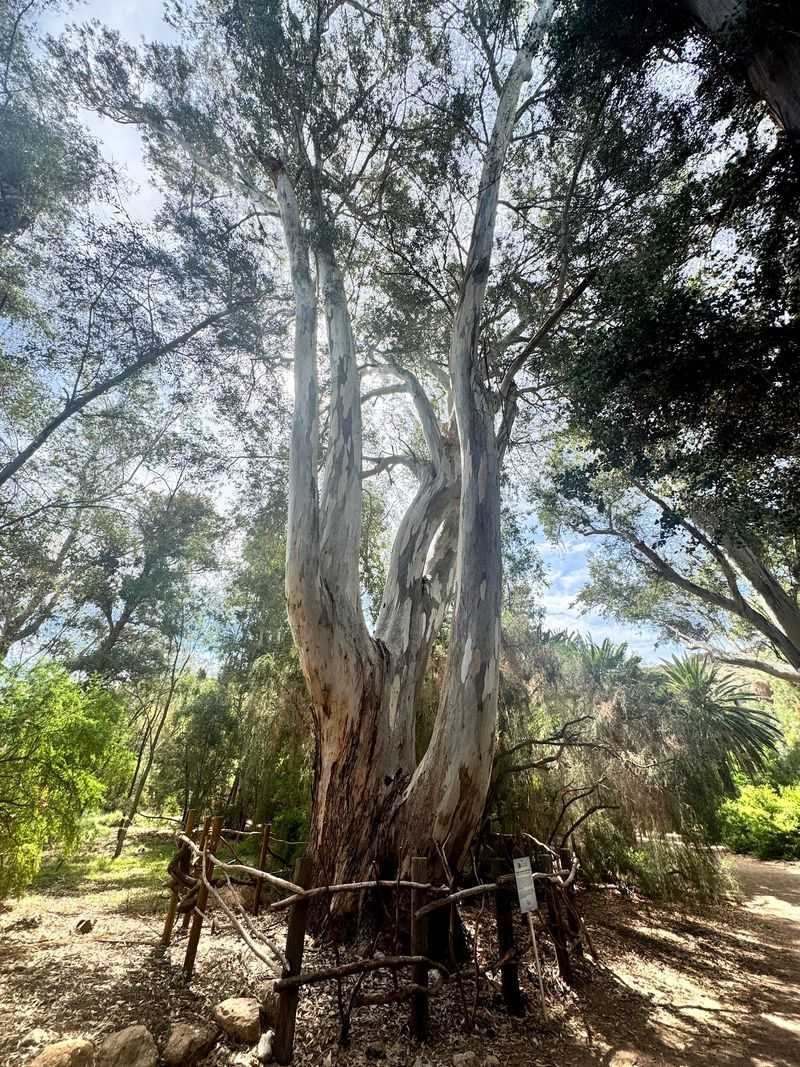
Nobody expects a forest canopy in the Sonoran foothills. Yet one of the arboretum’s most famous sights is a grove of red eucalyptus trees that soar past 80 feet.
These trees have had decades to stretch upward. Their height makes them a natural landmark and a favorite photo backdrop.
Cottonwoods and mesquites join the eucalyptus to create shady corridors. Beneath them, planted beds hold succulents and cacti from many parts of the world.
The shade is more than scenery. On warm days, these tree-covered trails offer welcome relief from the Arizona sun.
Eucalyptus trees come up often in conversations about the park, and it is easy to see why. They give the canyon a scale that surprises first-timers.
Standing at the base of one, a visitor quickly feels very small. That is a pretty good trade for a short drive out of town.
Queen Creek and the Riparian Trail
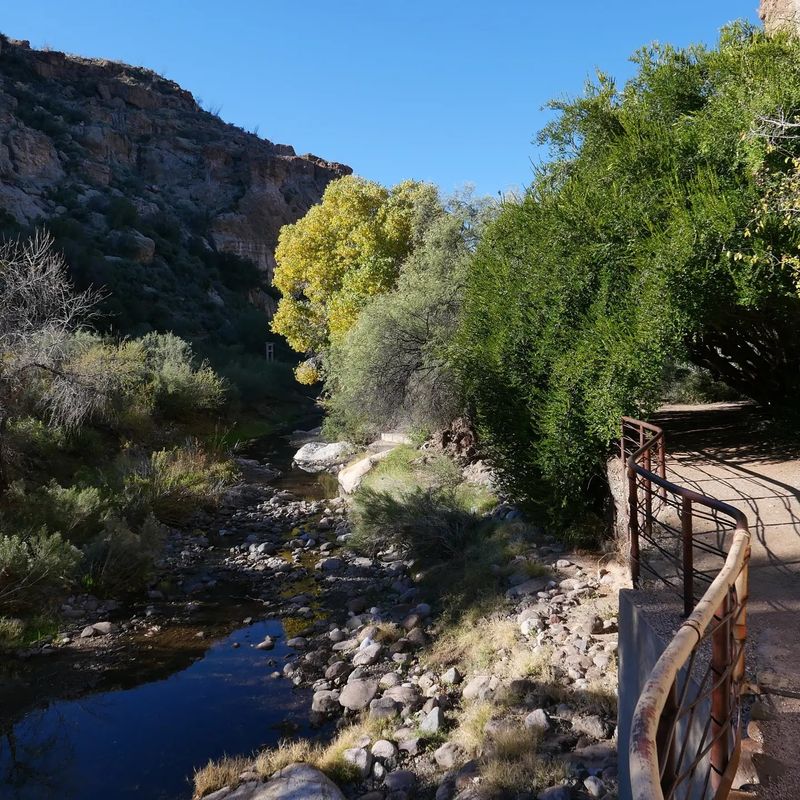
Water in the desert always steals the show. A small creek runs around the back side of the arboretum, and it ranks among the park’s most loved features.
The path to the Queen Creek riparian area on the south side is shaded and flat. It makes an easy, comfortable stretch even when temperatures climb.
A stream also feeds a pond that the arboretum uses for irrigation. That clever setup helps keep the gardens thriving in a dry landscape.
Riparian zones like this one support a wealth of plants and wildlife. They show a side of Arizona that many people never associate with the desert.
Benches and resting spots appear along the way. They invite people to slow down and simply watch the creek area for a while.
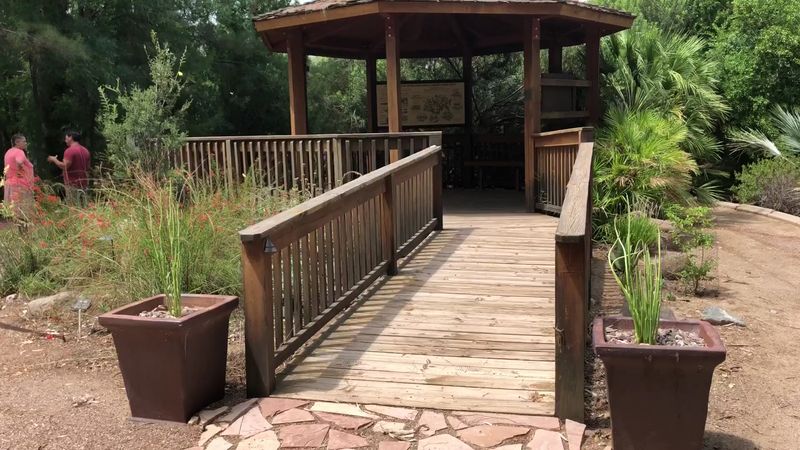
A bridge in this part of the park earns plenty of affection too. It is a small detail, but it often ends up being a highlight of the day.
The Climb Toward Ayer Lake
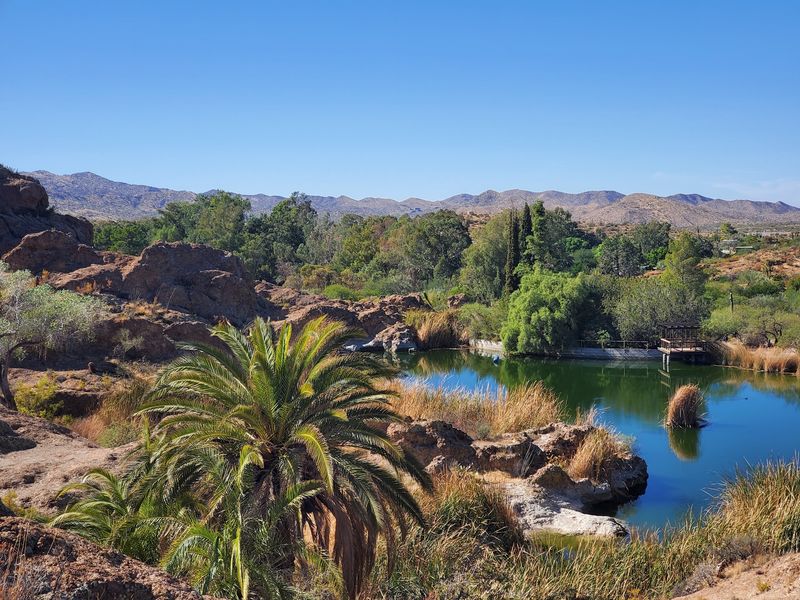
Smart hikers have a strategy here, and it is worth stealing. The path to Ayer Lake sits on the north side of the park, where shade is scarce.
Tackling that section first, while the morning is cooler, makes good sense. Afterward, the shaded south side becomes a well-earned break.
Ayer Lake offers a different view of the grounds. The open terrain shows off the surrounding desert landscape and rugged peaks.
Most trails at the arboretum are easy. Still, there is a slightly challenging route worth doing, so sturdy shoes or hiking boots are a wise choice.
A hat and plenty of water belong on the packing list as well. The north side can feel exposed, especially later in the day.
Plan it right, and the loop feels balanced from start to finish. Sun first, shade second is a formula that works.
Miles of Easy Trails
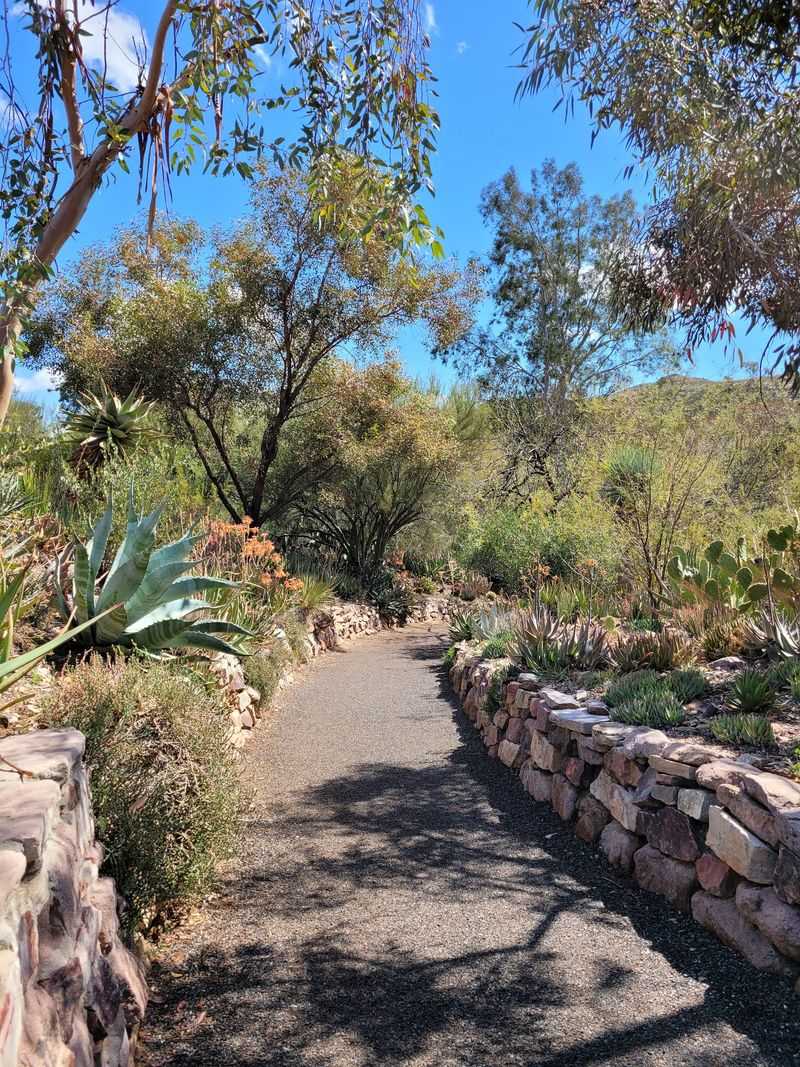
Trails are the heartbeat of this place, mentioned more than any other feature. The network is extensive, well marked, and kept clean.
Some people walk around five miles and still do not see everything. Others finish a day trip having covered only a fraction of the paths, already planning a return.
The layout is easy to navigate. Trails guide people casually through the different gardens without making them feel lost.
Most routes are gentle, which suits a wide range of fitness levels. Pathways are well maintained, so the walking stays comfortable.
Setting aside at least two to three hours is a good rule. Plant lovers may want even more time to explore.
Arriving early and lingering until late morning is a popular approach. The garden opens at 8 am, which gives early birds a head start on the day.
Signs That Teach as You Walk
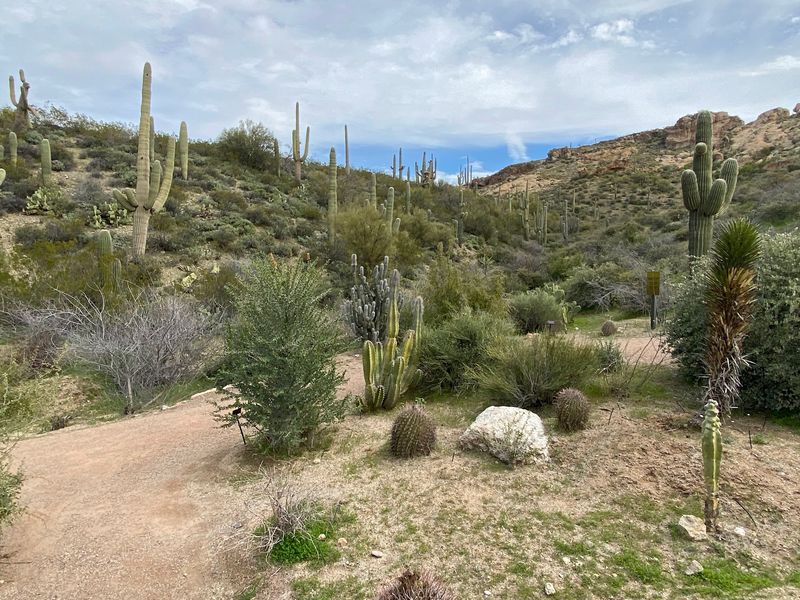
Curiosity gets fed at nearly every turn. The arboretum is known for excellent educational signage that labels plants throughout the grounds.
Those labels do more than name a species. They help people figure out which plants from around the world can grow in Southwestern yards and gardens.
For Arizona homeowners, that is genuinely useful information. A stroll here can double as research for the next landscaping project.
Artwork appears along the paths too. It adds another layer of interest between plant collections.
Many people leave saying they learned a lot. Some arrive with little interest in desert plants and depart with a whole new appreciation.
It is entertainment without overstimulation, a rare balance these days. Quiet learning turns out to be a pretty great way to spend a morning.
Hummingbirds, Butterflies, and Birders
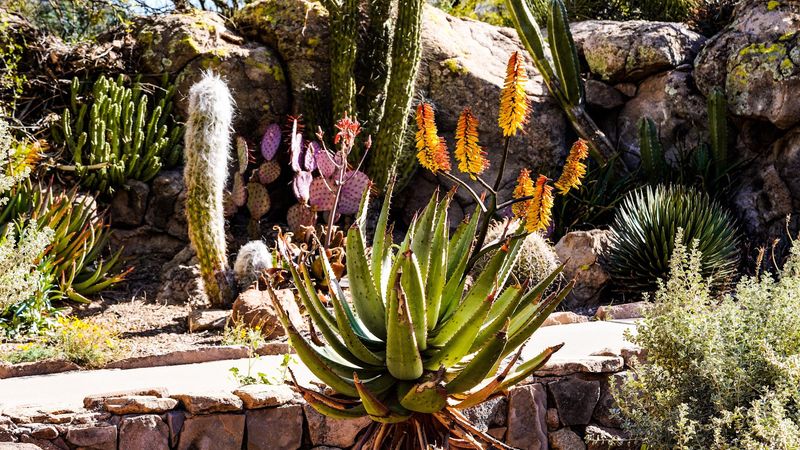
Bring binoculars, because the plants are not the only stars. Bird watching ranks among the arboretum’s most popular activities.
Hummingbirds are a frequent sight, darting between flowering plants. Butterflies also show up in good numbers during the right seasons.
Cardinals have been spotted in the gardens as well. The mix of water, shade, and varied plants attracts a wide range of birds.
Benches scattered along the trails make patient watching easy. Grabbing a seat and waiting a few minutes often pays off.
The bird enthusiasm extends even to the gift shop. Staff members there have been known to share a genuine passion for feathered neighbors.
Birders who already know the Valley’s usual spots may find this canyon a welcome change. The feathered roster keeps people coming back season after season.
Coatimundis on the Loose
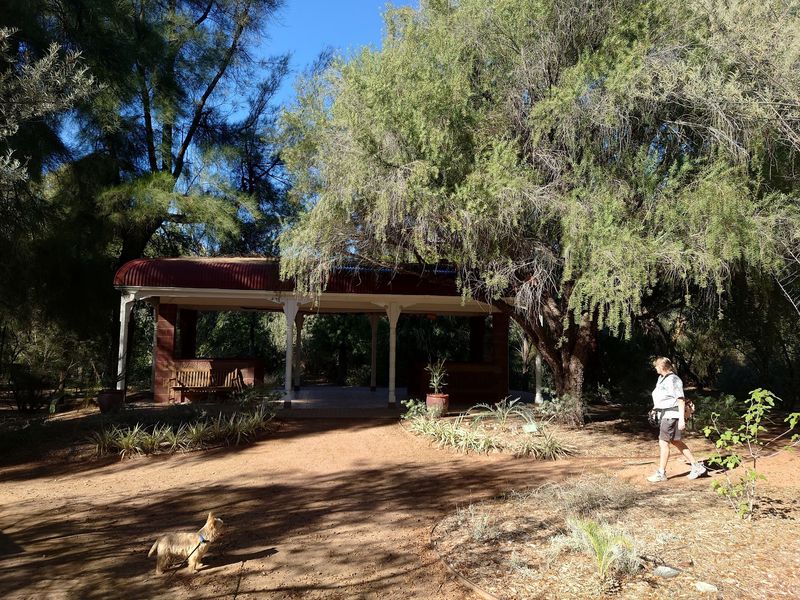
Ever met a coatimundi? Plenty of people see their first one right here.
These long-tailed animals are relatives of the raccoon. Wild coatimundis sometimes wander through the arboretum grounds, much to the delight of anyone lucky enough to cross paths with them.
Sightings are never guaranteed, which makes them feel special. Spotting one can quickly become the story of the day.
The park supports plenty of other wildlife too. Many people comment on how many animals they encounter during a single outing.
Keeping a respectful distance is the right move with any wild creature. Observing quietly gives everyone the best chance of a good look.
For locals who never realized coatis call Arizona home, this is a fun surprise. Consider it one more reason the state keeps outdoing itself.
Picnics and Peaceful Pauses
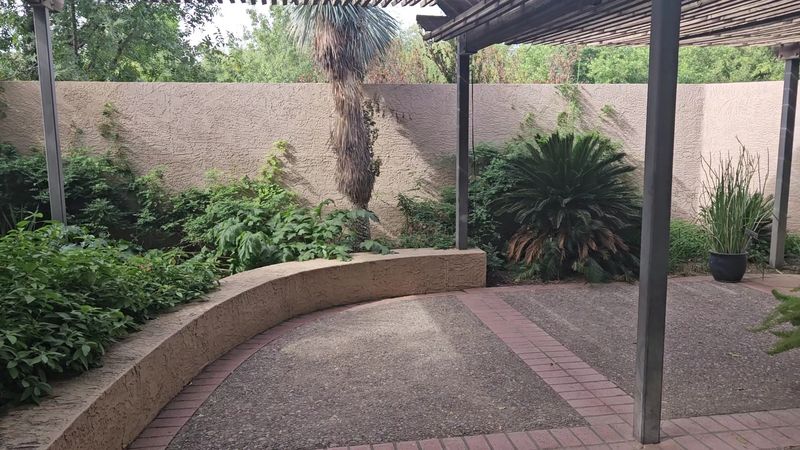
Pack a lunch, because this is a garden built for lingering. A picnic area gives people a spot to refuel between trails.
Planning a picnic is one of the most common pieces of advice for first-timers. Some people even schedule a second trip just to enjoy that area properly.
Benches appear throughout the grounds for shorter breaks. Shade covers many areas, which helps on breezy or warm days.
The atmosphere is calm and quiet. People describe it as relaxing and peaceful, a true escape from busy city life.
Couples have found it works well as a date outing. Friends have celebrated birthdays here, and others plan seasonal photo sessions in the fall.
It is the kind of place where nobody rushes. An unhurried afternoon may be the best souvenir of all.
Gift Shop and Plants to Take Home
Leaving empty-handed can be tricky here. The arboretum has a charming gift shop near the visitor center.
Items there are generally not very expensive. That makes it easy to grab a keepsake without guilt.
Plants are also for sale, and the selection earns praise. After a day of studying desert species, taking one home feels like a natural next step.
Staff members get frequent compliments for being friendly and knowledgeable. They know the trails, the animals, and the plants, and they seem genuinely happy to be at work.
Some people enjoy the place so much that they buy a membership. Members can bring guests along to share the experience.
A potted cactus may not replace a 80-foot eucalyptus. Still, it makes a fine reminder of the day.
Hours, Amenities, and Smart Planning

Good planning makes a great visit even better. The arboretum is open daily from 8 am to 5 pm, seven days a week.
Parking is convenient, often with spaces close to the entrance. Restrooms are available at the visitor center.
Water stations and trash bins appear along the trails. Water bottle filling stations are a big help on warm days.
Leashed dogs are allowed, which pleases many pet owners. Keeping pups on a leash keeps the trails pleasant for everyone.
Ticket prices are best confirmed on the official website, btarboretum.org, before heading out. Programs and details can change from season to season.
A hat, water, and decent shoes round out the essentials. Shaded trails make early summer possible, though mornings are the wiser choice when heat rises.
The drive from Phoenix makes for an easy day trip. Tucson residents also make the journey, even with their own gardens nearby.
Worth the Drive From Anywhere in Arizona
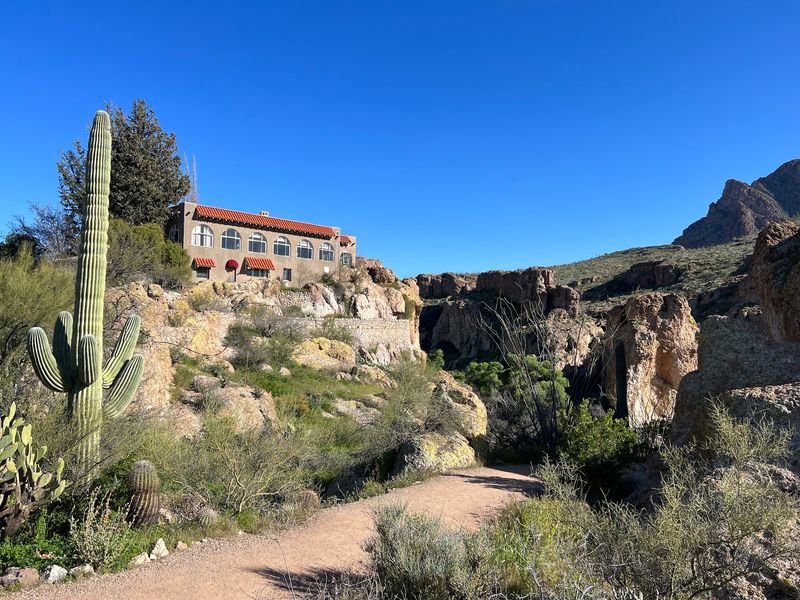
With a 4.9-star standing across nearly 5,000 opinions, the verdict on this canyon garden is about as close to unanimous as Arizona gets.
The appeal is wide. Plant lovers, hikers, birders, couples, and families seeking quiet time outdoors all find something to enjoy.
Many first-timers cannot believe they waited so long to come. A common reaction is to start planning the next trip before leaving the parking lot.
The garden rewards repeat visits. Different seasons bring different blooms, and the trail network is too big to finish in one go.
It also reminds residents what a special place Arizona really is. Natural land, deep history, and global plant collections all share one canyon.
Call it an Arizona must see, a bucket list stop, or simply a great morning out. After a century of growing, this desert wonderland is still just getting started.


