
Affiliate disclosure: As an Amazon Associate I earn from qualifying purchases. Learn more
Some of the most important history in Arizona is hiding in a place you would never think to look. Out on the Navajo Nation, along a highway that carries road trippers toward Monument Valley, a fast-food stop has quietly become a small museum.
People pull off the road for a quick bite and end up spending twenty minutes reading about World War II heroes. The men honored here used the Navajo language to send messages that no enemy could crack.
Their story is told through a collection of artifacts and displays packed inside a restaurant dining room. Yes, the burgers get plenty of praise too.
But the real reason folks across the state tell friends to stop is the tribute on the walls. Keep reading to learn where it is, who built it, and what to know before you go.
A Roadside Stop in Kayenta
On the map, it looks like any other quick stop on a long desert drive.
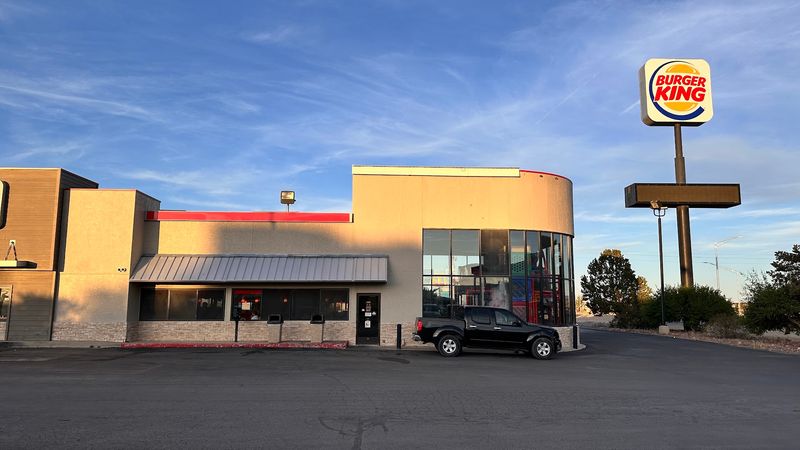
The Burger King at US-160, Kayenta, AZ 86033, United States, sits right on the main highway through this Navajo Nation town in northeastern Arizona.
Kayenta is a common pause point for travelers heading to and from Monument Valley. That location has earned this spot a fitting nickname among regulars as the gateway Burger King to the famous valley.
On paper, it is a well-known fast-food chain serving grilled burgers, fries, and shakes. In practice, it is something much more unusual.
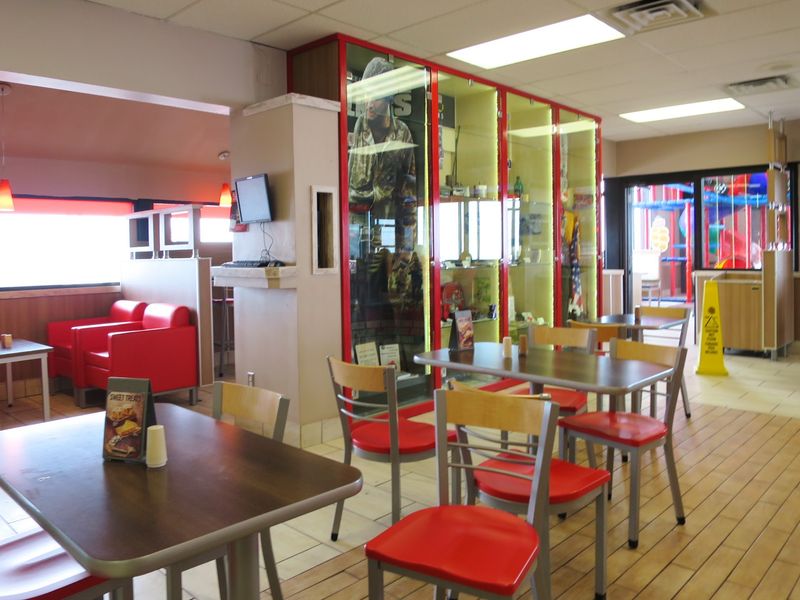
Inside the dining room is a detailed tribute and micro museum honoring the Navajo Code Talkers of World War II. It is the single most talked-about feature of the place, by a wide margin.
Plenty of people walk in expecting a sandwich and a restroom break. Many walk out having learned a chapter of American history they never covered in school.
For Arizona locals, it is a point of pride sitting quietly along a busy road. For road trippers, it is a surprise that turns a routine stop into a highlight.
The address may read like a simple highway listing, but the story behind those doors runs much deeper.
Who the Code Talkers Were
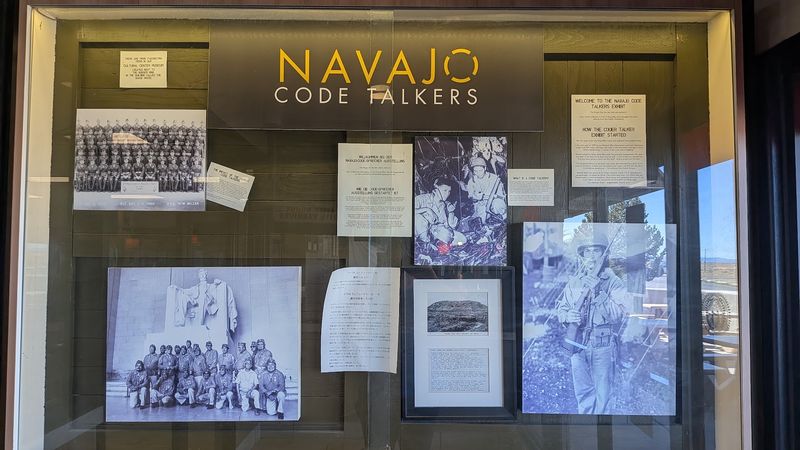
During World War II, a group of Navajo men gave the United States a secret weapon that no enemy could break.
They were Marines who transmitted messages in the Navajo language. The code they built from it could not be decrypted by the other side.
Their work proved instrumental in the Pacific Theater. Messages that might have taken much longer to encode and decode moved quickly and safely across the battlefield.
For decades, their contribution stayed out of the spotlight. Today, places like this restaurant help make sure their names and achievements are not forgotten.
Here is a fun fact worth sharing at your next family dinner. The language that helped protect American troops came straight from the communities of the Navajo Nation, including the region around Kayenta.
That connection is part of what makes this tribute feel so meaningful. It is not a display dropped into a random spot.
It sits on the same land that shaped the men it honors.
Once you know the history, the exhibit inside the restaurant feels less like decoration and more like a homecoming.
A Family Legacy Since 1986
Behind every great tribute is a personal reason, and this one has a powerful one.
The restaurant opened in 1986. It was started by Richard Mike, the son of King Mike, who was one of the Navajo Code Talkers.
That family tie explains a lot. The display is not a corporate decoration but a son’s way of honoring his father and the men who served beside him.
Guests often pick up on that pride right away. The owner is clearly proud of his ancestor, and the care put into the exhibit shows it.
Many travelers tip their hats to the owners for honoring Native Americans who served the country in a time of great need. It is rare to see a fast-food franchise used as a vehicle for this kind of remembrance.
Nearly four decades later, the restaurant still carries that mission alongside its everyday menu. The combination is what makes it one of the more surprising stops in the state.
Some family heirlooms sit in a closet. This one gets shared with every traveler who walks through the door.
Inside the Micro Museum
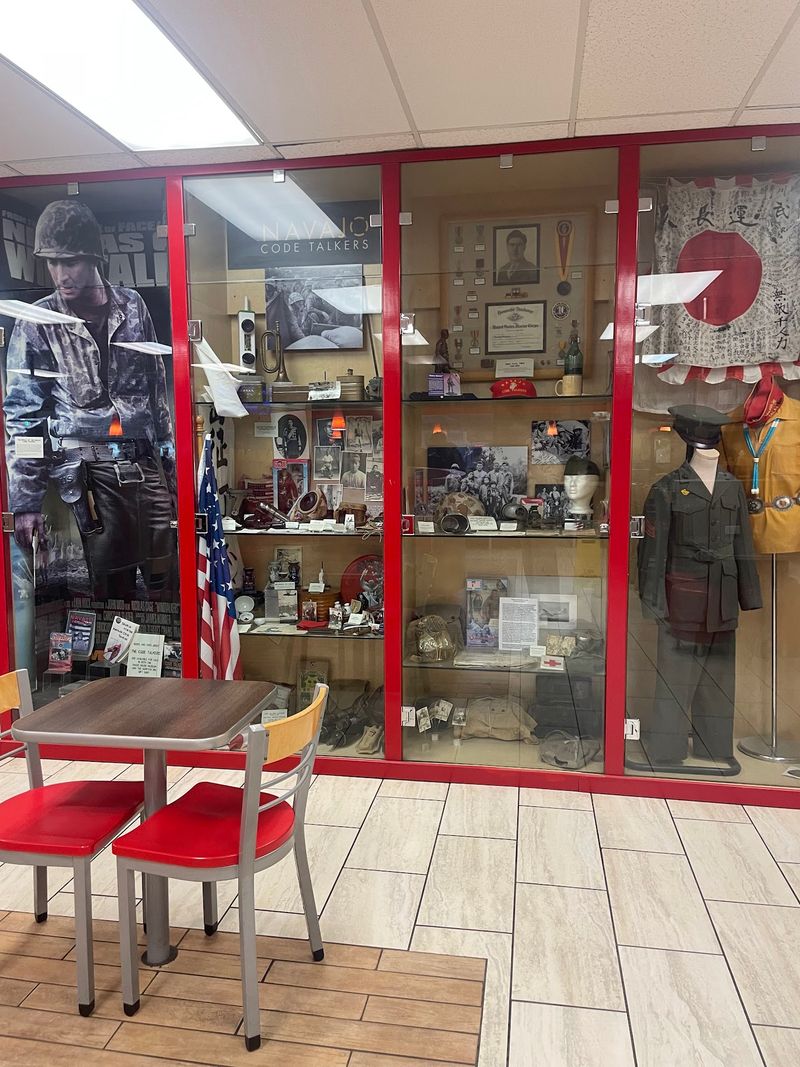
Expect more than a few framed photos near the soda machine.
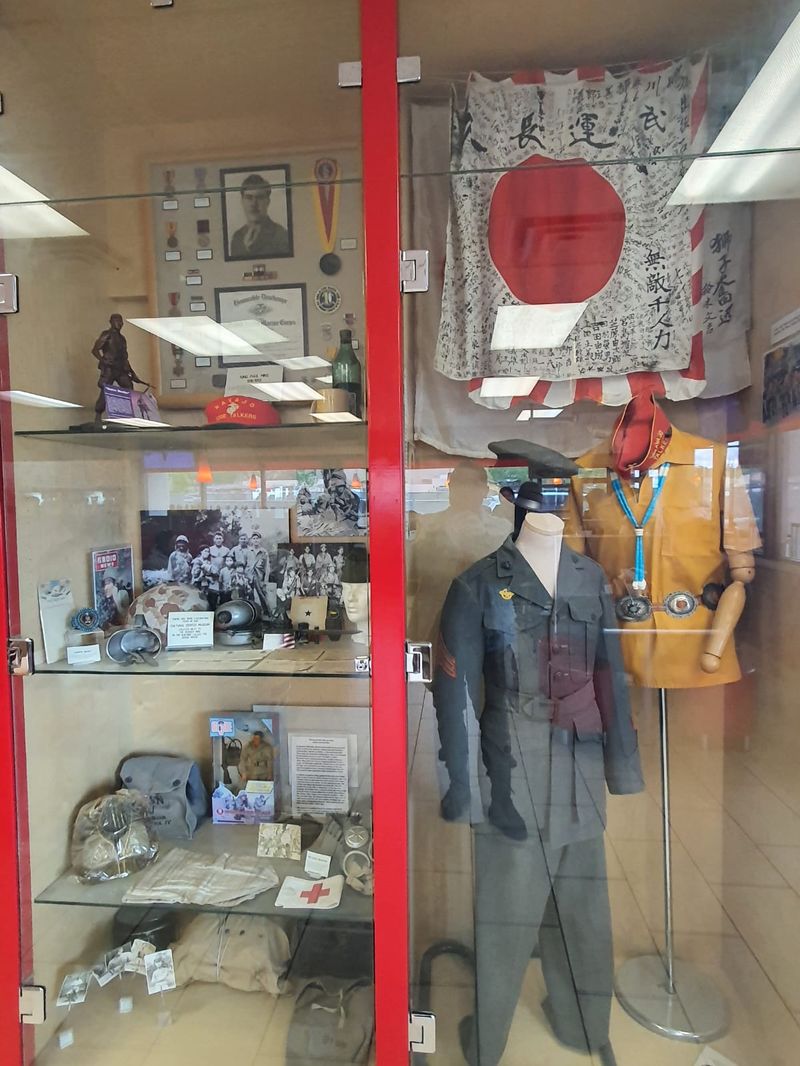
The exhibit is loaded with artifacts, and many first-timers describe being genuinely blown away. Few expect a detailed collection of war memorabilia inside a burger joint.
Display cases and panels walk guests through the history of the Code Talkers. The setup works like a compact museum, tucked into the regular flow of a restaurant.
Time is the friendliest part. About twenty minutes is enough to see everything, which makes it easy to fit into a road trip schedule.
That short window makes the exhibit a favorite for families with restless kids. It offers real learning without a full afternoon commitment.
Code talkers exhibit mentions far outnumber any other topic connected to this restaurant. People keep coming back to it when they talk about the stop.
Some guests skip the food entirely and come only for the displays. Nobody seems to mind, and the history is free to explore.
Plan to look closely, because the small details are where the stories hide.
More History Next Door
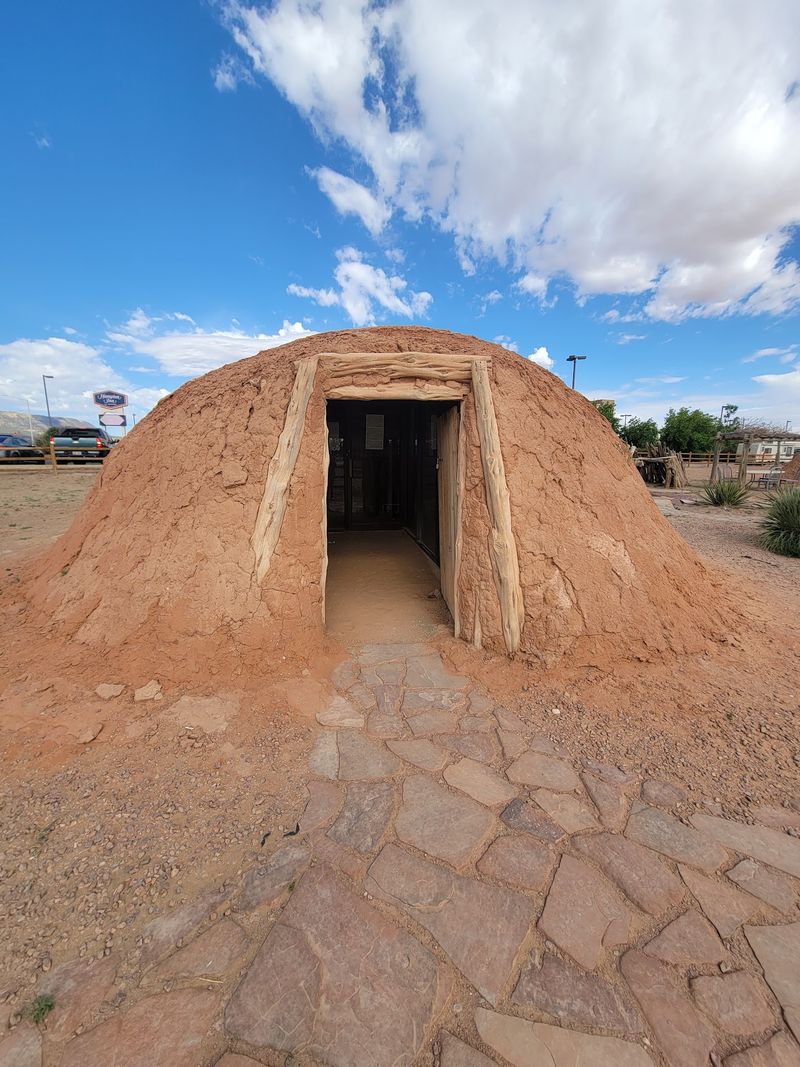
History buffs, here is a bonus round.
There is a larger exhibit next door as well. Travelers who stop for the indoor display often wander over to see more.
Some guests also point out historical sites to see on the property itself. That makes the stop a good chance to stretch your legs after hours behind the wheel.
The pairing turns a quick break into a small cultural outing. You can learn about the Code Talkers inside, then continue exploring nearby without moving the car far.
It also helps the stop feel less rushed. Families can split up, with some ordering food while others browse the history.
For locals who have driven Highway 160 many times without stopping, this is a reason to finally pull over. The area holds more stories than a quick glance from the road suggests.
A little extra curiosity here goes a long way, so leave a few spare minutes in the plan.
Burgers With a Reputation
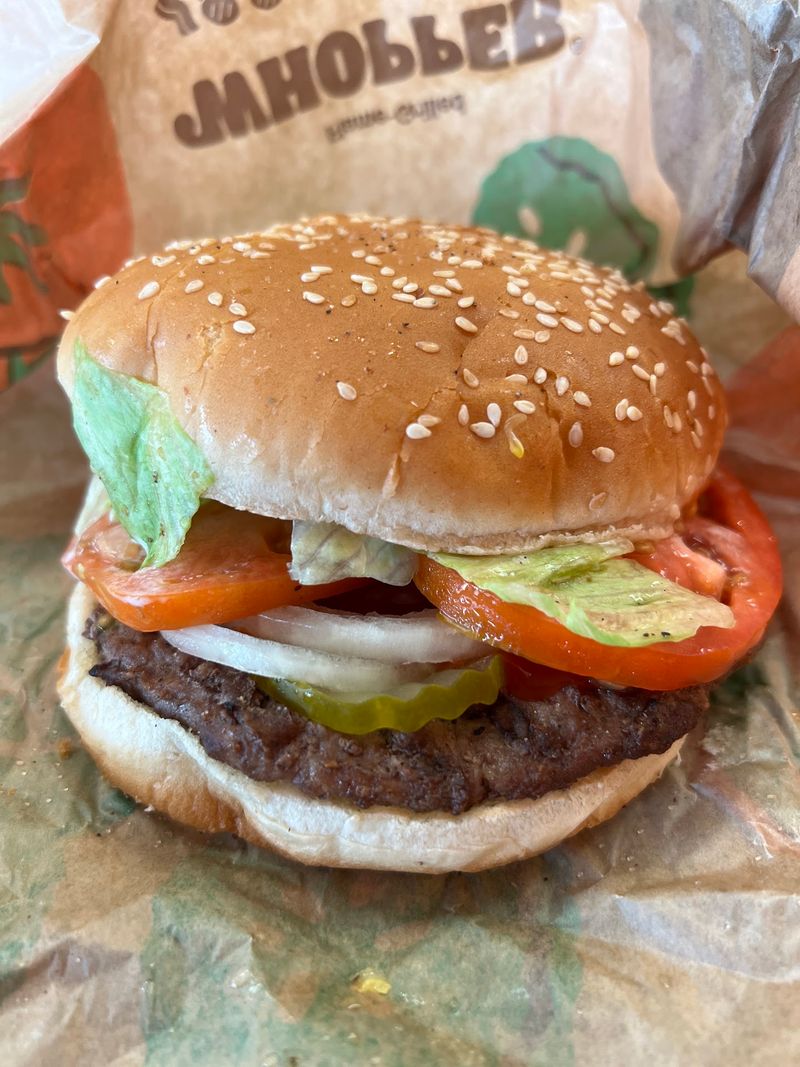
The history may steal the show, but the kitchen holds its own.
Burgers draw steady praise here. Many guests call the Whopper the freshest they have had in years, with crisp tomatoes, lettuce, and onions on a well-cooked patty.
Fresh buns come up too. Some regulars say the burgers are noticeably thicker than at competing chains.
One repeat guest summed up the puzzle well, wondering why this location runs so much better than the one back home. Three visits, same strong result each time.
The Whopper Jr. earns compliments as well. Fries get a nod for being solid companions.
Not every order lands perfectly. A chicken sandwich occasionally arrives with a dry bun, and a few meals have come out overcooked.
Still, for a highway stop, the burger side of the equation is a pleasant surprise. Some travelers call it the best Burger King they have ever visited.
Turns out the headline was right, and the burgers really are great.
Friendly Faces Behind the Counter
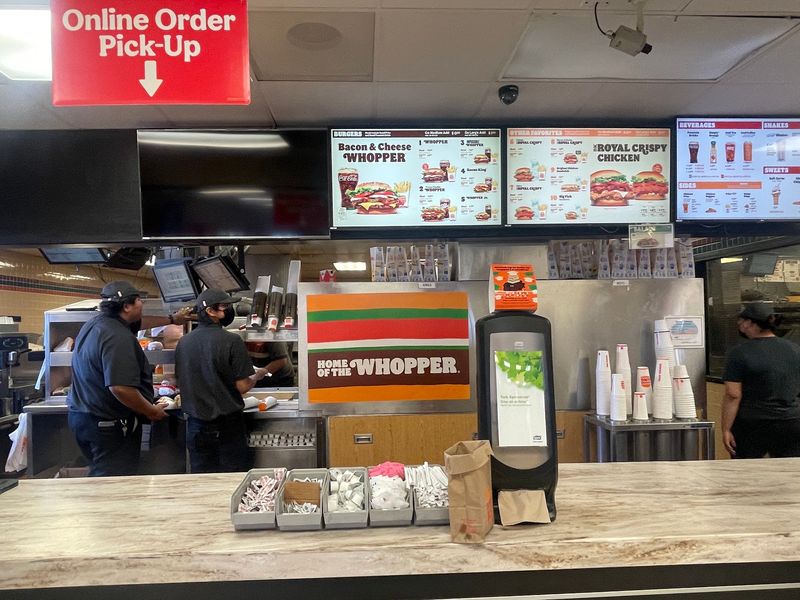
A warm greeting can make a long drive feel shorter.
Friendly staff is the second most mentioned topic about this restaurant. Many guests describe employees as cheerful, patient, and helpful.
Order takers often get singled out for kindness. Accommodating service shows up again and again in what people share.
That said, the experience is not always smooth. Some guests have waited at the counter for several minutes without being greeted while the crew focused on the drive-thru.
A few have reported long waits for simple orders, and coffee can take close to ten minutes even on a slow day. Using the ordering kiosk is one workaround when the counter is backed up.
The takeaway is simple. Most stops go well, but patience helps during busy stretches.
Bring a little grace, and odds are good you will leave with both a meal and a smile.
Room to Spread Out
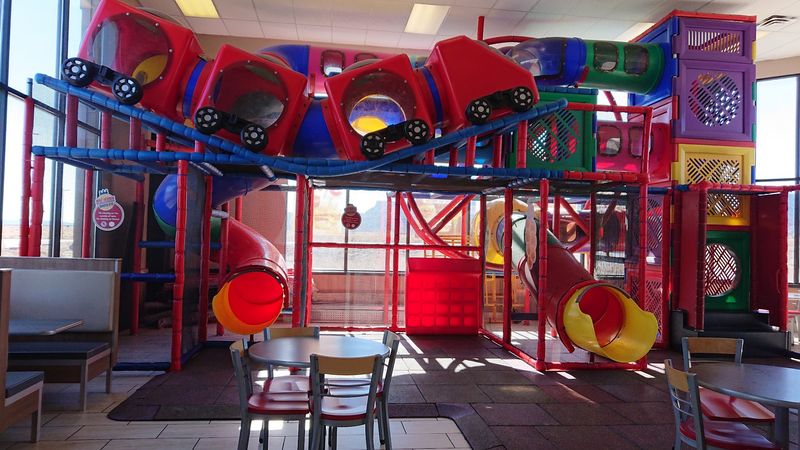
After hours of desert highway, space matters.
The sitting area is large and spacious. Guests often mention how clean the dining room and restrooms are.
The drink station tends to be well stocked. Small details like that make a pit stop feel easy.
Families should know there is a play area. However, it has been closed at times without a reason posted, so do not count on it.
Cleanliness can vary by time of day. Early morning guests have occasionally found full trash cans before the crew caught up.
Overall, the room works well for a relaxed break. Kids can stretch while adults read the exhibit panels.
Some travelers stop purely for a restroom break and still end up enjoying the museum. That is a pretty good return on a bathroom detour.
Comfort first, history second, and everyone heads back to the car a little happier.
An Overnight Haven for RVs and Truckers
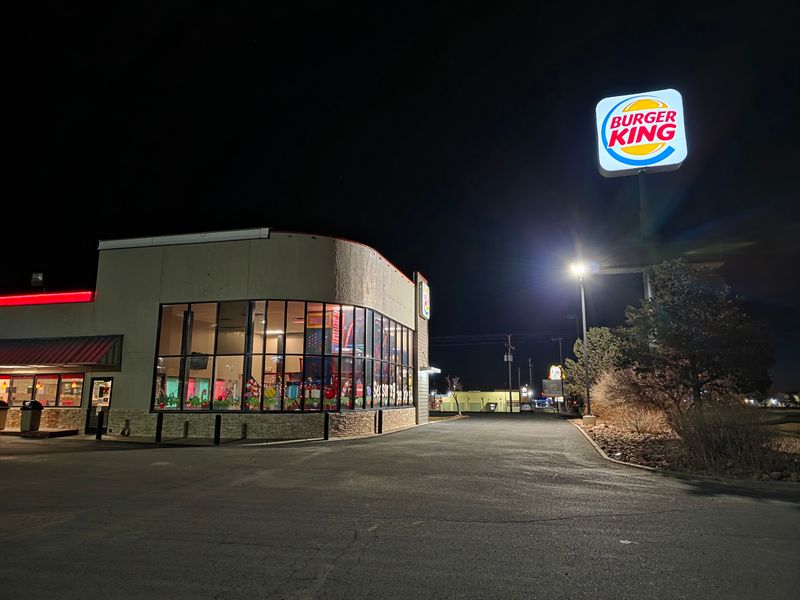
Campgrounds can be scarce on this stretch of the Navajo Nation.
Overnight RV and truck parking is allowed here. Travelers coming from Shiprock have found it to be one of the few options along the way.
Truckers use the lot regularly, and RVs and vans often join them. Some guests have run generators alongside others without trouble.
Courtesy is key. Follow the truckers’ lead and park responsibly, leaving room for big rigs to enter, turn around, and settle in.
Electric vehicle drivers have also charged their cars in the lot. That adds another layer of usefulness for modern road trippers.
A nearby Hampton Inn sits within walking distance for those who prefer a real bed. A McDonald’s is also next door if the group cannot agree on dinner.
Sometimes the best feature of a stop is simply a safe place to rest before morning.
Hours, Costs, and Timing
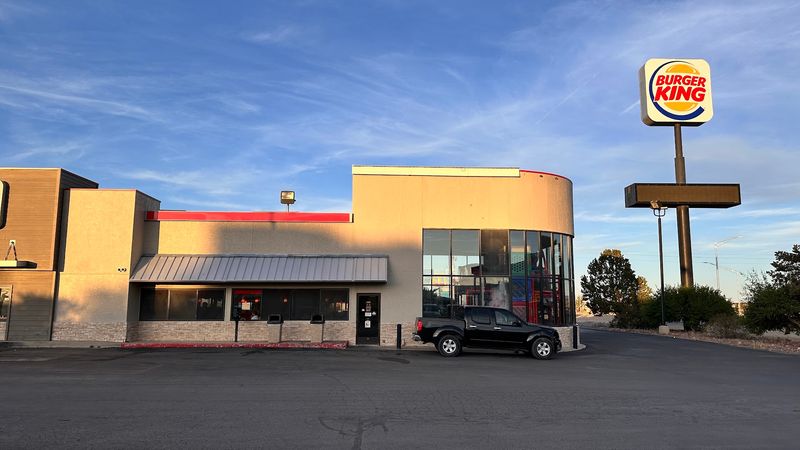
Early birds and night owls both get covered.
The restaurant is open every day from 6 am to 12 am. That long window works well for sunrise departures toward Monument Valley or late arrivals after a day of driving.
Expect to spend around $10 to $20 per person. The exhibit itself costs nothing extra to enjoy.
Breakfast and lunch are popular times to pair a meal with the museum. Mornings can bring counter waits as staff juggle the drive-thru.
Getting there is straightforward. Follow US-160 into Kayenta, a natural route for anyone exploring the Navajo Nation or returning from spots like Horseshoe Bend.
Give yourself about twenty minutes beyond mealtime to see the displays. Rushing through would mean missing the best part.
The clock is generous here, so build a little breathing room into the plan.
Worth the Detour
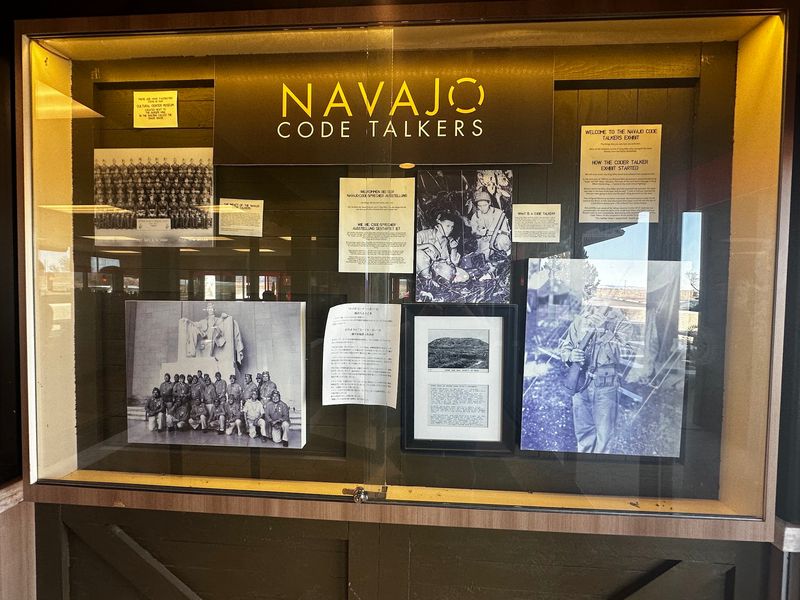
Arizona has its share of famous landmarks, but some of its proudest stories sit in unexpected places.
This Kayenta restaurant blends a quick meal with a heartfelt tribute to the Navajo Code Talkers. It is the kind of stop that sticks with people long after the trip ends.
Service can be uneven during rush times. Yet the burgers, the clean dining room, and the friendly crew usually make up for it.
The real draw remains the history. A son’s tribute to his Code Talker father turned a fast-food franchise into a place of remembrance.
Many travelers say it is worth stopping even if you are not hungry. That might be the best endorsement any restaurant could hope for.
For Arizona locals, it is a reminder that our state holds world-class stories in humble corners. For everyone passing through, it is a chance to say thank you to heroes who deserve it.
Next time Highway 160 calls, save room for a burger and a little history.


