
Affiliate disclosure: As an Amazon Associate I earn from qualifying purchases. Learn more
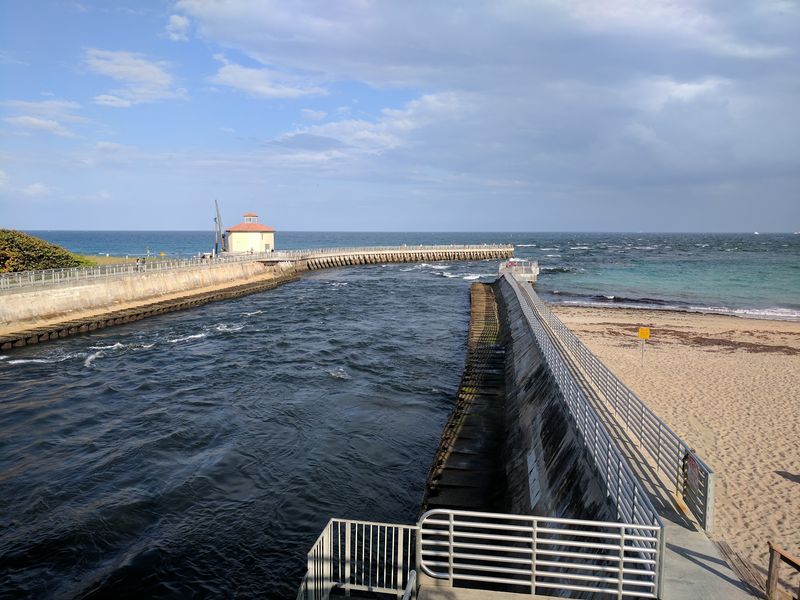
Plenty of beachgoers in Boynton Beach spread out a towel, take a quick swim, and head home without noticing the deep channel slicing through the shoreline nearby. That channel is a passage cut more than a century ago, and it links a calm lagoon to the open Atlantic.
Boats, divers, anglers, and families all share it, and parking costs nothing at all. Stick around to learn how this hidden waterway works, what it offers, and the smartest way to enjoy it without the weekend scramble.
A Channel Hiding in Plain Sight
Most people drive right past the deepest feature on this stretch of coast without giving it a second thought.
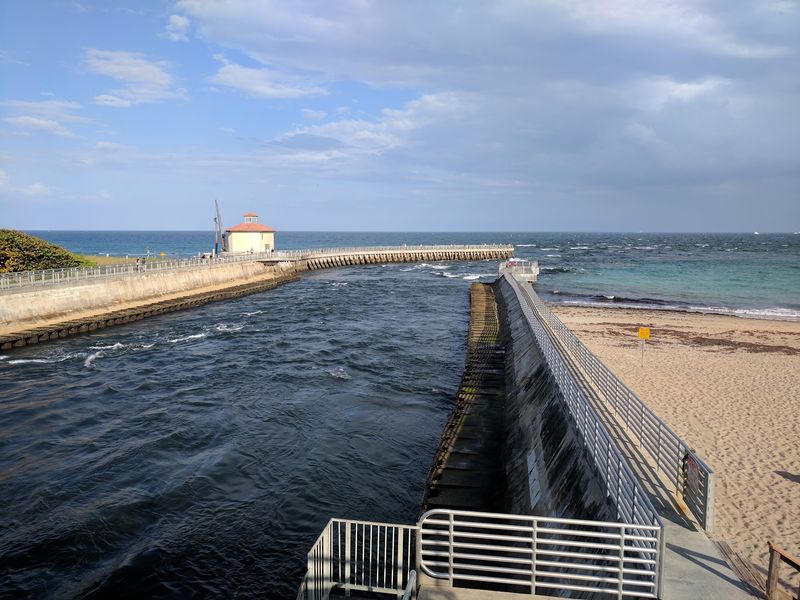
The spot is Boynton Beach Inlet, found in Boynton Beach, Florida, USA. It is a narrow waterway that joins the Lake Worth Lagoon on one side with the Atlantic Ocean on the other.
That connection is the underwater canyon of this story. Instead of a dramatic gorge on a nature show, it is a working channel carved through the sand, with water constantly moving between the lagoon and the sea.
The inlet sits inside a small park area that wraps around both banks. There is a pier for fishing, a sandy patch for relaxing, picnic tables, shade, and a crossover that leads to the ocean beach.
Locals treat the place as an all-in-one hangout. Some come to fish, some come to watch boats, and some simply wander down the shore and into the water on the Intracoastal side.
The park holds a 4.7-star average from 183 Google ratings, which says a lot about how many people keep coming back.
Plenty of folks know it as a fishing hole or a free beach. Fewer realize they are standing beside a man-made gateway that has shaped this coastline for well over a hundred years, and that story starts back in the 1800s.
A Shortcut Dug in the 19th Century
Long before anyone posted sunset photos here, someone decided the lagoon needed a door to the sea.
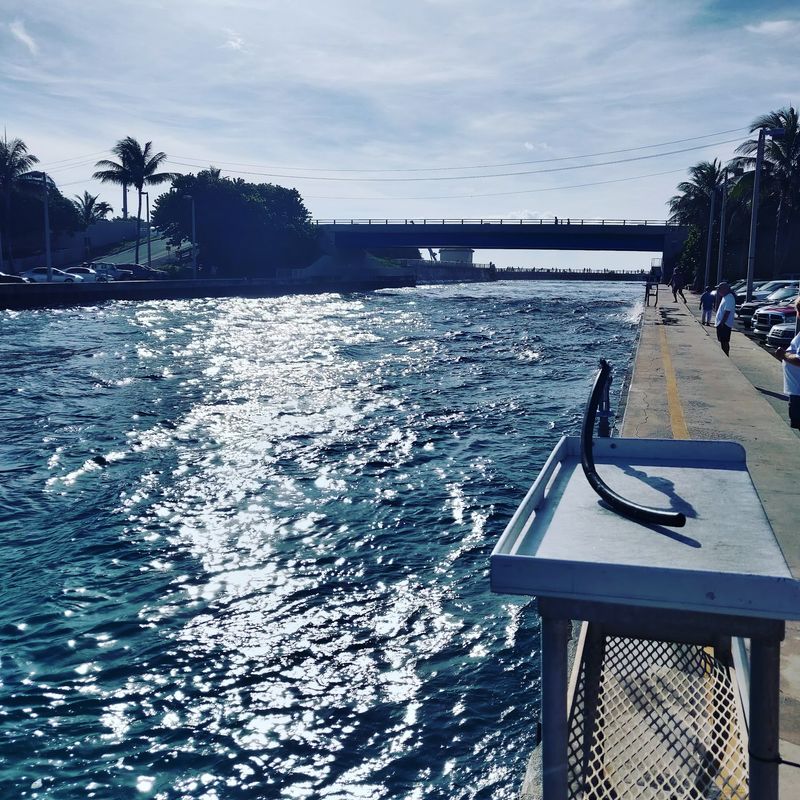
The inlet was created in the 19th century to connect the Lake Worth Lagoon with the Atlantic Ocean. That single decision turned a quiet body of water into a route for boats and a meeting point for two very different kinds of water.
Generations of South Florida families have built memories around it since then. Longtime locals talk about childhood get-togethers, running around near the jetty, and fishing with parents on lazy weekends.
Some of those memories include food trucks that once parked near the water. Old-timers still mention the boiled peanuts seller with real fondness, and many wish the trucks would return.
The park itself has changed over the years. Improvements have rolled through in phases, with some areas under construction at times as the county keeps upgrading the space.
Even with the updates, the core purpose has stayed the same. Water still flows in and out, boats still pass through, and people still gather on the banks.
A big rock behind the restrooms is part of local lore. Kids who once thought it was massive now return as adults and find it surprisingly small.
History here is less about plaques and more about people, which makes the next part of the tale, the steady boat traffic, feel right at home.
Front-Row Seats to the Boat Parade
Forget streaming services for a minute, because the best show in town runs on fuel and tides.
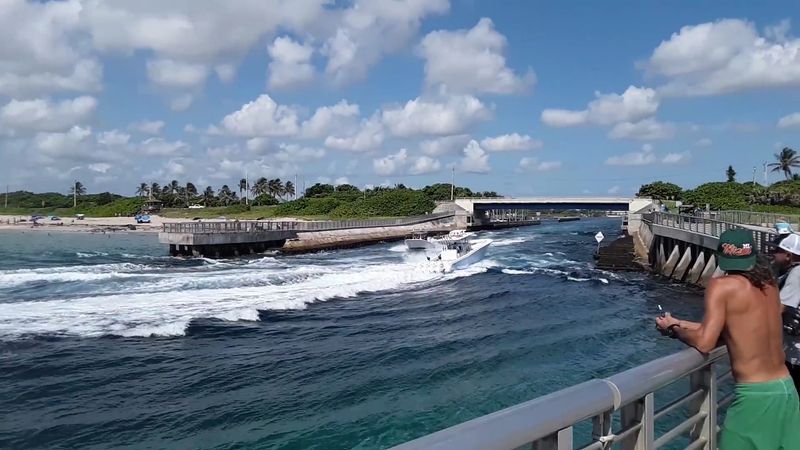
Boat watching ranks among the most loved activities at the inlet. Since the channel is the passage between the Intracoastal and the ocean, a steady flow of vessels squeezes through it all day.
Fishing boats, pleasure cruisers, and smaller craft all take their turn. Each one has to time the current, and that makes for an oddly gripping spectacle from shore.
Many regulars build a whole morning routine around it. Coffee, a breakfast wrap, the news playing on a phone, and then a long stretch of watching boats come and go is a common ritual.
The banks offer plenty of spots to settle in. Picnic tables, shaded areas, and the pier all work as viewing points, so nobody has to fight for a good angle.
Families enjoy it just as much as solo watchers. Kids tend to wave at passing boats, and the chatter with nearby locals often turns into fishing tips or stories about the area.
There is no ticket, no schedule, and no fee to sit and watch. The traffic simply keeps rolling as long as the water does.
Of course, some of those boats are headed out to catch fish, and plenty of people on shore have the same goal in mind.
Six Directions for a Fishing Line
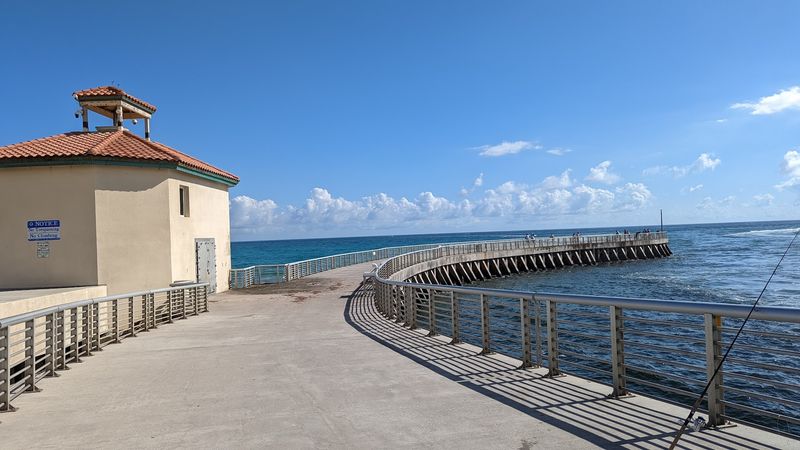
Anglers here face a happy problem: too many good places to drop a hook.
The inlet offers fishing on the river side to the north or south, on the pier and beach side to the north or south, and surf fishing north or south. That adds up to a lot of options within a short walk.
Wind often decides the plan. A common local strategy is to head to the bayside on windy days and stick to the ocean side when conditions calm down.
The catch list is impressive. Snook and tarpon both show up, along with a variety of other species that keep things interesting.
Gear matters, though. The current can get very strong at times, and heavy seaweed sometimes drifts through, so a sturdy rod and reel is the smart choice.
Daytime tends to be calmer, while nights get busier with people chasing a bite. Either way, the setup makes long sessions easy.
Fish cleaning stations are spread throughout the park, so cleaning a catch does not require a trip home first. Clean restrooms and vending machines help too.
A long pier gives plenty of room for many lines at once. Not every fan of this water carries a rod, however, and a whole other crowd comes ready to get wet.
Divers, Jetties and Two Kinds of Water
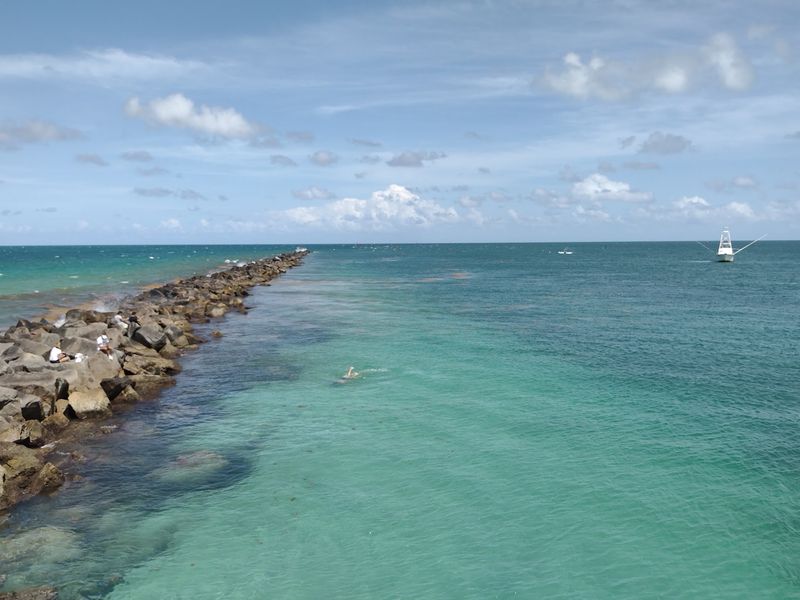
Here is where the hidden canyon idea really earns its keep.
Divers are a regular sight at the inlet, and longtime regulars notice them arriving often. The moving water in the channel draws people who want to explore below the surface rather than just float on top.
Swimmers have choices as well. A small sandy beach area along the inlet allows a dip, and a crossover leads to the main ocean beach next door.
Not every side is equally inviting. Some locals advise skipping a swim on the Intracoastal side and saving it for relaxing on the sand instead.
The same strong currents that challenge anglers also deserve respect from anyone in the water. Checking conditions before wading in is simply good sense.
On clearer days, the water near the inlet looks very blue, which helps explain why so many people bring masks and fins.
The beach also features a couple of jetties. They make popular backdrops for photos, and generations of kids have scrambled near them during family outings.
One detail puzzles some beachgoers. Sand and water are sometimes pumped from near the pier and moved farther down the beach, which can make the shoreline look unusual for a while.
After a morning in the water, most people want a shady place to recharge, and the park delivers.
Pavilions, Grills and a Playground Bonus
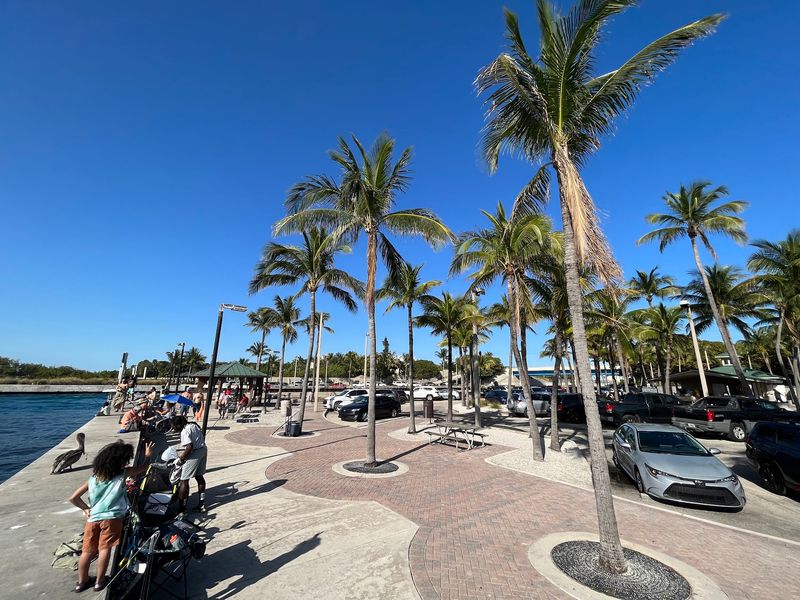
Some beach days end after an hour, and others turn into full family reunions with folding chairs and coolers.
The inlet park is built for the long version. Covered picnic areas come with tables and grills, and cookouts are a big part of the culture here.
Pavilions work on a first come, first served basis. Early birds often claim them by setting their belongings down before the crowds arrive, which is a tactic worth copying.
Shade is a major perk in South Florida. Plenty of picnic tables sit under cover, so a whole afternoon outdoors stays manageable.
Kids get their own corner too. A playground gives younger family members something to do between swims and snacks.
Clean restrooms are close by, and county workers keep the grounds tidy. That kind of upkeep is a big reason families feel comfortable spending the entire day.
Many locals describe it as a place for full-on family mode, from morning setup to evening cleanup. Birthday gatherings, casual meetups, and weekend cookouts all fit right in.
Wildlife adds a little extra entertainment. Iguanas and parrots are part of the scenery, giving kids something unexpected to spot.
With all those amenities, it is no surprise the vibe matters just as much as the facilities, especially when the sky starts changing color.
Sunrise Fans and Sunset Loyalists
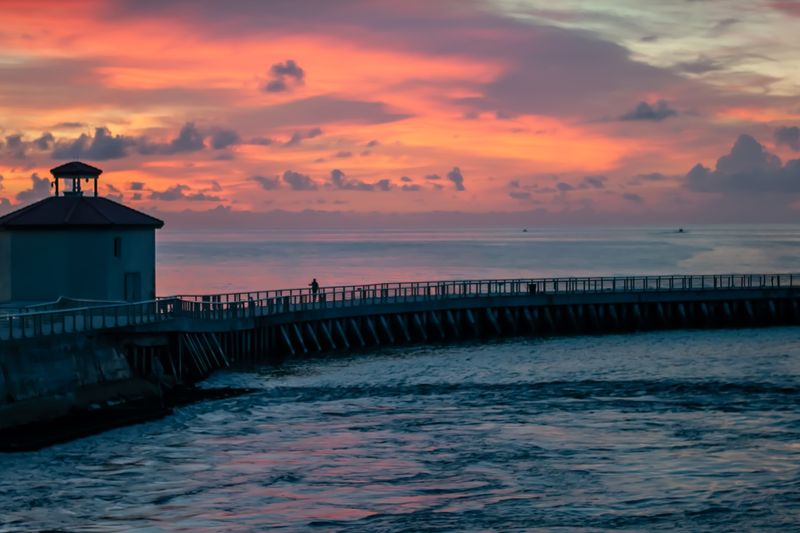
Early risers and late lingerers rarely agree on much, yet both camps claim this spot as their own.
Sunrise draws a dedicated crowd. Anglers who arrive early get to start their day with the sun climbing over the Atlantic before the first cast.
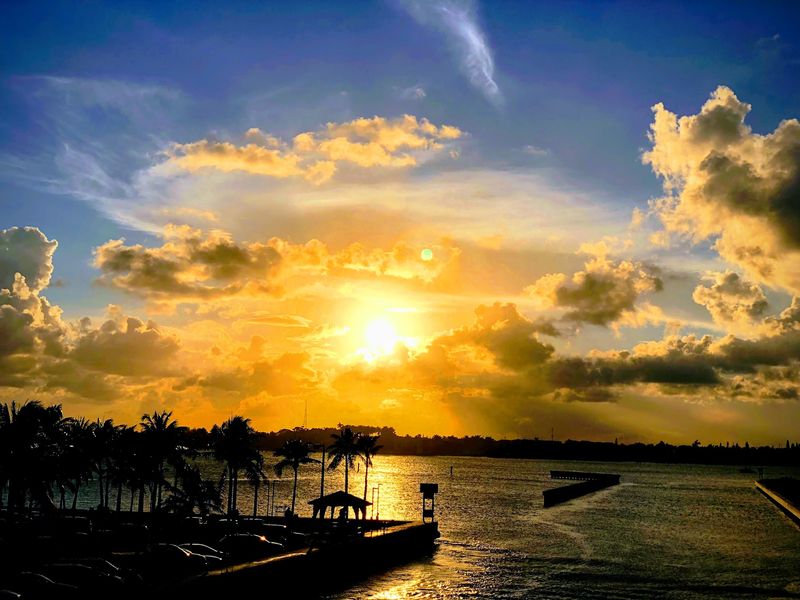
Sunset has its fans as well. Many locals call it a great place to end the day, watching the sky shift while boats head back through the channel.
The overall mood is relaxed. People describe it as calm, easygoing, and a true happy place, whether they are fishing or simply walking in the sand.
The mix of people is part of the appeal. Surfers, families, anglers, divers, and longtime residents all share the same shoreline.
Friendly locals are a common theme. Striking up a chat about the day’s catch or the boat traffic happens naturally here.
The surrounding area adds to the scene, with attractive homes lining nearby stretches of the coast.
One lifelong South Florida resident calls it the best east coast spot on the water, a strong endorsement from someone who has seen plenty of options.
Quiet stretches still exist. On some visits, regulars find only a handful of people around, while seasonal crowds and weekends tell a very different story, which brings up the practical side.
Free Parking and the Art of Arriving Early
Free parking near the ocean in South Florida sounds almost too good to be true, and that is exactly why the lot fills fast.
The inlet offers free parking, and it is one of the few free spots in the area. That bargain makes it a favorite, especially on weekends and holidays when spaces disappear quickly.
Arriving early is the simplest fix. Mornings bring better odds for parking, pavilions, and calmer conditions for fishing.
A safe crosswalk connects the parking area to the beach side. Expect a few stairs along the route, with steps from the lot to the crosswalk and another set afterward.
Accessibility is limited. There is not really handicap access to the beach, so anyone with mobility concerns should plan accordingly.
Restrooms, vending machines, and fish cleaning stations are on site, which covers most basic needs for a day trip.
Bring a strong rod if fishing, shade gear if staying long, and patience for the parking hunt on busy days. Checking the current before swimming is always wise.
For a value-minded day out in Boynton Beach, it is hard to argue with free parking, a working inlet with more than a century of history, and a front-row seat to the Atlantic.
Most swimmers never notice the channel next door. Now you know where to look.


