
Affiliate disclosure: As an Amazon Associate I earn from qualifying purchases. Learn more
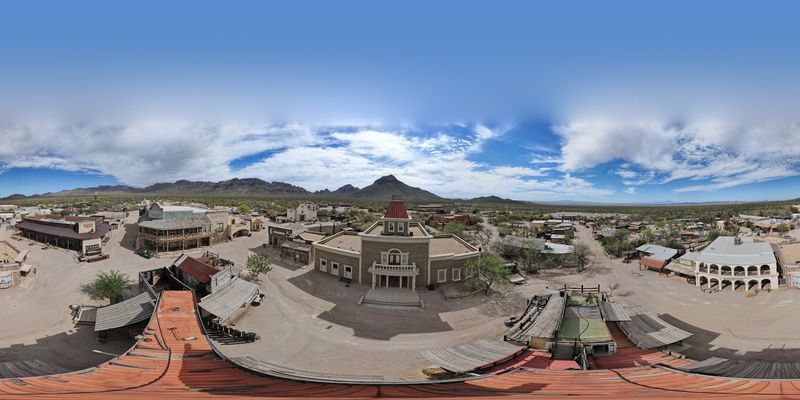
West of downtown Tucson, past the cactus-covered hills of the Tucson Mountains, sits a frontier town that was never home to a single real outlaw. Its saloon fronts, mission walls, and dirt main street were built for Hollywood in 1939, and the cameras kept rolling for decades.
John Wayne, Kirk Douglas, Kurt Russell, and a long list of TV cowboys all worked on the same patch of Arizona dirt. Here is how one movie set became a piece of our state’s history, and why it is still worth the drive.
A Hollywood Town at the Edge of the Tucson Mountains
Some towns grow out of mining claims or railroad stops. This one grew out of a movie budget.
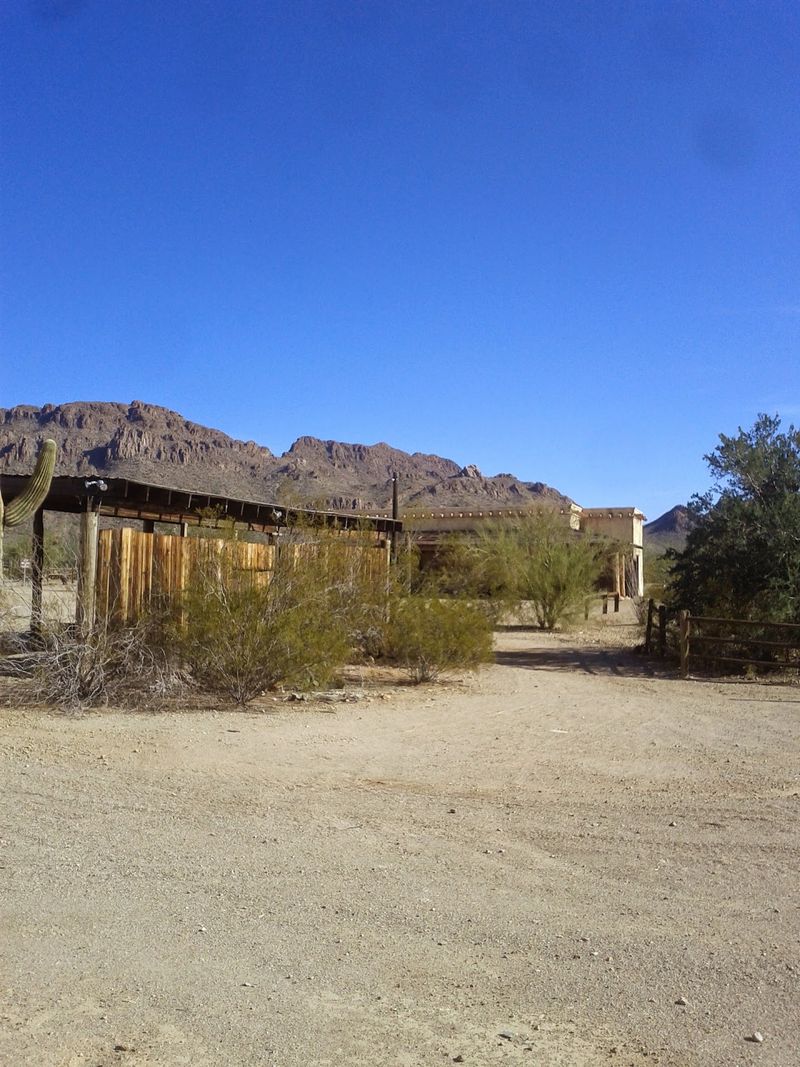
Old Tucson sits at 201 S. Kinney Road in Tucson, Arizona 85735, inside the rugged Tucson Mountain Park on the city’s west side.
The drive out takes travelers through winding desert roads lined with saguaros, which is exactly why filmmakers liked the spot.
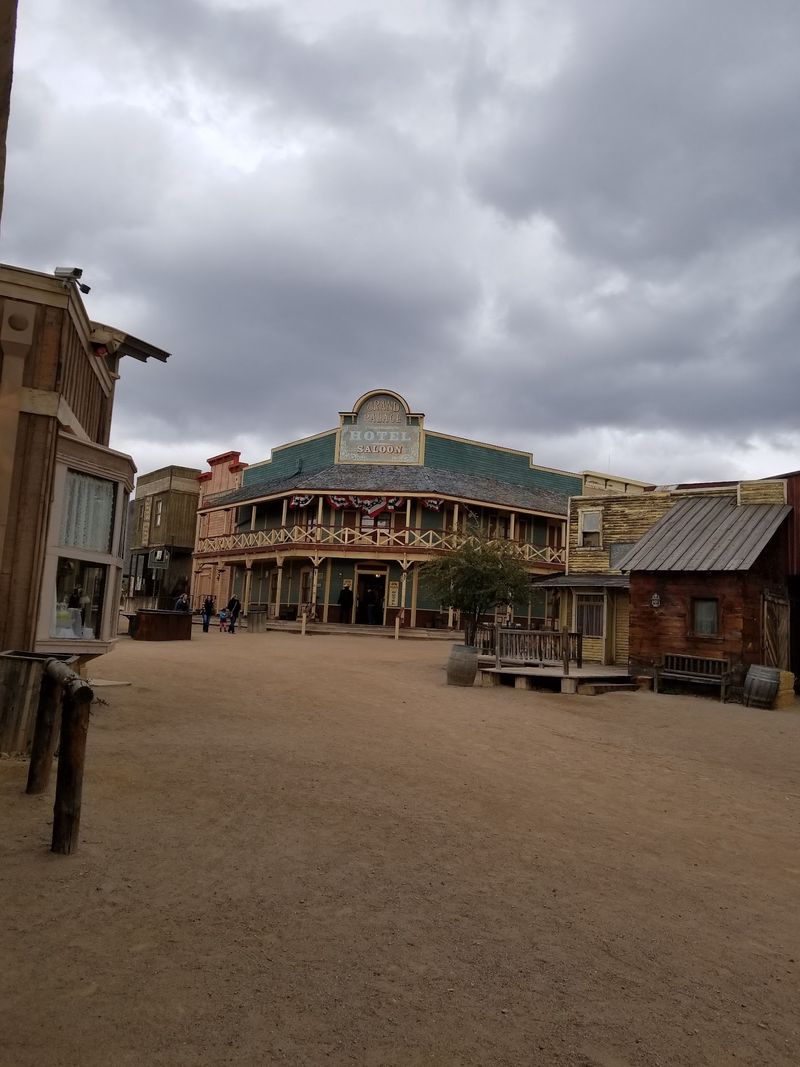
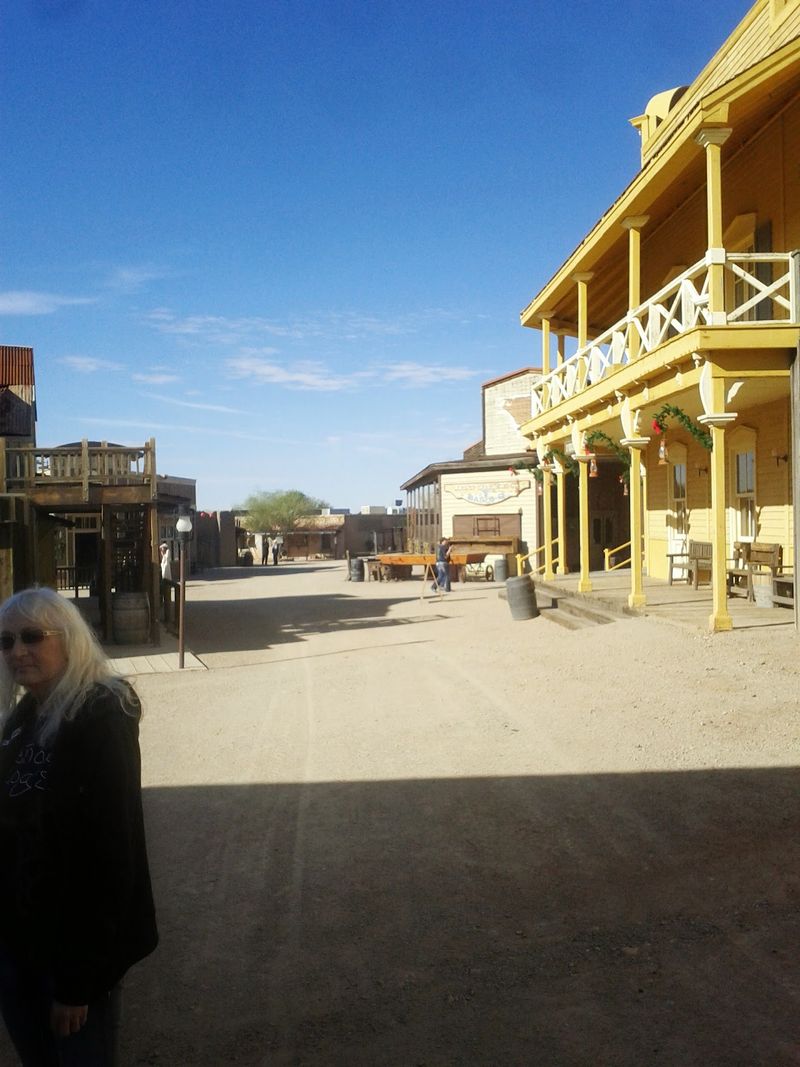
At first glance, it looks like a real frontier settlement. There are wooden storefronts, adobe walls, hitching posts, and a long main street made of packed dirt.
Look closer, and the secret shows. Many buildings were designed for cameras, so some are taller in front than they are deep, and the layout favors good camera angles over practical town planning.
The location also puts it close to other west-side favorites. The western district of Saguaro National Park and the Arizona-Sonora Desert Museum are both nearby, so a full day in this corner of Pima County is easy to plan.
For Arizona residents, the appeal is simple. A place that helped shape how the whole world pictures the Old West has been sitting in our own backyard for more than eighty years.
The story of how it got there starts with one big Columbia Pictures production.
The 1939 Film That Built a Town
Columbia Pictures needed a convincing 1860s Tucson, and the real city had already moved on. So in 1939, the studio simply built a new old one.
The production was the movie Arizona, starring William Holden and Jean Arthur, released in 1940. Crews put up dozens of buildings in a matter of months, using adobe bricks and timber to recreate the frontier town.
When filming wrapped, the studio did not tear the set down. That decision changed everything.
The empty town sat in the desert, ready for the next director who needed a Western backdrop. Other productions soon came calling, attracted by the ready-made streets and the open desert scenery all around.
Through the 1940s and 1950s, the set became one of the busiest Western filming locations outside of California. Arizona’s reliable sunshine and dramatic mountain backdrops made it a practical choice for studios on tight schedules.
Here is a fun bit of trivia for the next road trip. The town was built to represent Tucson’s past, so in a way, the city has two old towns: the real historic barrios downtown and this cinematic stand-in out west.
A one-film set turning into a long-running studio was rare. What came next made it even rarer.
Where John Wayne Kept Coming Back
Few actors are linked to the American Western more than John Wayne. He made several films on this very street.
Rio Bravo, released in 1959, is one of the best known. The Howard Hawks classic used the town as its main setting, and many fans consider it one of the finest Westerns ever made.
Wayne returned for McLintock! in 1963 and El Dorado in 1966, along with other projects. Rio Lobo, from 1970, also used the area.
For a film fan, that is the real thrill. The same storefronts and street corners show up again and again across different decades, sometimes dressed differently, sometimes barely changed.
Wayne was far from alone. Gunfight at the O.K.
Corral, starring Burt Lancaster and Kirk Douglas, filmed here in 1957, and stars such as Paul Newman, Clint Eastwood, and Ronald Reagan also worked on the lot over the years.
Spotting locations can turn a movie night at home into a fun game. Watch a classic Western, then visit the town and try to match the scenes to the actual buildings.
Hollywood legends gave the town its reputation. Television gave it a weekly audience.
Prime Time on a Desert Backlot
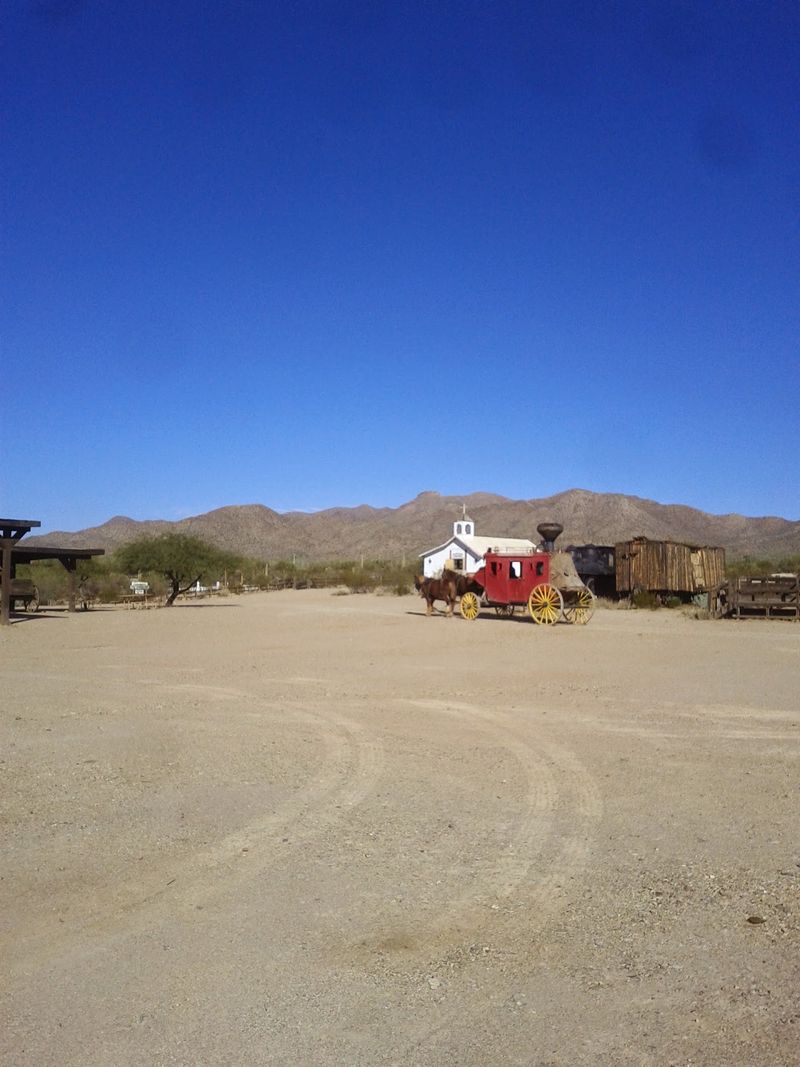
Long before streaming, families gathered around the TV to watch cowboys ride across Arizona dirt every week. Many of those scenes came from this lot.
The series The High Chaparral, which aired from 1967 to 1971, filmed extensively in the Tucson area, including at Old Tucson. Its ranch setting became one of the most recognizable parts of the property.
Little House on the Prairie also used the town for episodes. So did Gunsmoke, Bonanza, and other popular shows from the golden age of TV Westerns.
For Arizonans of a certain age, this is pure nostalgia. Many grew up seeing the place on screen without realizing it was a short drive away.
Television work kept the town busy between big studio films. Regular production schedules meant crews, sets, and props were in constant use.
That steady activity helped the location build a reputation as a reliable working studio. Directors knew what they were getting, and the desert rarely disappointed.
All of that screen time raised a natural question. Could regular people come see the place for themselves?
From Movie Studio to Family Attraction
Movie sets usually keep the public out. In 1959, a businessman named Robert Shelton decided to open the gates instead.
Shelton leased the property and began restoring it. In 1960, Old Tucson opened as a combined film studio and family attraction, a pairing that was unusual at the time.
Guests could walk the same streets seen in the movies while active productions continued nearby. Some lucky days meant catching a film crew at work.
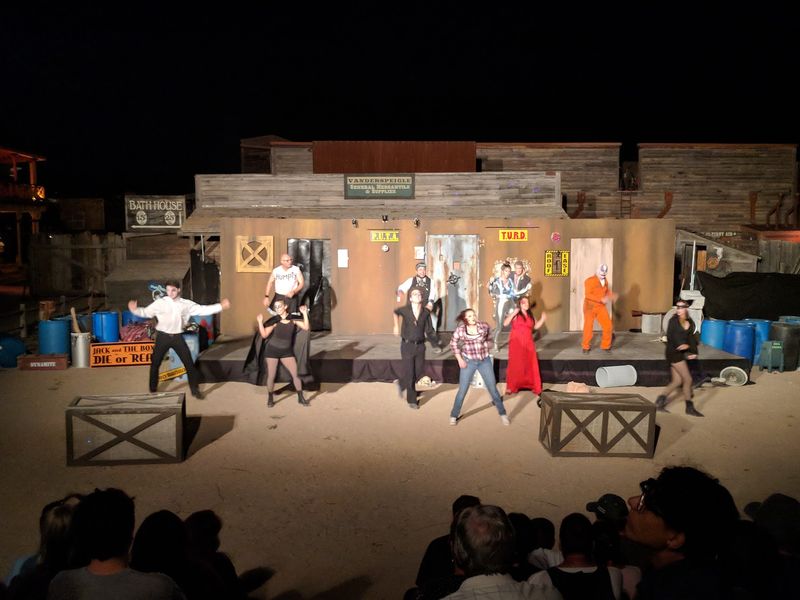
Over the years, the attraction added stunt shows, gunfight demonstrations, and costumed performers. These shows leaned into the playful side of frontier legend rather than strict history.
The model worked for decades. Locals brought out-of-town relatives, schools planned field trips, and families made it a regular weekend outing.
For many longtime Tucson residents, the place is tied to childhood memories. It is one of those spots people mention when they talk about growing up in Southern Arizona.
Of course, a town made mostly of old wood and adobe faced real risks. In the mid-1990s, one of those risks arrived in a big way.
The 1995 Fire and a Hard-Won Comeback
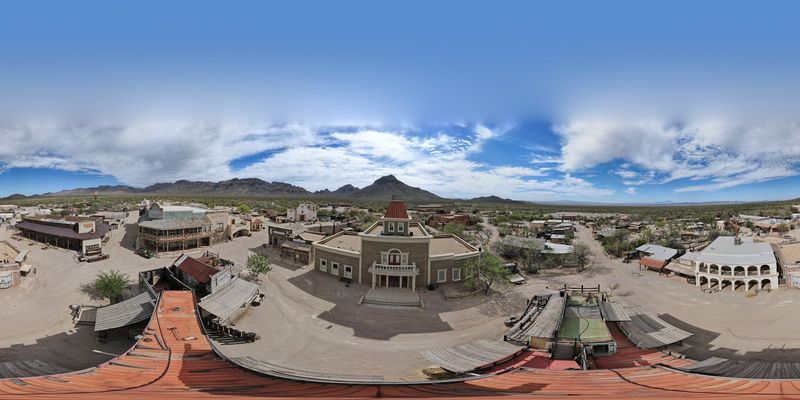
April 1995 brought the toughest chapter in the town’s history. A fire swept through the property and destroyed a large part of the original buildings.
Many historic structures, along with costumes, props, and memorabilia, were lost. For a place built on decades of film history, the damage was heartbreaking.
The town did not stay down. Rebuilding work started, and Old Tucson reopened to the public in 1997.
Some features were reconstructed to look like their earlier versions. Other areas were designed fresh, with a mix of film-friendly sets and attraction spaces.
Filming continued after the comeback, though the pace changed as Hollywood moved more Western productions elsewhere. Still, the town kept its role as a working location for movies, commercials, and TV.
Here is a detail worth knowing before a visit. Not every building is original to 1939, so the experience is part history and part careful recreation.
That blend of old and rebuilt is part of the story itself. It shows how hard the community worked to keep this piece of Arizona film culture alive.
Tombstone, The Quick and the Dead, and the 1990s Revival
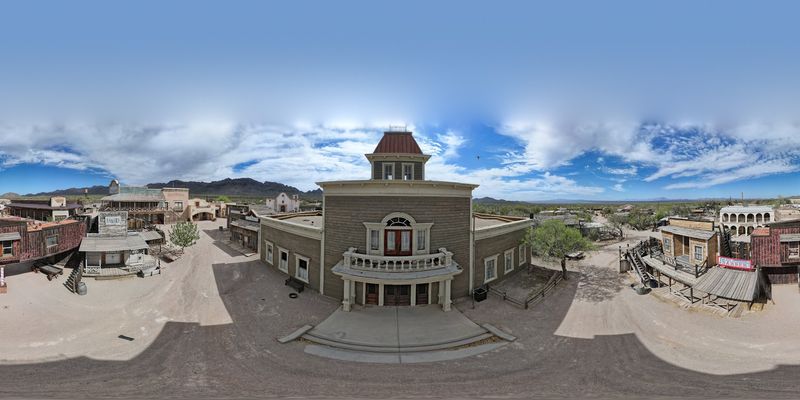
Just when some thought the Western was fading, the 1990s delivered a fresh wave. Old Tucson played a part.
Tombstone, the 1993 film starring Kurt Russell and Val Kilmer, used the location for scenes. It remains a fan favorite, and its quotable lines still pop up in conversations across Arizona.
The Quick and the Dead, released in 1995 with Sharon Stone, Gene Hackman, Russell Crowe, and Leonardo DiCaprio, also filmed here. Its stylized town became a memorable backdrop.
Comedy got its turn too. Three Amigos, the 1986 film with Steve Martin, Chevy Chase, and Martin Short, used the property for some of its shoot.
These titles introduced the town to a younger generation of movie fans. People who never watched Rio Bravo suddenly had their own reasons to recognize the streets.
Fun fact for trivia night: the same dirt road has hosted silver-screen legends from the 1940s and stars who are still headlining films today. Few filming locations in the country can claim that kind of range.
Generations of film history in one place is impressive. Experiencing it in person is even better.
Street-Level Details Worth Slowing Down For
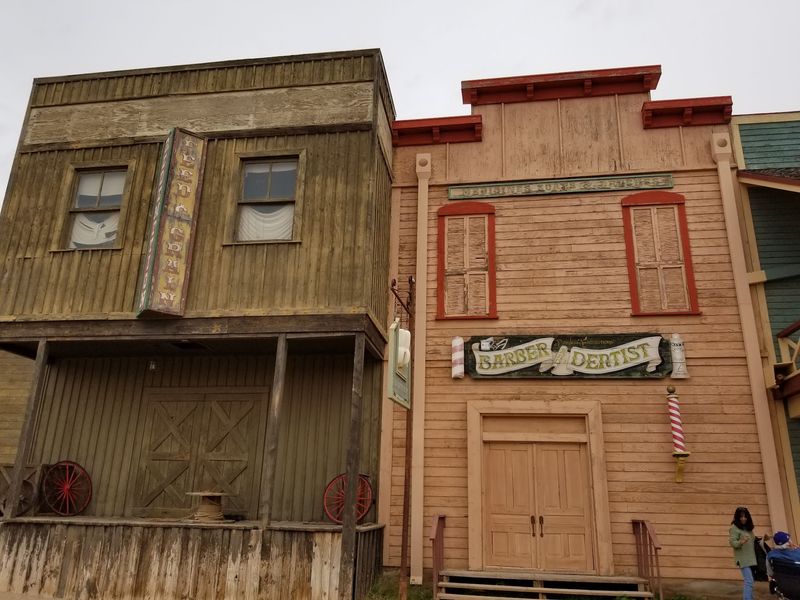
Rushing down the main street means missing half the fun. The real charm of the town lives in its small details.
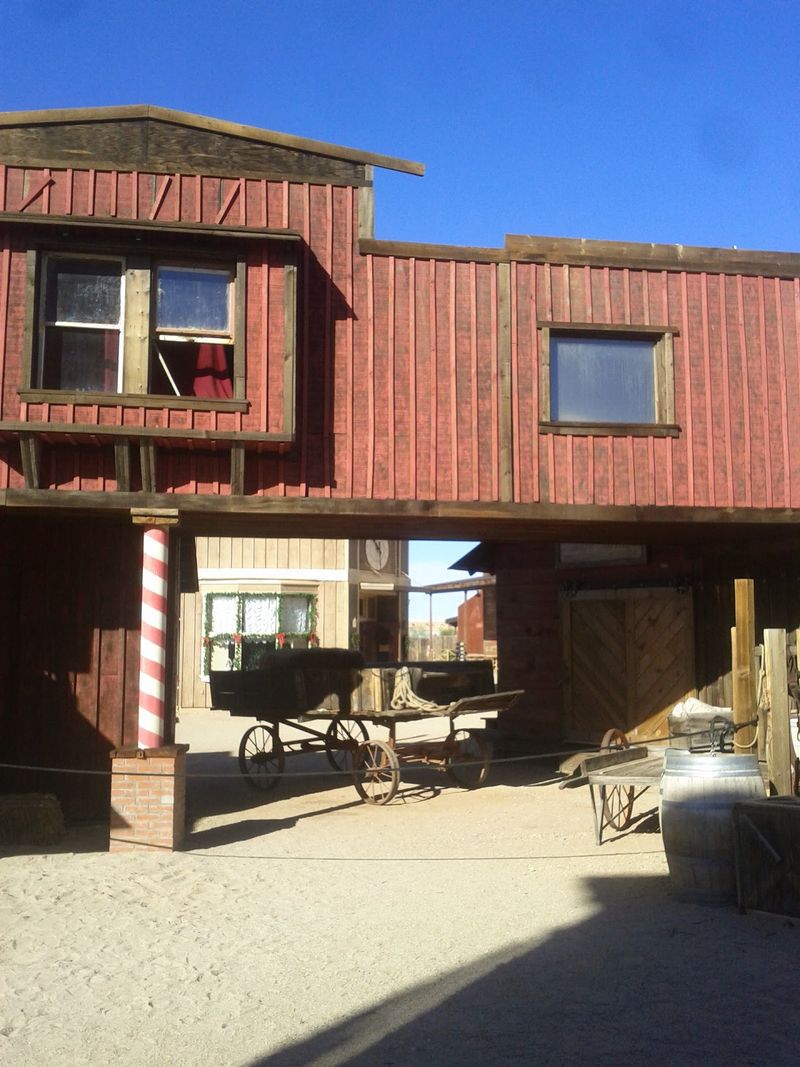
Look for the false fronts on many buildings. They were built to look impressive on camera, and seeing them up close explains a lot about how Western movies were made.
The mission-style structures and adobe walls are also worth a look. They reflect the Spanish and Mexican influences on Southern Arizona’s real history, which filmmakers borrowed for authenticity.
Signs, porches, and wooden boardwalks give the place a lived-in feel. Many spots are recognizable to fans who know their Westerns well.
Photographers have plenty to work with here. The mix of desert mountains, old-style buildings, and open sky makes for frame-worthy shots at almost every corner.
A good tip is to bring a list of favorite Westerns before visiting. Matching movie scenes to real places turns a walk into a treasure hunt.
Details like these reward patience. They also hint at the bigger question of what kind of experience the town offers today.
Old Tucson Today and the Seasonal Shift
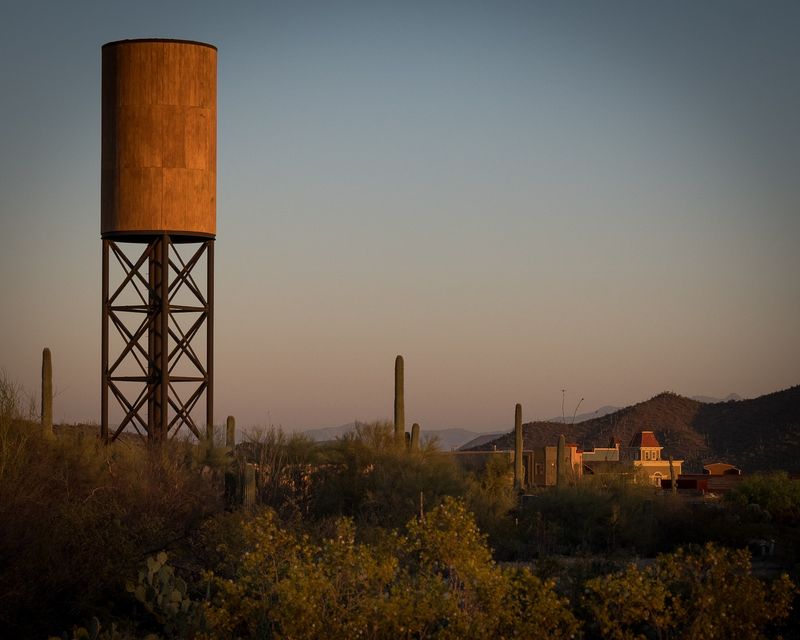
The town has gone through changes in recent years. Anyone planning a trip should know how it operates now.
Old Tucson closed to the public in 2020 during the pandemic. Pima County, which owns the land, later selected a new operator, and the property began welcoming guests again with special events.
One of the best-known events is Nightfall, the fall Halloween-season experience that has long been a Tucson tradition. It brings evening shows and themed attractions to the old streets.
Other seasonal and holiday events have also been part of the newer schedule. The focus has shifted from a daily theme park model toward events and select operating periods.
Because of these changes, it is smart to check the official Old Tucson website before driving out. Hours, event dates, and ticket details can vary by season.
That approach also fits the Arizona climate. Cooler months tend to work best for wandering an open-air desert town.
Knowing the schedule is half the battle. The other half is knowing who will enjoy the trip most.
Who Gets the Most Out of a Visit
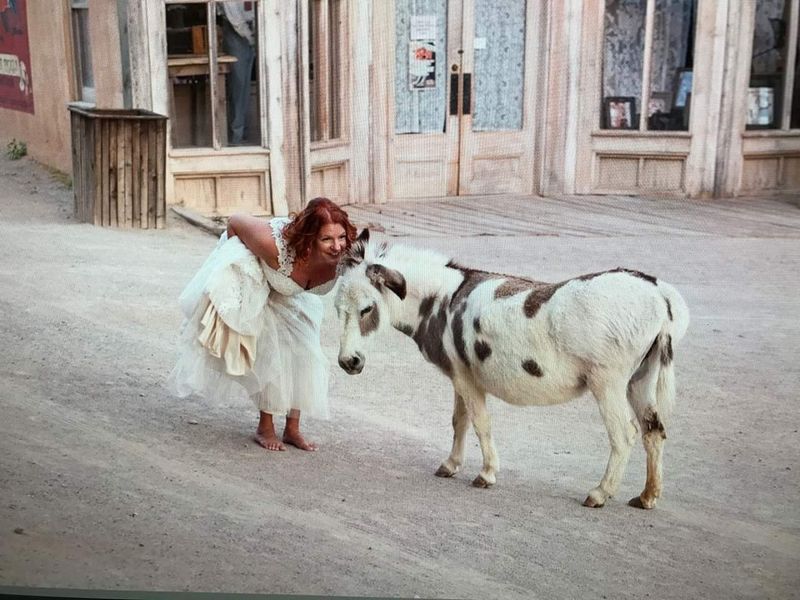
Classic movie lovers are the obvious audience. But the town has a wider appeal than many expect.
Families tend to enjoy the open space and the playful frontier setting. Kids who have never seen a Western still get a kick out of cowboy-style streets and storefronts.
Grandparents often bring their own stories. Many remember watching Gunsmoke or The High Chaparral, and sharing those memories on location adds real meaning to the outing.
Photographers and history buffs will find plenty to explore too. The mix of film history and Southern Arizona design gives curious minds lots to discuss.
Arizona newcomers may appreciate it as a crash course in local culture. The Western image of the state was shaped in part right here.
Longtime locals, meanwhile, might find it is time for a return trip. Plenty of people visited as children and have not been back in years.
No matter the group, a little planning goes a long way. The next section covers the practical side of making the trip.
Practical Tips for the Drive Out West
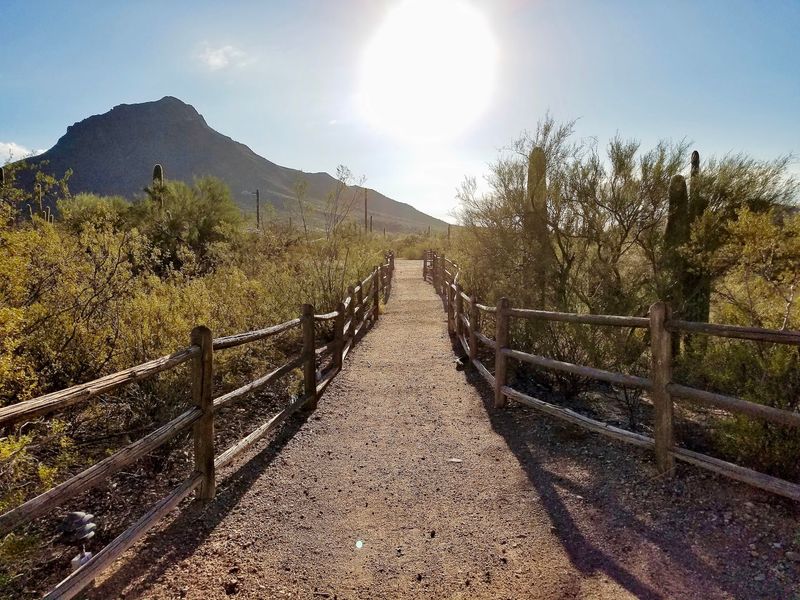
Getting there is part of the adventure. The route through Tucson Mountain Park is one of the prettier drives in the region.
From central Tucson, most people head west on Speedway Boulevard, which climbs over Gates Pass, or take Ajo Way to Kinney Road. Gates Pass is scenic but has tight curves, so larger vehicles may prefer the Ajo Way route.
Hours and ticket prices change with events and seasons. The official website is the best source for current details before setting out.
Arizona sun is strong year-round. Hats, sunscreen, water, and comfortable shoes for dirt paths make the day more enjoyable.
Combining stops is easy here. Saguaro National Park West and the Arizona-Sonora Desert Museum are close by, making a full west-side day trip simple to plan.
Arriving earlier in the day during warmer months helps avoid peak heat. Evening events, when offered, are another good way to beat the sun.
With logistics handled, there is just one thing left to settle. Is the trip worth it?
A Frontier Town Worth Revisiting
Plenty of attractions claim to capture the Old West. Very few actually helped invent the version the world remembers.
Old Tucson has been part of that story since 1939. Hollywood legends, beloved TV shows, and 1990s hits all used its streets.
The town has faced setbacks, from the 1995 fire to the 2020 closure. Each time, people worked to bring it back.
That resilience is part of what makes it special for Arizonans. It is a reminder that our state did more than inspire Westerns; it hosted them.
A visit offers film history, desert scenery, and a dose of nostalgia in one trip. Checking the current schedule first makes the outing smooth.
For locals who have never gone, it is a chance to see a famous place hiding in plain sight. For those who went as kids, it is a chance to see it with fresh eyes.
The cameras may roll less often now. The story of this dusty street, though, keeps getting new chapters.


