
Affiliate disclosure: As an Amazon Associate I earn from qualifying purchases. Learn more
Ten dollars buys a carload of people a front-row seat to herons, pelicans, and the occasional alligator, all without leaving the driver’s seat. Just a short trip from Fort Myers, a quiet one-way road winds through mangroves where more than 230 bird species have been recorded.
Manatees sometimes surface near an observation tower, and a rare pink bird might be standing a few yards from your bumper. The pass even stays valid for days, so a return trip costs nothing extra.
Cyclists and walkers pay just a dollar to roll or stroll the same route. Keep reading to learn how the drive works, which animals tend to show up, what to pack, and the one weekday you should never plan your visit.
A Refuge Hiding on Sanibel Island
Some of the best wildlife viewing on Florida’s Gulf Coast happens at about ten miles per hour. The J.N. “Ding” Darling National Wildlife Refuge sits at 1 Wildlife Dr, Sanibel, FL 33957, on Sanibel Island near Fort Myers in Southwest Florida.
The refuge is a park on the Gulf known for more than 230 species of birds. It also offers trails, fishing, tours, and family activities.
Most people come for the wildlife drive, a one-way road through mangrove habitat. You can cover it by car, by bike, or on foot.
Along the way, the cast of characters can include roseate spoonbills, ospreys, pelicans, alligators, and manatees. Iguanas also make frequent appearances, though they are not exactly invited guests.
Bird watching is the top draw here, and the refuge works for beginners holding their first pair of binoculars. Experienced birders treat it as a serious destination too.
The refuge carries a 4.6-star average from more than a thousand Google users. That kind of steady praise says a lot about a place where the main event is simply waiting quietly for animals to appear.
Before getting to the gators, though, the name on the sign deserves a closer look.
The Man Behind the Nickname
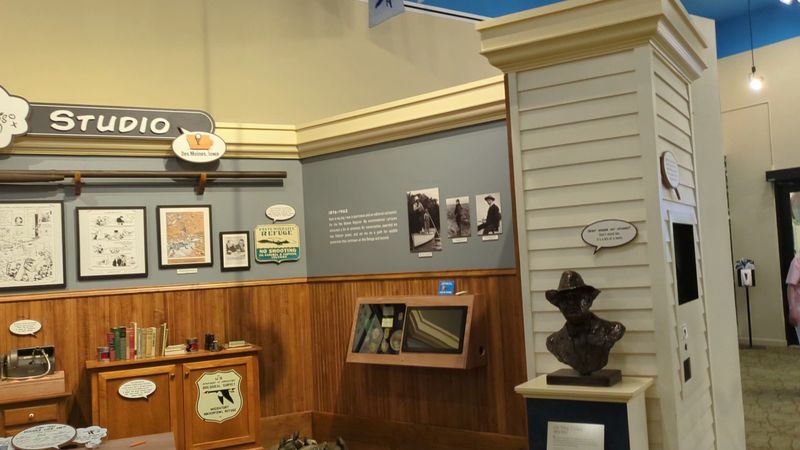
Who exactly was “Ding” Darling, and why does a Florida refuge carry his name? The answer lives inside the visitor center, where an exhibit tells his story.
Many people walk in planning a quick restroom stop and walk out inspired. The exhibit on Mr. Darling ranks as a highlight for guests who take the time to explore it.
His story connects directly to the reason this land is protected today. It sets the tone for everything you will see on the drive outside.
The visitor center goes beyond biography. Displays cover the general area, and several interactive features invite hands-on learning.
Staff at the information desk get consistent praise for being knowledgeable and friendly. They can explain the refuge, answer wildlife questions, and even point you toward other sights on the island, including the Bailey Tract.
Spending even twenty minutes here before the drive pays off. You will know what to look for and where it tends to hide.
Consider it a short history lesson with a big payoff, since the birds outside are easier to appreciate once you know who fought to give them room.
Four Miles of One-Way Road
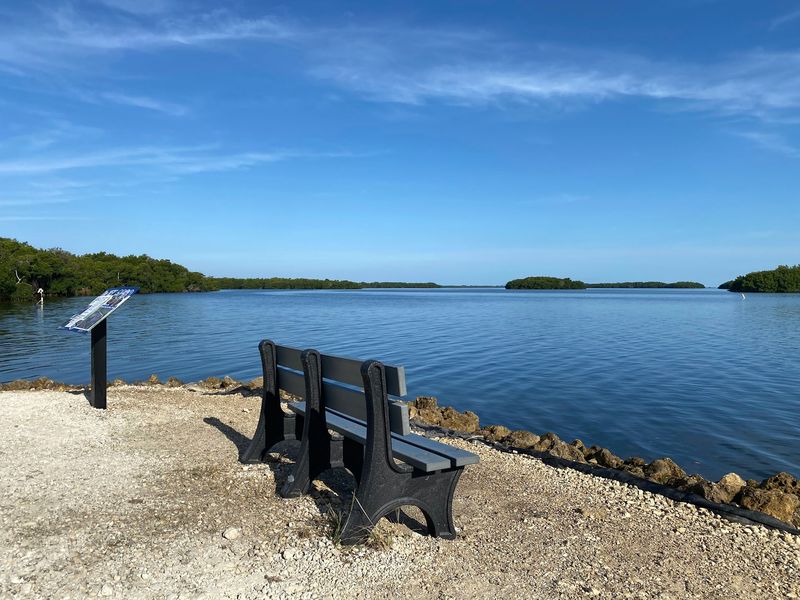
Slow driving is not just allowed here. It is the whole point.
The wildlife drive is a one-way road of roughly four miles. Drivers are encouraged to pull over on the right-hand side, step out, and walk around.
That rule changes the experience completely. You can stop anywhere that looks promising and take pictures without holding up traffic.
Groups of seniors appreciate the pace, since they can walk a stretch and then rest in the car before the next stop. People who want to avoid the heat also find the drive the most comfortable option.
The road feels remote and calm. There are restrooms along the route, which matters more than you think on a long, lazy loop.
Some days a volunteer sets up a telescope trained on a single bird. Guests have gotten up-close looks at a roseate spoonbill this way.
The car fee is $10, and the pass covers re-entry for three more days. One family drove the loop in the morning and returned at low tide, when the birds behaved differently.
Patience is the only real requirement, and the road rewards it generously.
Pink Feathers in the Shallows
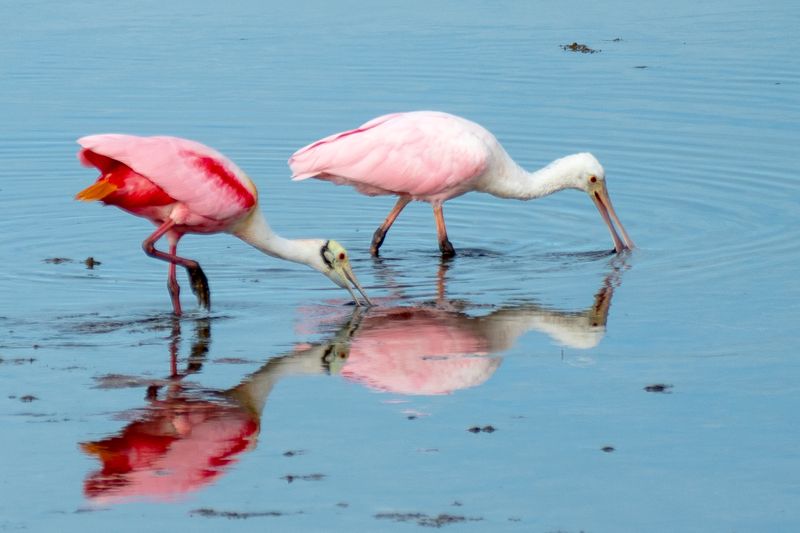
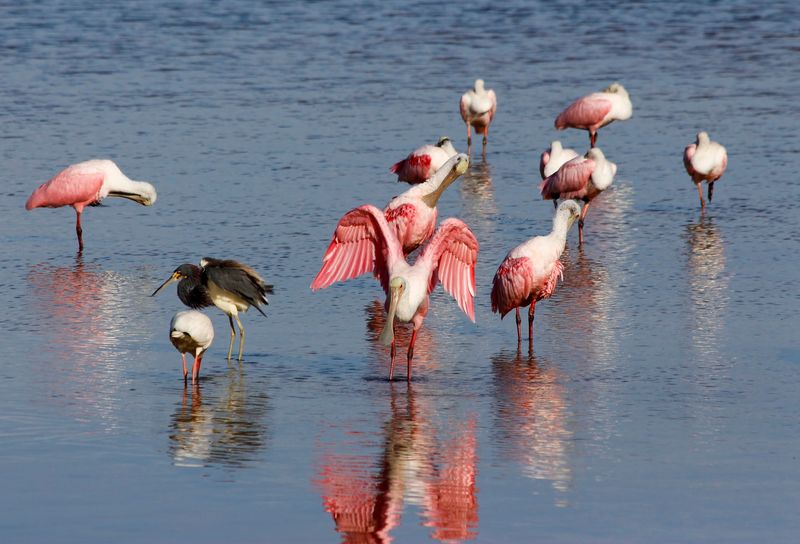
Few birds cause a car to brake faster than a roseate spoonbill. Its pink color and flat, spoon-shaped bill make it one of the most sought-after sightings on the island.
Spoonbills turn up on lists from many people who drive the loop. One group spotted spoonbills along with white ibis, green herons, yellow-crowned night herons, anhingas, and both white and brown pelicans.
Fair warning, though. The pink celebrities do not keep a schedule.
Some guests leave without a single spoonbill sighting despite hearing they were around. It is wildlife, not a theme park.
Tide timing seems to help. A family who returned at low tide saw a spoonbill and what may have been a young eagle.
Bring binoculars and a camera with decent zoom. Phones with strong zoom capabilities have captured impressive shots here.
Keep an eye out for that volunteer telescope, too. When someone has already found a spoonbill and focused on it, the hard part is done for you.
Spotting one feels a bit like winning a small, feathery lottery, and the odds improve with each slow mile.
Gators, Iguanas, and Other Scaly Neighbors
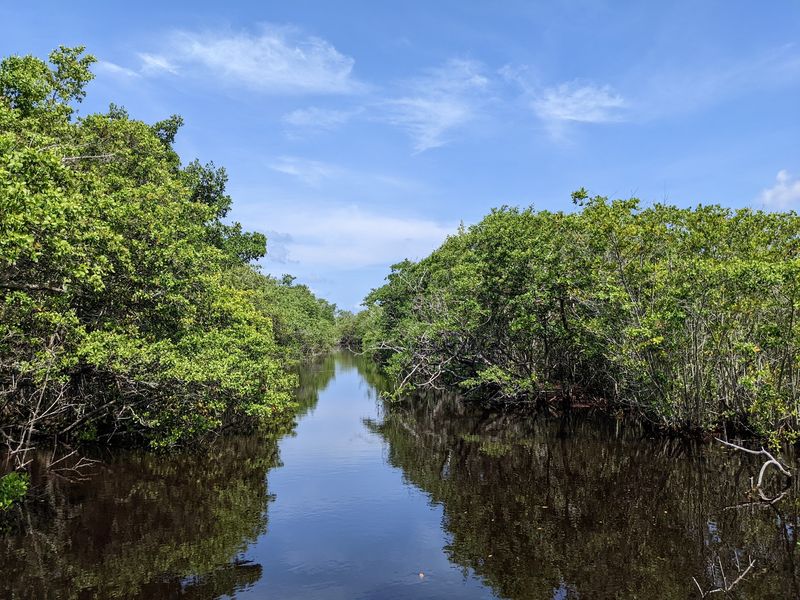
Alligators come up more than almost any other animal when people talk about this refuge. That makes sense, since a gator resting near the road is a memorable sight.
Sightings are never guaranteed. Plenty of guests drive the full loop without spotting one, while others see a gator along with manatees and even a bald eagle on the same afternoon.
Iguanas are far more reliable. Early-morning cyclists have watched many of them crossing the road.
Their presence is not a happy story for the ecosystem. Iguanas are an invasive species here, and they serve as a reminder of the pressure non-native animals put on fragile habitats.
So while it is fun to point at a big lizard sunning itself, it is worth knowing that it does not belong. The refuge’s displays help explain how outside species affect native wildlife.
Keep a respectful distance from every reptile you see. A car window or a set of binoculars is plenty close.
Think of it as a scaly scavenger hunt where some of the finds are welcome residents and others are uninvited houseguests.
The Tower Where Manatees Steal the Show
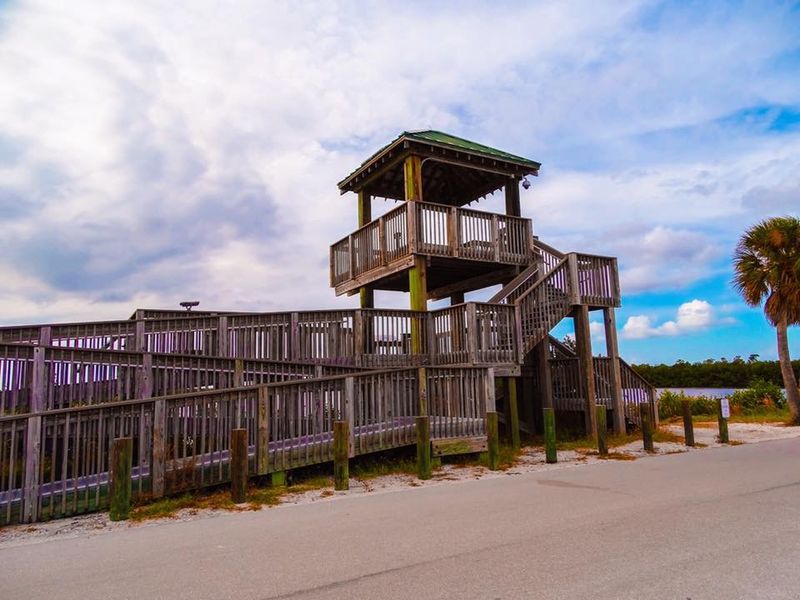
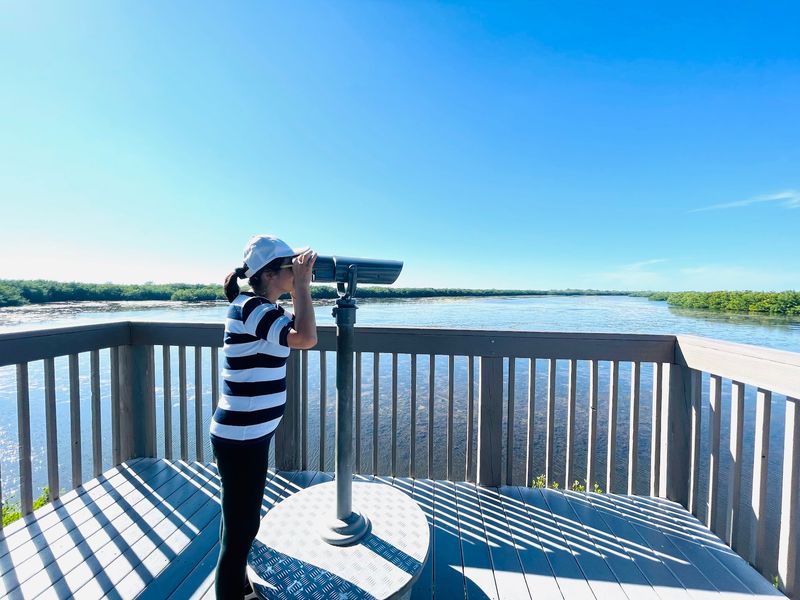
About halfway through the drive, an observation tower gives the refuge its most talked-about stop. A friendly staffer at the booth once advised a couple to make sure they checked it out, and it turned into the best tip of their day.
The tower offers a higher view over the water and mangroves. It is a natural spot to scan for birds that might be hidden at ground level.
Manatees are the surprise stars. Several groups have watched wild manatees swimming across from the tower, and one guest stood just about twenty feet away from them.
For many people, it is their first time seeing manatees in the wild. That alone makes the climb worthwhile.
Even on slower days, the tower remains a favorite pause. Guests who saw few animals elsewhere still describe it as a great place to stop and look.
Take your time up there. Animals move on their own clock, and a few patient minutes often turn up something new.
Of all the pull-offs on the loop, this is the one to circle on the map before you start the engine.
Pedals, Sneakers, and Fishing Lines
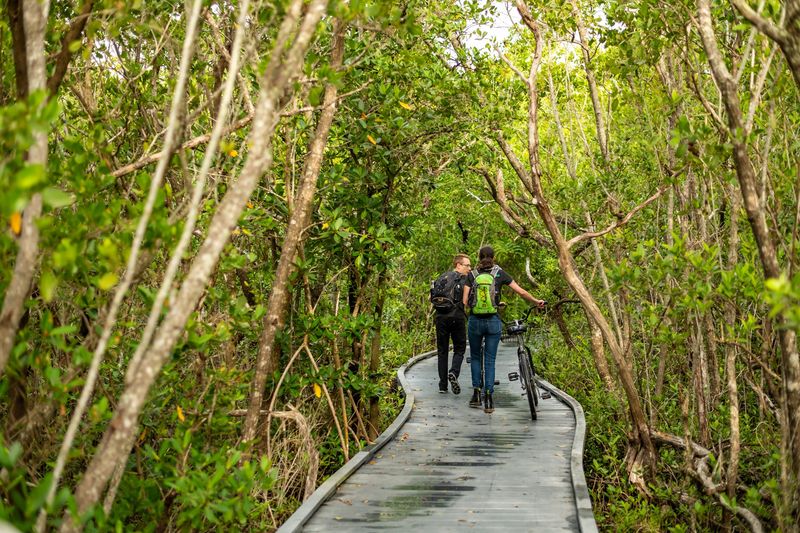
Cars are optional. Walkers, runners, and cyclists can explore the route for just $1 per person.
Biking is a favorite choice for first-timers on Sanibel. The path is flat and paved, which keeps it friendly for casual riders.
Cyclists can choose a four-mile loop or an eight-mile loop. On the longer ride, the final couple of miles leave the refuge and follow the island bike trail.
Early morning is a popular time to pedal through. Iguanas tend to be active then, and the road is calm.
Walkers also have a trail leading to a close-up view of an osprey nest. Ospreys rank among the most mentioned birds here, so the short walk can be a highlight.
Fishing is part of the scene too. Anglers line up at spots along the drive, yet the scenery stays peaceful around them.
Results vary. One determined angler tried live shrimp at every possible spot and caught only a couple of catfish.
Whatever your speed, there is a way to see the refuge that fits, and none of them will strain the wallet.
Trams, Cruises, and a Famous Restroom
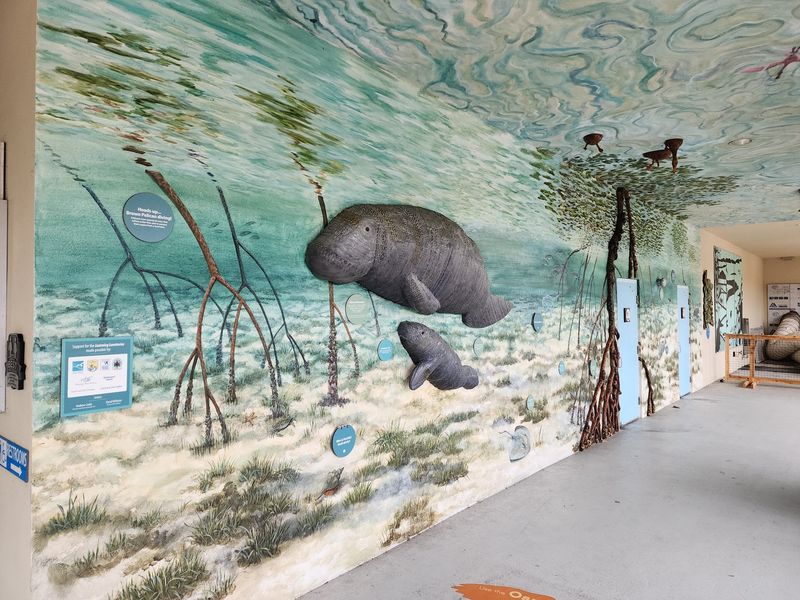
Not everyone wants to drive or pedal. Guided options add another layer to the visit.
A tram tour runs during the day and comes highly recommended by guests who tried it. In the evening, a sunset cruise offers a chance to see many varieties of birds from the water.
Both options rely on knowledgeable guides. That expertise helps when you cannot tell a little blue heron from a great egret.
Back at the visitor center, younger kids get hands-on activities. An interactive manatee exhibit explores how humans affect these animals, and it leaves a strong impression on many families.
The gift shop deserves a browse. Shelves hold educational toys, local honey, adult and kids’ clothing, and stuffed animals, with prices described as competitive.
Then there are the restrooms. Yes, really.
They are described as award-winning, extremely clean, and even interactive. Few places can claim their bathrooms as a selling point, but this one does.
Between the tram, the cruise, and the exhibits, a single visit can stretch well beyond the drive itself, and nobody will complain about that.
Bug Spray, Water, and Timing Tips
A little preparation turns a good visit into a great one. Florida weather and insects have opinions about your plans.
No-see-ums can be fierce around sunset. Their bites can itch for up to two weeks, so bug spray is a must.
Heat and humidity are real, especially in summer. Bring water, a hat, sunscreen, and maybe a handheld fan and a snack.
Binoculars make a huge difference. A phone with good zoom is handy too.
Season affects what you see. Guests in early June and on very hot days have reported fewer animals out and about, though the calm setting still made the trip worthwhile.
Mornings and low tide come up as smart windows. Returning on another day with your multi-day pass lets you try both without paying again.
Some trails may be closed at times. Ask at the visitor center or booth about current conditions before heading out.
Pack light but pack smart, because the itch from a forgotten bottle of repellent lasts much longer than the drive.
Hours, Fees, and a Friday Warning
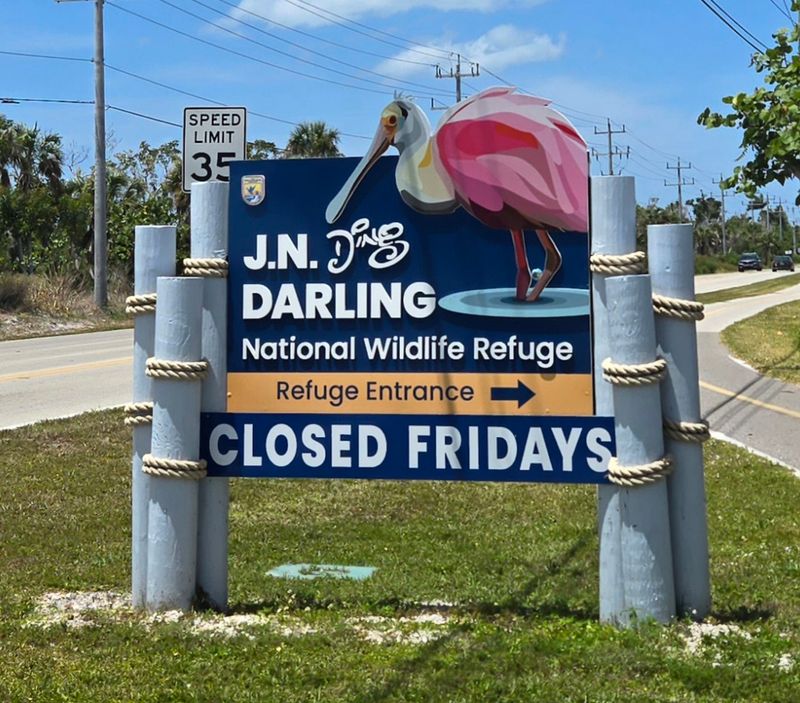
Here is the one detail that trips people up. The refuge is closed on Fridays.
Listed hours run 9 AM to 4 PM on Saturday through Thursday. Some early birds have found the drive open as early as 7 AM, so check the official U.S.
Fish and Wildlife Service website before going.
Costs stay refreshingly low. Cars pay $10, while walkers and cyclists pay $1 each.
The car pass also covers re-entry for three more days. If you hold a national park pass, entry is free.
Crowds are rarely a problem. A Monday afternoon visit felt quiet, and many describe zero traffic on the drive.
The refuge pairs well with a day on Sanibel Island. Staff are happy to suggest other stops nearby.
So is it worth the trip from Fort Myers? For anyone who enjoys birds, calm scenery, and a chance at spoonbills or gators beside the car, the answer leans strongly yes.
Just skip Friday, pack the repellent, and let the slow road do the rest.


