
Affiliate disclosure: As an Amazon Associate I earn from qualifying purchases. Learn more
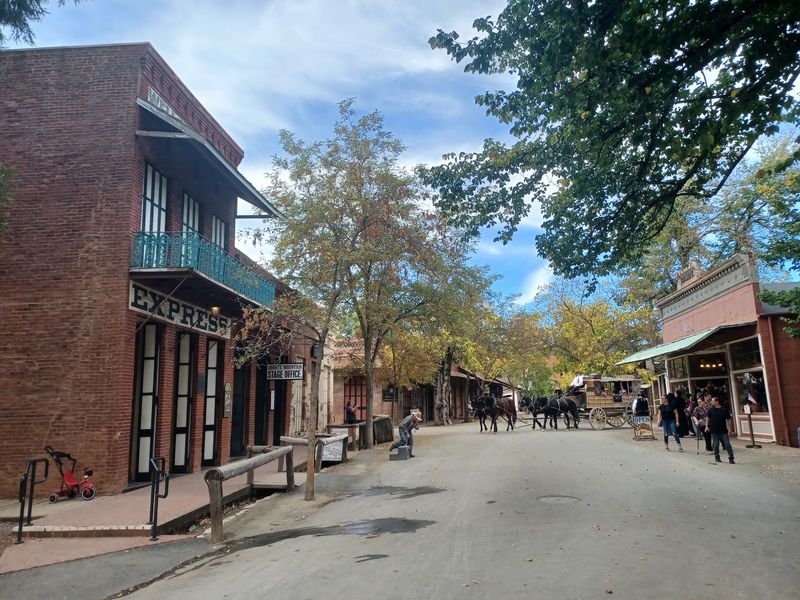
Cars are not allowed on the main streets here, and that single rule changes everything. Horses pull a working stagecoach down the road, a blacksmith keeps busy at the forge, and kids crouch over troughs hoping for a fleck of gold.
Shops sell candy, hats, and leather goods from storefronts that look like they were built for miners, because they were. This little town in California’s Gold Country has kept its 1850s character for generations of families, some of whom now bring their great grandchildren.
Keep reading to learn where it is, what to do once you arrive, when the doors open, and a few smart tips that make a day here run smoothly from the first step to the last.
A Gold Rush Town on Jackson Street
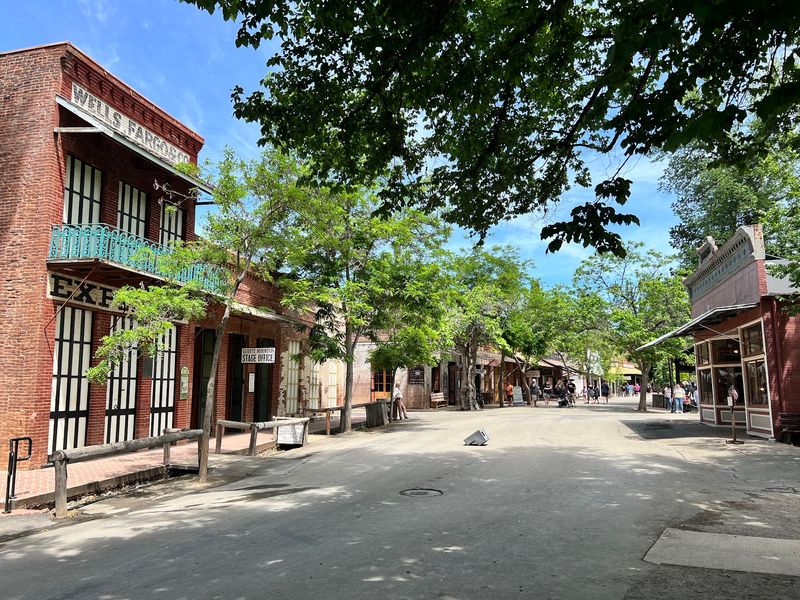
Some towns build replicas of the past. Columbia State Historic Park simply kept its own.
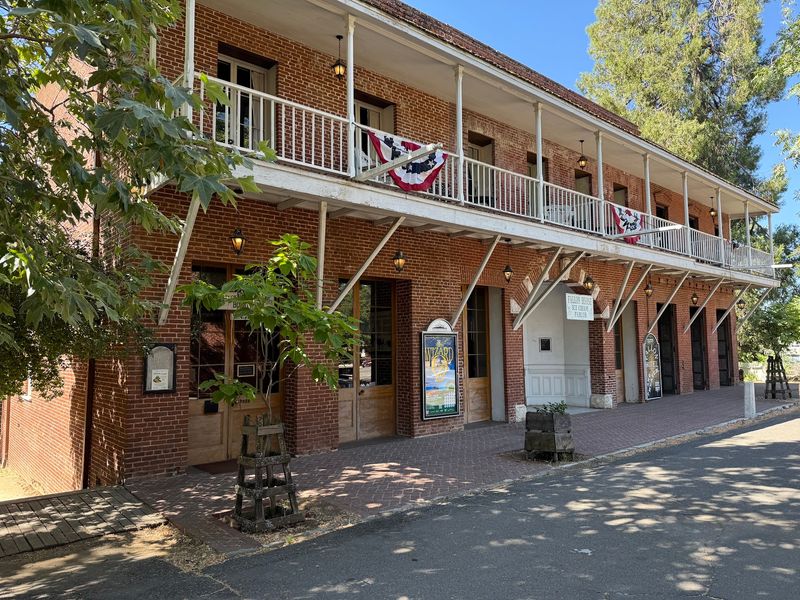
The park sits at 11259 Jackson St, Columbia, CA 95310, in the Sierra foothills of California’s Gold Country. It is a preserved Gold Rush-era landmark town, run as a California state park.
Instead of a single museum building, the whole town serves as the exhibit. Shops, a hotel, a courthouse, a jail, a schoolhouse, and a museum line streets that still follow their original layout.
Costumed reenactors help show what daily life looked like in the 1850s. Tours, stagecoach rides, and gold panning round out the lineup.
The town is small, covering just a few blocks. That compact size works in its favor, since everything is easy to reach on foot in a couple of hours.
It also sits close to Sonora, which makes it a handy stop for anyone already traveling through the area. Plenty of people discover it on a road trip and then return year after year.
With a 4.7-star standing from more than 5,000 opinions online, the town has clearly earned its loyal following. The next question is what made this place worth preserving in the first place.
History You Can Walk Through
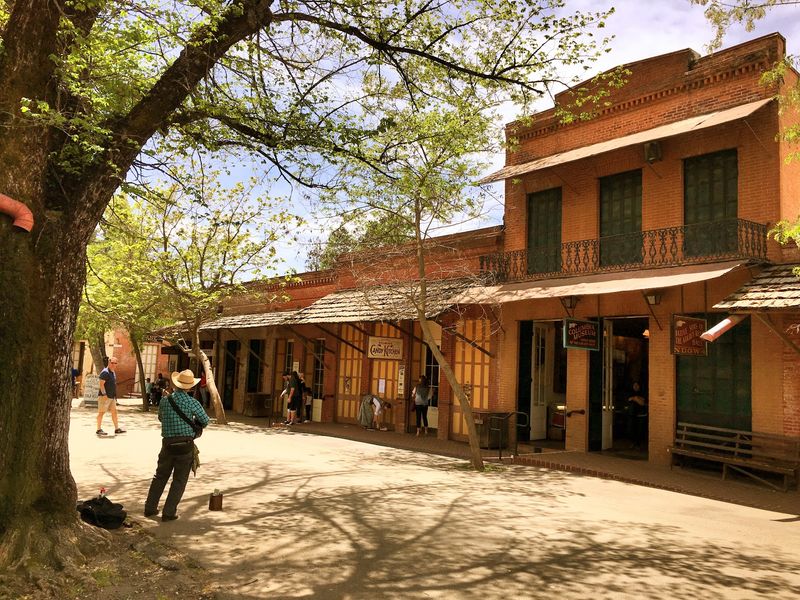
History books describe the Gold Rush in chapters. Columbia lays it out in buildings.
The town grew during the mid-19th century rush that pulled fortune seekers into the Sierra foothills. Today it stands as one of the most complete examples of that era left in the state.
A Gold Rush museum holds historical artifacts tied to mining life. Its information center is a helpful first stop for getting oriented.
Several mini museums are scattered throughout town, and many of them are free. Each one adds another piece to the larger story of who lived here and how they worked.
The old jail is a favorite for learning how law and order functioned in a mining town. The courthouse and schoolhouse fill in the civic side of daily routines.
Docent-led tours are offered, though they are not always frequent. Planning ahead gives the best chance of catching one.
Friendly locals and volunteers often share what they know about the town’s past. Their stories bring the exhibits to life without feeling forced.
All that history makes a great foundation, but the town really comes alive once the horses start moving.
Stagecoach Rides and Horse-Drawn Carriages
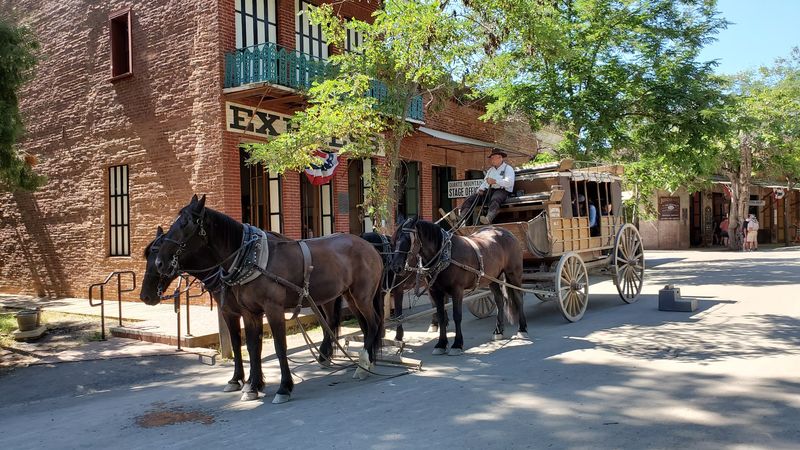
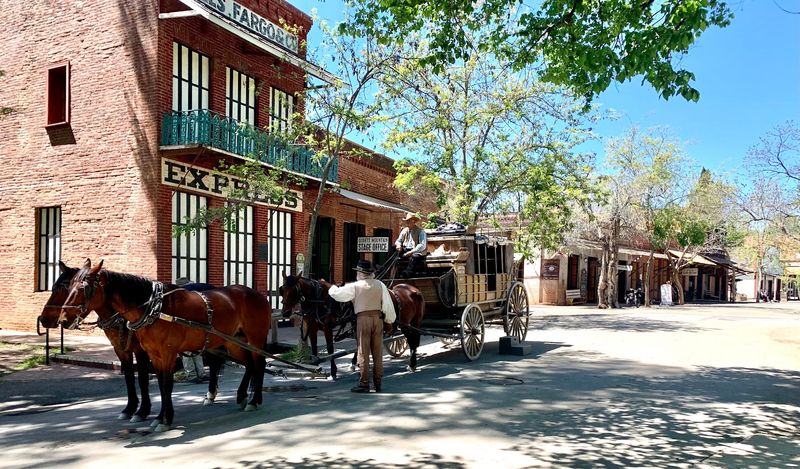
Hold onto your hat, quite literally. The stagecoach ride is one of the most talked-about experiences in Columbia.
An actual running stagecoach, pulled by a pair of horses, carries passengers along a route near town. For many families, it is a first ride of its kind and an instant tradition.
Rides are fairly short. There is also no guided commentary on the route, so passengers enjoy the trip without narration about the landmarks along the way.
Separate horse carriage rides are also available as a paid excursion. The owners are known for being welcoming and letting guests stand next to the horses.
Some guests even get to pet the horses and take photos with them. For animal lovers, that moment can easily become the highlight of the day.
School groups often visit, and the stagecoach line can get crowded when buses roll in. Arriving earlier in the day helps.
Once the wheels stop turning, attention often shifts to the ground itself, where the original treasure hunt continues.
Panning for Gold, Old School Style
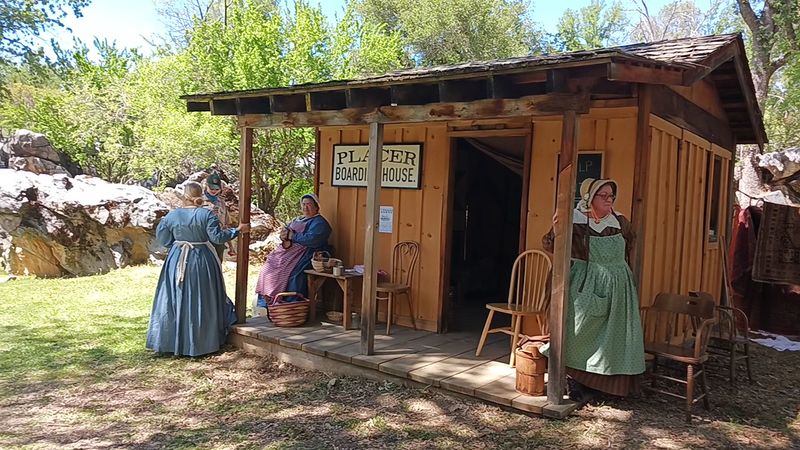
Gold fever never fully left Columbia. It just got more family friendly.
Gold panning ranks as the most popular activity in town. Kids and grown-ups swirl pans in water, searching for flecks that recall the miners who came before them.
It is a paid excursion, and the setup is aimed squarely at young prospectors. Younger children tend to love it the most.
Some adults find the experience similar to panning stations at other attractions. Even so, doing it in an actual Gold Rush town adds a layer of meaning.
Nearby, a large rock invites kids to climb and burn off energy. It has become a small tradition of its own for families who return often.
Gold mining history is woven into the whole park. Panning gives kids a hands-on way to connect with the stories they see in the museum.
A pan full of sand teaches patience fast. Next comes a craft that demands a different kind of focus, over at the forge.
Blacksmiths, Candles, and Old-Time Portraits
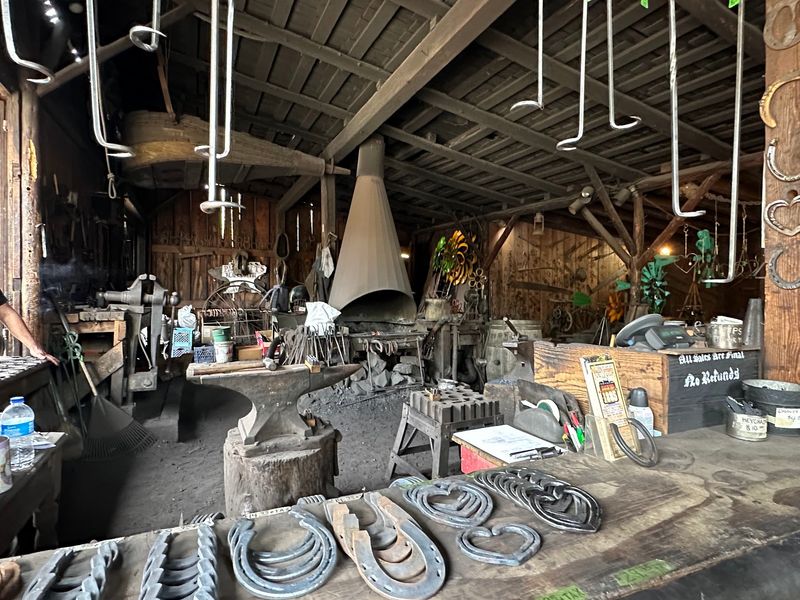
Hammer meets anvil on a regular basis here. The onsite blacksmith is one of Columbia’s standout attractions.
Watching a working smith gives a clear look at a trade that kept mining towns running. Tools, hardware, and repairs all depended on this kind of skill.
Candle dipping offers another hands-on craft. Guests can make their own candles and leave with a souvenir they shaped themselves.
The old-time photo studio is a beloved tradition. Families dress up in period clothing and pose for portraits that look straight out of the 1800s.
Some families have collected these photos across generations. One grandparent might have a portrait from age 20 and now watches great grandchildren pose in the same style.
Costume options are also sold in town for those who want to keep the look going.
These crafts give the park its hands-on heart. Shopping, though, is where many people spend the bulk of their afternoon.
Storefronts Full of Surprises
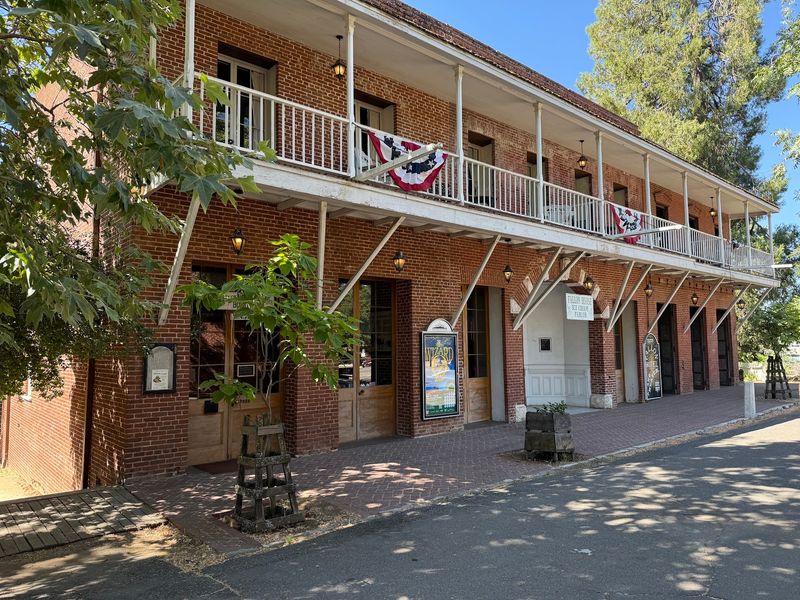
Bring cash. That tip comes up often, and the shops are the reason.
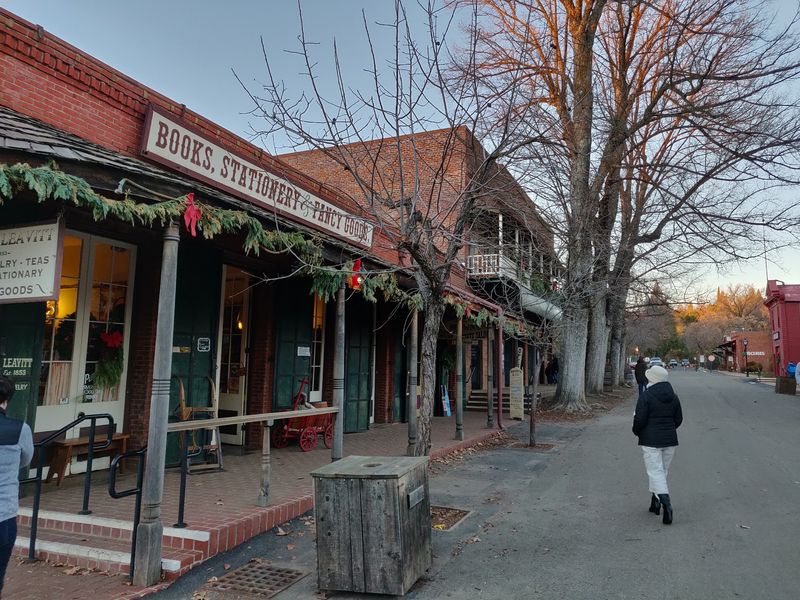
Small businesses fill the historic storefronts along the main streets. Each one keeps an old west look that matches the town’s era.
A candy store draws repeat fans, along with a toy store and a general store. There is also a fabric store, clothing shops, and antique stores.
A hat shop and a leather shop are both popular. The leather goods are known for reasonable prices and charming designs.
The Wells Fargo building and a wagon front store add historic character to the shopping lineup. A one-lane bowling alley is a quirky find too.
Old-fashioned sarsaparilla is a classic purchase that fits right in with the setting. It ranks among the small rituals people repeat on every visit.
Browsing is half the fun here, and it fills hours without much effort. When appetites kick in, the town has that covered as well.
Seasonal Events and the 1850s Tent Town
Every May, close to Memorial Day, Columbia adds a whole extra layer of history.
A historic 1850s mining tent town pops up for the event. Recent entry cost $10 per adult.
Guests buy gold coins called eagles at the entrance, 5 for $5 or 10 for $10. Shops inside the tent town only accept eagles.
The camp includes a bakery, a dry goods store, a laundry, a schoolhouse, and a blacksmith. A vaudeville show and a period photographer add entertainment.
There is also a spot to try a rocker and pan for gold. Card games and small toys like tin cups and harmonicas are part of the fun.
School groups arrive by the busload on weekdays during the event. Weekends may suit those hoping for a calmer pace.
Outside of May, live music and other seasonal events often appear on the calendar. Checking the park website before a trip pays off.
Who Feels Right at Home Here
Grandparents who visited as kids now bring their grandchildren. That pattern says a lot about Columbia’s appeal.
The town is clean, family friendly, and packed with activities for children. Yet adults find plenty to keep them interested too.
Couples enjoy the relaxed pace and the chance to wander without a schedule. History fans appreciate the authentic buildings and artifacts.
Many people come back after a childhood field trip and find the town just as charming. A slower pace offers a welcome break from busy modern routines.
The atmosphere is relaxed but lively. Staff and volunteers share history in a way that feels natural rather than staged.
Several picnic areas make it easy to plan a budget-friendly lunch outdoors. Places to eat, including a tea house and restaurants, are also scattered around town.
With that crowd in mind, a few practical details help everyone plan the perfect day.
Hours, Parking, and a Fond Farewell
Timing matters in a town that keeps old-fashioned hours.
Columbia State Historic Park is open daily from 10 am to 4 pm. That window applies seven days a week.
The main town is closed to cars. Parking lots surround the area, and there are usually plenty of spots.
Many museums are free, while activities like gold panning, carriage rides, and the stagecoach cost extra. Cash is handy for small shops.
Weekdays can bring school groups, so lines may be longer then. A couple of hours covers the highlights, though a full day passes quickly.
More details live on the official site at parks.ca.gov/columbia.
Columbia is small, a little imperfect, and completely sincere about its past. For a genuine taste of the Gold Rush, few places in California deliver it so well.


