
Affiliate disclosure: As an Amazon Associate I earn from qualifying purchases. Learn more
Some roads are built for getting somewhere fast. This one is built for slowing down.
On certain days in far Northern California, a ten-mile ribbon of pavement through ancient redwoods closes to cars and opens to bikes, and the whole forest suddenly belongs to people on two wheels. The trees here were old long before the road arrived, and they make even the tallest cyclist look tiny.
Riders get the quiet lanes, the long gentle grades, and the freedom to stop wherever a trunk catches their attention. In the sections ahead, you will learn where this road is, why it exists, what makes it special, and how to plan a ride or a drive of your own.
Grab your helmet, because this is one route that rewards anyone willing to take it slow.
A Ten-Mile Detour Worth Taking
Highway 101 is the main artery of the North Coast, but it has a much prettier sibling. That sibling is the Newton B.
Drury Scenic Pkwy, located in California, USA.
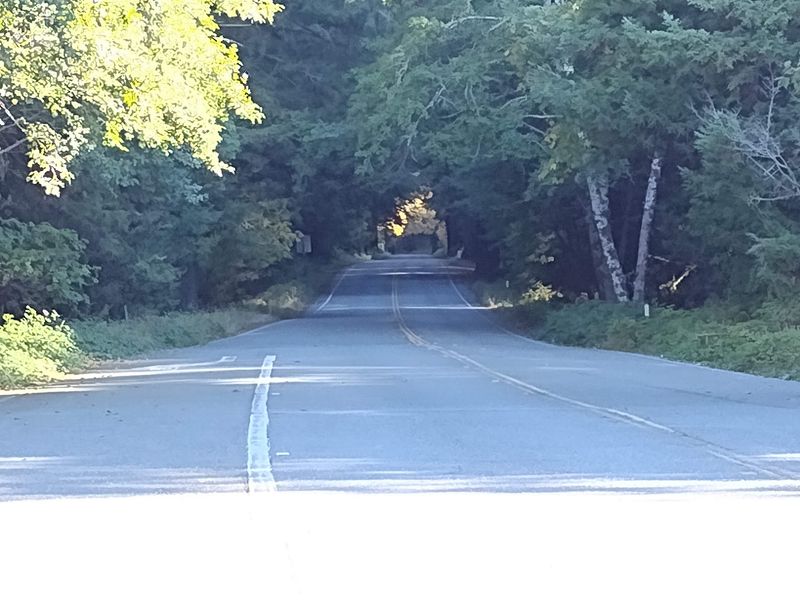
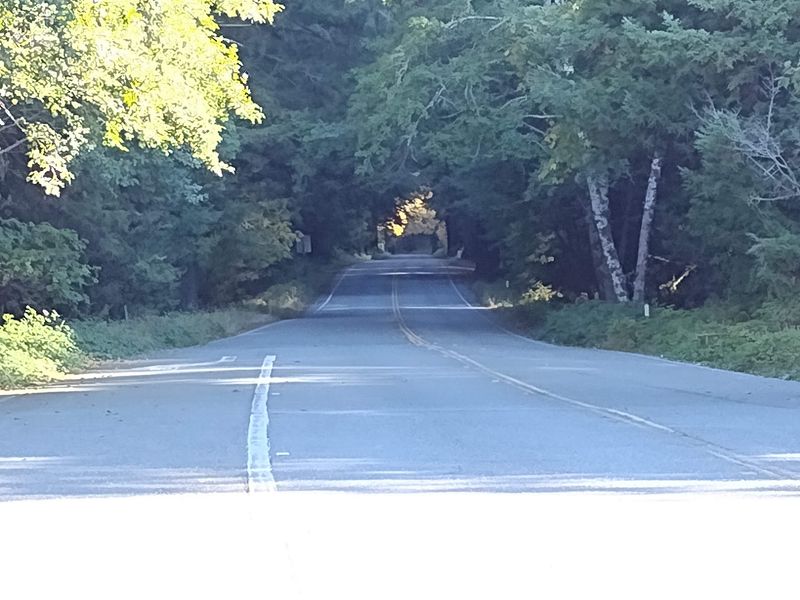
The parkway runs about 10 miles through old-growth redwood forest inside Prairie Creek Redwoods State Park. It serves as a scenic alternative to Highway 101, so travelers can swap freeway speed for forest scenery.
Both ends connect back to the highway. That means you can hop on, enjoy the trees, and rejoin the main road without backtracking.
For cyclists, the appeal is obvious. A ten-mile stretch is long enough to feel like a real ride, yet short enough for casual riders to manage at their own pace.
For drivers, the parkway turns a routine trip into a small adventure. It is the kind of road people take on purpose, not by accident.
Getting oriented is simple once you know it sits in the state park. Keep reading, because the name on the signs carries a story of its own.
The Name Behind the Parkway
Road names usually honor someone, and this one is no exception. Newton B.
Drury is the person whose name appears on every sign along the route.
Drury is widely remembered for his work in conservation, including leadership roles connected to protecting redwood lands and national parks. His name on a road through protected old-growth forest feels like a fitting tribute.
The parkway itself shows what that conservation mindset looks like in practice. Instead of cutting the forest down, the road threads through it.
Highway traffic now has its own path nearby. That leaves the parkway free to function as a slower, more scenic option.
Knowing the backstory changes how the drive or ride feels. Each mile becomes less about distance and more about appreciation.
History buffs will enjoy reading up on Drury before visiting. Everyone else can simply enjoy the result of decisions made long ago to keep these trees standing.
Names fade from memory sometimes, but this one is printed right where it matters most.
Prairie Creek Redwoods State Park as a Backdrop
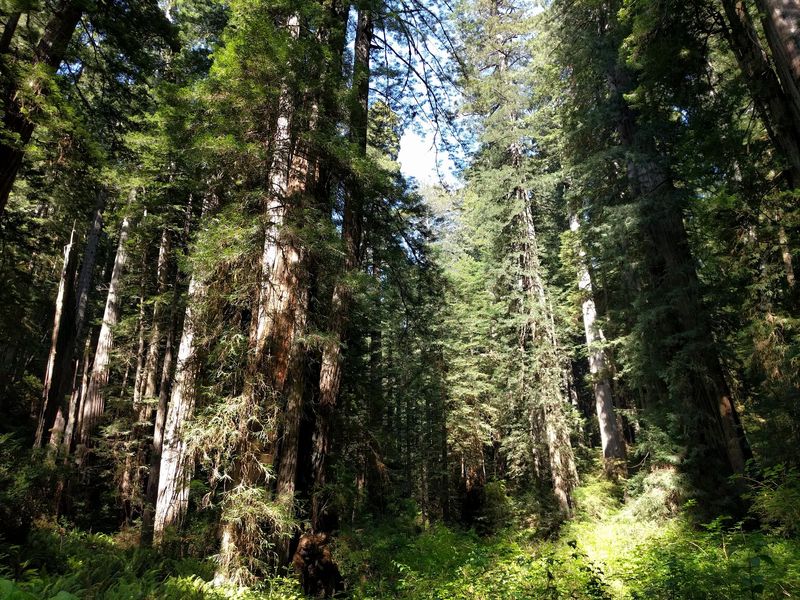
Every great road needs a great setting. Here, the setting is Prairie Creek Redwoods State Park, home to stands of old-growth coast redwoods.
The parkway is not just near the park. It runs right through it, so the forest is on both sides for nearly the entire route.
Old-growth means these trees have stood for a very long time. Many were growing centuries before cars existed.
The park sits in far Northern California, an area known for its redwood preserves. It forms part of a larger network of protected redwood lands in the region.
That protection is why the scenery looks the way it does. Without it, a road like this would simply not be possible.
Travelers who enter the parkway are entering the park itself. That makes the road a natural starting point for exploring the wider area.
Bring a park map if you plan to go beyond the pavement, because the forest has plenty more to offer.
Car-Free Days for Two Wheels
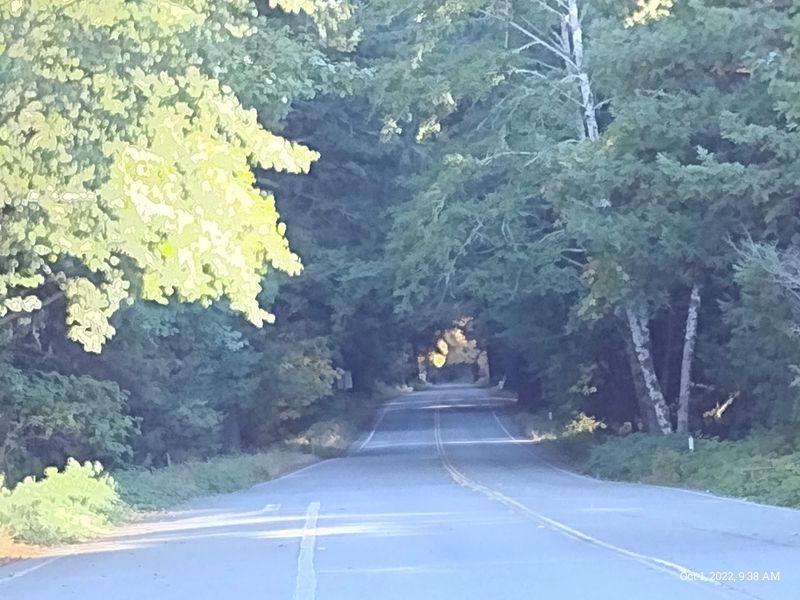
Here is the headline moment. On designated days, the parkway closes to cars, and cyclists get the entire road to themselves.
Riders can spread out across the lanes without worrying about traffic behind them. Families, casual pedalers, and experienced cyclists can all share the same route.
A closed road changes the whole experience. People stop when they want, pull over for photos, and ride side by side while chatting.
The ten-mile length suits a range of fitness levels. Some riders complete the full route and return, while others simply roll a short distance and turn around.
Dates for these closures can change from year to year. Checking with California State Parks before you go is the smart move.
Bring the basics: a helmet, water, a spare tube, and layers for changing weather. Cell service may be limited in forested areas, so plan ahead.
Few rides offer this much forest with this little traffic. Mark the calendar early once dates are announced.
Trees That Shrink Everything Else
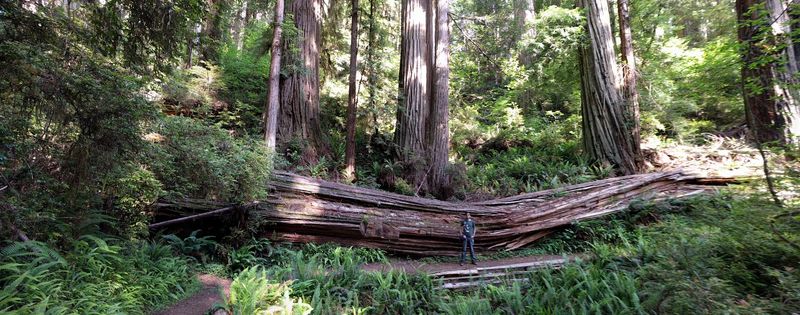
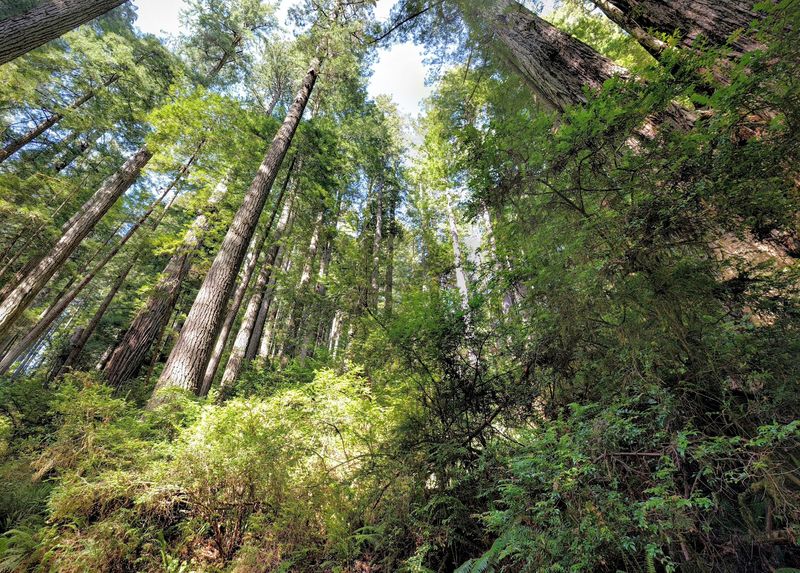
Scale is the first thing that surprises people here. Coast redwoods are among the tallest trees on Earth, and the parkway passes right beside them.
Cars and bikes look small next to the trunks. Even a tour bus would seem modest in this company.
Old-growth stands like these are rare today. Much of the original redwood forest was logged long ago, which makes protected groves especially valuable.
Along the parkway, the trees grow close to the road edge in many spots. That proximity is what gives the route its reputation.
Photographers often find that one photo cannot capture a full tree. Vertical shots or panoramas help a little.
Fun fact: coast redwoods grow naturally only in a narrow strip along the Pacific coast, mostly in California. That makes this road one of a limited number of places to see them this easily.
Neck stretches are recommended after a few miles of looking up.
Why Slow Beats Fast
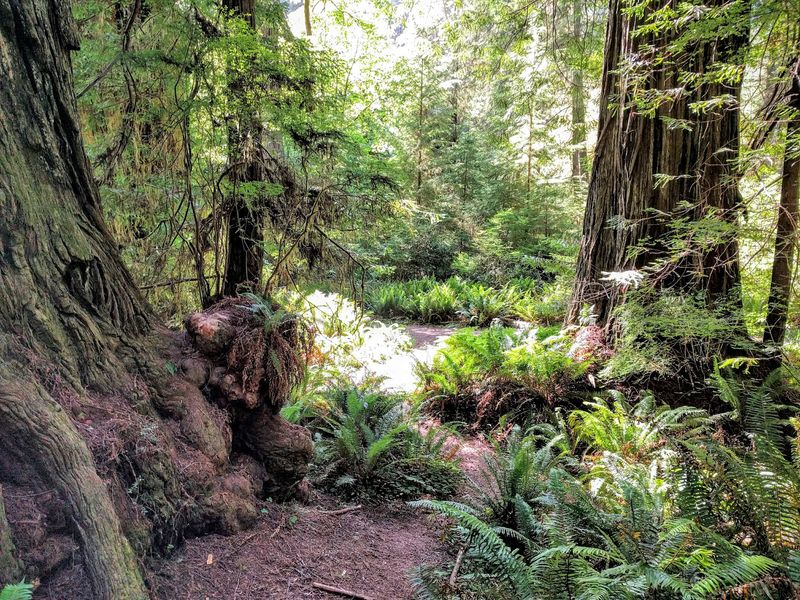
Highway 101 gets you there. The parkway makes you glad you went.
On non-closure days, the road stays open to cars as a scenic alternative. Drivers use it to trade highway pace for a calmer route through the trees.
The difference in mood is noticeable. Instead of watching traffic, travelers watch the forest.
Because the parkway is only about ten miles long, the detour adds little to a trip. It is an easy choice for road-trippers moving along the coast.
Pullouts let drivers stop safely. Using them keeps the road pleasant for everyone, including cyclists who ride on regular days too.
Patience pays off here. Taking your time means more chances to spot wildlife or a grove you want to explore on foot.
Consider it a scenic speed bump in the best possible sense.
Who Will Love This Ride
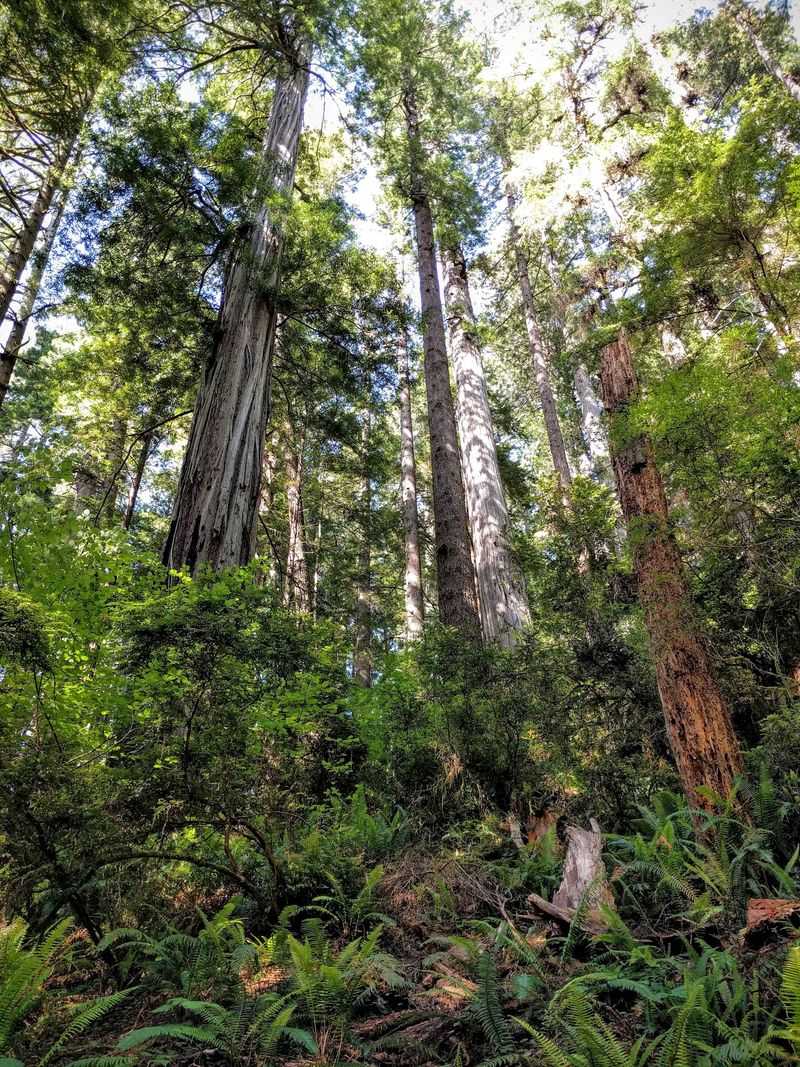
Some places suit a narrow crowd. This parkway welcomes a wide one.
Cyclists are the obvious fans, especially during car-free days. Road riders, families, and beginners all find something here.
Road-trippers enjoy the route as a break from highway driving. Photographers appreciate a road that keeps the trees within easy reach.
Nature lovers find the old-growth setting hard to beat. The park around the road offers more chances to explore.
Kids often enjoy riding where there are no cars to worry about. A short out-and-back can be plenty for younger riders.
Travelers who prefer quiet over crowds may want to visit outside peak periods. Popular stretches can get busy.
In short, anyone who likes trees, open lanes, or an unhurried pace will feel right at home. The forest does not care how fast you go.
Getting There Without Getting Lost
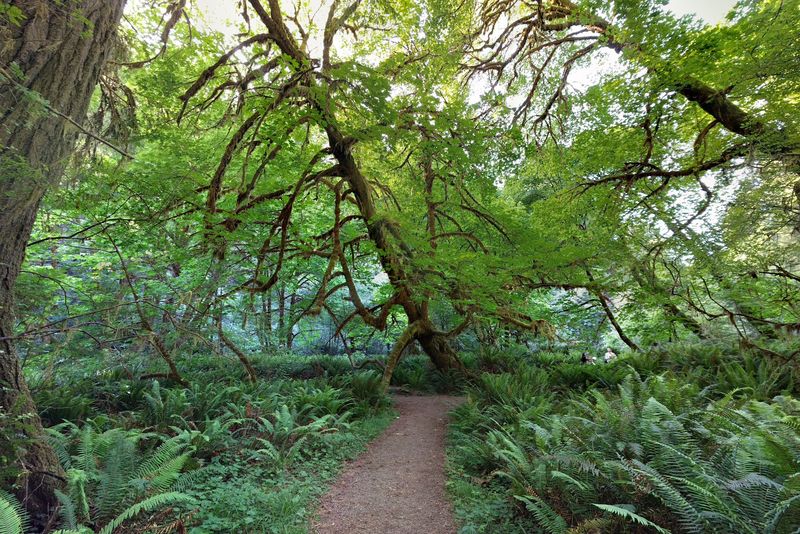
Finding the parkway is easier than pronouncing some redwood place names. The route connects with Highway 101, so most visitors arrive via the main coastal highway.
Look for signs for the Newton B. Drury Scenic Parkway as you travel through the Prairie Creek Redwoods State Park area.
Since both ends tie back into 101, you can enter from the north or the south. That flexibility helps when planning a longer road trip.
Cyclists joining a car-free event should check where parking and access points will be. Official announcements usually spell this out.
Gas and supplies can be sparse in forested stretches. Filling up beforehand is a wise habit.
Navigation apps generally recognize the parkway by name. Downloading offline maps is still a good idea.
A little planning keeps the trip about trees instead of detours.
Smart Planning Before You Roll
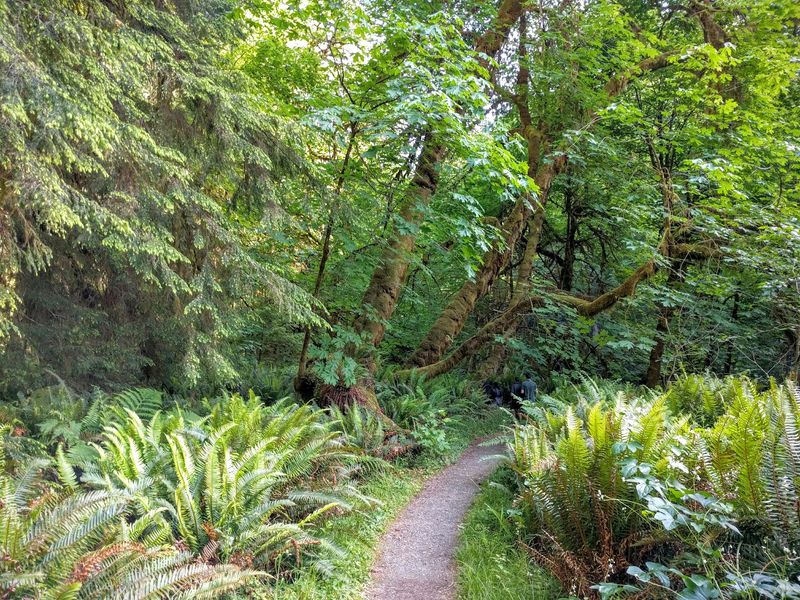
Good trips start before the first pedal stroke. Specific hours, fees, and closure dates were not available in the details provided here, so official sources are your best friend.
California State Parks posts information about Prairie Creek Redwoods State Park. Check it for current conditions, closures, and any event dates.
Weather on the North Coast can shift. Packing layers and rain gear is a reasonable precaution.
Bring water and snacks, since services along the route are limited. Riders should carry repair basics.
Drivers should watch for cyclists and pedestrians at all times. Shared roads work best with patience on both sides.
Leave no trace while visiting. Pack out what you bring and stay on established paths when exploring on foot.
Prepared travelers spend less time worrying and more time enjoying the giants.
A Road Worth Remembering
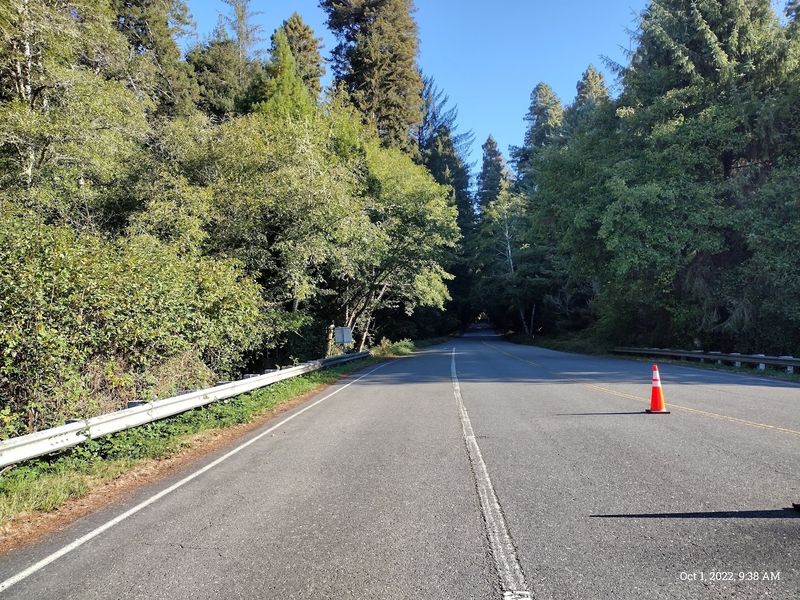
Ten miles does not sound like much on paper. Through old-growth redwoods, it feels like a whole journey.
The parkway gives drivers a calm alternative to the highway. On car-free days, it gives cyclists something even rarer: a protected forest road with room to roam.
Its namesake reminds travelers that places like this exist because someone chose to save them. That idea rides along with every visitor.
For families, it offers an easy outing. For serious riders, it offers a memorable stretch of pavement in a remarkable setting.
Plan ahead, check the dates, and give yourself time to stop often. The best moments here tend to happen when you are not rushing.
Some roads lead to destinations. This one is the destination, and the trees will be waiting whenever you are ready to pedal in.


