Affiliate disclosure: As an Amazon Associate I earn from qualifying purchases. Learn more
An adobe church in the Santa Cruz Valley has outlasted empires, flags, and a few centuries of desert weather, and it still has not been finished. South of Tucson, just off Interstate 19, a quiet patch of ground holds layers of O’odham, Spanish, Mexican, and American history.
Most Arizona drivers zip right past it on the way to Nogales. The ones who pull over find a mission that looks old because it is old, plus an orchard, a garden courtyard, a river trail, and rangers who love to talk history.
Some days there are fresh tortilla demonstrations, and on certain summer nights there are even fireflies. This article covers the story behind the walls, the best things to see on the grounds, and the practical details for planning a trip to one of the most rewarding history stops in Southern Arizona.
A Mission Hiding in Plain Sight
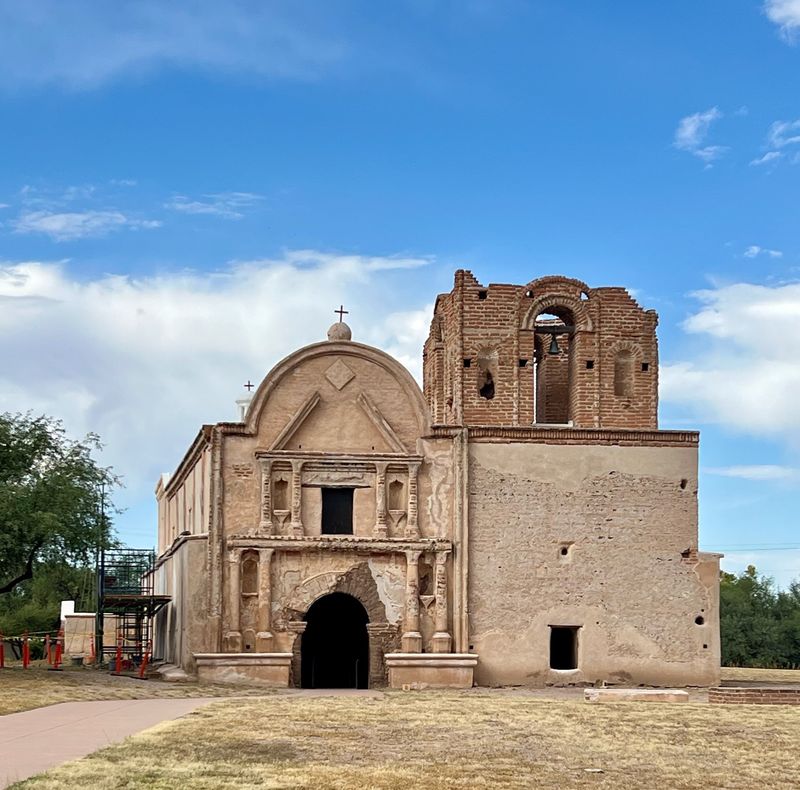
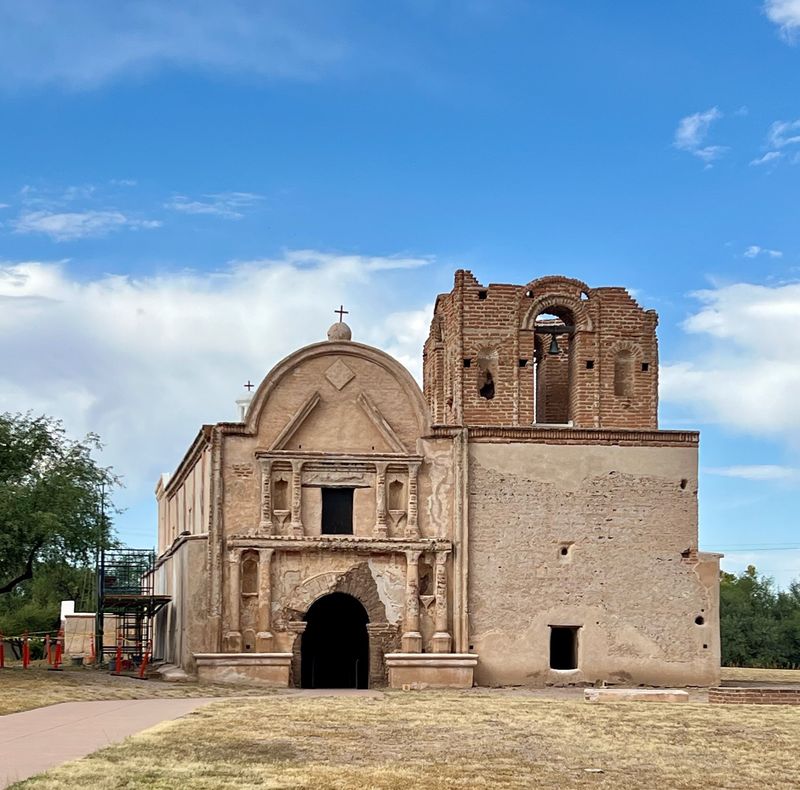
Off a frontage road that most people treat as a shortcut, Tumacácori National Historical Park sits at 1891 I-19 Frontage Rd, Tumacacori, AZ 85640, in the United States. The site lies in the Santa Cruz Valley of Southern Arizona, a short drive south of Tucson.
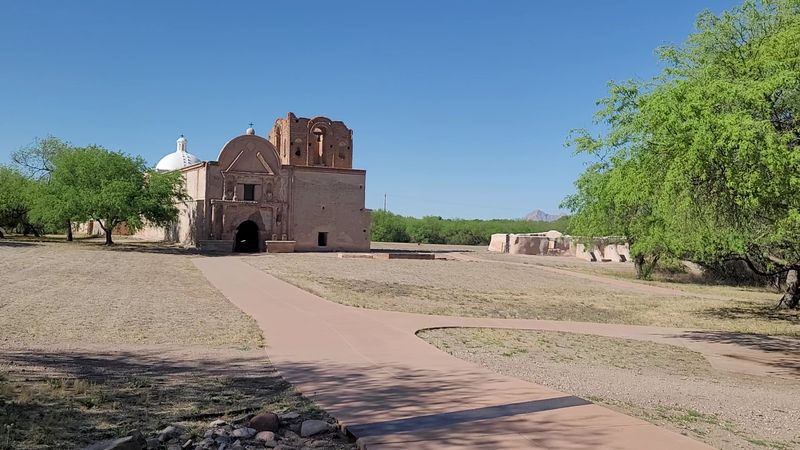
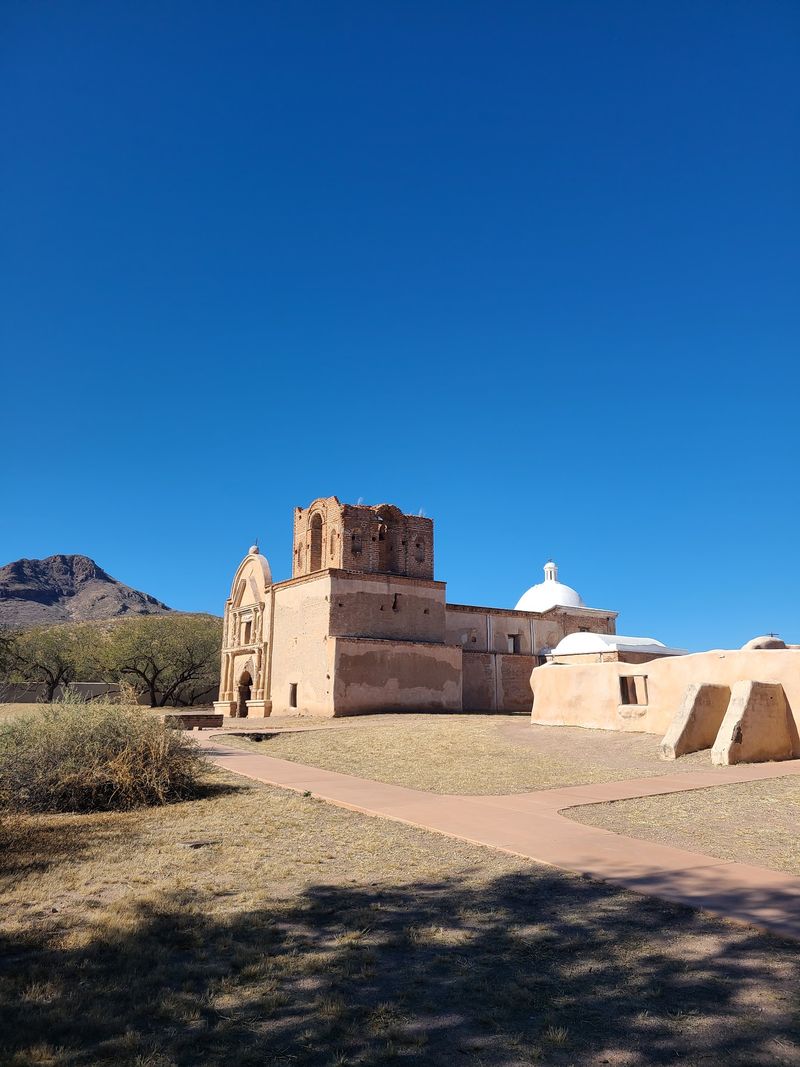
The park protects the ruins of three Spanish mission communities. The centerpiece is the adobe church at Tumacácori, joined by a museum, a visitor center, and grounds open for exploring on foot.
Run by the National Park Service, the site is one of the less-traveled park units in the state. That means a calmer stop, with fewer crowds competing for the best spot in front of the church.
The mission has a reputation for being more than people expect. A first glance from the parking area might suggest a quick ten-minute look.
Give it a couple of hours instead, and the place starts to unfold. The church, the museum, the orchard, and the trail to the river each add a new chapter to the story.
For Arizonans who assume the big history lives somewhere else, this little valley makes a strong counterargument right in our own backyard.
Centuries Stacked in Adobe
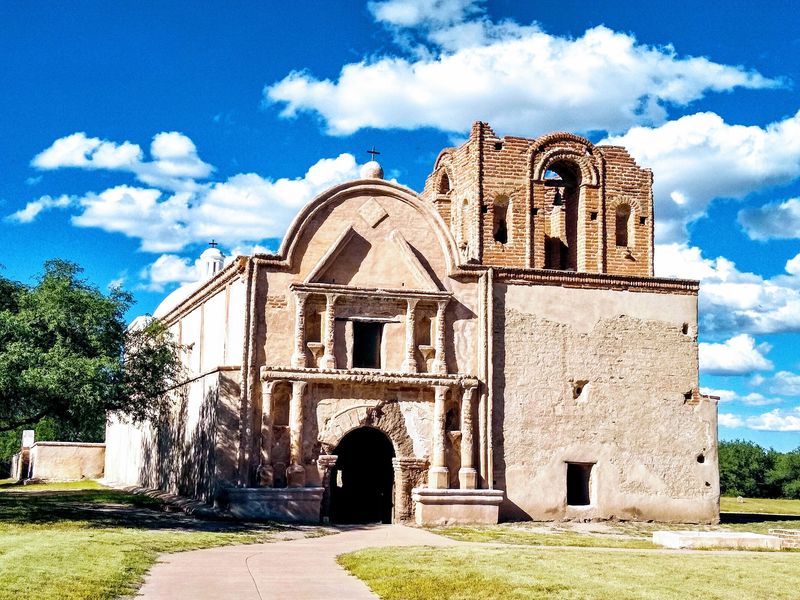
Four cultures have called this patch of desert home, and the walls carry traces of all of them. The O’odham people lived here long before Spanish missionaries arrived.
Father Kino, a Jesuit priest, brought Catholicism to the O’odham in the region. Later the mission passed through the hands of late imperial Spain and then early Mexico, each with its own policies toward religious orders and toward the O’odham peoples.
Eventually the land became part of the United States. The exhibits explain how each of these shifts changed daily life at the mission.
Here is a twist worth remembering: the church was never finished. Builders worked on it for years, yet it never reached completion.
That unfinished quality is part of the charm. The structure stands in a beautifully imperfect state, and the park has not tried to make it shiny or new.
The museum presents this history as complicated rather than tidy. It covers the impact of the Spanish mission system on the region and how that influence carries into the present day.
History buffs will find plenty to chew on, and newcomers get a clear, approachable overview without needing a textbook.
The Church You Can Walk Inside
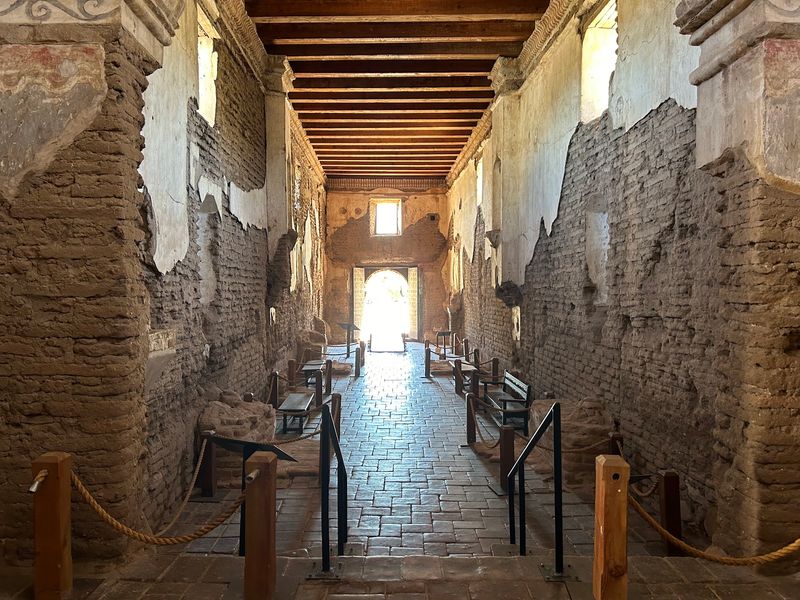
Plenty of historic ruins keep people behind a rope. At Tumacácori, the church doors are open and you can go inside.
That changes everything about the experience. Standing within the nave makes the scale of the project, and the effort behind it, much easier to grasp.
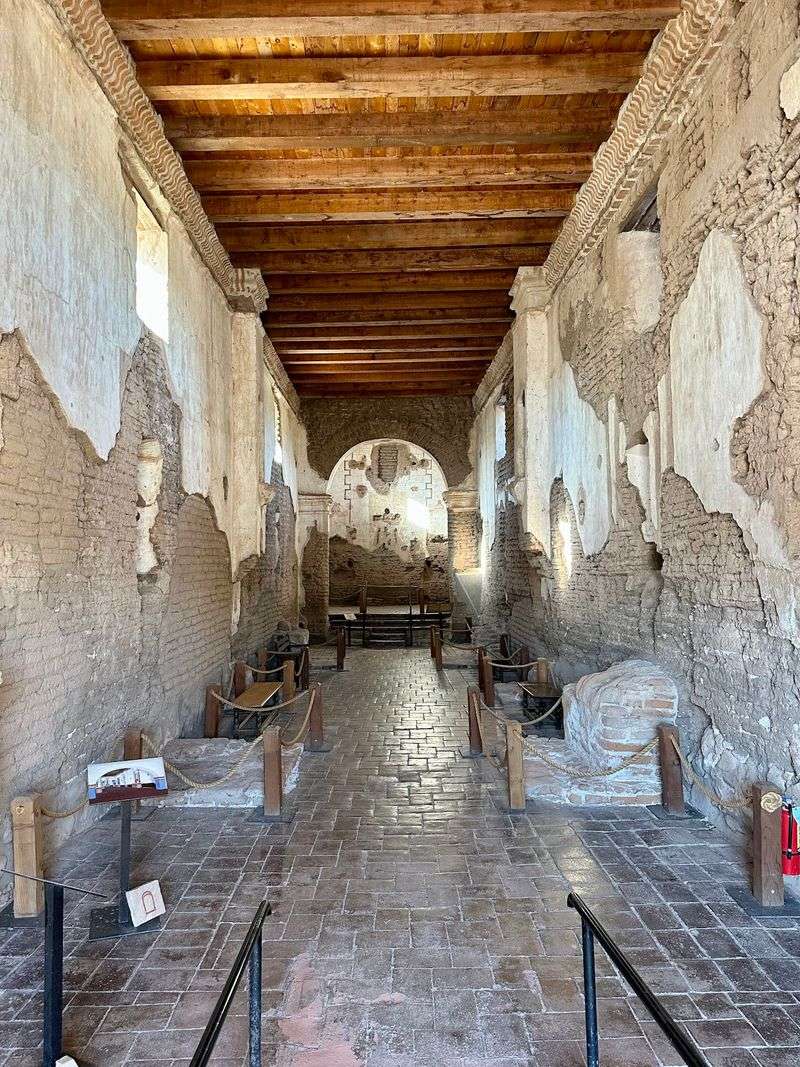
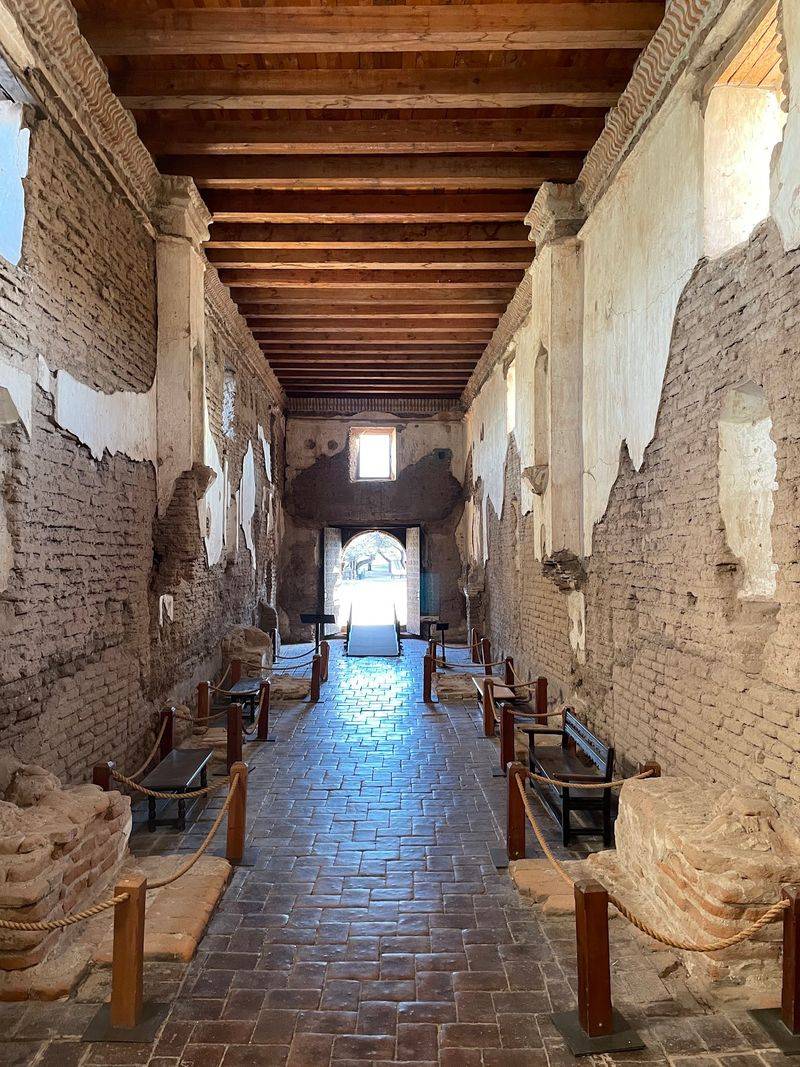
The building is preserved rather than rebuilt. Faded finishes, weathered adobe, and exposed sections all remain, so the structure tells its own age without any help.
Many people who come here say the mission is beautifully kept while still feeling authentically old. It is a careful balance, and the park pulls it off.
Beyond the church, the grounds include other ruins tied to mission life. You can walk through them at your own pace and see how the community was arranged.
Take your time in this part of the park. Rushing through defeats the purpose, and there is no tour bus waiting to hurry anyone along.
Bring a camera, because the arches, doorways, and walls make for strong photos. Just be prepared to stay longer than planned once you are inside.
Symbols, Booklets, and a Short Film
Good orientation can make or break a historic site. Tumacácori nails it with a short introductory film shown soon after you enter.
The video lays out the background of the mission, Father Kino, and the people who lived here. Watching it first sets the stage for everything else on the grounds.
Next comes the self-guided tour. A booklet and map use small icons that match engraved symbols placed beside each building.
Find the symbol on the ground, match it to the map, and read the description. It works a bit like a scavenger hunt for history, and it keeps things organized.
Signs and directional maps are clear and easy to follow throughout the park. Nobody needs to worry about getting lost or missing a key structure.
The visitor center deserves its own mention. Built in the early 20th century, it was designed to match the Spanish Colonial architecture it helps preserve.
Its long arched porches are a pleasure to stroll. The building feels like part of the story rather than a modern add-on.
Rangers Who Know Their Stuff
Rangers here have a knack for turning a quiet Monday into a history lesson people actually remember. The staff gets steady praise for being friendly, professional, and genuinely eager to share.
Guided tours are one of the most talked-about parts of a visit. Several different ranger tours are offered, so the experience can shift depending on the day.
Volunteer guides add even more depth. Some are deeply versed in both the history and the archaeology of the area, and their passion for the region shows.
Off-season weekdays are a sweet spot. With fewer people around, rangers often have more time to answer questions and go beyond the basics.
Ask about tour times at the visitor center when you arrive. Schedules can vary, and catching a guided walk is the easiest upgrade available.
A self-guided stroll covers the facts, but a ranger fills in the human details. That is usually where the mission stops being a ruin and becomes a story.
An Orchard and a Courtyard Garden
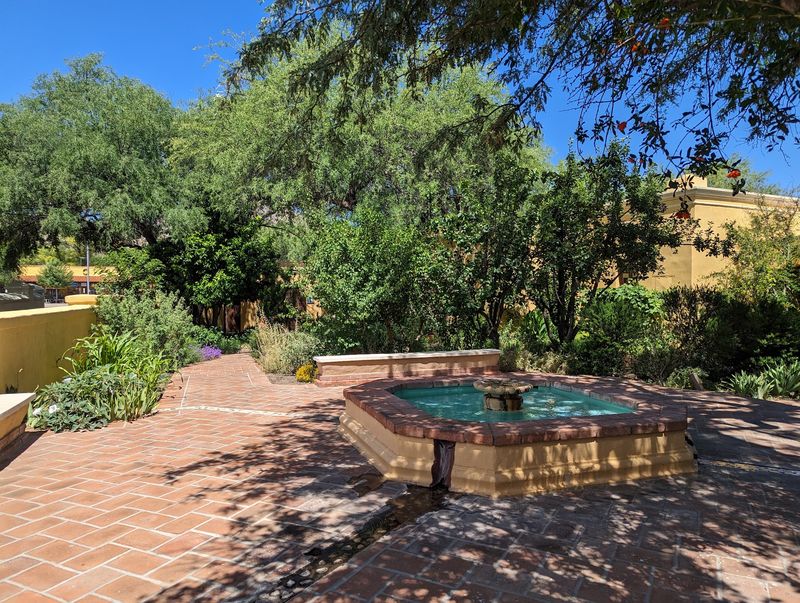
Missions were working communities, and the green spaces at Tumacácori make that point clearly. The orchard is one of the most mentioned features of the park.
It reflects the farming that once supported mission life. Walking its rows offers a different angle on the history than the church alone.
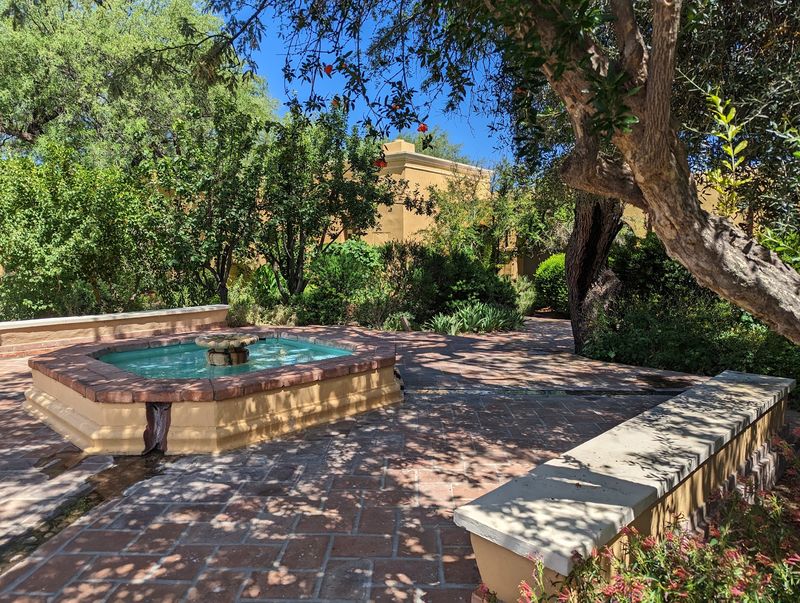
Closer to the buildings, a courtyard garden features edible and interesting plants. Many people call it a part of the park that should not be skipped.
The courtyard is a lovely place to sit for a while. Birds are frequent company, and the setting invites a slower pace.
Spring can bring flowers blooming in abundance across the grounds. It is a nice bonus for anyone who times a trip for that season.
These planted areas also offer some shade. That matters in Southern Arizona, where a few trees can make a stroll far more pleasant.
History here grows as well as stands, and the garden proves it one leaf at a time.
Tortillas, Fireflies, and Luminarias
Some of the best moments at Tumacácori depend on luck and timing. Tortilla-making demonstrations are a favorite, and on the right day there are fresh samples to try.
Families especially enjoy this hands-on look at traditional cooking. It connects the old mission kitchen to something people can actually taste.
Then there are the fireflies. Arizona is not known for them, yet this is one of the only places in the state where they appear.
The park has hosted firefly events with rangers leading walks after dark toward the river. Guests received literature, red flashlights, and even a glowing firefly model made by staff.
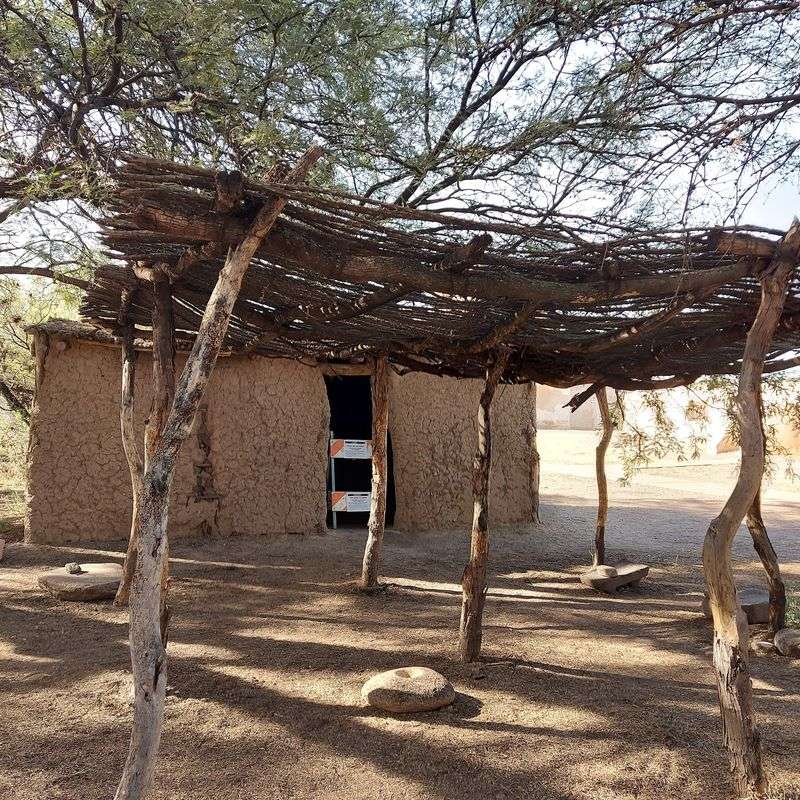
Ramadas built from mesquite with ocotillo roofs add to the setting. They reflect building traditions of the region.
The park has also held luminaria lightings in past years. Fans of that event hope it continues.
Check the park website before heading south, since special events are not daily. Catching one turns a good visit into a story you will retell for years.
Trail to a River That Actually Has Water
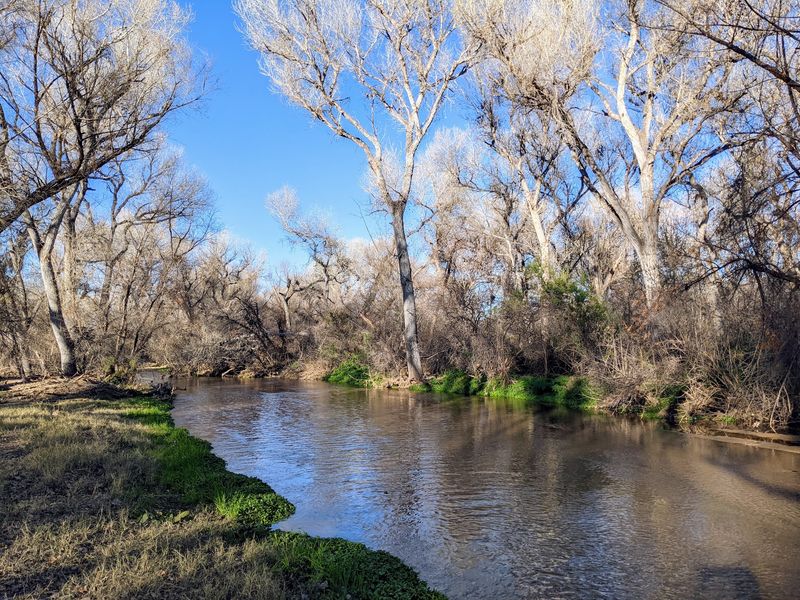
Tucson residents know the Santa Cruz River often runs dry in town. Near Tumacácori, it does have water, which feels a little like discovering a secret.
From a corner of the grounds, a path connects to a walking portion of the Juan Bautista de Anza trail. That trail follows the route of the Anza expedition, which sought an overland path from Mexico to San Francisco.
So a short walk here doubles as a stroll on a piece of major Western history. Not bad for a stop that started with a church.
The riparian area near the river is a different world from the dry desert around it. Plants and wildlife thrive along the water.
Birding is a big draw. Lots of birds frequent the grounds and the river corridor, making binoculars a smart addition to the day bag.
The trail is also where the firefly walks head after dark. In daylight, it offers an easy, peaceful outing that rounds out the history lesson nicely.
Quiet Grounds for Kids and History Lovers
Calm is the word that keeps coming up about this place. The grounds are peaceful, uncrowded, and easy to wander without feeling rushed.
Families get a lot out of a stop here. The Junior Ranger program gives kids a purpose as they explore, and the park’s size feels just right for young legs.
History fans will appreciate the depth of the museum. Exhibits come in both English and Spanish, with artifacts and Native American displays adding context.
Readers might enjoy a literary pairing too. Some guests like visiting while reading Death Comes for the Archbishop by Willa Cather.
Picnic tables on the grounds make it simple to pack a lunch and stay awhile. Shaded paths help keep things comfortable.
Photographers, birders, and anyone who just wants a quiet walk will find room to breathe. The park suits slow travelers far better than checklist chasers.
Bring patience and curiosity, and the place rewards both generously.
Hours, Parking, and Park Passes
Planning is refreshingly simple. The park is open every day of the week from 9 AM to 5 PM.
Free off-street parking sits right in front, with plenty of spaces. Restrooms are clean, and the site is mostly accessible for guests with mobility needs.
The America the Beautiful pass is accepted here. For current entry fees, check the official park website at nps.gov/tuma before you go.
A small National Park gift shop is attached to the visitor center. It carries a good selection of products and gets frequent praise.
Collectors should not forget the park passport stamp. It is an easy souvenir that costs nothing.
Getting there is easy from Tucson by heading south on Interstate 19. The nearby town of Tubac makes a natural add-on for the same day.
Plan on a couple of hours to see everything at a relaxed pace. Arrive earlier in the day to leave time for a ranger tour or the river trail.
Worth the Drive South
Arizona has its share of famous landmarks, yet some of its most meaningful history sits quietly beside an interstate frontage road. Tumacácori is proof.
The appeal is not polish. It is honesty, from the unfinished church to the weathered adobe that wears its age openly.
Add in the orchard, the garden courtyard, the river trail, and rangers who light up when asked a question. The result is a stop that keeps giving long after the first look.
Tucson locals, in particular, have a strong case for making the trip. Few places this close to home pack in this much layered history.
The park suits a lazy weekday or a family weekend outing equally well. Pair it with Tubac, pack a picnic, and let the afternoon stretch out.
Those rough walls have been standing for over two centuries. They can surely wait for one more Arizonan to finally pull off the highway and say hello.