
Affiliate disclosure: As an Amazon Associate I earn from qualifying purchases. Learn more
Most museums ask you to stay behind the rope. In one Mesa hangar, you can walk right up to a World War II bomber, climb a ladder to peek into a cockpit, and then head out to the flight line to tour the inside of a B-17 that still flies.
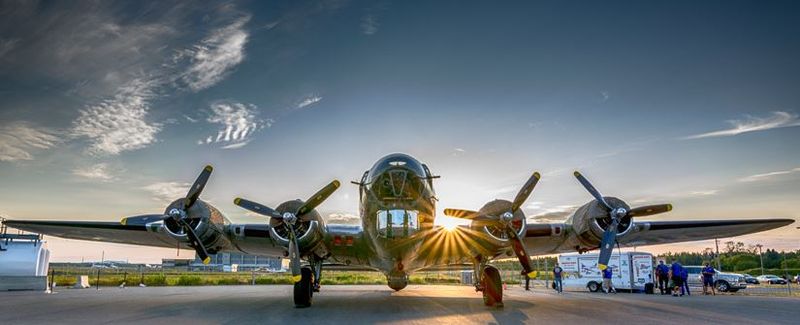
Only three of the 12,731 B-17s ever built are still airworthy, and this one is said to be the only one of those still carrying passengers. That is a pretty big bragging right for an East Valley airfield.
The place is run by volunteers who know their stuff, and many have stories of their own service. Keep reading to learn what is parked inside, how the flights work, when the doors open, and why Arizona locals keep coming back for a second look.
A Hangar Full of History on Greenfield Road
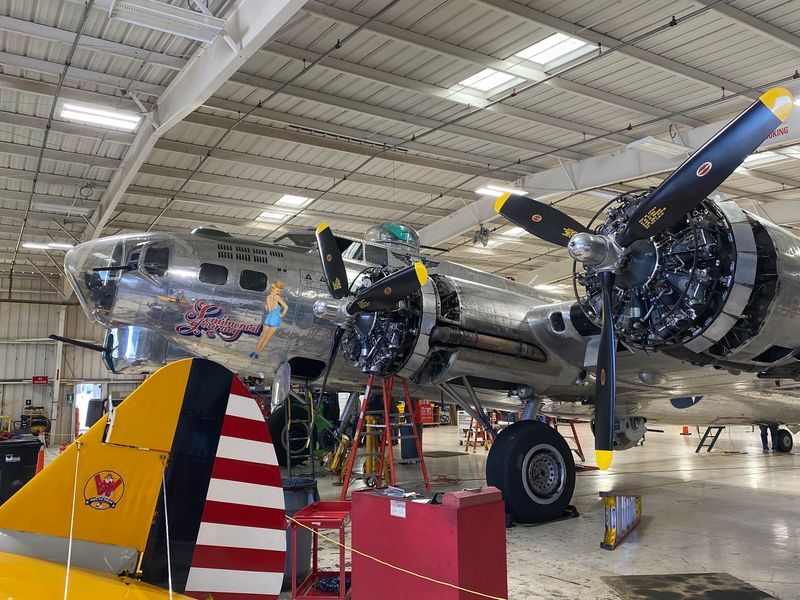
Some of Arizona’s most remarkable aircraft live in a hangar most drivers zoom right past. The Arizona Commemorative Air Force Museum sits at 2017 N Greenfield Rd, Mesa, AZ 85215, in the United States, right beside the airport at Falcon Field.
The museum focuses on combat aircraft exhibits and rides in historic warplanes. Its headline residents include a 1944 B-17G bomber and an F-4 Phantom, so the collection spans several generations of military flight.
It is not a giant complex, and that works in its favor. The displays are well kept, the hangar is easy to explore at your own pace, and the crowds tend to stay manageable.
Planes taking off from the neighboring airport add a bonus show while you browse. Kids especially enjoy spotting real aircraft heading into the sky.
The museum holds a 4.8-star standing from more than a thousand people, which says a lot for a volunteer-run spot. That kind of loyalty usually means something special is happening inside.
So what exactly makes people drive across the Valley for this hangar? The answer starts with one very famous bomber.
Meet Sentimental Journey
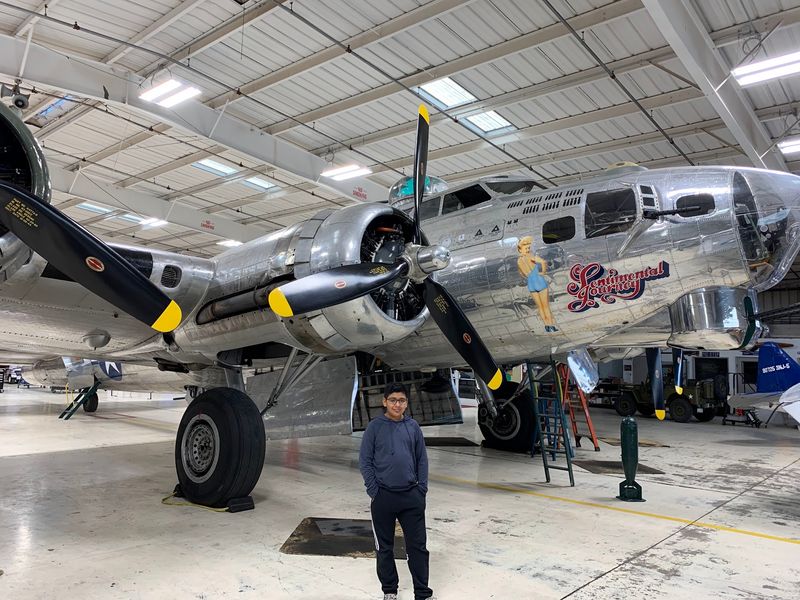
Three. That is roughly how many B-17 Flying Fortresses remain airworthy out of the 12,731 that were built.
The Mesa museum’s B-17G, named Sentimental Journey, is said to be the only one of those three still flying passengers. For Arizona, that is a genuine claim to fame hiding in the East Valley.
When the bomber is home, it usually sits out on the flight line with its doors open. Guests can climb inside and move through the aircraft with nearly full access, which is the highlight for many people.
Docents sometimes open the bomb bay doors to reveal autographs of men who served. That small detail turns a metal airframe into something personal.
There is also a fun Hollywood connection. The plane’s engine sound was used in the making of the Masters of the Air miniseries, so you may have heard this bomber without knowing it.
Standing next to the B-17 often surprises first-timers. Many comment that the planes are much bigger than they expected from television and photos.
One tip worth remembering: the aircraft also tours the country, so it is not always parked in Mesa. Checking ahead keeps disappointment off the itinerary.
Falcon Field and the RAF Cadets

Long before the East Valley filled with subdivisions, Falcon Field had a very international job. During World War II, it served as No. 4 British Flying Training School for Royal Air Force cadets.
The museum devotes a thoughtful display to that chapter. It highlights the training mission and honors the 23 cadets who remained in Arizona permanently and rest in the Mesa cemetery.
This is the kind of local history many longtime residents never learned in school. Young pilots from overseas came to the Arizona desert to train, and the town became part of their story.
Some guests are moved enough to visit the cemetery after their museum stop. It makes for a quiet, meaningful add-on to the day.
The Falcon Field exhibit also gives the rest of the collection more context. Once you know the ground beneath your feet has wartime roots, every plane in the hangar feels a little closer to home.
Arizona pride, it turns out, has some British accents mixed in.
A Timeline You Can Walk Through
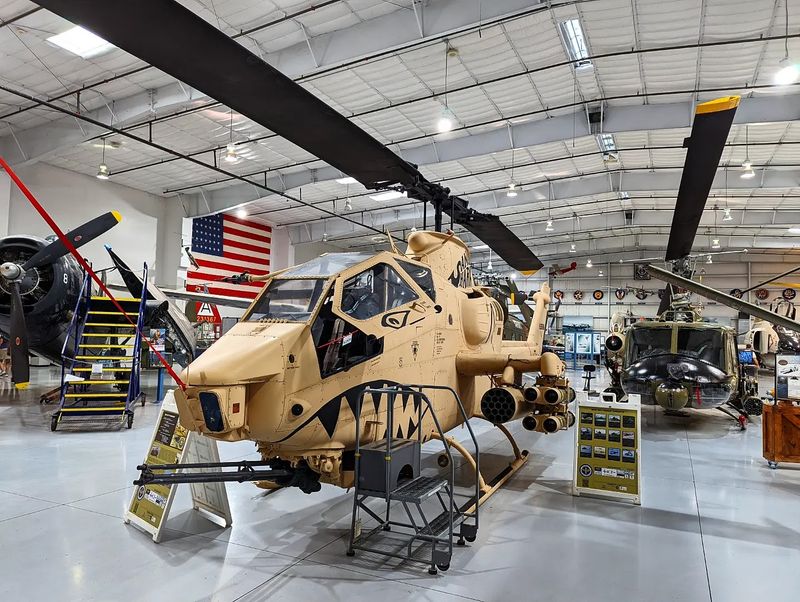
Start at the beginning and the hangar practically tells its own story. The collection covers nearly every era of military flight, laid out so you can follow it around the building.
The early section features World War I material, including a Fokker Dr.I and a Nieuport 15. There is also a model of the interrupter mechanism that let German machine guns fire through spinning propellers, a clever bit of engineering worth a close look.
Next comes a bulkhead from the USS Arizona along with its story. For a state that shares its name with that ship, the display carries extra weight.
Helicopters from the Vietnam and Desert Storm eras come after that. Then the path swings back to World War II medium and heavy bombers, with plenty of stories attached to each one.
Further around, the jet age takes over. Exhibits on Korea and Vietnam trace how military aviation changed so quickly in just a few decades.
Bring patience for reading. Placards are packed with information, and history fans can easily lose an hour here before reaching the back doors.
MiGs, Phantoms and Fighting Falcons
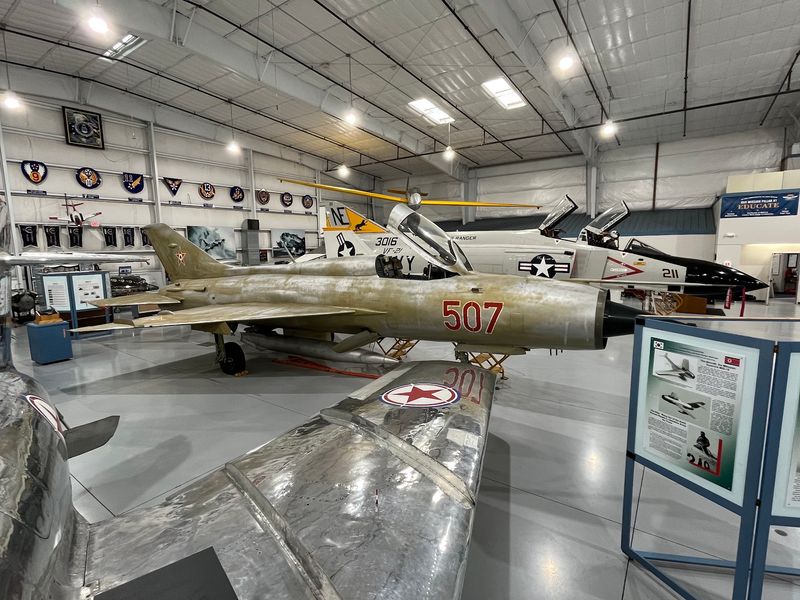
Cold War rivals share floor space here without a single argument. The jet collection includes a MiG-15 and a MiG-21, parked in the same museum as American fighters.
On the home team, you will find an F-4 Phantom and two F-16s. Seeing Soviet and American designs close together makes the differences easy to spot.
There is more beyond that list, too. The museum keeps adding depth with replicas and aircraft from several eras.
Two cutaways of large radial engines are a favorite stop for mechanically minded folks. They show the inner workings that powered so many classic warbirds, no wrench required.
For anyone who grew up building model jets, this section delivers a full-size version of that hobby. Kids and grandparents tend to find plenty to point at together.
It is a compact lineup, but a smart one. Quality clearly won out over sheer quantity.
No Velvet Ropes Here
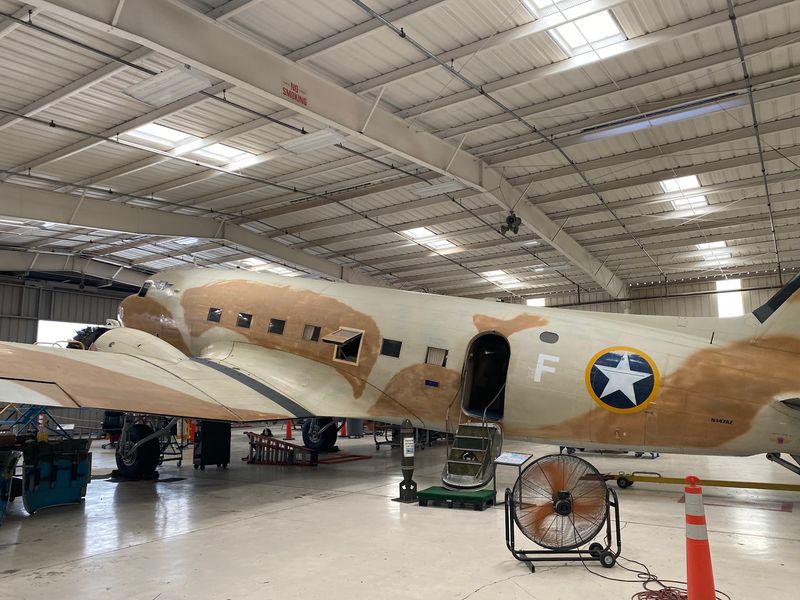
Here is the part that sets this museum apart from many others. The exhibit aircraft are not chained off, so you can walk right up to them.
Several platform ladders sit beside planes so guests can look into cockpits up close. Cockpit tours come up again and again as a favorite moment.
Besides the B-17, the C-47 is also open for self-guided touring. Climbing through a transport plane offers a different perspective from the bombers.
Many people say standing beside and touching history feels nothing like seeing it on a screen. The scale of these machines is hard to grasp until you are next to one.
Young visitors get their own fun too. Little airplane bikes let kids ride around, which helps burn energy between exhibits.
Even a five-month-old has been known to react happily to the planes, so this stop works for all ages. Nobody is too small to appreciate a big airplane.
Volunteers with Stories to Share
Ask one question and you might get a whole flight log of answers. The docents here are volunteers, and their knowledge is the museum’s secret weapon.
Knowledgeable staff ranks among the most talked-about features of the place. Many guides bring their own service backgrounds, which adds personal stories to the facts.
They are known for engaging with teens, kids, and veterans’ families alike. If a volunteer does not know an answer, they usually point you to someone who does or go find out.
Families with military members often leave especially impressed. The respect for those who served comes through in how the volunteers talk about the aircraft.
Since nobody is collecting a paycheck, the enthusiasm is the real deal. These folks show up because they love this history.
Plan to chat. Some of the best details in the building are not printed on any sign.
Behind the Back Doors
Most people assume the main hangar is the whole show. Then they find the set of doors at the rear.
Past those doors waits a mock-up of a World War II briefing room, with films playing. It shows how crews received mission plans before heading out.
A small theater offers a variety of informative movies too. It makes a handy break spot when your feet need a rest.
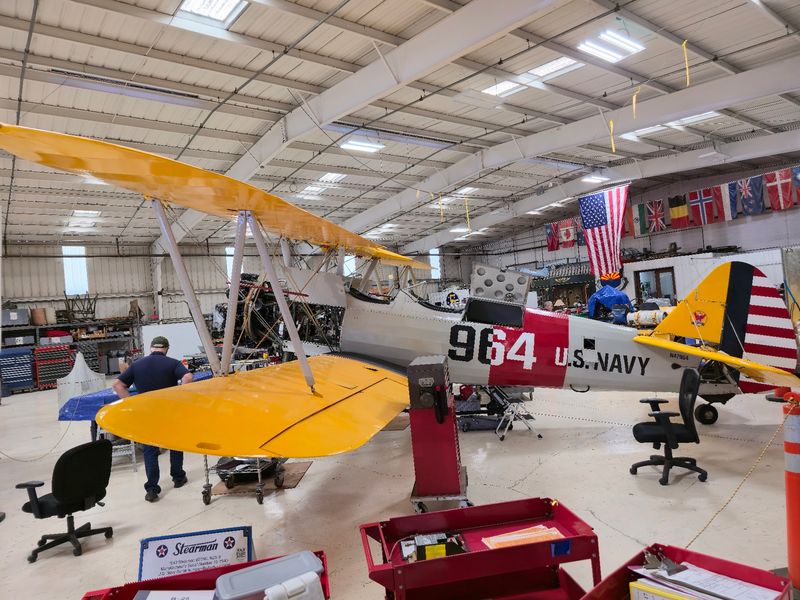
Beyond that is the maintenance hangar, where volunteers keep the warbirds in flying condition. Seeing restoration work in progress shows how much effort goes into keeping old planes in the air.
Visiting aircraft sometimes stop in for repairs as well. That means the scenery can change from one trip to the next.
Leave time for this area. Skipping it would be like leaving a movie before the final act.
Your Ticket to the Sky
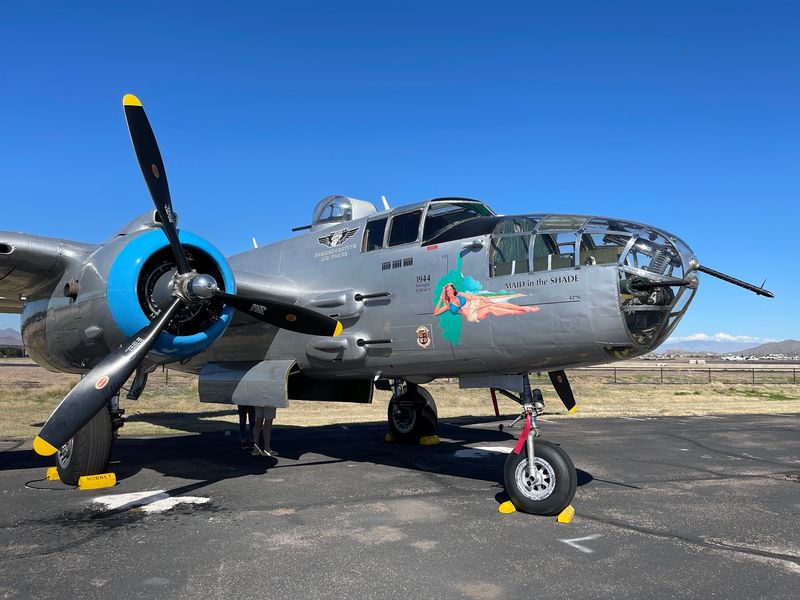
Touring a bomber is one thing. Flying in one is a whole new altitude.
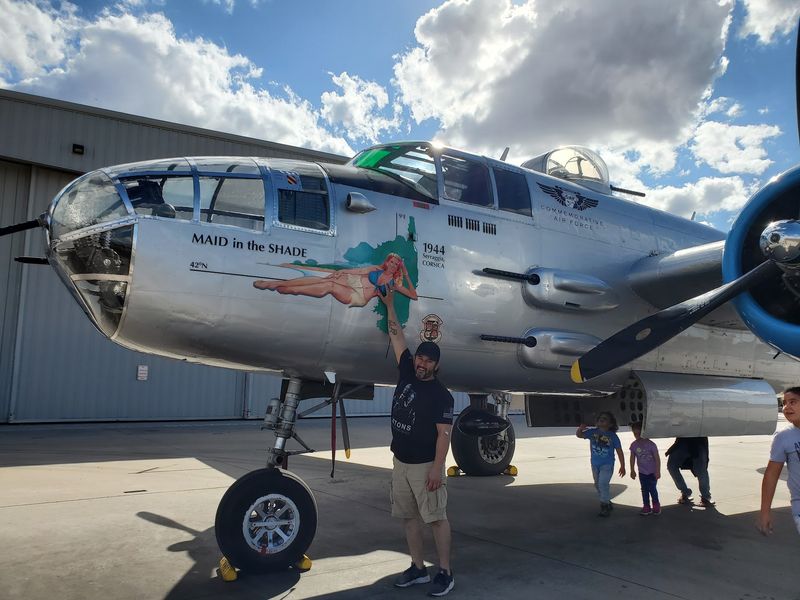
The museum offers warbird rides on several historic aircraft, from small trainers up to the B-17. Options have included the B-25J Mitchell called Made in the Shade, the SNJ T-6 Texan, and Sentimental Journey itself.
Flights can head over the Salt River and loop around Weaver’s Needle in the Superstition Mountains. That is an Arizona view few people ever see from a vintage bomber.
On the B-25, passengers may be able to crawl back to the tail gunner seat for photos and video. Many riders call it a once-in-a-lifetime experience.
Not every aircraft is available for rides at all times. The website lists availability, so check before you set your heart on one plane.
Pricing for flights is not posted here, so the website is the place for current details.
Hours, Admission and Summer Tips
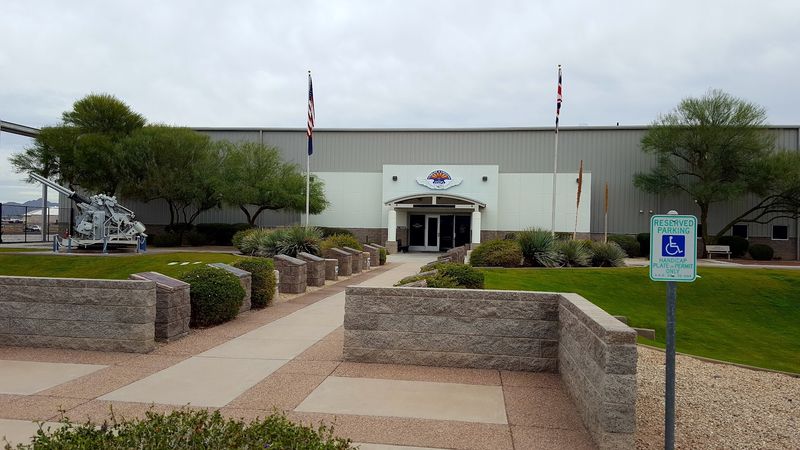
Timing matters, because this hangar keeps a short weekly schedule. The museum opens Wednesday through Saturday from 10 AM to 4 PM.
Sunday, Monday, and Tuesday are closed days. Weekend plans should lean toward Saturday.
General admission has been around $20. That price includes free run of the campus and self-guided tours of the B-17 and C-47 when they are on site.
Budget a few hours. Some people breeze through in two, while serious buffs say one day is not enough.
Summer brings real Arizona heat, and the large hangar can get warm. Hangar doors are sometimes open, so lighter clothing and a water bottle are smart moves.
The building usually is not crowded, which leaves room to read and linger. More details live on the website at azcaf.org.
Worth the Drive from Anywhere in Arizona
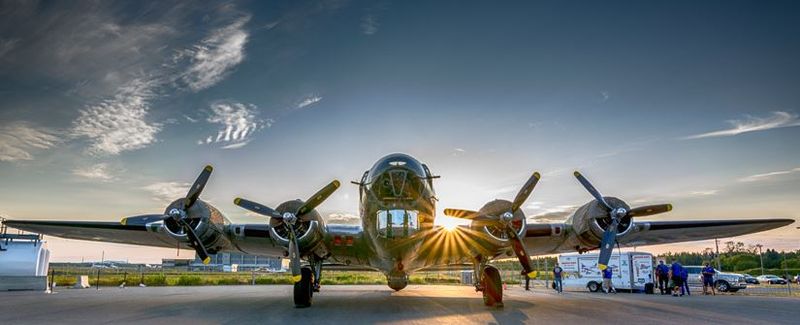
Some places teach history. This one lets you climb inside it.
The Mesa museum blends a tidy hangar of exhibits, open cockpits, a famous flying B-17, and volunteers who treat every question like it matters. That combination is hard to find anywhere.
It suits aviation buffs, military families, homeschool groups, and kids who just love planes. Even people with only a mild interest in history tend to leave surprised.
The local angle adds extra pride. Falcon Field’s RAF training story and the USS Arizona display tie world events straight back to our state.
Plenty of folks return for a second visit or finally book that flight. The plane that went touring last time might be waiting on the flight line next time.
For Arizonans who think world-class aviation history lives somewhere else, this hangar offers a friendly correction. Pack some curiosity and head for Greenfield Road.