
Affiliate disclosure: As an Amazon Associate I earn from qualifying purchases. Learn more
Safford is a quiet town in the Gila Valley, yet some of the most powerful telescopes on Earth sit on a mountain looking down on it. Many Arizonans drive past without knowing that the trip up to those giant instruments starts at a small campus on the edge of town.
That campus has its own observatory, a 20-inch telescope, science exhibits, walking trails, and a space shuttle ride that has charmed families for years. It also serves as the meeting point for guided tours of the Mount Graham International Observatory, home of the famous Large Binocular Telescope.
Space fans who have already seen Kitt Peak or Lowell often call this tour a highlight. The story below covers what is on the grounds, how the mountain tours work, and the one practical tip that can save a wasted drive.
A Science Campus on the Edge of Safford
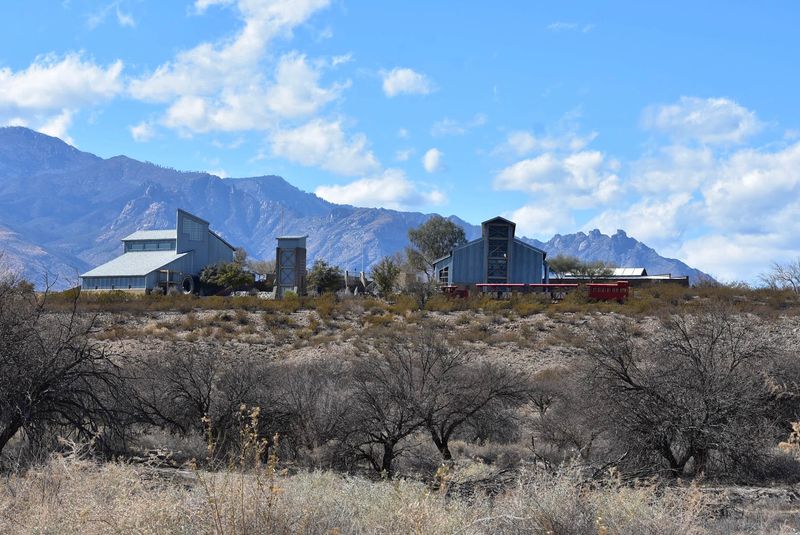
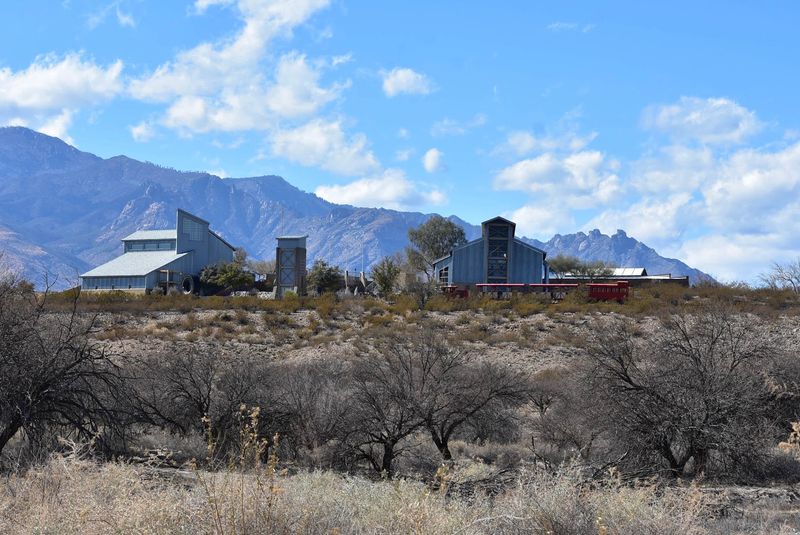
Southeastern Arizona keeps a few secrets, and one of the best sits at 1651 Discovery Park Blvd, Safford, AZ 85546. The EAC Discovery Park Campus belongs to Eastern Arizona College and is listed as an observatory.
That label only tells part of the story. The grounds mix astronomy, local history, nature trails, and hands-on science into one hilltop property.
Safford itself sits in the Gila Valley in Graham County. Above town rises Mount Graham, where some of the most advanced telescopes in the world are gathered in one research area.
Discovery Park works as a kind of front porch for that mountain. Guided observatory tours begin and end here, which makes the campus a natural first stop for anyone curious about what happens on the summit.
The college also offers various classes on the property. School groups visit too, since the park runs field trips for elementary students.
Many people in Arizona have heard of Kitt Peak near Tucson or Lowell Observatory in Flagstaff. Fewer realize that a small Safford campus offers a path to telescopes that can compete with the very best.
The rest of this story explains why the drive is worth planning carefully.
Why Mount Graham Matters
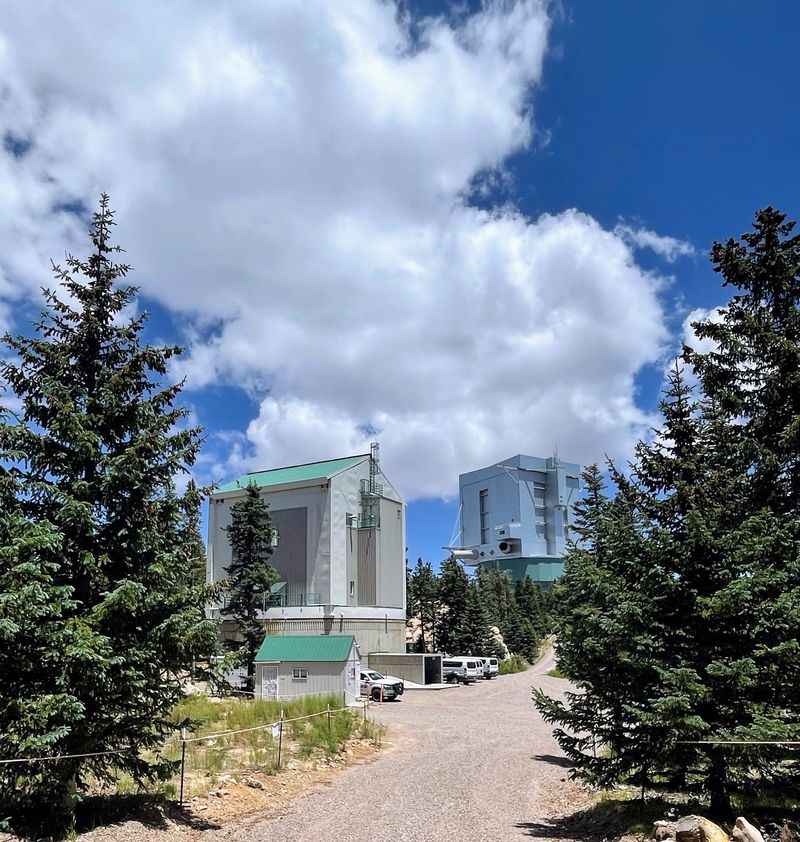
Few Arizona mountains carry as much scientific weight as Mount Graham. Its summit area hosts the Mount Graham International Observatory, often shortened to MGIO.
The tour visits three telescope facilities located there. Each one has its own building, and groups are able to go inside all three.
The star of the show is the Large Binocular Telescope. Space enthusiasts who have toured Kitt Peak, Whipple, Lowell, and the U.S.
Naval Observatory have described it as the one that tops them all.
That is high praise from people who collect observatory trips the way some folks collect state park stamps. It also says something about how much Arizona offers astronomy lovers without leaving the state.
Discovery Park connects regular people to this research world. The summit is not a casual drop-in destination, so the guided tour from Safford is the practical way to see it.
For Arizonans, there is a quiet bit of pride in knowing that this level of science happens in Graham County. The mountain is close enough to see from town, yet most residents of Phoenix or Tucson have never been near the top.
How the Mountain Tour Unfolds
Tour day starts in the valley, not on the summit. Groups meet at Discovery Park, watch a video, and learn a bit about the area before anyone climbs into a vehicle.
From there, everyone rides in vans up the mountain. The first major stop is the ranger station, where lunch has been served as boxed sandwich meals.
After the break, the vans continue to the observatory area. Tours of the three telescope facilities follow, with time inside each building to see the equipment up close.
The ride back down ends where it began, at Discovery Park. That loop makes planning simple, since there is one place to park and one place to return.
A big perk is leaving the mountain road to someone else. Guests can enjoy the scenery the whole way without focusing on curves and grades.
Some guests have called the tour the highlight of their year. Parents and kids have made a weekend of it, starting and finishing at the park together.
Anyone thinking about booking should contact the park in advance through the college website for current tour details.
Docents With Stories to Spare
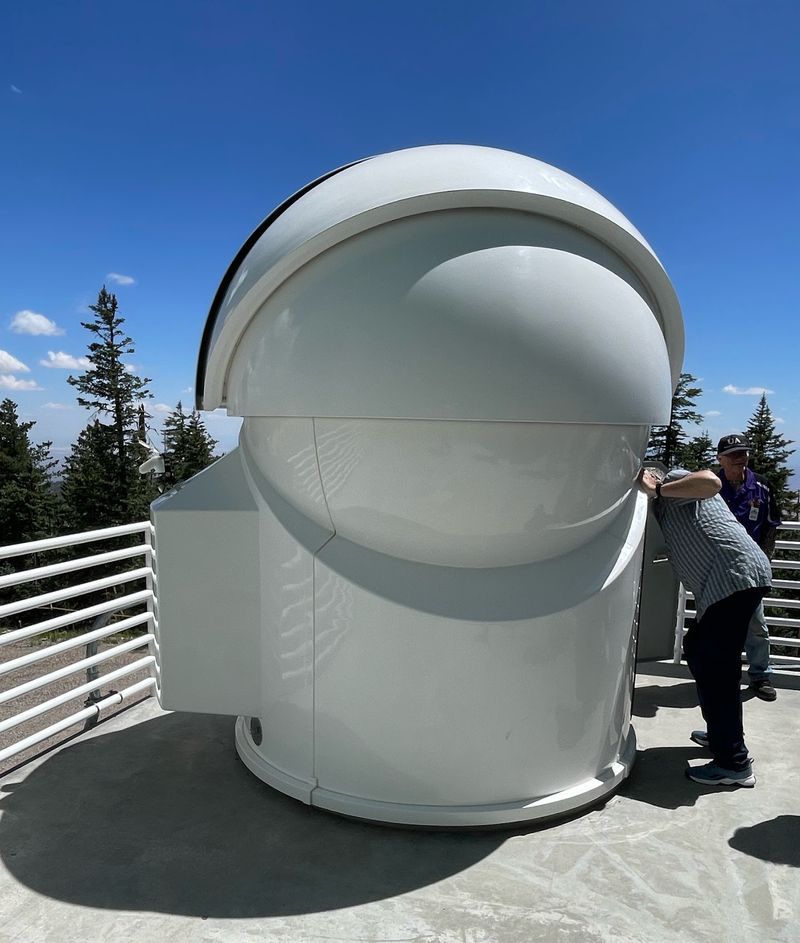
Great telescopes need great storytellers, and the guides here have earned a strong following. Docents are known for packing the drive with knowledge, interesting facts, and fun stories all the way up the mountain.
That matters on a long tour. The ride becomes part of the lesson instead of dead time between stops.
Paul Anger, the park director, has led tours that left a lasting impression. He shares tidbits about telescopes, astronomy, and the history of the area, and he clearly cares about the museum.
His enthusiasm has drawn comparisons to Bill Nye the Science Guy. That is a fun compliment for a tour leader in a small Arizona town.
Staff members on the grounds have also been praised over the years. One longtime team member named Jackie became a favorite for families who love space.
The tours seem to work for both serious science fans and casual learners. Nobody needs a physics degree to follow along.
Good guides turn facts into memories, and that may be the real secret behind this tour’s loyal fans.
The 20-Inch Telescope Next Door
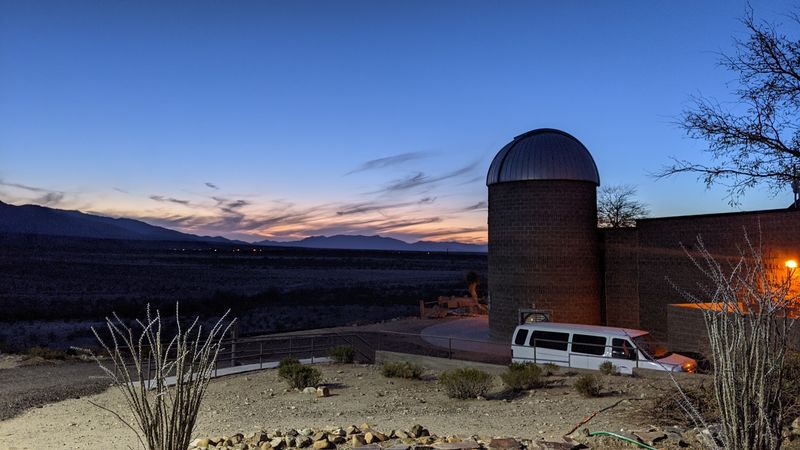
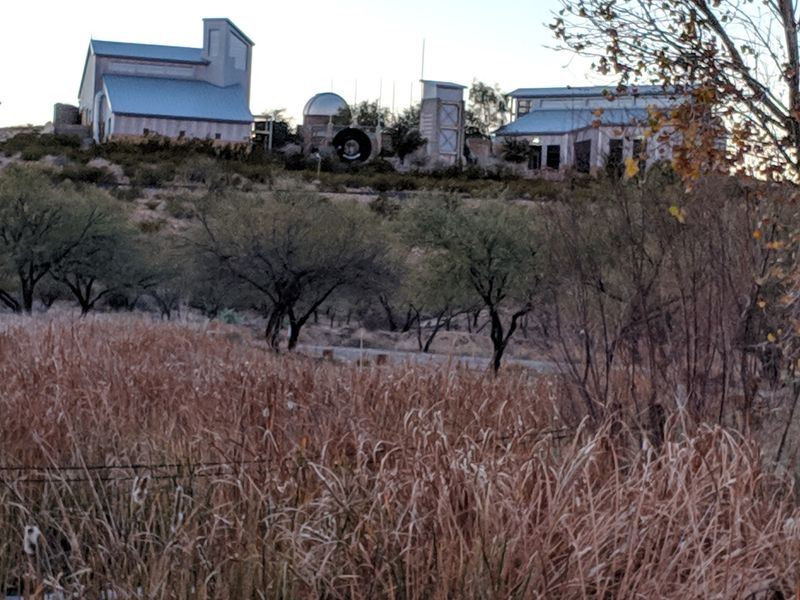
Mount Graham gets the headlines, but Discovery Park keeps a telescope of its own. The campus observatory houses a 20-inch telescope.
That size is no toy. For a community science center, it offers a real step up from backyard equipment.
Families have been able to look through the big telescope on clear Saturday nights in the past. Those evening sessions gave locals a chance to see the sky without hauling anyone up a mountain.
Schedules can change, so anyone hoping for a night viewing should check with the park before planning around it. Current posted hours are weekdays only.
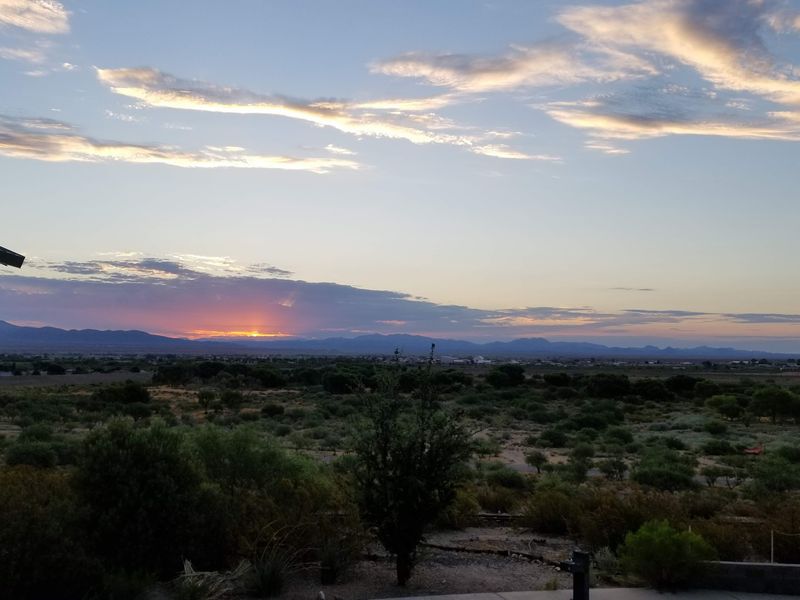
Stargazing fits Safford well. The town sits away from the light of Phoenix and Tucson, and the surrounding valley offers wide views of the night sky.
The on-site observatory also helps explain why the campus is listed as an observatory at all. It is a working piece of the park, not just a decoration on the hill.
Smaller telescope, bigger accessibility. Sometimes that is exactly the right trade.
A Shuttle Ride Through Space
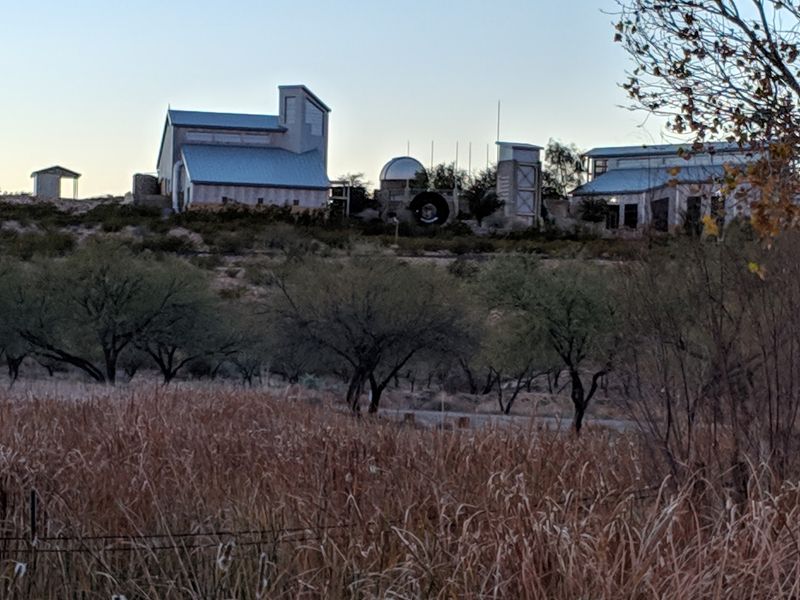
Some attractions earn a reputation by word of mouth, and the shuttle ride is one of them. The main building offers a full immersion ride through space.
It has become a must-do for many families. Advice passed along over the years is simple: make sure to take a ride in the shuttle.
The ride has been a big draw for kids especially. Families once made Saturday evenings around it.
There is a catch worth mentioning. People have shown up hoping for the shuttle ride and found the building closed, which led to real disappointment.
That is why planning matters so much here. Calling ahead before the drive can help avoid a missed ride.
The shuttle ride shows the playful side of Discovery Park. Not every lesson has to happen behind a lectern or a telescope eyepiece.
A simulated trip through space is a fitting warm-up for the real science on Mount Graham. The ride sparks curiosity, and the mountain tour gives that curiosity somewhere to go.
A Planetary Walk That Talks Back
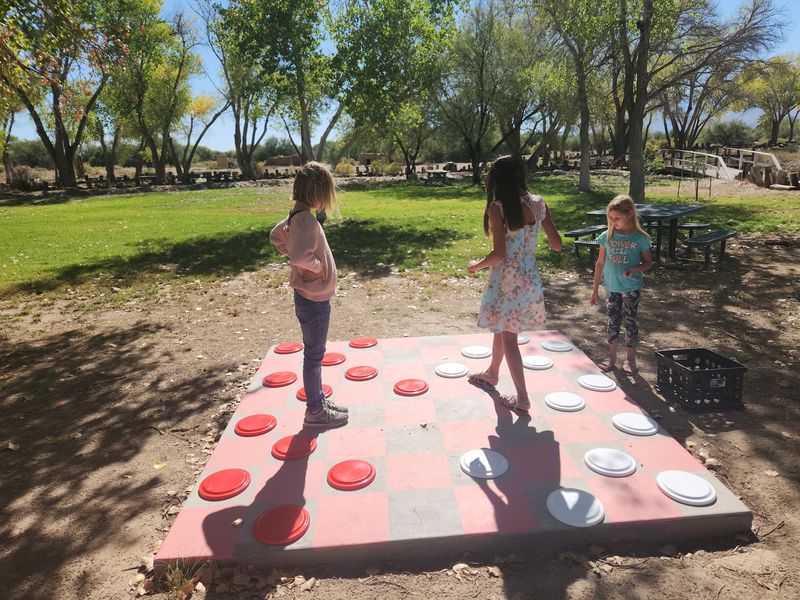
Exhibits that speak are a hit with any age group. Inside the main building, a planetary walk-through explains the solar system as guests move along it.
The exhibit also lets people hear sounds from space. That interactive twist helps young learners stay engaged longer than a plain wall of text would.
Science exhibits are one of the park’s best-known features. There are lots of exhibits and things to see, and many guests leave having absorbed new knowledge.
The main building also includes a museum of local history. Astronomy and Gila Valley heritage share the same roof, which makes the visit more varied.
One family member summed up the appeal by saying a person could spend a week here and not see everything. That may be a playful stretch, but it shows how much is packed into the campus.
For teachers and parents, the planetary walk is a ready-made lesson. Kids can connect what they see indoors with the real telescopes on the mountain.
Talking planets, local stories, and science displays make the main building far more than a waiting room for tours.
Another Museum of Local Heritage
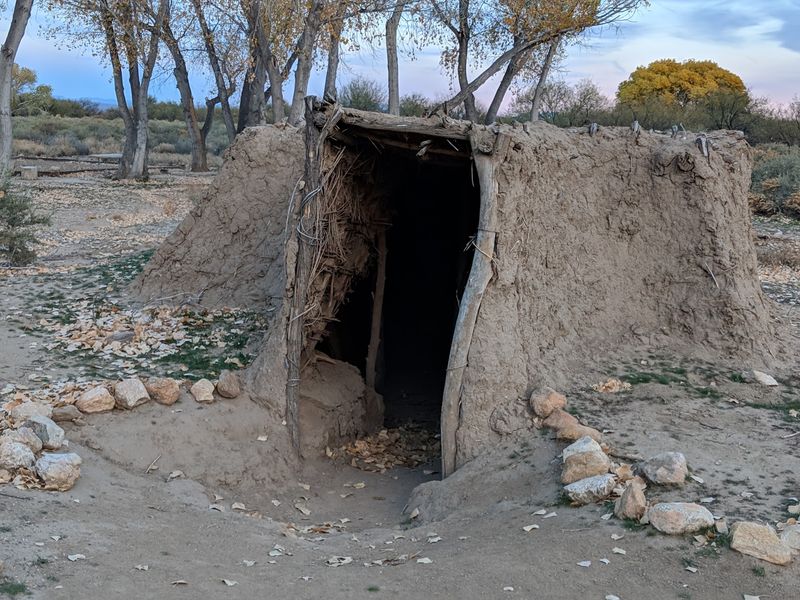
Space is the main theme, but the ground beneath Safford has a long story too. Beyond the main building, the campus includes another entire museum devoted to the history and Native people of the area.
That addition gives the park a wider reach. History fans who are lukewarm on astronomy still have a reason to come.
The Gila Valley has deep roots, and a regional museum helps tie the land to the people who shaped it. Pairing that with telescopes creates a full picture of past and future in one stop.
Tour guides add to this theme as well. Paul Anger is known for his knowledge of Arizona history, and he weaves it into his talks.
Locals sometimes overlook what is close to home. A museum about their own valley can feel like finding an old family album.
Hours for specific buildings can vary, so checking ahead is a smart move. Some guests have found buildings locked while the grounds stayed open.
When the doors are open, this museum balances the space theme with a grounded, local voice.
Trails Across the Hilltop
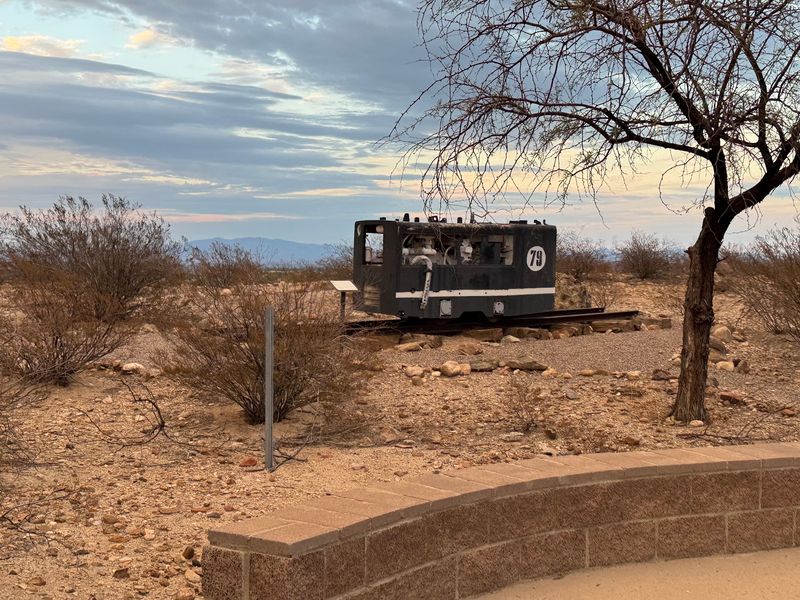
Plenty of people come for the science and stay for a stroll. Discovery Park has walking trails that wind across the grounds.
Scenic vistas and landscaping are part of the draw. Even guests who found the buildings closed have still enjoyed walking around the outside.
The trails also suit quiet moments. The park has been called a great place to sit and meditate.
Honest expectations help here. The sun can be strong, and some walkers have found the trail hot and not very exciting during midday.
Morning visits are likely a better fit in warm months. Water and sun protection are wise for any desert walk.
A wildlife habitat area is also on the property. Its condition has drawn complaints in the past, so the trails may be the stronger outdoor feature.
For locals, these paths are an easy way to get outside without a long hike. They give the campus a park feel to match its name.
Owl Pellets and Static Sparks
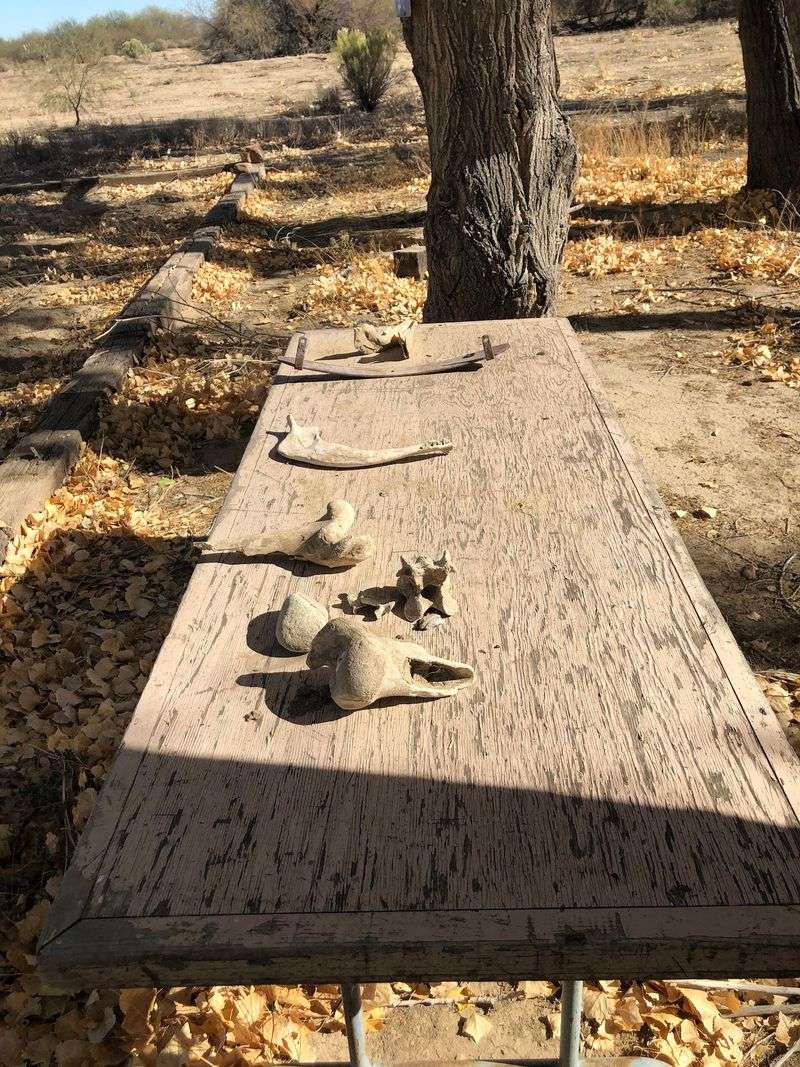
Kids remember the messy science best. Past family events at Discovery Park have included owl pellet dissection, where children search for tiny bones.
One young participant enjoyed finding all kinds of bones so much that his family planned to return the next year. That is a strong endorsement from a tough crowd.
A static electricity show has also been a crowd-pleaser. Hair-raising science works well for every age.
The planetarium show was so popular at these events that it filled up quickly. Arriving early is a good idea when special programs are offered.
Staff have been praised for being polite and working well with kids. That patience matters when a room is full of excited young scientists.
Elementary school field trips are another part of the park’s mission. Many Graham County students may have their first real astronomy lesson here.
Events like these make science feel like play, which is the whole point.
Quiet Grounds for Picnics and Weddings
Science centers are not usually wedding venues, yet this one has hosted at least one. A couple held their wedding here and credited the management with helping make the day a success.
The grounds also earn praise as a favorite picnic spot in Safford. The open hilltop setting gives families room to relax.
Words like quiet and regal come up when people talk about the location. The atmosphere is calm and uncrowded.
That mood fits the place. Astronomy invites patience, and so do slow afternoons outdoors.
Groups planning an event should contact the park directly. The college website lists contact options for Discovery Park.
The space works for more than formal gatherings. A simple lunch break with a view is reason enough to stop by.
Pairing a picnic with the trails makes an easy local outing, even on days when the buildings are not open.
Who Gets the Most Out of a Trip
Space fans are the obvious audience, but the guest list runs wider. The park has been described as having plenty to see for people of all ages.
Families with curious kids may benefit most. The exhibits, shuttle ride, and events are built to spark interest in science.
Observatory collectors are another group. Anyone who has toured Kitt Peak or Lowell will want to compare the Large Binocular Telescope experience.
History lovers have the local heritage museum. Walkers and picnickers have the trails and open grounds.
Arizona residents looking for a statewide road trip goal can add Safford to the list. The Mount Graham tour is the kind of outing worth driving across the state for.
The tour has been recommended for nerds and the not-so-nerdy alike. That mix is a good sign for groups with different interests.
Patience helps everyone, though. The next section explains why.
Hours, Gates, and the Call-Ahead Rule
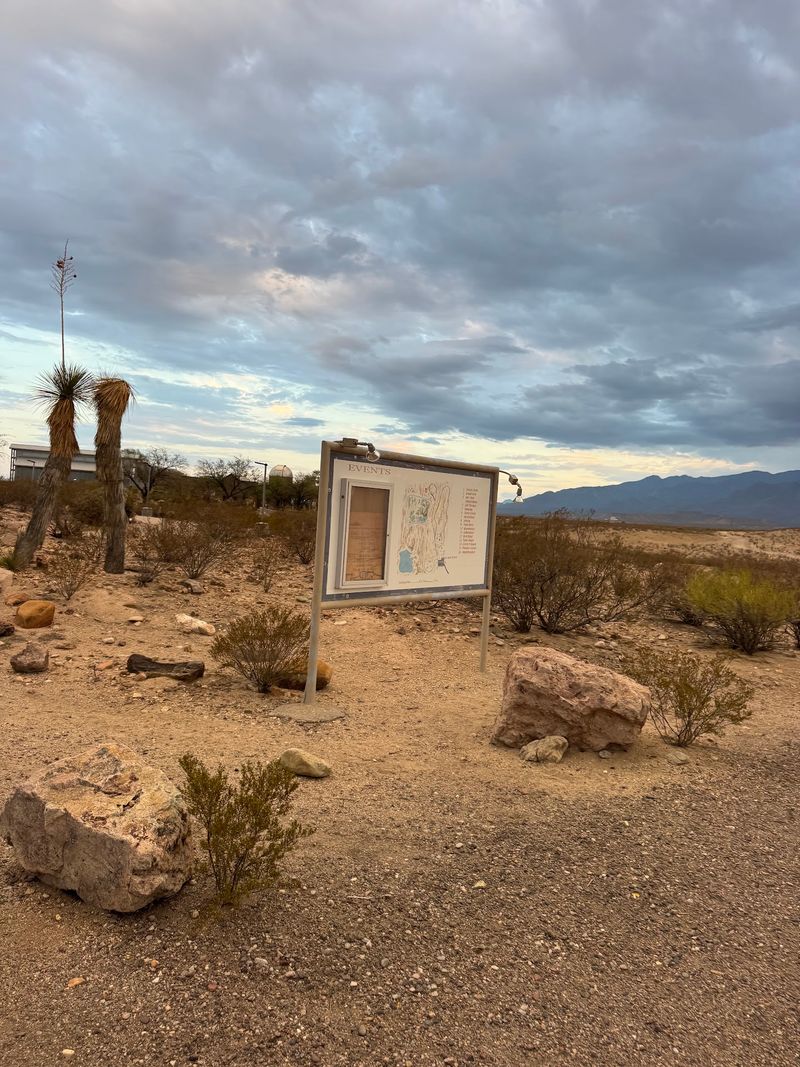
Here is the tip that could save a long drive. Posted hours are Monday through Thursday from 8 AM to 4:30 PM and Friday from 8:30 AM to 4:30 PM, with Saturday and Sunday closed.
Those hours have not always matched reality. Many guests have arrived during listed times and found locked doors.
The phone message has advised that making an appointment is the best way to get inside. That is the clearest guidance available.
The phone number is listed on the college website at eac.edu under the Discovery Park page. Calling before leaving home is strongly recommended.
Gate hours matter too. Drivers should pay attention so a car does not get locked in overnight.
Price details are not listed in the available information. Contacting the park directly is the way to confirm costs for tours or entry.
Plan ahead, confirm by phone, and the visit is far more likely to go smoothly.
A Small Campus With a Giant Reach
Not every observatory story starts at a summit. In Safford, it starts at a modest college campus with a big idea.
EAC Discovery Park holds a 20-inch telescope, talking planets, a space shuttle ride, history exhibits, and trails with wide views. It also opens the door to Mount Graham and the Large Binocular Telescope.
The overall picture is strong, with a 4.2 average across more than a hundred opinions. Most of the frustration centers on closed doors, not on what waits inside.
That makes the solution simple. Call ahead, book a tour when possible, and treat the visit as a planned trip.
For Arizonans, the reward is real. Some of the world’s most advanced telescopes sit in Graham County, and the path to them begins in town.
Families who come away loving it often return. The tour has a way of landing on wish lists and staying there until it gets checked off.
Arizona’s big sky has plenty of fans, and this little campus might be the best introduction to its biggest eyes.