
Affiliate disclosure: As an Amazon Associate I earn from qualifying purchases. Learn more
A cowboy riding a T. rex is not something most people expect to find in a small Central Texas town. Yet in Hillsboro, that exact image marks the door of a museum packed with fossils, working paleontologists, and a dig pit where kids hunt for real shark teeth.
Admission costs nothing, parking is free, and the people behind the counter can talk about ancient bones for as long as you have questions. Families on road trips between Dallas and Austin keep stumbling onto it and leaving surprised by how much fits inside.
The collection is impressive enough that some say it rivals displays at far bigger, better funded institutions. Keep reading to learn what makes this little museum such a big deal, what your kids will love most, and how to plan a stop that fits its schedule.
A Prehistoric Stop in Downtown Hillsboro
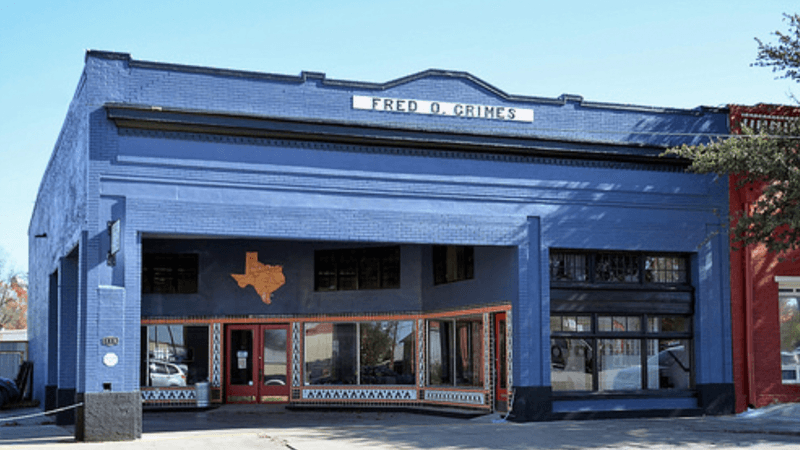
Not every dinosaur needs a big city to call home. Texas Through Time sits at 110 N Waco St, Hillsboro, TX 76645, right in the heart of this Hill County town in the United States.
The museum is a nonprofit dedicated to paleontology. Its focus leans heavily on dinosaurs and fossils found in Texas, though the shelves hold specimens of many shapes and sizes.
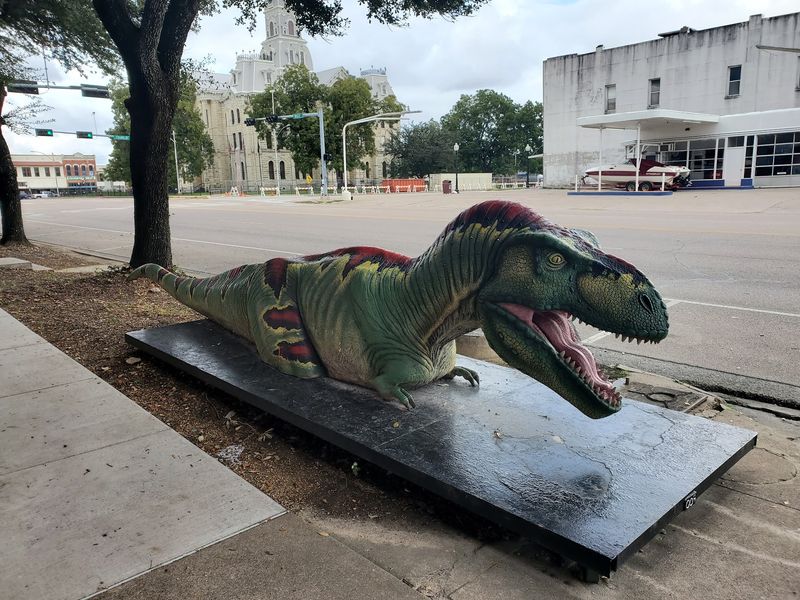
Spotting the place is half the fun. Families have parked right in front of a dinosaur out front, which tends to set the tone before anyone opens the door.
Hillsboro also makes for an easy detour. Travelers heading south on I-35 can take the Corsicana exit and turn right at the light to reach the area.
Plenty of people find it by accident. Some drive past, realize it is a museum, and turn the car around.
That kind of spontaneous stop works well here, since no reservation is needed. The doors are simply open during regular hours for anyone curious about the deep past.
Small in footprint, the museum carries a reputation far larger than its square footage, earning a 4.8 star average from well over a hundred guests. The next question is how such a place came to be in a quiet Texas town.
The Story Behind a Cowboy on a T. Rex
Few logos explain a place as neatly as this one. A cowboy perched on a T. rex captures the museum’s mission in a single image: Texas pride paired with ancient life.
Behind that logo stands a nonprofit organization run on passion. The team says families are the reason they opened the museum and wanted to share their love of fossils.
Money for the operation comes from donations and gift shop purchases rather than ticket sales. That means every dollar dropped in the donation box goes toward building the collection and improving events.
The museum has also been growing. Plans for a larger home have been in motion, with a bigger educational space described as on its way in the city.
Supporters often encourage others to contribute so the team can display even more specimens. Many feel the organization has earned the extra room and recognition.
Exhibits shift over time too. Years back, a 40-foot T. rex was on display for a stretch through October, a reminder that the lineup does not stand still.
All of this gives the museum a scrappy, hopeful energy. It feels like a project still writing its next chapter, and guests get to be part of that story.
Shelves Full of Ancient Treasures
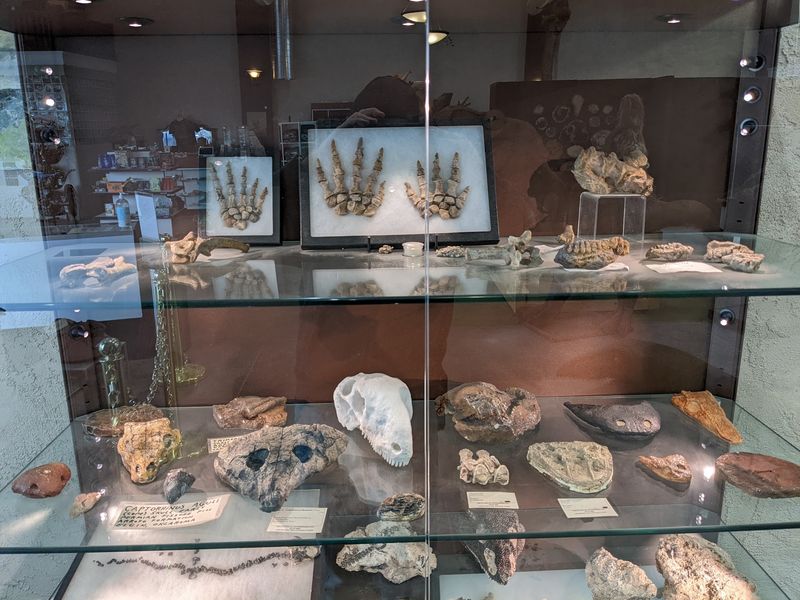
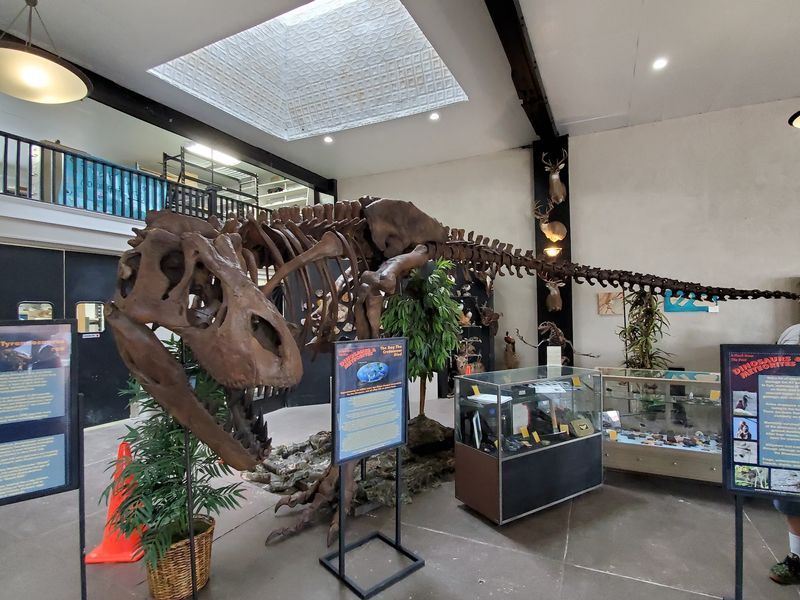
Size can be deceiving. The fossil display here is impressively large for the building, and some guests say they have seen less impressive collections at major, well-funded museums.
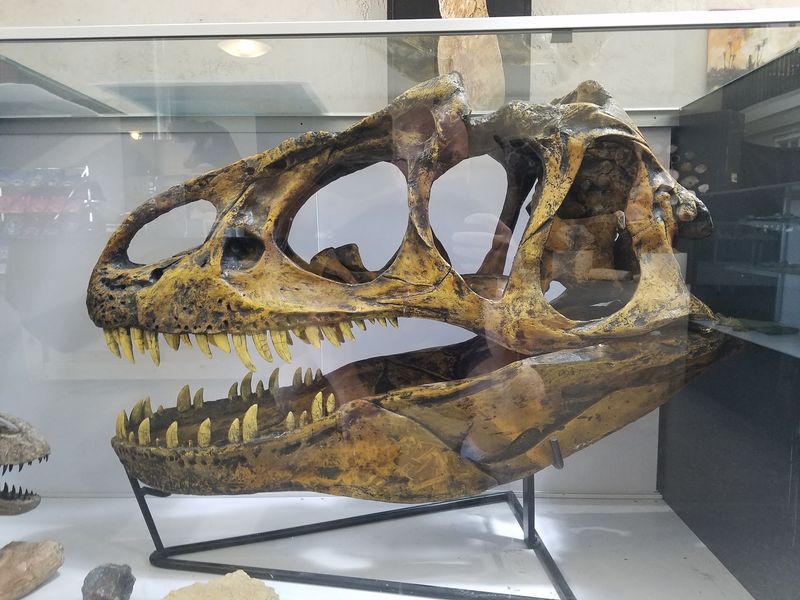
Fossils are the star topic, and for good reason. The collection spans pieces of many different sizes, giving both quick browsers and serious fans something to study.
Dinosaur bones and fossil replicas share space with Texas specimens. The emphasis on the state’s prehistoric past makes the museum a strong pick for anyone interested in what lived here long before ranches and highways.
The layout is thoughtfully curated. It manages to fascinate young kids while still teaching adults something new, a balance many bigger museums miss.
Casual fossil fans are welcome too. You do not need a science degree to enjoy the displays, just a little curiosity about old bones.
Because the museum is small, crowds are rarely an issue. That leaves room to linger at each case without anyone peering over your shoulder.
A short visit can still cover a lot of ground. Still, the more time you spend, the more small details start to pop out from the shelves.
Paleontologists at Work in Plain View
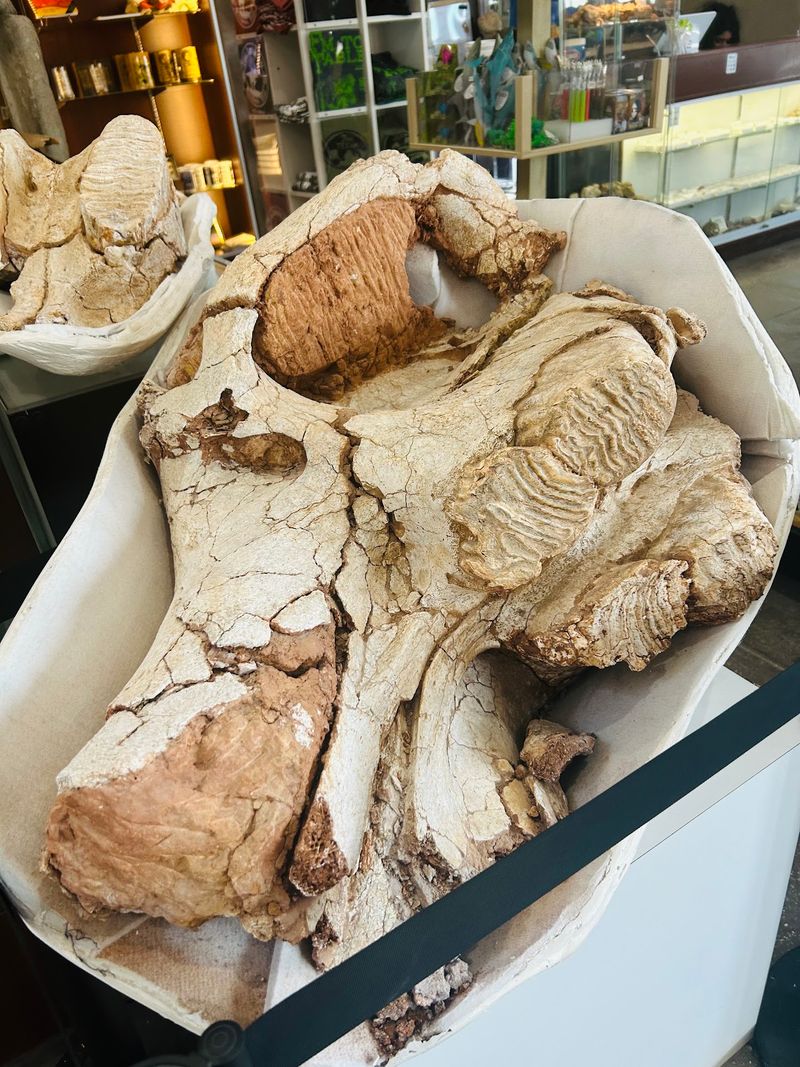
Most museums show the finished product. Here, you can watch the work happen.
Fossil preparation takes place where guests can see it, so the process of cleaning and studying specimens becomes part of the visit. It turns a static exhibit into something closer to a live science lesson.
One standout project has been a recently unearthed Columbian mammoth skull. The team found it and has been working on it, and staff are happy to share the backstory.
Kids who dream of becoming paleontologists get a real glimpse of the job. Seeing actual tools and careful hands at work makes the career feel reachable rather than abstract.
Adults tend to enjoy it just as much. There is something compelling about knowing the bone in front of you was recently buried in Texas soil.
The work is ongoing, so what you see may differ from one trip to the next. That gives repeat guests a reason to check back and follow a specimen’s progress.
Think of it as a behind-the-scenes pass that comes free with admission. Not many places let the public peek this close at real paleontology in action.
Digging for Shark Teeth
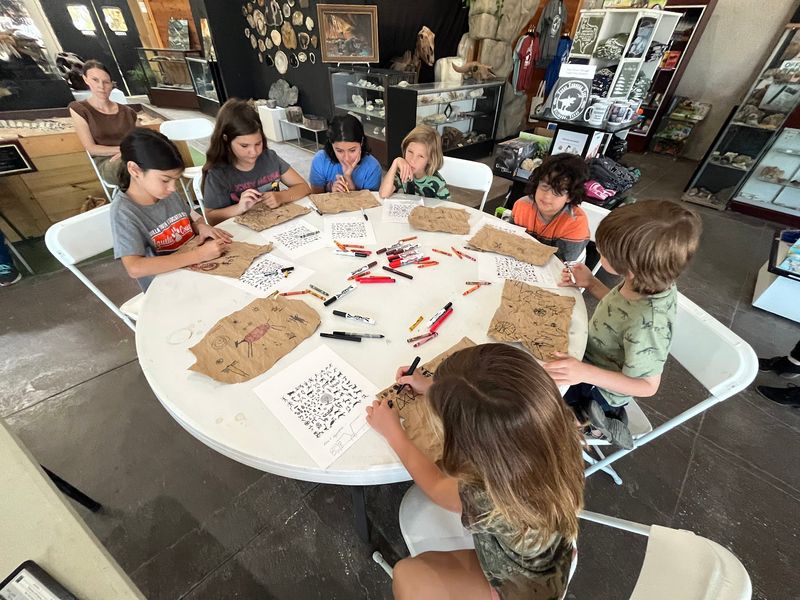
Little hands, big discoveries. The fossil dig area is a favorite, and kids spend plenty of time searching for shark teeth.
Children as young as four and seven have dug in with enthusiasm. Older kids often treat it like a real excavation, which is exactly the point.
Finds are real fossils, not plastic props. Staff have even bagged and labeled a child’s collection so the family could keep it as a lasting keepsake.
That small gesture means a lot. Years later, a grown-up can pull out a labeled bag and remember the day they hunted fossils in Hillsboro.
The digging also connects with the larger collection. After finding a tooth, kids often look at the displays with new eyes, spotting similar shapes behind the glass.
Parents appreciate that the activity is hands-on without being messy chaos. It gives restless travelers a chance to move around after hours in the car.
For many families, this corner becomes the highlight they talk about on the drive home. Shark teeth in Texas tend to spark plenty of follow-up questions.
A Playroom Built for Little Explorers
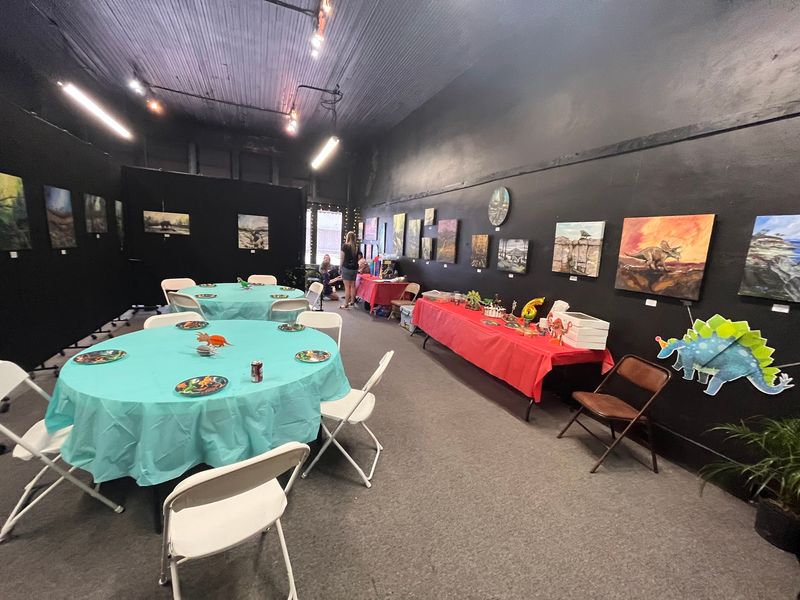
Toddlers get their own territory here. The kids play area has come up again and again as a reason families love the museum.
Inside, little ones find a tent to play in, watercolor activities, coloring pages, dinosaur books, and dinosaur toys. There is also a scavenger hunt that sends kids searching around the exhibits.
The space is described as baby safe. That makes it a welcome break for parents juggling a one-year-old and a two-year-old at the same time.
One practical tip applies outside that zone. Holding very young children close while touring the displays helps keep curious fingers away from fragile specimens.
Families have said there is so much to do that they could have stayed for hours. Arriving an hour before closing left some wishing for more time.
The mix of play and learning works well. Kids burn off energy, then wander back to the fossils ready for another round of questions.
Few small museums plan this carefully for the youngest crowd. Here, the dinosaur fans in diapers clearly count.
Staff Who Love Talking Fossils
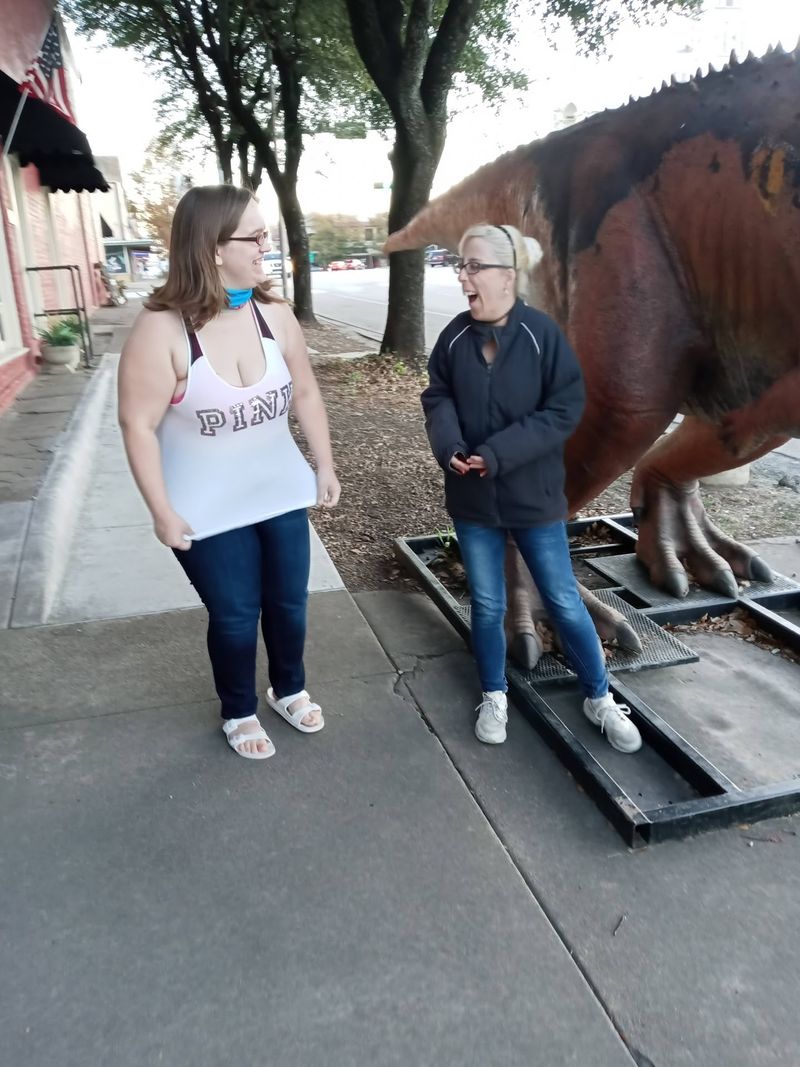
Knowledge might be the museum’s most valuable exhibit. Staff are frequently praised as welcoming, helpful, and full of information.
A team member named Noah comes up often. He answers kids’ questions with patience and explains paleontology in a way that makes his passion obvious.
Another staffer, Grace, has been remembered for taking time with a family visiting from Georgia. She shared the museum’s logo with a little girl who loves both cowboys and dinosaurs, which turned out to be a perfect match.
Free guided tours are available and come recommended. They add context that turns a glance at a bone into a real story.
Even a phone call can set the mood. Staff have been lively and eager to help before guests ever arrive.
The friendliness has stretched to letting people in when the museum was technically closing. That kind of flexibility leaves a lasting impression.
Weekend shifts get similar praise, with hosts going out of their way to engage. The enthusiasm here does not seem to clock out.
Free Doors, Gift Shop, and Opening Hours
Here is the best part for budget travelers: admission is free. Parking is free too, which feels rare these days.
Donations keep the lights on, so leaving a little cash is a kind way to say thanks. Many guests do exactly that.
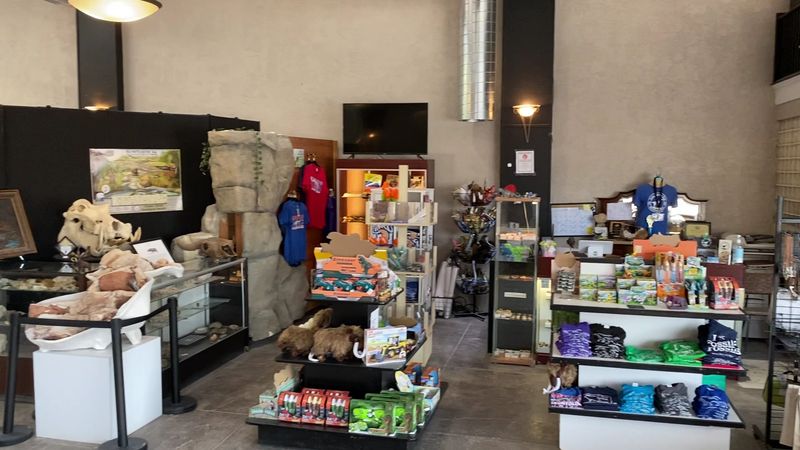
A small gift shop holds books, plush toys, collectibles, dinosaur toys, and fossils in a range of sizes and prices. Prices are considered far more reasonable than at most museums.
Hours are limited, so plan ahead. The museum is open Tuesday through Saturday from 11 am to 4 pm.
Sunday and Monday are closed days. Showing up late in the afternoon leaves little time, so an earlier arrival is the smarter play.
No reservation is required. Just walk in during open hours and start exploring.
More details are available on the museum’s website at texasthroughtime.org. A quick check before the drive can save a closed-door surprise.
Worth the Detour, Big Time
Small museum, outsized reward. That sums up why so many road trippers recommend pulling off the highway for Texas Through Time.
Hillsboro adds a few bonuses nearby. The Hill County Courthouse sits on the square, and another roadside-style museum is within walking distance.
The museum suits a wide range of people. Young kids, Jurassic Park fans, grandparents scouting outings, and adults fascinated by Texas prehistory all find something to enjoy.
Expectations matter a little. It is a compact space, but it is packed with fossils, activities, and people who care deeply about the work.
Many families leave planning a return trip with nephews, parents, or grandchildren. With a bigger space on the horizon, there will likely be even more to see.
For a free stop with real fossils, active science, and a cowboy riding a T. rex on the logo, it is hard to find a better pause on a Texas drive. Sometimes the smallest towns keep the oldest secrets.