Affiliate disclosure: As an Amazon Associate I earn from qualifying purchases. Learn more
Somewhere off a quiet road in Hudson, more than 800 parrots are holding a daily meeting, and every one of them wants a turn to speak. The flock includes macaws, cockatoos, and feathered characters from all around the world, many of them rescued or surrendered by owners who could no longer care for them.
Small guided tours let guests meet these birds up close, feed them, and sometimes hold one. Keep reading for the story behind the place, the tour worth booking early, the bird that sings a famous farm song, and the hours you need to know before you go.
A Parrot Haven Hiding on Casper Avenue
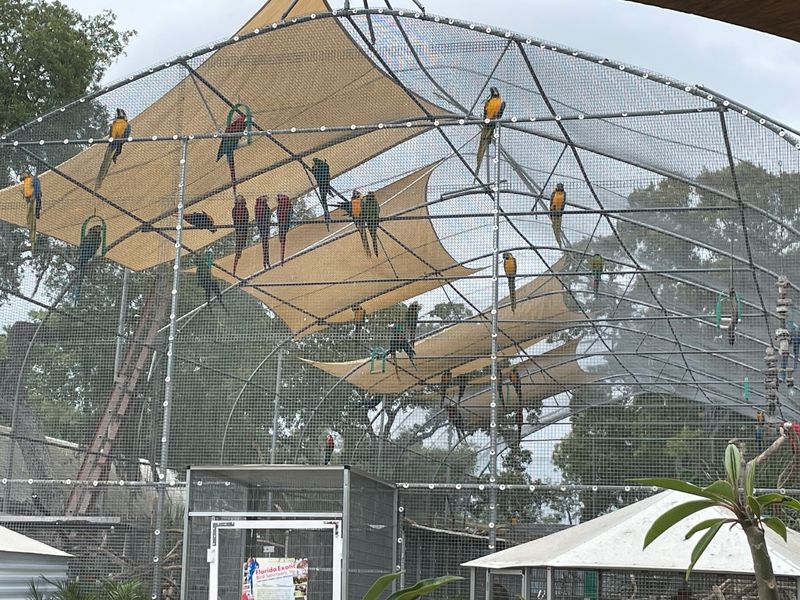
Pasco County is better known for Gulf Coast fishing than for a flock that numbers in the hundreds. That changes once you find the Florida Exotic Bird Sanctuary Inc., a non-profit organization at 8933 Casper Ave, Hudson, FL 34667, in the United States.
Hudson sits on the west coast of Florida, north of the Tampa Bay area. The sanctuary makes an easy day trip for anyone living around Pasco, Hernando, or Pinellas counties.
Despite the article title, lorikeets are not the headliners here. The real stars are macaws, cockatoos, and a wide mix of parrots from around the world, and some of them are happy to perch on a willing arm.
The property is not a theme park or a zoo. It is a working sanctuary, and the tours exist to support the birds who live there for good.
Guests come for a guided walk, a bit of hands-on time, and a lesson in what it takes to care for a lifelong companion with feathers. Many leave planning a second trip.
So who exactly lives behind those cage walls, and how did they end up in Hudson? The answer starts with a mission.
Second Chances With Feathers
Parrots can outlive the people who buy them. That simple fact sits at the heart of the sanctuary’s work.
The organization is devoted to the care of rescued and surrendered exotic birds. Some arrive because an owner can no longer give them enough attention, and others come from situations where they simply needed a safer place to land.
Once a bird joins the flock, the goal is long-term care. The team works to help each newcomer settle in and get along with other birds, easing them into what becomes a permanent home.
There are enclosures of many sizes on the grounds. Staff make a point of placing each bird where it does well, rather than squeezing everyone into one routine.
The guides talk openly about the history of the facility and its rescue efforts during tours. Guests often walk away with a new respect for how much responsibility a single parrot can be.
The organization also has plans to expand its operation, which tells you demand for this kind of help is not slowing down. With a mission this big, the next question is just how many birds call the place home.
Eight Hundred Residents and Counting
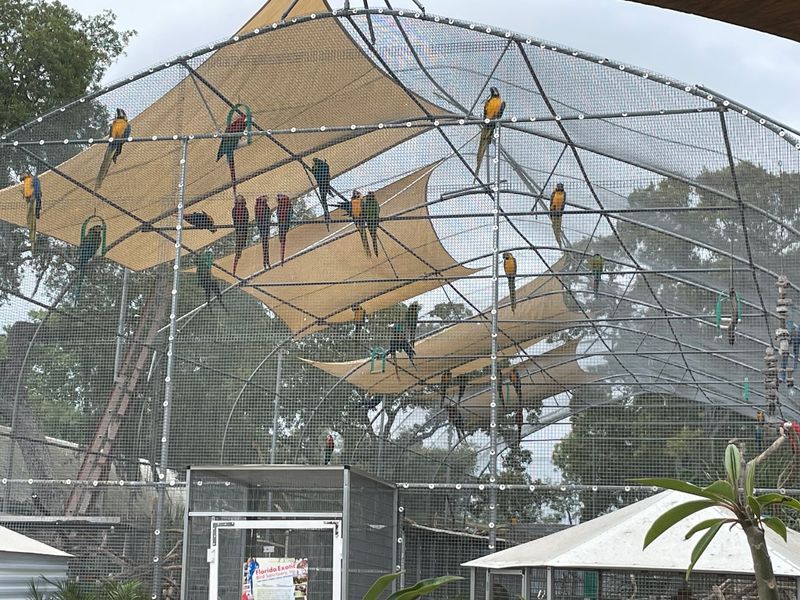
Most bird lovers have trouble keeping up with one parrot. The crew in Hudson looks after more than 800 of them.
That number comes up again and again around the sanctuary, and at times the count has been placed closer to 900. Either way, it is one of the larger parrot populations you can tour in Florida.
The variety is a big part of the appeal. Exotic birds from all around the world share the property, so a single walk can cover big macaws, crested cockatoos, and many smaller species in between.
Guides know more than just species facts. They often know the personal backstory of individual birds, including where they came from and what makes each one special.
Here is a fun fact to carry into the tour. Sulfur-crested cockatoos, one of the species living here, are famous for long lifespans, which is exactly why so many owners plan ahead for their care.
Hundreds of birds would be a blur without someone to explain them. Thankfully, the people leading the tours are a highlight all their own.
Guides Who Know Every Bird by Name
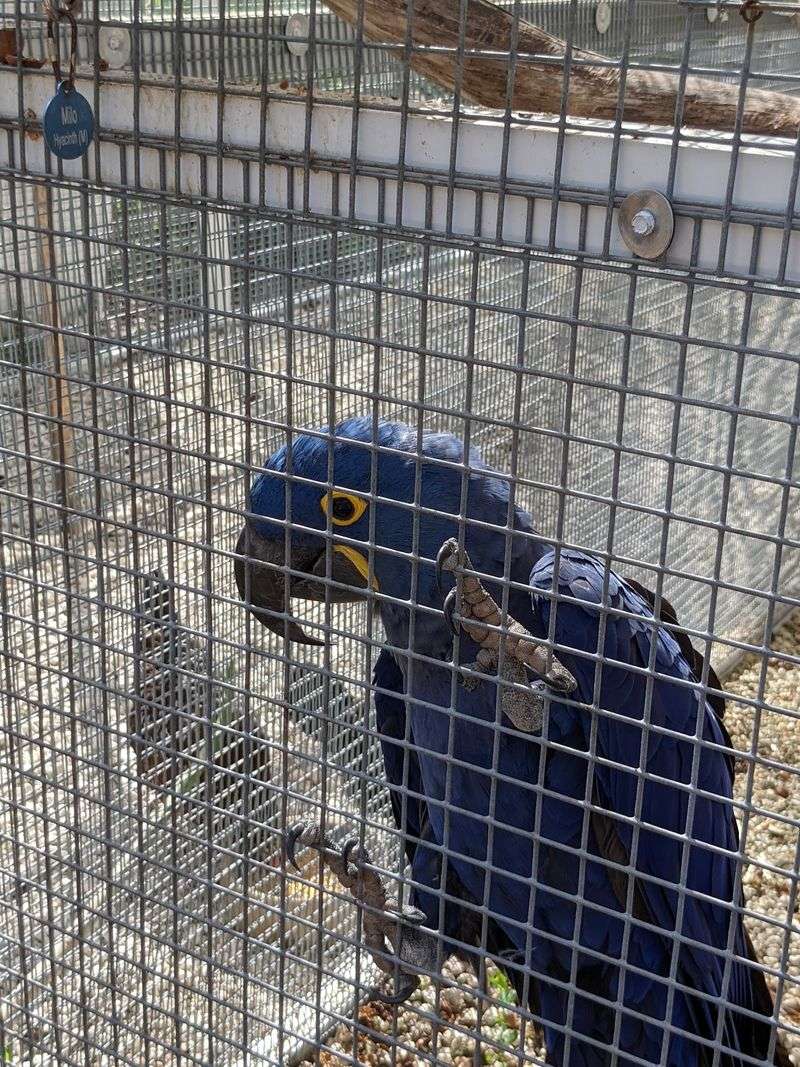
A great guide can turn a row of cages into a collection of stories. At this sanctuary, the guides are a large reason people rave about the experience.
Names like Sarah, John, and Alex come up often among past guests. They are described as funny, knowledgeable, friendly, and clearly passionate about the birds.
John has a reputation for sharing lots of history about the facility and the many species it houses. The birds seem to know him too, calling out for him as he approaches each enclosure and again as he walks away.
Sarah earns praise for her extensive knowledge and an enthusiasm that rubs off on the group. She has a way of making guests feel welcome, even those who are usually uneasy around crowds.
Some lucky groups get a tour from the person known as the Birdmother herself. Those walks are packed with backstories, and no question goes unanswered.
Tours do not feel rushed, which leaves room for questions and real interaction. Speaking of interaction, one tour option takes that idea much further.
The High Flyer Tour Is the Ticket
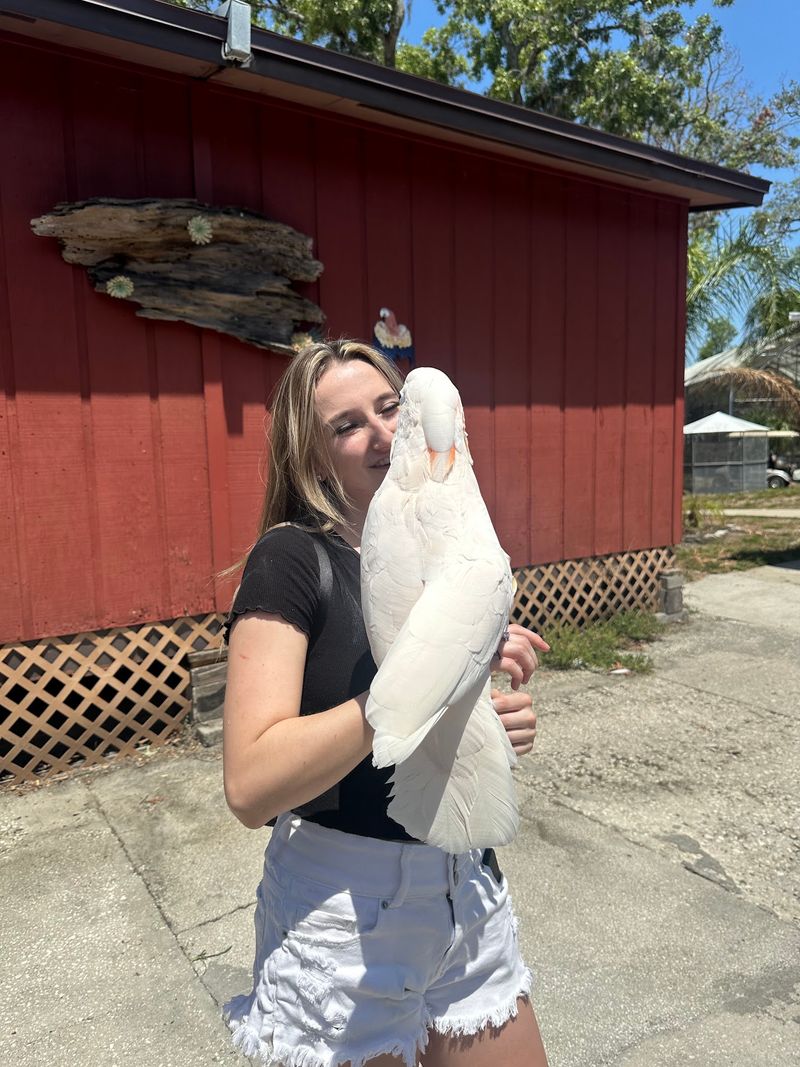
Ask anyone who has done both tours which one to book, and the answer tends to be the same. The High Flyer tour wins.
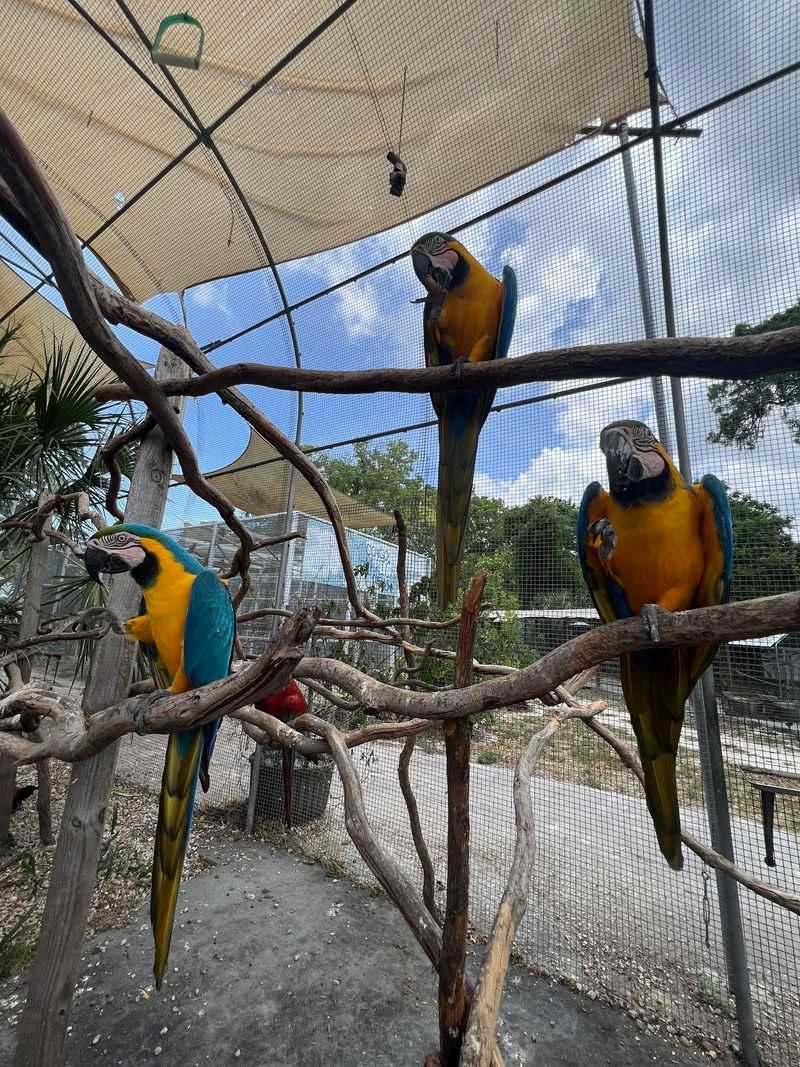
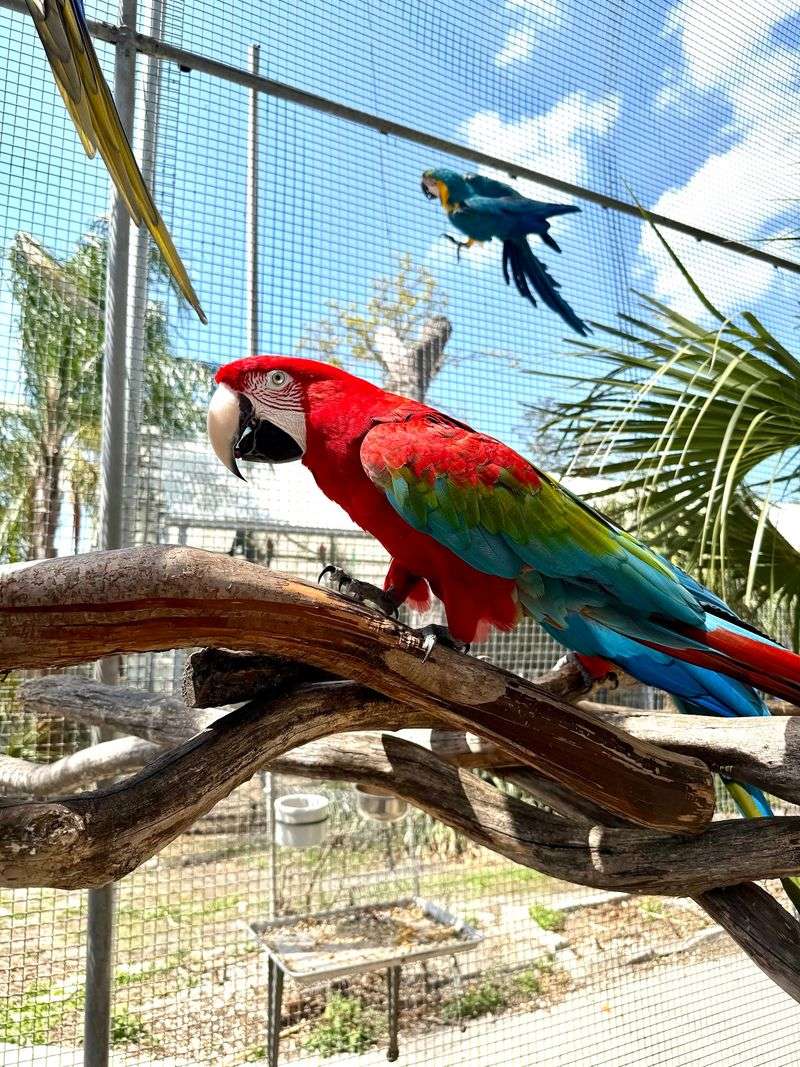
This option adds macaw interaction to the standard walk. Guests get time with these big, bold parrots, and some have the chance to hold a bird.
People who started with the regular tour often say they plan to come back for the High Flyer next time. Those who went straight for it describe it as worth every penny.
The biggest tip is simple. Book ahead of time, because spots can fill up and it is easy to miss that detail until the last minute.
Scheduling is described as easy, so a quick bit of planning should do the job. Check the official website for current tour options and costs, since prices are not posted here.
One guest compared the macaw moment to feeling like a kid at Disney, which says a lot for a place with no rides. And the macaws have an impressive home of their own to show off.
Inside the Giant Macaw Enclosure
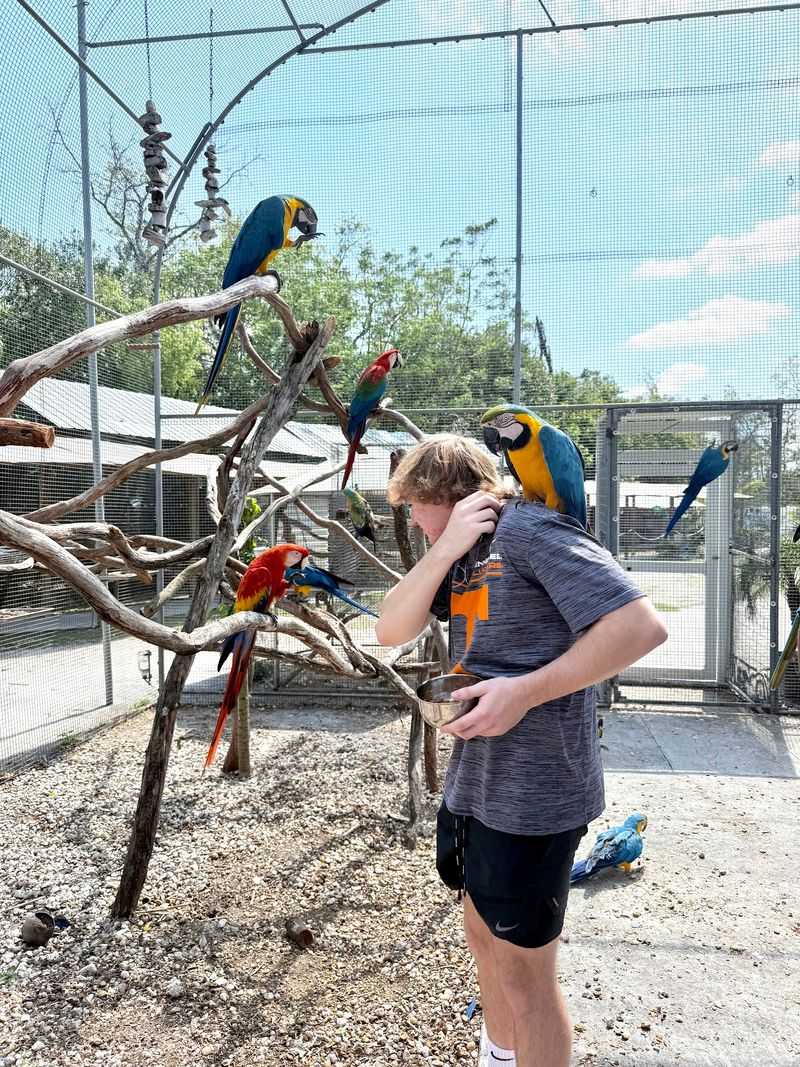
Some enclosures at the sanctuary are modest. The macaw enclosure is not one of them.
Guests often name this giant space as their favorite part of the visit. It gives the larger parrots room to spread out, and it gives people a chance to see a crowd of macaws together.
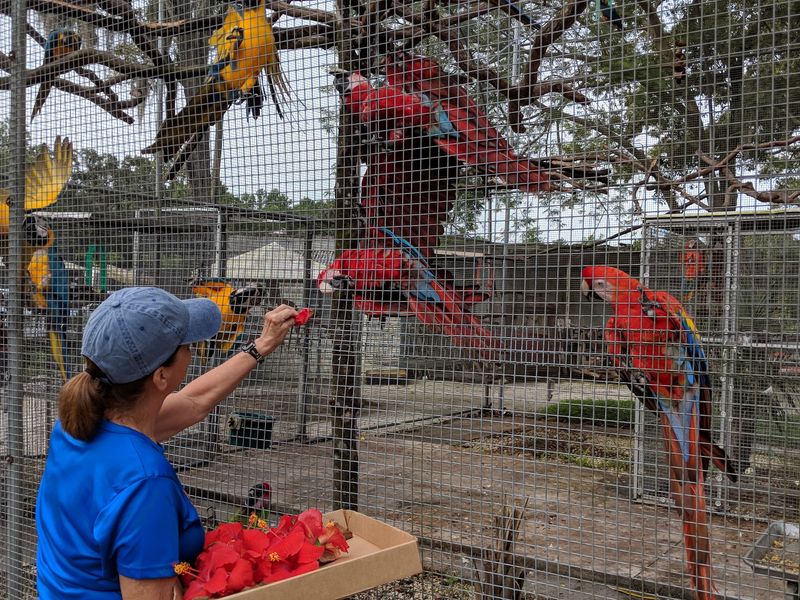
Feeding the macaws is one of the most talked-about moments of any tour. Groups who arrive together tend to agree that this is the part everyone enjoys most.
There is also a feeding tour, where guests help feed many different birds. It turns a viewing trip into a hands-on job, in the best way.
Macaws are among the largest members of the parrot family. Seeing so many in one place helps explain why their care takes so much space and so many helpers.
Big birds draw big attention, but a few of the smaller residents steal the show with their voices. One of them even knows a classic children’s tune.
Old MacDonald Had a Parrot
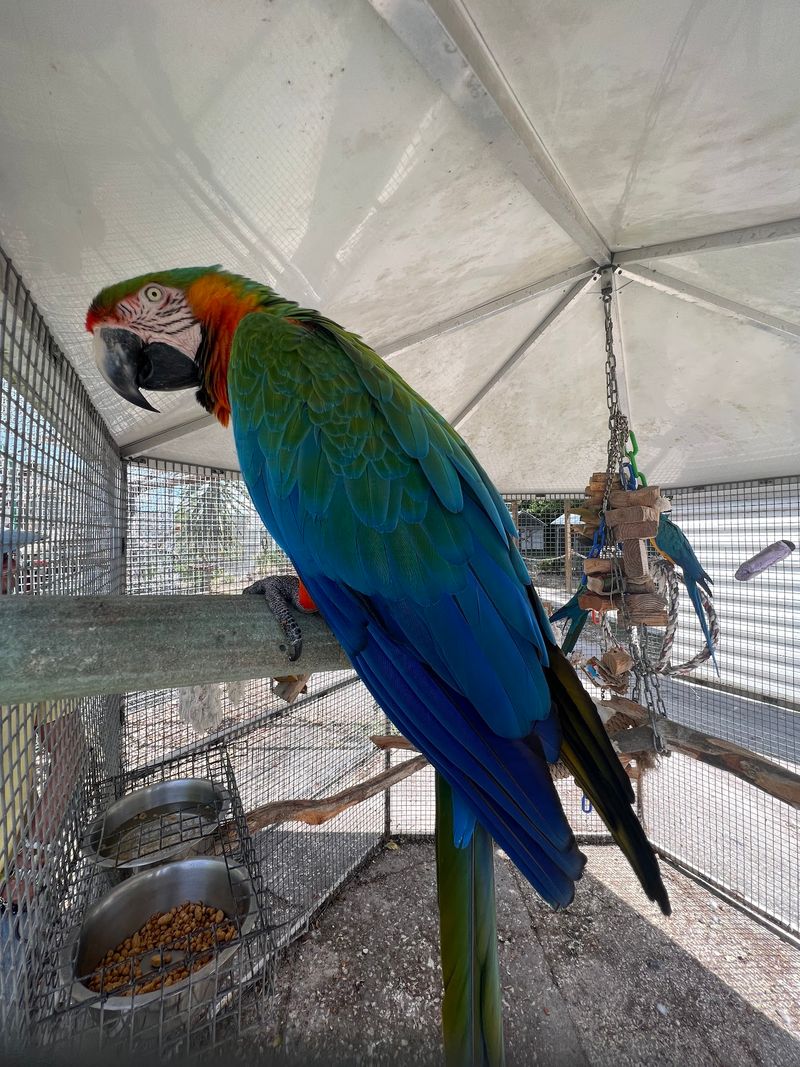
Few tour stops get a laugh quite like a parrot breaking into song. At this sanctuary, that is a real possibility.
One resident bird has been known to sing Old MacDonald for guests. It is a crowd favorite with teens and adults alike.
Another bird named Crackers has her own fan club thanks to her singing. Moments like these make the birds feel less like exhibits and more like neighbors with big personalities.
Guides share plenty of stories about individual birds along the way. Knowing a bird’s name and history makes each encounter more personal.
Did you know that many parrots learn sounds and words from the people around them? A singing parrot is often a sign of a bird that spent years with a family before arriving here.
That connection to former homes leads to one of the most meaningful parts of the sanctuary’s work. For some owners, the place is not just a tour stop but a future home for a beloved pet.
A Forever Home for Beloved Pets
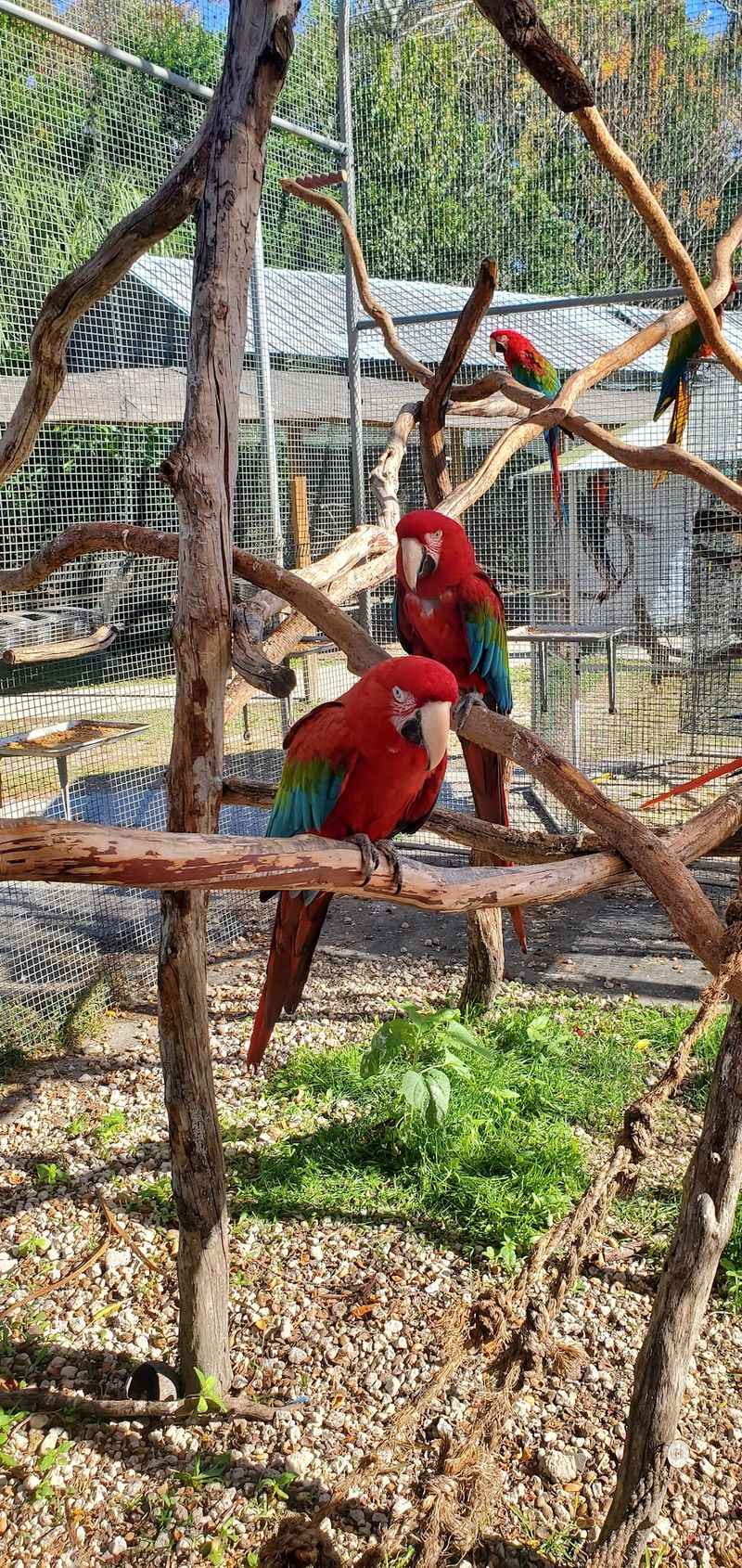
Handing over a pet bird is one of the hardest decisions an owner can make. The sanctuary offers a path that many families feel good about.
Owners who surrender a bird here are allowed to visit and get updates. That policy gives families peace of mind long after the goodbye.
One family placed their medium sulfur-crested cockatoo, Willow, at the sanctuary after visiting two other places that did not feel right. She now lives in a large flight cage with other birds, and her family visits about once a month.
The sanctuary’s president, Pat Norton, has shared that Willow is thriving. Stories like hers show the careful approach the team takes when bringing new birds into the flock.
New arrivals are helped to blend with other birds so the change is easier. Staff make sure each resident ends up in a setting that suits it.
Many guests leave recommending the sanctuary both as a place to tour and as a place to care for a bird when you no longer can. Keeping hundreds of birds this well cared for takes a dedicated team behind the scenes.
Spotless Grounds and Busy Volunteers
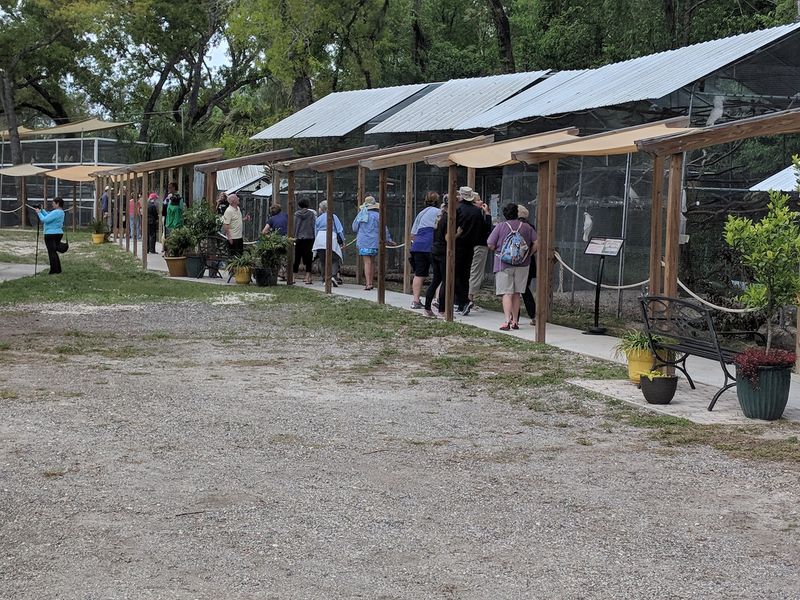
Cleaning up after one parrot is a chore. Cleaning up after 800 is a full-time mission.
The grounds and enclosures are often described as immaculate and pristine. That kind of upkeep stands out at a facility with this many residents.
Volunteers play a huge role. They help make sure every bird gets enough food, water, and attention each day.
The staff and owner are known for being kind and deeply committed to animal welfare. People also notice that the team is close and clearly enjoys working together.
Some guests even return to volunteer, which the sanctuary welcomes warmly. It is a hands-on way to support the birds beyond buying a tour.
The team has said it takes a true passion from everyone involved to care for this many parrots. With all that effort going into the birds, it helps to know what to expect on the human side of a visit, including one very practical item to pack.
Fair Warning About the Volume
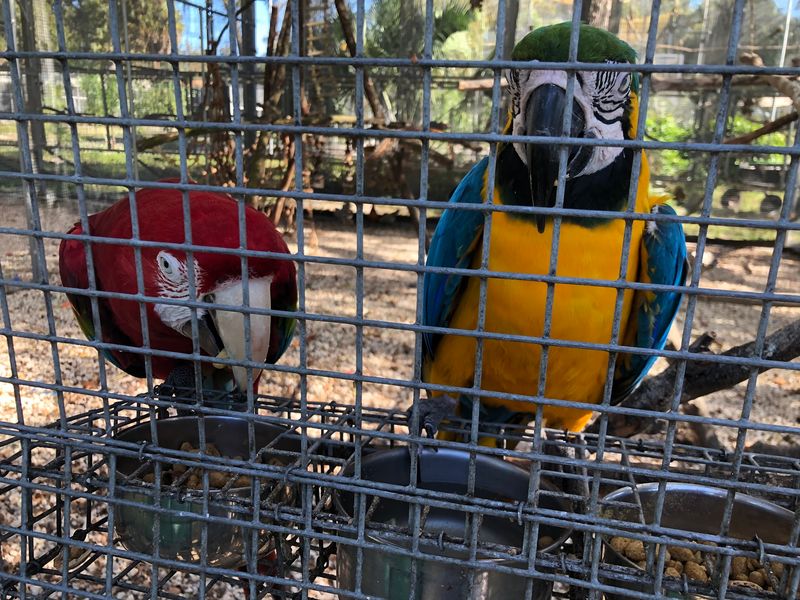
Hundreds of parrots do not do quiet. That is part of the charm, and also something worth planning for.
The birds can be very loud, especially when many of them call out at once. Guests who are sensitive to noise may want to bring ear plugs.
The sanctuary usually offers ear plugs too, and the team cheerfully admits the flock is loud. Still, packing your own pair is a smart backup.
Parents of young children may want to mention the noise before arriving. A little heads-up can keep the visit fun for everyone.
The noise is also a sign of an active, social flock. When birds call for a familiar guide as the group arrives, it shows how connected they are to the people who care for them.
Once you are prepared for the chorus, the next step is deciding who to bring along. The answer covers a surprising range of people.
Dates, Teens, Birthdays, and Group Outings
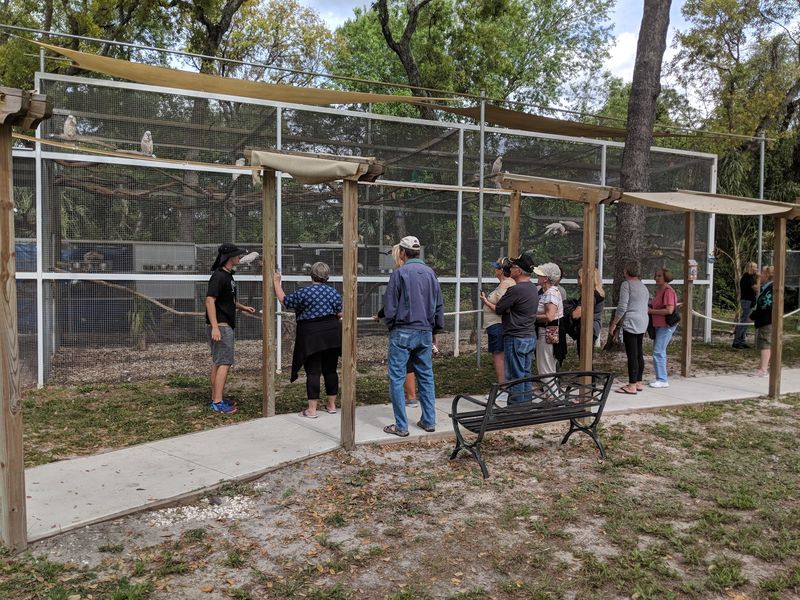
A bird sanctuary might not be the first idea for date night. Plenty of couples have found it works great.
The tour is often called a fun date idea, and it also suits families with kids. Parents with teens describe it as a fun day together that taught them a lot.
Groups do well here too. Community groups of around seven people have toured together and enjoyed the number and variety of birds.
The staff have also gone above and beyond to help with special moments, such as a birthday surprise for a dad. It makes the sanctuary a thoughtful pick for celebrating someone who loves animals.
Guests who feel shy around people have also felt welcome and comfortable on tours. That says a lot about the guides and the relaxed pace.
Animal lovers of any age will likely appreciate the work happening here. Before rounding up your crew, though, the schedule deserves a close look.
Hours, Booking, and a Soft Verdict
Timing matters here, because the window is short. The sanctuary operates from 11 AM to 2 PM, Monday through Saturday, and it is closed on Sunday.
Tours should be scheduled in advance, especially the High Flyer tour with macaw interaction. Check the official website, flabirdsanctuary.org, for tour types, costs, and booking details.
Bring ear plugs, wear clothes you do not mind a bird perching on, and leave time for questions. The guides love sharing stories, so there is no need to hurry.
Hudson is an easy drive for anyone in the Tampa Bay area or along Florida’s Nature Coast. It pairs nicely with a relaxed day on the Gulf side of the state.
So is it worth the trip? For anyone who loves animals, the answer is a confident yes.
You get hundreds of birds, guides who know them personally, and the chance to support a non-profit doing serious work. The lorikeets may be missing from the guest list, but the macaws more than make up for it.