Affiliate disclosure: As an Amazon Associate I earn from qualifying purchases. Learn more
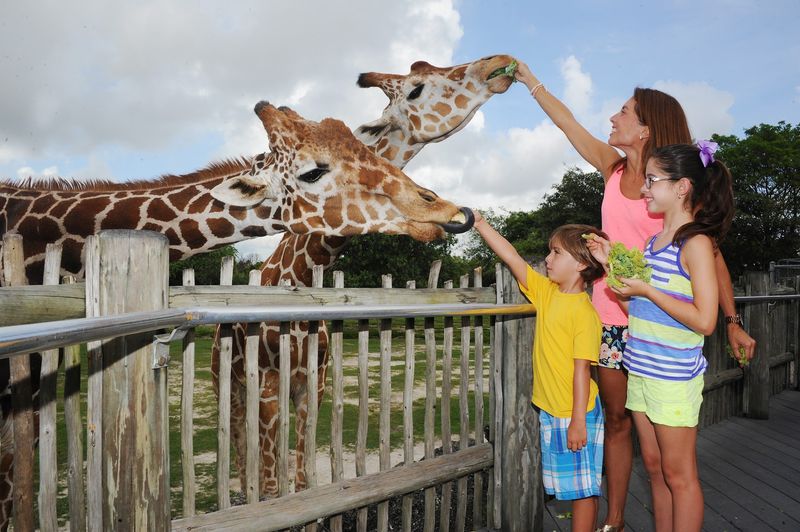
A pack of leaves costs about twelve dollars, and it buys a moment most kids never forget: a giraffe leaning down to take lunch right from their hands. No roller coaster line, no fifty-dollar parking, no mouse ears required.
Down in South Miami-Dade, a sprawling park of nearly 750 acres holds more than 3,000 animals, a splash pad, bike rentals, and a monorail. Families who make the trip often call it one of the best zoos they have ever seen.
On Mondays, admission has been offered for around fifteen dollars, which makes it one of the friendliest deals in South Florida. Keep reading to learn where it is, what to see first, how to beat the afternoon heat, and which extras are worth the money for a day that feels big without costing big.
A Wild Address in South Miami-Dade
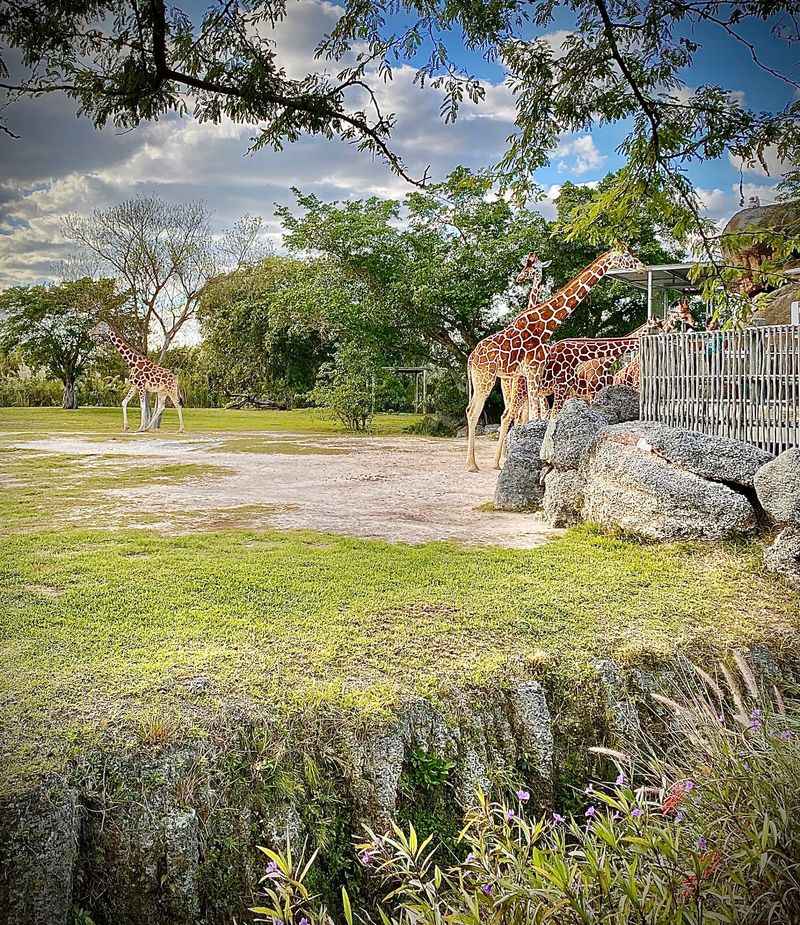
The mystery ends here. The giraffe-feeding destination is Zoo Miami, found at 12400 SW 152nd St, Miami, FL 33177, in the state of Florida.
Nearly 750 acres make up the grounds, and more than 3,000 animals live across them. Tropical plants fill the spaces between habitats, and a dedicated children’s area gives younger guests their own corner to explore.
Size is the first thing that surprises people. Plenty of families arrive expecting a quick loop and discover a park so large that walking all of it takes around four hours.
That scale is part of the appeal. The layout spreads animals into open, natural-looking habitats instead of tight rows of cages, so a visit feels more like a trek than a stroll.
The zoo sits well south of downtown, which puts it close to neighborhoods like Kendall and the Redland area. For local families, it is a realistic weekday or weekend outing rather than a vacation-sized commitment.
The zoo also carries a strong reputation, holding 4.5 stars across more than 20,000 opinions online. Out-of-state families from places with solid zoos of their own often leave pleasantly surprised.
So the question is not whether there is enough to see. It is how to see it all before closing time.
Leaves, Necks, and a Twelve-Dollar Thrill
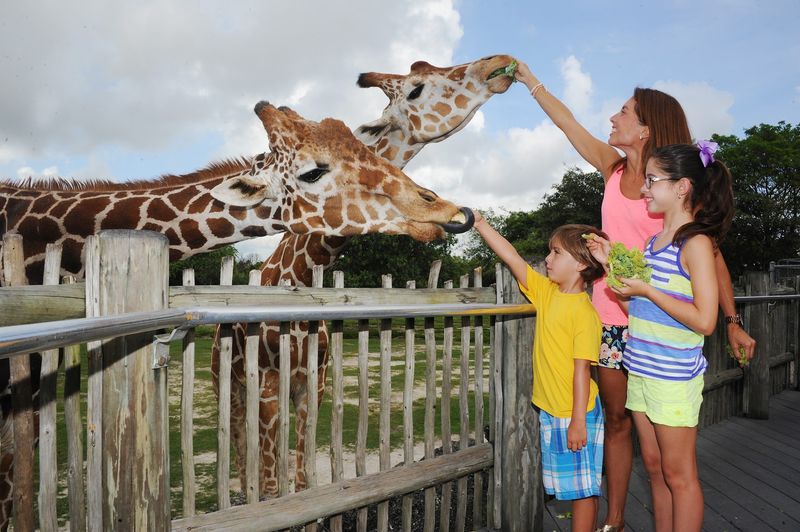
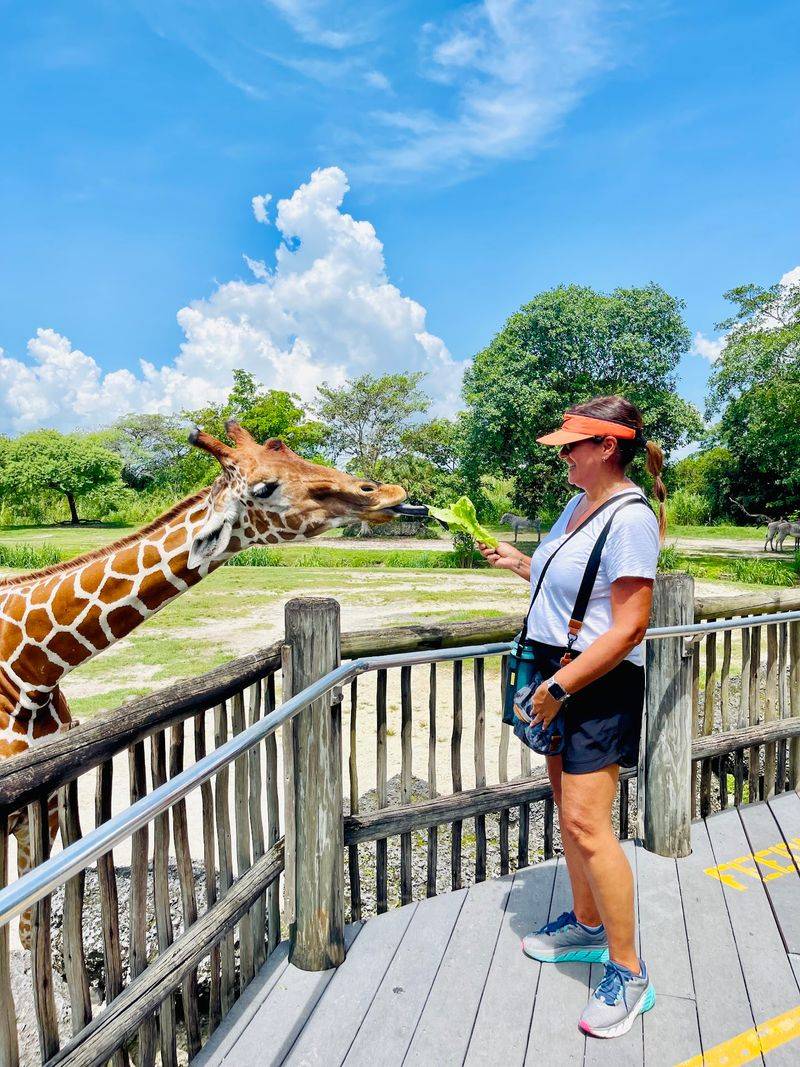
Ask the kids what they remember most, and the answer is usually a tall one. The Samburu Giraffe Feeding Station is the most talked-about spot in the whole park.
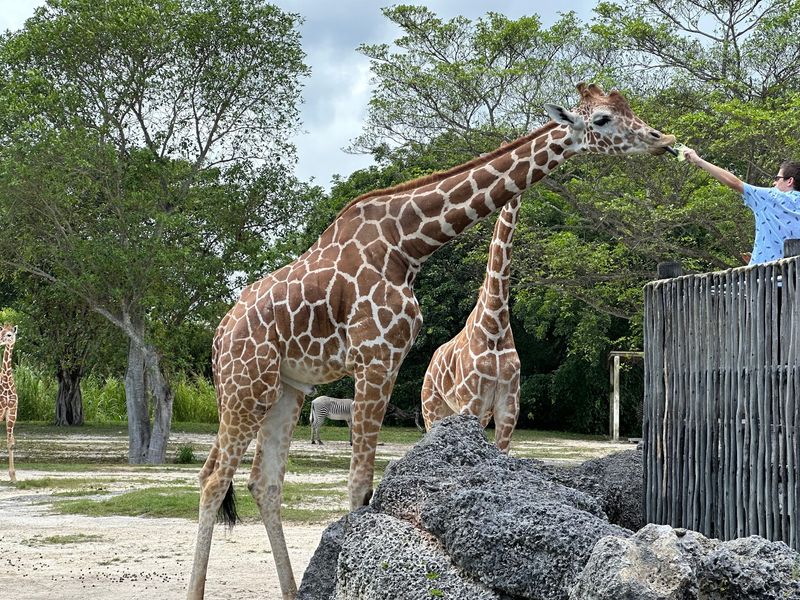
Here is how it works. Families buy a leaf pack, climb to the feeding area, and hold the greens out while the giraffes lean in to collect them.
Parents recommend the twelve-dollar leaves pack as the best value add-on of the day. For the price of a fast-food meal, a child gets a face-to-face moment with one of the tallest animals on Earth.
One rule catches some people off guard. Guests can feed the giraffes, but touching them is not allowed.
Most families take that in stride. The animals still come close enough for great photos, and adults tend to enjoy the experience just as much as the kids do.
Giraffes are not the only animals on the menu, either. Certain other species, including rhinos, can be fed through specific paid experiences.
Staff stay strict about the rest. Feeding any animal outside the approved programs is off-limits because each species follows a specific diet.
Plan to reach the station early if possible. It ranks as a must-do, and the line is part of the proof.
Habitats Built for Roaming
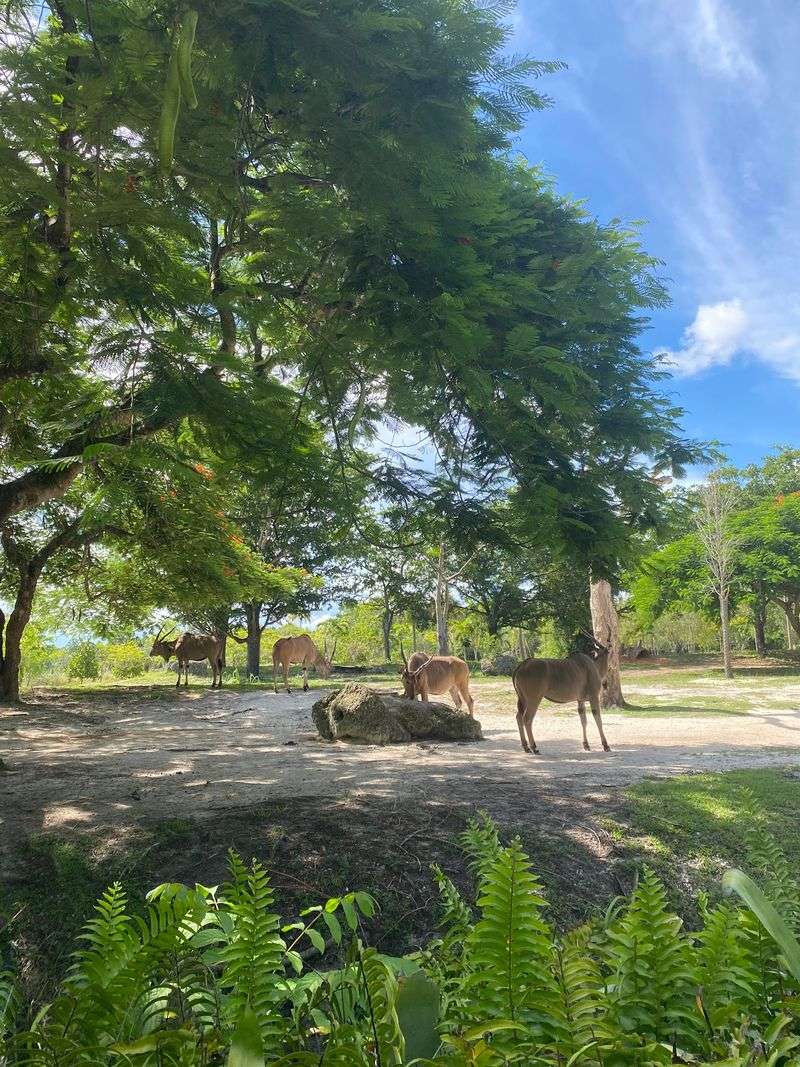
Fences exist, of course, but they are not what people notice. The design leans on wide, realistic habitats that give the animals room to move.
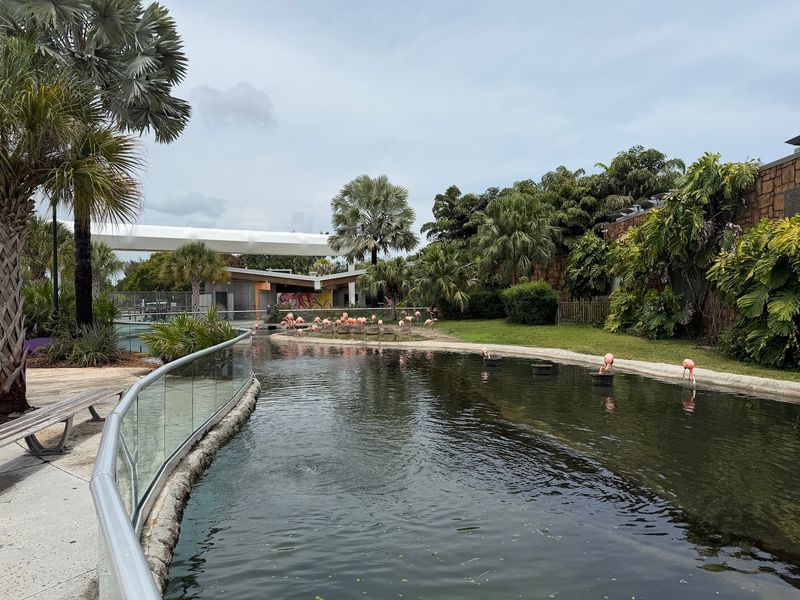
That approach shapes the entire visit. Elephants, zebras, elands, camels, and flamingos appear in spaces meant to resemble their native homes.
Many families describe the setting as the most beautiful they have seen at any zoo. The tropical, jungle-like landscaping does a lot of that work, with large flowering trees shading the paths.
There is a trade-off worth knowing. The zoo gives animals free choice to roam their habitats, which means they are not always in plain view.
Some guests leave wishing they had spotted more. Others see it as a sign that the animals are well cared for and living on their own terms.
Rotating habitats add another twist. Depending on the day, different animals may be out in a given space, so two trips can feel quite different.
A little patience pays off. Waiting a few minutes at a quiet exhibit often rewards viewers with a lion, orangutan, or zebra stepping into the open.
The Amazon Corner Everyone Talks About
Plenty of people pick a favorite zone, and the Amazon area wins a lot of votes. It pairs animal habitats with a large aquarium section.
Axolotls are one of the big draws inside. Some families plan their entire trip around seeing these unusual salamanders up close.
Fun fact: axolotls can regrow lost limbs, which makes them a favorite topic for curious kids.
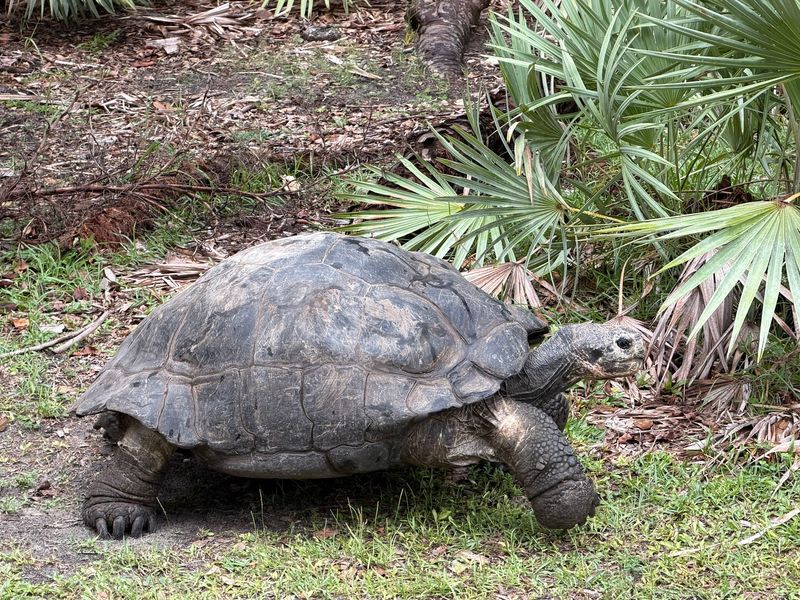
The area also shines because of the people who work there. Mammal keepers have been known to introduce guests to residents like a tortoise named Sheldon and a friendly sloth.
Those small interactions make the space feel personal. Watching a keeper work with animals that clearly trust her turns a quick stop into a real lesson.
Indoor exhibits also bring a practical bonus. Several areas around the zoo offer air-conditioned rest stops, a welcome break on a humid afternoon.
Add the Amazon area to the must-see list early in the day. It tends to become the story people share on the drive home.
Wheels, Rails, and Swan Boats
Sore feet are the most common souvenir here. Bike rentals are the most discussed topic of the entire park, and for good reason.
Rental options sit right at the entrance. Choices include bicycles, tandem bikes, surrey-style pedal carts for two to four people, strollers, scooters, and motorized vehicles for kids.
Prices vary by vehicle. A four-seat bike has run about $60 to $75 for three hours, which some families find steep and others call worth every cent.
Be warned that heavy loads make pedaling tough. Three adults plus two little ones can turn a fun cart into a workout, though the storage space for bags and drinks helps.
Prefer to sit back? A tram ride runs around $7, and the monorail is among the most mentioned features of the park.
For a deeper look, a VIP tour of about two hours has been priced around $90. Some find that cost high, so it suits animal lovers more than budget trippers.
Pedal swan boats float on the lake too. Booking rentals online ahead of time is a smart move on busy days.
Splash Pads and Playground Breaks

Animals are the headline, but water often steals the show for little ones. The splash pad and water park rank among the most mentioned features.
Kids can cool off between exhibits, which helps on the hottest days. Families with children who skip naps often plan a full-day visit just to fit this in.
Keep in mind that the water play area carries an extra fee. Pack swimsuits and a towel so the stop does not become a scramble.
Playgrounds are scattered across the grounds as well. One large playground near the Florida section looks especially impressive, and a carousel sits nearby.
Those breaks matter more than parents expect. Letting kids burn energy for twenty minutes can buy another hour of happy animal watching.
A children’s area rounds things out. It gives younger guests a space built around their size and attention span.
Balance is the secret here. Mix animal time with play time, and the whole crew stays cheerful until the gates close.
Keepers Who Share Their Secrets
Signs explain a lot, but people explain more. Daily keeper talks happen around select habitats throughout the day.
Look for the Meet the Keeper flags. They mark where these talks take place and signal a chance to hear directly from the staff who care for the animals.
Families who slow down to listen often leave with the best stories. The keepers tend to share details that no sign could cover.
Young volunteers also help explain animal encounters at various stops. Their enthusiasm adds a friendly touch to the educational side of the day.
Schedules do not always go perfectly. A planned feeding demonstration, such as one for tree kangaroos, has occasionally not happened as posted.
The free zoo app is the best tool for planning. It helps track talks and encounters so nothing important slips by.
Staff interactions vary from person to person, and most guests find the team friendly and helpful. Asking questions is encouraged, so feel free to start the conversation.
Beating the Miami Heat
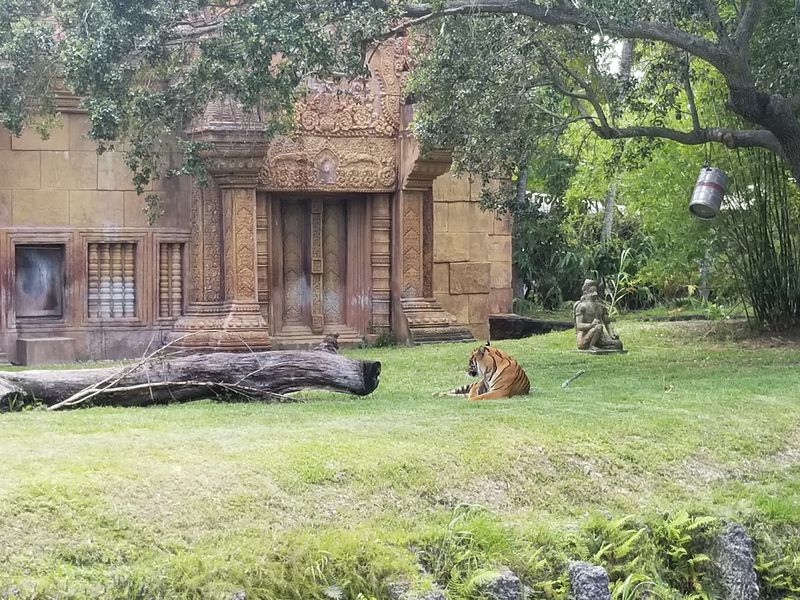
South Florida sunshine is not shy, and the animals know it. By afternoon, many retreat to the shade and become harder to spot.
Arriving right at the 10 AM opening is the most repeated tip. Mornings bring more active animals and more comfortable walking.
Summer is the toughest season for comfort. Families visiting in June describe very hot days and suggest cooler months when possible.
The zoo helps in practical ways. Free drinking water and refreshing spray showers are spread across the grounds.
Souvenir cups can even be refilled with free ice water. That small perk saves money and keeps everyone hydrated.
Shade covers many paths, though some stretches are more exposed. Packing smart makes a real difference.
Bring good walking shoes, light clothing, a hat, and sunscreen. With those basics covered, the heat becomes a challenge rather than a deal breaker.
Lunch Under the Royal Poinciana
Hungry explorers will not have to search long. Food stands, cafeterias, and refreshment stations are spaced around the park.
Options range from a burger spot to food trucks, with a kids play area near one of the main eateries. A picnic area under a royal poinciana tree makes a lovely place to sit.
Costs deserve an honest look. Some families find meals reasonable, while others report a lunch for two running around $75.
Budget-minded groups can plan around that. Eating a big breakfast before arrival and leaning on the free water stations helps trim spending.
Treats like shaved ice make a fun afternoon cooldown. Checking out the flavors at a food truck can become its own small event for kids.
Resting over lunch also resets energy levels. After a long morning of walking, a shaded table feels like a well-earned pit stop.
Plan the break for midday, when animals nap anyway. Everyone recharges, and the afternoon route feels fresh.
Hours, Mondays, and Money-Saving Moves
Timing is simple here. Zoo Miami opens daily from 10 AM to 5 PM, seven days a week.
Mondays deserve a spot on the calendar. Discounted admission of around $15 has been offered, making it one of the best-value days to visit.
Security and entry usually move quickly. Staff greet guests at the entrance, and the process tends to feel organized.
Buying tickets online saves time. Reserving rentals ahead is also wise, especially on weekends and holidays.
Plan for about four hours to cover the whole park on foot. A bike can shorten that, though many groups use the full rental window and more.
Local families often consider annual passes. For anyone within driving distance, repeat trips spread the cost across many outings.
Add-ons are where budgets stretch. Pick one or two, such as giraffe leaves and the splash pad, and skip the rest for a day that stays affordable.
A Worthy Trade for Theme Park Tickets
Theme parks sell thrills by the hour. This zoo offers something slower and more personal, and often for far less money.
Couples, friend groups, and solo explorers enjoy it too. Still, families with young kids tend to get the most out of the giraffe feeding, playgrounds, and splash areas.
Not every day is perfect. Some exhibits may be closed, and animals can hide in the heat.
Going in with the right plan solves most of that. Arrive early, grab a bike if walking is tough, and check the app for keeper talks.
The payoff is worth the effort. Clean grounds, healthy-looking animals, and wide tropical habitats make many people call it the best zoo they have visited.
For South Florida day-trippers, it checks every box. It is nearby, doable, and packed with moments kids will talk about for weeks.
So save the pricey park passes for another year. A handful of leaves and one very tall new friend might be all the magic a family needs.