Affiliate disclosure: As an Amazon Associate I earn from qualifying purchases. Learn more
A bison parks itself in the middle of the road, and nobody honks. Wolves circle the cars, black bears nap in the pines, and somewhere up ahead a grizzly is waiting for its lunch.
None of it is happening in Montana or Alaska. It is happening a short drive off Route 66 in Williams, right here in northern Arizona.
This spot mixes a drive-thru safari with a walk-through zoo, so the day starts behind the wheel and ends on foot next to jaguars, otters, and a black panther. Families plan whole road trips around it, and plenty of Arizonans still have not made the trip.
Keep reading for the animals worth waiting for, the shows worth timing your day around, the rules that catch first-timers off guard, and the smart moves that make the whole visit run smoother.
A Wild Stop on Route 66
Bearizona Wildlife Park sits at 1500 E Rte 66, Williams, AZ 86046, on the east side of a town already famous for its Mother Road charm. It is a wildlife and safari park, and it runs on a simple idea.
First, guests drive their own vehicles through large habitats filled with bears, wolves, bison, and mountain goats. After that, they park and explore a walk-through zoo called Fort Bearizona.
The combination is what makes the place stand out in Arizona. Most zoos ask for comfortable shoes from the first minute, while this one hands over a map and lets the car do the early work.
The park carries a 4.7-star standing across more than 15,000 opinions, which is a lot of happy road-trippers. That number tends to surprise people who have driven past the exit on the way to the Grand Canyon for years.
Williams sits along the northern Arizona route many families already take toward the South Rim. That makes the park an easy addition to an existing trip rather than a separate adventure.
Still, calling it a detour undersells it. For plenty of households, the canyon becomes the side trip once the kids hear bears are involved.
Pine Forest Backdrop
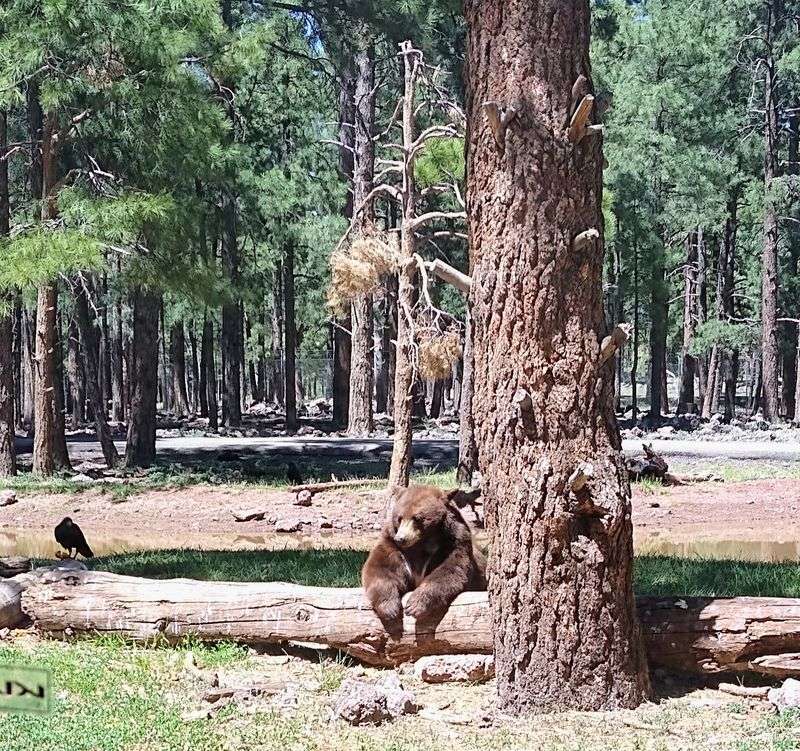
Forget any mental image of cactus and sand. The park is set in a Ponderosa pine forest, and those tall trees frame nearly every habitat along the route.
The northern Arizona scenery is a big part of the appeal. Winding roads curve through the woods, and the animals roam large, natural-looking enclosures instead of small pens.
That setting matters for the animals too. Grizzlies here have room to wander, trees to climb, and a big pond for swimming.
Here is a tip that families with young kids learn quickly. Look up into the trees, because bears sometimes rest high in the branches while everyone scans the ground.
The forest also explains why the park focuses so heavily on animals native to the region. Wolves, elk, and black bears fit right into this high-country landscape, so the whole experience feels tied to Arizona rather than dropped in from somewhere else.
For locals who mostly know the Phoenix heat, the pines can be a reminder of how varied the state really is. A day here proves Arizona has a lot more green than outsiders expect.
The Drive-Thru Safari Loop
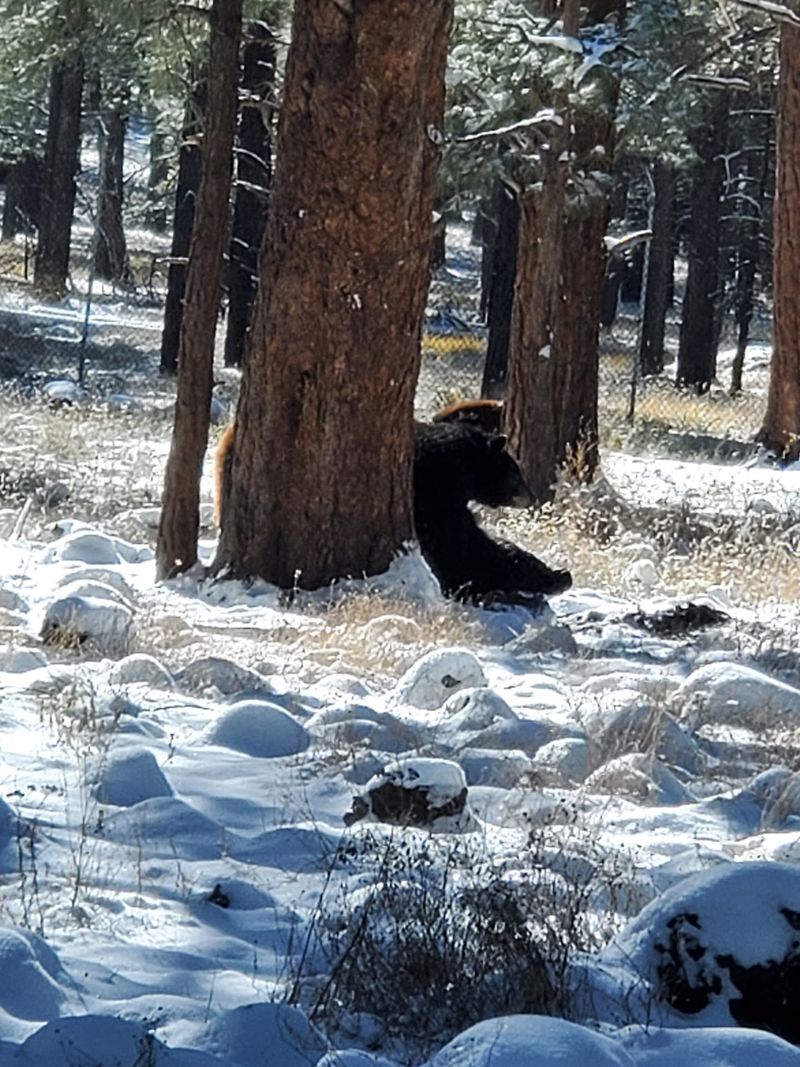
Tickets get checked at a booth near the entrance, and the staff hands over a map and stickers. From there, the road belongs to the animals.
Signs guide drivers through each area, so there is little chance of getting lost. The loop is not a rushed five-minute spin, yet it does not drag on either.
One family of grandparents and five small grandchildren timed it at about 40 minutes. That leaves plenty of energy for the walking portion afterward.
Now for the best rule in the park. Guests can go around the driving loop as many times as they want.
That changes everything on a sleepy afternoon. If the bears are napping on the first pass, a second trip later might catch them active and playing.
Some areas can back up a bit when cars bunch together near the loop sections. Waits of around 10 minutes are about the longest people mention, so a little patience goes a long way.
Windows should stay up in the predator zones, and nobody is allowed to feed the animals. The wildlife is close enough without any extra help.
Black Bears Beside the Bumper
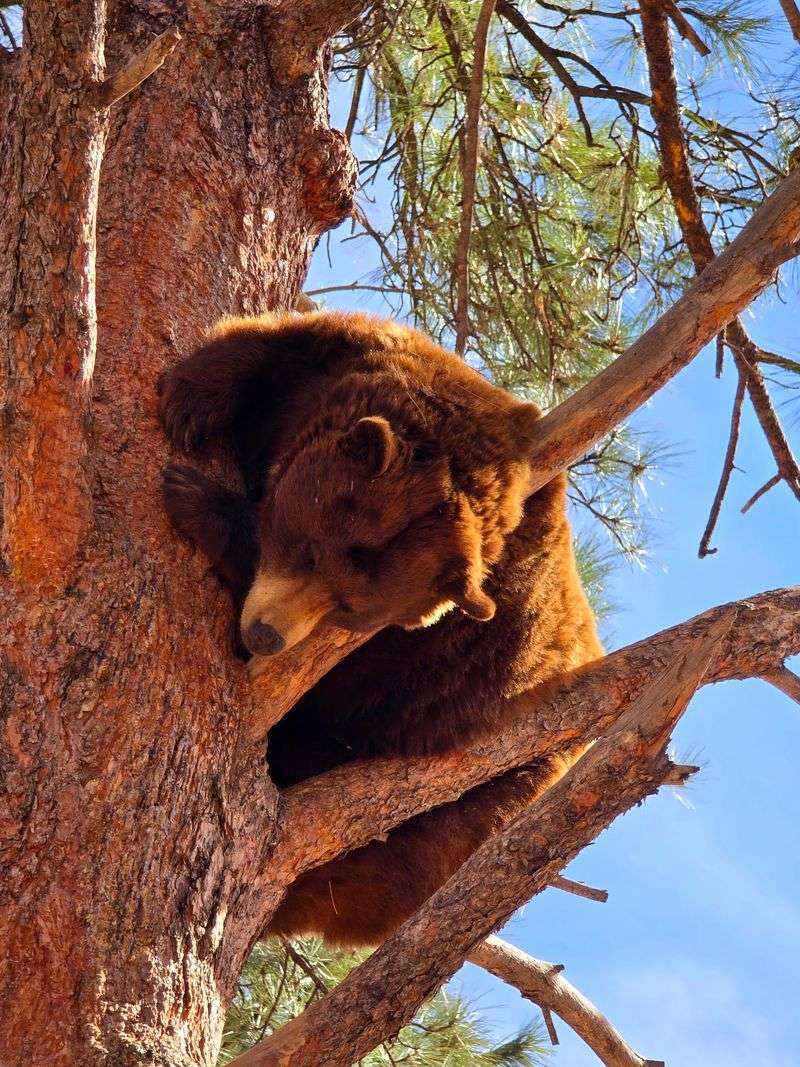
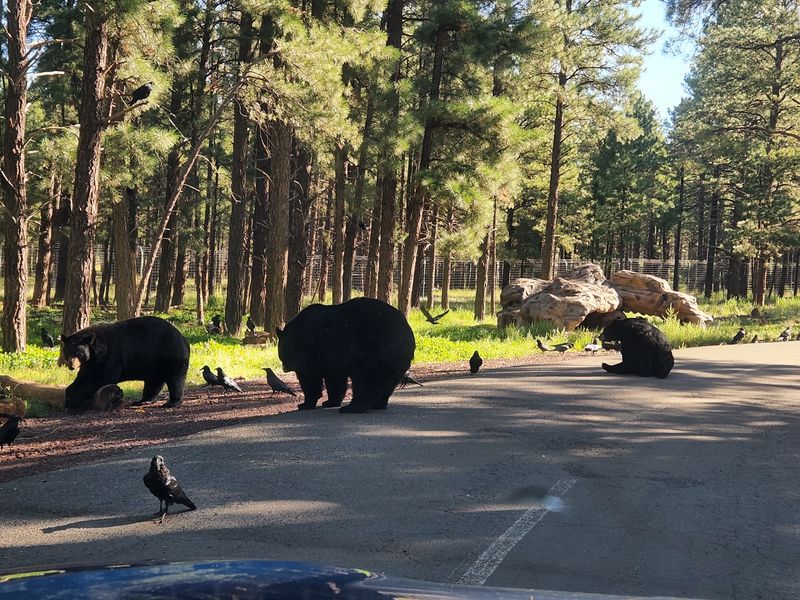
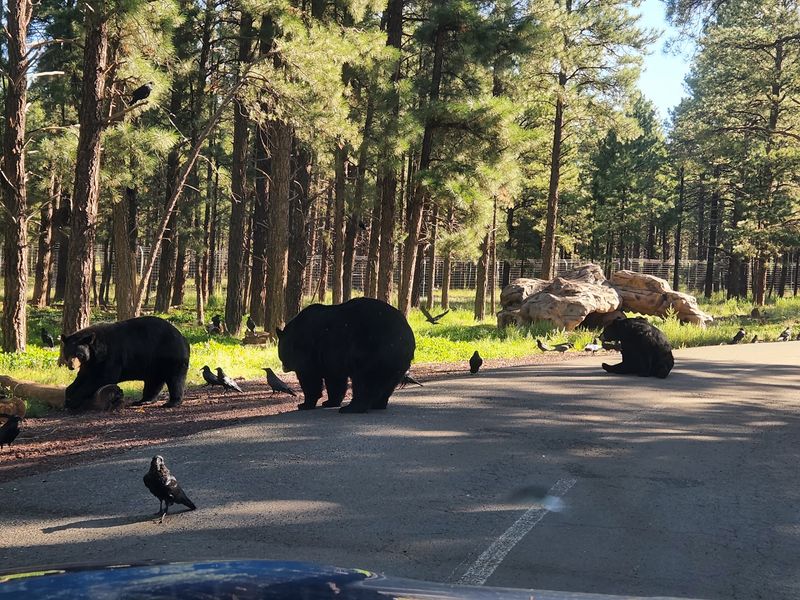
Fifteen to twenty black bears in one stretch of road is not a typical Tuesday for most drivers. At Bearizona, it is the headline act.
The black bears roam together, snacking on carrots and apples scattered by the staff. Even people who have toured other drive-through parks call this section a first.
Some days, the bears are relaxed and lazing around in the shade. Other days, they put on a full show, wrestling and scuffling right outside car doors.
That unpredictability is half the fun. Nobody can promise what the bears will be doing, which is exactly why the unlimited loops are so handy.
Photographers tend to fill their phones in this area. Families leave with hundreds of pictures, and a good share of them feature fuzzy black ears.
With a name like Bearizona, expectations run high. Happily, the bears bear the pressure well.
Wolves, Bison, and Roadblocks
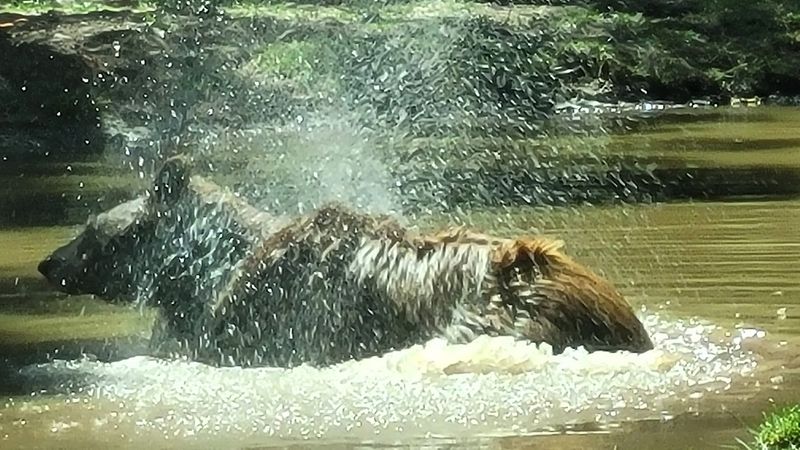
Wolves earn more buzz than any other animal here, even edging out the bears. It is easy to see why once a pack starts circling the vehicles.
They move close to the cars and trot along the roadside. Keeping windows closed is not a suggestion in this stretch.
Then come the bison, the park’s unofficial traffic control. A bison blocking the road for a couple of minutes is a common story, and there is no arguing with a creature that large.
Spring visits can bring an extra treat. Newborn bison calves have appeared along the route, tucked near the herd.
Elk share the drive as well. In the right season, the velvet on their growing antlers can be seen up close, which makes a fun lesson for curious kids.
The drive also passes mountain goats, among other species. Each area feels like its own chapter, so conversations in the car rarely run out.
Some people compare the moment the gates open to entering Jurassic Park. Thankfully, the residents here are a lot more familiar.
Fort Bearizona on Foot
Once the car is parked, the second half of the day begins. Fort Bearizona is the walk-through zoo section, and it offers a different angle on wildlife.
It is smaller than the drive, yet it still holds plenty. People usually spend about an hour and a half to two hours here, and some linger longer.
The paths lead past open-air pens where animals relax in the sun. Smaller creatures, playful critters, and birds of prey live here alongside some of the park’s biggest names.
Foxes dart around their spaces, and American badgers make appearances too. Interactive spots keep younger kids busy between exhibits.
The area is clean and well maintained, which comes up again and again. Even people who have worked at zoos and wildlife sanctuaries leave impressed by the habitats and the care.
One small warning for parents. Viewing glass is for viewing, not drumming, so a quick reminder before walking in keeps things calm for everyone, animals included.
Jaguars and a Black Panther
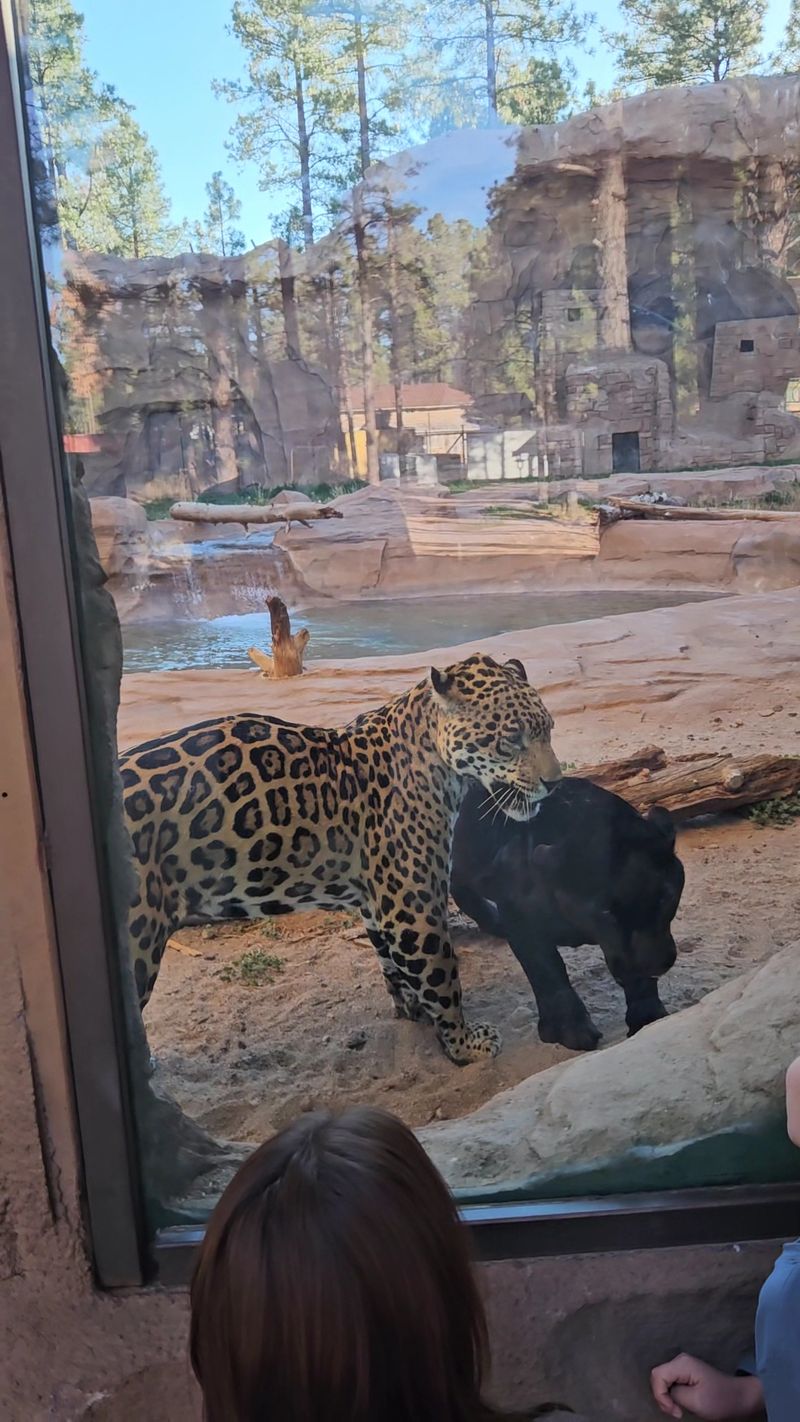
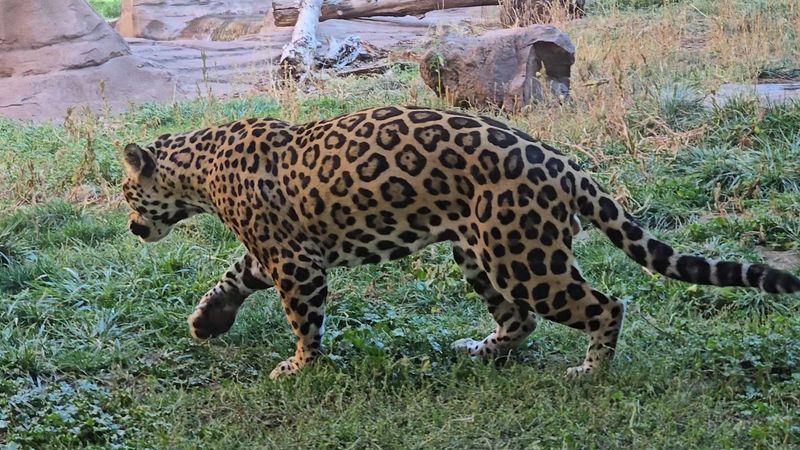
Big cats steal the spotlight in Fort Bearizona. Jaguars rank among the most talked-about animals in the whole park.
These powerful cats live in the walk-through area, where guests can study them from a closer vantage point than the car allows. Their spotted coats make them easy favorites for photos.
Then there is the black panther. For many guests, seeing one up close is a brand-new experience, and it often becomes the favorite moment of the walking tour.
Bobcats round out the cat lineup. They are smaller, but they hold their own in the crowd-pleaser department.
The big cats are a nice counterpoint to the forest giants out on the drive. After an hour of bears and bison, a sleek jaguar changes the energy entirely.
Patience pays off here. A cat that seems to be sleeping may shift into view with a little waiting, so it is worth a few extra minutes at the glass.
Otter Antics
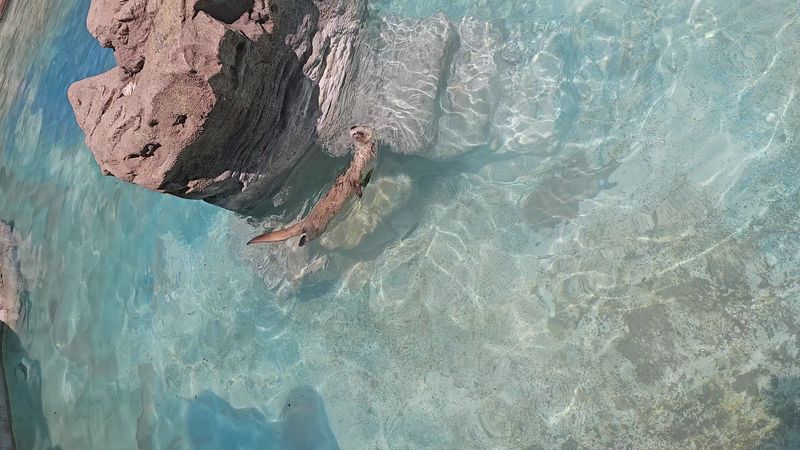
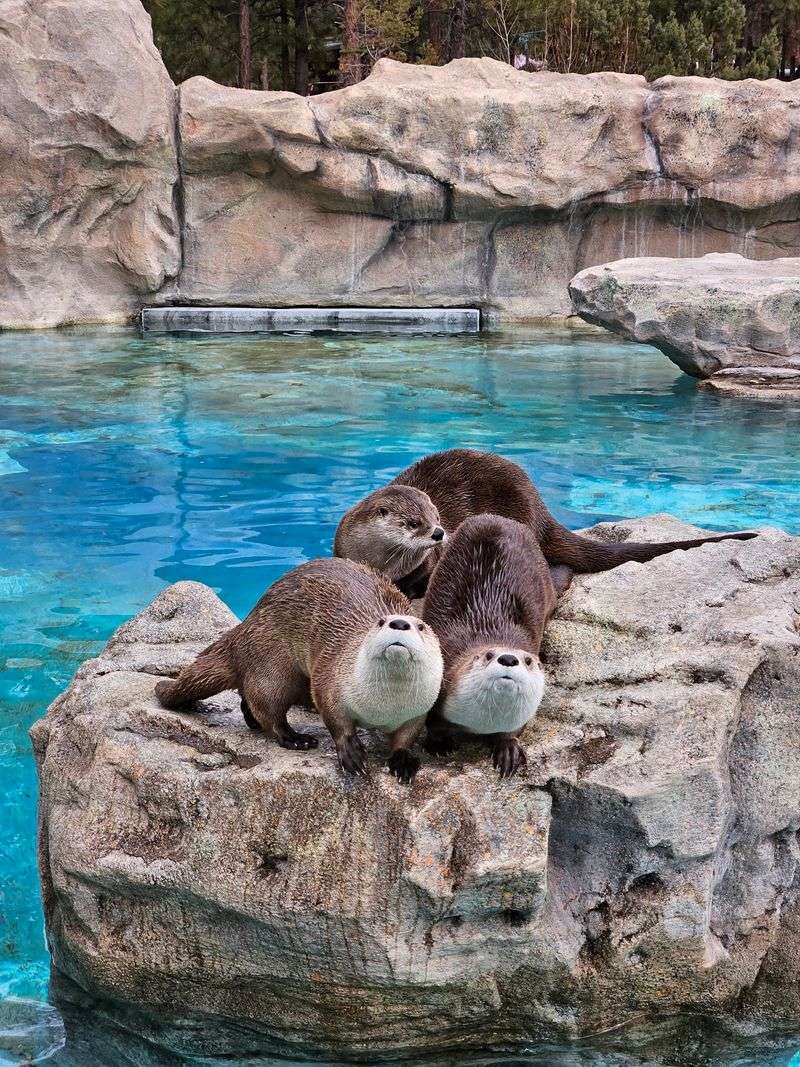
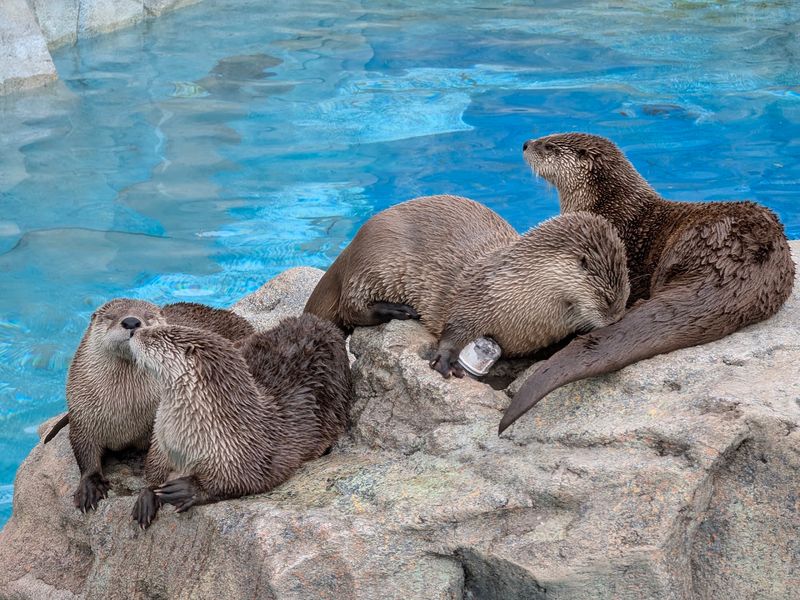
Every zoo needs a comedian, and the otters take the job seriously. They are one of the most mentioned animals in Fort Bearizona.
Otters rarely stay still for long. That constant motion makes their exhibit a reliable stop for kids who might be losing steam after a long morning.
They also offer a welcome change of pace from the heavyweights. After watching grizzlies and jaguars, a playful otter is a light and cheerful break.
Families with younger children often plan a return trip past the otters before leaving. It is hard to find an animal that wins over three-year-olds and grandparents quite as easily.
The otters fit the park’s larger theme of letting animals behave naturally. Their space gives them room to swim and explore, which keeps the entertainment genuine.
Call it the most fun you can have without getting wet. The otters, of course, get wet enough for everyone.
Grizzly Feeding Time
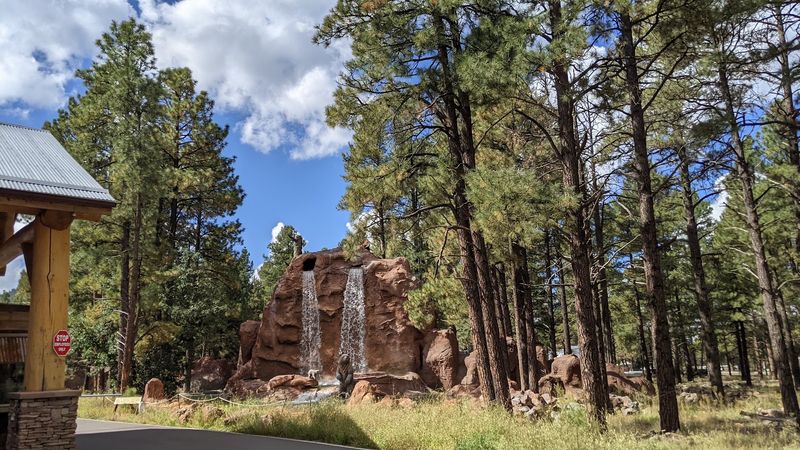
Mark 10:30 a.m. on the calendar. That is when grizzly encounters have been held, and they are one of the park’s top events.
The grizzlies live in a very large habitat with a big pond, trees to climb, and logs to walk over. During the talk, keepers feed the bears fish and a carnivore diet while guests watch.
The best part may be the stories. Keepers share details about each bear’s personal history and explain the park’s conservation and rehabilitation work.
Guests also hear about the training program the bears go through. It turns a feeding into a real lesson on how the staff cares for such huge animals.
Even people from Montana, who have seen grizzlies in the wild, call this a highlight. The passion of the keepers comes through clearly.
Schedules can change, so checking before arrival is smart. Missing the grizzlies would be a real bear of a mistake.
Birds of Prey and BZ Wild
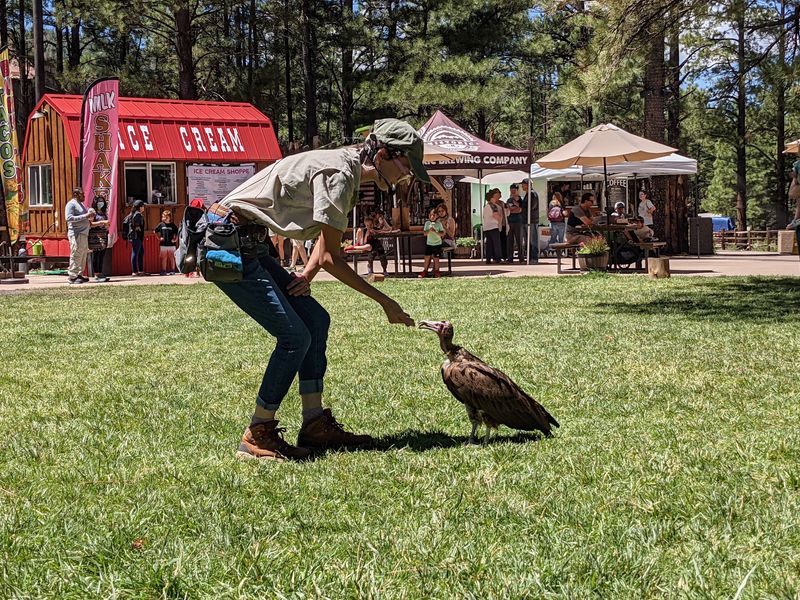
Shows run throughout the day in the walk-through area, and the raptor show is a standout. Birds of prey take center stage, and crowds call it well worth the time.
It is one of those programs that works for every age. Little kids get the thrill of big wings, while adults pick up facts they did not know.
The BZ Wild program is another option in the lineup. It has a reputation for being lively and fun.
Educational presentations appear in other spots too. Together, they give Fort Bearizona a rhythm that keeps families moving from one stop to the next.
Timing the day around these shows helps. A quick look at the schedule on arrival makes it easy to catch the raptors without rushing the rest of the walk.
After all, the birds are always on time. Guests should try to be too.
The VIP Tour Upgrade
For animal fans who want to go deeper, there is a VIP tour. It adds a guided bus ride with a knowledgeable driver and the chance to meet a couple of animals behind the scenes.
Those animal meetings include a bit of interaction, and they tend to be the most adorable part of the tour. The whole experience lasts about an hour and a half.
Groups stay fairly small. A Sunday morning tour, for example, carried only around 20 people.
Now the cost part. The VIP ticket is purchased on top of general admission, and together they came to roughly $125 per person with fees and taxes.
That is a real splurge, though those who booked it say it paid off. A complimentary drink is included either before or after the tour.
Buying online in advance is the smart approach. The upgrade is not required for a great day, but it makes a memorable birthday or anniversary treat.
Refueling and Souvenirs
Hungry explorers have options. The Canyonlands Restaurant inside the park earns steady praise for helpful staff and a fun canyon-themed interior.
Other spots around the walk-through area serve sweet treats and quick bites. One favorite cool treat comes from a stop called the Ohana.
Packing your own snacks is also allowed. Guests can bring in their own food and water, which helps families stretch the budget.
Gift shops are scattered throughout, including a big one near the zoo area. Expect plenty of unique souvenirs, many with bears on them, naturally.
One timing detail matters here. Many gift shops and indoor stops do not open until 10 a.m., even though the gates open at 9.
That makes an early start perfect for animals first and shopping later. Stuffed bears can wait an hour.
Hours, Passes, and House Rules
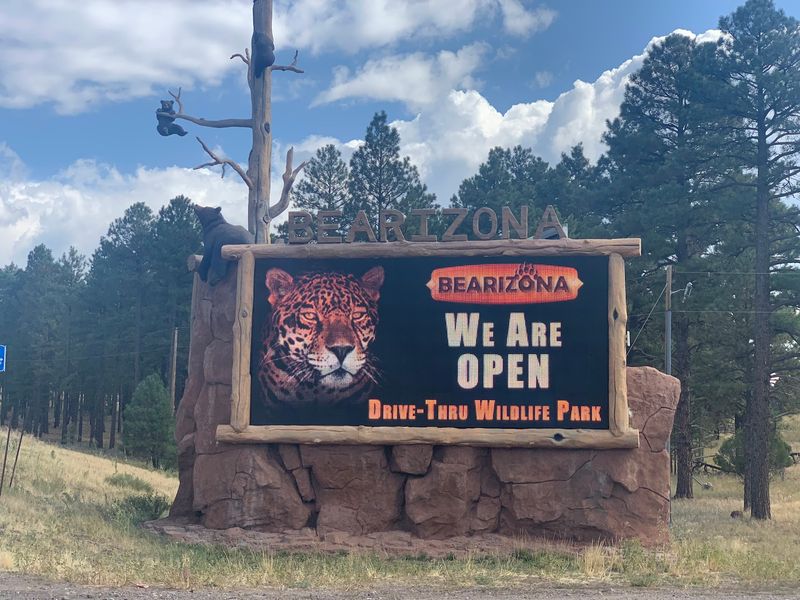
The park is open daily from 9 a.m. to 4 p.m. That closing time comes fast, so arrive at least an hour and a half before close.
One family learned the hard way, missing entry because they showed up too late. They came back the next year and headed there first thing.
Early arrivals also tend to see more active animals. Plan for a few hours to cover both halves comfortably.
The official Bearizona app is worth downloading ahead of time. It handles tickets, lists show schedules, and offers an audio-guided driving tour with animal facts.
Know the re-entry rule. Once you leave the park, there is no coming back in that day.
Dogs are allowed in the drive-thru portion but not in the walk-through area. Plan to take turns or leave pets home, and only rely on the car if it stays climate controlled.
Sun hats are a good idea, along with water bottles and comfortable shoes. Annual passes, including a Bronze level, are available for repeat trips.
Worth the Drive to Williams
Some attractions entertain the kids while adults check their watches. Here, grown children rediscover their inner eight-year-old the moment the first bear wanders by.
That shared joy is the real draw. Parents often say the best view of the day is watching their kids take it all in.
The park suits nearly everyone. Toddlers, teens, grandparents, and seasoned wildlife lovers all find something that clicks.
Guests who have traveled across the country still rank it among their top stops. Some buy annual passes before leaving because they already know they will return.
For Arizonans, the park is a reminder that world-class wildlife encounters do not require a flight. They sit along Route 66 in the pines of Williams.
Bring patience, a charged phone, and a willingness to loop the drive twice. The bears, wolves, jaguars, and otters will handle the rest.