Affiliate disclosure: As an Amazon Associate I earn from qualifying purchases. Learn more
Some Florida road trips end at a theme park gate, and some end with a spoonbill standing a few yards from your side mirror. Just outside Titusville, a one-way wildlife road rolls through marsh and levee country at the speed of a slow bicycle.
Alligators rest along the banks, ospreys hunt overhead, and manatees sometimes gather in the shallows nearby. The best part is how easy it is to reach from Orlando or the beaches of the Space Coast.
Families, photographers, and anyone with limited mobility can see a lot without leaving the car. This guide covers where to start, which drive to try first, when to go, and what to pack.
Keep reading, because the quietest stretch of road in Brevard County might be the most exciting one you drive all year.
A Front Door to 140,000 Wild Acres
Every big adventure needs a starting line, and this one comes with a parking lot and a friendly welcome desk.
The Merritt Island National Wildlife Refuge Visitor Center sits at 1987 Scrub Jay Way #32782, Titusville, FL 32782, in the United States. It serves as the main hub for a sprawling refuge on Florida’s Space Coast.
The refuge itself covers roughly 140,000 acres. That is far too much ground for a single afternoon, which is exactly why the visitor center makes such a smart first stop.
Inside, staff and volunteers share maps, tips, and updates on where wildlife has been showing up. Many people head out afterward knowing exactly which road or trail to try first.
The preserve offers hiking, fishing, and hunting across a wide mix of habitats. Marshes, waterways, and scrub all share space here, and each one supports its own set of animals and plants.
Parking is ample, and the facilities are well kept. That makes the center an easy launch point for a half day or a full day of exploring.
Think of it as the table of contents for a very long, very wild book.
Wilderness Next Door to Rockets
Few nature preserves can claim a rocket launch complex as a neighbor.
The refuge sits right beside Kennedy Space Center on Florida’s Space Coast. That unusual pairing gives the area a character unlike any other wildlife spot in the state.
Much of the land here stays protected, which keeps it wild even as launches happen nearby. The result is a landscape where marsh birds and space history share the same horizon.
The setting is peaceful and slow-paced. It gives people a chance to learn about the refuge and see natural Florida the way it looked long before the resort towns arrived.
Many travelers find the refuge on the way to Playalinda Beach or Canaveral beaches. A quick detour often turns into a much longer stay than planned.
The mix of protected habitat and nearby wildlife viewing areas makes the visitor center a helpful introduction to the whole region. It connects the dots between the beaches, the space center, and the wetlands in between.
Space may be the final frontier, but this corner of Florida proves the first one is still going strong.
Volunteers With the Inside Scoop
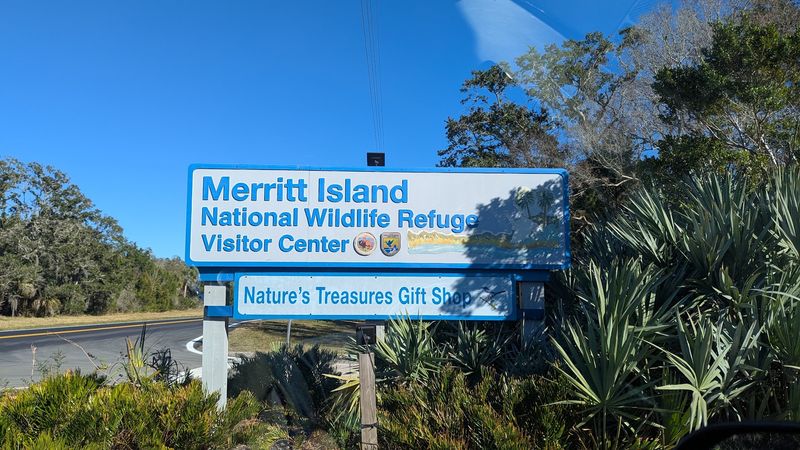
Good directions can save hours, and the people behind the desk here hand them out freely.
Staff and volunteers at the center have a reputation for enthusiasm. They share useful information on current wildlife sightings, the best drives, and how to make the most of limited time.
That help matters because the refuge is huge. Knowing which area is active on a given day can make the difference between seeing a few birds and seeing dozens of species.
Many people stop in, get a quick briefing, and then head straight for the boardwalk and the wildlife drives. It is an efficient way to plan a short visit.
Questions about manatees, gators, or migrating birds are all fair game. Volunteers often know which spots have been busy recently.
A few minutes at the counter can shape the entire day. Travelers with only three or four hours before sunset especially benefit from that local knowledge.
Consider it the cheapest tour guide in Brevard County, since the advice comes at no charge.
The Boardwalk Behind the Building
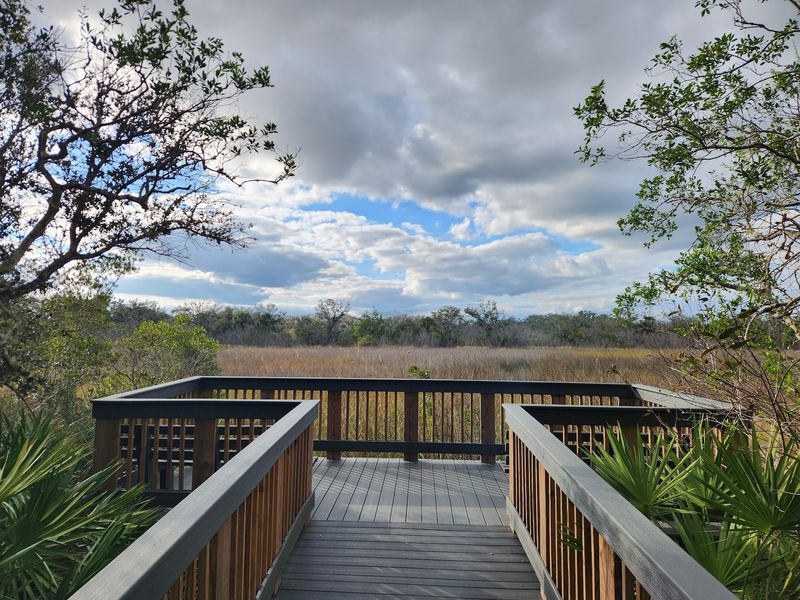
Not every trail needs hiking boots.
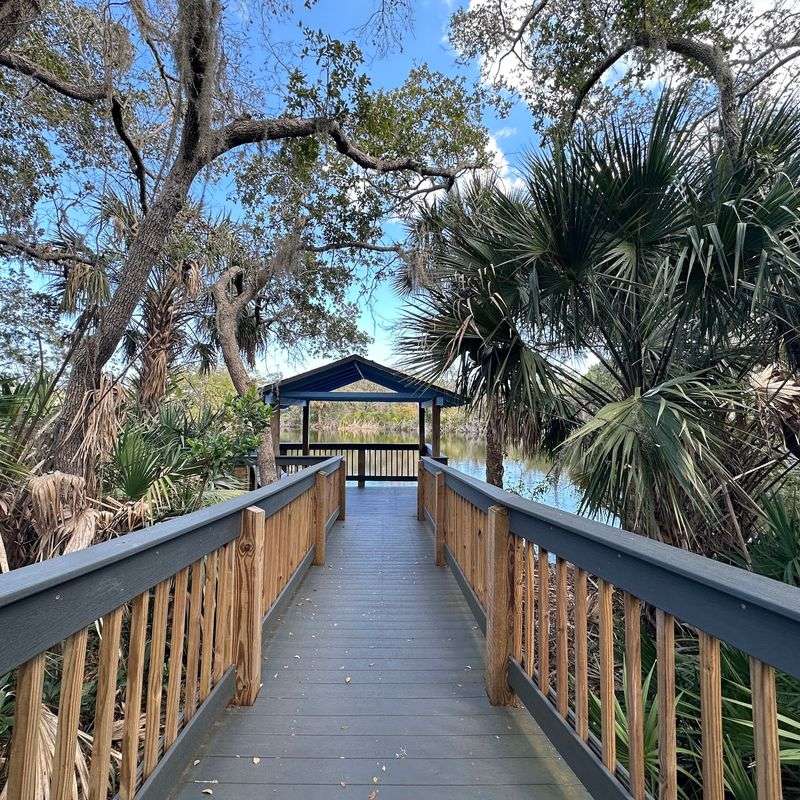
Right behind the visitor center, a boardwalk stretches roughly three-quarters of a mile. It makes a great warm-up before heading out on the longer drives.
The walk is short and easy. It offers nice views and plenty of birds, which is why many travelers treat it as their first stop of the day.
It also works well for anyone passing through on the way to the beach. A quick loop gives a taste of the refuge without committing to a full afternoon.
The boardwalk comes up often in conversations about this place, and for good reason. It combines convenience with a real chance of seeing wildlife close to the building.
Families with young kids appreciate the manageable distance. Photographers like it as a spot to test their gear before the main event.
Short, simple, and full of feathers, it is the kind of stroll that tends to lead straight to the car keys and the next adventure.
Seven Slow Miles on Black Point Wildlife Drive
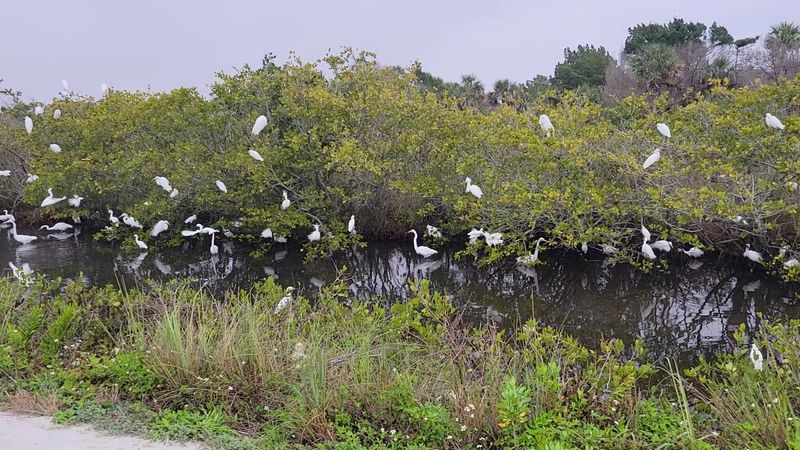
Five miles per hour sounds painfully slow until an alligator appears beside the road.
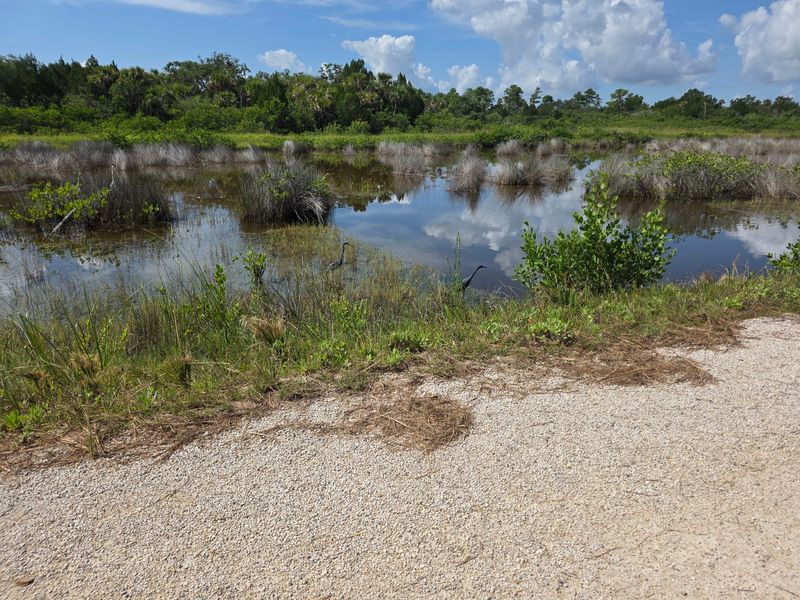
Black Point Wildlife Drive is the star of the refuge. The self-guided route runs about seven miles through marsh habitat, with pull-offs and spots to stop and walk along the way.
Driving at around 5 mph is the recommended pace. That speed gives everyone time to spot birds, gators, and turtles before they slip out of view.
Many fans suggest going early in the morning and starting with Black Point first. Early light and cooler temperatures often mean more activity.
The drive changes with the seasons. Migrating birds pass through at different times, so repeat trips rarely look the same.
Alligators are sometimes out on sunny days, lounging along the water. Spoonbills, egrets, and white pelicans are frequent highlights too.
The road does not rush, and neither should you, since the best sightings tend to reward patience.
Rules of the One-Lane Road
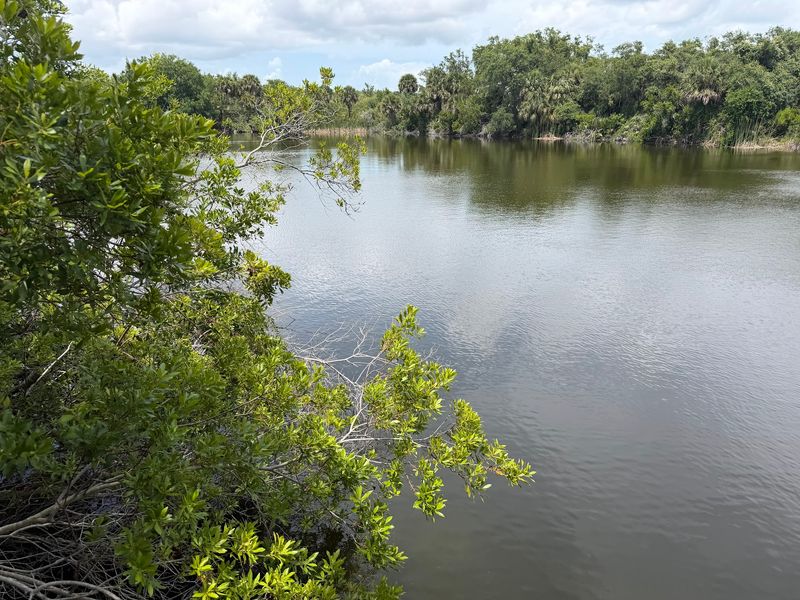
Patience is the unofficial toll on this road.
The wildlife drive is a one-way, single-lane route. When someone stops for a photo, traffic behind them waits.
There are places where considerate drivers can move over so others can pass. Using those spots keeps things moving and keeps tempers calm.
A lot of photographers visit the refuge. Many pull to the side and step out to get their shots, which can slow the flow a bit.
Going in with a relaxed mindset helps. The drive is meant for slow viewing, not quick errands.
Wildlife sightings can be hit or miss. Some trips bring gators and spoonbills at every turn, while others are quieter.
Hot weather, in particular, can make animals harder to find. On very warm days, even the gators may stay out of sight.
A little courtesy on the road goes a long way, and a full tank of patience goes even further.
Gators on the Guest List
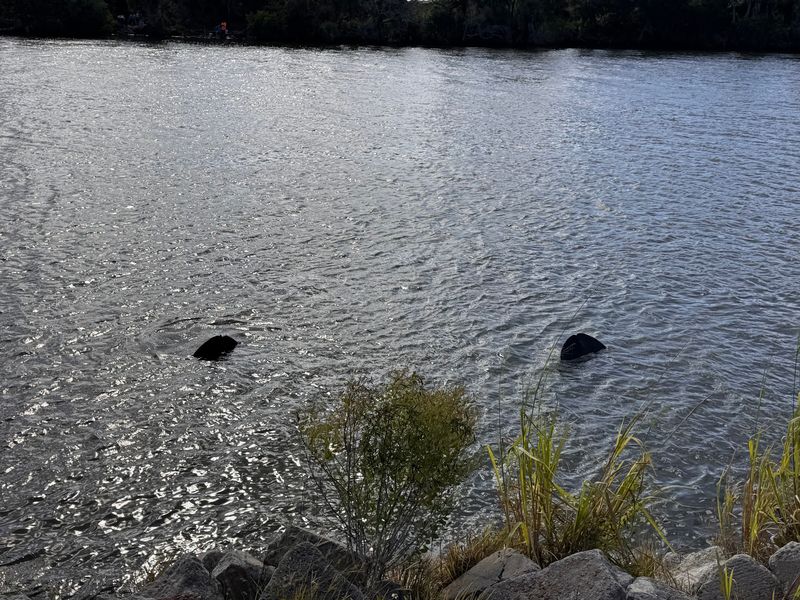
Alligators are the refuge’s most talked-about residents, and they rarely need an invitation.
Gators come up constantly in conversations about this place. Alligator viewing is one of the main reasons people make the trip to Titusville.
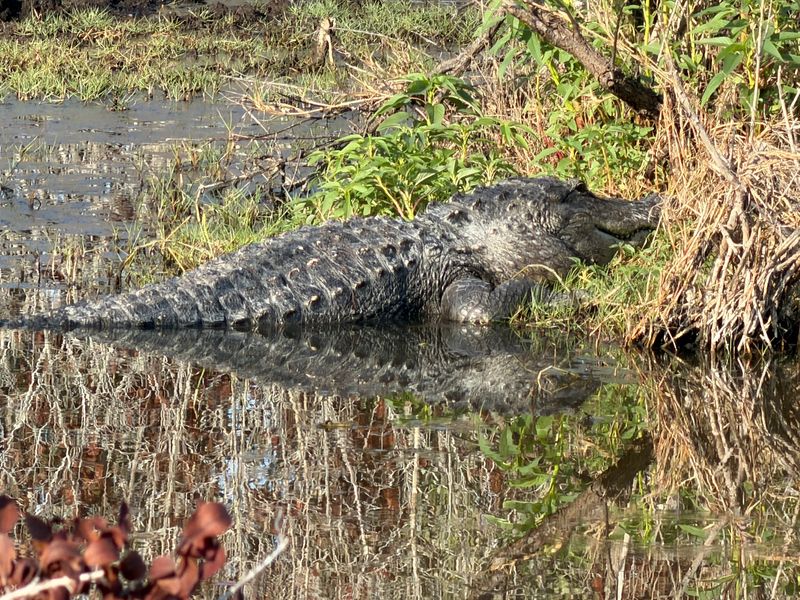
Sunny days tend to bring them out. They often rest along the banks of the marshes and canals beside the drives.
Sizes vary, too. Some trips turn up large adults, while others reveal a tiny alligator tucked near the water’s edge.
The car provides a comfortable viewing platform. Many sightings happen right from the window, no long hike required.
Of course, there are no guarantees. On especially hot days, some people leave without spotting a single gator.
Timing and weather both play a role. Mild, sunny mornings are usually a good bet.
Keep a respectful distance, keep the camera ready, and let these scaly locals do what they do best, which is mostly nothing at all.
Pink Spoonbills and a Parade of Wading Birds
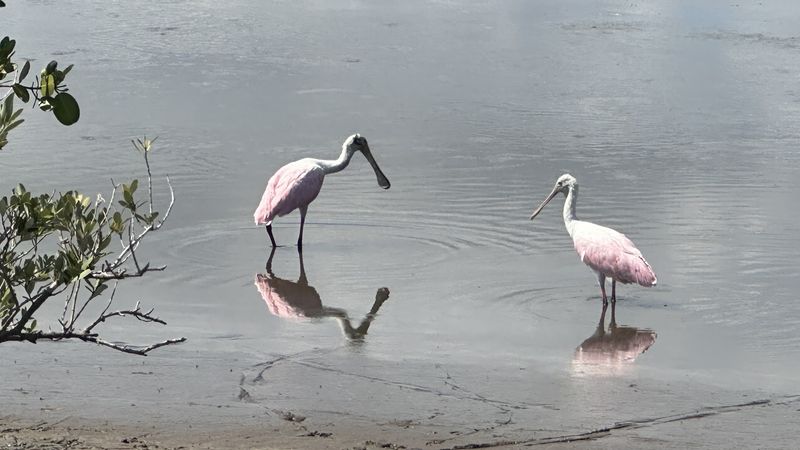
Birders tend to lose track of time here, and it is easy to see why.
Bird watching is the single most mentioned activity at the refuge. The list of species is long and keeps changing with migration.
Roseate spoonbills are a favorite sighting. Their pink feathers make them easy to pick out along the marsh.
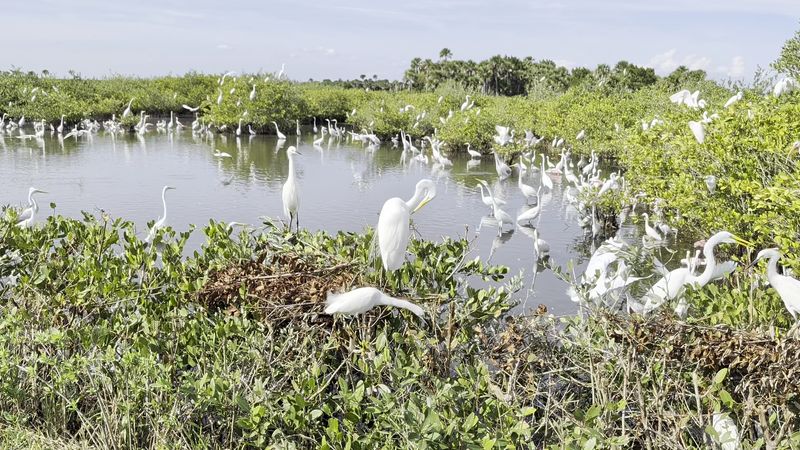
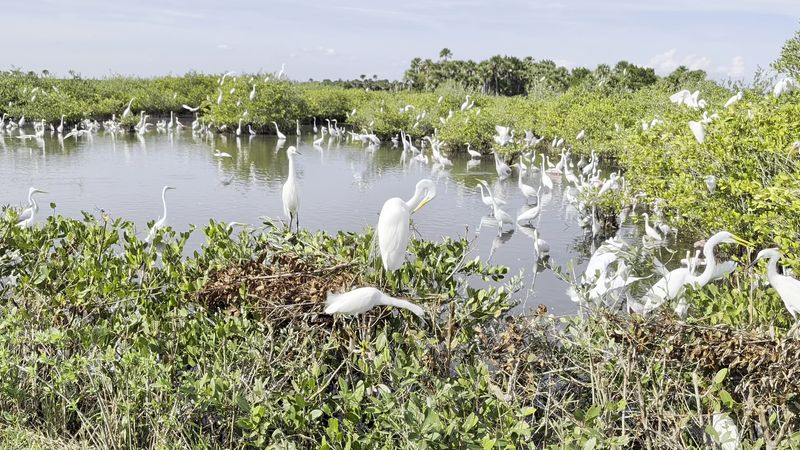
Herons and egrets show up in good numbers. Tricolored herons and white egrets often feed in the shallows beside the road.
White pelicans, kingfishers, and a wide variety of waterfowl round out the cast. Winter trips can bring especially busy scenes.
Many consider this one of the best places in Florida for bird photography. The open marsh and slow drive make it easy to line up a shot.
Some people say they could spend all day out here with binoculars. That is not an exaggeration for serious birders.
Bring a field guide, because the checklist fills up fast.
Ospreys Overhead
Look up, because some of the best action happens in the sky.
Ospreys are a common sight across the refuge. In winter, some people report seeing them in the hundreds.
These fish-hunting raptors patrol the waterways and marshes. Catching one mid-flight with a fish in its talons is a prize photo for many.
Late afternoon can be a rewarding time to watch them. Ospreys often stay active toward the end of the day.
They share the skies with other birds, from kingfishers to wading birds lifting off the marsh. Keeping an eye upward adds a whole new layer to the drive.
A camera with a decent zoom helps. So does a bit of luck with timing.
Even without a photo, watching an osprey work the water is a memorable part of a refuge visit.
Sharp-eyed and busy, these birds give the phrase fast food a whole new meaning.
Where Manatees Show Their Tails
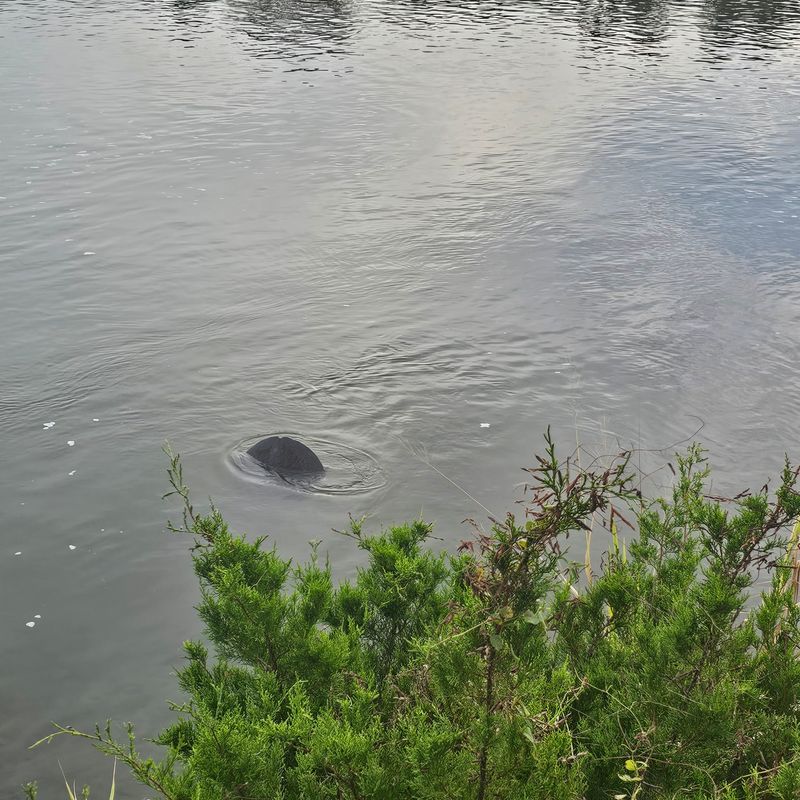
Around twenty manatees in one spot is not a typo.
The refuge has a dedicated manatee viewing area, and it is a crowd favorite. Manatees are one of the most mentioned highlights of a trip here.
In late October, some people have found about twenty manatees feeding along the river bottom. Their wide, paddle-shaped tails were easy to see from above.
Manatees also turn up across the way near the boat launch. At times they roll around in the shallower spots.
Sightings are never guaranteed, since these animals move with the water and the seasons. Checking with the visitor center first can help.
Dolphins and a variety of fish also appear in these waters. It adds to the feeling that almost anything could surface.
Watching quietly from shore is the best approach. Manatees are protected, and giving them space keeps everyone happy.
For many travelers, this stop turns a good day into a great one.
Trails, Levees, and Gravel for Two Wheels
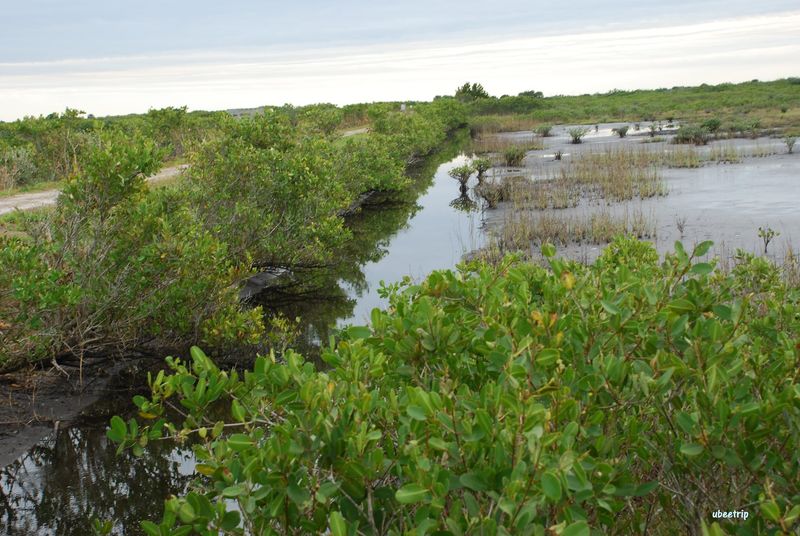
Cars are not the only way to cover this ground.
The refuge offers plenty of trails for walkers. Driving options and walking options spread across the entire 140,000 acres.
Cyclists have discovered it too. Gravel bike routes follow mostly man-made levees, with lots of birds along the way.
Traffic on these routes stays very light. The area feels remote, about as close to true wilderness as this part of Florida gets.
Beyond the main drives, there are multiple self-guided tours to try. Many people complete the boardwalk and both drives in a single afternoon.
Fishing and hunting are also part of the preserve’s offerings. Each activity uses different corners of the landscape.
Turtles are another common sight near the water. Keep an eye out for them basking on logs and banks.
With so many routes, the refuge rewards those who come back more than once, each time choosing a new path.
Paddling Into the Glow
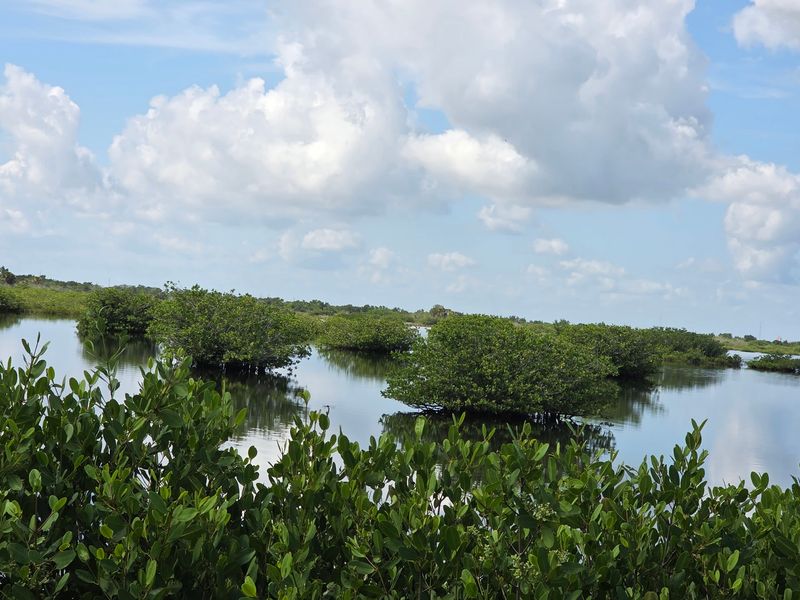
After dark, the water itself becomes part of the show.
Bioluminescent kayaking is a well-known experience in the refuge waters. Some people join a guided tour, while others rent a kayak and head out on their own.
Many call it a life-list item. It stands out as something few places in the country can offer.
Preparation matters. Long sleeves, long pants, and bug spray are strongly recommended.
Tours and rentals operate separately from the visitor center. Checking arrangements ahead of time is wise.
The kayaking trip is a different side of the refuge than the daytime drives. It shows how many ways this landscape can be enjoyed.
Combining a day drive with an evening paddle makes for a full adventure. Just plan for rest in between.
Pack the bug spray first and the camera second, because the insects never skip a shift.
Hours, Timing, and Trip Planning
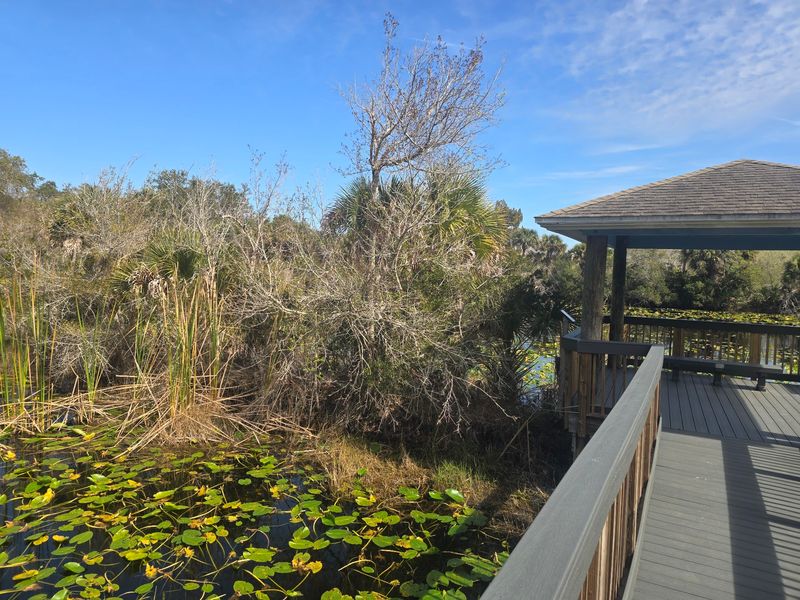
A little planning helps a lot here, starting with the calendar.
The visitor center is open Tuesday through Saturday from 8:30 AM to 4 PM. It is closed on Sunday and Monday.
Arriving early in the morning is a popular strategy. Many recommend starting with Black Point Wildlife Drive while wildlife is active.
Weather plays a big role. Very hot days can mean fewer animals out in the open.
Winter and migration seasons bring a steady flow of birds. Sunny, mild days are often the best for alligators.
Budget more time than expected. A three or four hour visit barely scratches the surface, and some say days would not be enough.
Pack water, bug spray, binoculars, and a camera. A full tank of gas helps, too, since the drives are long and slow.
For current details on the refuge, the U.S. Fish and Wildlife Service website is the place to check before heading out.
A Worthy Detour Off the Space Coast
Some stops earn a spot on the itinerary, and others end up rewriting it.
The refuge suits birders, photographers, cyclists, families, and anyone who likes nature without a crowd. The one-way drive also opens the experience to people with limited mobility.
It holds a stellar 4.8-star standing from well over a thousand people. That kind of consistency is hard to find anywhere.
Many call it world class and one of the best refuges they have seen. Others simply describe it as peaceful and well managed.
It pairs easily with a beach day at Playalinda or Canaveral. It also makes a calm counterpoint to the busier attractions around Orlando.
Not every trip brings every animal. That unpredictability is part of the appeal, and it keeps people coming back.
Start at the visitor center, ask what is active, and take the drive slow.
The gators, spoonbills, and manatees are not going anywhere in a hurry, and you should not either.