
Affiliate disclosure: As an Amazon Associate I earn from qualifying purchases. Learn more
Santa Barbara has a secret tucked into its foothills, and it only shows off after the rain. A short walk from a quiet road leads to a creek that stair-steps down the mountain in a chain of falls and pools.
There are few signs, limited parking, and plenty of boulders to climb, which keeps the crowds small. Stick around to learn where the trail starts, when the water runs, what to wear, and why so many hikers say the effort pays off.
A Creek Hideaway Above Santa Barbara
Tunnel Road winds up into the foothills behind Santa Barbara, and near its end sits the start of one of the area’s quietest adventures.
Seven Falls is found at Tunnel Rd, Santa Barbara, CA 93105, in the United States. It is listed as a tourist attraction, but it feels far more like a local secret.
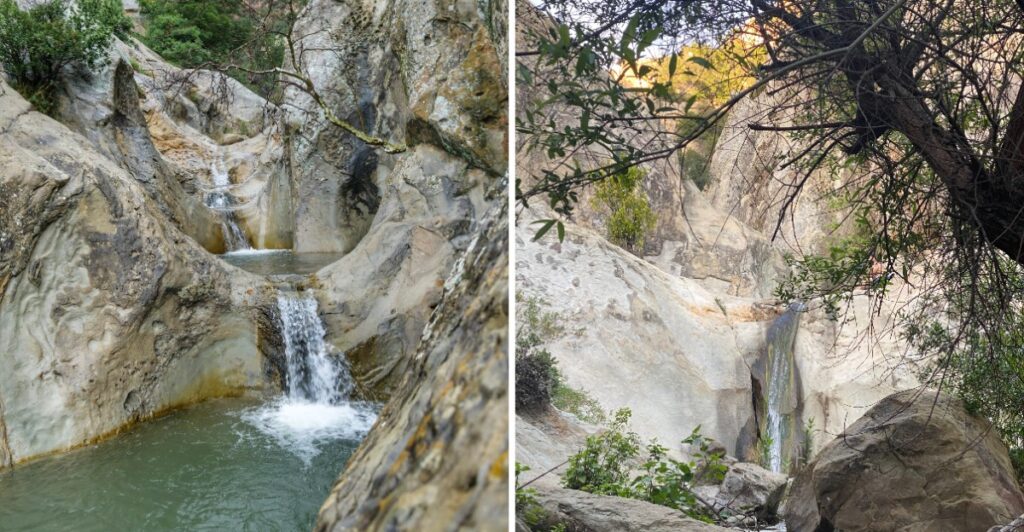
The falls sit along Mission Creek, which tumbles down a rocky canyon in a series of drops and pools. After a wet season, each step in the creek becomes its own small waterfall.
The spot holds a strong 4.5-star standing from 186 opinions online. That is impressive for a place with almost no signs and a tricky parking situation.
Hikers often share the same trail at first with the route to Inspiration Point. The paths split near the creek, and that fork is where the real fun begins.
Expect dirt, rocks, and some scrambling rather than a paved nature walk. For those willing to get a little muddy, the canyon holds a surprising reward just over a mile from the road.
Mission Creek and Its Moody Water Supply
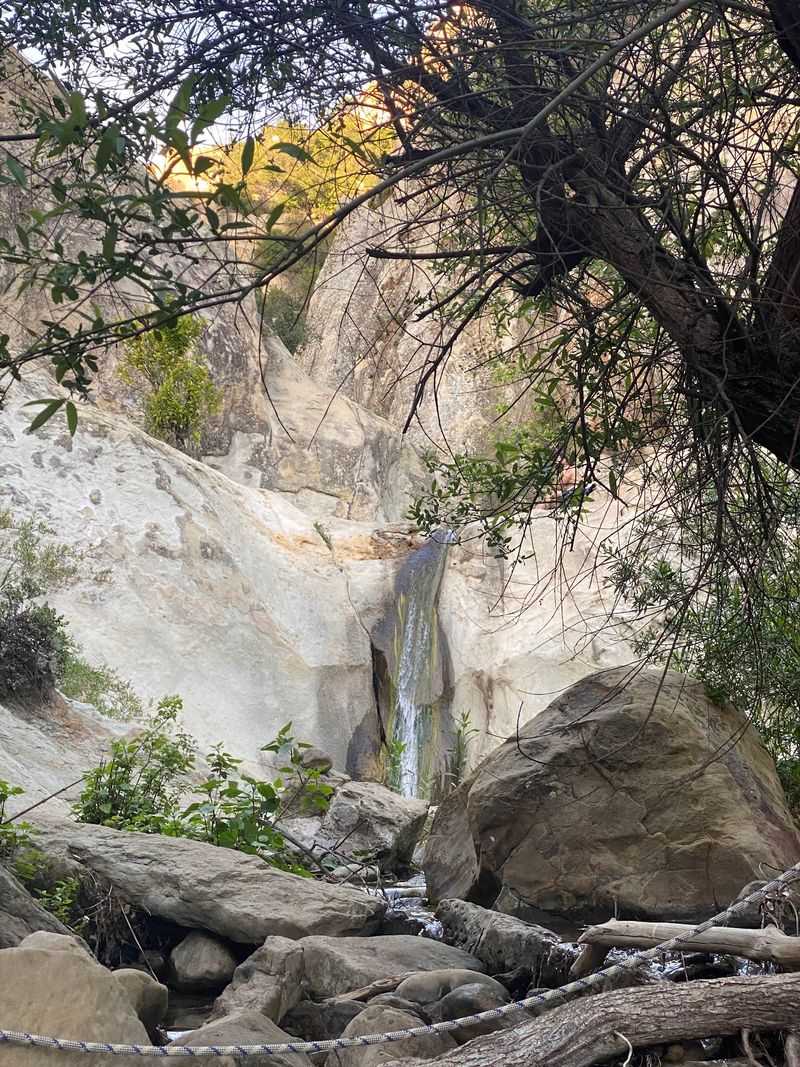
Here is the plot twist every hiker should know before lacing up: the seven falls do not always fall.
Mission Creek feeds the whole show, and its flow depends entirely on rain. In dry seasons, the falls can shrink to puddles or vanish completely.
Hikers have reported years when drought kept the falls silent. Then a few rainy days came along, and the water returned in full.
Summer can be especially disappointing. Even a summer storm may not be enough to get the creek running again.
Winter and spring tell a very different story. After steady rain, the canyon fills with rushing water, and some say there are far more than seven falls to count.
A dry visit is not a total loss, though. The rock pools and boulders still make for a quiet, scenic outing, and the canyon walls remain striking with or without a splash.
Checking recent weather before heading out is the smartest move. A little planning turns a gamble into a great day.
The Trailhead Riddle
Finding Seven Falls is half the adventure, and nobody hands out a map at the gate.
Signage is scarce, and many hikers admit to a bit of random exploring before locating the right path. The good news is that other hikers on the trail tend to point newcomers in the right direction.
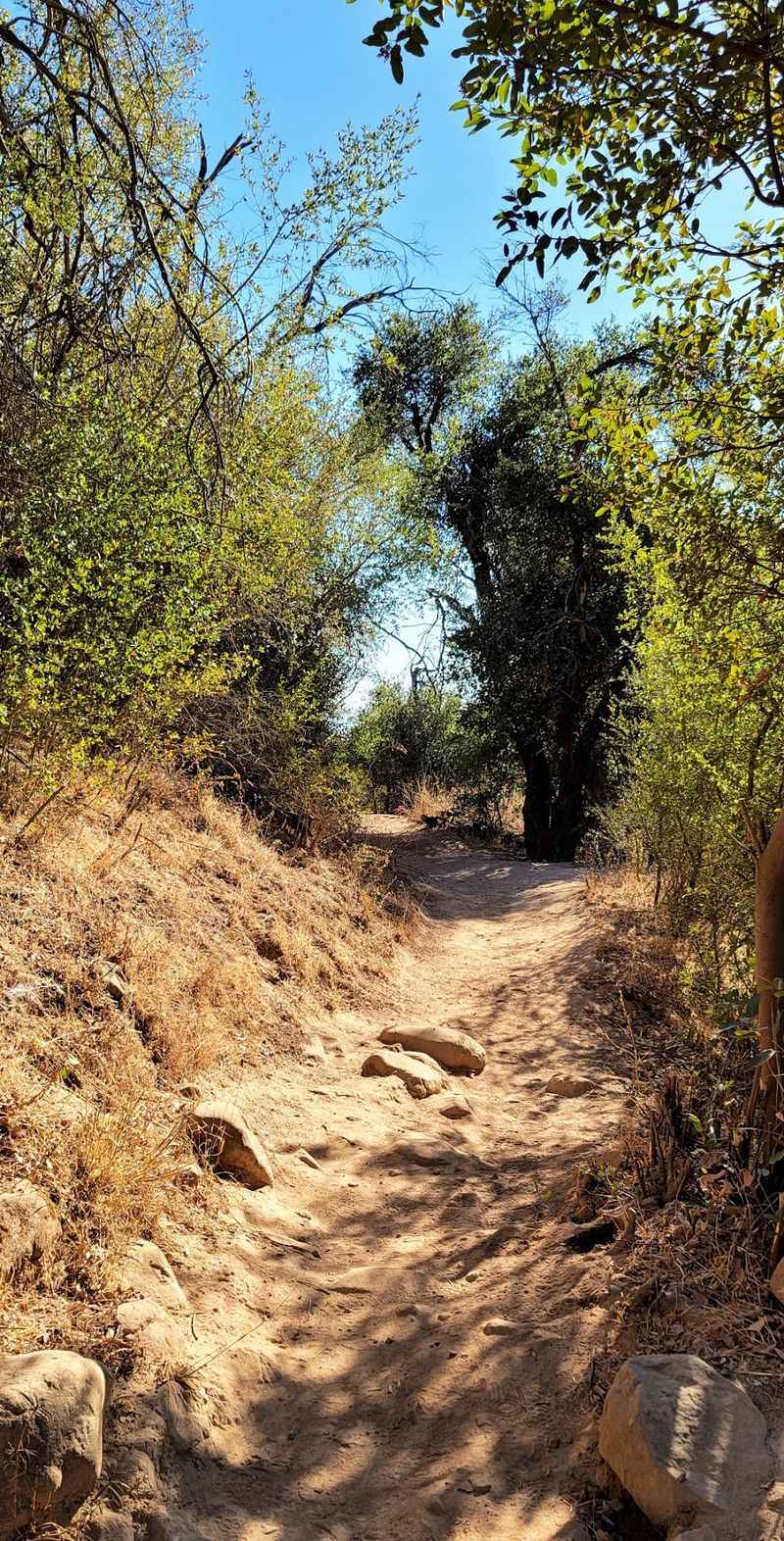
The route begins on firmly packed dirt, then narrows to a single-track trail. Near the top it becomes rougher and less maintained, with some brush to push through.
The key moment comes when the trail first crosses the creek. Many recommend heading upstream from there rather than continuing on the main path.
Some suggest turning right as soon as the creek appears near the entrance. From that point, it is possible to walk up the creek itself or follow a tiny side trail beside it.
Loading a trail app map before leaving home helps a lot. Cell service and patience both make good hiking partners here.
Two Ways Up the Canyon
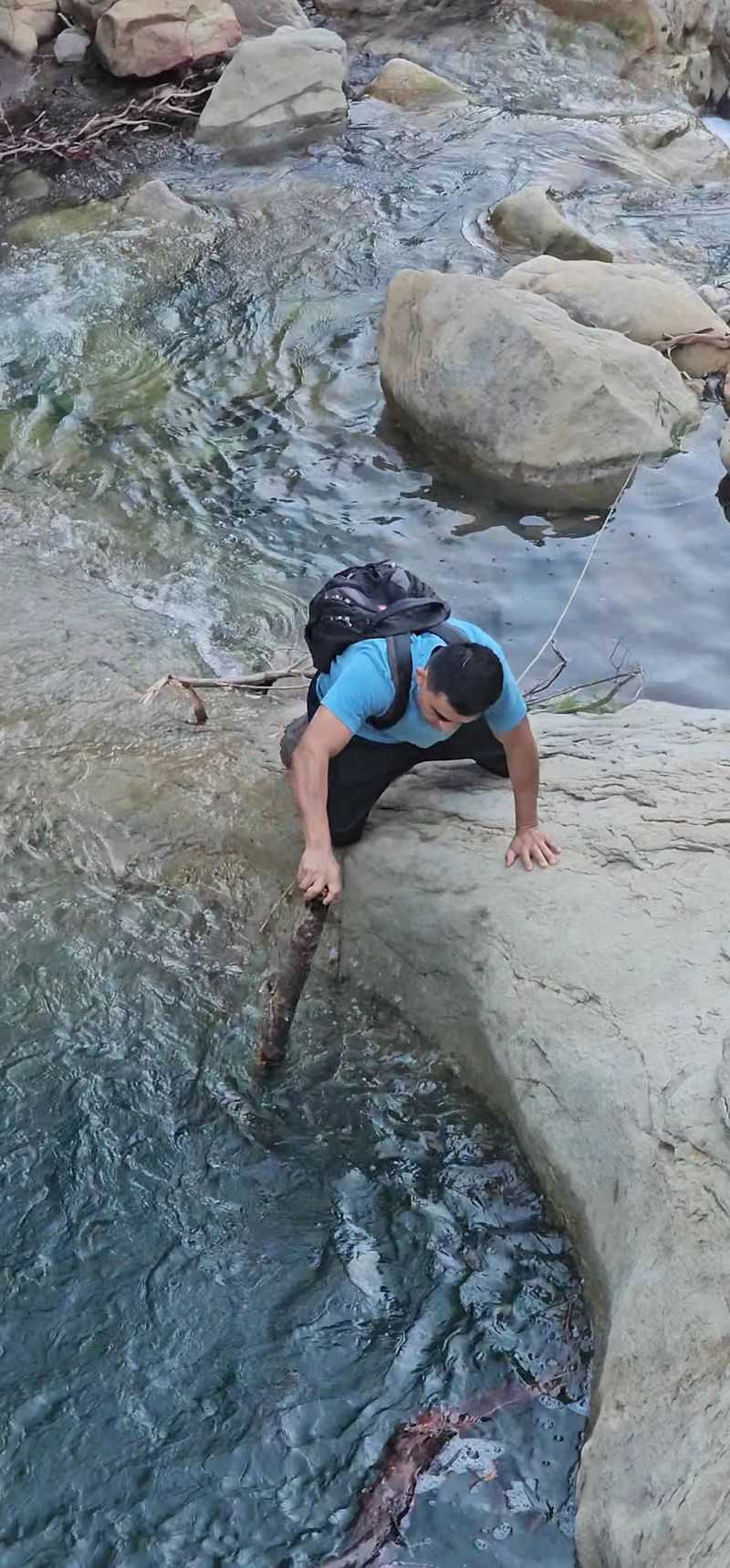
Choose your own adventure: stay dry-ish on the trail or go straight up the creek.
A path runs around the river for those who prefer solid ground. The other option is hopping from rock to rock directly upstream, which many call the more fun choice.
Creek walking works well in drier months when the water is low. It does require climbing over boulders, but nothing too technical for a steady hiker.
The side trails deserve some caution. A few of them drop steeply into the creek, and those descents carry a higher risk of slipping.
One clever plan is to go up through the creek and return on the upper trail. A rope helps hikers climb up to that top trail, which then heads downhill toward the start.
Going from below is the road less taken. That means a quieter walk and more time alone with the water and rocks.
Distance, Difficulty, and a Few Honest Opinions
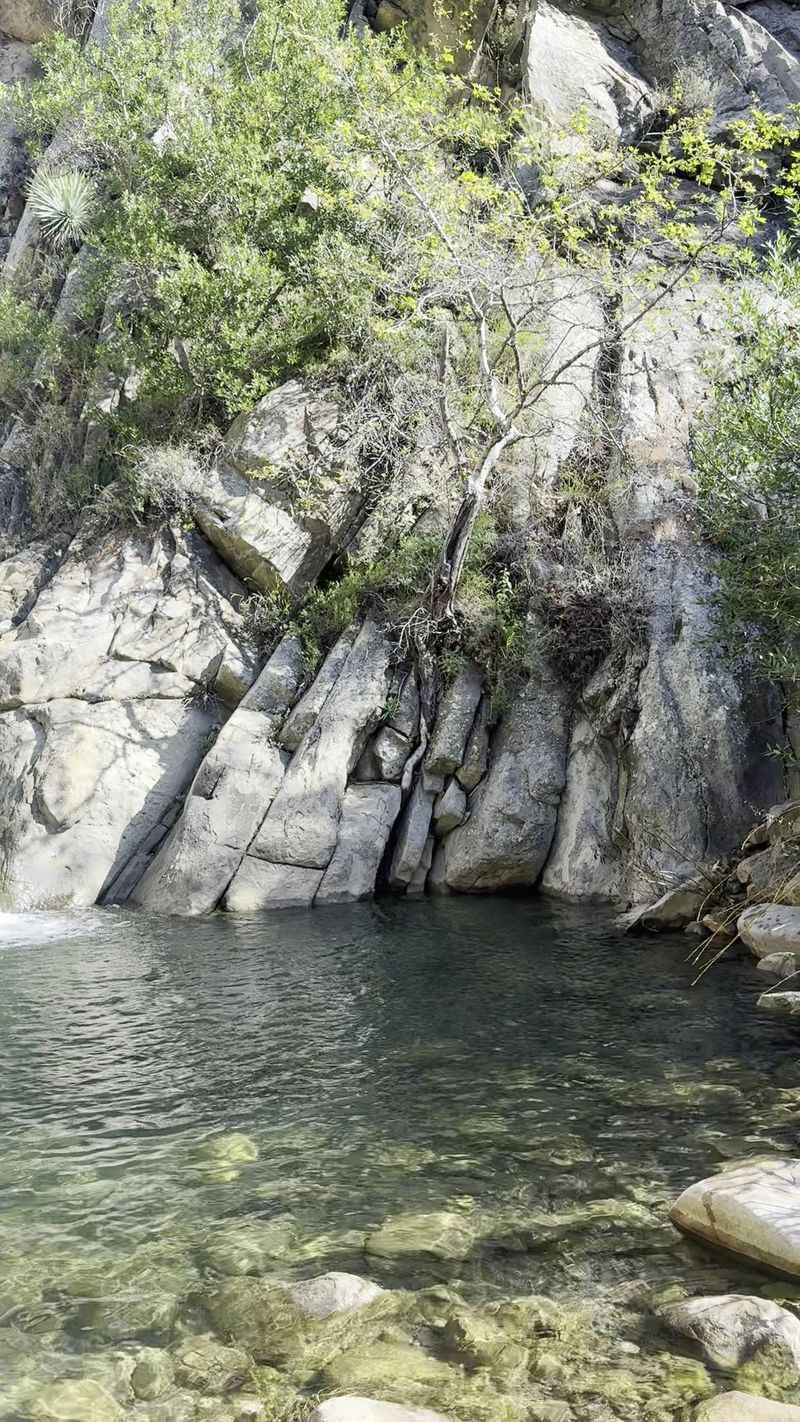
About 1.04 miles separates the parking area from the main waterfall, which makes this a short outing on paper.
The trail itself is mostly easy with a slight incline. Beginners and families often manage it well.
Opinions split once the scrambling starts, though. Some rate the hike easy, others call it moderate, and a few say it leans toward advanced.
Much depends on the route and the season. Following the creek means lots of climbing up and down, and hikers mention feeling it more in their arms than their legs the next day.
Starting farther away at the Inspiration Point Trailhead makes things tougher. That longer approach can feel moderate to challenging.
Sun exposure adds to the effort on the uphill stretches. Starting early and carrying water keeps the climb pleasant.
Knowing personal limits matters most. Safety should always come before reaching one more pool.
Tiered Falls and Rock Slides
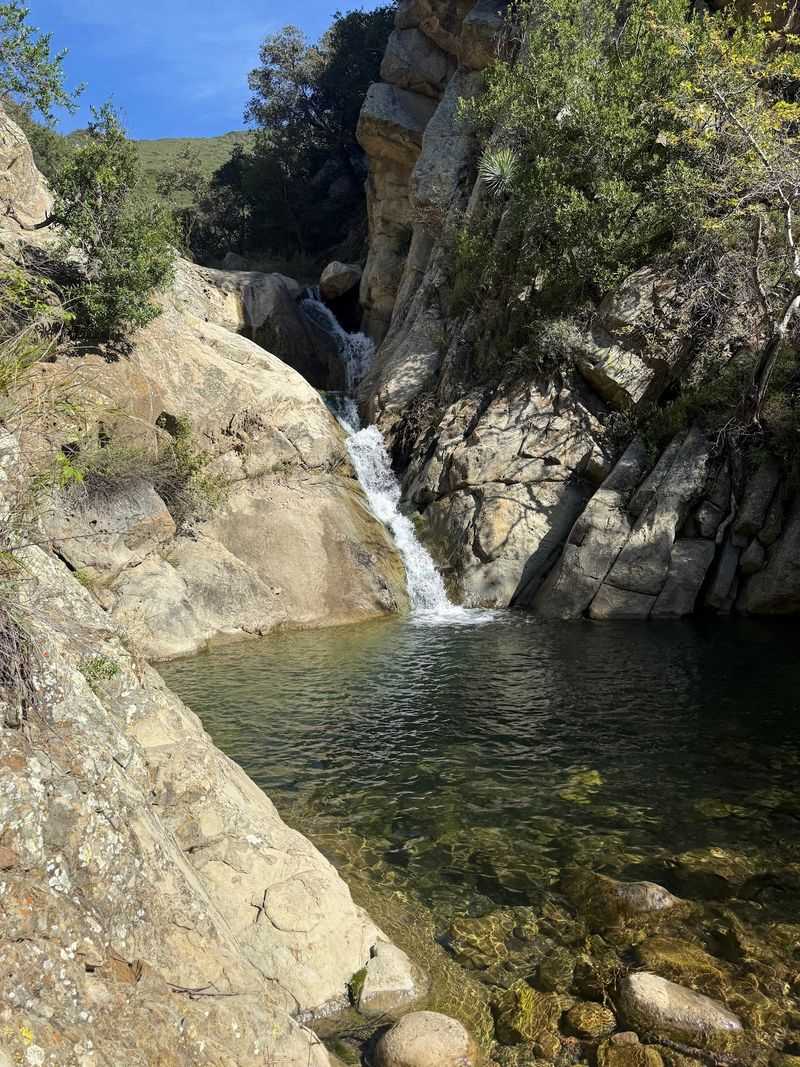
Nature built a water park here and forgot to charge admission.
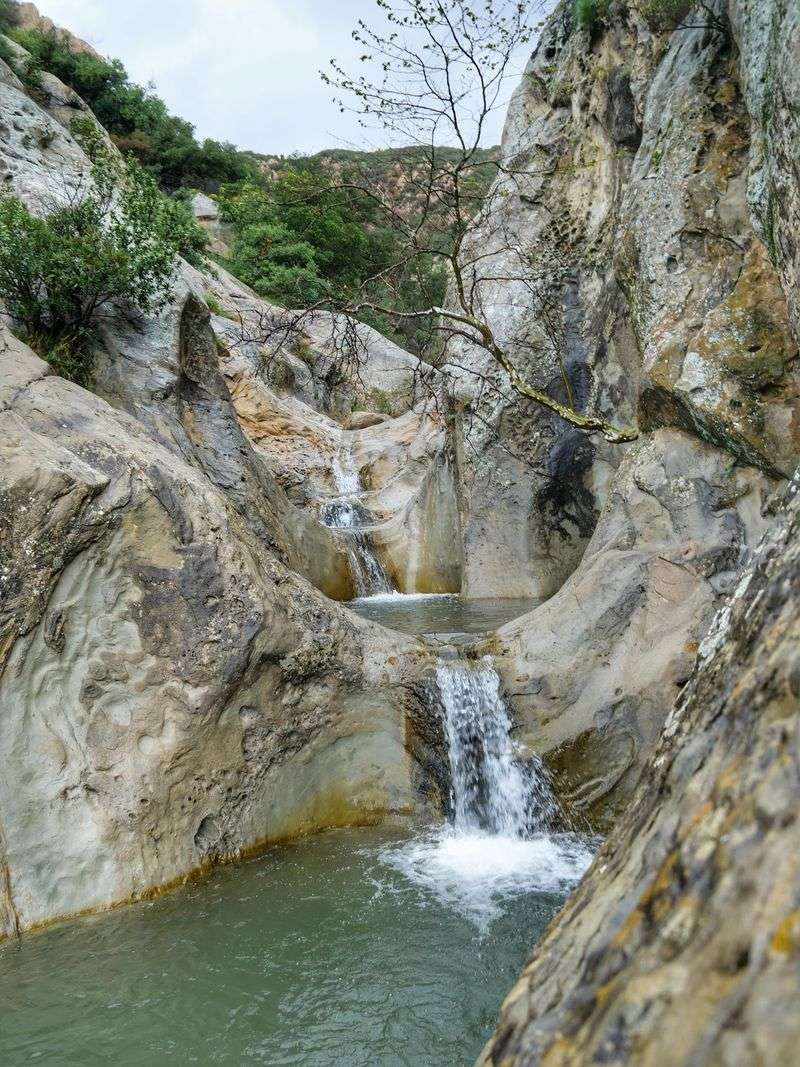
After good rain, the creek spills over a series of smooth, tiered waterfalls. Each drop feeds a pool below, creating a staircase of water down the canyon.
The rock surfaces have been polished over time into natural slides. Hikers love sliding down them into the pools, and the slide into the main pool gets special praise.
The water runs cold, so expect a jolt on the way in. Most seem to agree the chill is part of the fun.
Some hikers enjoy rock jumping into the deeper spots as well. Checking depth first is always wise before any leap.
Near the top, the canyon walls narrow, framing the falls in a dramatic way. It is the kind of view that makes the scramble feel well earned.
Even simply sitting on a rock and watching the water move is a fine plan.
The Main Pool and Its Viewpoints
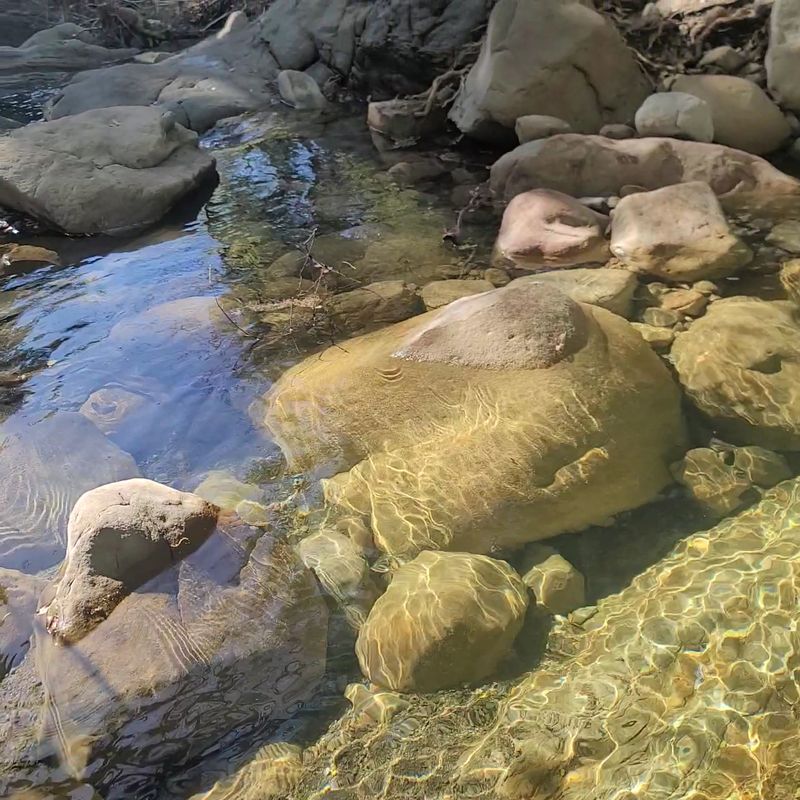
Every trail needs a star, and the main pool plays that role perfectly.
The swimming hole is a favorite resting point. Hikers often spend a good chunk of time here before deciding whether to go farther.
Climbing onto one of the nearby rocks opens up a different view. From above, the other pools come into sight one after another.
Solo hikers find the spot especially peaceful. It is quiet enough to enjoy the canyon without much company on the right day.
The main waterfall above the pool is often called the highlight of the whole trip. For such a short hike, the payoff feels generous.
Bring a camera or phone for photos, but protect it well. The rocks near the water can be slippery, and a dropped device is a quick way to end the fun.
A few minutes of patience often clears the frame of other people for a great shot.
Bonus Falls for the Determined
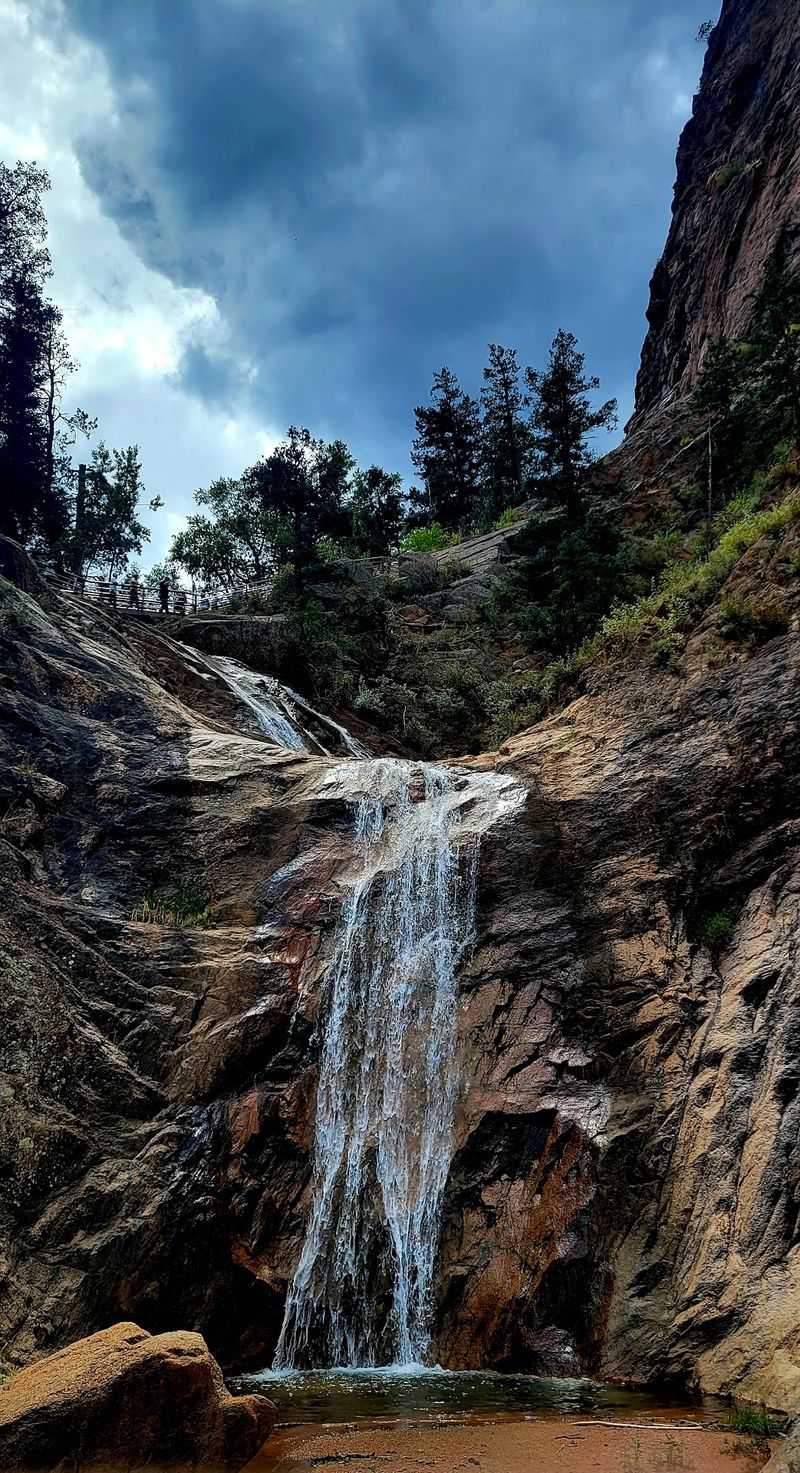
Seven may be the number in the name, but the creek clearly did not get the memo.
Hikers who keep climbing past the main pool discover more waterfalls upstream. Going the extra mile, quite literally, leads to a bigger waterfall and a larger rock pool.
That upper stretch takes more effort. There is some rock climbing involved, and at times the creek blocks access, forcing a detour around it.
This section is considered more dangerous than the lower falls. It rewards confidence and careful footing, not speed.
After winter rain, the upper falls can be rushing and impressive. Many hikers call this the most memorable part of the entire trip.
For those who feel tired, turning back at the main pool is perfectly fine. The lower falls still deliver a satisfying day.
Those with energy left, however, may find the best view is saved for last.
Views, Wildflowers, and Quiet Moments
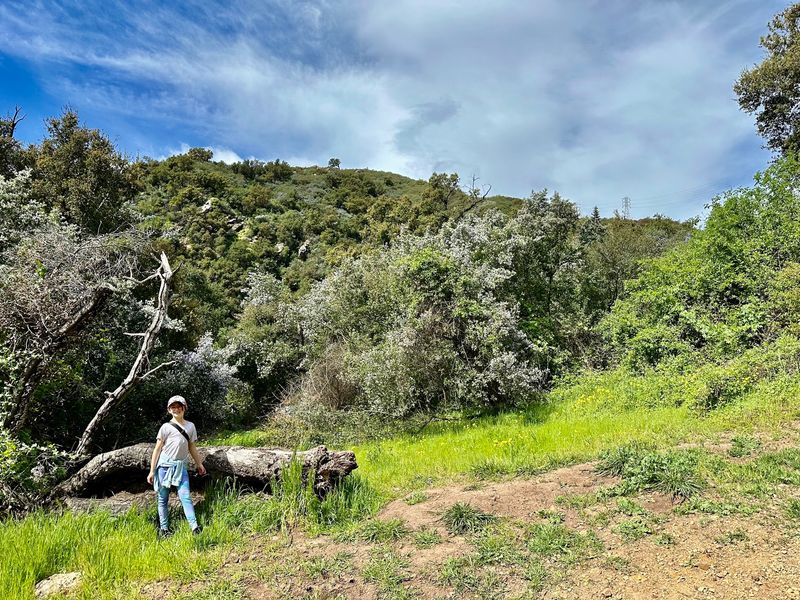
The falls get the headlines, but the walk there deserves its own mention.
The approach offers wide, 360-degree views of the surrounding hills. Plenty of hikers pause just to sit and take in the scenery, day or night.
Spring brings little wildflowers along the path. Paired with running water, it is often named the best season to go.
Green growth lines the creek, giving the canyon a lush look after rain. The setting feels far removed from the city below.
A peaceful atmosphere comes up again and again when people describe this place. Weekdays in particular tend to be calm.
Weekends after rain can get busy, though. Popularity rises quickly whenever word spreads that the falls are flowing.
Timing a visit for a quiet morning is a simple way to keep the calm intact.
What to Wear on a Wet Scramble
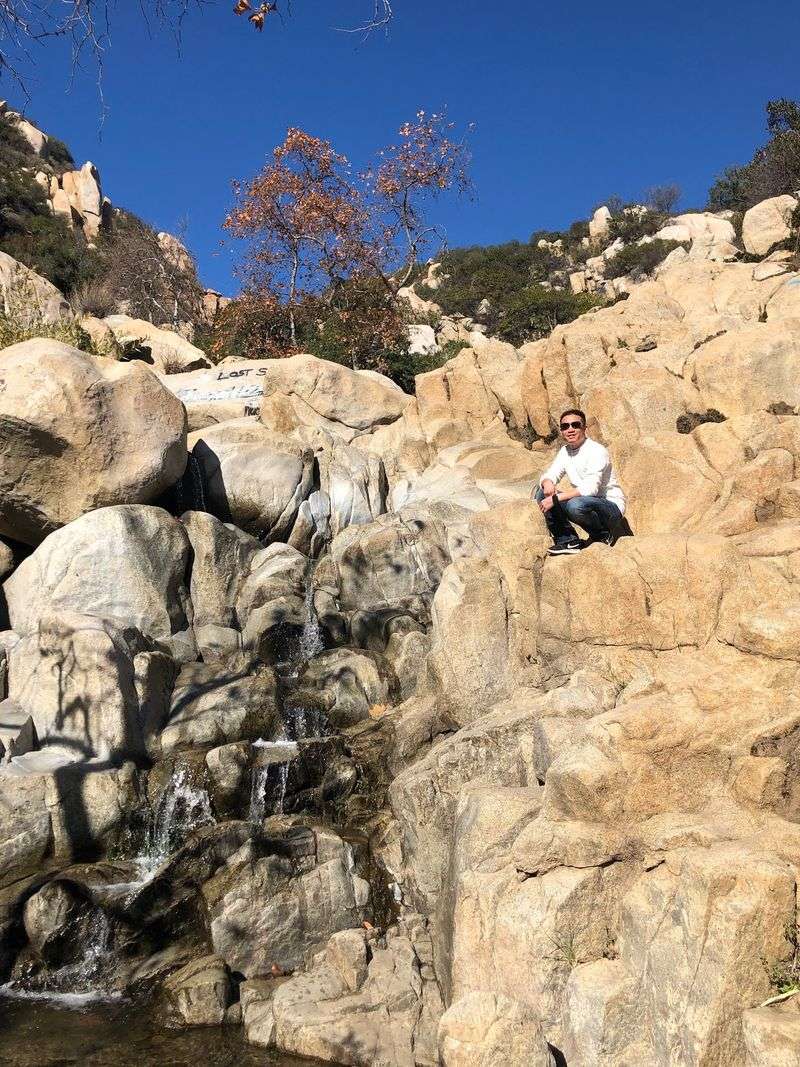
Dressing for this trail is less about fashion and more about staying upright.
Water shoes are close to a must for anyone heading up the creek. Sturdy hiking shoes with good support also help on the steeper dirt sections.
Long sleeves are strongly recommended. Poison oak grows along the trail, and bugs can be a nuisance too.
The path can be overgrown in spots, with loose dirt and gravel underfoot. Pants and sleeves protect against scratches from brush.
A waterproof bag for phones is a smart addition. More than one hiker has worried more about a phone than the hike itself.
Expect to get wet at some point. Accepting a soggy outcome early makes the whole trip more relaxing.
Packing a towel and a change of clothes for the car rounds out a sensible kit.
Parking Puzzles and Trailhead Facilities
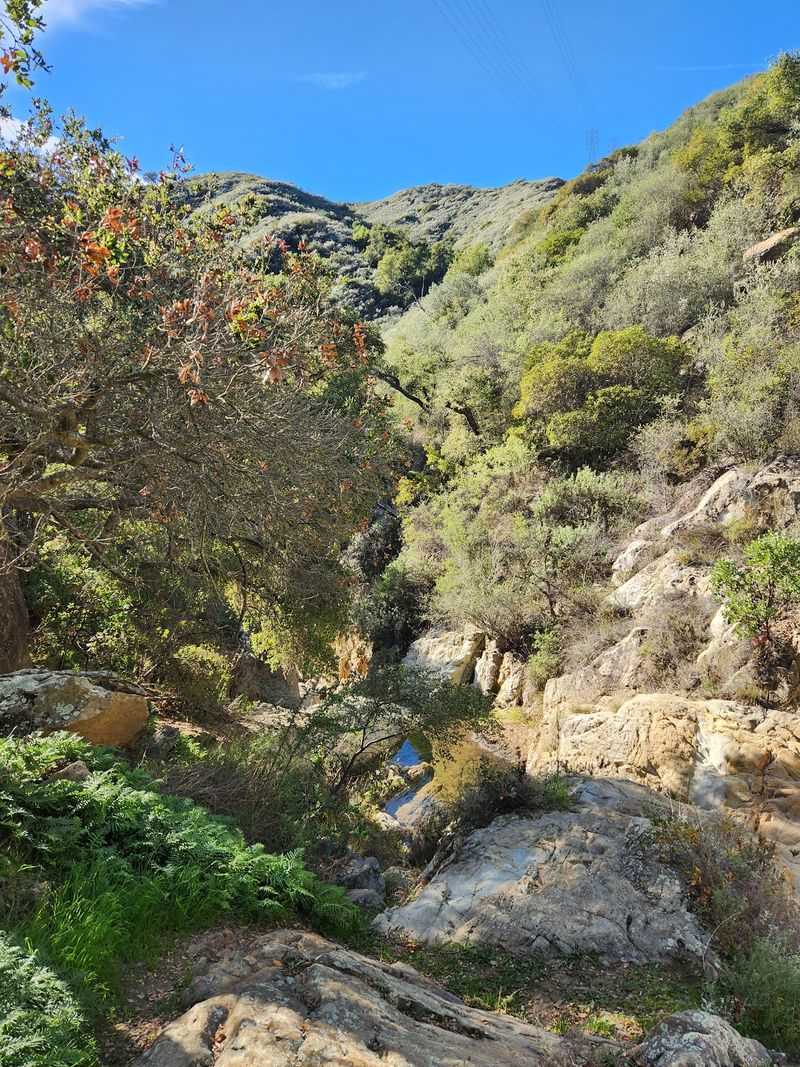
The hardest part of the day might be finding a spot for the car.
Parking is limited and relies on street spaces near the fork in the road. Turning around can also be awkward on the narrow stretch.
Weekdays offer the best odds for an easy parking spot. Weekends, especially after rain, can fill up quickly.
Arriving early helps a great deal. Respecting local residents by parking legally keeps the trail welcoming for everyone.
Facilities are basic. There is a single porta potty near the trailhead, on the passenger side when driving in.
Using it before starting the hike is wise, since there is nothing else along the trail. No hours or entry fees are listed for this spot.
Bringing everything needed for the outing, including water and snacks, is part of the plan here.
Who Will Love This Trail
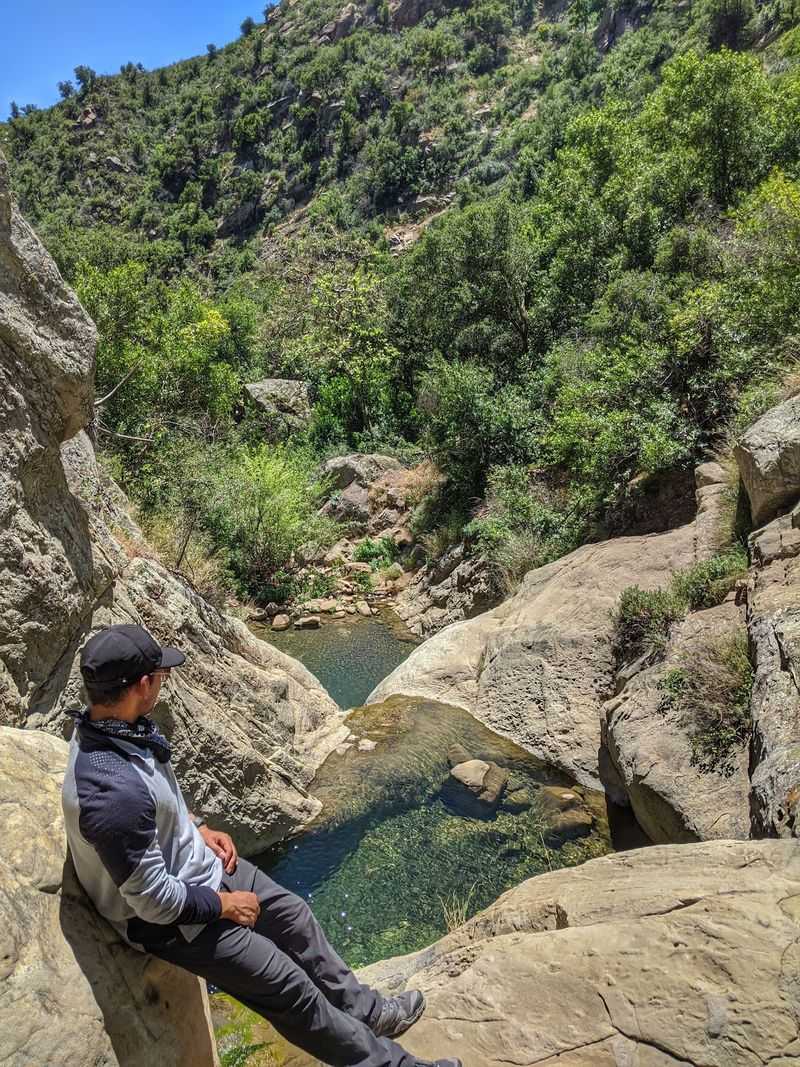
Some trails suit everyone, and some suit the curious; this one leans toward the curious.
Families and beginners can enjoy the easier lower section. The short distance and mild incline keep it approachable.
Adventurous hikers will get the most out of it. Rock hopping, climbing, and creek walking are all part of the experience.
Solo hikers often praise the quiet on less busy days. The canyon offers room to think and relax.
Photographers will want to bring a camera after a rainy spell. The tiered falls make strong subjects.
Those who dislike getting wet or muddy may want to reconsider. There is no fully dry way to see the best parts.
Locals in Santa Barbara often recommend it to anyone living nearby. It is easy to return again and again as the seasons shift.
A Canyon Worth the Scramble
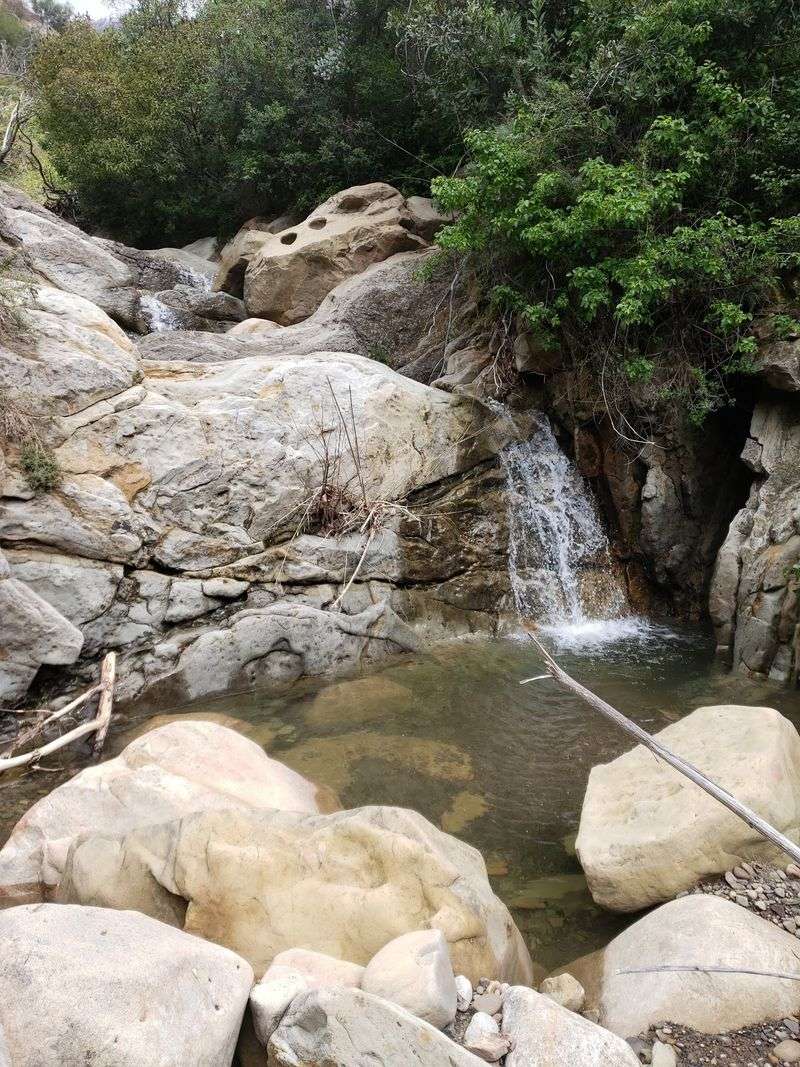
Short trails rarely pack this much surprise into a single mile.
Seven Falls asks for a little patience, a pair of wet shoes, and some good timing with the weather. In return, it offers tiered falls, natural slides, and quiet pools tucked above Santa Barbara.
The rough parking and missing signs are part of its character. They also help keep the crowds manageable.
Spring after steady rain is the sweet spot. That is when the creek comes alive and the wildflowers join in.
Even on a dry day, the canyon has plenty to offer. The views, boulders, and calm setting still make the trip worthwhile.
Nearly every hiker who makes the journey seems eager to go back. Pack smart, watch for poison oak, and let the creek decide how many falls appear that day.