Affiliate disclosure: As an Amazon Associate I earn from qualifying purchases. Learn more
Tubac has a reputation as an artists’ village, a small southern Arizona town where local art shops seem to fill every corner. That reputation raises a fun question about whether this little place might out-gallery the big city up north.
At the end of those art-filled streets sits something even more surprising: the spot where Arizona’s entire state park story began, complete with buried fort ruins, a touchable 1850s wagon, and a schoolhouse with rules strict enough to make modern kids grateful. Here is what makes it worth the drive, plus the practical details that make planning the trip easy.
Where Tubac’s Art Streets Lead
Plenty of Arizona towns boast about their art, but few hide a Spanish colonial fort at the end of their gallery-lined streets.
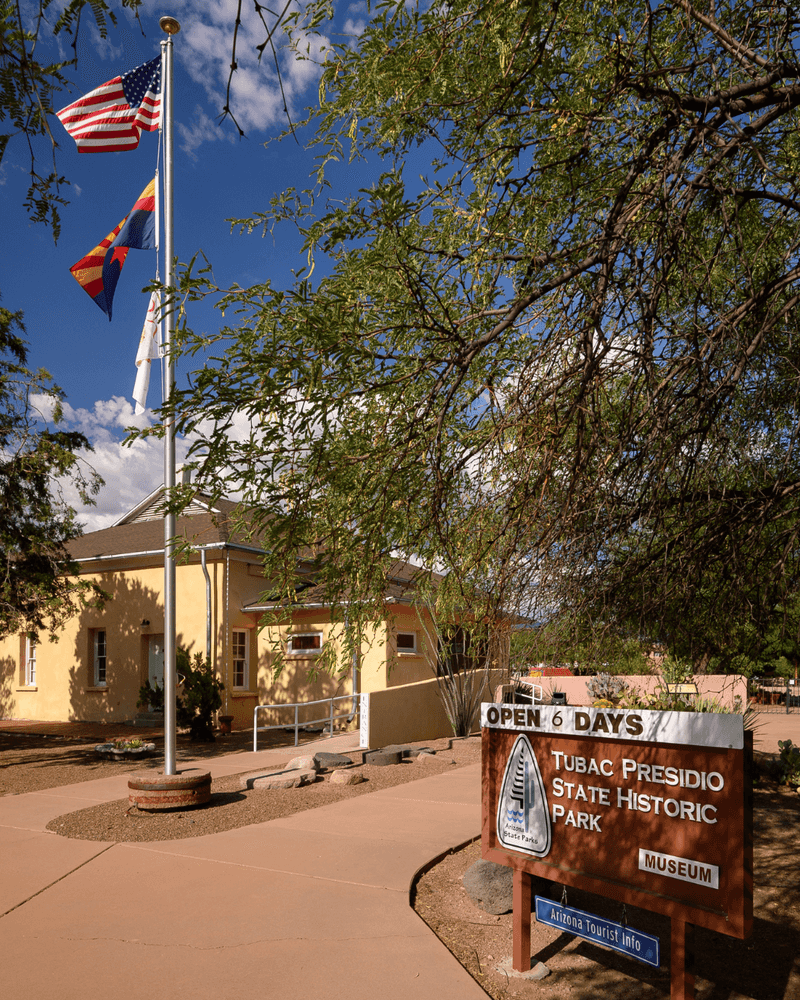
Tubac Presidio State Historic Park sits at 1 Burruel St, Tubac, AZ 85646, in southern Arizona about 20 minutes from Green Valley. The village itself is small, and the park anchors its historic heart.
So what about that bold headline question? No official tally pits Tubac’s galleries against downtown Phoenix, so that friendly rivalry stays open for debate.
What is clear is that local art shops line the way to the park, turning a quick history stop into a full day out. Inside the grounds, a collection of paintings by artist Bill Ahrendt adds its own creative punch.
The park covers 11 acres. It includes a large museum, three buildings listed on the National Register of Historic Places, an 1885 schoolhouse, and the buried ruins of the old presidio.
For Arizona locals, this is a place that often gets skipped on the way to somewhere else. Longtime Tucson residents have admitted to exploring Tubac several times before finally making it down Burruel Street to the Presidio.
That delay tends to end with the same reaction. The site turns out to be far bigger than it appears from the parking lot, and the rest of this story explains why.
Arizona’s Very First State Park
Every state park system has to start somewhere, and Arizona’s started right here in Tubac.
Tubac Presidio holds the title of Arizona’s first state park. That fact surprises plenty of lifelong residents, including folks who have lived in Tucson for over a decade without knowing it.
The designation matters because of what it protects. The park commemorates Spanish colonial America, preserving the story of a frontier outpost that shaped the region long before Arizona became a state.
There is a twist to the modern chapter, though. Today the park does not receive money from the state, and it is maintained by a nonprofit group called the Friends of the Tubac Presidio and Museum.
That arrangement gives the place a scrappy, community-powered character. Admission fees and gift shop purchases go straight toward keeping the exhibits open and the grounds in good shape.
It is a milestone that tends to get lost among Arizona’s bigger, better-known parks. That only adds to the discovery factor for anyone who finally makes the trip.
Bragging rights come free with every ticket. Anyone who tours the grounds can tell friends they have stood where Arizona’s state park story began, which is not a bad fact to pull out at the next family gathering.
A Fort That Moved to Tucson
Here is a plot twist worth knowing before arrival: the presidio itself is no longer standing.
A presidio was a Spanish military fort, and Tubac’s presidio was eventually moved to Tucson. What remains in Tubac is the footprint, the artifacts, and the layered story of the people who lived here before and after the soldiers.
That story stretches back about 2,000 years. Exhibits introduce the first people to live in this part of southern Arizona, then carry the timeline through the Spanish colonial era and beyond.
The best place to start is the short video at the main entrance. It explains the history of Tubac in a compact package and sets up everything else on the grounds.
After the video, a self-guided tour takes over. A printed guide is available, so the order of stops makes sense even without a docent alongside.
The mix of eras keeps things interesting. One area covers colonial soldiers, another covers a frontier classroom, and yet another shows family life from the mid-1900s.
It is less a single museum and more a timeline spread across 11 acres. Each stop hands the story off to the next one, which makes skipping ahead surprisingly hard to do.
Ruins You Read From Above
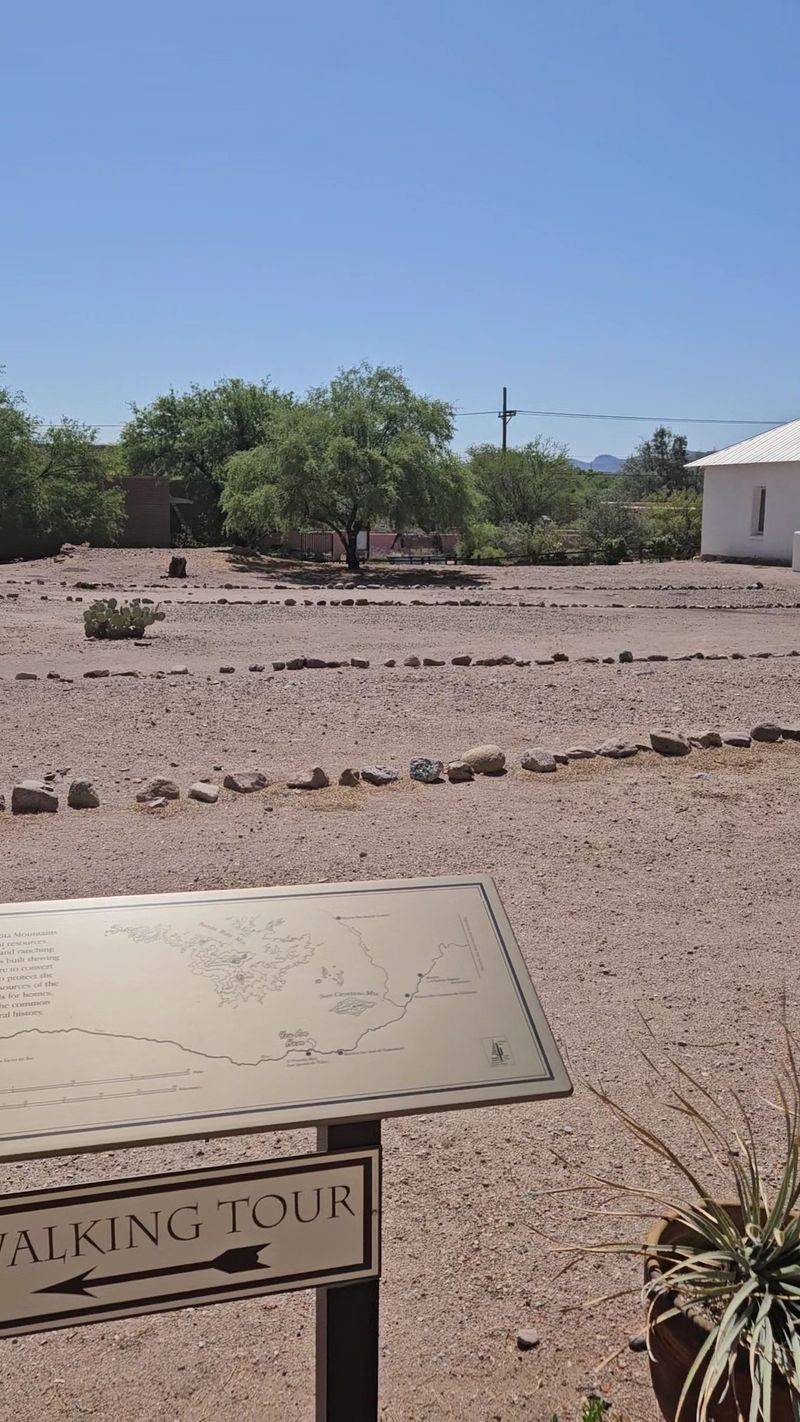
Most ruins stand tall for the camera. These ones stay underground on purpose.
The original presidio survives as an archeological site below the surface. To help people understand what once stood there, the park has laid an outline of rocks above ground that traces the shape of the old building.
That outline does a lot of work. It turns an open patch of ground into a floor plan, so the scale of the fort becomes easy to grasp while standing right on top of it.
An excavation area adds another layer for history fans who like to see how archeology happens. It has been closed at certain times, so it is smart to ask at the front desk about access before heading out.
The park team has promised more improvements to make the site even more engaging. That suggests the ruins area is a work in progress worth checking on during future trips.
For kids, the rock outline can be a fun puzzle. They can pace off the walls and try to figure out where rooms once began and ended.
Archeology rarely gets this approachable. Nobody needs a trowel or a degree to understand what happened on this patch of Tubac ground.
A Museum That Outgrows Expectations
Small town, small museum, right? Not quite.
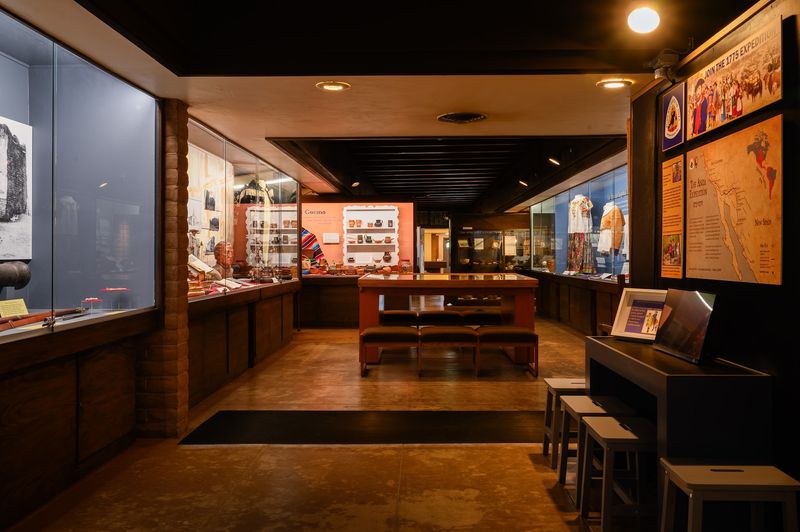
The main museum holds a large collection of artifacts, and the displays are neatly arranged with clear descriptions and identifications. Exhibits are well-lit and well-labeled, which makes the collection easy to follow from case to case.
The amount of material regularly catches first-timers off guard. The experience can feel more pleasant than much larger museums, partly because the site is rarely crowded and nothing feels rushed.
Reading is a big part of the fun. Facts, maps, and panels cover the walls, so packing reading glasses is a genuinely useful tip.
Several areas also encourage hands-on exploration. Interactive displays invite people to touch certain objects, a welcome break from the usual hands-off museum rule.
Budget time wisely here. A half-hour stop tends to end with regret, and the park recommends at least an hour for the full grounds, with one to two hours being a comfortable target.
The museum alone could fill much of that window. Starting here early, while energy and attention spans are at their peak, is a smart way to kick off the day.
Soldiers Dressed in Leather
Frontier life was not glamorous, and the uniforms on display prove it.
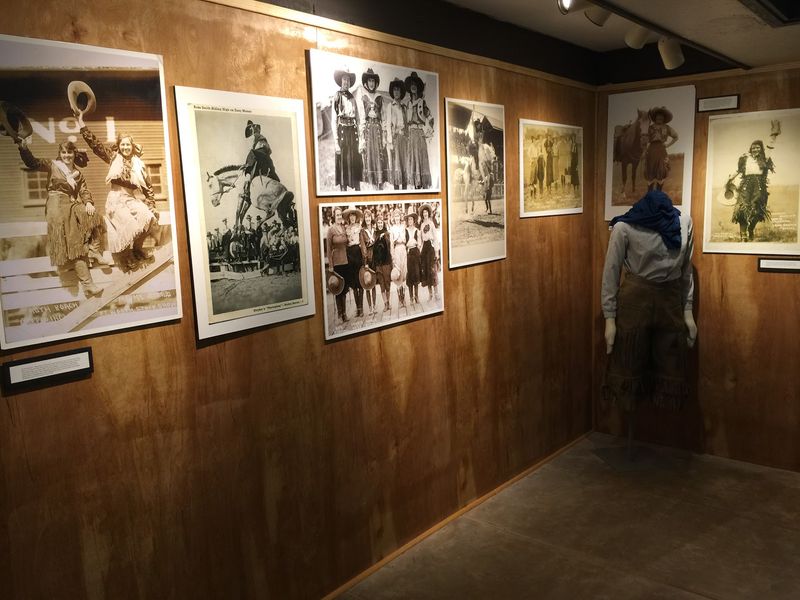
One of the museum’s standout exhibits features the gear of the Spanish soldados de cuera, known in English as the leather soldiers. These troops wore heavy protective outfits while guarding the frontier.
The sheer weight and bulk of that equipment offer a fresh perspective on the era. It becomes much easier to understand how demanding it was to patrol a vast, rugged frontier while wearing it.
The exhibit connects directly to the site outside. After viewing the uniforms, the rock outline of the fort takes on more meaning, since these were the people who once lived and worked within those walls.
History lovers who enjoy military details will want to linger. The displays pair the physical gear with written context, so the story goes deeper than a quick glance.
Kids tend to find this section memorable too. There is something about real historical equipment that makes textbook chapters suddenly click.
It is a reminder that Arizona’s colonial history involved real people doing a tough job far from home. Their story sits at the center of why this park exists at all.
Bill Ahrendt’s Painted History
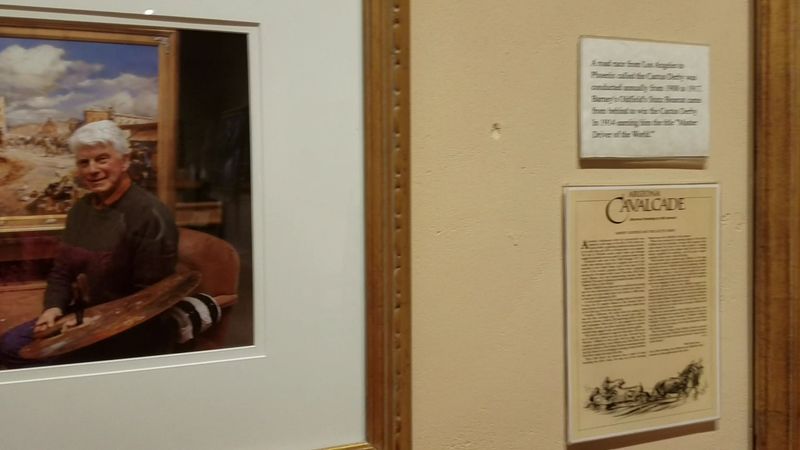
Here is where the art village theme and the history park finally shake hands.
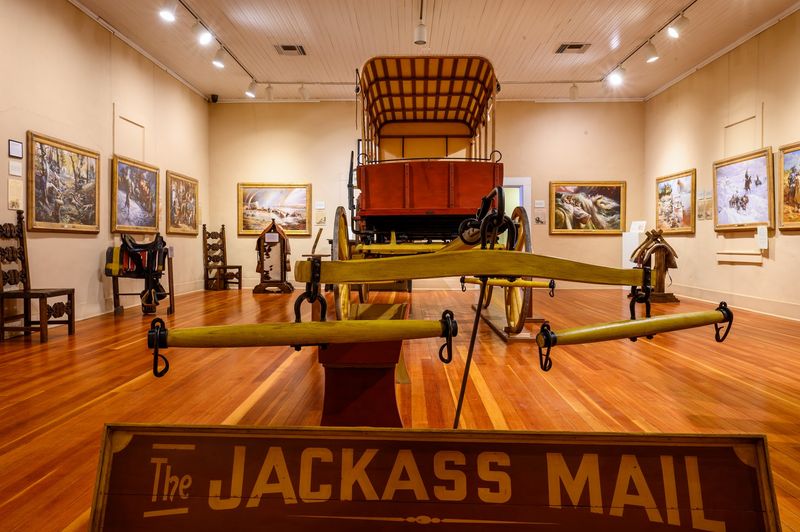
The meeting building displays a series of paintings by artist Bill Ahrendt, and they rank among the most admired features on the grounds. For a town known for its art shops, it feels fitting that the state park carries its own gallery-worthy collection.
The paintings reward repeat viewing. Even longtime park volunteers say they notice a new detail each time they study them.
That depth makes them a natural companion to the museum’s artifacts. The artifacts supply the facts, while the paintings give the park’s story a creative, human dimension.
A $15 book featuring the paintings is sold on site, but it has been known to sell out. Anyone who falls for the artwork should ask about a copy early in the visit rather than waiting until the end.
Art lovers who came to Tubac for the shops will find this room a pleasant bonus. History fans, meanwhile, may discover they enjoy an art gallery more than expected.
For locals debating the headline question, this room makes a strong case. Tubac’s art scene clearly extends beyond its shop windows and right into its oldest story.
Hands On an 1850s Ambulance
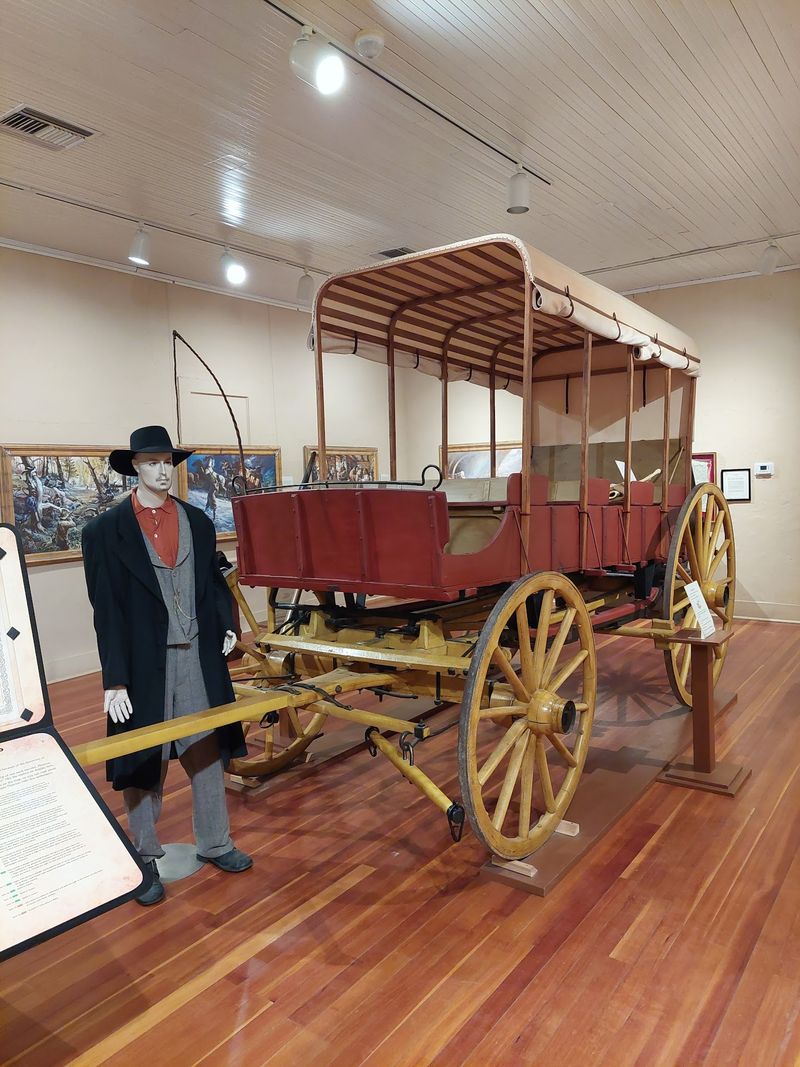
Museums usually keep their prize vehicles behind ropes. This one lets people reach out and touch.
Otero Hall is home to an 1850s ambulance wagon, and it is in remarkable shape for its age. Some people make the trip to Tubac specifically for this piece, and it tends to live up to the hype.
The hands-on policy is the real surprise. Touching a historic wagon is almost unheard of in most museums, which makes this display a favorite for curious kids and adults alike.
The same approach extends to the carriage display in the meeting building. People can push on it to test how its suspension works, a rare chance to understand how travel functioned long before paved roads.
These displays turn abstract history into something practical. A frontier journey becomes much easier to understand once someone has tested the springs and wheels that made it possible.
Transportation buffs and wagon fans will want to budget extra time here. So will anyone who has ever wanted to break a museum rule without getting in trouble.
Consider it permission granted. Just keep the enthusiasm gentle, since these pieces have survived well over a century and deserve a few more.
Chalkboard Rules From 1885
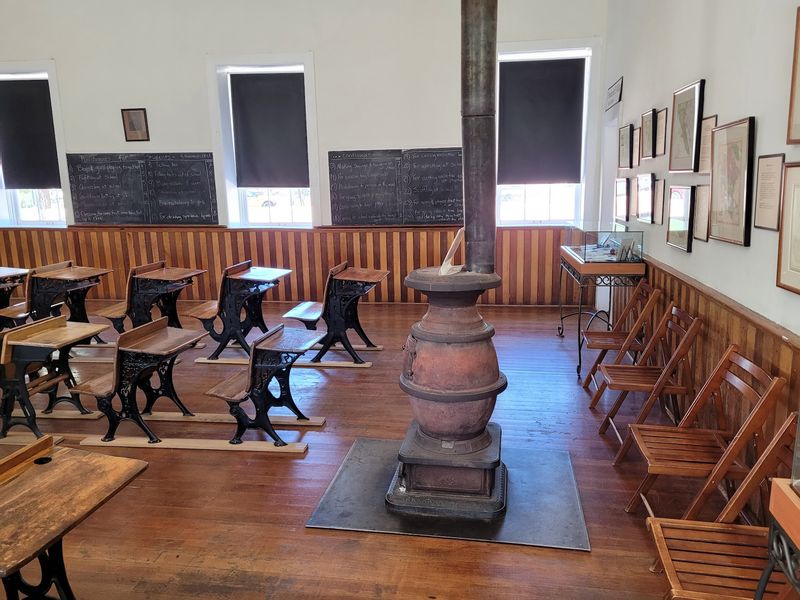
Teachers today have plenty of rules, but the ones posted in Tubac’s old schoolhouse could make anyone grateful for modern times.
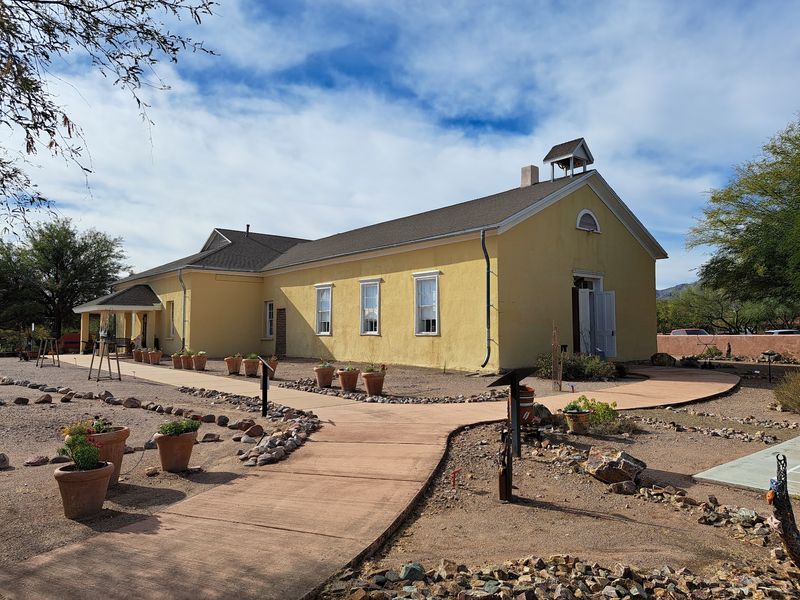
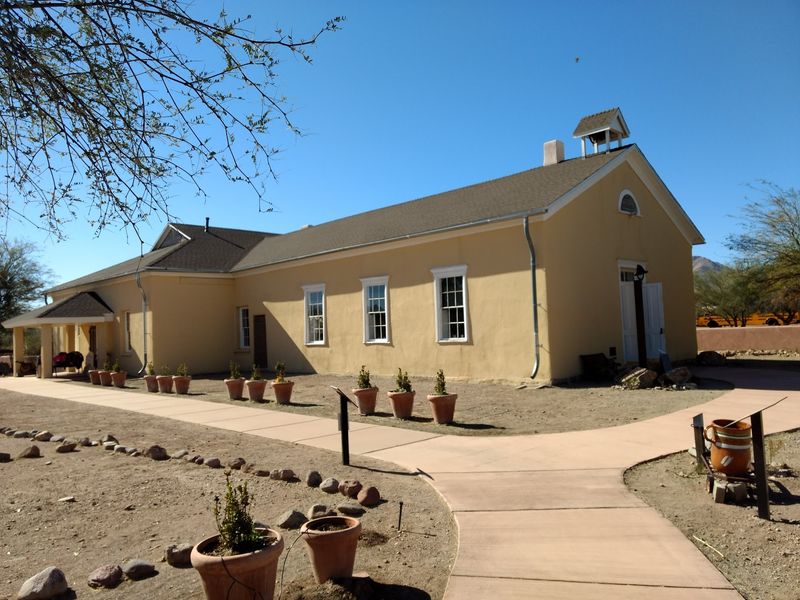
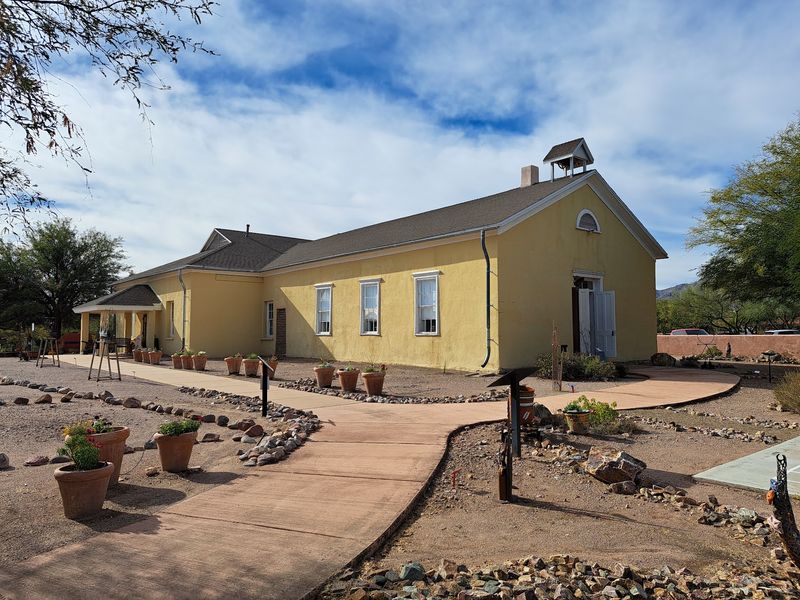
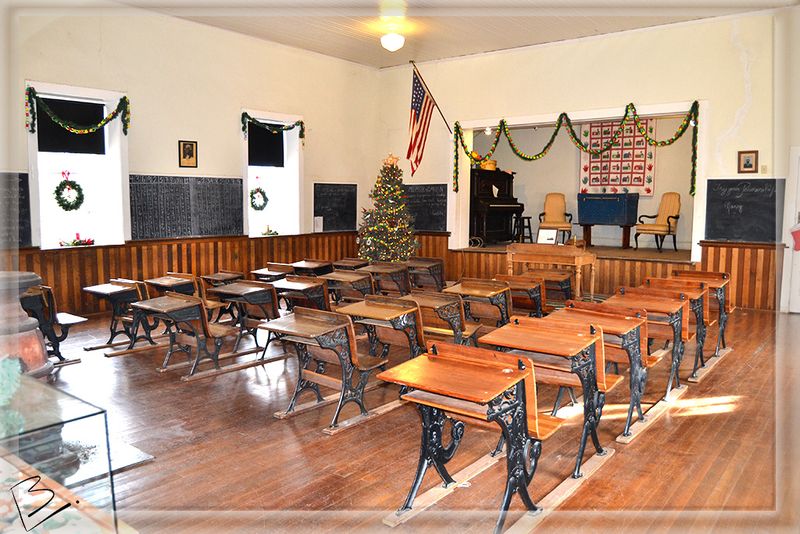
The 1885 schoolhouse is one of the park’s most popular stops. It is a one-room school, and it offers a clear window into frontier education.
The real star is the chalkboard. Lists of old rules spell out how teachers and students were expected to behave, and the expectations were strict by any standard.
Reading those rules tends to spark a few chuckles. It also tends to prompt the same thought from nearly everyone: thank goodness nobody has to follow them anymore.
There is a fun twist to that reaction. A century from now, people may look back at today’s classroom rules and feel exactly the same way.
Families with school-age kids will find this stop especially useful. Comparing the old rules with a child’s current school day makes for easy conversation on the drive home.
Current teachers may want to snap a photo of the list for their own classrooms, purely for comparison, of course. The building is small, yet it often ranks as a personal favorite, proof that one room can hold a surprising amount of personality.
The Rojas House Time Capsule
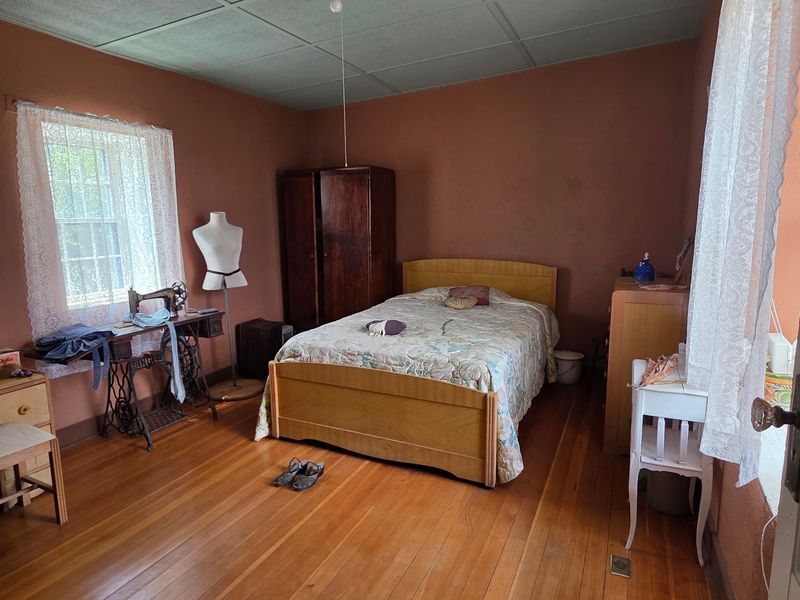
Not every piece of history here is centuries old. One of the most charming stops leaps forward to the middle of the 20th century.
The Rojas House shows how daily life worked in the 1950s and 1960s. It gives people a real sense of how families lived in Tubac during that period, adding a relatable chapter to the park’s long timeline.
The house has a cozy, approachable scale that many find downright adorable. After the heavy military gear and ancient artifacts, it offers a friendly change of pace.
That shift in eras is part of what makes the self-guided tour so effective. Tubac’s history did not stop when the soldiers left, and the Rojas House fills in the story of the community that stayed.
Grandparents touring with grandkids may find this stop especially meaningful. It can spark conversations about homes and routines within living memory.
The house is often mentioned alongside the schoolhouse and presidio ruins as a top highlight of the grounds. For a building covering a relatively recent era, it earns a surprising amount of affection.
History does not always need a sword or a wagon to be interesting. Sometimes an ordinary home tells the most personal story of all.
Volunteers Who Keep It Running
Behind every well-kept exhibit here is someone who chose to show up for free.
The park is maintained by volunteers and just one employee. The Friends of the Tubac Presidio and Museum, a nonprofit organization, keeps the doors open and the grounds cared for.
Friendly staff and friendly volunteers come up again and again when people describe their time here. The team is knowledgeable, eager to answer questions, and clearly proud of the place they help protect.
That pride extends outdoors. Volunteers tend the gardens and grounds, and on one day when the buildings were closed, a gardening volunteer still let a group stroll the gardens.
The nonprofit setup also means every dollar counts. Admission fees and gift shop purchases directly support a museum that does not rely on state funding.
Buying a book from the gift shop is an easy way to contribute a little extra. It also makes a practical souvenir for anyone who wants to keep reading after the drive home.
A place run on goodwill has a particular kind of energy. Here, it comes through in tidy paths, careful labels, and people who genuinely want every guest to leave knowing more than when they arrived.
Concerts, Lectures, and Holiday Fun
The park does not just sit still between school field trips.
Throughout the year, the Presidio hosts lectures and concerts featuring knowledgeable, talented people who share a love for the Sonoran Desert and its history. Local regulars take full advantage, and the park posts upcoming happenings on its events calendar.
The Fourth of July has become a standout. In partnership with the Tubac Rotary, the park has hosted a morning celebration from 10 to 12 with games for kids, music, donkeys to pet, and a flyover.
The local fire department even turned a hose on the kids, in the best possible way. For a July morning in southern Arizona, that might have been the most popular exhibit of all.
The museum stayed open during the celebration, so families could mix a holiday outing with some history. Planners have already looked ahead to future milestone celebrations with the Rotary.
Field trips are another big part of the calendar. The park books field trip experiences for schools, making it a solid option for classes studying Arizona history.
Signing up for the park’s newsletter is the easiest way to catch new exhibits, concerts, and lectures. Good things here happen on a schedule, and nobody wants to find out about them a week late.
Hours, Fees, and Parking Basics
A little planning goes a long way, especially with a 3 pm closing time.
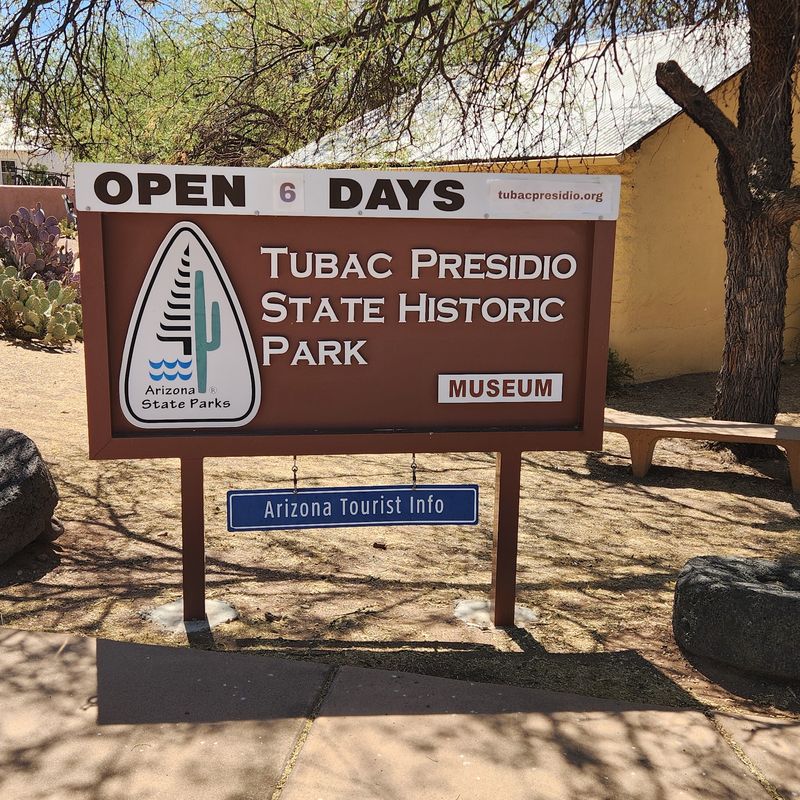
The park is open Tuesday through Sunday from 9 am to 3 pm, and it is closed on Mondays. Arriving too close to closing is a common regret, since there are many buildings to cover.
Admission is $7 per person. Given the size of the museum and the number of historic buildings, that fee is widely considered money well spent, and it supports a site that receives no state funding.
Parking is free and easy, and the lot tends not to be very busy. The site is handicap accessible, with sidewalks that make it simpler for wheelchair users to move between buildings.
Restrooms are on the right side of the Otero House. The grounds have also been noted as pet friendly, though it is wise to confirm the current policy before bringing a four-legged companion.
Plan on at least an hour, with one to two hours being ideal for a full visit. Starting with the entrance video and picking up the printed guide makes the self-guided route easy to follow.
Details can change, so a quick look at the official website before heading out is always a smart move. A few minutes of prep beats arriving at 2:45 with an entire museum left to explore.
Worth the Drive From Anywhere in Arizona
So, back to that headline. Does tiny Tubac really beat downtown Phoenix on galleries?
Without an official count, the honest answer is that nobody can say for sure. What Tubac does offer is a rare combination: art shops along the way in, and Arizona’s first state park waiting at the end of Burruel Street.
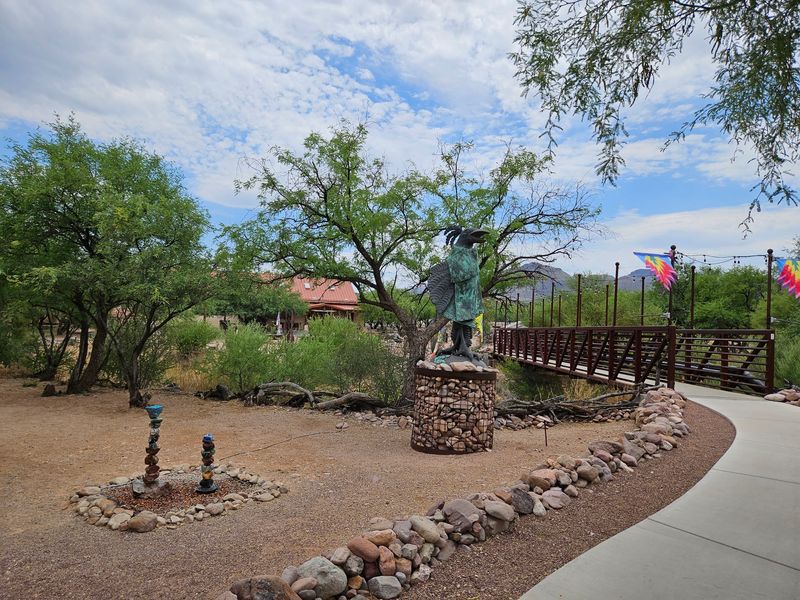
The pairing makes for an easy full-day outing. Trails near the park link up with Tumacacori National Historical Park, home to the mission and located about 3 miles to the south.
Put it all together and the day almost plans itself. Browse the local shops, tour the Presidio grounds, then stretch the legs on the trail toward the mission.
The park suits history lovers, families, school groups, and anyone who enjoys a quiet, uncrowded outing. Its hands-on exhibits, detailed museum, and volunteer warmth give it a personality that bigger institutions often lack.
For Arizona locals, the biggest takeaway may be how close this all is. It sits about 20 minutes from Green Valley and within an easy drive of Tucson, yet many residents have never made the stop.
That makes it the kind of place worth bragging about once discovered. The galleries may lure people to Tubac, but the Presidio is often what they remember most.