
Affiliate disclosure: As an Amazon Associate I earn from qualifying purchases. Learn more
Thousands of cars roll down Park Avenue in Winter Park, and plenty of drivers never give a second glance to the building that holds one of the most important art collections in the country. Inside sits the largest collection of works by Louis Comfort Tiffany found anywhere on the planet, including an entire chapel first built for the 1893 World’s Fair in Chicago.
Regular admission costs less than a movie ticket, and on certain evenings and holidays the doors swing open for free. Keep reading for the story behind the place, the pieces worth hunting down, the smartest times to go, and how to claim that no-cost entry before everyone else catches on.
A Park Avenue Stop Most Drivers Miss
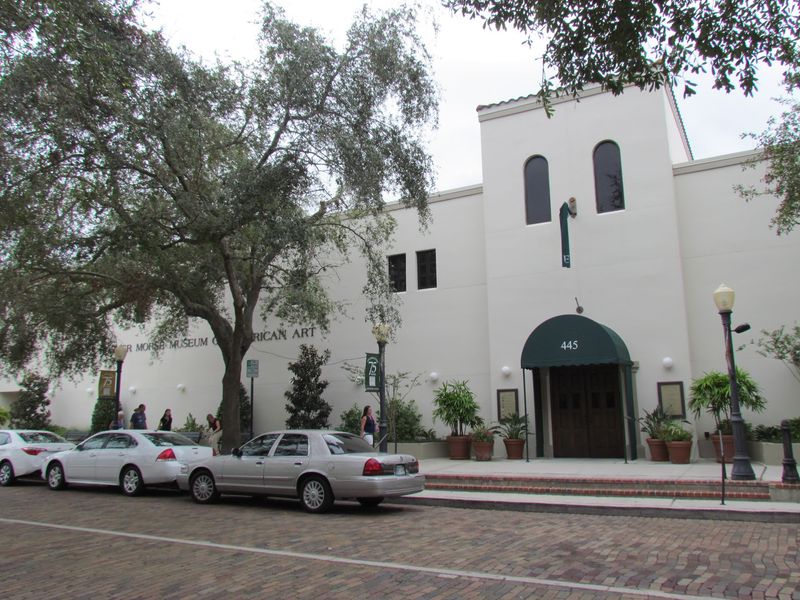
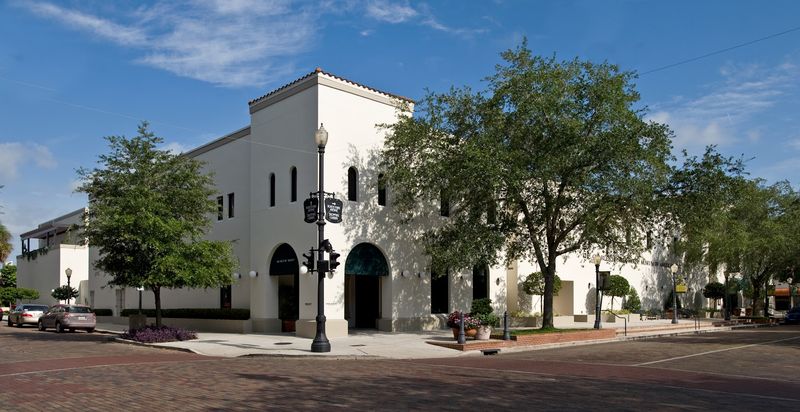
Park Avenue is Winter Park’s favorite strolling street, and yet one of its biggest treasures tends to blend right into the scenery. The Charles Hosmer Morse Museum of American Art sits at 445 N Park Ave, Winter Park, FL 32789, in the heart of the city right next door to Orlando, Florida.
It is an art museum with a very clear specialty. The building houses the most comprehensive collection of works by Louis Comfort Tiffany in the world, which is a bold claim for a spot many locals still treat as a drive-by.
The collection covers leaded-glass lamps, stained glass windows, jewelry, pottery, paintings, and decorative objects. Special exhibits join the permanent displays, so the museum does not stay frozen in time.
The space is also much larger than its street presence suggests. More than 30 rooms spread out behind the front doors, which catches plenty of first-timers off guard.
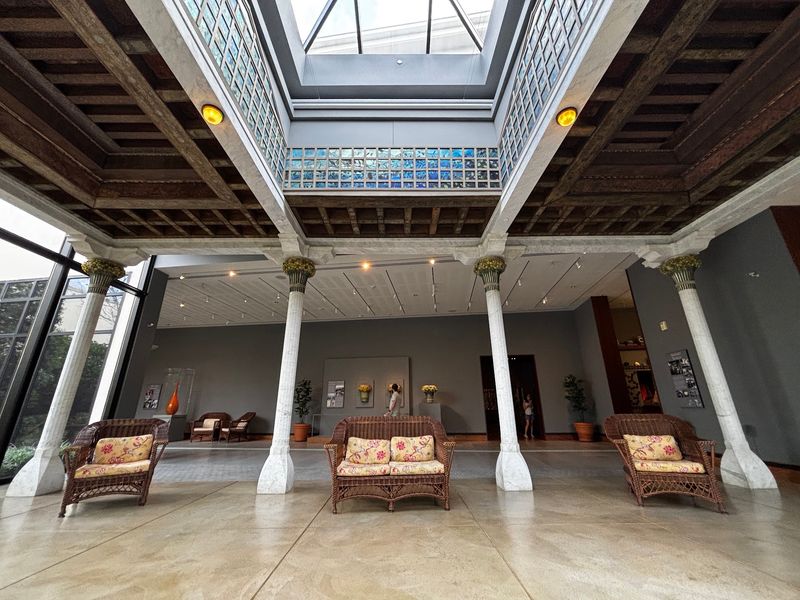
Families fit in easily here, and the calm galleries suit art lovers who like to take things slowly. A garden and a large lobby offer places to pause between rooms.
Historic, family-friendly, and focused, the museum rewards anyone willing to hit the brakes. So the next time traffic on Park Avenue crawls, treat it as a polite hint to park the car and head inside.
A Granddaughter’s Tribute From 1942
Every museum has an origin story, and this one starts with a granddaughter honoring her grandfather. Jeannette Genius McKean founded the museum in 1942 and named it for Charles Hosmer Morse.
Morse was a Chicago industrialist who became a philanthropist in Winter Park. His name on the door ties the museum to the city’s own past, not just to the wider art world.
The collection did not appear overnight. Mrs. McKean and her husband, Hugh F.
McKean, built it over roughly half a century.
Hugh also served as the museum’s director for decades, shaping how the pieces were gathered and shared. Jeannette lived from 1909 to 1989, and Hugh from 1908 to 1995, so their combined work spans much of the twentieth century.
That long timeline explains the depth on display. A collection shaped by two devoted people across fifty years carries a personal point of view that a committee rarely manages.
The couple saved more than finished art, too. They also gathered objects used in creating and inspiring Tiffany’s work, which gives the galleries a rare behind-the-curtain angle.
A short documentary about the founders plays at the museum and offers useful context before the galleries begin. Think of it as the prequel that makes the main feature click.
The Jeweler’s Son Who Bet on Glass
Say the name Tiffany and most people think of the famous jewelry store. Louis Comfort Tiffany was indeed the son of Charles Lewis Tiffany, founder of the jewelry firm Tiffany & Co.
Louis carved out a path of his own, though. He served as president and art director of his own operation and was the main force behind its production, both artistically and technically.
His reputation grew from his own name as well as his father’s. That blend of family fame and personal talent helped make him one of the best-known figures in American decorative arts.
He had a practical streak, too. Tiffany reportedly once said, “Go after the money there is in art, but the art will be there just the same.”
The museum does a thorough job of tracing his creative growth from his early days onward. Galleries place his celebrated stained glass windows alongside his lesser-known paintings, so the full range of his talent comes through.
Biographical material appears throughout the visit. Two informative videos explain his history and why his work still matters.
By the end of the tour, the name Tiffany stands for far more than jewelry. It becomes the story of an artist who treated lamps, windows, and vases as serious art instead of simple household goods.
A Chapel That Came From the 1893 World’s Fair
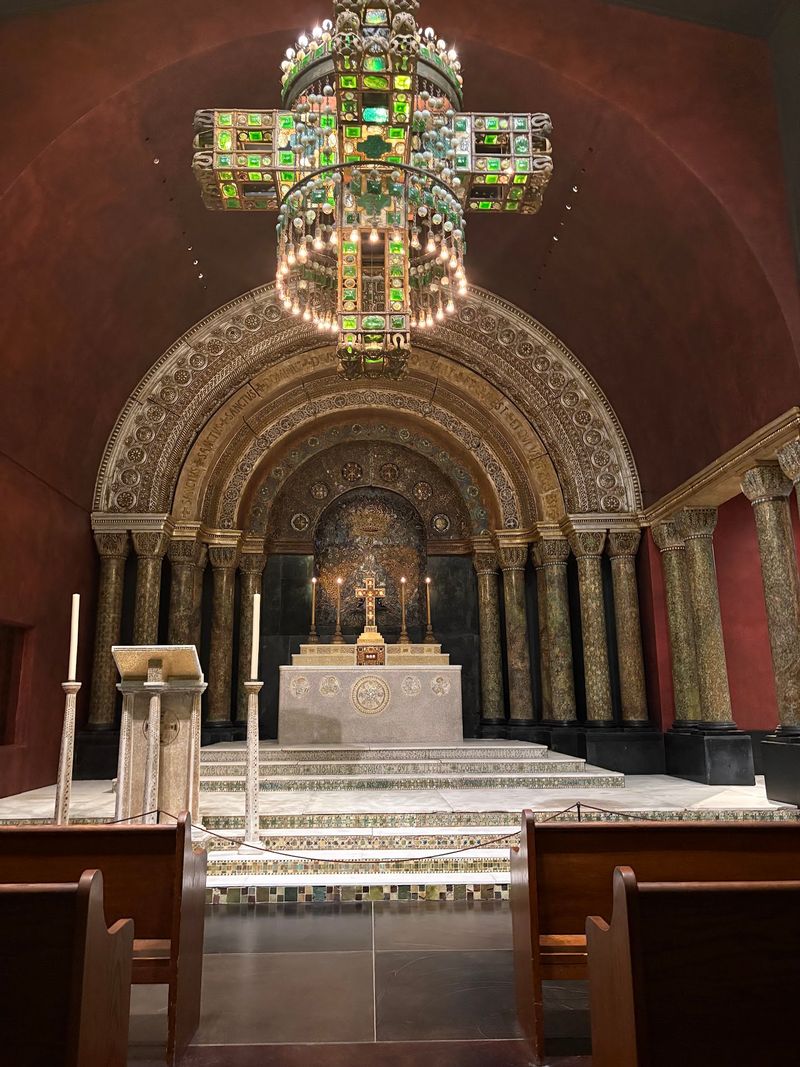
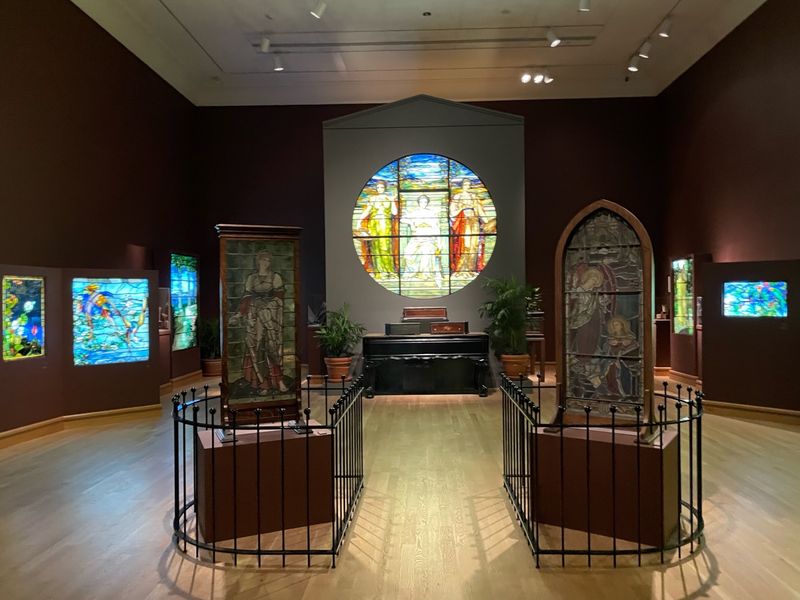
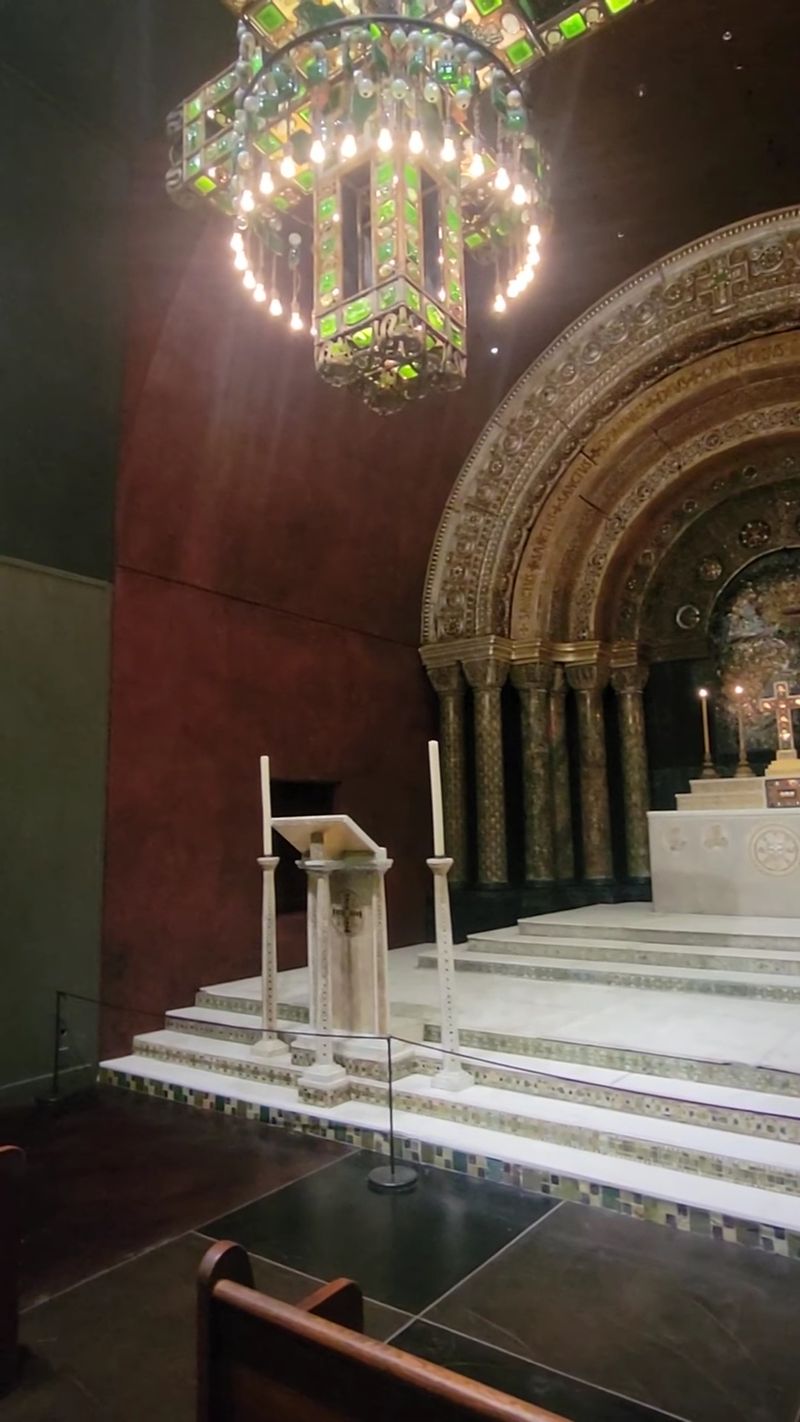
The star of the show is not a lamp or a window but an entire room. The Tiffany Chapel was created for the 1893 World’s Columbian Exposition in Chicago, and it now stands restored inside the museum.
No other feature in the building gets talked about more. The chapel is an immersive work of design that shows Tiffany at the very top of his game.
The altar holds a Tiffany chandelier dating to 1893. It remains impressively well preserved, which is no small feat for something well over a century old.
Guests are welcome to take a seat inside. Many people describe the experience as deeply moving, and the craftsmanship and artistic intent make it easy to linger.
The chapel also reveals how far the McKeans’ mission reached. Rescuing and restoring a full World’s Fair installation took vision, patience, and serious commitment.
Plan for extra time here rather than rushing to the next gallery. The room rewards a slow approach, and it tends to be the photo that ends up at the top of everyone’s camera roll.
Plenty of people would call the chapel worth the trip on its own. The other 30-plus rooms simply turn a great outing into a generous one.
Lamps, Windows, and Wearable Art
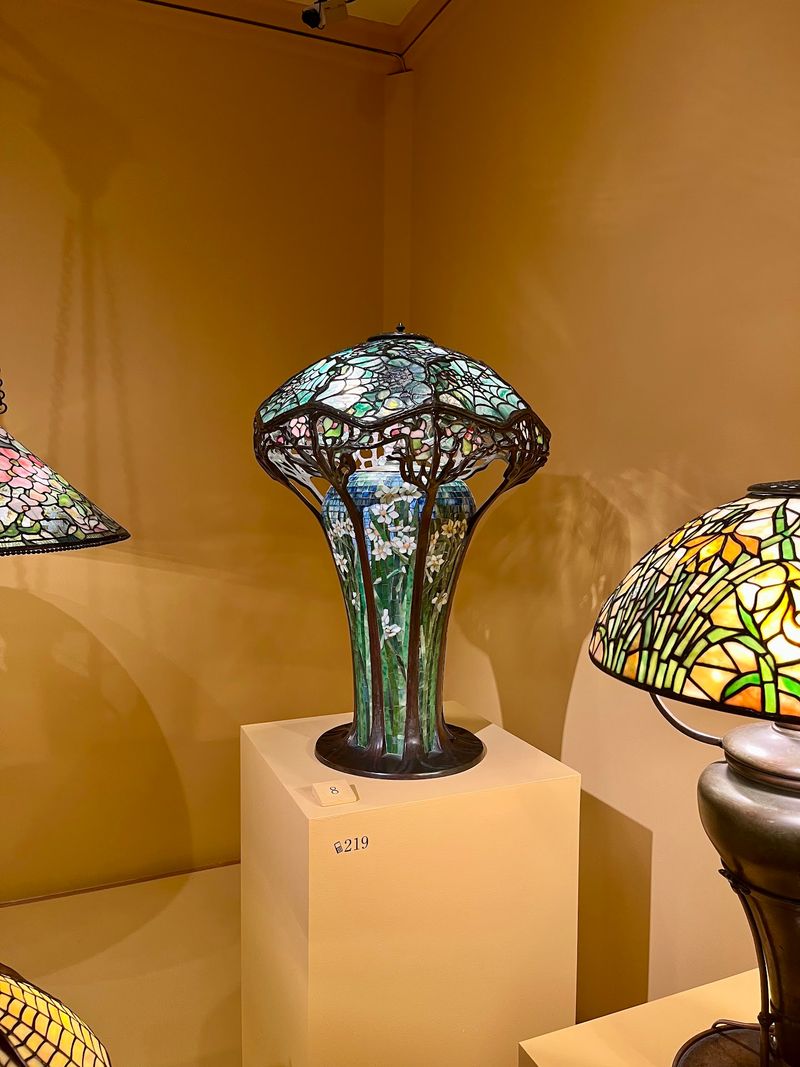
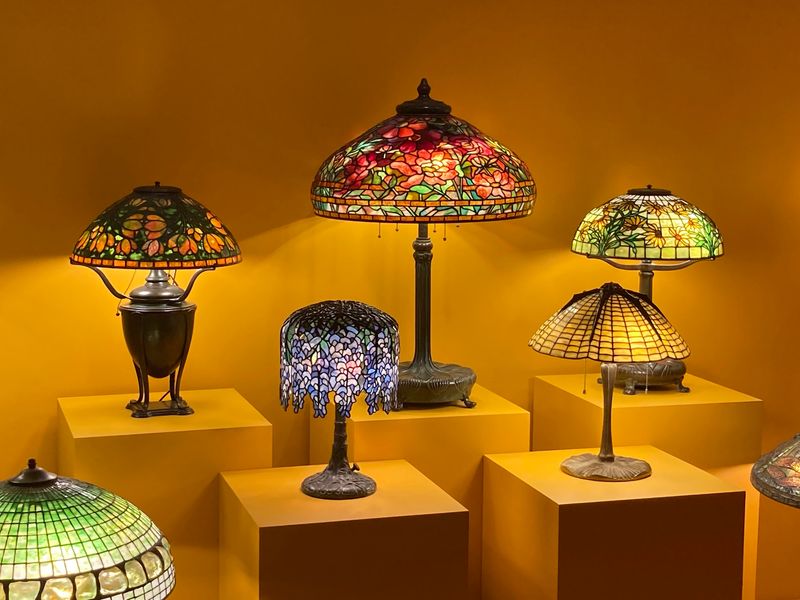
Tiffany lamps are the pieces most people recognize on sight, and the museum has them in abundance. His leaded-glass lamps are a major reason people seek the place out.
Stained glass windows come in close behind. Some of his world-famous windows are here, and they rank as the most-discussed art form in the building apart from the chapel.
Jewelry makes an appearance, too, which seems fitting for the son of a famous jeweler. The pieces prove that Tiffany’s design interests stretched well past home lighting.
Mosaics and hand-crafted art glass objects round out the lineup. Intricate decorative pieces add variety, so the galleries never feel like one idea repeated over and over.
Photo opportunities turn up in nearly every room. Staff members have been known to share tips for better pictures, which is a handy perk for anyone hoping to capture the fine details.
The galleries are thoughtfully arranged and kept spotless. Each piece gets breathing room, which makes it easier to compare styles and techniques as the tour unfolds.
Design history buffs will find plenty to study here. Casual guests, meanwhile, get the fun of finally seeing the originals behind a lamp style that became a household name.
Home Pieces From Laurelton Hall
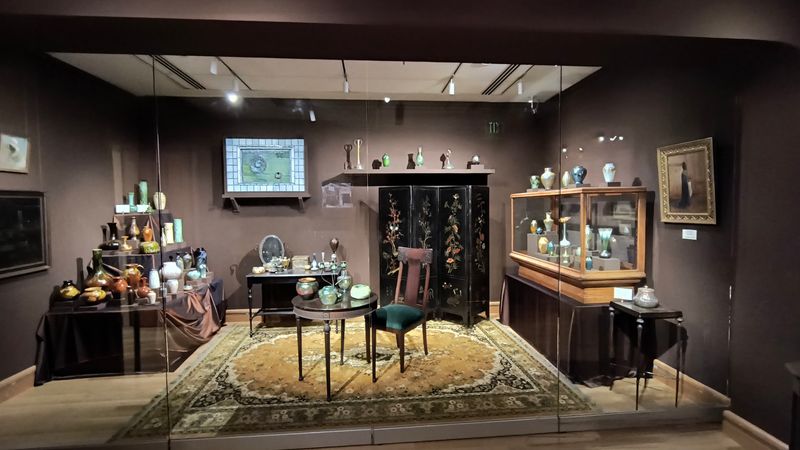
Toward the very back of the museum waits a section that some people nearly skip. The displays of Tiffany home pieces sit near the far end, and they deserve a firm spot on every itinerary.
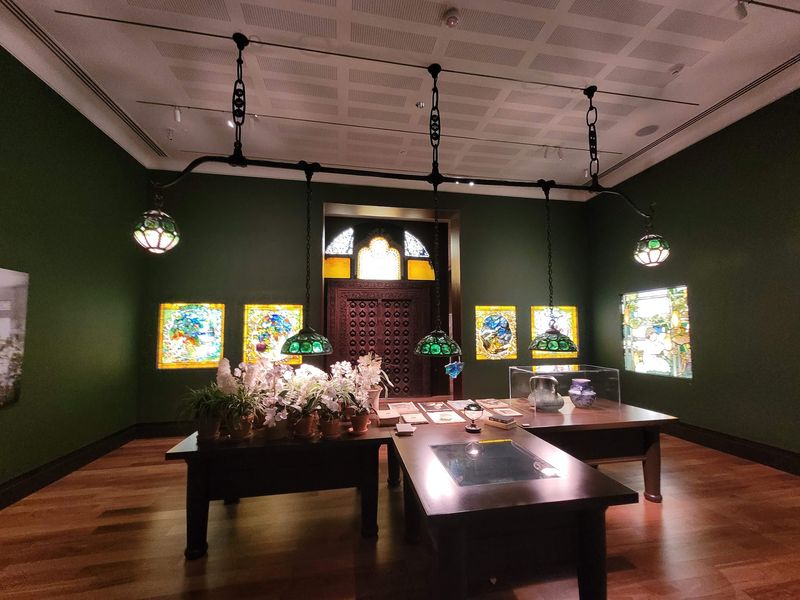
The artifacts come from Laurelton Hall, Tiffany’s estate. They show how the artist lived alongside his creations, not just how he produced them.
That perspective changes the tone of the visit. The objects were meant to be used and enjoyed as part of daily life, and the displays offer insight into how Tiffany interacted with his own art.
The collection also includes items connected to the creative process. The McKeans gathered objects used in making and inspiring the work, so the galleries tell a fuller story than finished pieces alone could manage.
Reproductions of some of Tiffany’s designed spaces add another layer. They help explain how individual pieces fit into complete rooms, which is how Tiffany often thought about design.
Many people say they could return several times and still spot something new. The Laurelton Hall material is a big reason for that, since there is simply a lot to absorb.
Save some energy for the finale. The back galleries are a reward for anyone who keeps walking.
Pottery, Paintings, and the Rest of the Story
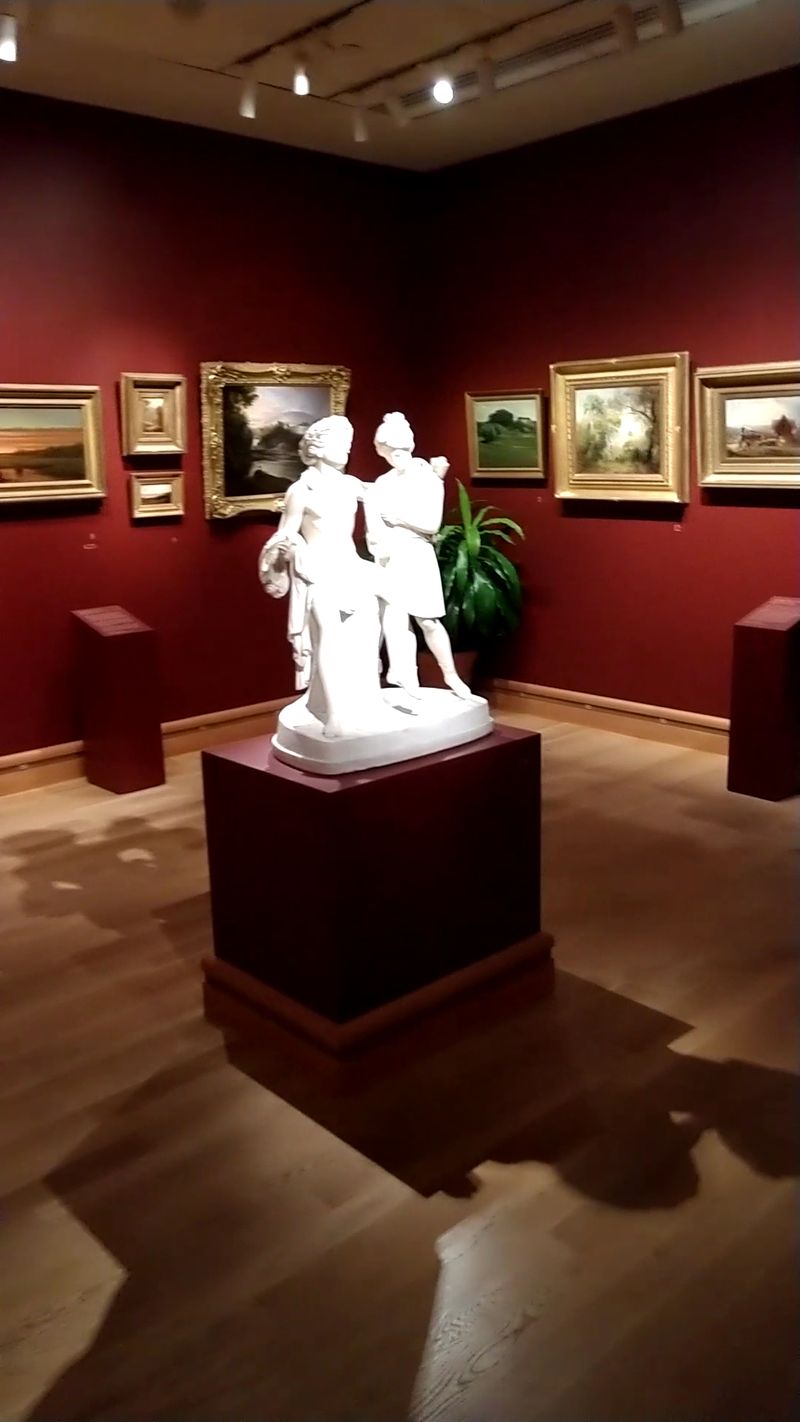
Tiffany may headline the marquee, but the supporting cast is strong. The museum also holds large collections of American art pottery, graphics, paintings, and decorative art.
Pottery earns plenty of attention on its own. Fans of ceramics will find a deep collection to browse between the glass galleries.
Furniture and other period artwork appear throughout as well. Many pieces date to the late nineteenth century, including works by lesser-known artists who rarely get this kind of spotlight.
The mix gives helpful context. Tiffany’s work makes more sense when seen next to other art from the same era, and the museum places them side by side in a way that feels natural.
Tiffany’s own paintings belong in this conversation, too. Many people never realize he painted at all, so these works tend to be a pleasant surprise.
Decorative arts come up again and again as a strength of the collection. The overall picture is of an era when everyday objects were treated with the same care as fine art.
For anyone who arrives thinking this is a one-trick museum, the variety quickly settles the question. The glass may open the door, but the pottery and paintings keep people wandering longer than planned.
Two Short Films Worth a Head Start
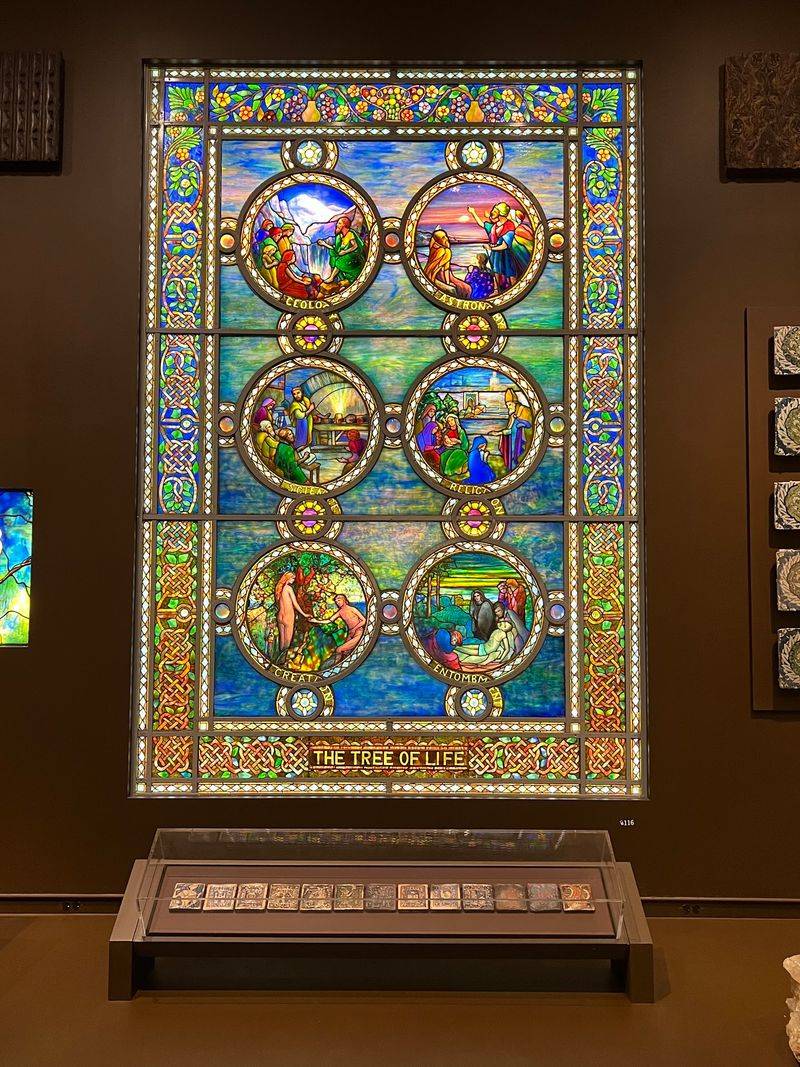
Here is a tip that regulars swear by. Before heading into the galleries, catch the short films the museum offers.
There are two informative videos available. One covers the museum’s founders, and the material also digs into the life and importance of Louis Comfort Tiffany.
Watching them first pays off quickly. The chapel, the lamps, and the estate pieces carry more meaning once the backstory is fresh in mind.
The films are especially useful for newcomers who know the Tiffany name but not much else. They explain how the collection came together and why this small city in Florida ended up with such an important set of works.
Returning fans find value in them, too. Some people who have been many times still say the museum feels exciting, and a refresher on the history helps each trip feel fresh.
Families with curious kids may appreciate the films most of all. A quick overview gives younger guests something to look for once they reach the galleries.
The time commitment is small compared to the payoff. Grab a seat, learn the plot, and then walk into the exhibits already knowing the main characters.
Booklets, QR Codes, and 30-Plus Rooms to Roam
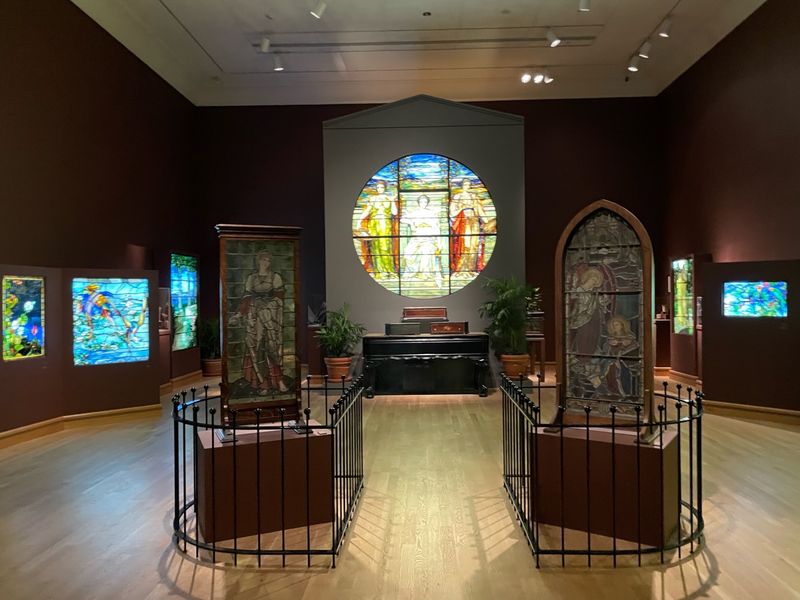
Forget the classic museum setup with a plaque beside every object. Most pieces here carry numbers instead, and the explanations live in other formats.
Each room offers pamphlet guides that describe the works on display. QR codes are posted in the galleries as well, linking to extra information.
A complimentary cell-phone audio tour comes with admission. It is easy to access upon arrival and adds narration to many of the numbered pieces.
Some people prefer wall labels for quick reading, so the system takes a moment to get used to. Once it clicks, though, the booklets, codes, and audio give several ways to learn at whatever depth feels right.
Groups can also book a guided tour with a docent. That option suits clubs and families who like a human touch and a chance to ask questions.
The layout itself is relaxed and spread out, with more than 30 rooms to explore. An hour is a sensible minimum, and many people find that two or even three hours pass quickly.
Nobody needs to see everything in one go. Plenty of guests leave after an hour with rooms still unseen, which is a fine excuse to return.
A Calm Hideaway for Dates, Families, and Solo Art Fans
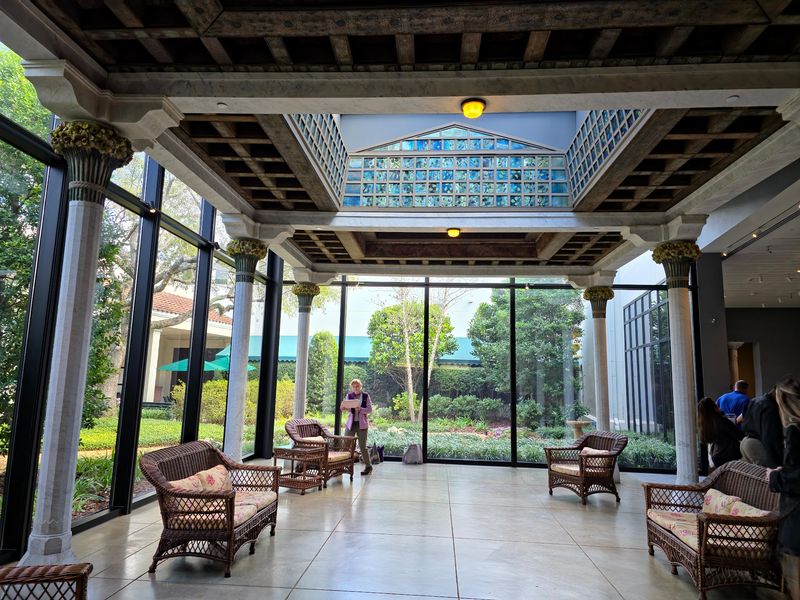
Some museums feel like a race, but this one moves at a gentler pace. The atmosphere is calm and unhurried, which makes it easy to take time with each room.
That mood makes it a popular date idea. The combination of low cost and a one-to-two-hour visit fits neatly into an afternoon on Park Avenue.
Families bring out-of-town relatives here, too. The museum makes a strong showpiece for guests visiting the Orlando area who want something beyond theme parks.
Solo art lovers get plenty out of it as well. The peaceful setting suits anyone who likes to read, listen, and look without a crowd pushing them along.
The staff add to the easygoing feel. Greeters explain the layout at the start, gallery staff answer questions with real knowledge, and some team members even help with photos.
A garden offers a spot to sit and regroup between galleries. The large lobby works as a meeting point for groups who split up to explore at different speeds.
For anyone craving a low-key outing in Central Florida, the museum checks a lot of boxes. It is the rare place where slowing down is the whole point.
Free Friday Nights and Open House Days
The best price in town is zero, and the museum offers it more often than many people realize. Free admission runs from 4 p.m. to 8 p.m. on Friday evenings from November through April.
Those extended hours make a big difference. Regular closing time is 4 p.m., so Free Fridays open up an evening option for people who work during the day.
The museum also hosts special open house events throughout the year. Admission is free during these celebrations, which have included the holiday season and the Winter Park Sidewalk Art Festival.
Planning around these dates can save a family a nice chunk of change. It also makes a spontaneous visit easy, since there is no cost barrier to popping in for an hour.
A Friday evening stroll on Park Avenue pairs well with a free museum stop. The chapel alone makes a memorable way to cap off the week.
Schedules for special events can shift from year to year. Checking the museum’s website before heading out is the safest way to confirm dates.
Once word gets around, these free nights may not stay a secret for long. For now, they remain one of the smartest cultural bargains in Central Florida.
Tickets Priced Like Pocket Change
World-class art usually comes with a world-class price tag. Not here, where admission stays refreshingly modest.
Adult tickets have recently run in the range of about $6 to $8. Seniors have paid roughly $5 to $7, depending on timing.
Students get an even better break. Student admission has ranged from as little as $1 up to a few dollars, and some students have entered for free.
Children under 12 get in free. That makes the museum an easy family outing that will not wreck the monthly budget.
Since prices can change, a quick look at the museum’s website before visiting is a good habit. Students especially should check, as the discounts can be surprisingly generous.
Advance booking is available through the Morse Museum Ticket System. Check-in tends to be quick and simple, so there is little waiting around once inside the lobby.
Groups have also booked guided tours at around $6 per person. That rate includes a docent to walk everyone through the collection.
For a collection of this caliber, the price feels almost like a typo. Plenty of people leave saying it ranks among the best cultural deals in the Winter Park area.
Hours, Parking, and a Handy Train Option
Timing a visit takes a little planning, since the schedule is not the same every day. The museum opens Tuesday through Saturday from 9:30 a.m. to 4 p.m.
Sunday hours are shorter, running from 1 p.m. to 4 p.m. Monday is the one day the doors stay closed.
Those 4 p.m. closing times sneak up fast. Arriving by early afternoon leaves enough room for the films, the chapel, and the back galleries without feeling rushed.
Parking on busy Park Avenue can be a challenge. The good news is that a convenient, free parking garage sits right across the street from the museum.
Another option skips the car entirely. The museum is very close to the local train station, so riding the rails makes a lot of sense on crowded days.
Groups sometimes build a full day around the museum. Some pair it with a boat ride and a meal elsewhere in Winter Park before finishing with a guided tour.
The central location makes it easy to fold into a broader Park Avenue outing. Shops, strolls, and the museum all sit within a short walk of one another.
A little planning around those hours turns a quick stop into a relaxed afternoon.
A Souvenir Stop and a Gentle Nudge to Go

Nobody should skip the exit, because the museum shop is a destination of its own. It carries books, postcards, magnets, and gift sets across a wide range of price points.
The selection is carefully curated and themed to match the exhibits. There is something affordable for a quick keepsake and something more special for a bigger splurge.
Useful items sit alongside decorative ones, too. A few postcards make a simple memento, while art books let the Tiffany story continue at home.
That shop caps off a visit packed with surprises. The museum is bigger than it looks, deeper than expected, and priced like a neighborhood library.
It holds the world’s most comprehensive collection of Louis Comfort Tiffany’s work, a chapel from the 1893 World’s Fair, and pieces from his own estate. All of it sits on a street many people rush past without noticing.
For Florida day-trippers hunting for affordable culture close to home, it is hard to find a better match. Free Friday evenings from November through April make the case even stronger.
So the next time the GPS routes through Winter Park, consider this a friendly detour request. The glass has waited more than a century, and it will be ready whenever the car finally pulls over.