
Affiliate disclosure: As an Amazon Associate I earn from qualifying purchases. Learn more
Most parks ask kids to stay on the path and leave the rocks alone. Just west of Fort Worth, in the small city of Mineral Wells, there is a place that flips that rule completely and hands the whole hillside over to young treasure hunters.
The ground there is scattered with the remains of sea creatures that lived long before the first dinosaurs, and families are allowed to pick them up, bag them, and carry them home without paying a cent at the gate. Keep reading to learn exactly where it is, what kinds of fossils turn up, which simple tools make the hunt easier, and how to plan a trip that keeps everyone happy from the first find to the drive home.
A Dig Site at the End of Indian Creek Road
Some of the best family outings in Texas hide at the end of a quiet county road, and this one fits that description perfectly. Mineral Wells Fossil Park sits at 2375 Indian Creek Rd, Mineral Wells, TX 76067, in the United States.
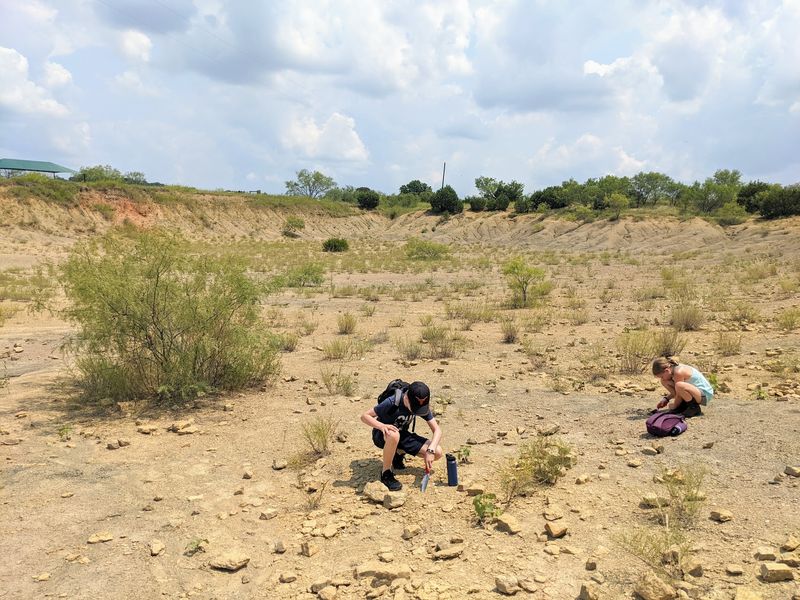
Mineral Wells is a small city in North Central Texas, and the park lies on its outskirts rather than downtown. The setting is rural and open, with rocky slopes, scrub, and a wide stretch of exposed ground where the fossils rest.
Families travel surprising distances to get here. One homeschooling family made the trip all the way from College Station just for the fossil park and turned the visit into a full field trip, complete with custom collecting bags for the kids.
The park is classified simply as a park, but that label undersells it. What waits at the end of the road is really a public fossil collecting ground that anyone can explore.
It also has a strong following, holding 4.6 stars across nearly 500 Google Maps entries. That kind of steady praise is unusual for a spot with no gift shop, no playground, and no admission booth.
So what exactly makes a patch of rocky Texas dirt this popular? The answer starts with what kind of park it actually is.
Less Playground, More Prehistoric Treasure Map
Swings and slides are nowhere to be found here, and nobody seems to miss them. The park works more like a public fossil dig site than a traditional neighborhood park.
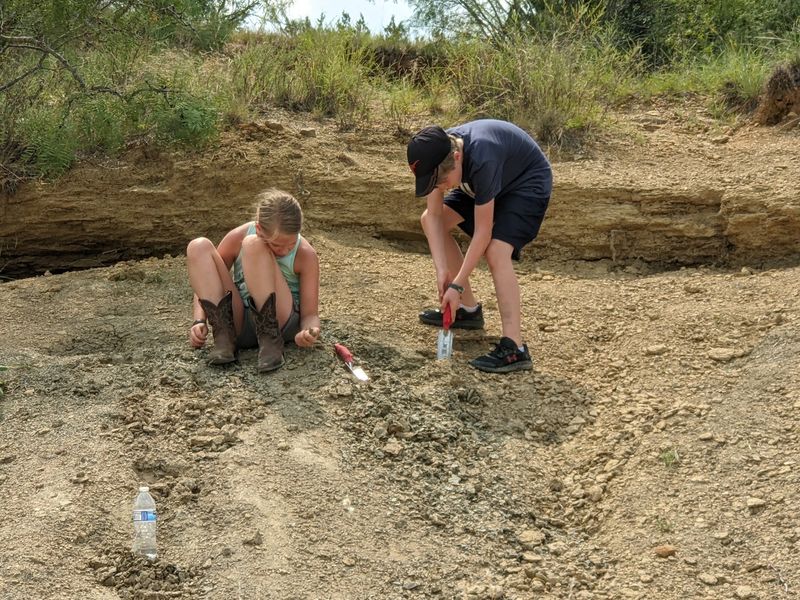
There is a covered picnic area for resting, but the real attraction is the ground itself. Slow down, look at your feet, and the fossils start showing up almost right away.
Many families find a handful of small fossilized sea life within about ten minutes, sometimes right near the entrance. Plenty of the finds sit directly on the surface, so heavy digging is rarely needed.
That low barrier makes the park a friendly first stop for beginners. People who have never gone fossil hunting before leave with pockets full of little treasures, while experienced collectors can hunt for more interesting pieces.
The layout also gives kids space to roam. Without playground equipment, the open field and the side hills become the play area, and children tend to treat every rock as a possible prize.
Adults get pulled in too. Parents who plan to just supervise often end up crouched beside their kids, comparing finds and trying to figure out what they picked up.
Of course, the fun only makes sense once you know how old those little rocks really are.
An Ancient Seafloor in North Texas
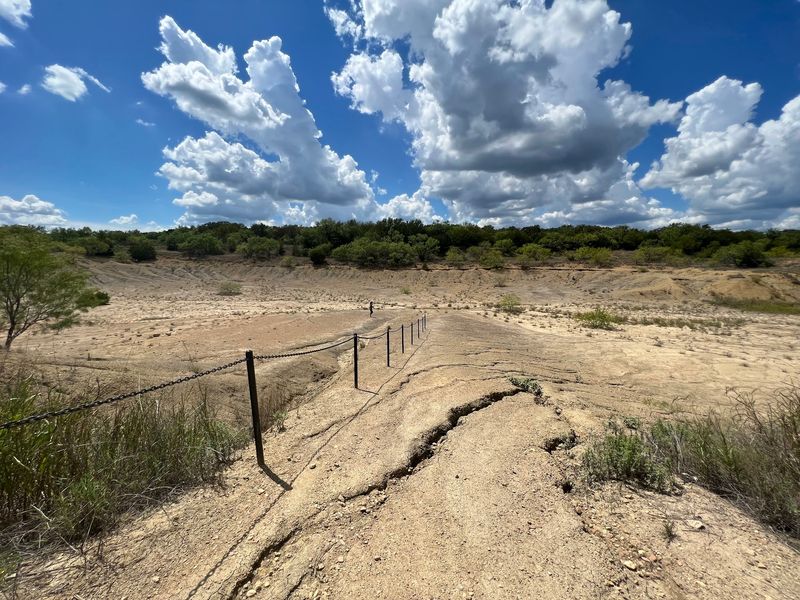
Landlocked North Texas does not look like ocean territory today. Roughly 300 million years ago, though, this area was covered by shallow sea, and the park is the leftover floor of that ancient water.
That is why nearly everything found here is aquatic. The fossils are the remains of small marine creatures that lived, settled, and eventually turned to stone long before dinosaurs came along.
The pieces are mostly tiny. Many are pea-sized or smaller, so the hunt rewards patience and sharp eyes more than muscle.
Once someone spots their first fossil, the rest tend to pop out of the ground much more easily. Parents often notice that kids who start slow suddenly find piece after piece once their eyes adjust to what they are looking for.
The sheer quantity surprises first-timers. Some describe the ground as covered in fossils, with plenty of intact specimens simply lying around waiting to be noticed.
It makes for an easy history lesson that kids can hold in their hands. A child who picks up a fossil here is touching something older than most mountain ranges, and that idea tends to stick.
Which creatures show up most often? One type clearly dominates the field.
Crinoid Stems by the Handful
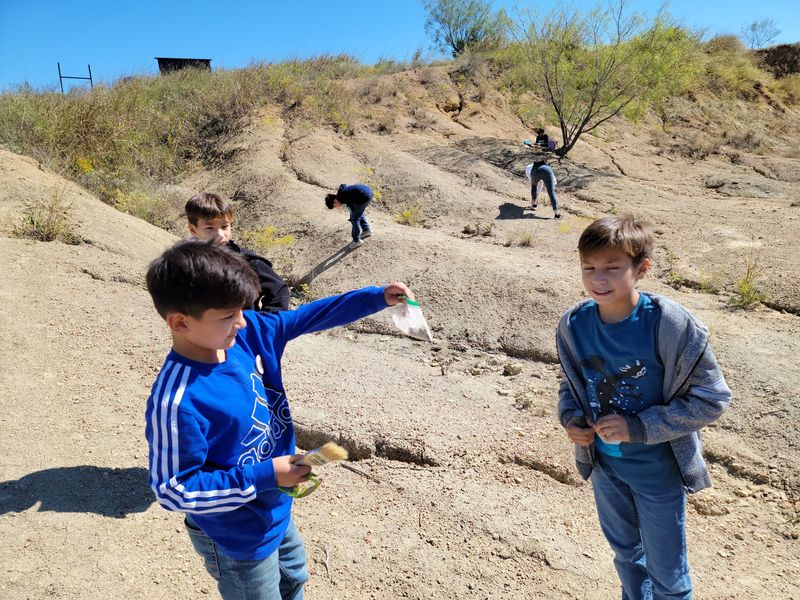
Ask almost anyone who has hunted here what they found, and crinoids will top the list. These little stem segments are the park’s signature find.
Crinoids were sea animals that are sometimes called sea lilies, and their stems broke apart into small disc-shaped or cylindrical pieces. Collectors call the individual segments columnals, and they turn up across the park in large numbers.
Even groups who leave early because of the weather usually head home with a few crinoid stems. They are simply that easy to spot.
Alongside them, brachiopod segments and bivalves appear often. Hunters also mention crinoid plates, coral, and oyster and clam shells mixed into the gravel.
For kids, crinoids are a confidence builder. The first find happens fast, and each new piece feels like proof that they are real fossil hunters now.
Collectors with a little more knowledge enjoy sorting their haul later. Comparing shapes and sizes at the kitchen table can stretch the fun well beyond the trip itself.
Crinoids may be the headline act, but they are far from the only performers. A few rarer finds keep the most dedicated hunters coming back.
Trilobites, Nautiloids and Other Lucky Breaks
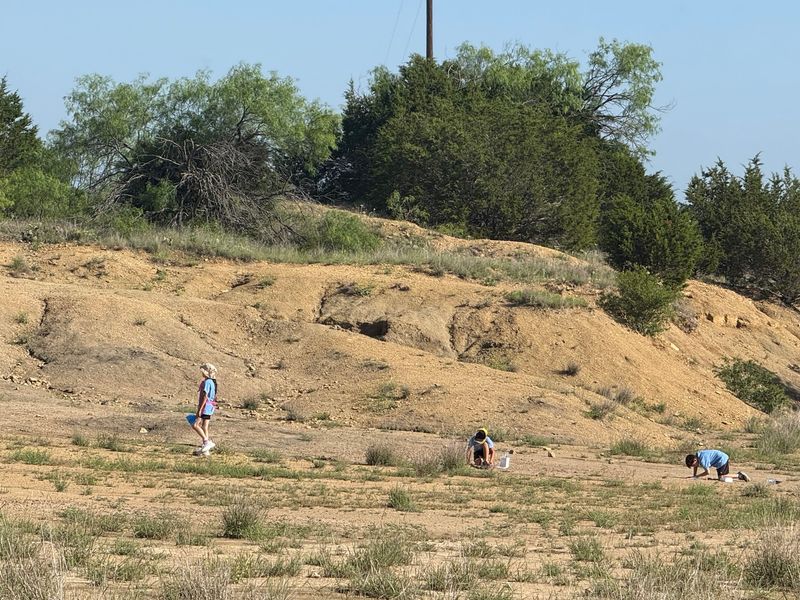
Every fossil field has its lottery tickets, and here the jackpot might be a trilobite. These ancient arthropods are among the most exciting pieces a person can find at the park.
One hunter turned up a colorful partial trilobite and counted it as the highlight of the day. Trilobites come up in conversation about the park often enough to show they are a real possibility, even if they are not an everyday find.
Patient collectors report a wider list, too. Gastropods coated in limestone, nautiloids, and echinoid plates and spines have all been pulled from the ground here.
Shark teeth are a popular topic as well. Some hunters come looking for them, though at least one left unsure whether the small pieces in the bag were actually teeth.
The rare finds tend to reward slow, careful searching. Sitting in one spot and scanning the ground inch by inch often works better than wandering quickly across the field.
Those who go mostly for the easy crinoids should still keep an eye out. A little luck and a lot of attention can turn an ordinary afternoon into a story worth retelling at school.
And the treasure hunt is not limited to creatures, either.
Rockhounds Get a Bonus Round
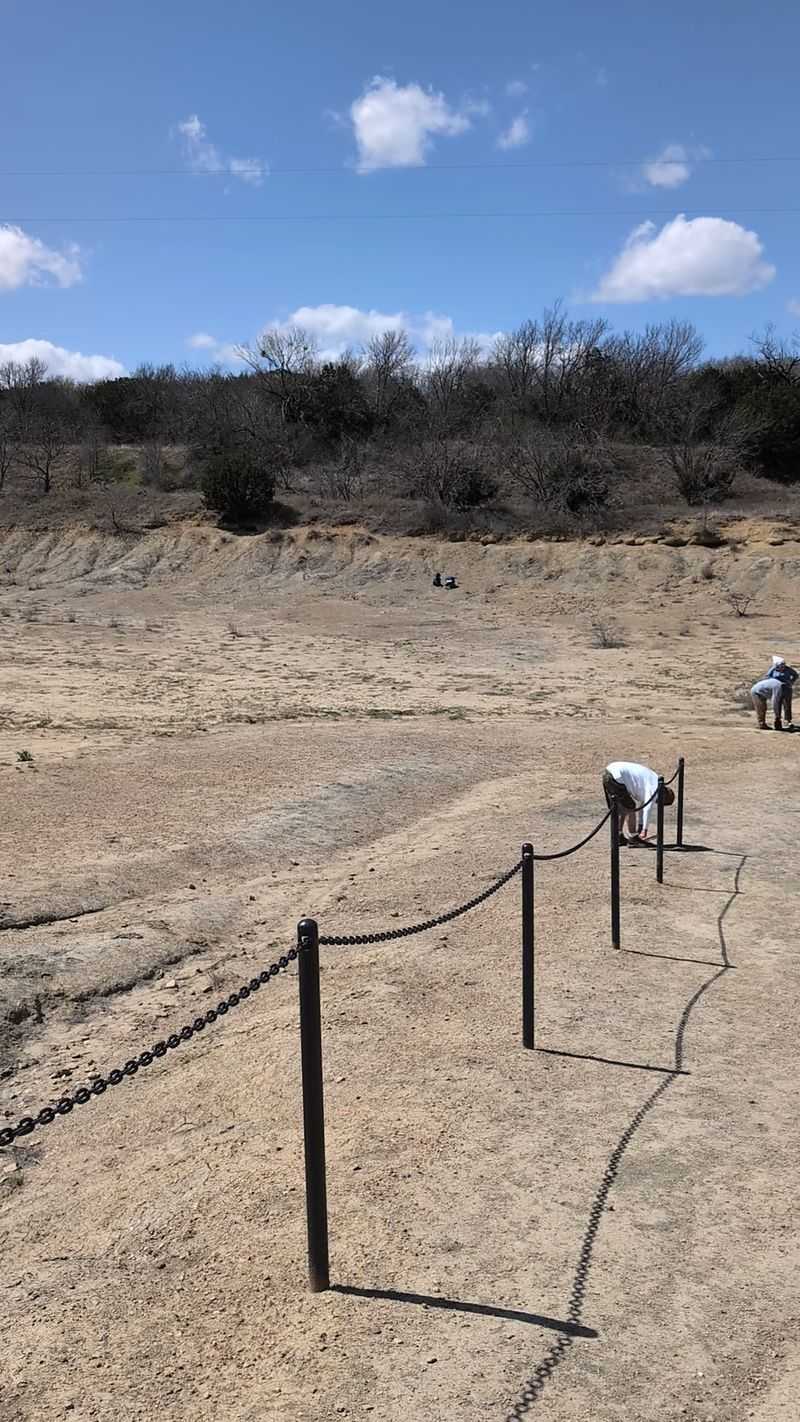
Not every prize at the park used to be alive. Rock collectors find plenty to love among the fossils.
Jasper shows up in the gravel, and some lucky hunters have found red and brown botryoidal chalcedony. Pink and cloudy quartz have been found too, along with what may be pieces of palm wood.
Some interesting rocks sit embedded in the hillsides rather than lying loose. Exploring the slopes can uncover a different mix than the flat collecting area.
Families also talk about finding Indian beads, which is a common nickname for crinoid stem pieces with a hole through the center. Kids especially like these because they look like they could be strung on a necklace.
Many finds need a good rinse before they show their true colors. Collectors often bring their haul home still dusty and only discover what they really have after washing the pieces off.
That surprise factor adds a second layer of fun. The trip does not end at the car, because the unboxing happens at home in the sink.
With so much to gather, the natural next question is whether taking it all home is actually allowed.
Finders Keepers, By the Rules
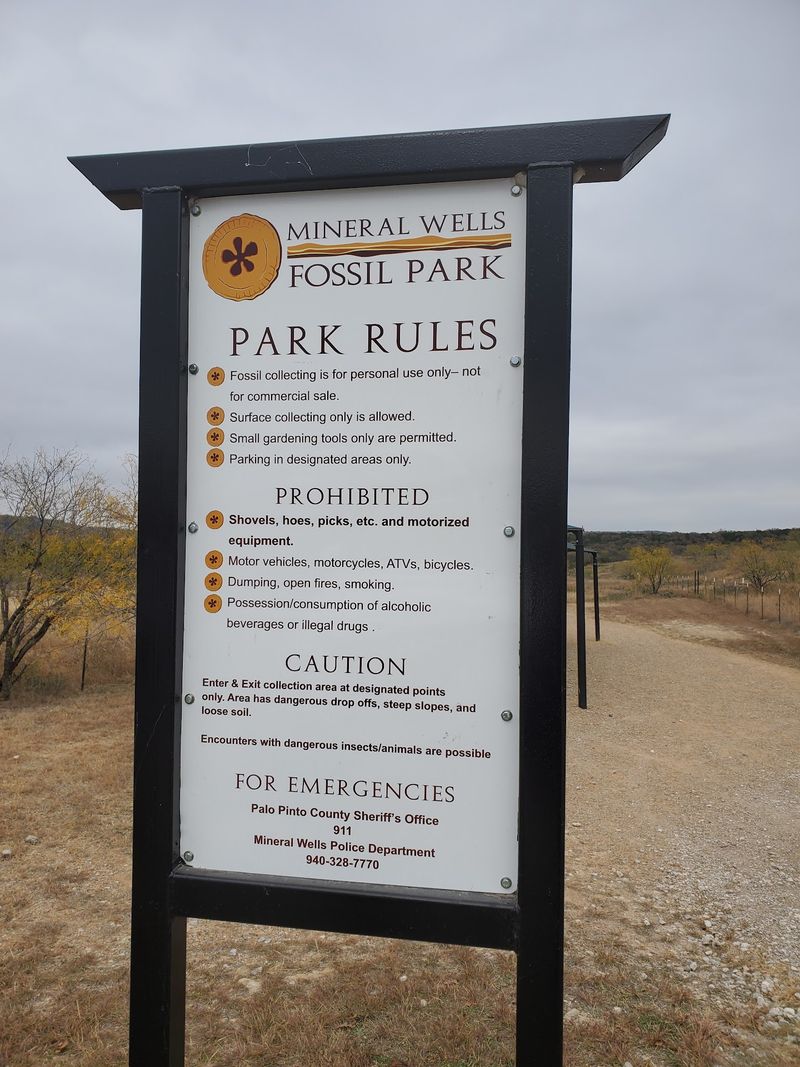
Here is the part that makes kids grin: the fossils you find are yours to keep. Collecting is the whole point of the park.
Many collectors appreciate that the guidelines are clear. The rules are posted both online and at the location, so nobody has to guess what is permitted.
That transparency matters to people who care about following local laws. Plenty of outdoor spots have vague or strict policies about taking rocks, and this park removes the worry.
There is also a learning element built into the experience. Hunters mention being able to learn about their finds on the way out, which helps kids put names to the little pieces in their bags.
Families often treat that step as the lesson portion of the day. A crinoid becomes more meaningful once a child knows it was part of a sea animal from hundreds of millions of years ago.
Before heading out, check the official website for the current rules. Reading them together in the car is a nice way to set expectations for young collectors.
Rules sorted, the next thing parents usually wonder about is how much freedom their kids will have out there.
Room to Roam, Easy to Watch
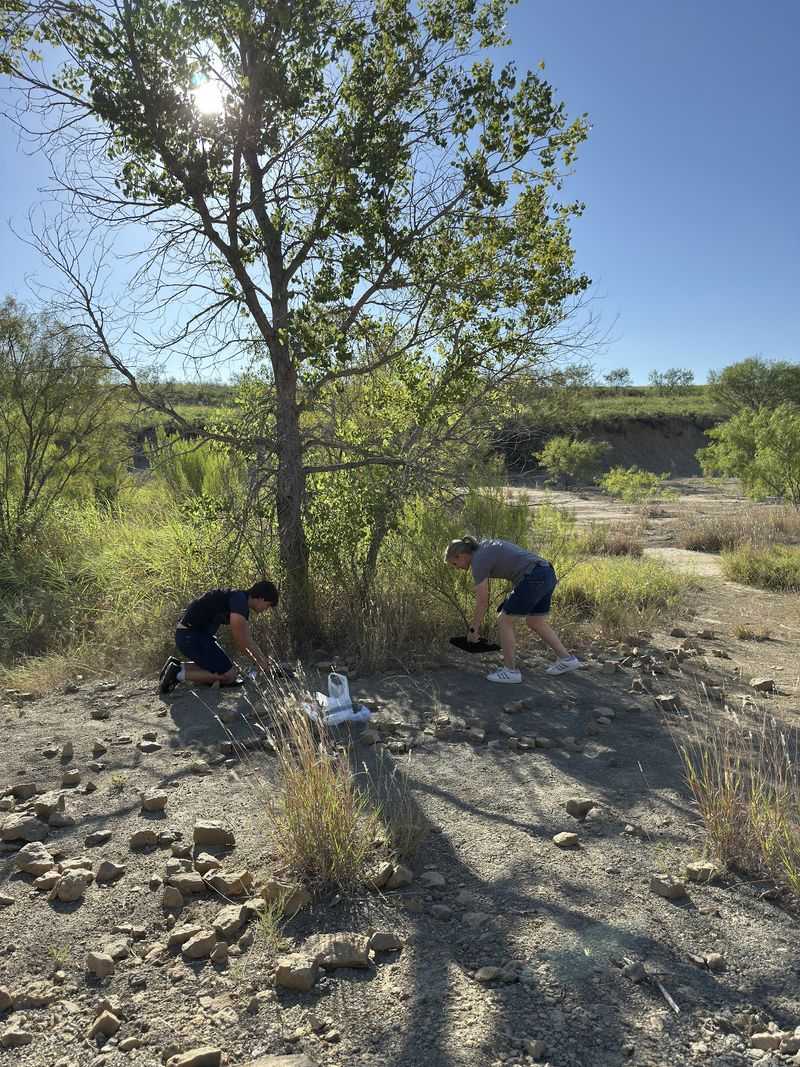
For many parents, the best part of the day is not a fossil at all. It is the ability to see their kids from almost anywhere in the collecting area.
The open layout lets children go up, down, and around the slopes while staying in view. One mother described not needing to hover, because her kids stayed visible the whole time while they searched.
Some children skip the hunting for a while and just run. Families bring toys, and kids enjoy exploring a safe, open space with no traffic nearby.
There are thickets around the edges, so it helps to set boundaries for kids who like to wander. Wildlife lives here too, with rabbits spotted on occasion, and some parents remind children to stay alert since coyotes may be around.
The mood at the park tends to feel relaxed and family-friendly. It is well kept, clean, and suited to people who are brand new to hunting for treasures.
Kids often leave happier than expected. One parent noted that her children thanked her again and again during the visit, which she said never happens.
A few simple supplies can make that happiness last even longer.
What to Pack in the Fossil Bag
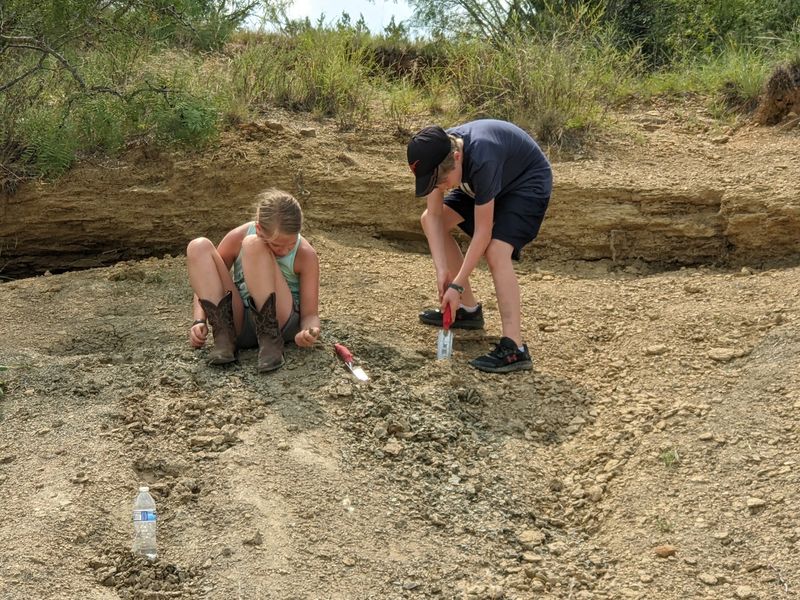
Forget the fancy excavation kit. A dinner spoon may be the only digging tool you need.
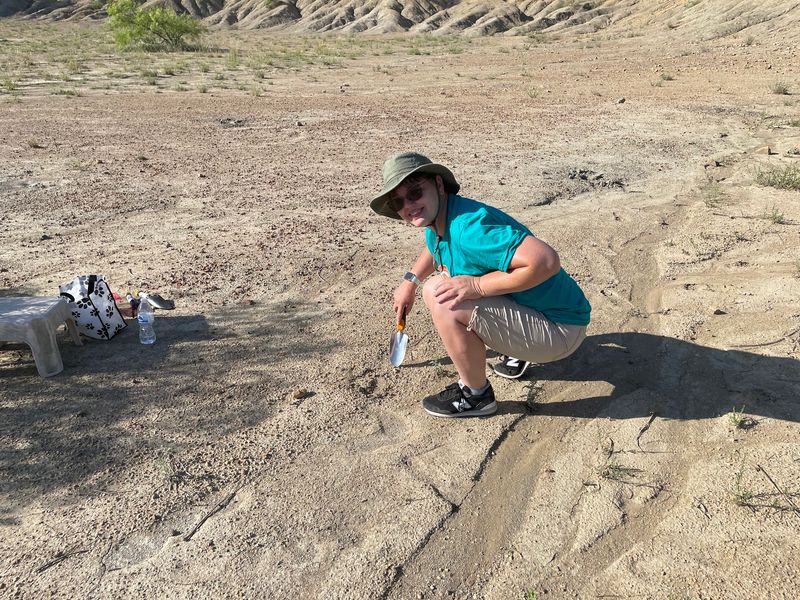
Since most fossils rest on the surface or just below it, light tools work best. A small shovel or garden tool comes in handy for loosening gravel, and many families recommend bringing one.
Something to carry the loot is essential. Zip-top baggies, small bags, or a crossbody pouch let kids keep their finds together as the pile grows.
Comfort gear helps too, because good hunting often means sitting or kneeling for long stretches. Knee pads, a pillow, or beach chairs make those slow searches much easier.
Clothing deserves a thought as well. Jeans and closed-toe shoes or sturdy sneakers protect against scrapes on the loose soil and gravel.
A snack bag rounds things out, especially since the picnic area makes a natural break spot. Kids who fuel up tend to hunt longer.
Some families even personalize the gear. One homeschool group made necklace ID tags with park info and custom messenger bags for tools and fossils, turning the trip into an event.
Of all the supplies, though, the most important ones deal with the Texas sun.
Outsmarting the Texas Sun
The fossil field offers almost no natural shade, and summer here is serious business. Timing and preparation make a big difference.
Going early is the most repeated advice. The park opens at 8 AM, and arriving close to opening on warm days helps families hunt longer before the heat builds.
People do visit in summer and still have fun. Some have hunted in the mid-90s around noon for a couple of hours, but they came prepared.
Water tops the packing list. Bring more than seems necessary, because even a breezy day can leave everyone thirsty.
Sunscreen and a good hat are strongly recommended. An umbrella can also provide a little portable shade while sitting and searching.
Wind is worth checking too. Loose soil on a windy day can make the outing less pleasant, so a calm forecast is ideal.
Dry summer weather has an upside. The ground tends to be in excellent shape for spotting fossils when it is dried out.
Cooler months bring a different experience entirely. An early Sunday morning in December can mean having the whole park nearly to yourself.
Whatever the season, everyone needs a place to take a break.
The Shady Picnic Pavilion
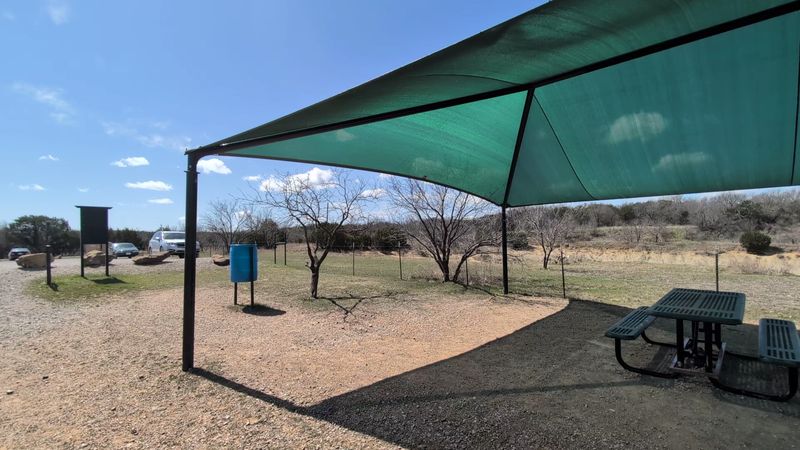
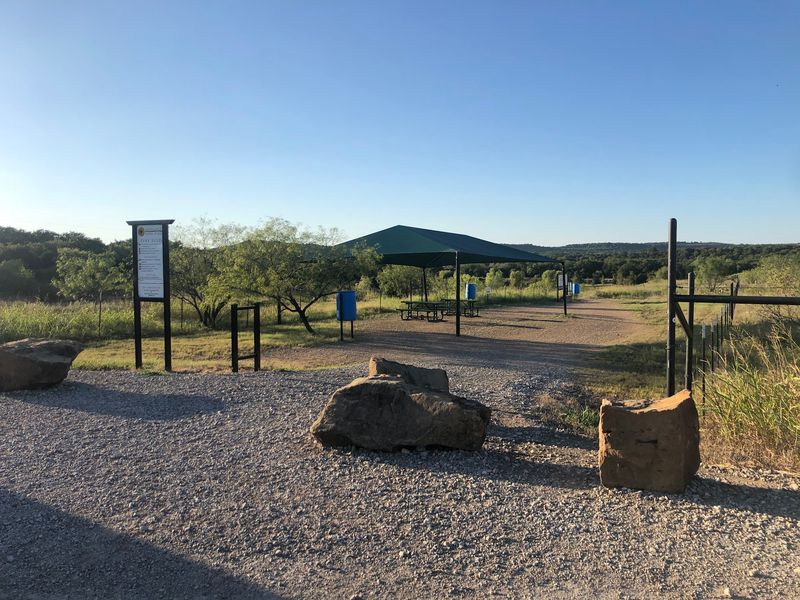
Every good expedition needs a base camp, and the park provides one. A covered shelter near the parking area holds picnic tables for resting and eating.
Families describe it as a shaded tent or gazebo area with two table and bench setups. It gives kids a spot to cool down, sort fossils, and grab a snack before heading back out.
Parents especially appreciate having a place to eat in the shade. That small comfort often lets families stay much longer than they planned.
Restrooms come in the form of portable toilets at the parking lot. There are two, and one is handicap accessible.
Their condition seems to vary. Some families found them clean, while others called them about what you would expect from portable units, so packing hand wipes is a smart move.
Parking appears ample. On many visits, the lot has not been crowded, leaving plenty of room.
The overall setup is simple, but it covers the basics well. Shade, seating, and restrooms are exactly what a family needs at a site like this.
Those basics also extend to making the park reachable for more people.
A Gentle Path Down to the Fossils
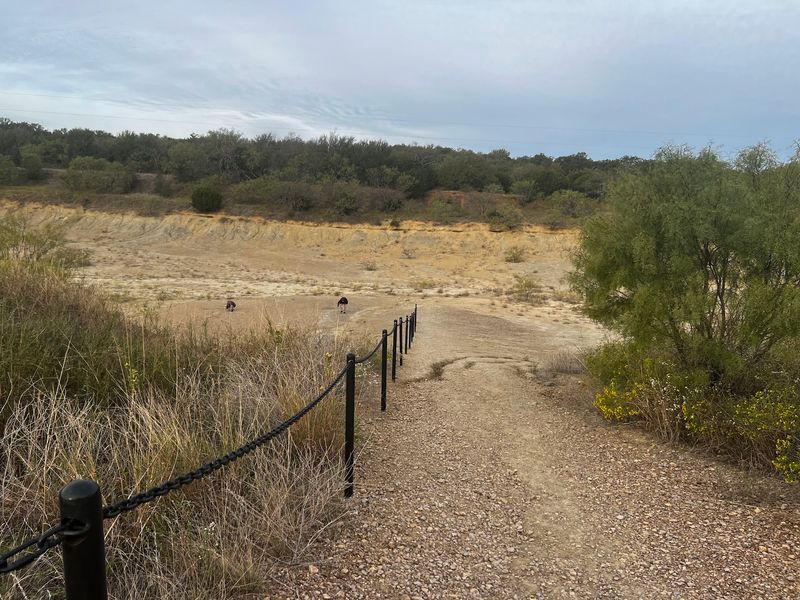
Accessibility is not always a given at rugged outdoor sites. This park makes a real effort to welcome more people into the fossil field.
A gradual incline leads down from the parking area to the collecting ground. The walk is tapered gravel, and with the right wheels, it can be wheelchair accessible.
People with disabilities have described the visit as somewhat challenging but still doable. One noted that the gentle slope helped, and that the abundant fossils made the effort worthwhile.
Because so many finds sit near the entrance and on the surface, deep hiking is not required. A person can settle in one spot and still leave with a handful of fossils.
One of the portable restrooms is also handicap accessible. That small detail matters for families planning a longer stay.
The park is non-smoking throughout, even though it is outdoors. Keep that in mind before the trip.
For those who want more adventure, the side hills offer extra exploring. Climbing them is optional, and they add variety for energetic kids and curious adults.
Getting down to the fossils is easy enough, but getting to the park itself takes a little more planning.
One Mile of Dirt and a Tricky GPS
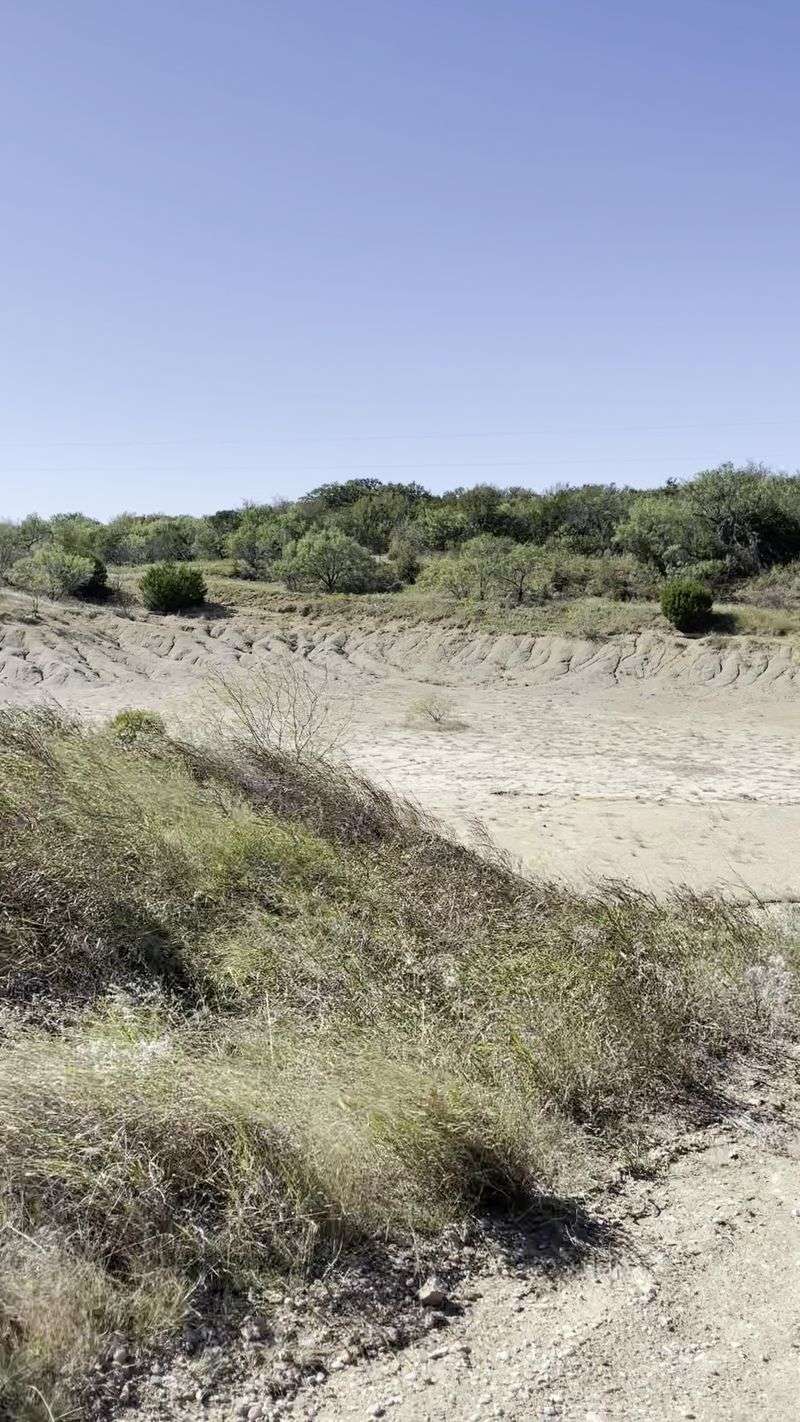
The last stretch of the drive surprises plenty of first-timers. The road into the park is unpaved.
Expect about a mile of dirt road. It is described as well maintained, but some drivers still suggest taking a truck if you have one.
Cars do make it, though they may come back dusty. At least one person ended up washing their truck on the way home after the ride in.
Navigation can be a little confusing. GPS has sent some drivers to a gun and archery club located about a quarter mile before the park.
The good news is that the road dead ends at the fossil park. If your map stops early, simply keep driving until you reach it.
Cell service is weak throughout the area and on the way there. Downloading directions ahead of time and saving the address offline is a wise move.
It also helps to tell someone your plans if you are heading out alone. Limited signal is common in rural parts of Texas.
None of these hurdles seem to keep people away. Once they arrive, the bumpy road fades fast behind the excitement of the first fossil.
That leaves just the basics of when to go and what it costs.
Open Daily, Free for Everyone
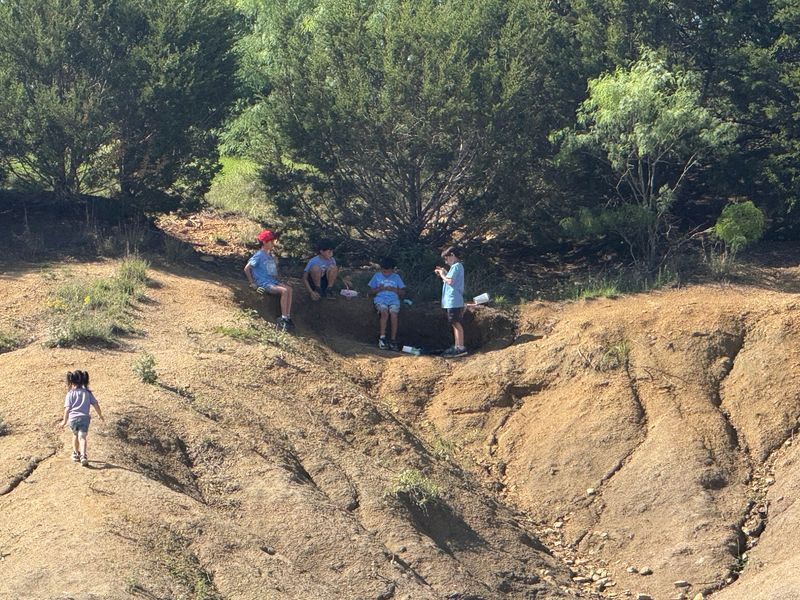
The price tag might be the best surprise of all. Admission is free.
The park is open every day of the week from 8 AM to 8:30 PM. That long window leaves room for an early morning hunt on hot days or a relaxed evening visit in cooler weather.
For the latest details and rules, check the official site at mineralwellsfossilpark.com before you go. Things can change, and a quick look saves surprises.
So is it worth the drive? For families with curious kids, the answer seems like a clear yes.
The park delivers a rare mix of education, exercise, and pure treasure-hunting fun. Kids leave with real fossils in their bags, and parents leave with a day that cost nothing beyond gas and snacks.
It is not polished, and it does not try to be. There is dirt, sun, a gravel path, and a simple shelter, and that honesty is part of its charm.
Many families who come once start planning a second trip before they even reach the car. Some locals who lived nearby for years admitted they wished they had come sooner.
Pack the spoon, fill the water bottles, and let the kids lead. The ancient seafloor is waiting, and it is happy to share.