
Affiliate disclosure: As an Amazon Associate I earn from qualifying purchases. Learn more
Every June, a steady caravan of Phoenix license plates climbs out of the desert, and a growing number of those drivers never head back down. Up on the Mogollon Rim in east central Arizona, a small city of tall pines and cooler summers has become a favorite landing spot for retirees who are done with freeway traffic and triple-digit afternoons.
The town has a frontier past, a name tied to a single hand of cards, and an elevation that makes Valley summers seem like somebody else’s problem. Ahead are the history, the lakes, the cost questions, and the honest tradeoffs of making the move.
A High-Country City on the Mogollon Rim
One too many afternoons stuck on the Loop 101 can send a Phoenix retiree scrolling through listings in the high country. More and more of those searches end in the same place.
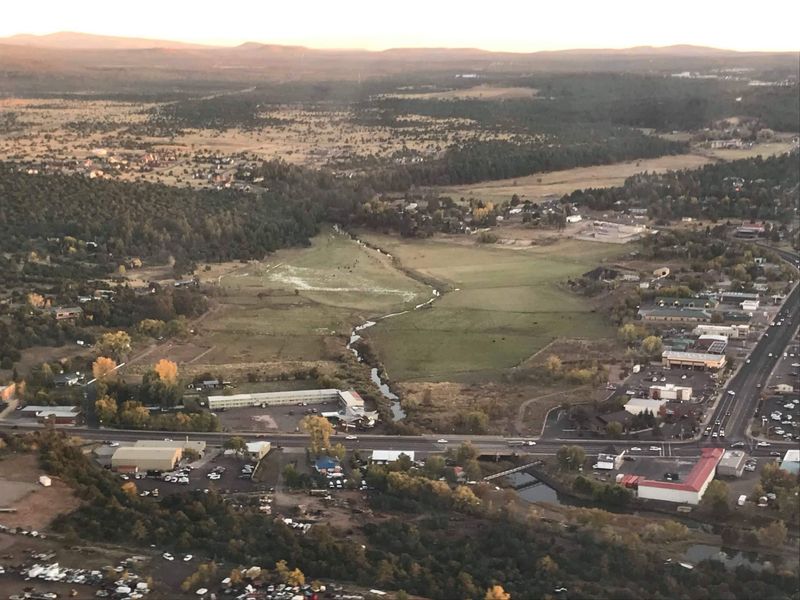
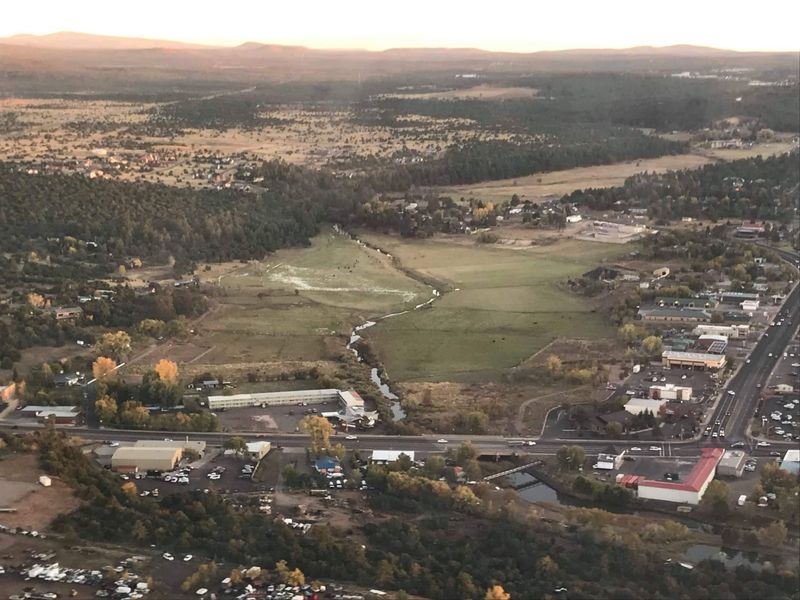
Show Low is a city in Navajo County, in east central Arizona, USA. It sits right on the Mogollon Rim, the long escarpment that divides the low desert from the forested plateau to the north.
That position matters. The Rim is the reason the landscape shifts so sharply between the Valley and this part of the state, trading saguaros and stucco for tall timber and open forest land.
The city serves as a hub for the White Mountains region, a stretch of eastern Arizona that many desert dwellers know mostly from summer weekend trips. For a growing number of retirees, the weekend trip has become a permanent address.
Anyone researching the move can start with the official city website at ci.show-low.az.us, which covers local services, meetings, and community information.
The rest of this story looks at why so many Arizonans are packing up the moving truck, starting with a name that sounds more like a punchline than a place.
The Card Game Behind the Name
Few Arizona towns can say they were won in a card game. Show Low is one of them, at least according to the story locals love to tell.
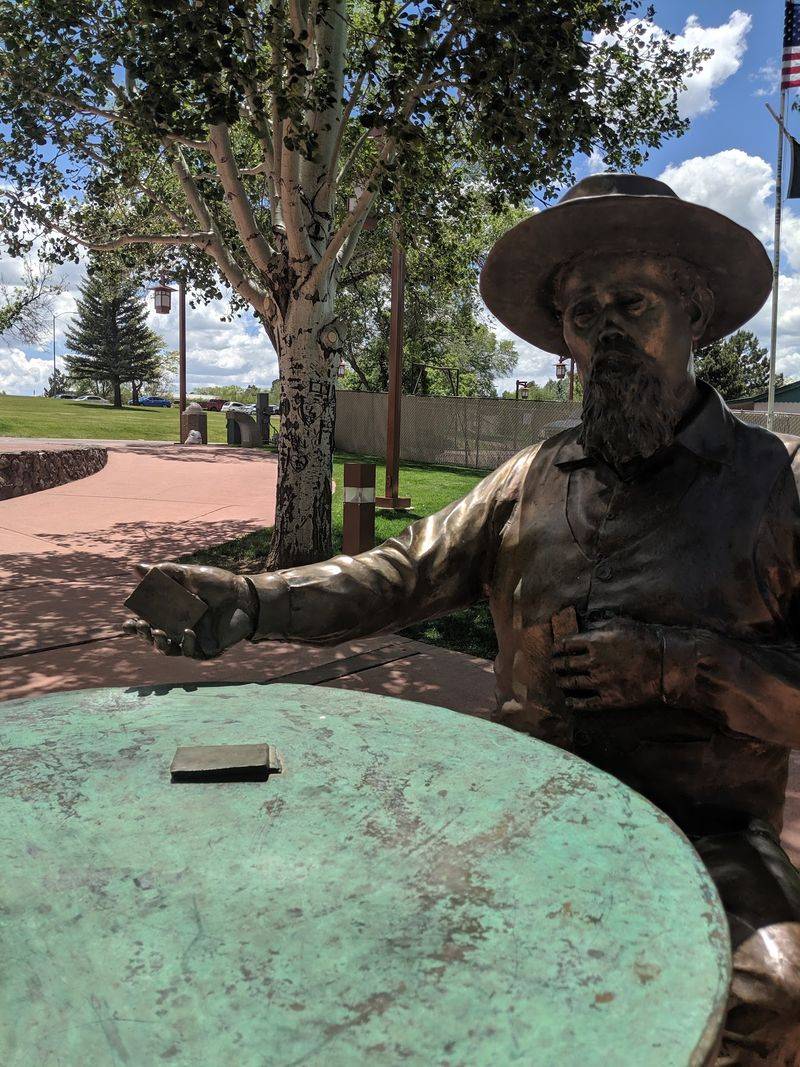
The city traces its founding to 1870. Local legend holds that two early settlers, Corydon Cooley and Marion Clark, decided their partnership had run its course and agreed to settle who kept the land with a game of cards.
As the tale goes, one of them said something close to ‘show low and you win.’ Cooley turned up the deuce of clubs, the lowest card possible, and walked away with the ranch.
The name stuck, and so did the card. The main street through town is called Deuce of Clubs, a detail that tends to make newcomers do a double take the first time they see the sign.
Like most frontier stories, the exact wording has likely been polished over the years. Still, few towns get an origin tale this easy to repeat at a family dinner.
For retirees who enjoy a little history with their scenery, the name gives the whole place a friendly, slightly mischievous personality. It is hard to take life too seriously in a town named after a winning hand.
From Ranch Land to a Growing City
Eighty-three years separate the card game from the city charter. Show Low was established in 1870, but it did not incorporate until 1953.
That long stretch says a lot about the pace of life on the Rim. For decades, the area grew slowly, shaped largely by ranching, timber, and the families who stuck it out through high-country winters.
Incorporation in the early 1950s marked a turning point. It gave the community its own local government and set the stage for the services, roads, and neighborhoods that newer residents now take for granted.
By the 2020 United States census, the population had reached 11,732. That number places Show Low firmly in small-city territory, big enough to handle errands and appointments close to home and small enough that the town never seems crowded.
Retirees often point to that balance as the sweet spot. A town of this size can offer the basics without the sprawl that pushed many of them out of the Valley in the first place.
The history is not frozen in a museum case either. It shows up in the street names, the old ranch roots, and a community identity that predates Arizona statehood by more than four decades.
Why 6,345 Feet Changes Everything
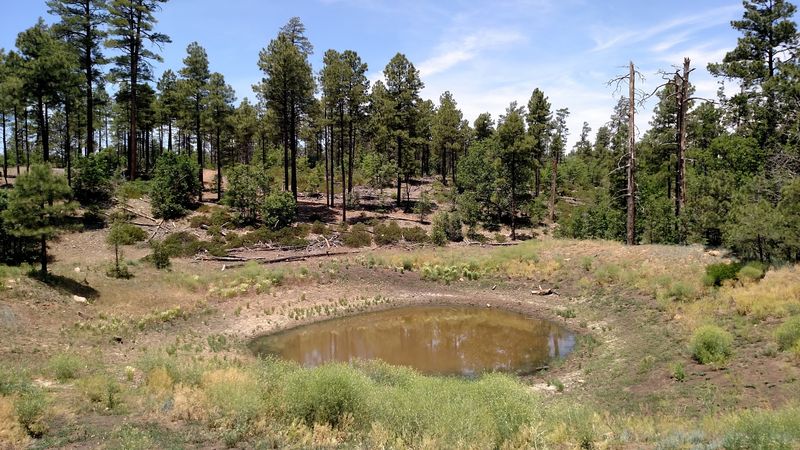
Elevation is the secret weapon here. Show Low sits at 6,345 feet, while Phoenix sits at roughly 1,100 feet, and that gap reshapes daily life.
Higher elevation generally means cooler temperatures, which is the main reason Valley residents have been escaping to the White Mountains for generations. Summer afternoons that would be dangerous in the desert tend to be far more manageable on the Rim.
The tradeoff is real winter. Snow is part of the calendar in this part of Arizona, so newcomers should plan on shovels, good tires, and a little patience on icy mornings.
Many retirees consider that a feature rather than a flaw. After years of one long season in the desert, having four distinct ones can make the year seem fresh again.
A few practical notes are worth keeping in mind:
- Air at 6,345 feet holds less oxygen, so some people take a little time to adjust.
- Sun exposure can be stronger at elevation, so sunscreen stays on the shopping list.
- Heating costs replace some of the cooling costs that dominate Valley utility bills.
Anyone with health concerns may want to talk with a doctor before making the move. For most people, though, the altitude simply becomes part of the charm, the price of admission to a summer that does not require hiding indoors.
Life Among the Ponderosa Pines
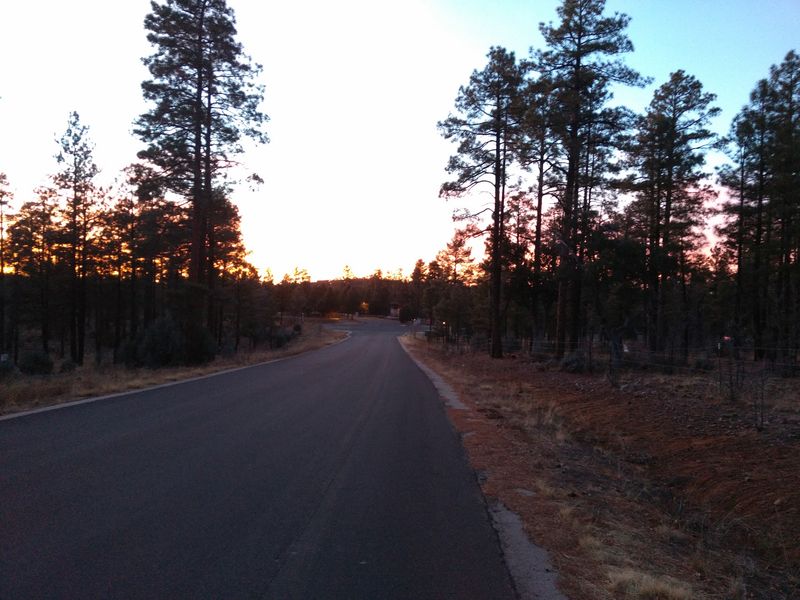
Trees are the first thing most Valley transplants notice. The land around Show Low sits within the ponderosa pine belt that stretches across the Mogollon Rim, often described as the largest continuous ponderosa pine forest in North America.
That is a bragging point Arizona does not share often enough. Plenty of people outside the state still assume it is all cactus and red rock.
For retirees, the forest is more than a backdrop. It opens up everyday options like morning walks on forest roads, birdwatching from the back deck, and short drives into the Apache-Sitgreaves National Forests, which surround much of the region.
The pines also bring responsibility. Homeowners in forested areas are usually encouraged to clear brush and follow wildfire safety guidance, and local agencies share seasonal fire information.
Checking current conditions before a hike or campfire is simply part of high-country living.
Newcomers who embrace the forest lifestyle often find their routines shifting outdoors. Gardening, walking the dog, and afternoon drives become regular habits instead of rare treats reserved for a cool weekend.
After years of gravel yards and block walls, a backyard full of trees tends to win people over fast.
Lakes Worth the Short Drive
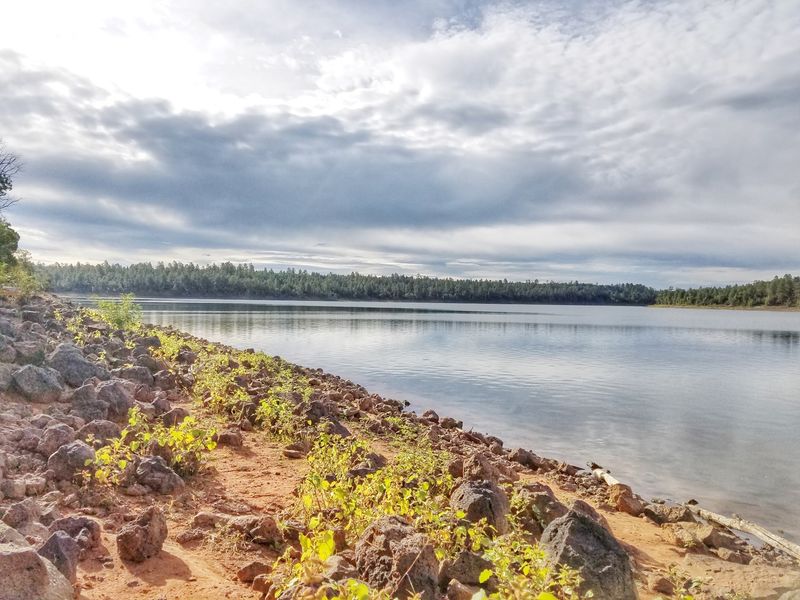
Water is not something desert dwellers take lightly, which makes the lakes around Show Low a genuine selling point. Two of the best known sit close to town.
Fool Hollow Lake Recreation Area is an Arizona State Park on the edge of the city. It offers camping, fishing, boating, and picnic spots, and it is a popular stop for summer travelers escaping the heat.
Show Low Lake, just a short drive from town, is another local favorite for anglers and paddlers. Both give residents an easy way to spend a morning on the water without a long road trip.
For retirees, that proximity changes the math. A fishing trip that once meant hours of driving from the Valley becomes a quick outing before lunch.
A few tips help make the most of lake days:
- Check fees and hours with Arizona State Parks before heading to Fool Hollow.
- Arizona fishing licenses are required for most anglers.
- Summer weekends bring more crowds, so weekday mornings tend to be calmer.
The lakes also make the area popular with visiting grandkids. There is no better way to guarantee a summer visit than promising a boat and a fishing pole.
The Budget Side of Mountain Living
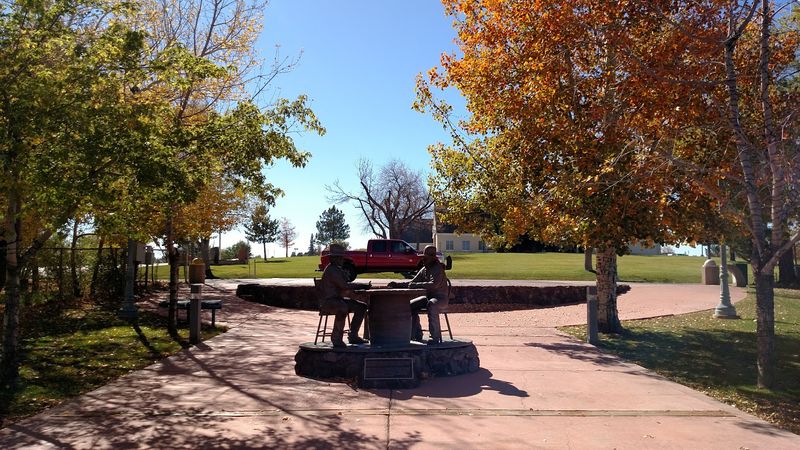
Cheaper living is the part of the story that grabs attention fastest. Many retirees point to housing and everyday costs in Show Low as a big reason they left the Valley behind.
The appeal makes sense. Smaller cities in rural Arizona often come with lower home prices than the Phoenix metro, and a fixed income can stretch further when the mortgage or rent is smaller.
Still, smart movers do their homework. Costs vary by neighborhood, home size, and the housing market in any given year, so current numbers matter more than anything in a headline.
Before signing anything, it helps to compare:
- Home prices and property taxes against a current Valley address.
- Heating costs for high-country winters.
- Insurance rates for homes in forested areas.
- Travel costs for specialist medical appointments or family visits in the Valley.
Some savings come from lifestyle rather than prices. With lakes, forest, and trails close by, a lot of entertainment costs little more than a tank of gas.
The city website is a solid starting point for local utility and service details. Pair that with a conversation with a local real estate agent, and the budget picture comes into focus quickly.
A lower cost of living is a strong draw, but the real value comes from knowing exactly what the monthly numbers will look like.
A Pace Built for the Second Act
Nobody moves to a town of about 11,700 people expecting big-city nightlife. The residents who thrive here tend to want something different.
Show Low runs on a small-city rhythm. Traffic is lighter than in the Valley, errands are closer, and running into a familiar face at the store is part of the routine.
That setting suits a few types of people especially well:
- Retirees looking to trade freeway commutes for shorter drives.
- Outdoor lovers who want forest and lake access close to home.
- Longtime Arizonans with fond memories of White Mountains summers.
- Part-time residents who split the year between the desert and the Rim.
It may be less ideal for people who need frequent big-city services or who dislike winter weather. Honest self-assessment saves a lot of moving-day regret.
Many newcomers find that community involvement fills the calendar faster than expected. Churches, volunteer groups, clubs, and city events give new residents plenty of ways to put down roots.
The calm is the point. After decades of alarm clocks and rush hour, the freedom to spend a Tuesday morning on a porch without a single appointment might be the best retirement benefit around.
Getting There and Settling In
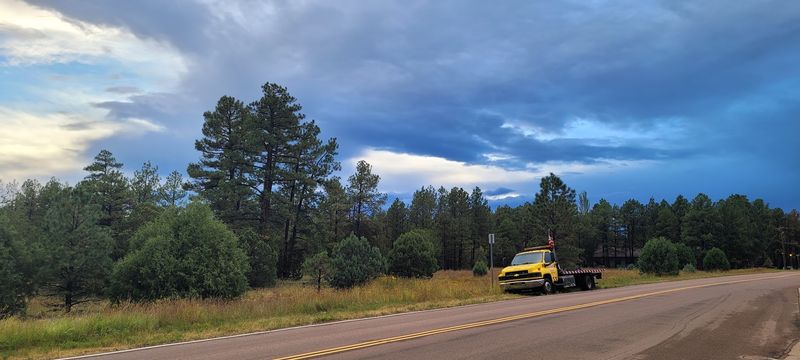
Most Valley residents reach Show Low by heading northeast from Phoenix, with the drive commonly taking around three hours depending on route and traffic. State Route 260 connects the city with Payson and the Rim country to the west, and US Route 60 runs through town as well.
That distance works in retirees’ favor. Show Low is far enough to seem removed from Valley congestion, yet close enough for a trip back for family events or medical visits.
A few smart steps for a scouting trip:
- Spend time in town in both summer and winter before committing to a move.
- Check road conditions with ADOT before winter drives.
- Browse the city website at ci.show-low.az.us for services and public notices.
- Tour several neighborhoods, since the area around town varies.
Summer tends to be the busiest season, as desert residents head uphill to cool off. Fall and spring can offer a calmer look at everyday life.
Once settled, many of the practical pieces fall into place quickly. Registering vehicles, setting up utilities, and finding local doctors are all easier with a list made ahead of time.
A little planning turns a big move into a manageable one, and it keeps the first snowfall from becoming a surprise.
The Verdict From the Rim
Plenty of Arizona towns promise a slower life. Few deliver it with a card-game origin story, a spot on the Mogollon Rim, and ponderosa forest right outside the door.
Show Low has been around since 1870 and a city since 1953, yet it still carries the manageable scale of a place with 11,732 residents. For retirees tired of Valley freeways, that combination is hard to ignore.
It is not a perfect fit for everyone. Winter weather, longer drives to major hospitals and airports, and a smaller range of big-city amenities are real considerations.
For those who value space, seasons, and lake mornings, though, the case is strong. The elevation alone offers a summer escape that many Phoenix residents only dream about.
The best advice is simple. Take a trip, drive Deuce of Clubs, spend a morning at the lake, and see whether life at 6,345 feet seems like home.
Arizona has plenty of places that surprise people from out of state. This one tends to surprise Arizonans, too, which may be the best reason of all to give it a closer look.
Sometimes the smartest move in retirement really is to show low and let the high country win.