
Affiliate disclosure: As an Amazon Associate I earn from qualifying purchases. Learn more
Flagstaff has a hill where a young astronomer once changed the map of the solar system, and the instrument that made it happen is still standing there today. Plenty of Arizonans have driven past the turnoff west of downtown without a second thought, yet this hilltop has been pointed at the sky since 1894.
Its story includes a tiny moving dot on photographic plates, a rooftop theater with heated seats, and red-lit trails that protect your night vision. Keep reading to learn how to see the famous Pluto telescope up close, what happens after sunset, and how to plan a visit that fits your schedule and your budget.
Mars Hill, Flagstaff’s Cosmic Address
Some landmarks hide behind billboards and souvenir stands, but this one simply sits on a hill named after the Red Planet.
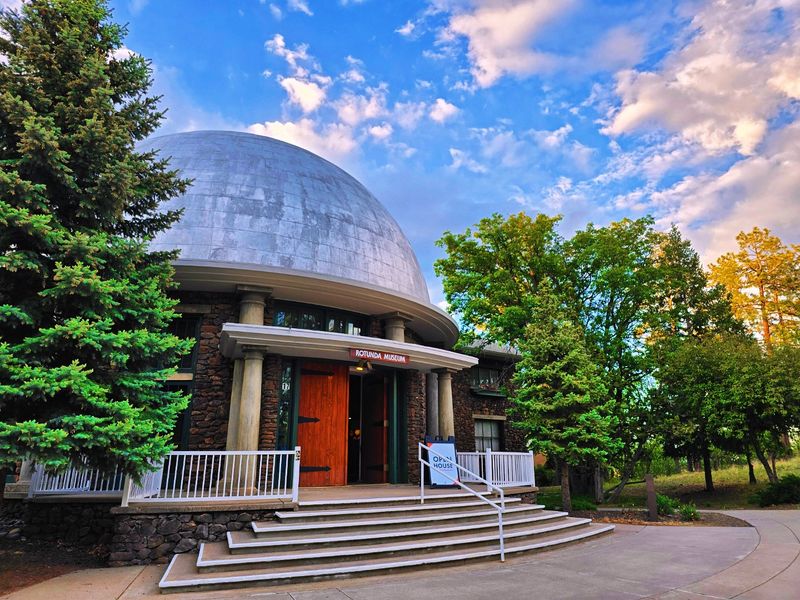
Lowell Observatory calls 1400 W Mars Hill Rd, Flagstaff, AZ 86001 home, placing it in the high country of northern Arizona in the United States. The campus perches on Mars Hill just west of downtown Flagstaff, only minutes from the historic core of town.
Getting there involves a short drive up the mountain, and the road ends at a large lot with plenty of parking. A newer parking area arrived along with the recently opened Discovery Center, which makes arrival far easier than hunting for a spot downtown.
At its heart, the place is a storied astronomy facility that also welcomes the public. Guests come for guided tours, daytime solar viewing, evening stargazing, films, and talks about planets and stars.
For Arizona residents, the appeal runs deeper than a typical museum trip. Flagstaff is famous for its dark skies, and this hilltop campus is one of the best places in the state to learn why those skies matter so much.
The street address may look ordinary on a map. The story attached to it, though, reaches all the way to the outer edge of the solar system.
A Hilltop Story Older Than Statehood
Arizona was still a territory when astronomers first set up shop on this hill. The observatory was founded in 1894, nearly two decades before Arizona earned statehood in 1912.
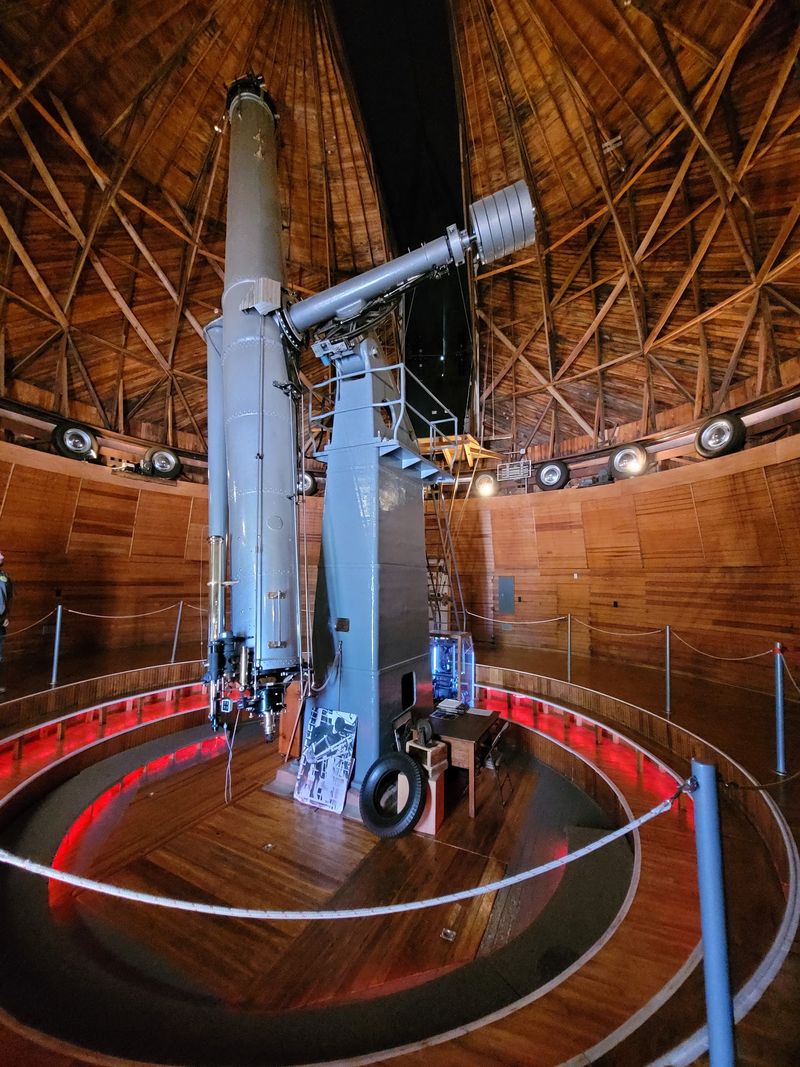
That long timeline shows up all over the campus. Historic telescopes share the grounds with modern buildings, so a single afternoon can move from old-school science to present-day education in a few short steps.
The observatory carries the name of its founder, Percival Lowell, and it operates as a non-profit organization. Admission, programs, and gift shop purchases all help support ongoing preservation of the historic instruments and documents on site.
History here is not tucked away in one corner. Staff and volunteers share details about the observatory’s past throughout the grounds, turning even a casual stop into a crash course in how astronomy took root in northern Arizona.
That sense of continuity is part of the charm. The same hill that hosted early astronomers now hosts families, school groups, and weekend road trippers from Phoenix and Tucson.
Few places in the state can claim more than 130 years of astronomy on the same patch of ground. The next chapter of that story involves a camera-style telescope and a very small planet.
The Astrograph That Found Pluto
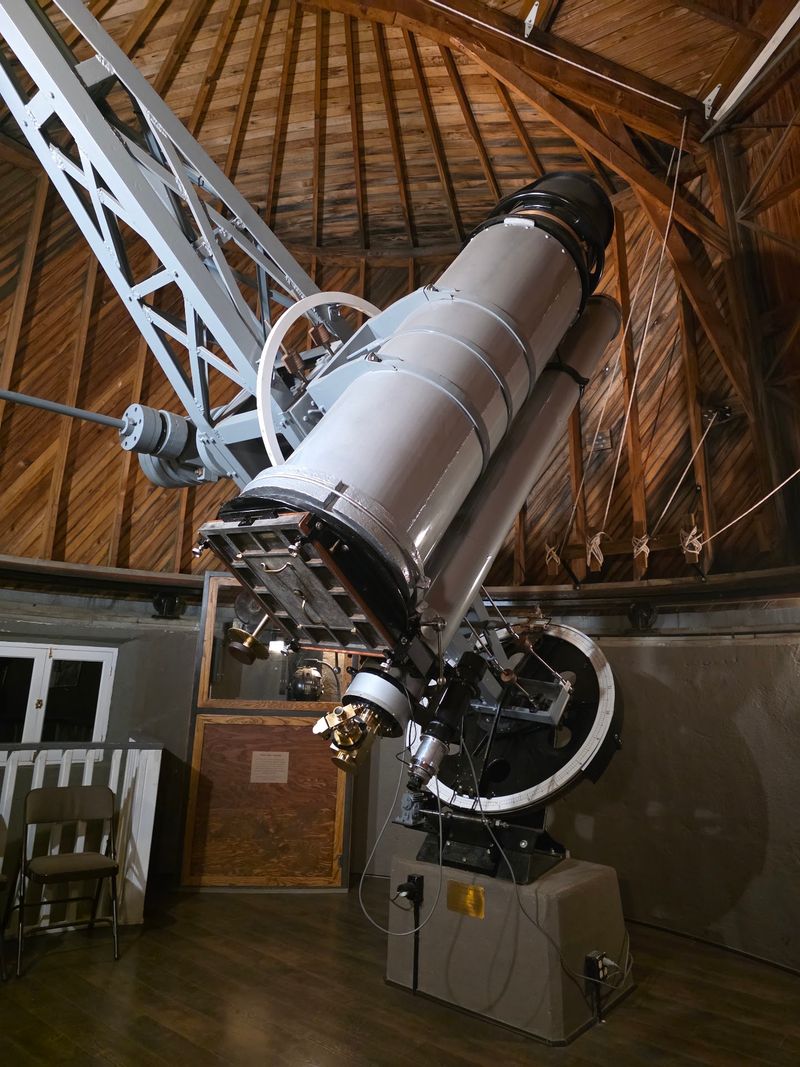
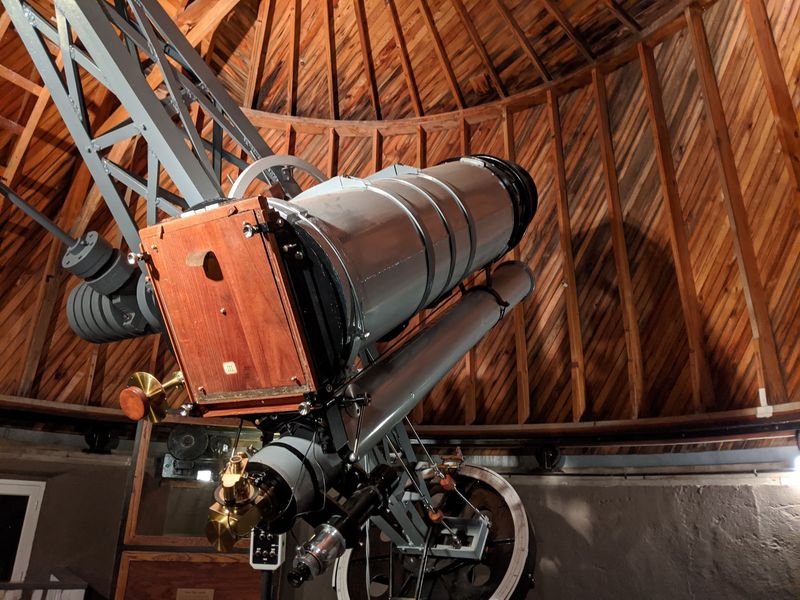
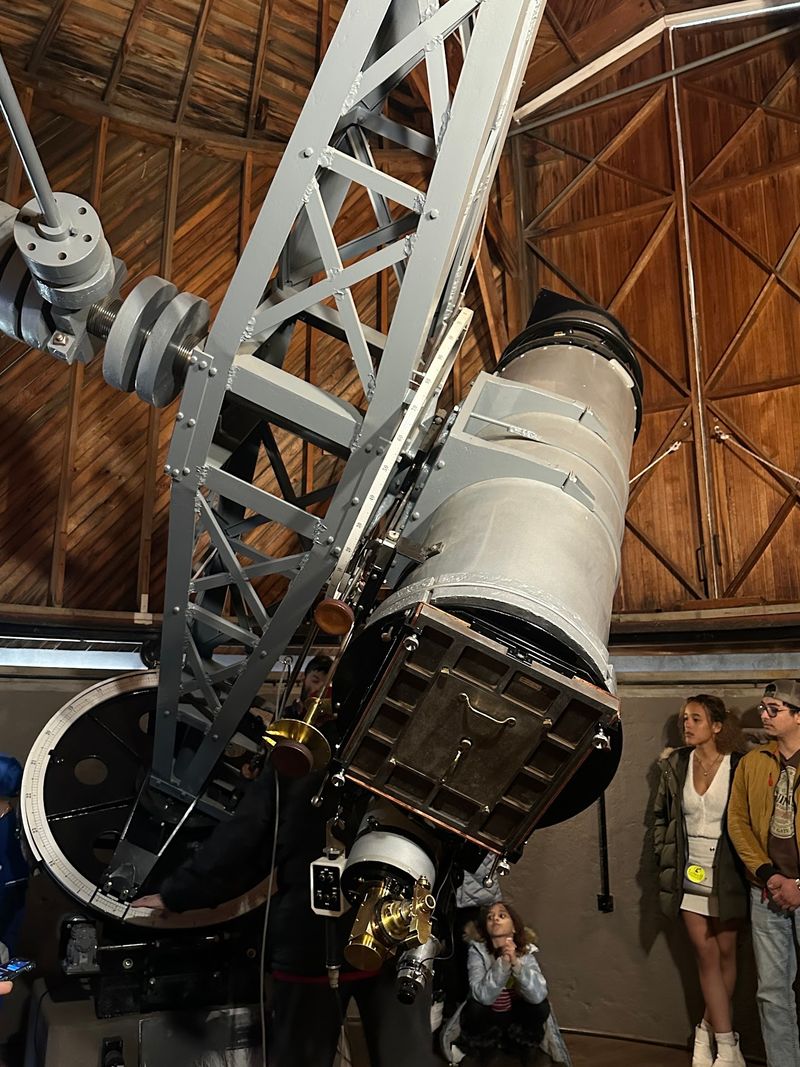
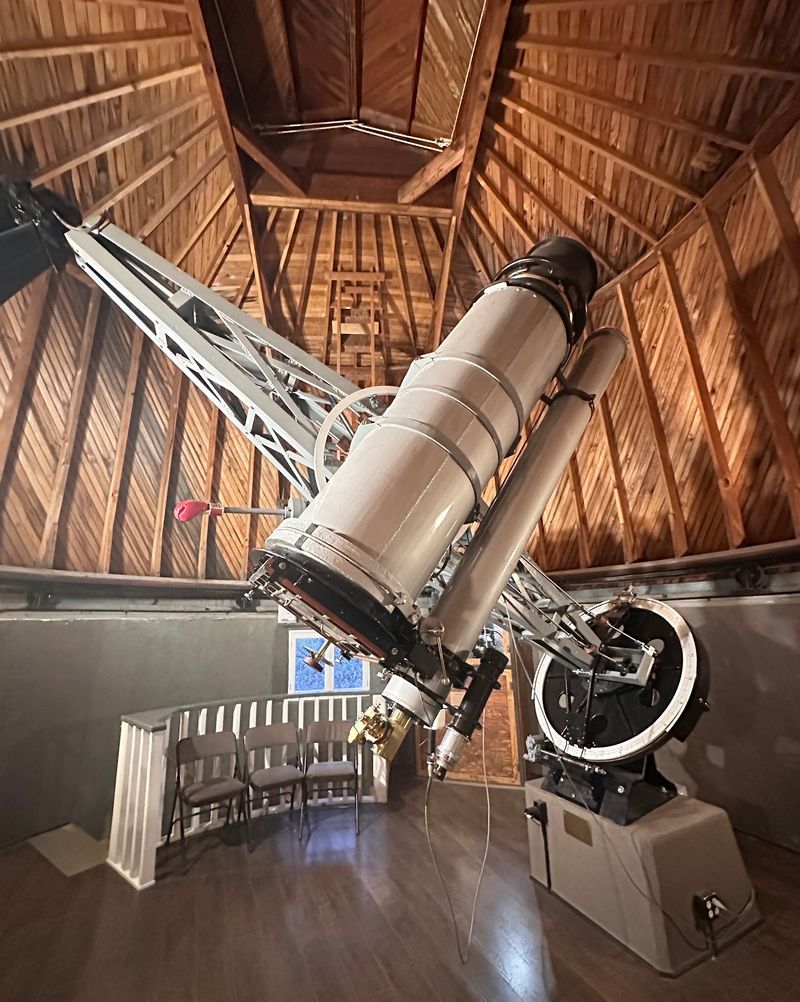
Here is a bit of trivia for your next family dinner: the famous instrument that found Pluto is technically not called a telescope by specialists. It is an astrograph, a telescope designed to photograph the sky rather than to be looked through by eye.
In 1930, that astrograph captured the images that led to the discovery of Pluto. The young astronomer behind the find, Clyde Tombaugh, compared photographs of the same patch of sky taken on different nights to spot a tiny moving dot.
Today the Pluto telescope is retired from research, but it has not gone anywhere. It still stands on the grounds, preserved as the centerpiece of the observatory’s story and still hard at work in a new role, teaching every group that comes through how real discovery happens.
Volunteers stationed nearby share the details of how the astrograph was used. Seeing it in person tends to be a highlight, even for guests who arrive with only a passing interest in space.
The retired instrument also appears on the nighttime grounds, so it can be seen in daylight and again after dark.
Pluto was reclassified as a dwarf planet in 2006. Its hometown telescope, however, has never lost an ounce of star power.
Paper Trails in the Rotunda Museum
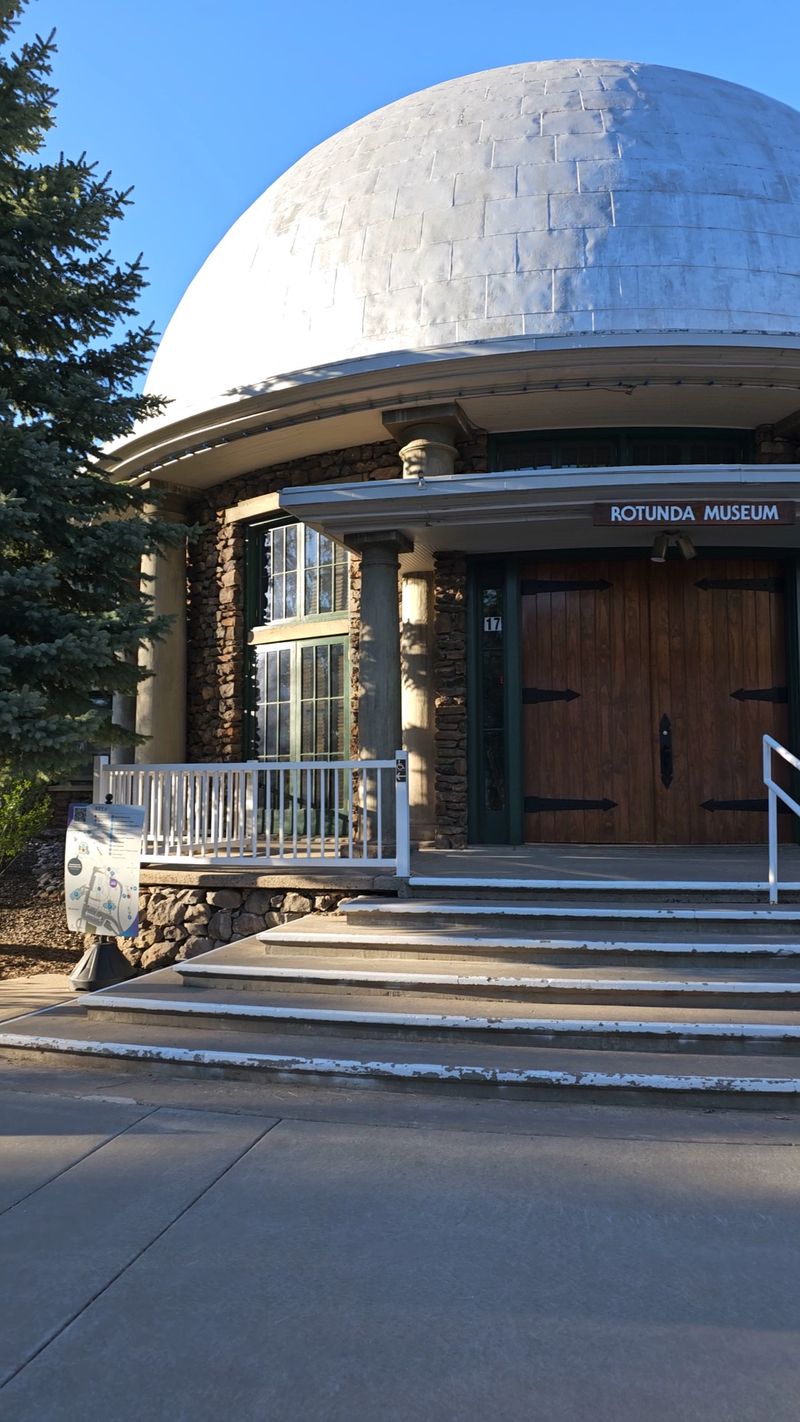
Big discoveries leave behind a surprising amount of paperwork. Inside the Rotunda Museum, many of the historical documents tied to the Pluto discovery are displayed for the public.
The collection gives the 1930 breakthrough a human scale. Instead of a single headline moment, the displays reveal that finding a new world took patient record keeping, careful notes, and plenty of follow-up work.
Volunteers often connect what is inside the Rotunda with the astrograph outside, so the two stops work best as a pair. Hearing the story told near the original papers makes the history feel far less like a textbook chapter.
History fans will want to budget extra time here. The museum rewards slow reading, and its displays tie directly to the preservation efforts of the non-profit that runs the observatory.
Cloudy days are an ideal time to lean into this part of the campus. When weather blocks solar viewing, the Rotunda and the Pluto telescope can easily fill the gap and still make the drive worthwhile.
Quick tip for curious kids: ask a volunteer to explain what an astrograph actually did. That one question can easily lead to a dozen more on the ride home.
A Discovery Center Built for Curious Kids
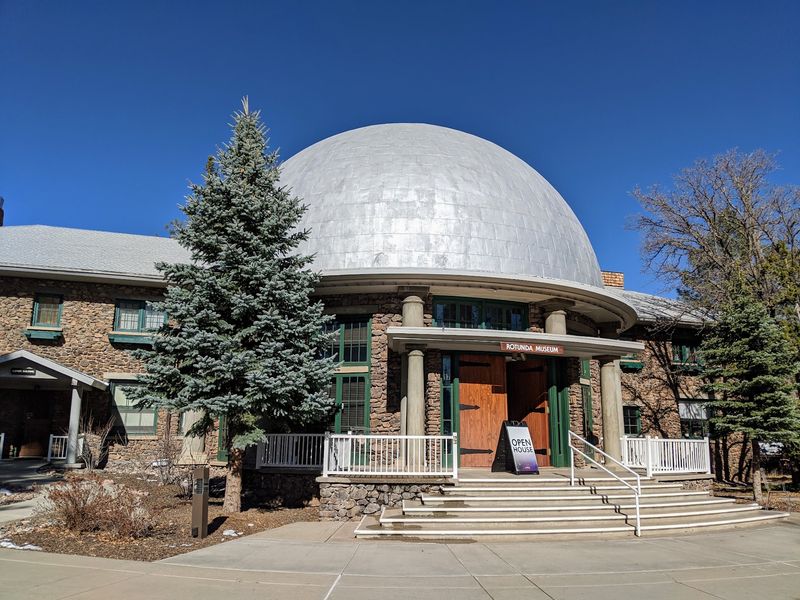
Longtime Flagstaff residents who have not been up Mars Hill in a few years are in for a surprise. The newer Discovery Center has reshaped the daytime experience, and many returning families only learn about it once they pull into the lot.
The building is filled with interactive exhibits about planets, stars, and the solar system. The ground floor, known as level 1, features a play and science area where kids can easily spend at least two hours.
The space stays clean, well maintained, and genuinely hands-on. Even children not yet two years old can find something to explore, while older kids gravitate toward the science stations.
Adults get plenty to read as well, though most of the grown-up exhibits are concentrated in one main room. The size of the building might suggest sprawling adult galleries, so it helps to arrive knowing the kids’ zone takes up much of the floor space.
A small cafe and a gift shop round out the center. Both make it easy to linger through an afternoon without heading back down the hill.
The Discovery Center turns a quick telescope stop into a half-day outing. Plenty of families end up staying far longer than they originally planned.
Sunshine on the Schedule
Astronomy is not strictly a nighttime hobby on Mars Hill. Afternoon hours bring solar viewing, with a dedicated solar telescope set up to safely show the sun.
On clear days, our nearest star becomes the main attraction. Staff explain what features such as sunspots reveal, turning a quick look into a mini science lesson.
Weather plays a big role here. Clouds can cancel solar viewing entirely, so a gray afternoon means shifting the plan toward the Rotunda Museum, the Discovery Center, and the Pluto telescope instead.
Computer monitors also display sunspot imagery. That footage comes from publicly available SOHO data, which anyone can find online, so the real value lies in the live viewing and the expert explanations that go with it.
Daytime visits make practical sense for families with younger kids. Doors open at noon, so solar viewing pairs easily with lunch at the cafe and a few hours of exhibits before bedtime.
Did you know? The Pluto discovery relied on photographs taken over several nights, while solar viewing shows the sun in real time.
Same hill, very different ways of looking up.
Telescope Lines Worth the Wait
Sunset flips the switch on campus. Once the sky darkens, working telescopes around the grounds turn toward the moon, planets, and stars, and each one draws its own line.
Waits tend to run about 15 to 20 minutes per telescope. Staff use that time well, explaining exactly what each instrument is aimed at so the line doubles as a short lesson.
One telescope changes targets roughly every 10 minutes, which adds an element of surprise. Returning to that line later in the evening might reveal a completely different object.
Targets depend on the night. Jupiter, Venus, the moon, and bright stars all appear on various evenings, while some nights stick mostly to the moon.
Expectations matter here. Distant planets can appear as small dots through the eyepiece, so the thrill comes more from seeing them live and hearing the context than from getting a detailed close-up.
Clear nights with few clouds offer the best odds of a full lineup. A quick check of the Flagstaff forecast can be the difference between a planet parade and a quiet evening of moon watching.
Rooftop Theater Under Real Stars
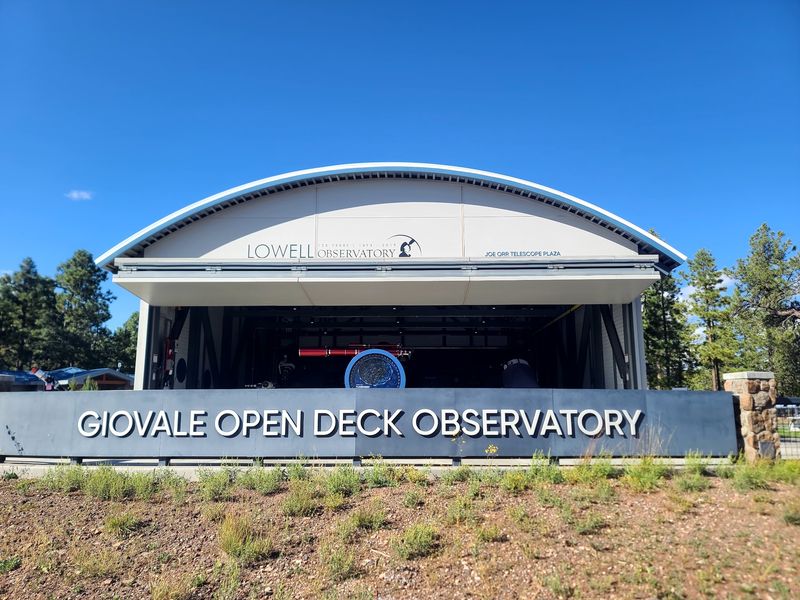
Most planetarium shows happen under a painted dome. Here, one of the most popular programs takes place under the actual sky, on an open-deck rooftop theater on the third floor.
This outdoor planetarium comes with heated seats, a welcome feature on a high-country night when temperatures fall fast. Evening sessions, including an 8:45 show, pair the real sky overhead with guided commentary.
A live narrator runs the program, keeping things fun and informative while pointing out what is visible above. Among the lineup, the Dark Skies Planetarium Show stands out as a favorite for families and adults alike.
Rooftop programs cost a little extra beyond general admission. They are also popular and can sell out quickly, so buying tickets online in advance is the safest move.
Other add-ons fill out the evening menu. Options include a short film and a night lecture on the constellations, giving guests several ways to build their own schedule.
The rooftop show works especially well as the final stop of the night. After time in the telescope lines, a guided tour of the sky from a heated seat makes for a relaxed ending.
Red-Lit Trails and Glow Rocks
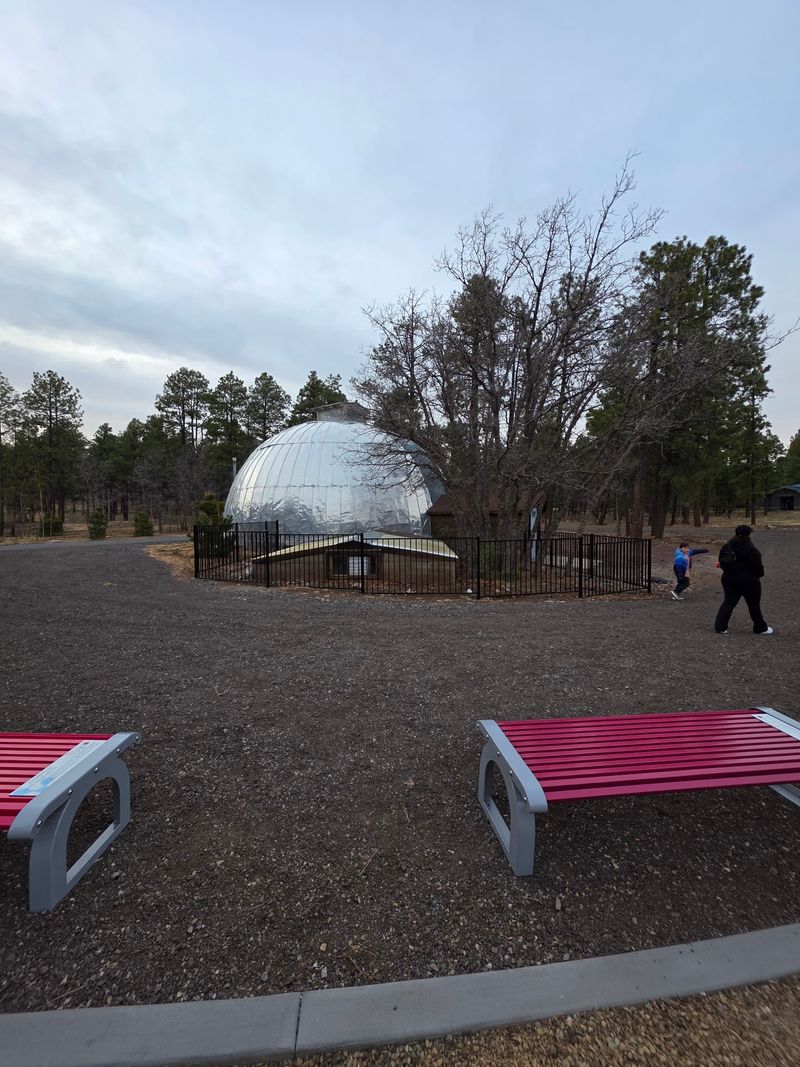
Every observatory faces a tricky design puzzle after dark: guests need to find their way without washing out the stars. The answer on Mars Hill is a network of red-lit trails across the grounds.
Red lighting keeps walkways visible while helping eyes stay adjusted to darkness. Along some paths, glow-in-the-dark rocks mark the route, a playful touch that kids tend to love.
The property is quite large, so comfortable shoes are a smart choice. A full evening can involve plenty of walking between the Discovery Center, the telescope stations, the historic instruments, and the rooftop theater.
The retired Pluto telescope sits along the way, so a nighttime stroll can loop back through the observatory’s most famous chapter. Seeing the historic instrument after dark offers a different perspective than a daytime look.
Temperatures drop quickly after sunset at Flagstaff’s elevation. A jacket belongs on every packing list, along with an extra layer for the kids.
The trails turn a simple walk between exhibits into part of the adventure. They also keep the whole campus friendly to anyone trying to spot one more star.
The People Behind the Eyepieces
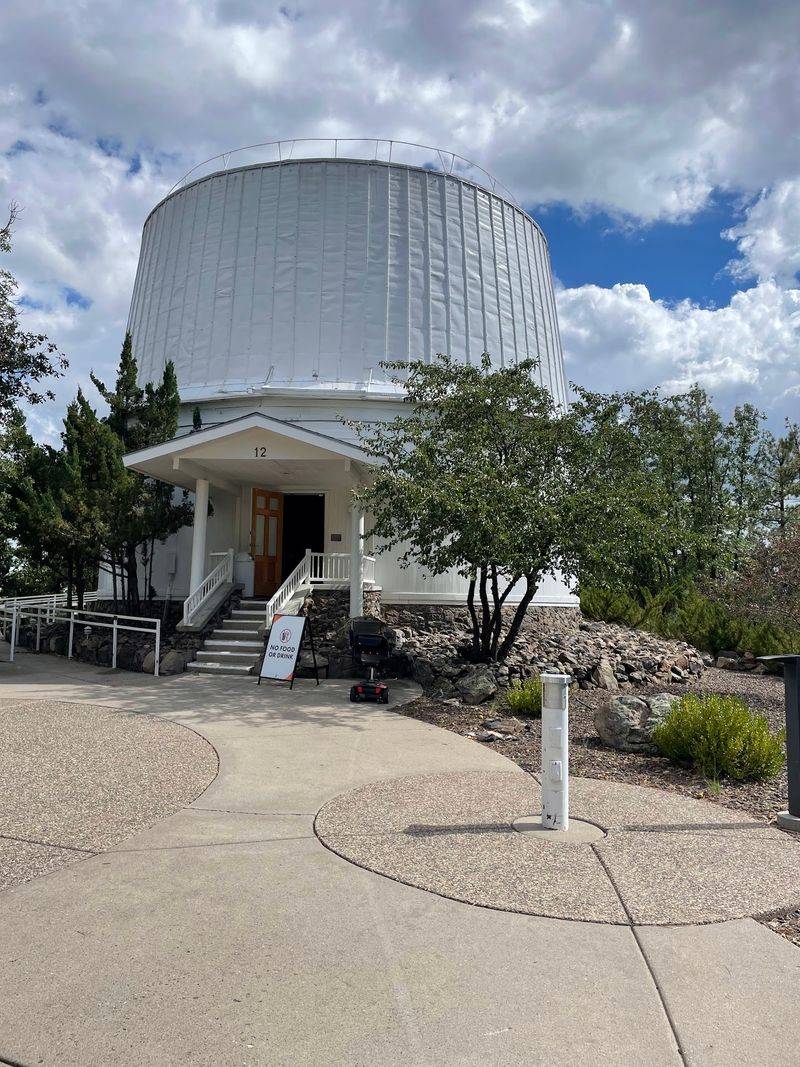
Telescopes grab the headlines, but the staff may be the real secret weapon on Mars Hill. Guides, presenters, and volunteers here are known for being enthusiastic, friendly, and remarkably well informed.
At the telescopes, team members explain what guests are looking at and happily field questions. In the Rotunda and near the Pluto telescope, volunteers share the finer details of the 1930 discovery.
Real astronomers sometimes join public programs too. Astronomer Brian Skiff has been among the experts sharing insights about stars, asteroids, and comets with audiences.
That level of access is rare. Many museums rely on signs and recorded audio, while here a curious kid may get the chance to ask an actual scientist a question.
The welcoming attitude extends across campus, from the ticket desk to the rooftop. Questions are treated as part of the fun rather than an interruption.
Presentations and films run throughout the day, so there are multiple chances to hear from the team. Good guides turn information into stories, and the crew on Mars Hill has that skill down to a science.
Who Gets the Most From Mars Hill
Families with young kids are the clearest winners here. The level 1 play area, interactive exhibits, and kid-focused information in the Discovery Center keep children engaged for hours.
Multi-generational groups do well too. Grandparents, parents, and grandkids can split between exhibits and telescopes, then reunite for an evening rooftop show.
Couples without kids can still enjoy a fun night, though expectations help. The experience leans family-friendly, and planets seen as small dots may feel modest to adults hoping for dramatic close-ups.
Astronomy fans get the most mileage of all. Flagstaff’s dark skies, working telescopes, and the chance to hear from real astronomers make the trip feel like a pilgrimage for anyone who already loves the night sky.
Some fans happily make eight-hour drives from Colorado just to return. For Arizona residents, the case is even stronger, since the observatory is a manageable road trip from Phoenix, Tucson, or Sedona.
The observatory even competes with Arizona Snowbowl as a favorite Flagstaff outing. History buffs, science teachers, and curious teens round out the list, especially around the Pluto telescope and the Rotunda Museum.
Hours, Tickets, and Smart Moves
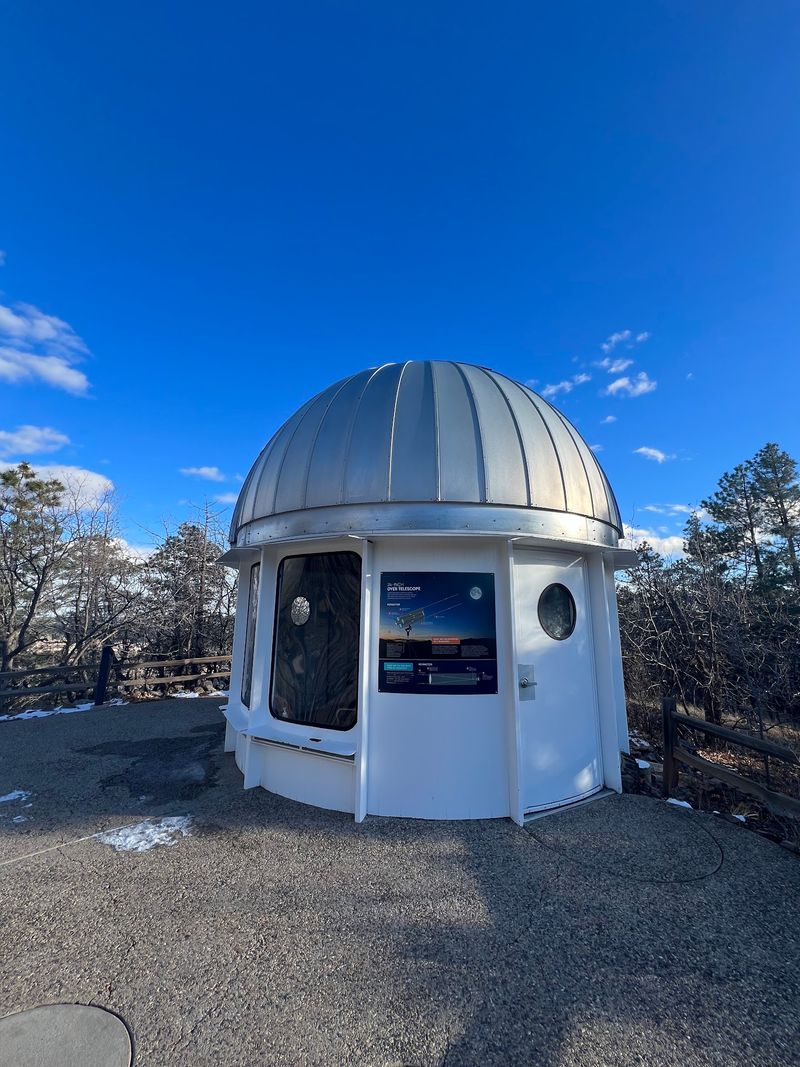
Timing is everything on Mars Hill. The observatory is open from 12 PM to 10 PM Wednesday through Monday, and it is closed on Tuesdays.
General admission tickets are good for the entire day. A family can explore exhibits in the afternoon, take a break, and return after dark for stargazing without paying twice.
Expect to spend roughly $70 for two adults on a typical visit. Rooftop shows with heated seats cost a little extra and should be booked online ahead of time, since popular sessions sell out quickly.
Plan for three to four hours to cover the highlights. Families with kids who love the play area may want even longer, especially if they plan to stay for evening viewing.
A clear night with few clouds gives the best chance to see the moon, planets, and stars. Pack a jacket, because the temperature drops quickly once the sun goes down.
The drive up the hill ends at a large lot, so parking is rarely a headache. Arrive early for solar viewing, stay late for the planets, and let the all-day ticket do the heavy lifting.
Why Mars Hill Belongs on Your Arizona List
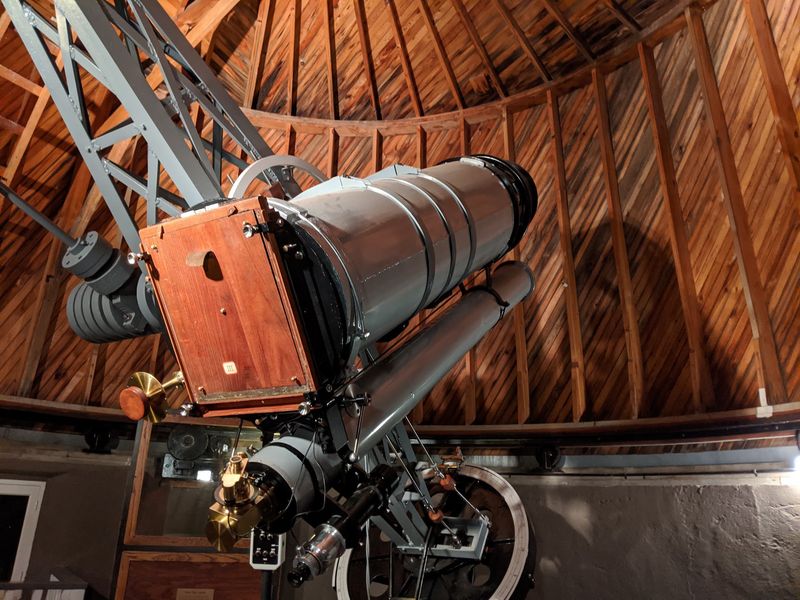
Plenty of states have science museums, but only one has the hill where Pluto was found. That single fact gives Flagstaff a claim to fame few places anywhere can match.
The retired astrograph no longer hunts for new worlds, yet it still does important work. It anchors a campus that blends 1894 roots, a modern Discovery Center, working telescopes, and a rooftop theater under real Arizona skies.
Not every night delivers a perfect lineup of planets, and clouds can reshuffle the schedule. Even so, the mix of history, hands-on exhibits, and helpful staff makes a visit hard to regret.
The observatory has reportedly been named the top science museum in the country by Time Magazine. That is quite a bit of recognition for a place Arizonans can reach on a weekend drive.
For locals, the takeaway is simple. World-class astronomy history is not locked away in some faraway city, it sits just west of downtown Flagstaff.
Pack a jacket, grab tickets in advance, and give the Pluto telescope a nod on the way in. It earned its spot in the history books, and Mars Hill makes sure nobody forgets it.