
Affiliate disclosure: As an Amazon Associate I earn from qualifying purchases. Learn more
Some places change so much over the years that folks who once knew them well come back and feel like strangers. That is the story unfolding in one famous red-rock town near Flagstaff, where the quiet trails and small shops of years past have given way to packed streets and busy galleries.
Longtime guests still love the towering buttes and pine forests, but many admit the crowds have shifted the mood entirely. What happened to this beloved Arizona spot, and is it still worth the trip across the state?
Keep reading, because the answer holds a few surprises about scenery, arts, and the slow creep of popularity that reshaped a desert favorite many Arizonans thought they had all to themselves.
The Red-Rock Town Everyone Is Talking About
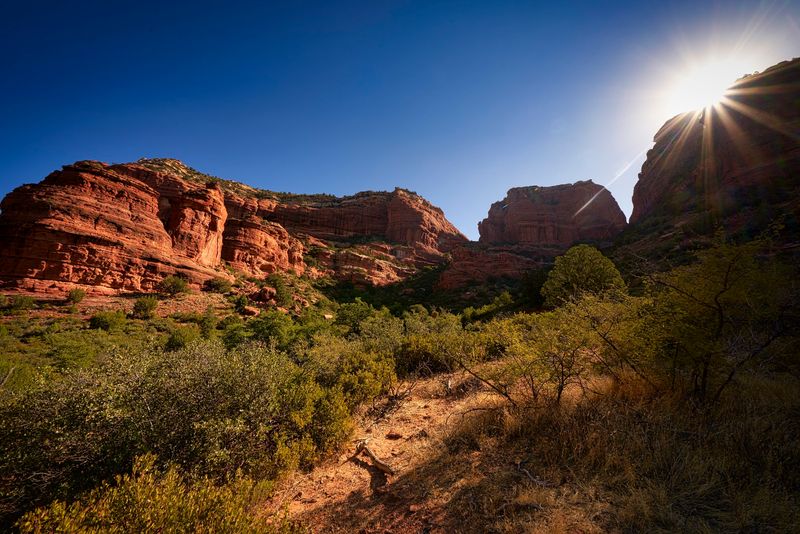
Tucked into Arizona 86336 near Flagstaff, Sedona sits cradled by red-rock buttes, steep canyon walls, and pockets of pine forest. The address alone does not capture how dramatic the setting feels when the rock formations rise on nearly every side.
The town runs on a reputation built over decades. Its mild climate and colorful landscape drew artists, hikers, and seekers long before it became a household name across the state.
Longtime guests remember quieter days, and many now say the place feels transformed. The buttes have not moved an inch, but the town wrapped around them has grown busier than they ever expected.
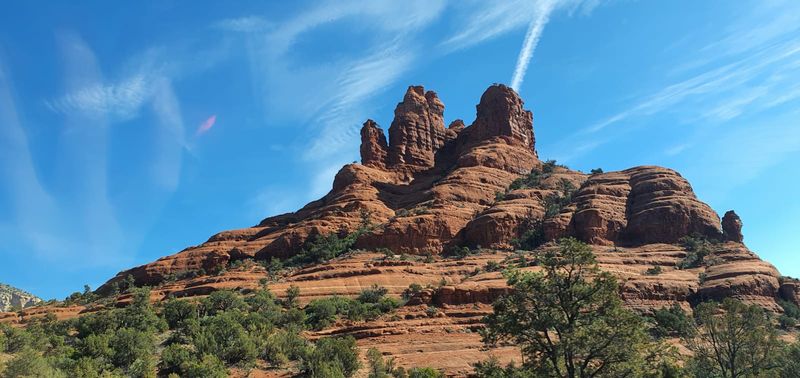
Still, the core appeal remains obvious the moment those formations come into view. Sedona holds onto its striking scenery even as the pace of life around it speeds up.
From Quiet Outpost to Statewide Magnet
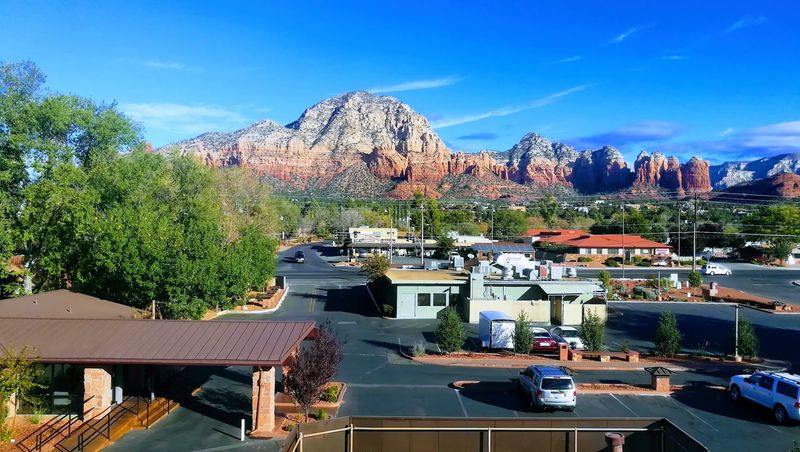
Long before the parking lots filled and the shops multiplied, this was a modest desert community leaning on its arts community and gentle weather. Word spread slowly at first, then all at once.
Growth changed the rhythm. What used to be a peaceful stopover became a place people drive across Arizona to reach, and that surge is exactly what longtime guests point to when they say it feels different now.
The transformation did not erase the town, though. The red rocks, the trailheads, and the galleries still anchor everything, even as newer crowds reshape the daily flow.
Change like this is a familiar Arizona story. A hidden favorite gets discovered, and suddenly everyone wants a piece of it, for better and for busier.
Buttes and Canyon Walls That Steal the Show
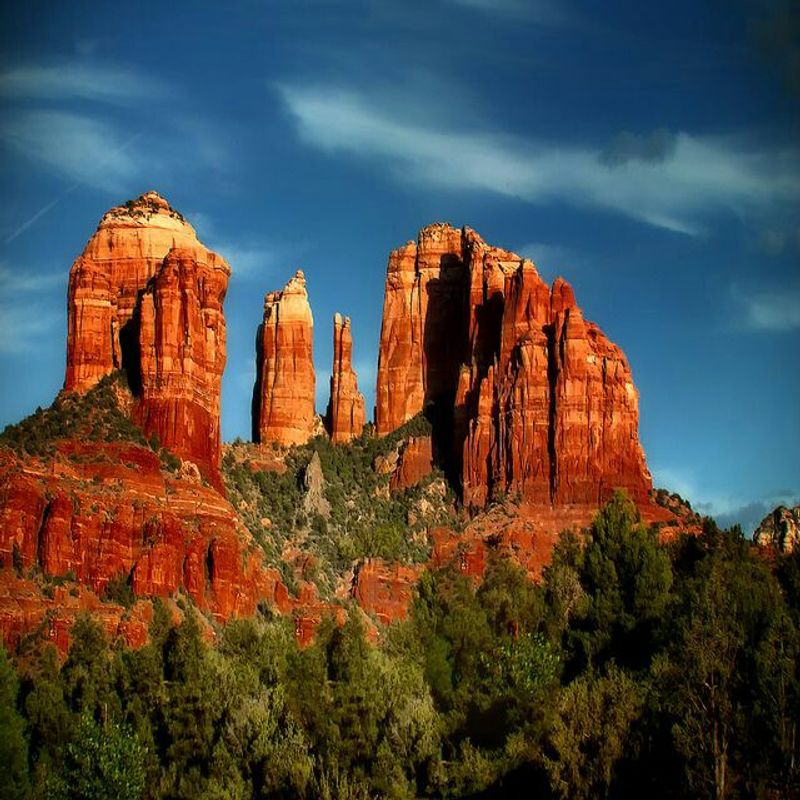
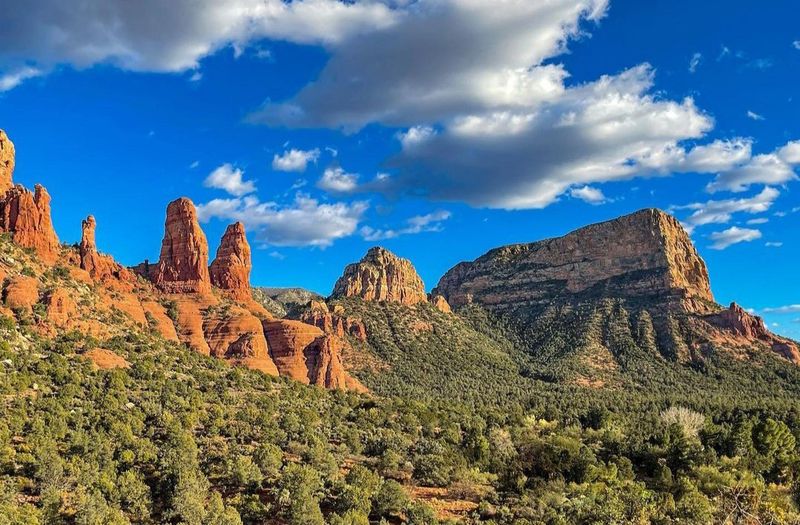
No amount of foot traffic can shrink the buttes. Those red-rock towers and steep canyon walls remain the single biggest reason people make the trip, and they tend to quiet even the busiest days.
The formations rise all around town, framing streets and trails alike. They give Sedona its signature look, the kind that stops conversation and turns heads no matter how many times you have seen them.
Pine forests thread between the rock, softening the scene with green. That mix of desert red and forest cover sets the area apart from flatter, drier corners of the state.
Even guests who grumble about the crowds admit the scenery holds up. The rocks are the constant, the anchor that keeps people coming back despite everything else.
Uptown, Where the Shops Never Stop
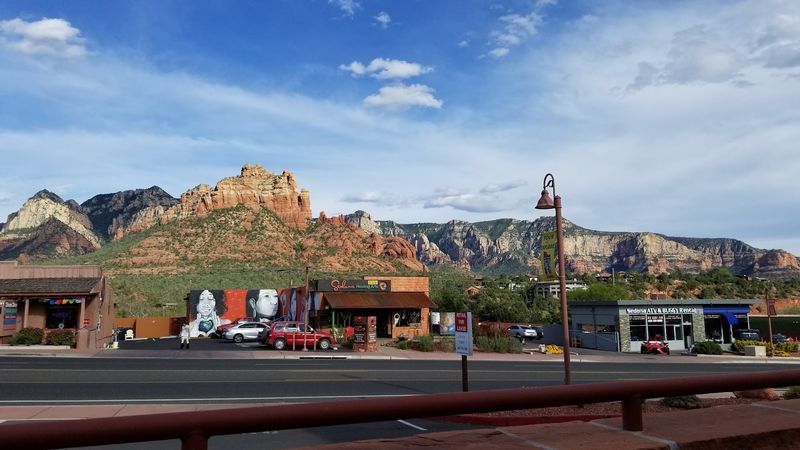
Head into the heart of town and you land in Uptown Sedona, a dense stretch packed with New Age shops, spas, and art galleries. This is the commercial engine, and it hums.
Storefronts sit close together, drawing steady foot traffic all day. It is here, more than anywhere, that longtime guests feel the shift most sharply, because the quiet browsing of the past has given way to bustling sidewalks.
The variety is real, though. Galleries, wellness spots, and specialty shops line the district, offering plenty to explore for anyone willing to weave through the crowd.
Love it or not, Uptown defines the modern visit. It is the part of Sedona that grew loudest, and the part that sparks the most talk about how much has changed.
A Vibrant Arts Community Rooted in Color
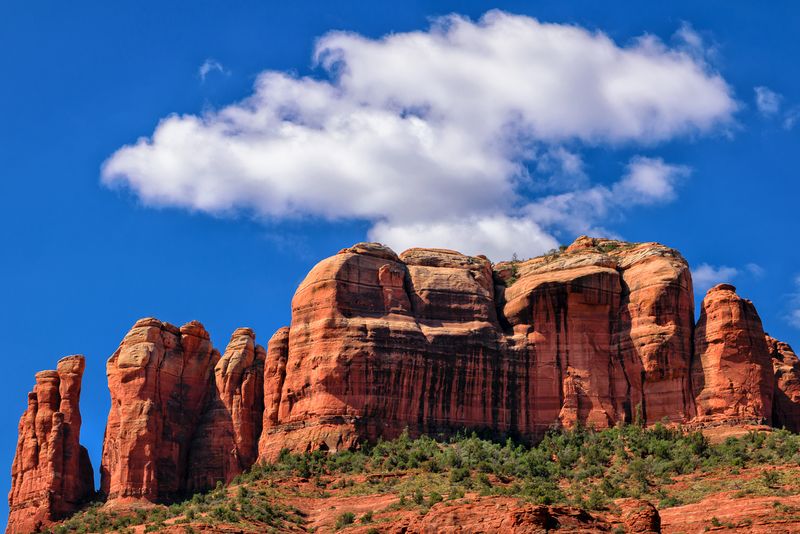
Creativity runs deep here. Sedona built a name as an arts town long ago, and the vibrant arts community still shapes its identity today.
Galleries fill Uptown and beyond, showcasing work inspired by the surrounding landscape. The red rock and desert light have influenced local artists for generations, and that connection shows in what hangs on the walls.
The scene draws collectors and casual browsers alike. Even as the town grew crowded, the artistic backbone stayed intact, giving visitors a reason to slow down and look closer.
That blend of culture and scenery is rare. Few Arizona towns pair dramatic geology with such a concentrated creative community, and that combination remains a genuine draw.
Spas and the Wellness Pull
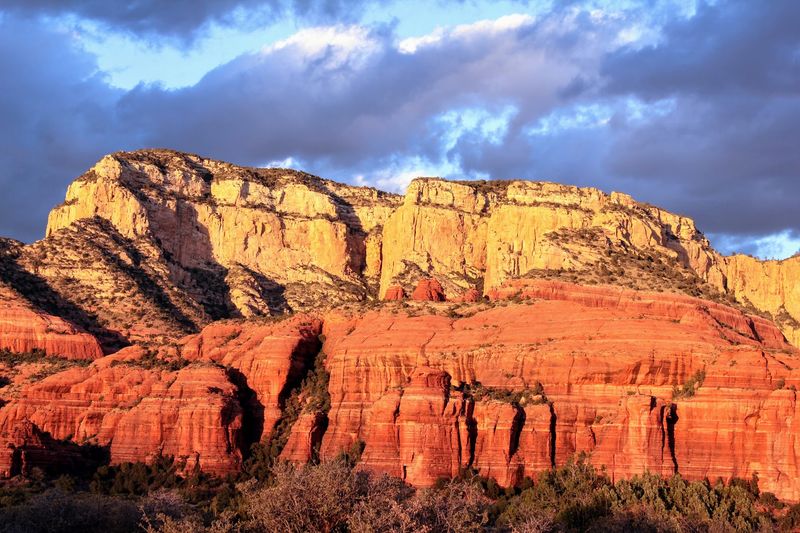
Relaxation is a big part of the pitch. Alongside the galleries and shops, spas dot the town, feeding Sedona’s reputation as a place to unwind.
The New Age flavor ties into this. Wellness offerings sit comfortably next to the metaphysical shops, giving the town a calm, restorative angle that many guests seek out on purpose.
Set against the red-rock backdrop, these retreats lean hard into the scenery. The natural setting does a lot of the heavy lifting when it comes to helping people decompress.
For anyone burned out by the busier streets, the wellness side offers a quieter counterweight. It is one way the town balances its own energy.
Trailheads Waiting on the Outskirts
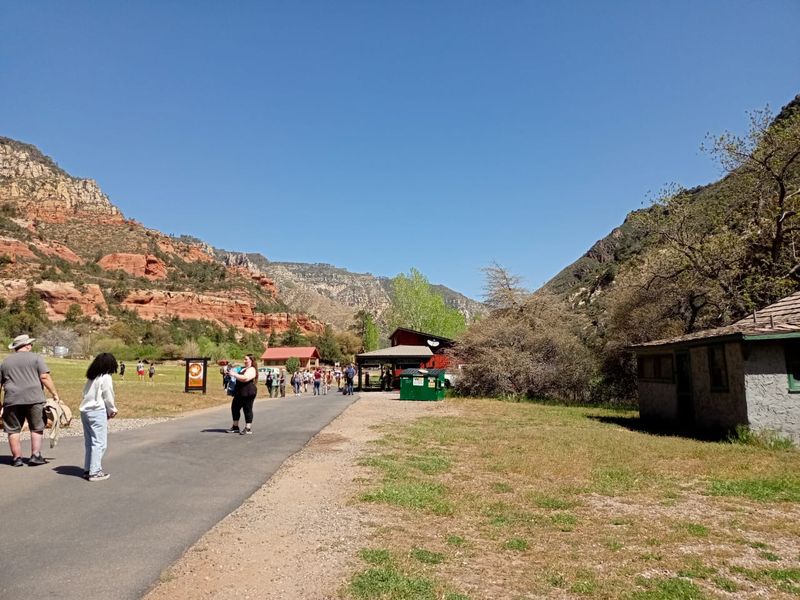
Beyond the shops, the real payoff waits. Numerous trailheads sit on the town’s outskirts, opening the door to the red-rock country that made Sedona famous.
The trails scatter in many directions, giving hikers plenty of options to spread out. That range matters more than ever now, since the outdoors offers space away from the packed downtown.
Many paths lead toward Red Rock State Park, a natural anchor for the area. Getting to a trailhead is the surest way to reconnect with the version of Sedona longtime guests remember.
Lace up and step out, and the crowds thin fast. The land itself remains the great equalizer, quiet and open just past the busy core.
Red Rock State Park and Its Quiet Corners
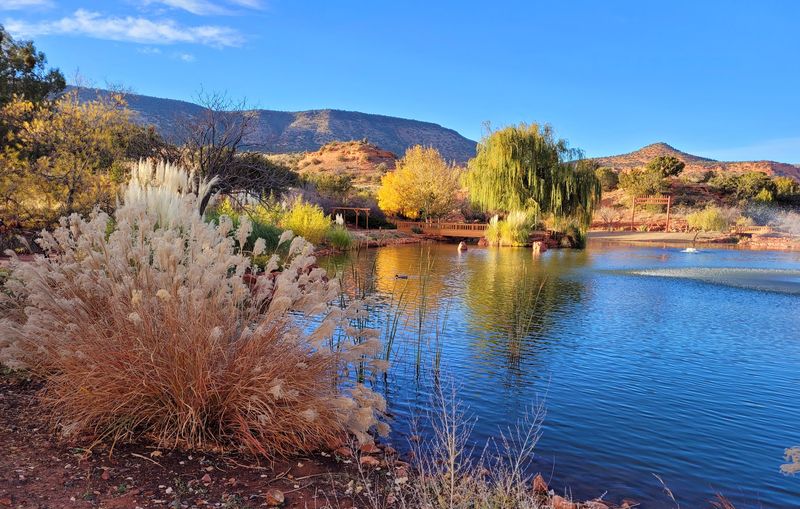
For a slower experience, Red Rock State Park delivers. The park offers bird-watching, hiking, and picnicking spots, all wrapped in the same striking geology that defines the region.
Nature takes the lead here. Birders come for the variety, hikers come for the paths, and families come to spread out a meal in the shade of the formations.
The park stands as a reminder of what drew people in the first place. It keeps the focus on the landscape rather than the shopping.
Guests looking to escape the Uptown rush often find their footing here. It is the calmer face of a town that has grown much louder.
Mild Weather That Keeps People Coming
Climate plays a quiet but powerful role. Sedona is noted for its mild weather, and that comfort keeps the town appealing across much of the year.
The gentle conditions pair well with the outdoor draw. Pleasant days make the trails, parks, and picnic spots easier to enjoy without battling harsh extremes.
Set near Flagstaff and ringed by pine forest, the area avoids some of the intensity found in lower desert regions. That balance is part of its long-running charm.
Good weather plus dramatic scenery is a hard combination to beat. It helps explain why the crowds keep arriving, year after year.
Is It Still Worth the Drive?
So where does that leave the town longtime guests barely recognize? Busier, yes, and undeniably more crowded, especially around Uptown and its wall of shops and galleries.
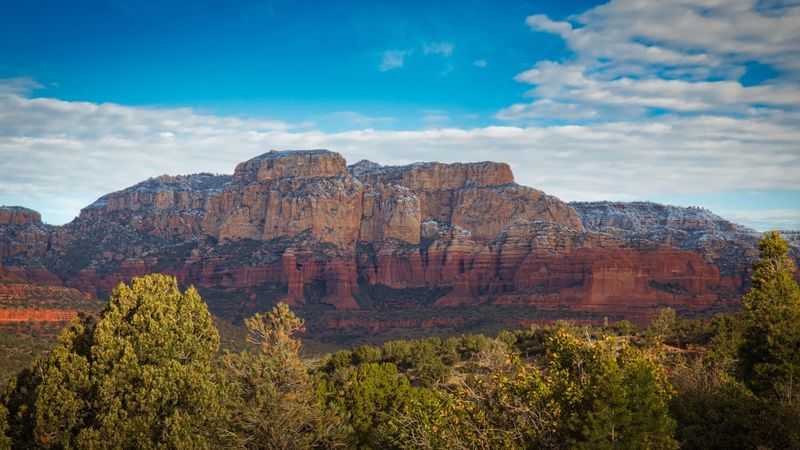
Yet the bones remain remarkable. The red-rock buttes, canyon walls, pine forests, and trailheads still deliver the scenery that built Sedona’s name in the first place.
Red Rock State Park, the vibrant arts community, and the mild climate keep giving Arizonans reasons to make the trip. The magic did not vanish; it just got more company.
For anyone willing to venture past the packed streets and onto the trails, the town that residents once loved is still there waiting. Sedona changed, but its heart of stone stayed put.