
Affiliate disclosure: As an Amazon Associate I earn from qualifying purchases. Learn more
A thousand years ago, a busy village of 90 rooms buzzed with life on a rise above a central Arizona creek. Today that same ground sits quietly just north of Payson, free to walk and open to anyone curious enough to pull off the highway.
Most drivers zip past on their way to the Grand Canyon or a nearby waterfall, never knowing a preserved prehistoric community waits a few minutes off the road. What remains is subtle, and that is exactly the appeal for people who like their history raw and unfussy.
Keep reading to learn where it hides, how to actually reach it, what you will find along the loop trail, and why longtime Arizonans keep this stop tucked in their back pocket.
Where The Ancient Village Sits
North of Payson, on a natural rise above Houston Creek, sits Shoofly Indian Ruins at 1-5 Houston Mesa Rd, Payson, AZ 85541. The site rests in the high desert transition zone where the Sonoran Desert country begins climbing toward the Mogollon Rim.
The land is managed by the Payson Ranger District of the Tonto National Forest. There is no visitor center and no gift shop, just a gravel parking area, an interpretive kiosk, and a trail through the old village.
Views open up in every direction from the top of Houston Mesa. The setting feels remote without being hard to reach, which is part of why it stays so peaceful.
Because it is day-use only, plan your stop for daylight hours. Cars can make the trip without any trouble, so no special vehicle is needed to get here.
A 90-Room Pueblo Older Than You Think
Roughly a thousand years of history rest under your feet here. The compound once held about 90 rooms and was occupied from approximately 1000 to 1300 CE.
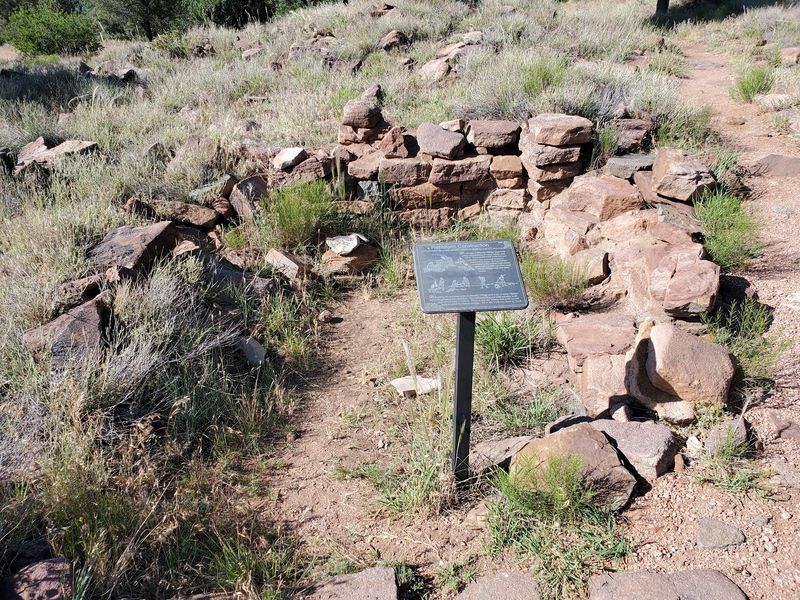
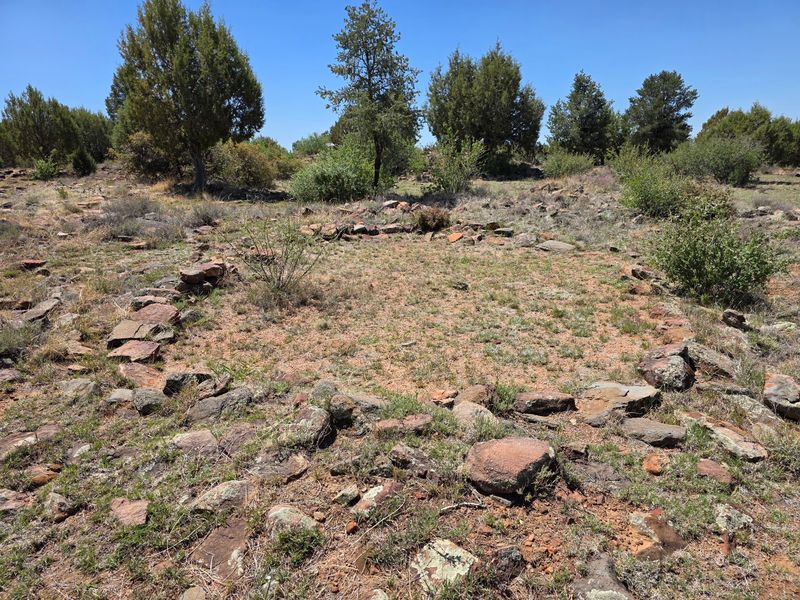
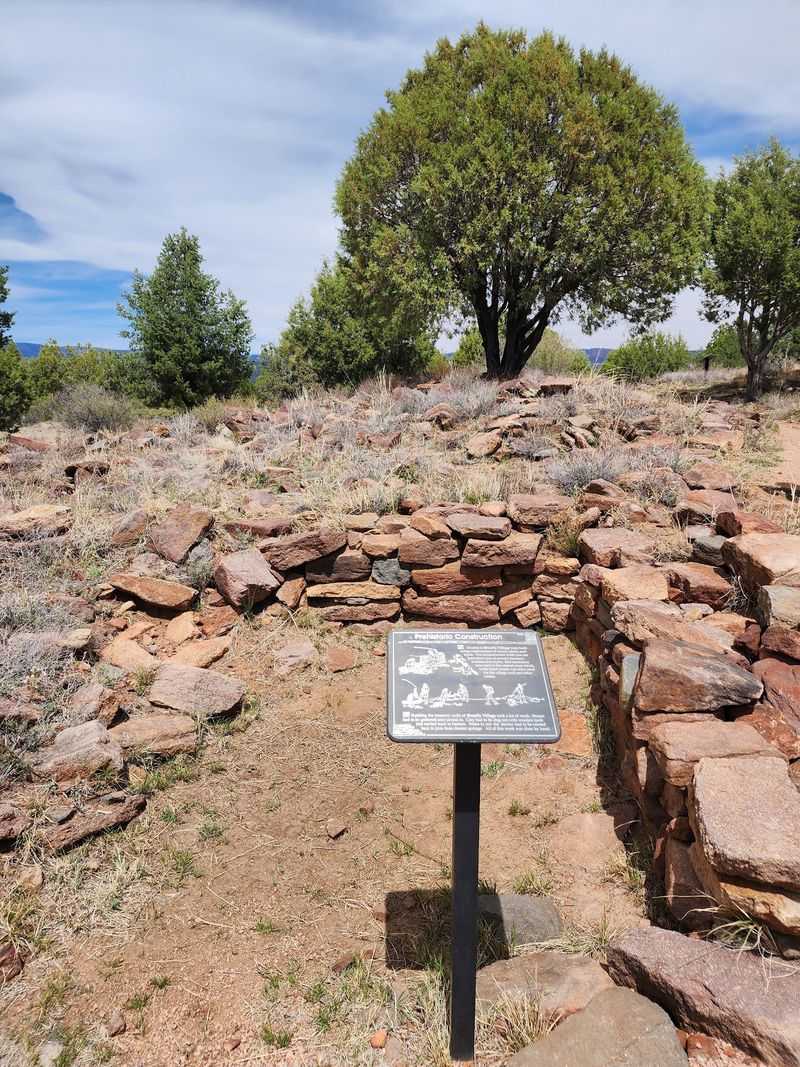
Shoofly Village counts among the largest and best preserved prehistoric pueblo sites in central Arizona. What you see now are the exposed foundation walls, room outlines, and compound walls that trace the shape of the settlement.
A circular depression marks where a great kiva once stood, still visible in the ground. The ruins are not rebuilt or heavily reworked beyond basic preservation, so you walk through the village much as it was found.
People with an interest in Native American heritage tend to appreciate the honesty of that approach. The stones ask you to slow down and picture the community that once thrived on this quiet rise.
An Easy Loop Trail For Almost Everyone
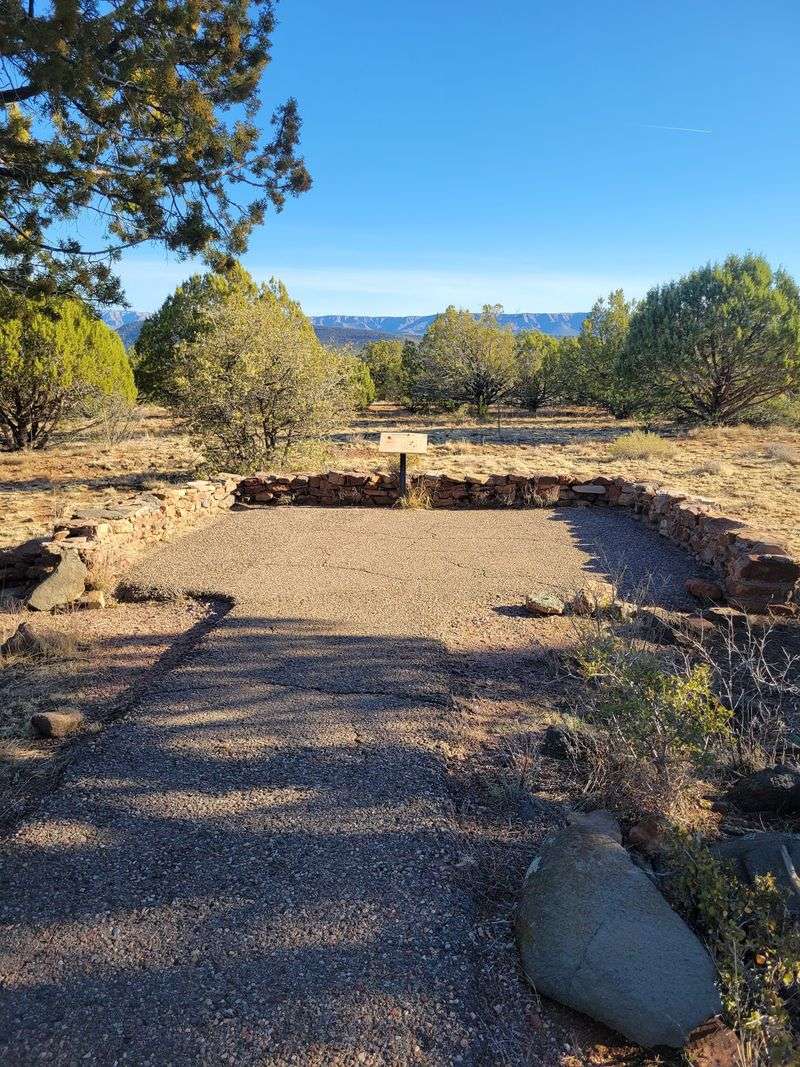
Walking the site takes about 10 to 30 minutes, depending on how quickly you move and how long you linger at each stop. The interpretive loop winds through the exposed foundations on a gravel path that stays gentle underfoot.
Plenty of parking sits at the trailhead, and the walk suits nearly every ability level. Families with young children and folks stretching their legs on a long drive find it manageable.
Regulars mention that the trail is well maintained and easy to follow. It makes a natural break for anyone who has been in the car for hours.
Since the loop is short and self-guided, you set your own pace. Move quickly if you are pressed for time, or wander slowly if the history pulls you in.
Signs That Do The Storytelling
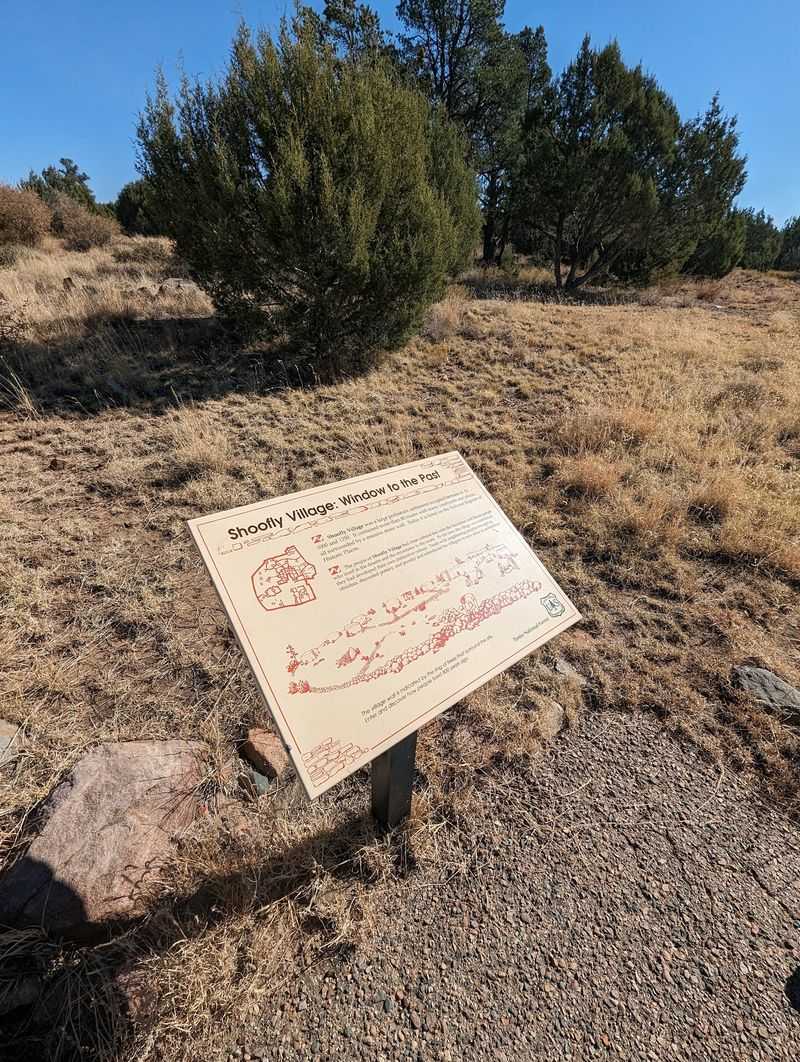
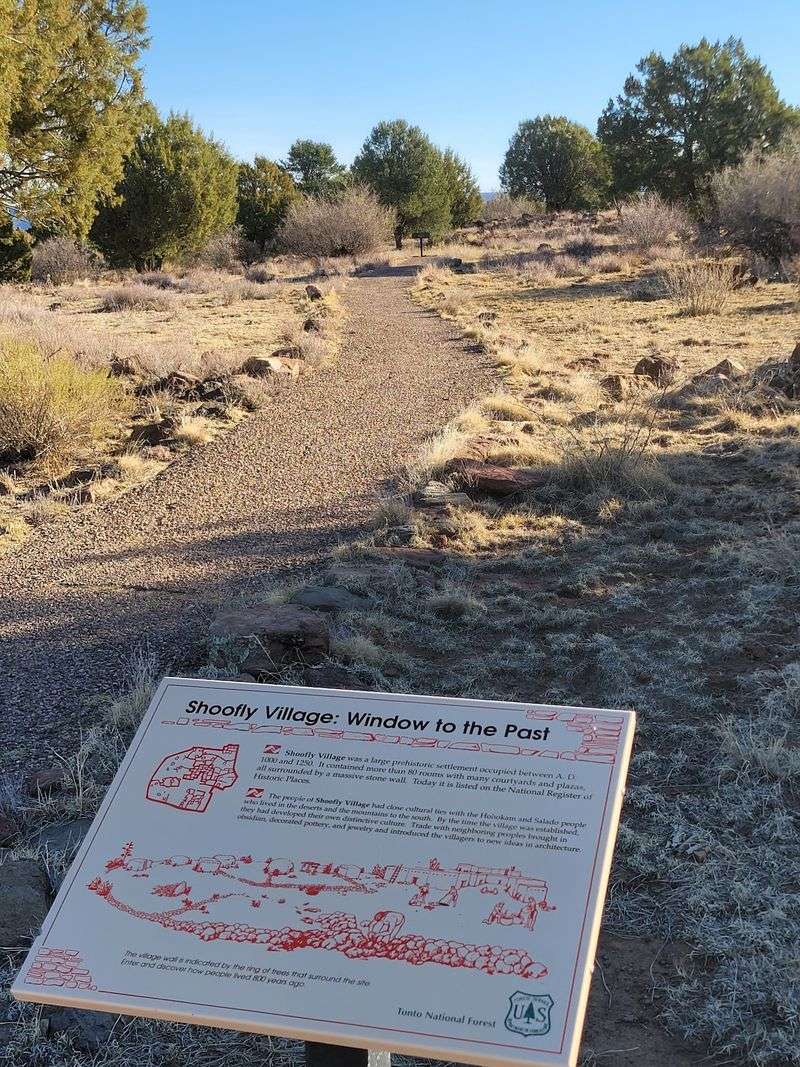
Reading the plaques is where the site really comes alive. Interpretive signs mark spots of interest along the path and explain what daily life may have looked like when the village was occupied.
The signage earns steady praise for being easy to read and well designed. Visitors say the writing helps them interpret foundations that might otherwise look like scattered rubble.
The interpretation leans toward how the village was built and what the structures likely were. Some folks wish for more detail about the people themselves, though much of that history remains uncertain.
A few of the older signs could use a cleaning, but the information still does its job. Bring a bit of imagination and the panels will help you reconstruct the rest.
Genuine Pottery Fragments Underfoot
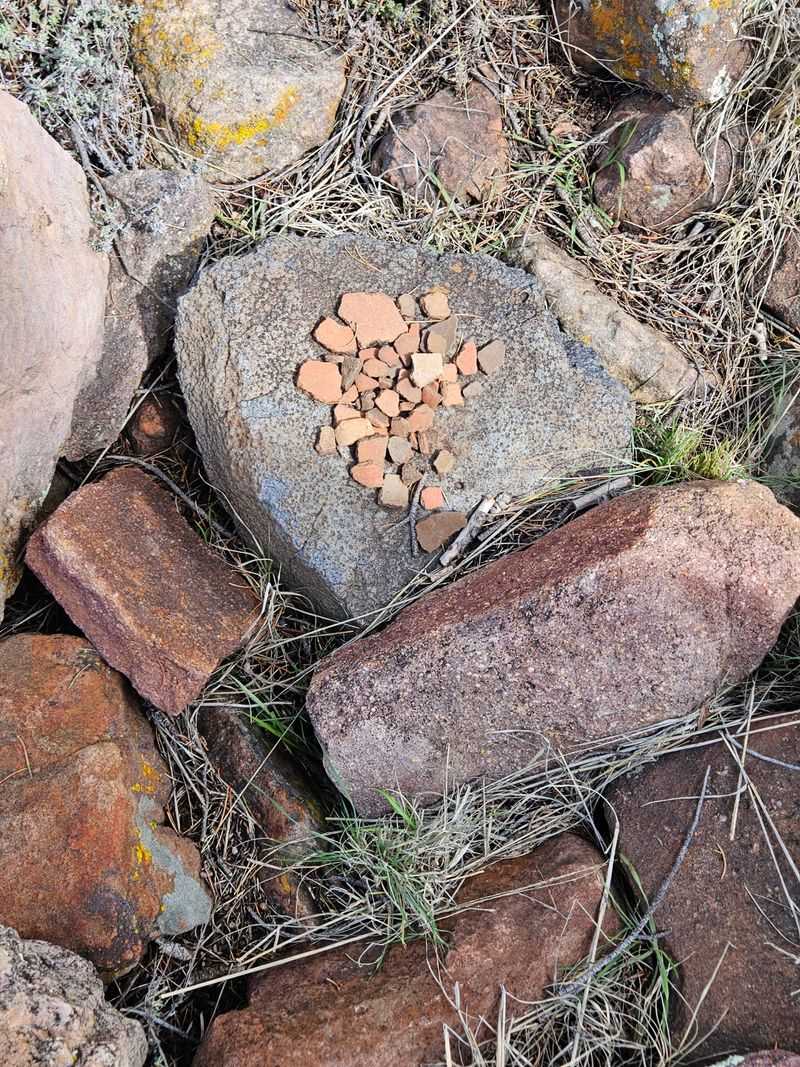
Scattered across the ground are real pottery sherds, and they are part of what makes this place special. These fragments are genuine pieces of the archaeological record.
They are not props or reproductions. Each one is evidence of the settlers who lived here more than 800 years ago.
Please leave them exactly where they lie. Collecting them removes a piece of the story and is not permitted, since they belong to the land and its history.
Spotting the fragments turns the walk into a bit of a treasure hunt for the observant. Just look, appreciate, and let the next curious traveler enjoy the same small thrill.
Scenery From The Top Of Houston Mesa
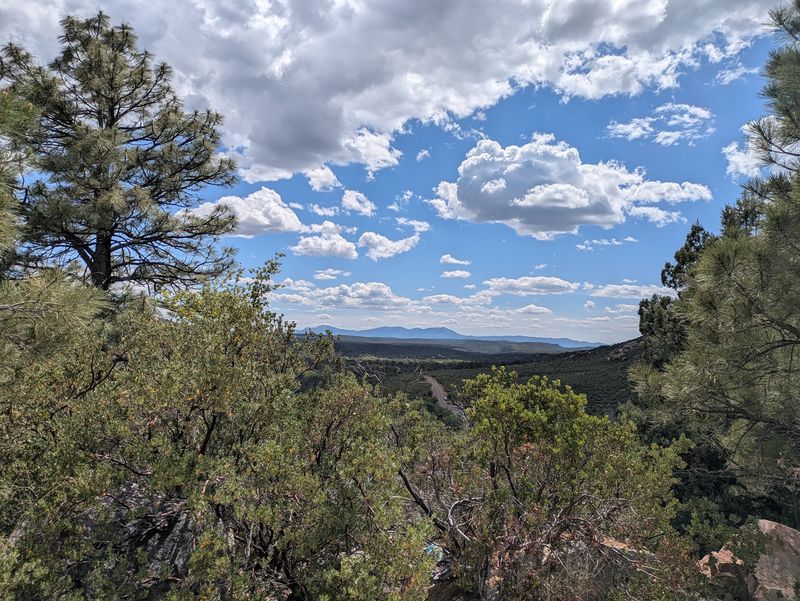
Perched on top of Houston Mesa, the site delivers views that many travelers rank as the highlight. The surrounding high desert stretches out in every direction from the rise above Houston Creek.
Spring visits can be especially rewarding, with pleasant temperatures and comfortable weather for the short walk. The scenery consistently draws compliments even from those who find the ruins themselves modest.
The isolation adds to the effect. Off-season trips often mean you have the whole place to yourself, wrapped in a calm, peaceful atmosphere.
Even people who arrive unsure about the ruins tend to leave impressed by the setting. The landscape alone can justify the short detour off the highway.
A Quiet Stop On The Way To Bigger Adventures
Many travelers fold this stop into a longer route rather than making it a standalone trip. It sits conveniently near Water Wheel Falls and First Crossing, so it pairs well with a day exploring the creek.
Others discover it while driving through the Tonto National Forest toward the Grand Canyon. The sign catches their eye, and the short walk fits easily into the schedule.
Most people spend around 30 minutes here before moving on. It works as a place to let kids and dogs stretch their legs during a road trip.
The honest take is that this is a supporting act rather than a headliner. Slotting it between other destinations is the way seasoned Arizonans get the most out of it.
Who Will Love It And Who Might Not
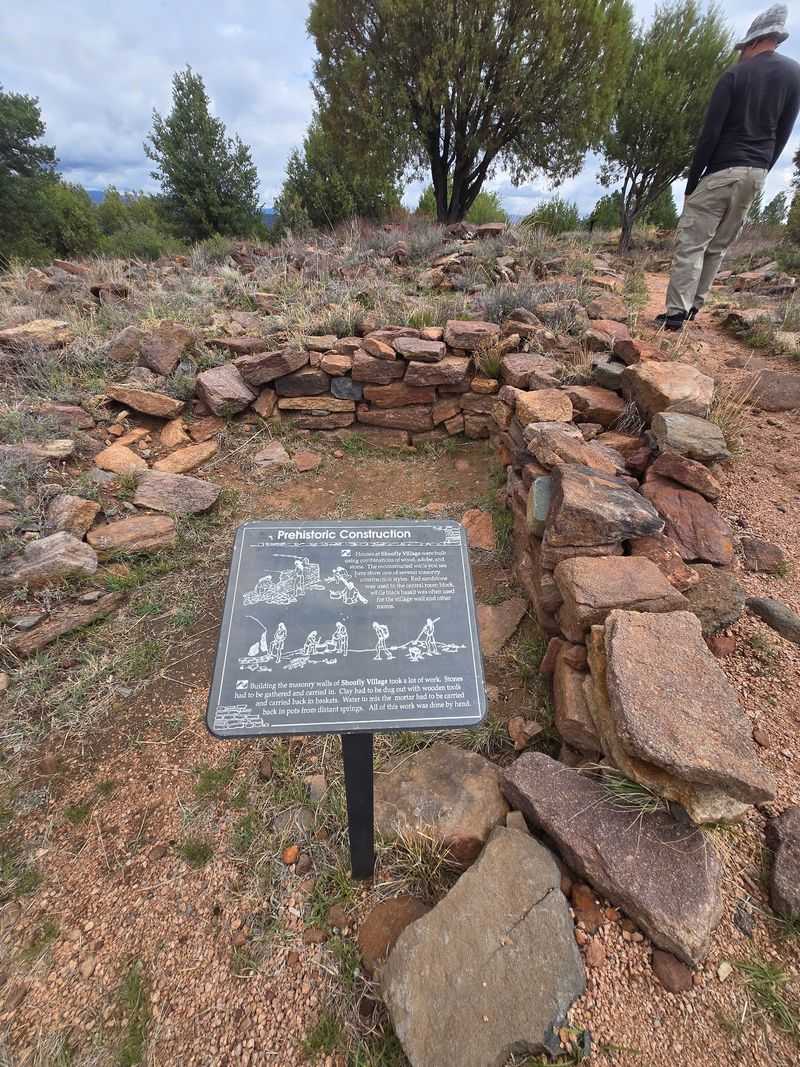
Honest expectations make all the difference here. History buffs and fans of Native American sites tend to walk away genuinely moved by the preservation and interpretation.
Kids expecting a standing village can feel let down, since what remains are mostly outlines and foundations. A few children have arrived hoping for more dramatic structures and left a little disappointed.
The draw is subtlety, not spectacle. You truly have to look at what survives and let your mind fill in the walls that once rose here.
Compared with grander sites elsewhere in Arizona, this one wins on isolation, scenery, and thoughtful signage rather than sheer size. Come with curiosity and a bit of patience, and it delivers a quietly rewarding hour.
Cost, Hours, And What Is Not Here
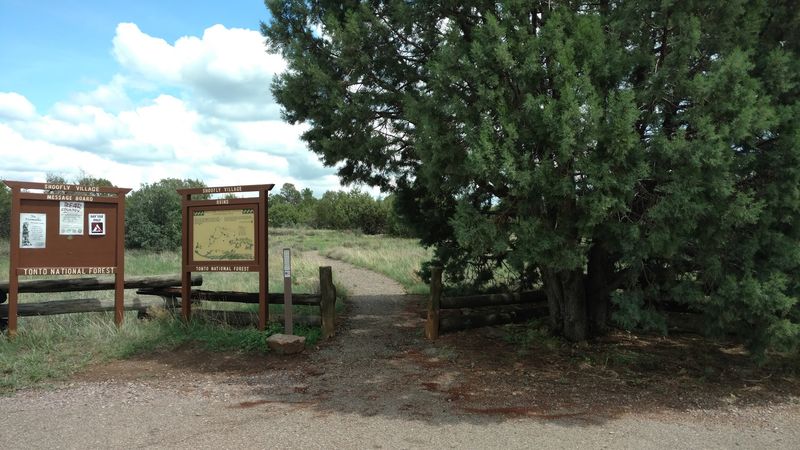
Good news for budget travelers: there is no entrance fee to visit the ruins themselves. The site is free and self-guided, open for day use.
A forest pass may apply through an honor-system purchase point before you enter the forest land, reported at around $4 per vehicle. Bring a few dollars just in case.
Amenities are bare bones by design. There are no restrooms, no trash cans, no gift shop, and no water, so plan ahead and pack out whatever you bring in.
The trade-off for all that simplicity is peace and quiet. No tour buses and no crowds mean you get a thousand-year-old village nearly to yourself.
Getting There Without The Detours
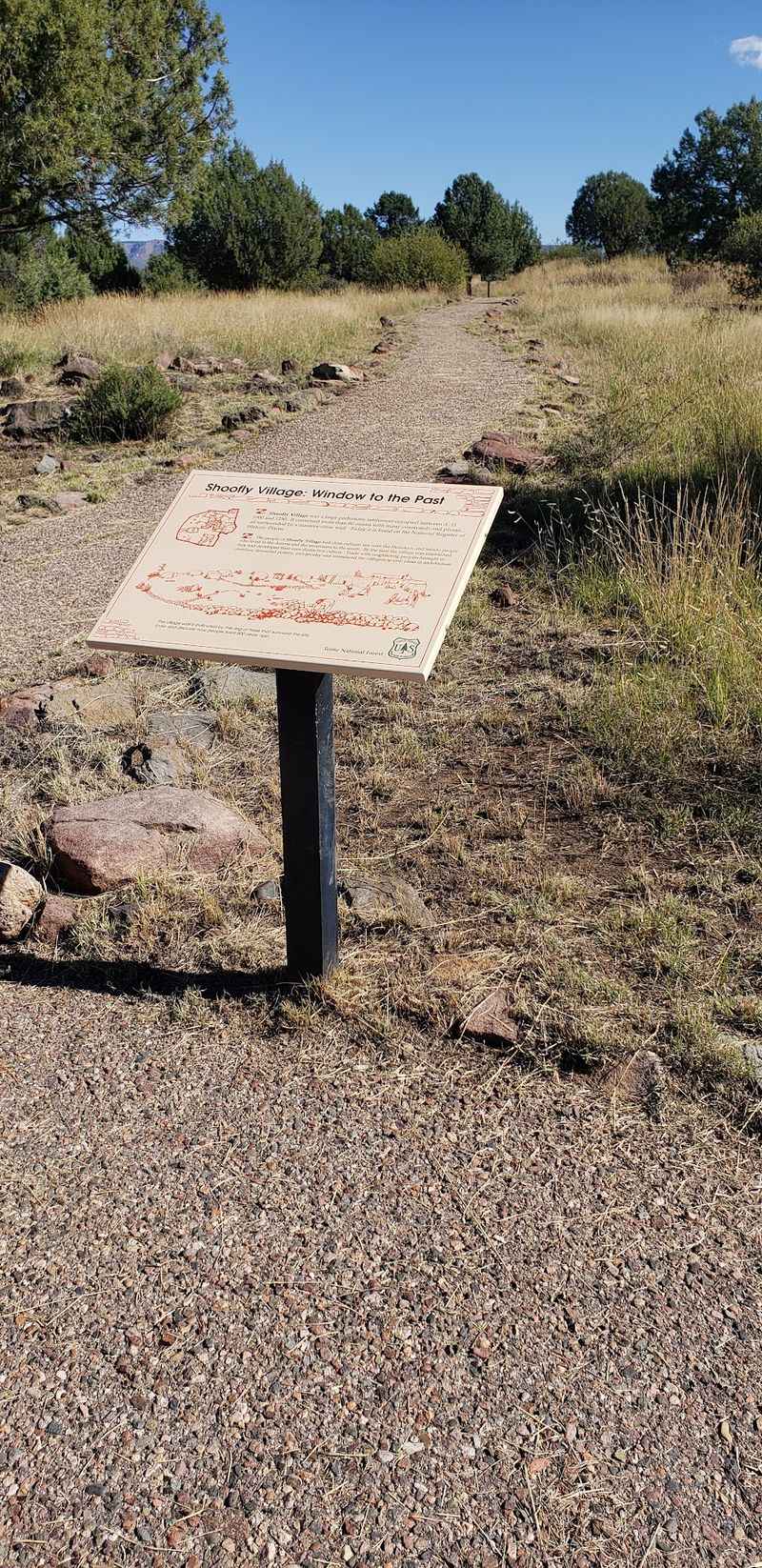
A word of caution before you go: navigation apps have been known to steer people down the wrong roads. Some drivers end up at private roads with gates and no-trespassing signs, well short of the real entrance.
The correct approach is off Houston Mesa Road, and the proper entrance appears along the route toward Water Wheel Falls. Several travelers who got misdirected the back way found the actual entrance simply by continuing along that road.
Road construction has occasionally made access trickier, so a little patience helps. Standard cars handle the drive fine once you are on the right path.
Double-check your directions and watch for the official signs rather than blindly trusting the pin. Reach the true entrance and the rest is an easy, pleasant walk.