Affiliate disclosure: As an Amazon Associate I earn from qualifying purchases. Learn more
Deep inside a national park better known for alligators and sawgrass sits a genuine slice of Cold War tension that most Florida travelers drive right past. Hidden behind swamp and quiet back roads are missile bunkers, a real Nike missile on display, and volunteers who lived and breathed this era.
It dates to the 1960s and the days of the Cuban Missile Crisis, when South Florida sat on the front line of global standoff. What makes it special is how little has changed, and how few people know it exists.
This is a stop where history feels close enough to touch, and where the story is told by folks who genuinely care. Keep reading to learn what waits at the end of that long, windy road.
A Secret Site Along Research Road
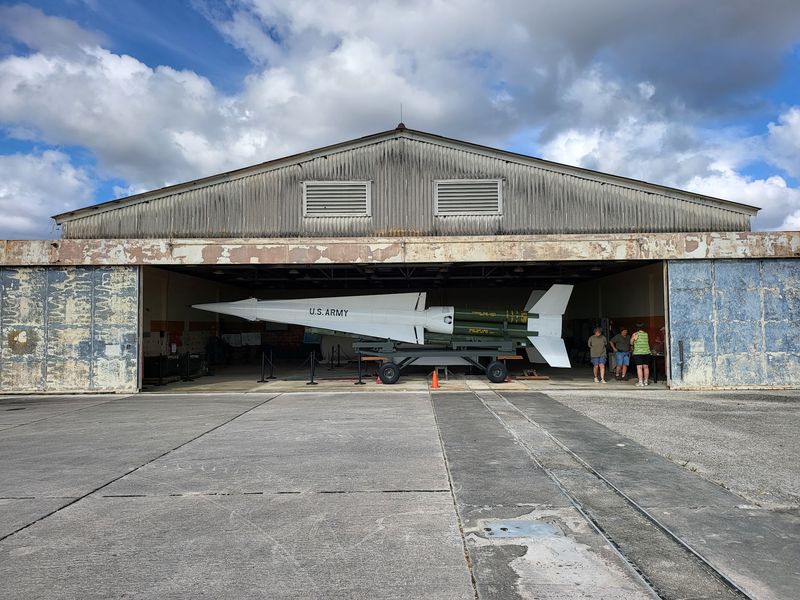
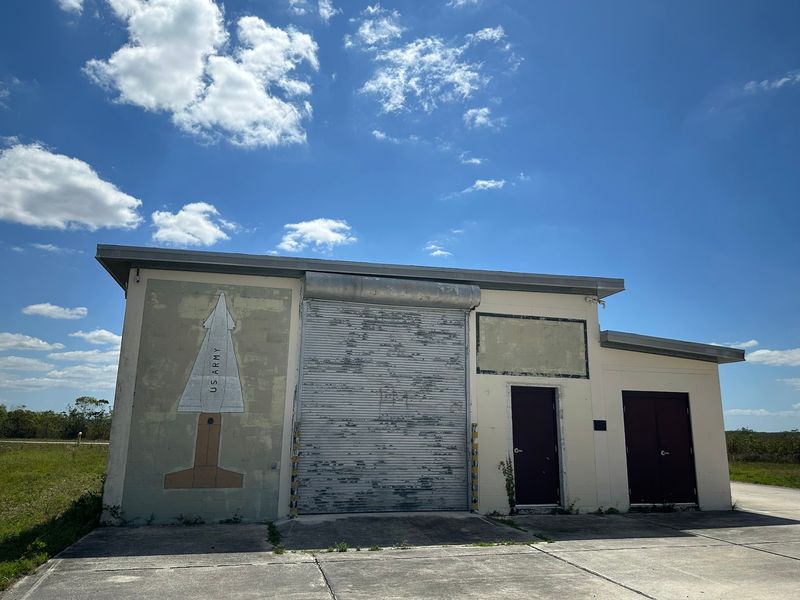
Tucked at the end of a long approach on Research Road in Homestead, Florida 33034, the HM69 Nike Missile Base doesn’t announce itself with fanfare. The drive in feels underwhelming at first, which is part of its charm.
Then the first barn comes into view, and behind it a real missile stands waiting. Three missile bunkers make up the site, each once built to hold six missiles apiece.
The base sits inside Everglades National Park, so it takes a bit of a drive from the main entrance to reach it. Regulars suggest keeping to the right as you follow the road toward the hangars.
Its remote setting gives the place a distinct atmosphere, secluded and quiet in a way that suits its former top-secret purpose. Once you arrive, the scattering of buildings with information signs slowly reveals the full story.
Front-Line Florida During the Cuban Missile Crisis
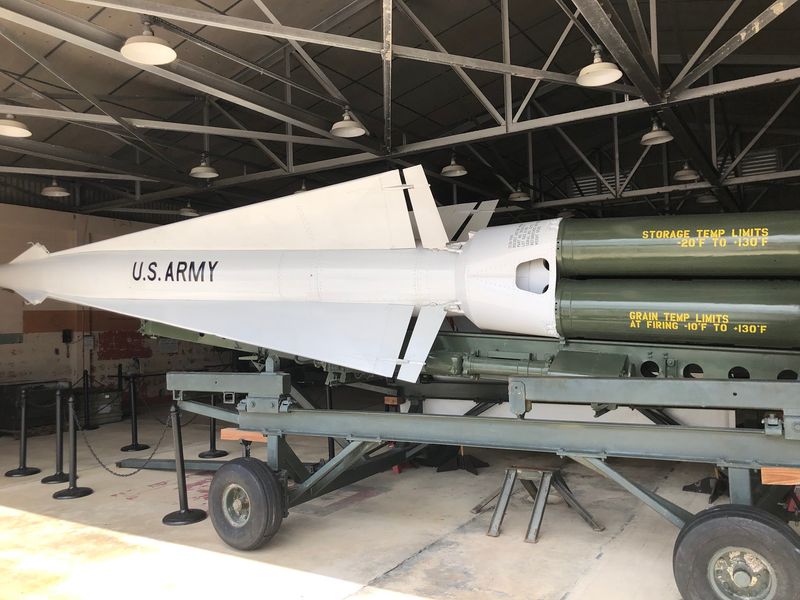
South Florida wasn’t always known for sunshine and easy days. During the Cold War, this stretch of the Everglades became a defensive outpost aimed at protecting the country during the Cuban Missile Crisis.
The base traces back to the 1960s, a period of real tension and technological racing. Walking the grounds pulls you straight back into that era of standoff and strategy.
What sits here today has largely stayed put, standing much the way it did when it was first built. That preservation is a big reason the site feels so authentic.
People who care about military history come away with a deeper appreciation for what the country built during those years. The story here is not just about hardware, but about resolve and the people who kept watch.
The Missile Reveal Inside the Hangar
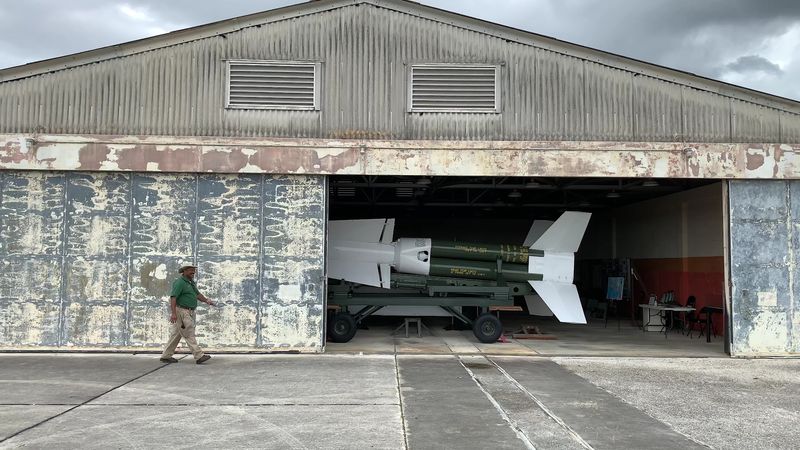
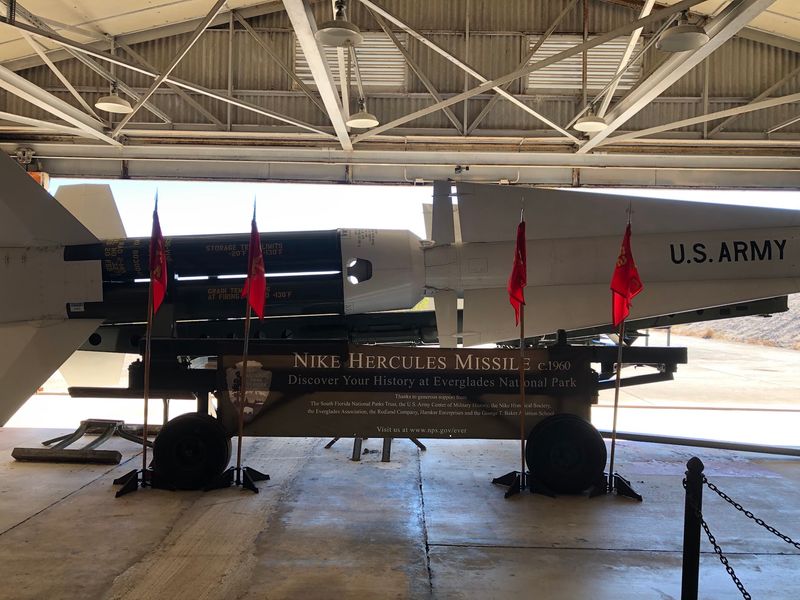
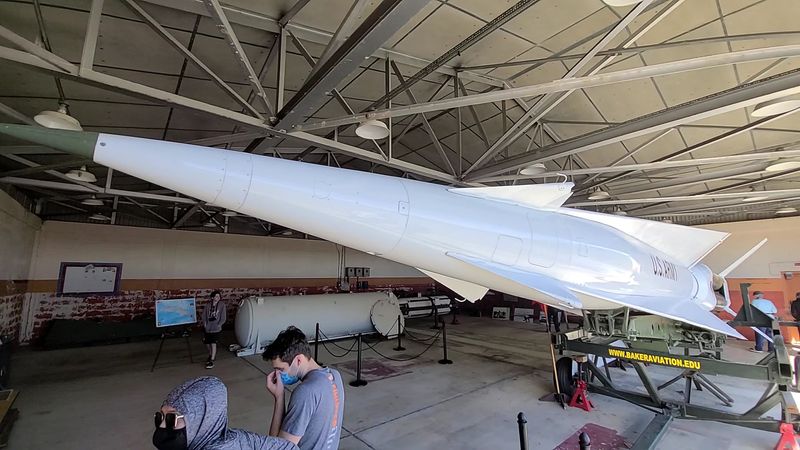
The real showstopper hides inside the first barn. As you approach, the hangar doors slide open to reveal a genuine Nike missile standing on display.
Behind and around it sit the inner workings, control panels, and various pieces that tell the rest of the story. Photos, maps, and relics from the service members round out the picture.
On some visits, guests even get to help open those giant hangar doors, which turns a simple stop into a memorable moment. It’s a small hands-on thrill that sticks with families.
Some guests mention that the site tends to open one silo at a time, so seeing every bunker inside can take more than one trip. Still, that single reveal is enough to make the drive worthwhile.
Volunteers Who Bring the Story to Life
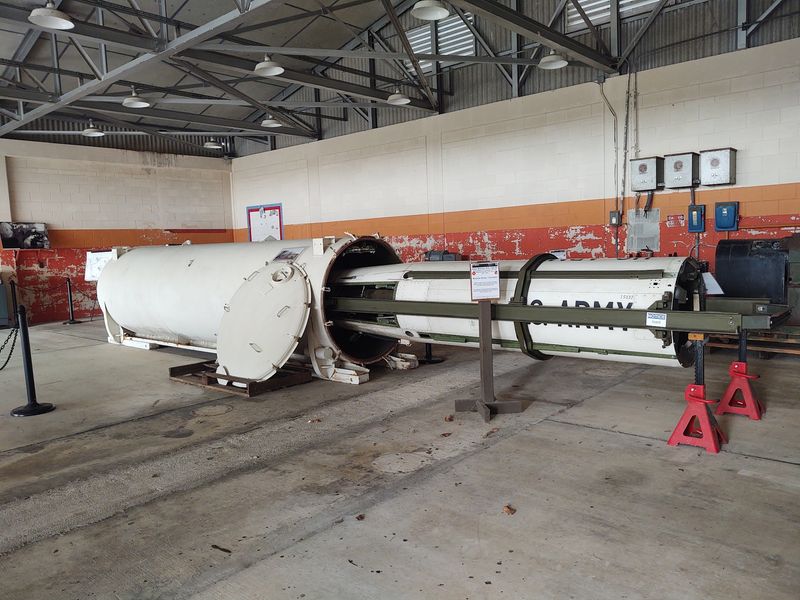
Ask anyone what makes this place stand out, and the answer usually circles back to the people running it. The site is staffed by volunteers who clearly care deeply about the subject.
They are described as among the kindest around, and their knowledge runs deep. Come with a question and they will happily give you far more than you expected.
Some volunteers even share firsthand accounts of living in the area during that time, which connects guests to the history in a personal way. Names like Harry, Cristine, and others come up often for their warmth and passion.
Even the information placards impress folks with how much detail they pack in. Then a volunteer wanders over to add another layer to the story you were just reading.
The enthusiasm here is genuine, and it turns a quiet historical stop into a real conversation.
Ranger-Led Tours Worth the Time
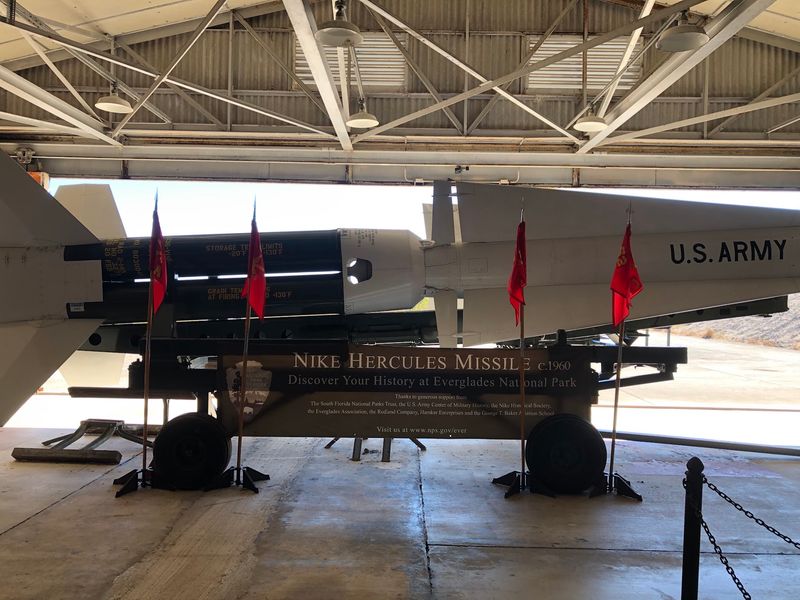
For a fuller experience, a guided tour turns the visit into a proper history lesson. Park rangers have been known to spend over an hour walking groups through the significance of the site and its worldwide implications.
Guided tours are typically offered at 2 PM, though the schedule leans heavily toward the cooler months. Some guests note guided options mainly during December.
On certain tours run through the Everglades Institute, guests receive earpieces so they can hear the guide clearly throughout. That small touch makes a big difference in a spread-out site.
Rangers explain the necessity of the Nike sites and the role they played, giving context that the displays alone can’t fully deliver. Anyone with an interest in Everglades history or the Cold War is strongly encouraged to catch one.
A knowledgeable guide leading the way is what many remember most.
Life at a Top-Secret Outpost
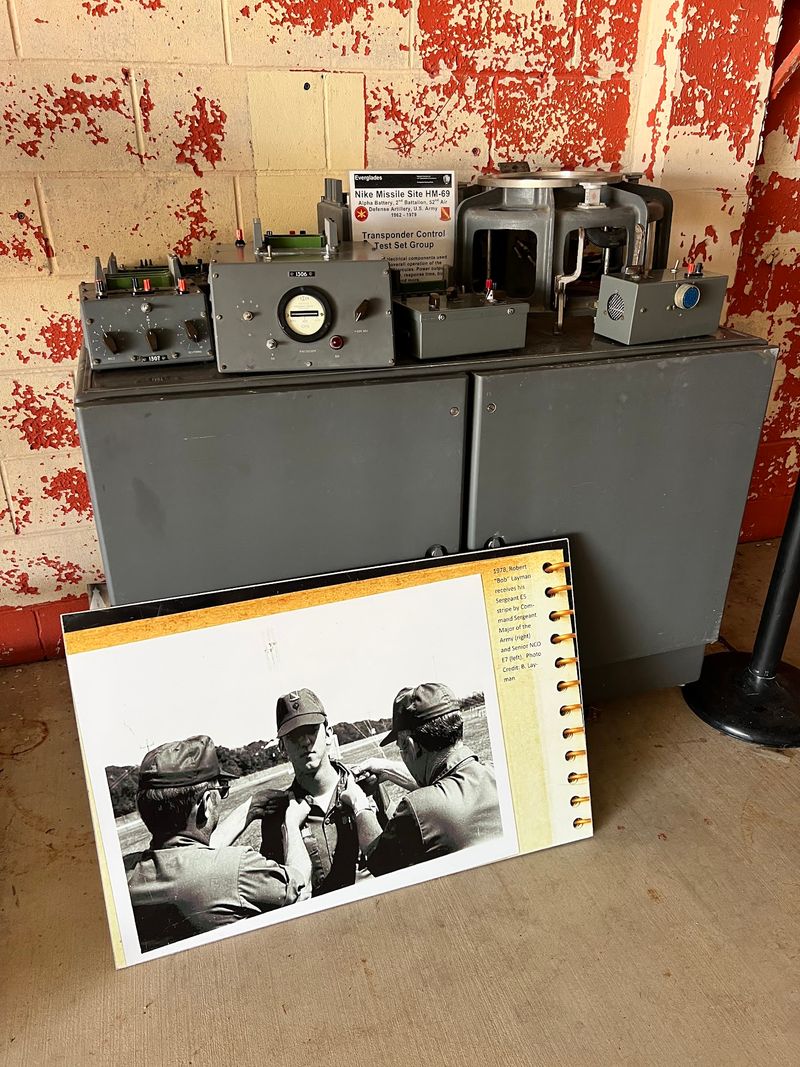
Beyond the missile itself, the base offers a window into daily life for the soldiers stationed here. Declassified items now on display show how they lived, worked, and endured.
The living conditions were far from comfortable. Guests learn how the men posted here dealt with the isolation of the deep Everglades.
Mosquitoes were a constant struggle, and stories about how much the soldiers disliked them still come up during visits. It’s a humanizing detail that grounds the grand history in everyday reality.
Displays also honor the service members and even the working dogs from those years. Photos, maps, and relics fill in the human side of a place built for defense.
Anyone who appreciates the sacrifice behind the mission tends to leave with a new respect for those who kept watch at this remote post.
Hours, Fees, and Getting There
Planning ahead matters more here than at most stops. The site is generally open 10 AM to 2 PM, with a guided tour often available at 2 PM, and public access tends to run during the cooler season roughly December through March.
Because it sits inside Everglades National Park, you’ll need to cover the park entrance fee, commonly around 35 dollars per car, unless you hold a valid NPS pass. Parking and looking around the site itself is free once you’re in the park.
Hours can shift since volunteers run the place, so call ahead or check at the main visitor center before making the drive. One guest drove hours only to find it closed, so a quick confirmation saves disappointment.
The base is about 12 minutes from the Royal Palm Visitor Center, making it easy to combine on your way in or out. Plan on roughly 30 minutes to take it all in.
A Rewarding Side-Quest in the Everglades
Small in size but big on meaning, this base makes a memorable detour on any Everglades trip. Many folks pair it with the park’s trails and scenery to build a full day out.
A short stop of 10 to 15 minutes lets you soak in the history, while a guided tour stretches the experience into something deeper. Either way, the drive over earns its keep.
The winter months bring the friendliest conditions, since summer here can turn hot, humid, and buggy. Cooler visits also line up better with the site’s open season.
Whether you’re a military history buff or simply curious about a hidden chapter of South Florida, the HM69 Nike Missile Base delivers a quiet, genuine encounter with the past. It’s the kind of place that rewards travelers willing to venture off the usual path.