
Affiliate disclosure: As an Amazon Associate I earn from qualifying purchases. Learn more
Most people picture Arizona as endless red rock and cactus, so a black cinder cone rising from a pine forest feels almost impossible. Yet just north of Flagstaff sits an extinct volcano that erupted roughly a thousand years ago, leaving behind hardened lava fields you can walk right up to and touch.
The trails are short, the signs explain what happened, and the whole area stays quiet even on busy days. This is the kind of high-country stop that longtime locals sometimes forget is sitting in their own backyard.
Keep reading to find out where it is, what the trails offer, and how to plan an easy half-day trip that most Arizonans have driven past without a second glance.
A Volcano Hiding North of Flagstaff
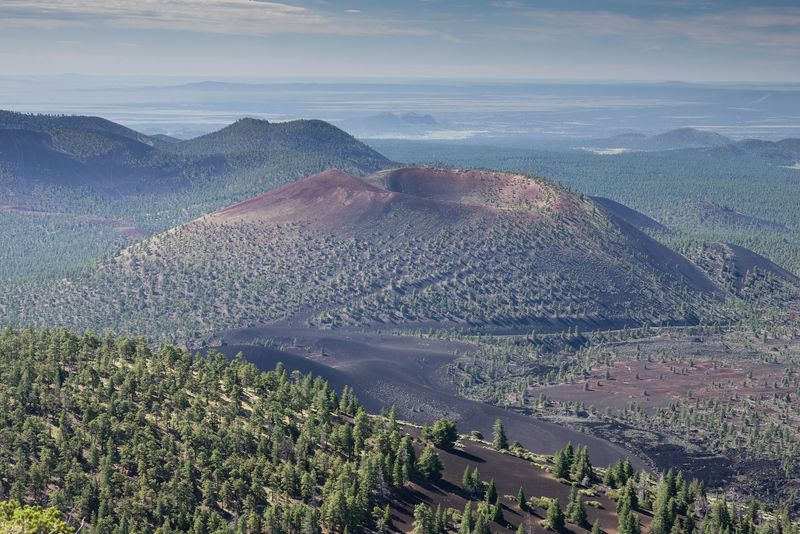
Roughly twelve miles north of Flagstaff, Arizona, along U.S. 89, an 8,042-foot cinder cone breaks the tree line and surprises almost everyone who spots it. The address is simply Arizona 86004, and the site is protected as a national monument within the U.S.
National Park system.
Sunset Crater is described as an extinct volcano with a modest hike, anchored by a one-mile loop trail at its base that circles ancient lava flows. The cone itself cannot be climbed, but there is plenty of ground to explore around it.
Plenty of travelers admit they had no idea volcanoes existed in this corner of the state until they drove up and saw the cinder cones scattered across the region. That element of surprise is a big part of the appeal.
With a 4.7-star mark across more than 200 reviews, the place quietly earns its reputation. It is a stop that rewards anyone willing to pull off the highway and actually get out of the car.
An Eruption Frozen in Time
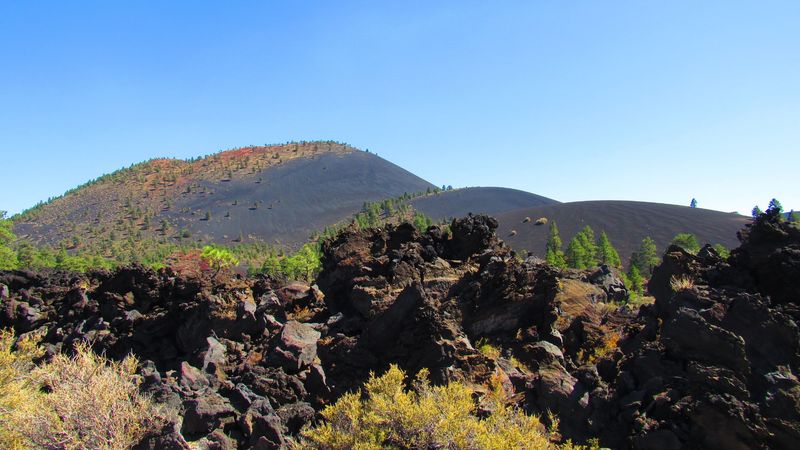
The story behind the crater is what makes the walk feel meaningful. The cinder cone is the leftover of an eruption from about a thousand years ago, and you can still trace exactly where the lava flow stopped moving.
Along the trails, hardened lava sits frozen in place, and you can get close enough to touch the sharp, ancient rock. The signs do a solid job explaining the magnitude of the event and how the landscape formed.
Regulars mention that seeing what an active flow can do to an entire region gives the hike a sense of scale you rarely get from a photo. It turns a short walk into a small lesson in how the earth reshapes itself.
Even those who have visited more than once say the second trip feels just as interesting as the first. Standing beside rock that cooled ten centuries ago has a way of holding your attention.
Walking the Lava Flow Trail
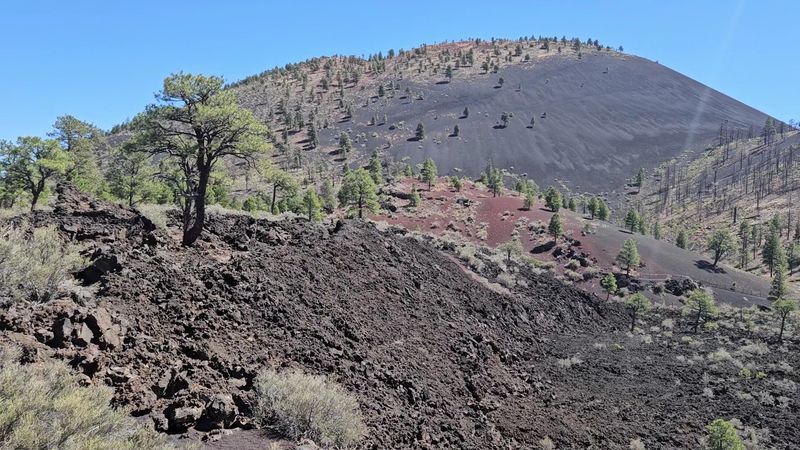
Short and rewarding sums up the base loop that gets the most foot traffic. The one-mile trail wraps around the lava flow, with many signs along the way explaining what visitors are looking at.
Part of the Lava Flow Trail is handicapped accessible, built with an actual sidewalk that still delivers strong views of cinder cones and lava fields. Benches are placed along the paved section, so anyone can sit and take in the quiet.
Beyond the pavement, real dirt trails branch off for those who want to wander a little farther. The paths are kept clean, and the walking is gentle enough for most fitness levels.
People often describe this loop as easy and genuinely enjoyable, the kind of stroll that fits neatly into a busy travel day. It manages to be low-effort without feeling underwhelming.
More Trails Than You Might Expect
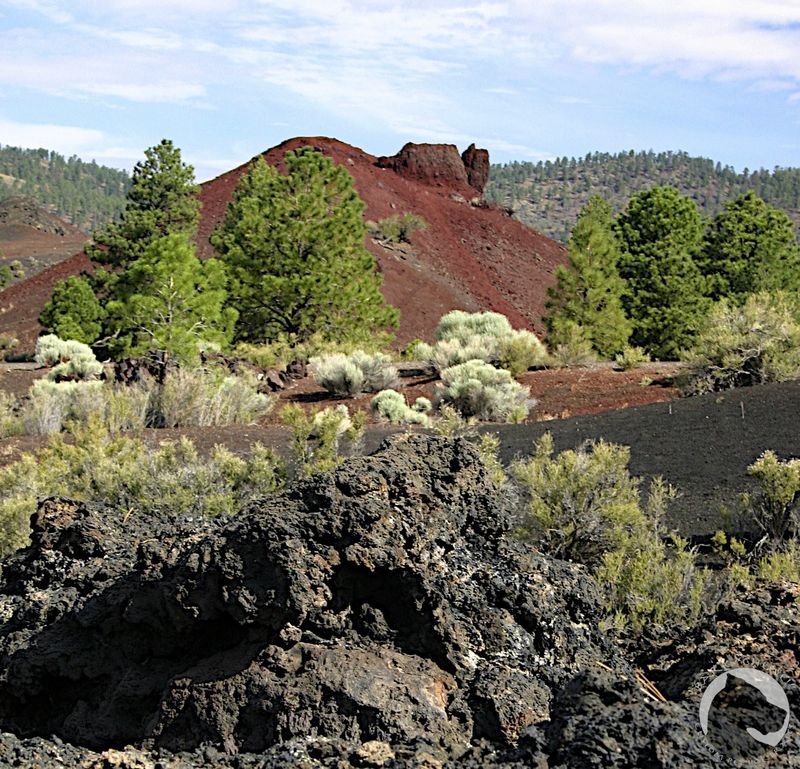
Beyond the famous loop, the monument holds several other paths worth a look. Within the park, the Lenox Crater Trail stands out as the longest marked route, giving hikers a longer stretch of volcanic terrain to cover.
For serious walkers, the O’Leary Trail actually begins outside the park, cuts through its northwest corner, and climbs toward O’Leary Peak. That route runs close to 9.6 miles, and the peak is a lava dome rather than a cinder cone.
The mix ranges from short paved sections to longer unpaved treks, so different groups can choose their own level. A little planning ahead helps, since checking the official website before arriving lets you match a trail to your time and energy.
Some trails have been closed after a 2022 fire affected part of the park, so conditions can change. Even so, plenty of interesting walks remain open for anyone eager to explore.
The Visitor Center Worth Your Time
Skipping the visitor center would be a mistake, and many people say exactly that. The building is well organized and informative, with a good number of educational boards that lay out the region’s volcanic story.
Inside, there is a gift shop along with clean restrooms, making it an easy first stop before hitting the trails. The exhibits help frame what you are about to see outside.
Some travelers get a kick out of the small extras, like the chance to check out astronaut foods on display. It adds a playful touch to an otherwise educational stop.
Taking twenty minutes here before walking the loop tends to make the whole visit click into place. The signs on the trail suddenly mean more once you understand the bigger picture.
Views That Stretch to the Painted Desert
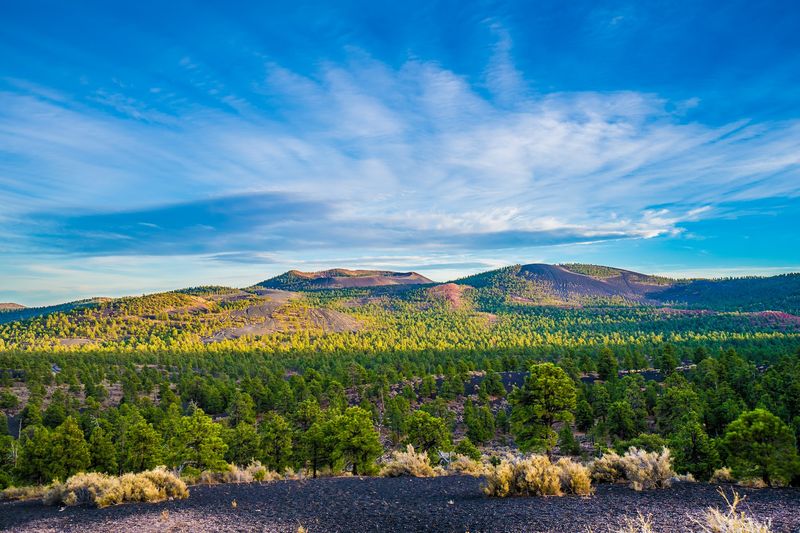
The scenery around the crater turns out to be more varied than the black rock suggests. Along the drive and the trails, there are pull-offs where you can stop and catch a wide view of the Painted Desert in the distance.
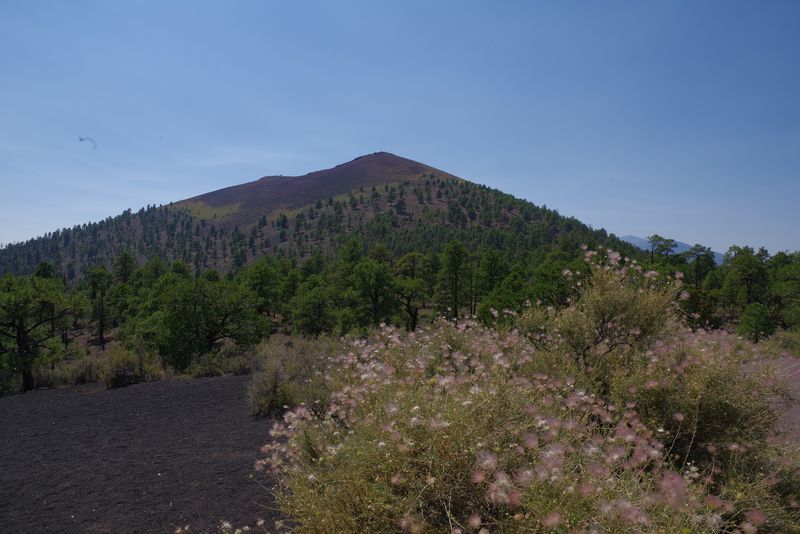
The landscape shifts from old lava fields to unusual rock formations, fire-scarred trees, and green spring bushes pushing up between the cinders. That contrast keeps the eyes busy the whole way around.
Late in the day, the cinder hill takes on a striking glow, and the scenic view at that hour is a favorite among those who linger. In winter, snow on the surrounding mountains adds another layer to the picture.
The loop road itself is easy to drive and rarely crowded, so grabbing a good photo of the crater is simple. Every turnout seems to offer a new angle worth a pause.
A Peaceful Escape That Skips the Crowds
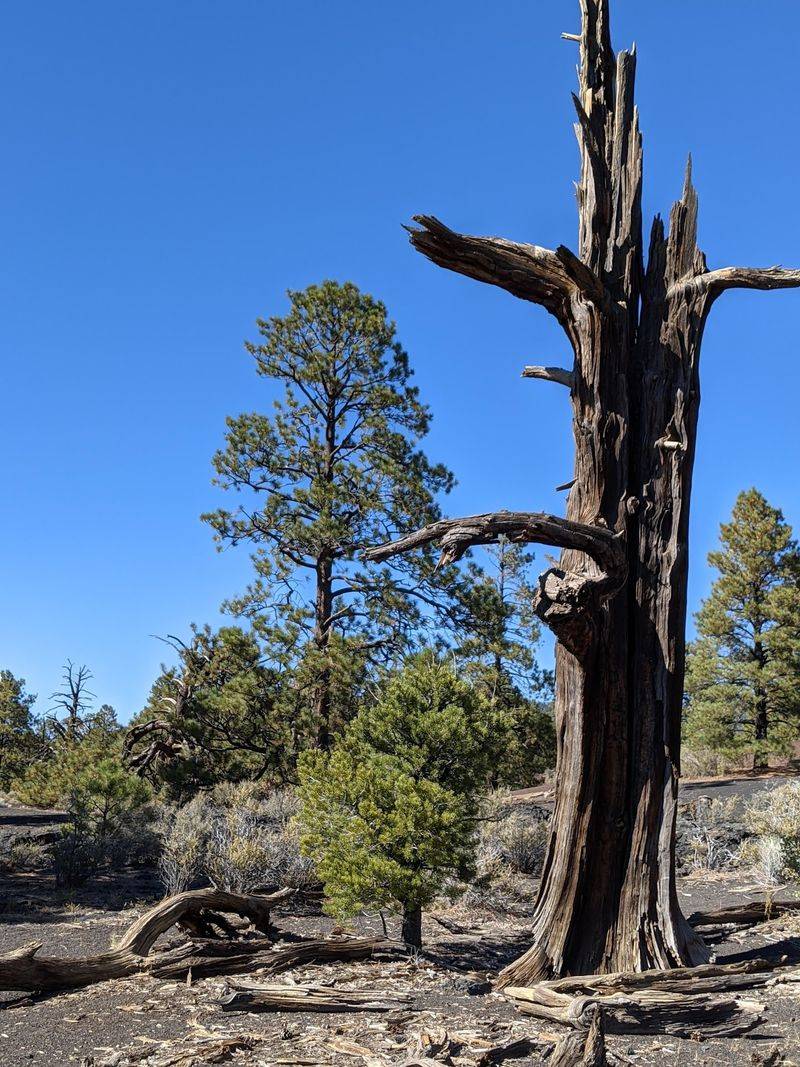
Quiet is the word that comes up again and again when people describe this monument. Peaceful trails, few crowds, and a sense of space make it feel far removed from busier parks nearby.
Folks who have lived in Flagstaff sometimes call it their favorite local spot, noting that most travelers just drive the road and stop at the turnouts. Those willing to get out and walk end up with the place nearly to themselves.
The hike is dog friendly, which makes it an easy outing for anyone traveling with a four-legged companion. Families, solo walkers, and older adults all find something manageable here.
One local habit worth borrowing is simply sitting on a bench after the walk and soaking in the silence for a while. It is the rare stop that invites you to slow down instead of rushing on.
Hours, Fees, and Getting There
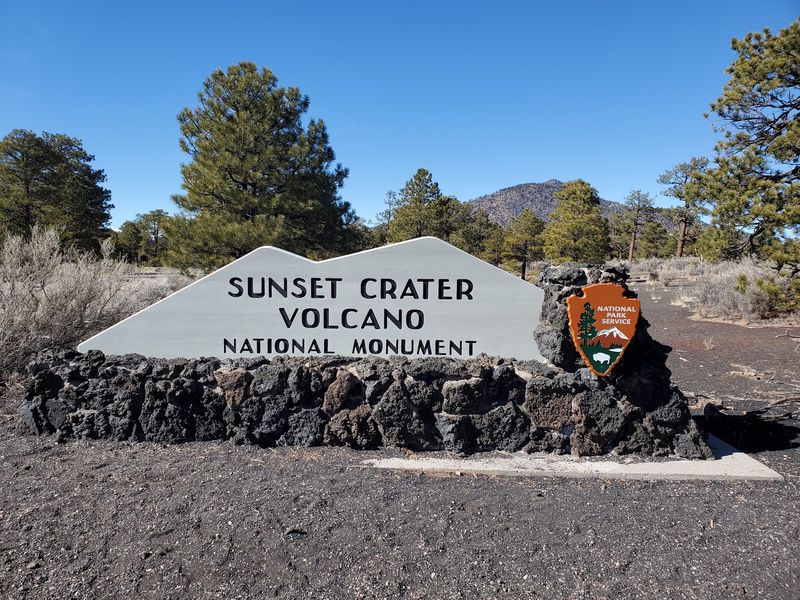
Planning a trip here is refreshingly straightforward. The monument sits about twelve miles north of Flagstaff on U.S. 89, an easy drive that most travelers can add to a day exploring northern Arizona.
As part of the National Park system, entry is covered if you hold an annual pass. Otherwise, the entrance fee is $25, and that single fee also gets you into the nearby Wupatki Monument.
One detail worth remembering is the elevation. Flagstaff sits near 7,000 feet, so this part of Arizona has real winters, and cold, snowy conditions are common in the colder months.
Most people suggest setting aside at least a couple of hours, though those who want to hit multiple trails plan for half a day. Packing water and snacks is smart, since services are limited once you leave town.
Why This Stop Belongs on Your List
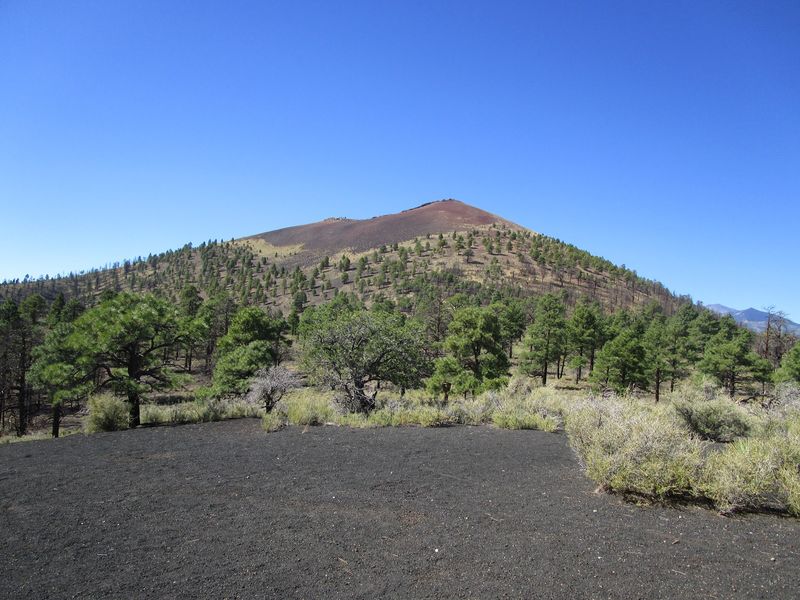
Few places in the state pack this much surprise into such a short walk. A cinder cone, hardened lava flows, and sweeping desert views all sit within a quick trip from Flagstaff, yet plenty of Arizonans have never stopped.
The combination of an easy loop, an informative visitor center, and genuine quiet makes it welcoming for almost anyone. Pairing it with the nearby Wupatki Monument on the same fee turns a single stop into a fuller day of exploring.
People who take the time to park and walk almost always leave saying it was worth the drive. That kind of steady praise, backed by a 4.7-star mark, is hard to ignore.
Next time the highway north of Flagstaff calls, this frozen-in-time landscape makes a strong case for pulling over. It is a slice of Arizona history that most travelers roll right past, and one that rewards everyone who slows down.